Percolation Test Clauses: Contract for Real Property
What this document covers
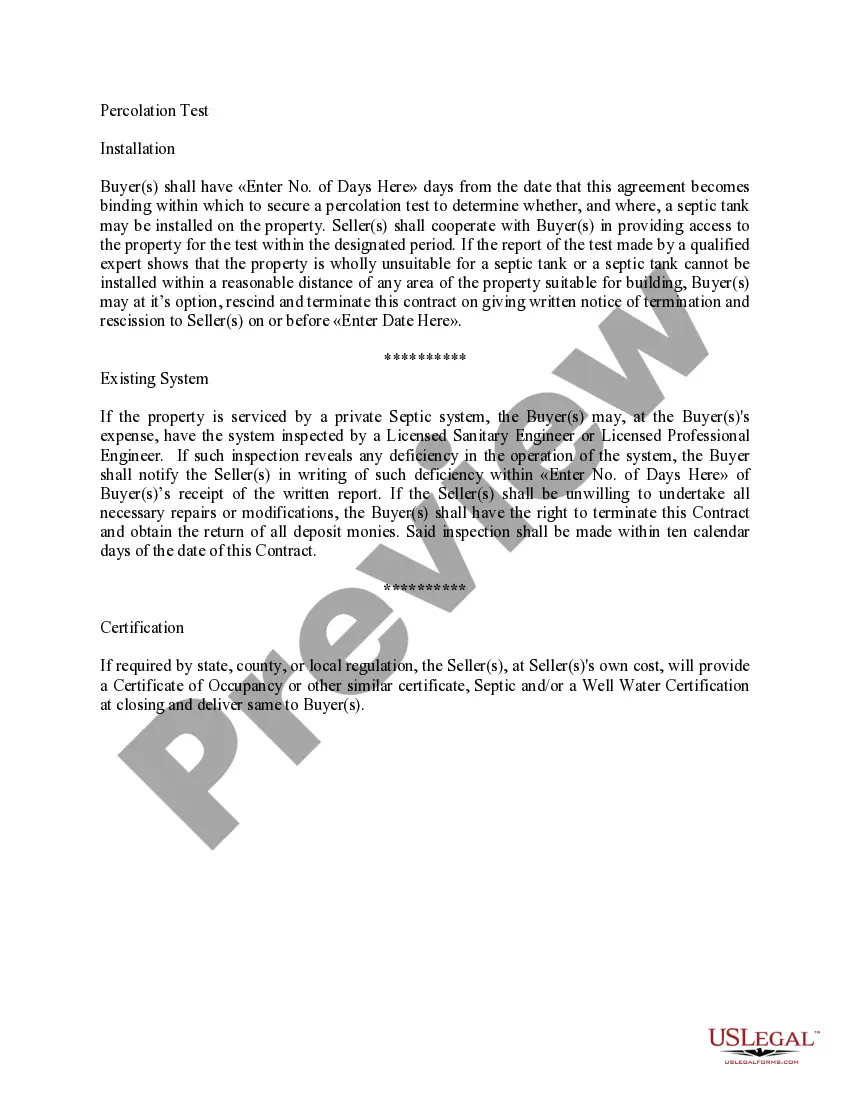
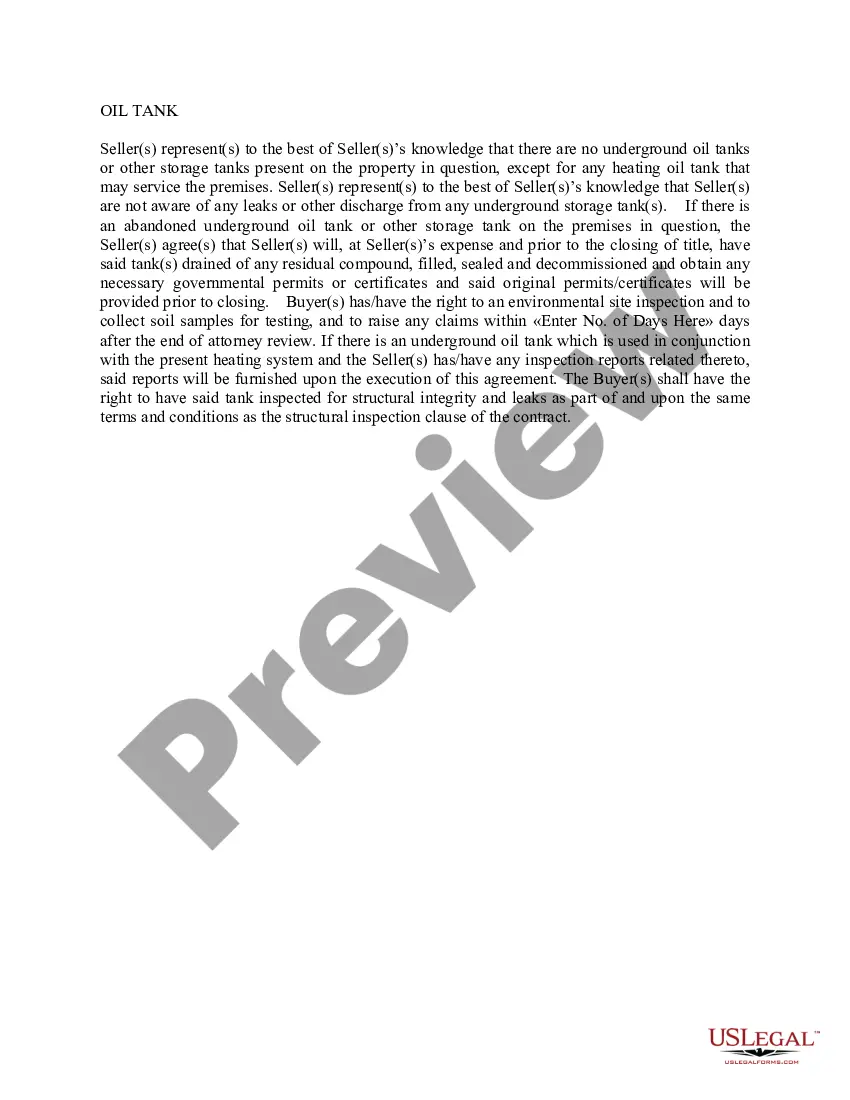
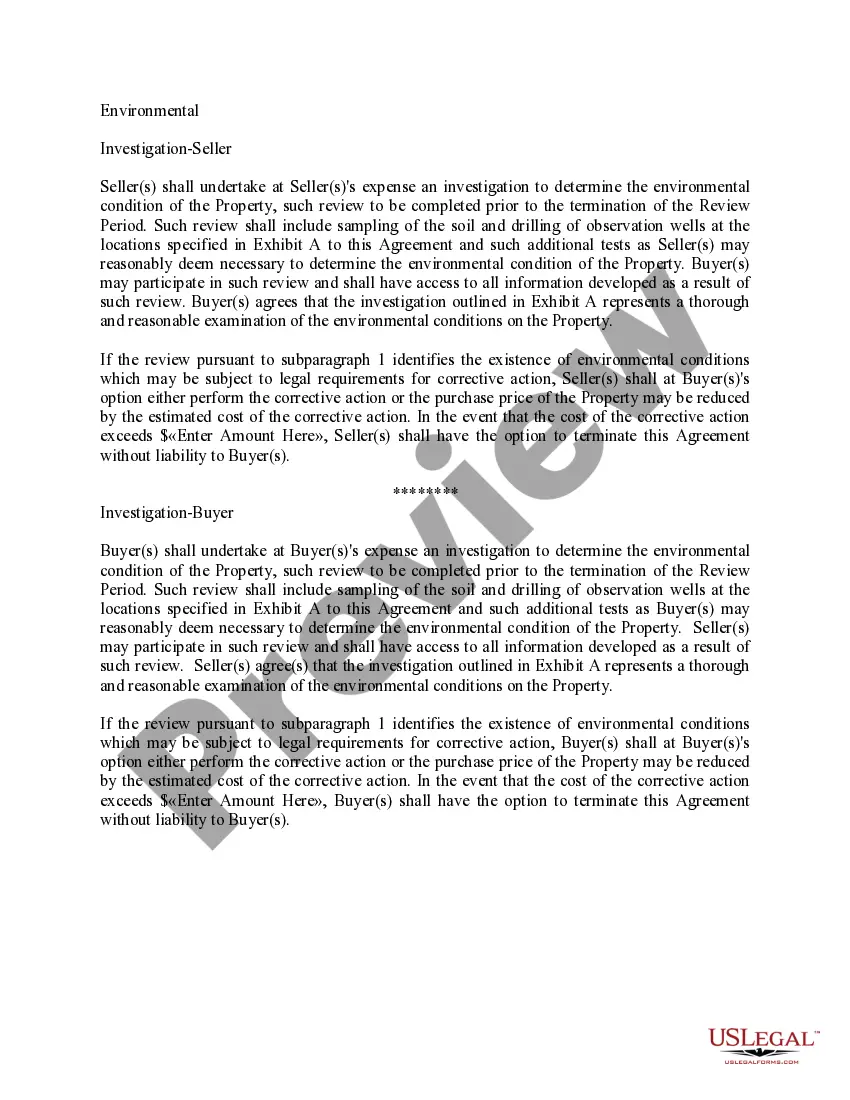
The Percolation Test Clauses: Contract for Real Property is a legal document that outlines the conditions under which a real estate contract is enforceable, particularly regarding the installation of septic systems. This form includes essential clauses related to the percolation testâa vital procedure for determining if and where a septic tank can be installed on a property. Unlike generic contracts, this form provides specific legal conditions tailored for real property transactions involving septic systems.
Key components of this form
- Time frame for securing a percolation test after the agreement becomes binding.
- Obligation for the seller to provide access for the test.
- Options for the buyer if the property is unsuitable for a septic tank.
- Clause regarding the inspection of existing septic systems by a licensed engineer.
- Requirement for the seller to provide necessary certificates, if applicable.
Common use cases
This form is necessary when a buyer is purchasing property that may require a septic system for waste management. It should be used when the buyer needs a clear understanding of the testing process for septic installation and the responsibilities of both parties in the event that the property does not pass the percolation test. This clause helps ensure both buyer and seller know their rights and obligations related to septic arrangements.
Who should use this form
This form is intended for:
- Homebuyers purchasing land that may require a septic system.
- Sellers of real property who want to clearly outline responsibilities related to septic installation.
- Real estate agents facilitating transactions in areas where septic systems are common.
Completing this form step by step
- Identify the parties involved in the contract.
- Specify the property address and description.
- Enter the number of days the buyer has to secure the percolation test.
- Include any dates relevant to the termination rights of the buyer based on the test results.
- Have both parties sign and date the agreement to make it legally binding.
Is notarization required?
This form does not typically require notarization unless specified by local law. Always check local regulations to ensure compliance with any additional notarization needs.
Get your form ready online
Our built-in tools help you complete, sign, share, and store your documents in one place.
Make edits, fill in missing information, and update formatting in US Legal Forms—just like you would in MS Word.
Download a copy, print it, send it by email, or mail it via USPS—whatever works best for your next step.
Sign and collect signatures with our SignNow integration. Send to multiple recipients, set reminders, and more. Go Premium to unlock E-Sign.
If this form requires notarization, complete it online through a secure video call—no need to meet a notary in person or wait for an appointment.
We protect your documents and personal data by following strict security and privacy standards.

Make edits, fill in missing information, and update formatting in US Legal Forms—just like you would in MS Word.

Download a copy, print it, send it by email, or mail it via USPS—whatever works best for your next step.

Sign and collect signatures with our SignNow integration. Send to multiple recipients, set reminders, and more. Go Premium to unlock E-Sign.

If this form requires notarization, complete it online through a secure video call—no need to meet a notary in person or wait for an appointment.

We protect your documents and personal data by following strict security and privacy standards.
Typical mistakes to avoid
- Failing to specify the timeframe for the percolation test.
- Not providing adequate information on existing septic systems.
- Ignoring local regulations concerning septic system evaluations.
Why complete this form online
- Convenience of downloading and completing the form at your own pace.
- Editability to customize the clauses to your specific needs.
- Access to reliable templates drafted by licensed attorneys for peace of mind.
Looking for another form?
Form popularity
FAQ
Contingency contracts target undesirable behaviors and conditions while helping a person achieve better outcomes. For instance, a parent can enter a contingency contract with a child that does not finish his or her homework on time. The child can agree to finish his or her homework before supper.
A contingency clause is a contract provision that requires a specific event or action to take place in order for the contract to be considered valid. If the party that's required to satisfy the contingency clause is unable to do so, the other party is released from its obligations.
Options that could make an offer more attractive include offering more than the asking price, offering a larger Earnest Money Deposit than requested, letting the sellers choose the closing date, picking up the sellers closing costs and limiting the time period for your house to sell.
A contingency clause should clearly outline what the condition is, how the condition is to be fulfilled, and which party is responsible for fulfilling it. The clause should also provide a timeframe and what happens if the condition is not met.
Contingencies can include details such as the time frame (for example, ?the buyer has 14 days to inspect the property?) and specific terms (such as, ?the buyer has 21 days to secure a 30-year conventional loan for 80% of the purchase price at an interest rate no higher than 4.5%?).
CONTINGENCY: This offer is accepted contingent upon BUYER selling their real property located at (Address) (City) , with in days (contingency period) from acceptance of this offer, or any written extensions thereof signed by BUYER and SELLER.
The test to determine the capability of the soil to absorb liquid, both for construction and septic systems.
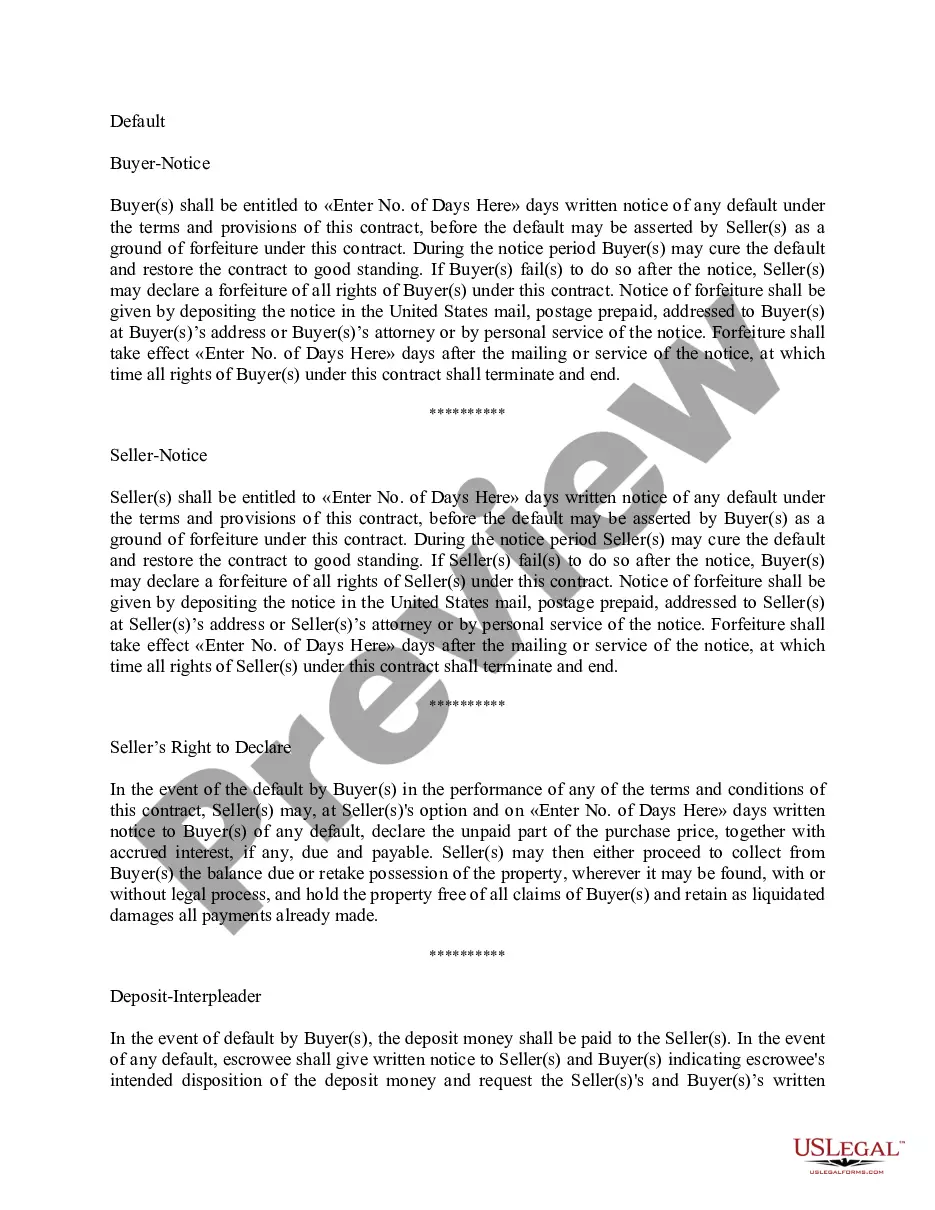
In real estate contracts, there are contract clauses that outline the terms of the agreement and responsibilities of each party. The contract clauses address all aspects of the sale terms and are legally binding once both parties sign the document.