Log of Records Retention Requirements
Overview of this form
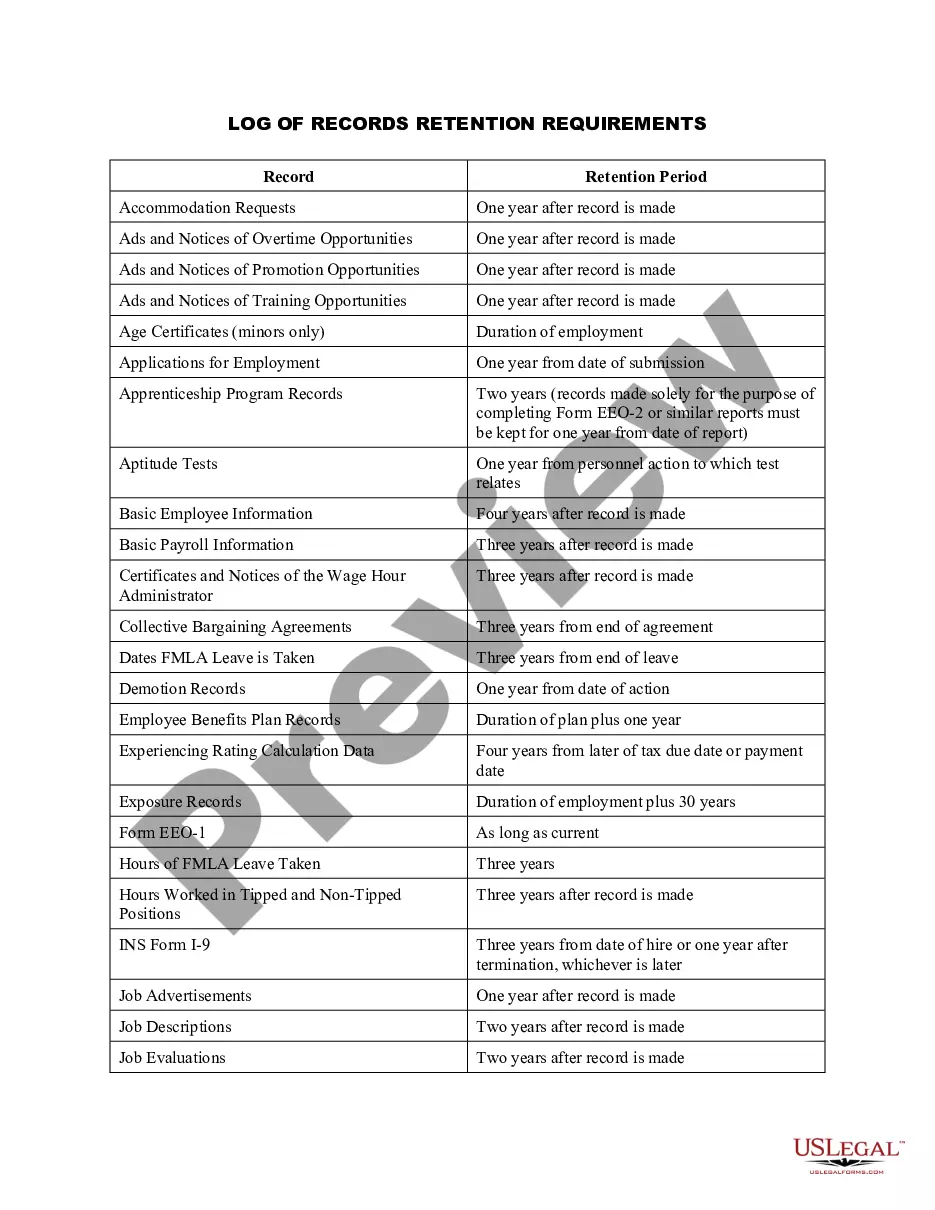
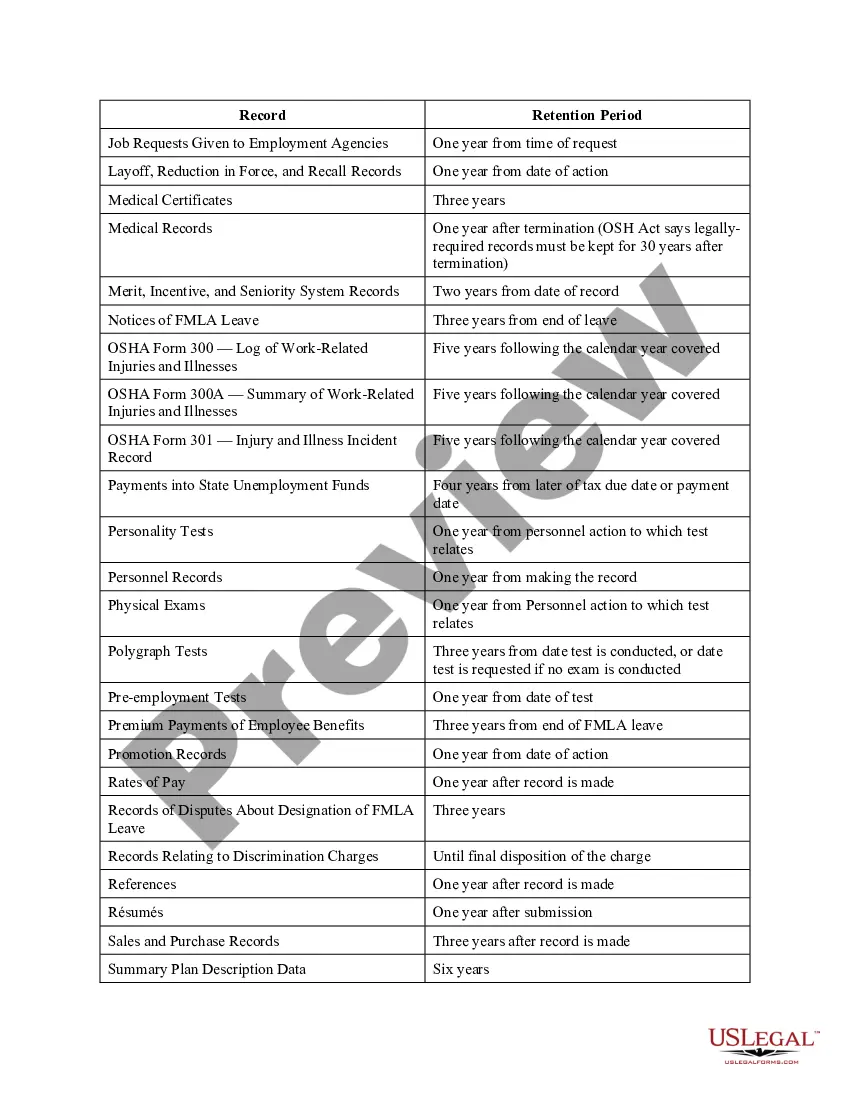
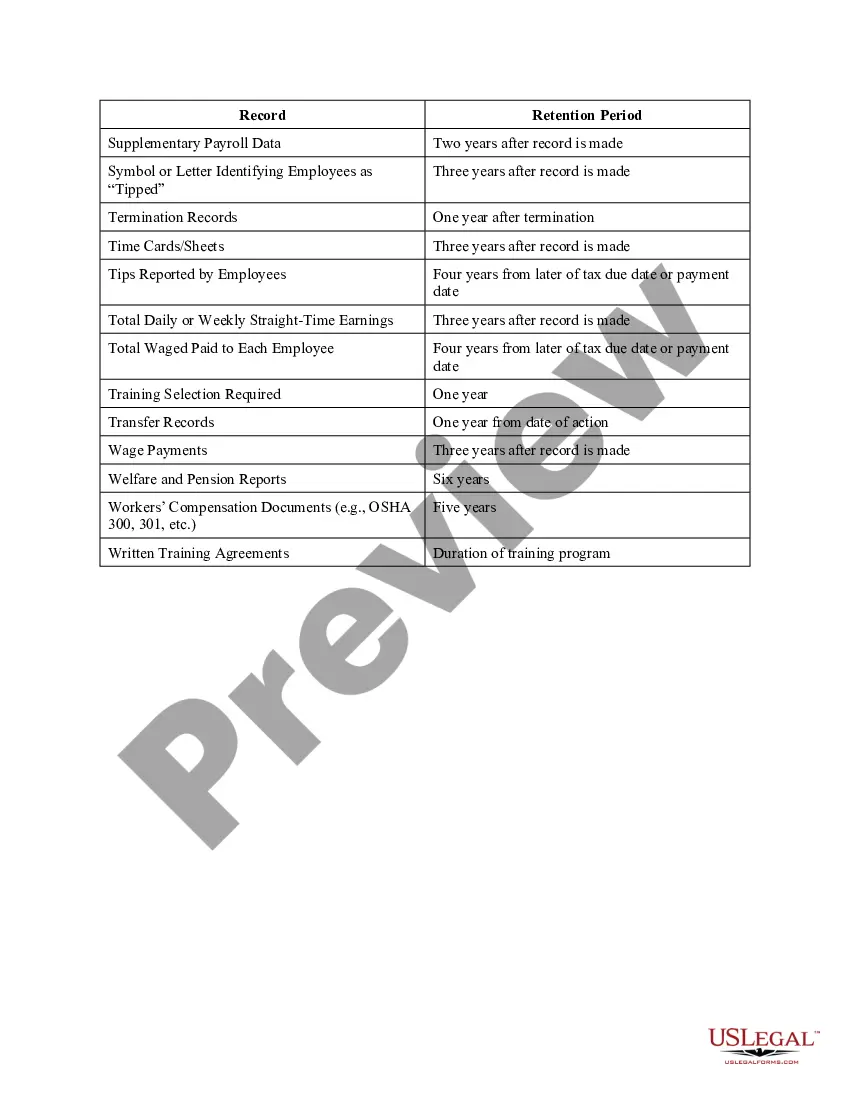
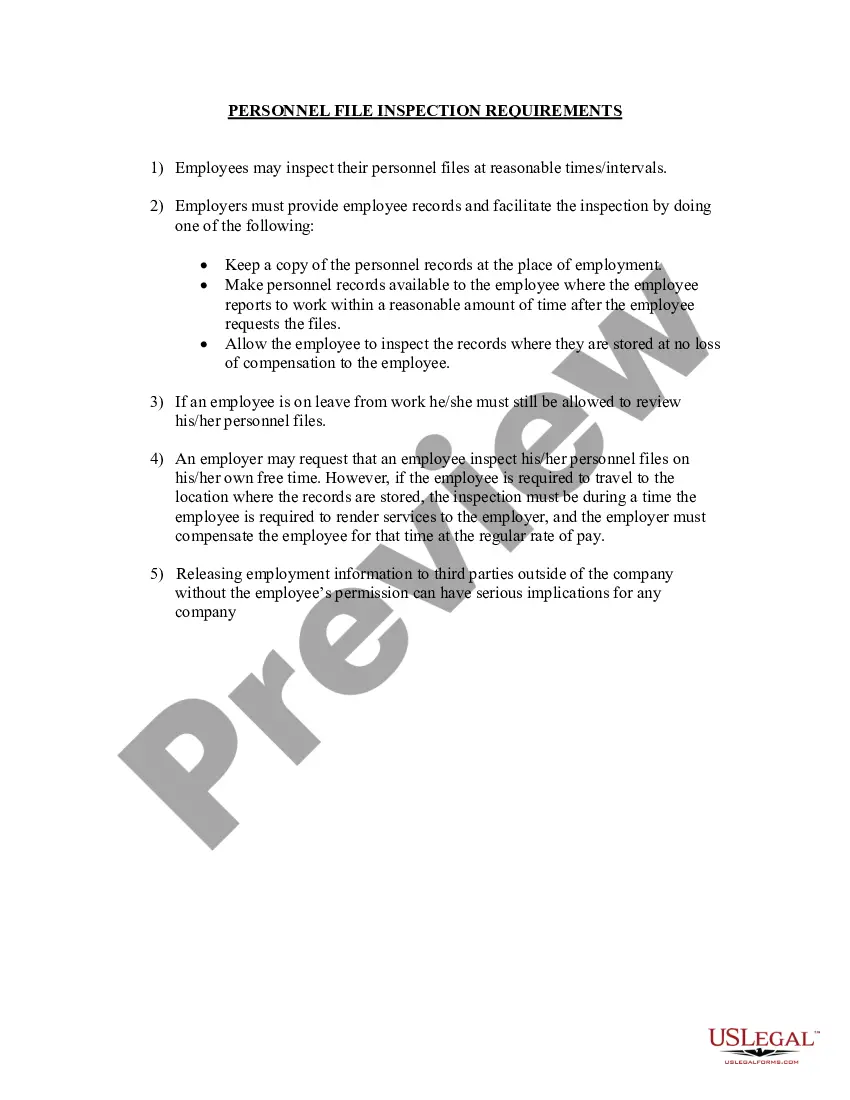
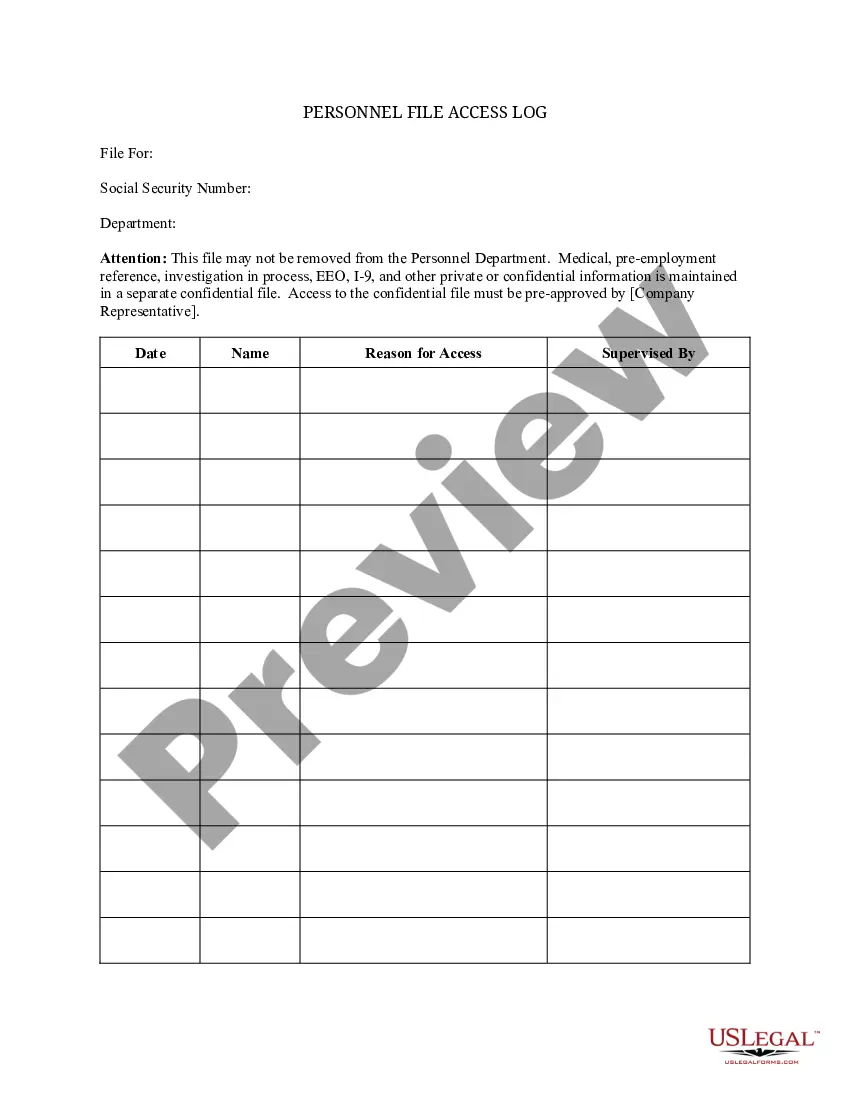
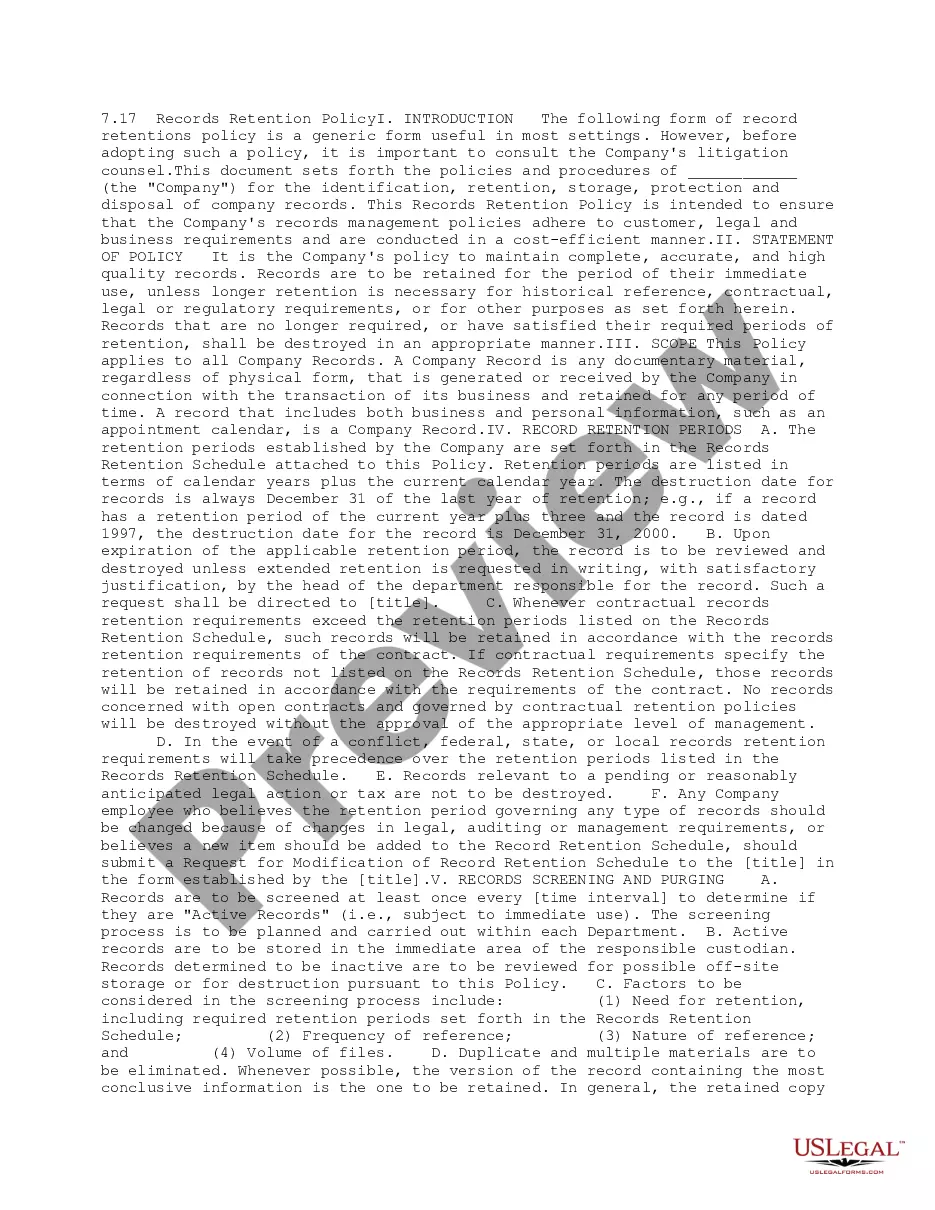
The Log of Records Retention Requirements is a vital tool for organizations to track how long they must keep different types of records. This form outlines the specific retention periods for various documents, ensuring compliance with legal obligations while facilitating efficient record management. By clearly defining these timeframes, it helps prevent the premature disposal of essential records and minimizes the risk of legal issues arising from insufficient documentation.
Key parts of this document
- Record retention periods for various types of company documents
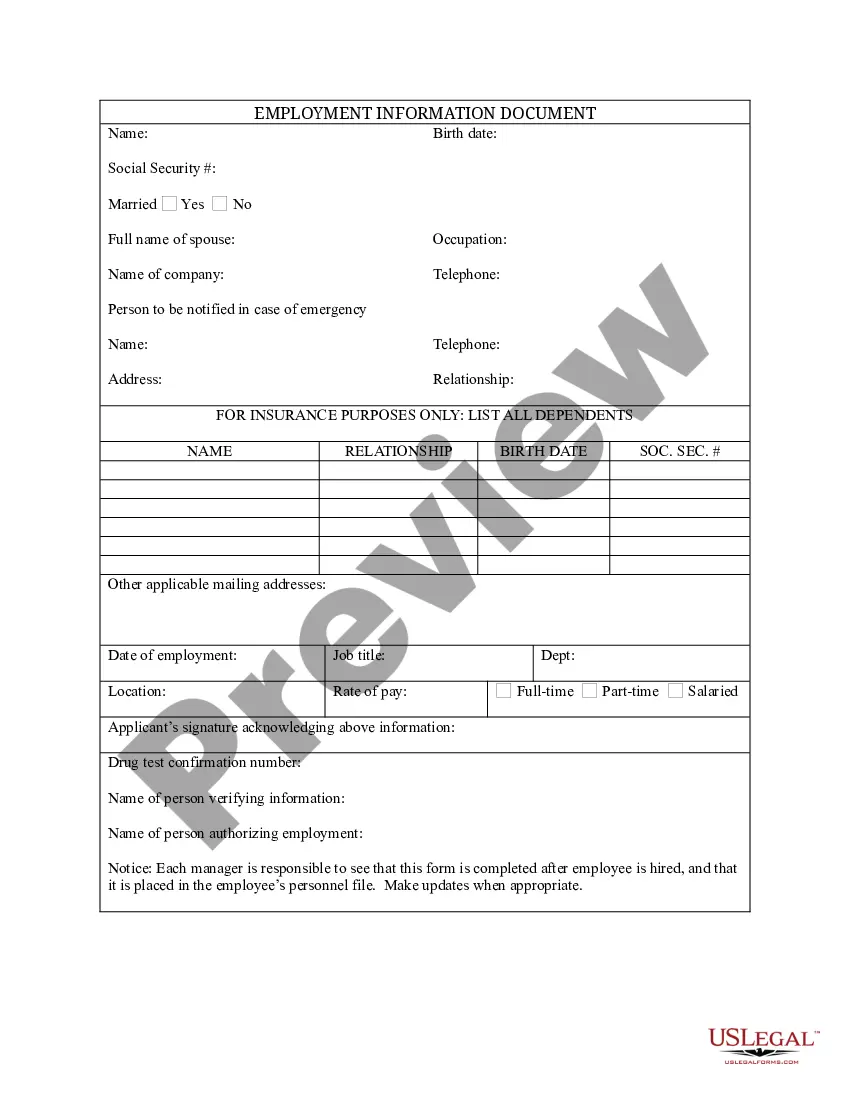
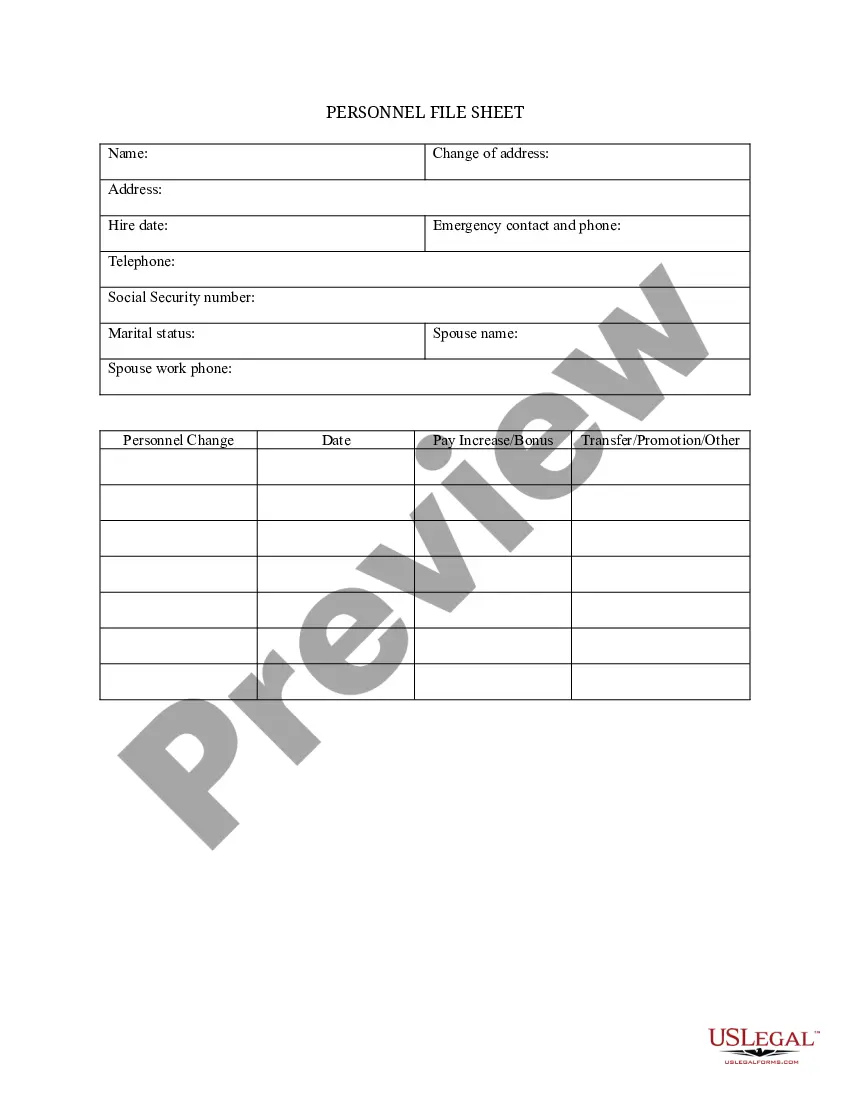
- Requirements for specific records, such as employee information, advertisements, and medical records
- Categorization of records based on their purpose and legal requirements
- Clear guidance on how long to keep records before disposal
Common use cases
This form is essential for any business or organization that needs to establish or maintain a records retention policy. You would use this log when updating your records management policies, during audits, or when preparing for record disposal to ensure compliance with applicable laws.
Who needs this form
- Human resources personnel managing employee records
- Compliance officers ensuring legal obligations are met
- Managers overseeing records retention policies
- Business owners looking to streamline record-keeping practices
Instructions for completing this form
- Identify the types of records your organization maintains.
- Review the required retention periods for each record type listed in the form.
- Document the date each record was created or received.
- Establish a system for tracking these records according to their retention schedules.
- Ensure that records are disposed of in accordance with the specified timeframes.
Notarization guidance
This form does not typically require notarization unless specified by local law.
Get your form ready online
Our built-in tools help you complete, sign, share, and store your documents in one place.
Make edits, fill in missing information, and update formatting in US Legal Forms—just like you would in MS Word.
Download a copy, print it, send it by email, or mail it via USPS—whatever works best for your next step.
Sign and collect signatures with our SignNow integration. Send to multiple recipients, set reminders, and more. Go Premium to unlock E-Sign.
If this form requires notarization, complete it online through a secure video call—no need to meet a notary in person or wait for an appointment.
We protect your documents and personal data by following strict security and privacy standards.

Make edits, fill in missing information, and update formatting in US Legal Forms—just like you would in MS Word.

Download a copy, print it, send it by email, or mail it via USPS—whatever works best for your next step.

Sign and collect signatures with our SignNow integration. Send to multiple recipients, set reminders, and more. Go Premium to unlock E-Sign.

If this form requires notarization, complete it online through a secure video call—no need to meet a notary in person or wait for an appointment.

We protect your documents and personal data by following strict security and privacy standards.
Mistakes to watch out for
- Not following the specified retention periods accurately.
- Failing to document the disposal of records appropriately.
- Overlooking updates to record-keeping laws that may affect retention policies.
Benefits of completing this form online
- Convenient access to legal forms anytime and anywhere.
- Editable templates that allow for easy customization.
- Reliable resources drafted by licensed attorneys, ensuring legal compliance.
Legal use & context:
- This log is essential for compliance with federal and state regulations regarding records retention.
- Helps protect businesses from liability exposure by ensuring records are kept for the required timeframes.
- Facilitates efficient record management by specifying disposal guidelines for obsolete records.
Summary of main points
- The Log of Records Retention Requirements is crucial for effective record management.
- It helps ensure compliance with legal retention periods.
- Regular updates and reviews of the log can prevent potential legal issues.
Looking for another form?
Form popularity
FAQ
Under Section 396.17 and 396.21, every motor vehicle must go through a full inspection at least once every 12 months and a record of the inspection be kept for at least 14 months.
A records retention program will identify documents and business records that need to be maintained and contain guidelines for how long certain documents should be kept and how they should be destroyed.
Records Request for Driver/Applicant Safety Performance History (Release Form) Safety Performance History Information Driver/Applicant Correction Request or Rebuttal. Response notes received from investigations.
Drivers do not have to keep a logbook, but their employer must keep accurate time records for 6 months that show: The time the driver reported for duty each day; The total number of hours the driver was on duty each day;The total time for the preceding 7 days.
Drivers Who Maintain RODS for 8 Days or LessDrivers who maintain Record of Duty Status (RODS) for 8 days or fewer in a 30-day rolling period don't need an ELD. They need to maintain paper logs, but the ELD itself isn't legally required. This includes short-haul drivers who occasionally take longer trips.
Quote From The CDL Manual: Any person who is subject to the safety regulations and drives a commercial motor vehicle (CMV) must complete a logbook page for any day that includes CMV driving and for the prior 7 days (unless under an exception on some of those days).
14-Hour Driving Window You are allowed a period of 14 consecutive hours in which to drive up to 11 hours after being off duty for 10 or more consecutive hours. The 14-consecutive-hour driving window begins when you start any kind of work.
Guidance: A motor carrier must retain drivers' records of duty status (RODS) and supporting documents for six months. 395.8(k). Additionally, a back-copy of the ELD records must be maintained on a device separate from that where original data are stored for six months.
A year after the Federal Motor Carrier Safety Administration (FMCSA) put electronic logging device regulations into effect, California troopers are warning truckers that their paper logs books will absolutely not be accepted any longer.