Admitted Liability
What this document covers
The Admitted Liability form is a legal document used to acknowledge a party's acceptance of responsibility for damages or obligations in a legal dispute. This form simplifies the process of resolving claims by clarifying which party admits liability, thereby providing a basis for settlement discussions and reducing uncertainty in legal proceedings. Unlike other liability forms that may require negotiation or dispute mediation, the Admitted Liability form is straightforward and promotes transparency.
Key components of this form
- Statement of admitted liability: Clearly outlines the party's acceptance of responsibility.
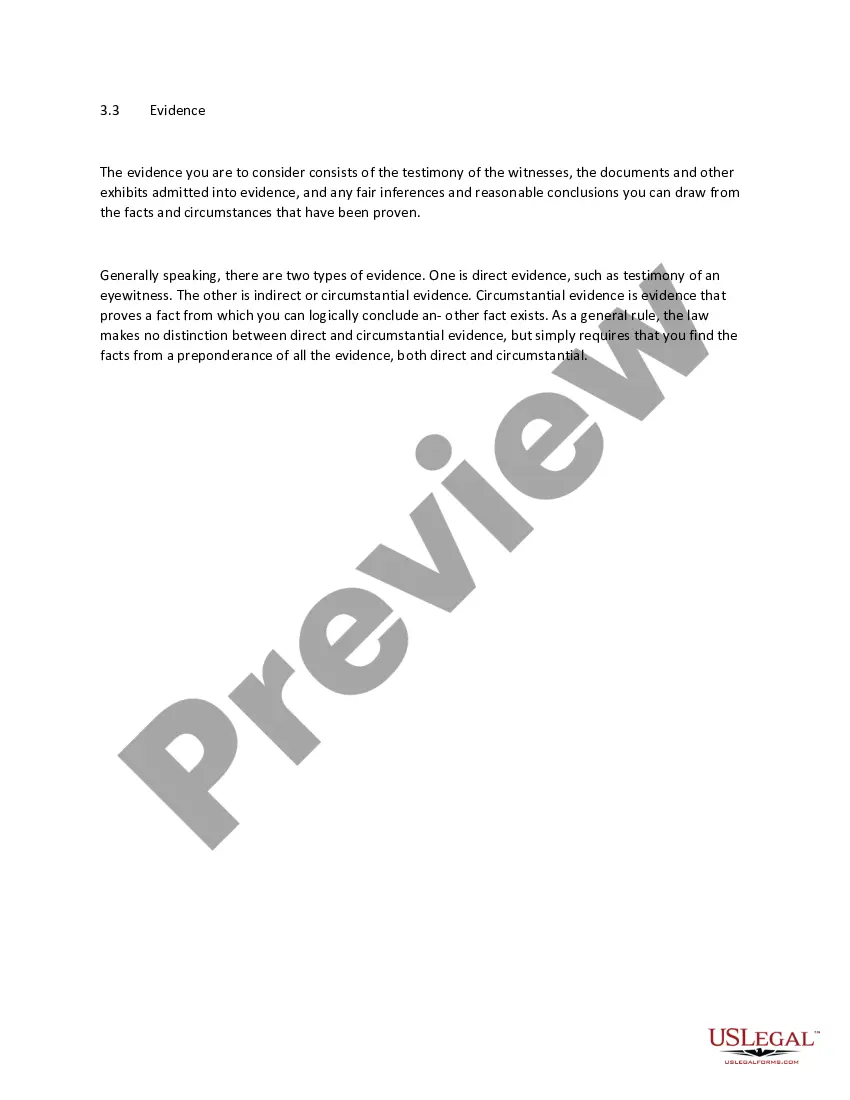
- Evidentiary components: Details the types of evidence being considered, including direct and circumstantial evidence.
- Signature fields: Requires signatures from the parties involved to validate the agreement.

When to use this document
This form is typically used in personal injury cases, property disputes, or other legal matters where one party seeks to resolve claims amicably by acknowledging responsibility. It is beneficial when parties wish to clarify liability before proceeding with negotiations or settlements, reducing the complexities of litigation.
Who this form is for
- Individuals involved in a legal dispute who are willing to admit liability.
- Businesses seeking to settle claims or disputes with minimal conflict.
- Legal representatives looking to facilitate resolutions between parties.
Instructions for completing this form
- Identify the parties involved in the agreement.
- Review the evidence related to the liability being admitted.
- Fill in the statement of admitted liability with appropriate details.
- Provide spaces for signatures of both parties.
- Keep a copy for personal records after completion.
Notarization requirements for this form
This form usually doesn’t need to be notarized. However, local laws or specific transactions may require it. Our online notarization service, powered by Notarize, lets you complete it remotely through a secure video session, available 24/7.
Get your form ready online
Our built-in tools help you complete, sign, share, and store your documents in one place.
Make edits, fill in missing information, and update formatting in US Legal Forms—just like you would in MS Word.
Download a copy, print it, send it by email, or mail it via USPS—whatever works best for your next step.
Sign and collect signatures with our SignNow integration. Send to multiple recipients, set reminders, and more. Go Premium to unlock E-Sign.
If this form requires notarization, complete it online through a secure video call—no need to meet a notary in person or wait for an appointment.
We protect your documents and personal data by following strict security and privacy standards.

Make edits, fill in missing information, and update formatting in US Legal Forms—just like you would in MS Word.

Download a copy, print it, send it by email, or mail it via USPS—whatever works best for your next step.

Sign and collect signatures with our SignNow integration. Send to multiple recipients, set reminders, and more. Go Premium to unlock E-Sign.

If this form requires notarization, complete it online through a secure video call—no need to meet a notary in person or wait for an appointment.

We protect your documents and personal data by following strict security and privacy standards.
Avoid these common issues
- Failing to provide complete and accurate information in the statement of admitted liability.
- Not understanding the implications of admitting liability before signing.
- Neglecting to have all involved parties sign the document, which may invalidate the agreement.
Benefits of completing this form online
- Convenience of downloading and completing the form at your own pace.
- Editable templates that allow customization to meet specific needs.
- Reliability of templates drafted by licensed attorneys to ensure legal integrity.
Looking for another form?

Form popularity
FAQ
No admission of liability and no settlement of any Proceeding shall be made by the Corporation without the prior written consent of the Indemnified Parties affected, such consent not to be unreasonably withheld.
When a defendant offers to settle a personal injury case, the injured party may believe that the settlement offer constitutes an admission of liability. However, this is not the case. In fact, most settlement offers specifically deny such an admission.
The No Admission of Liability clause makes it explicit that, unless otherwise specified, nothing in the agreement amounts to an admission of guilt by either party.
You should not admit fault for a car accident even if believe you caused the car wreck. If you admit liability, you?and your auto insurance company?will be legally responsible for paying for damages resulting from the crash.
What that means is that they're not contesting that issue. They're agreeing that they are liable. They're agreeing that they're responsible for your car crash. That means that if your case goes to trial, you don't need to put on proof to establish who, if anyone, is legally responsible for your injuries.
An admission of liability happens when someone admits their own fault in an injury accident. In turn, they are admitting liability for damages from the accident. This statement might be given before the at-fault party provides compensation for what the accident victim has lost.
If the defendant's insurer accepts liability on their client's behalf, it means that they are assuming legal responsibility for your accident and injuries. An admission of liability can be a crucial stage in resolving a case but is not always necessary.
No Liability means a final judgment of no liability obtained in favor of an Insured Person after the exhaustion of all appeals. NON-INDEMNIFIABLE LOSS.