Nature of Indictment
Understanding this form
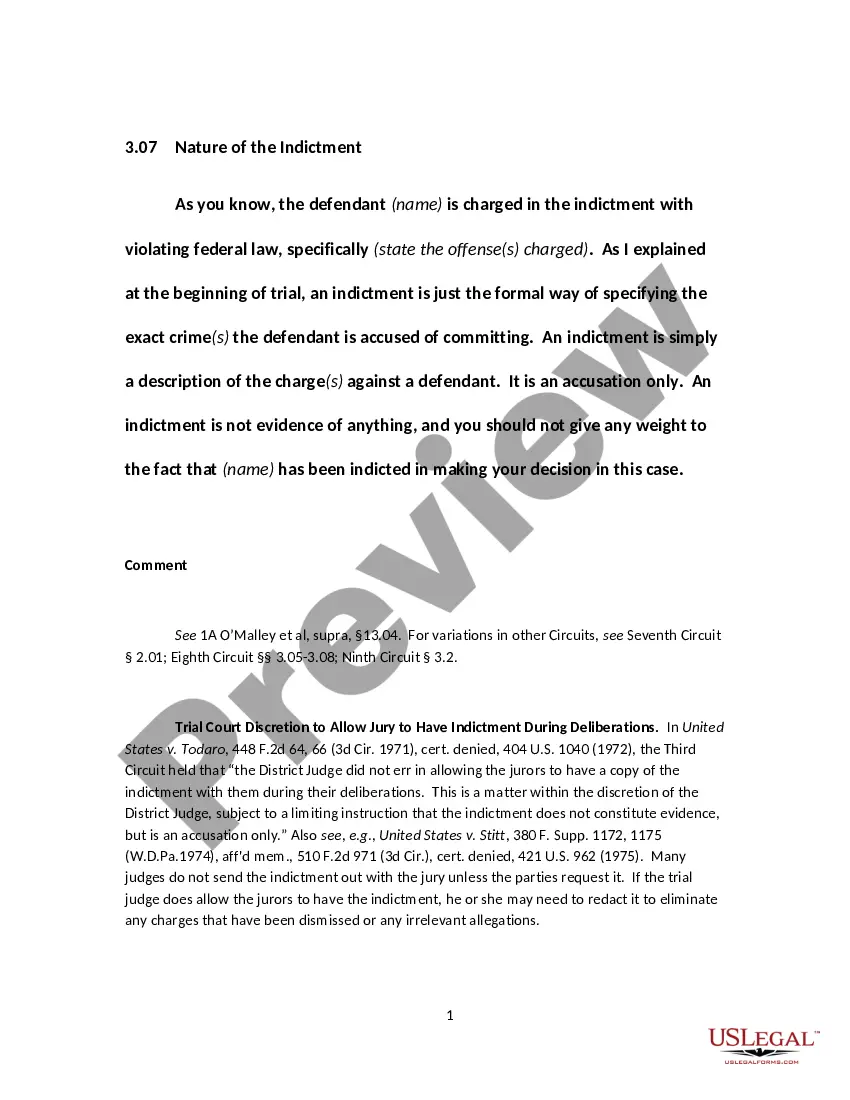
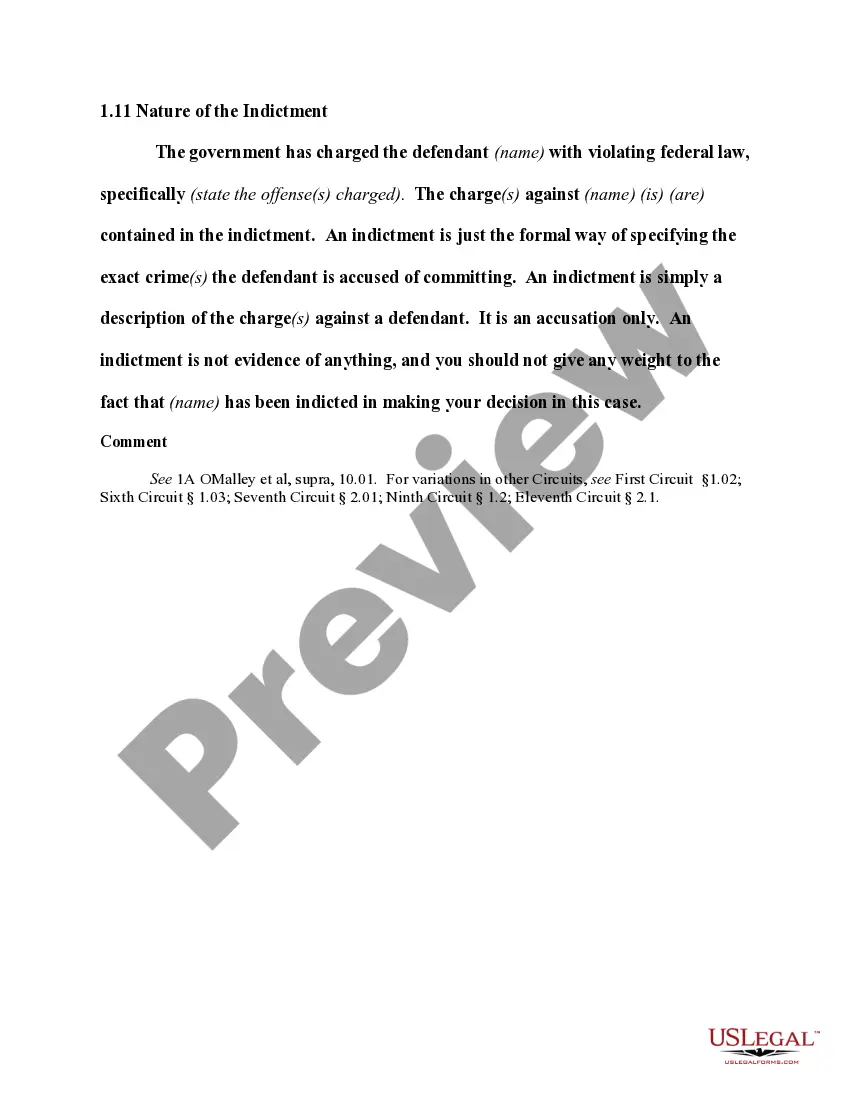
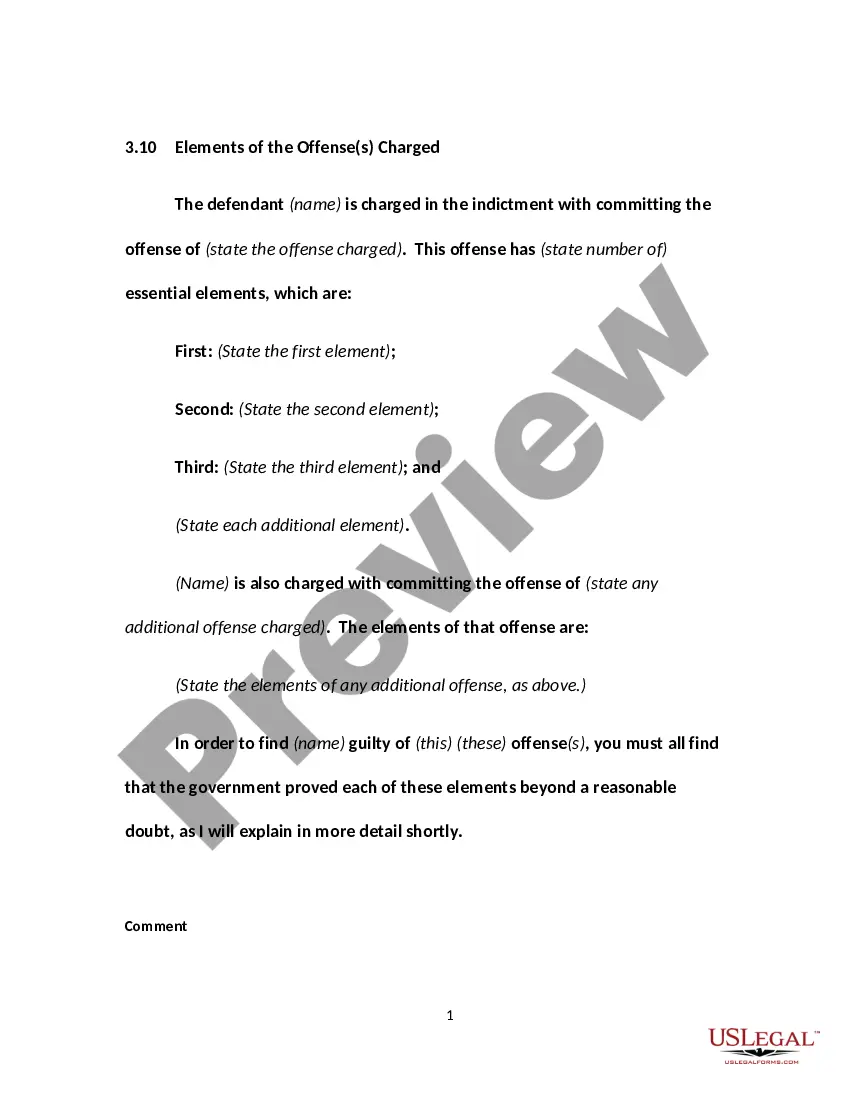
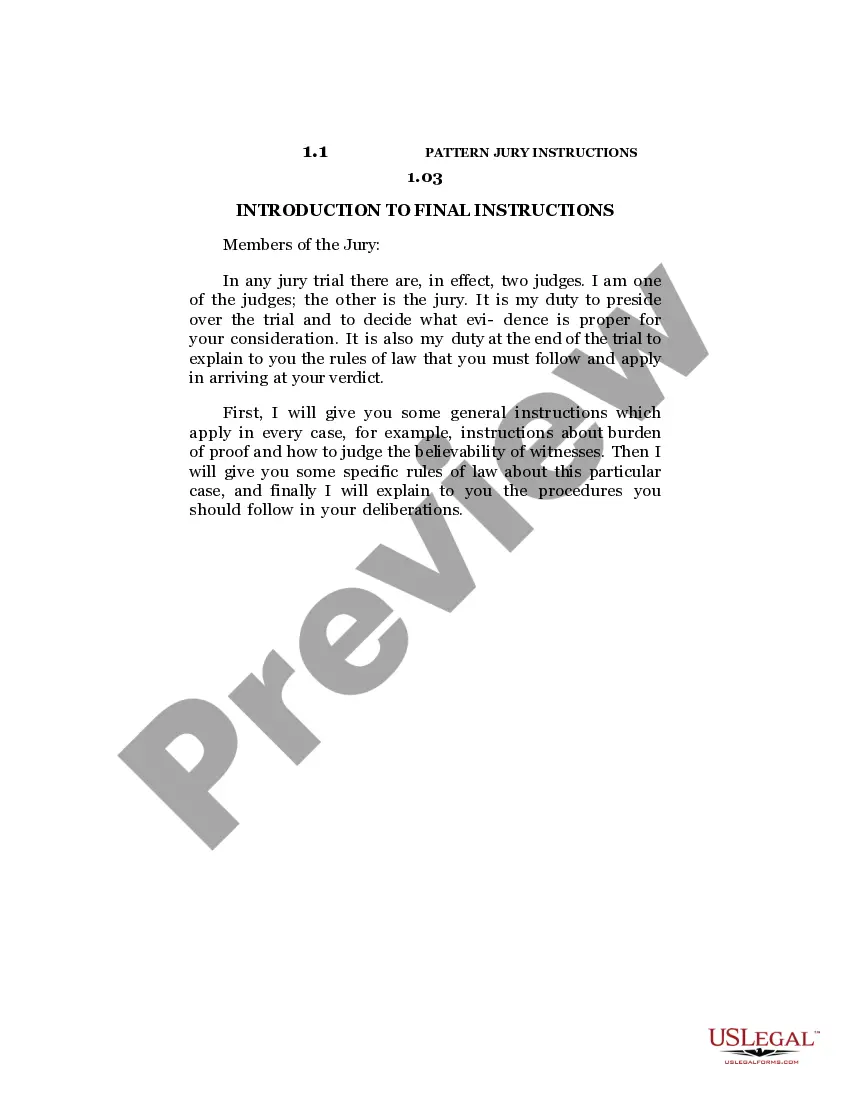
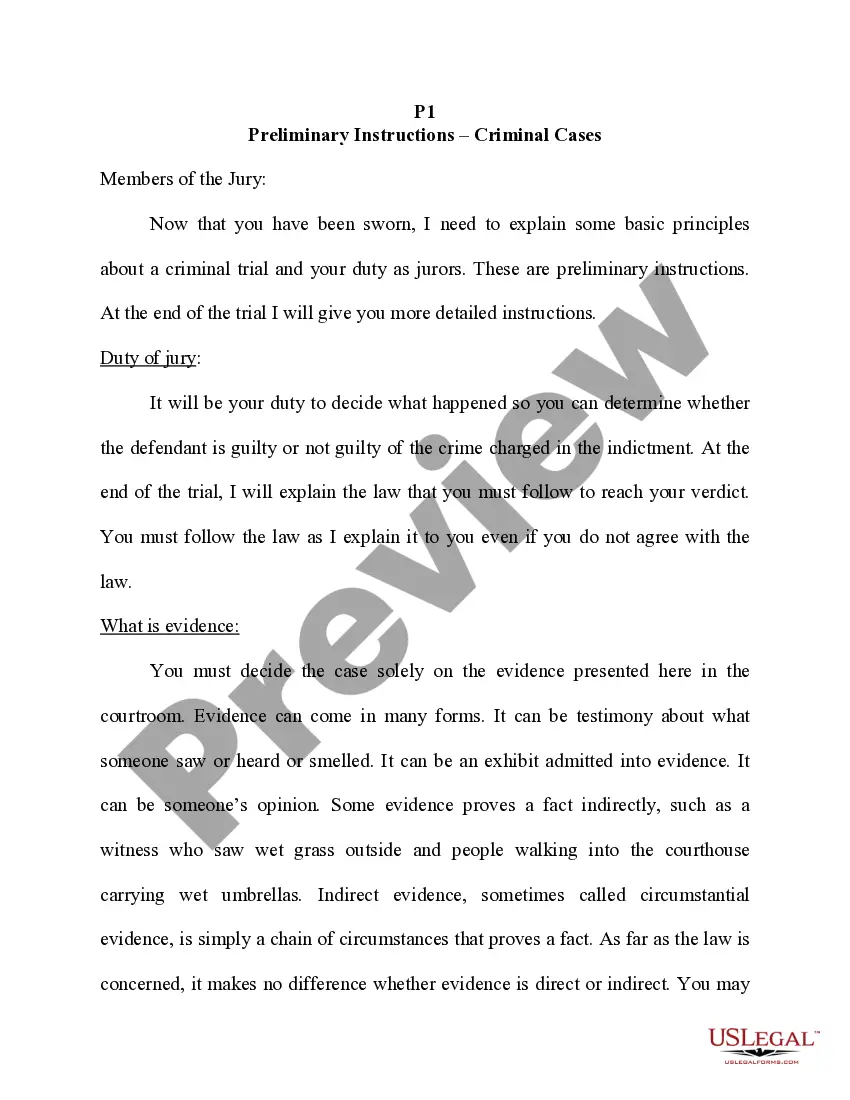
The Nature of Indictment form serves as a formal document that outlines the specific charges against a defendant in a criminal case. Unlike other legal documents, an indictment is solely an accusation and does not imply guilt. This form is crucial in the legal process as it ensures that the charges are clearly articulated and understood by all parties, including the jury during trial. It helps distinguish the formal charges from other potential legal proceedings or accusations.
Key components of this form
- Defendant's name: Clearly identifies the individual facing charges.
- Offense details: Specifies the crimes the defendant is accused of violating, in accordance with federal law.
- Clarification clause: Reiterates that the indictment is merely an accusation and not evidence of guilt.
- Judicial discretion note: Includes information on whether jurors may have access to the indictment during deliberations, subject to judicial approval.
- Explicit instruction: Provides essential guidance on interpreting the indictment's purpose in the trial context.

When this form is needed
This form is typically used at the initiation of a criminal trial when an indictment has been issued against a defendant. It is important during jury instructions to clarify the nature of the indictment for jurors. The form is essential in cases involving criminal charges at the federal level, enabling the jury to understand the specific accusations against the defendant as they deliberate on their verdict.
Who can use this document
- Judges overseeing criminal trials.
- Attorneys representing defendants in federal criminal cases.
- Jurors who need clear instructions regarding the indictment during deliberations.
- Legal professionals and clerks involved in the processing of indictments.
Completing this form step by step
- Identify the defendant's name to be recorded in the indictment.
- Clearly state the specific federal offense(s) the defendant is charged with.
- Include a statement reiterating that the indictment is an accusation only, not evidence.
- Ensure to provide clarity on whether the indictment will be accessible to jurors during deliberations.
- Review for accuracy and completeness before submitting to the court.
Notarization requirements for this form
This form usually doesn’t need to be notarized. However, local laws or specific transactions may require it. Our online notarization service, powered by Notarize, lets you complete it remotely through a secure video session, available 24/7.
Get your form ready online
Our built-in tools help you complete, sign, share, and store your documents in one place.
Make edits, fill in missing information, and update formatting in US Legal Forms—just like you would in MS Word.
Download a copy, print it, send it by email, or mail it via USPS—whatever works best for your next step.
Sign and collect signatures with our SignNow integration. Send to multiple recipients, set reminders, and more. Go Premium to unlock E-Sign.
If this form requires notarization, complete it online through a secure video call—no need to meet a notary in person or wait for an appointment.
We protect your documents and personal data by following strict security and privacy standards.

Make edits, fill in missing information, and update formatting in US Legal Forms—just like you would in MS Word.

Download a copy, print it, send it by email, or mail it via USPS—whatever works best for your next step.

Sign and collect signatures with our SignNow integration. Send to multiple recipients, set reminders, and more. Go Premium to unlock E-Sign.

If this form requires notarization, complete it online through a secure video call—no need to meet a notary in person or wait for an appointment.

We protect your documents and personal data by following strict security and privacy standards.
Common mistakes
- Failing to specify all charges the defendant is facing.
- Including irrelevant allegations or charges that have been dismissed.
- Misinterpreting the indictment as evidence rather than a statement of accusation.
- Neglecting to provide clear instructions regarding jury access to the indictment.
Benefits of using this form online
- Convenient access allows for quick preparation and submission.
- Editable templates help ensure accurate information is included with ease.
- Legally reliable forms drafted by licensed attorneys enhance compliance.
- Streamlined process saves time and reduces stress associated with legal documentation.
Legal use & context
- The Nature of Indictment form is essential in federal criminal cases to ensure the defendant understands the charges being brought against them.
- It plays a critical role in jury instructions and their understanding of the legal framework surrounding the trial.
- The form must comply with federal law requirements regarding indictments and accusations.
Quick recap
- The Nature of Indictment form specifies charges against a defendant in criminal court.
- It clarifies that an indictment is an accusation, not evidence of guilt.
- Understanding this form is crucial for all parties involved in the trial process.
Looking for another form?
Form popularity
FAQ
When a person is indicted, they are given formal notice that it is believed that they committed a crime. The indictment contains the basic information that informs the person of the charges against them.
The indictment or information must be a plain, concise, and definite written statement of the essential facts constituting the offense charged and must be signed by an attorney for the government. It need not contain a formal introduction or conclusion.
While grand juries are sometimes described as performing accusatory and investigatory functions, the grand jury's principal function is to determine whether or not there is probable cause to believe that one or more persons committed a certain Federal offense within the venue of the district court.
Simply stated, an indictment is a formal accusation against someone who is suspected of committing a serious crime, filed after the conclusion of a grand jury investigation.
While an indictment means you have been formally charged with a crime in Utah, a conviction means you have been found guilty of committing the crime. Once the indictment has established there is enough evidence to charge you with a crime, your case proceeds to a criminal trial.
An indictment is one of two options a prosecutor has to formally charge a person with a criminal offense: Indictment issued by a grand jury. Criminal complaint filed directly to the court.
Does An Indictment Mean That You Are Guilty? A grand jury does not determine guilt. Being indicted for a crime is not the same as a conviction. However, an indictment does indicate that the federal prosecutor has strong evidence against you.
In short, being charged means an individual is accused of committing a crime, whereas being indicted means that a grand jury has found enough evidence to formally charge them with the said crime.