Employee Privacy Information Sheet and Handout
What is this form?
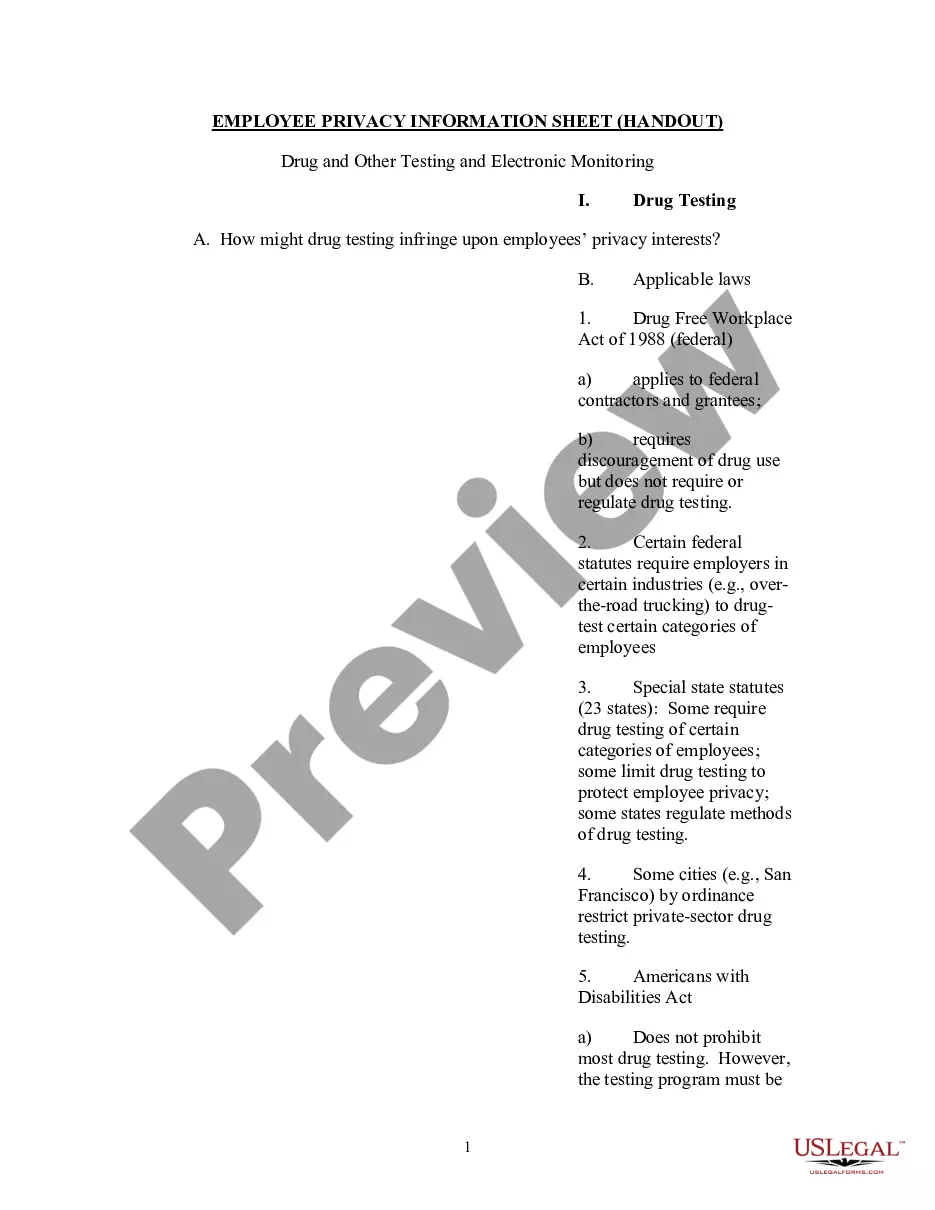
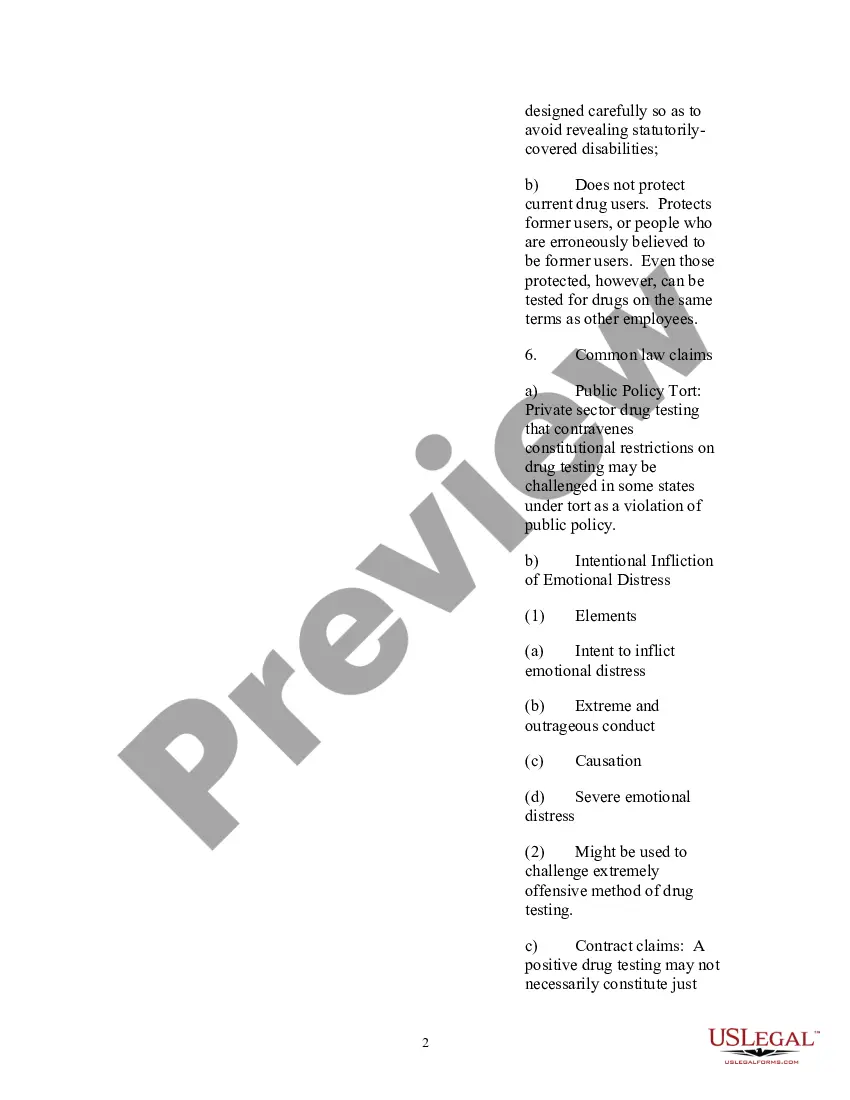
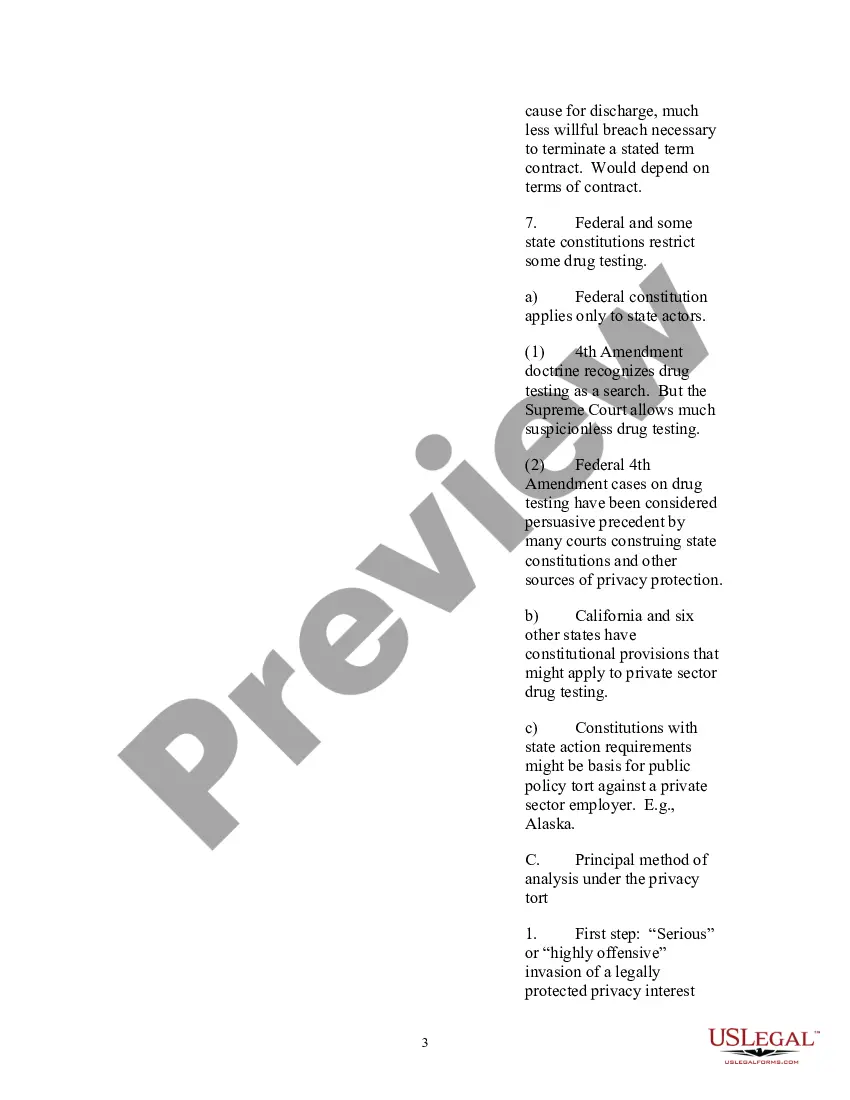
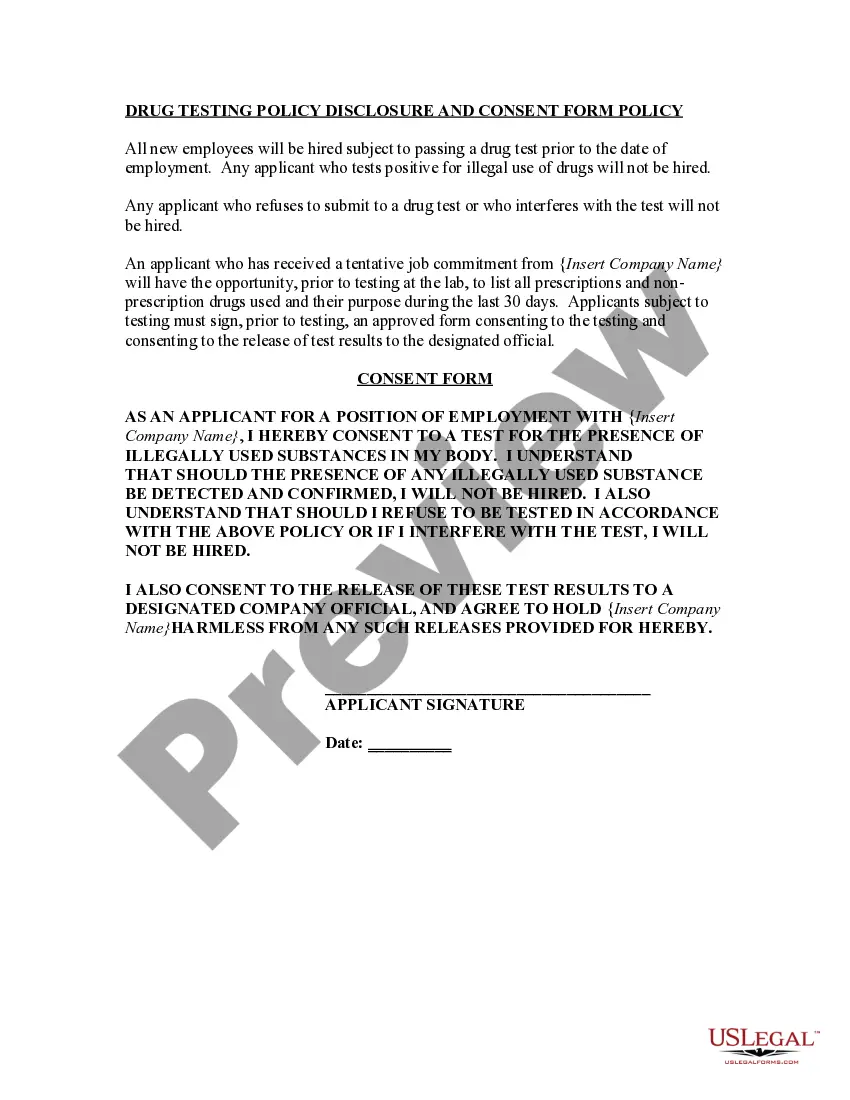
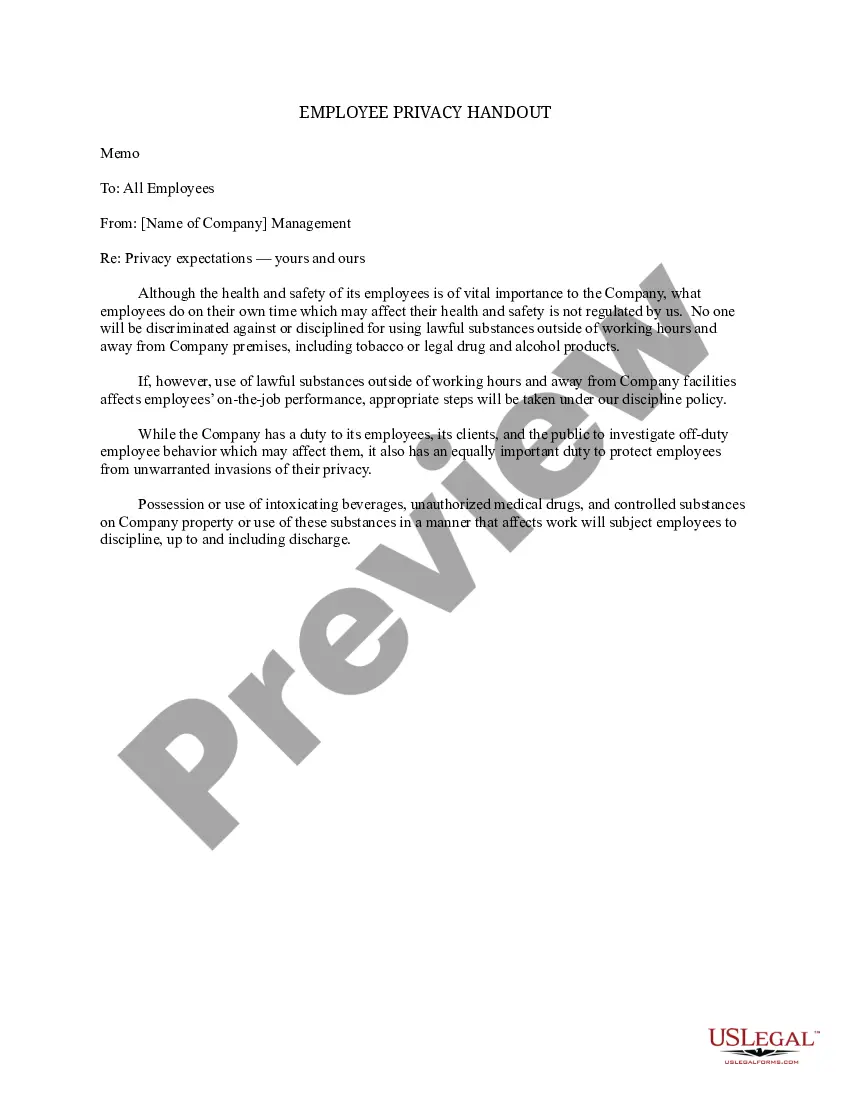
The Employee Privacy Information Sheet and Handout is a legal document designed for employers of all sizes to inform their employees about privacy rights related to various forms of testing and monitoring in the workplace. This form addresses the legal considerations surrounding drug testing, polygraphs, integrity testing, and electronic monitoring, outlining both employee rights and employer obligations. Unlike other employment forms, this sheet specifically focuses on privacy issues, ensuring that employees are aware of their rights and the extent of monitoring in the workplace.
Main sections of this form
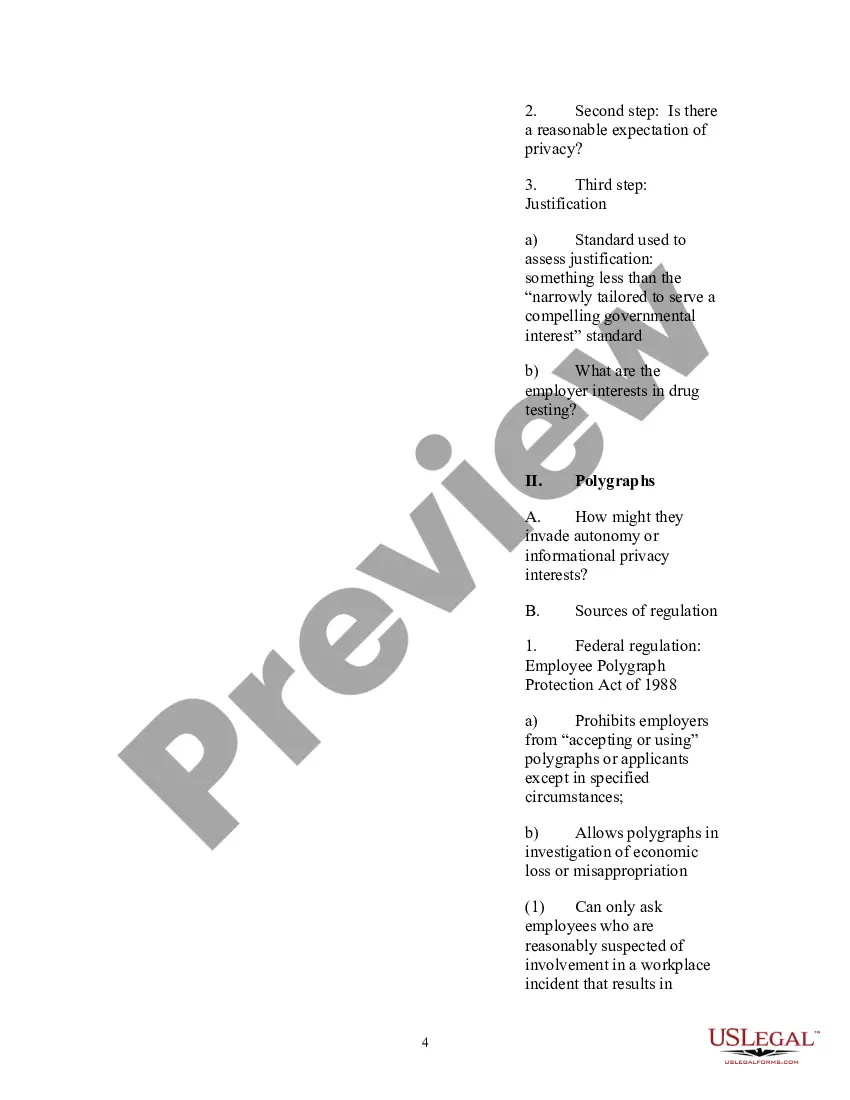
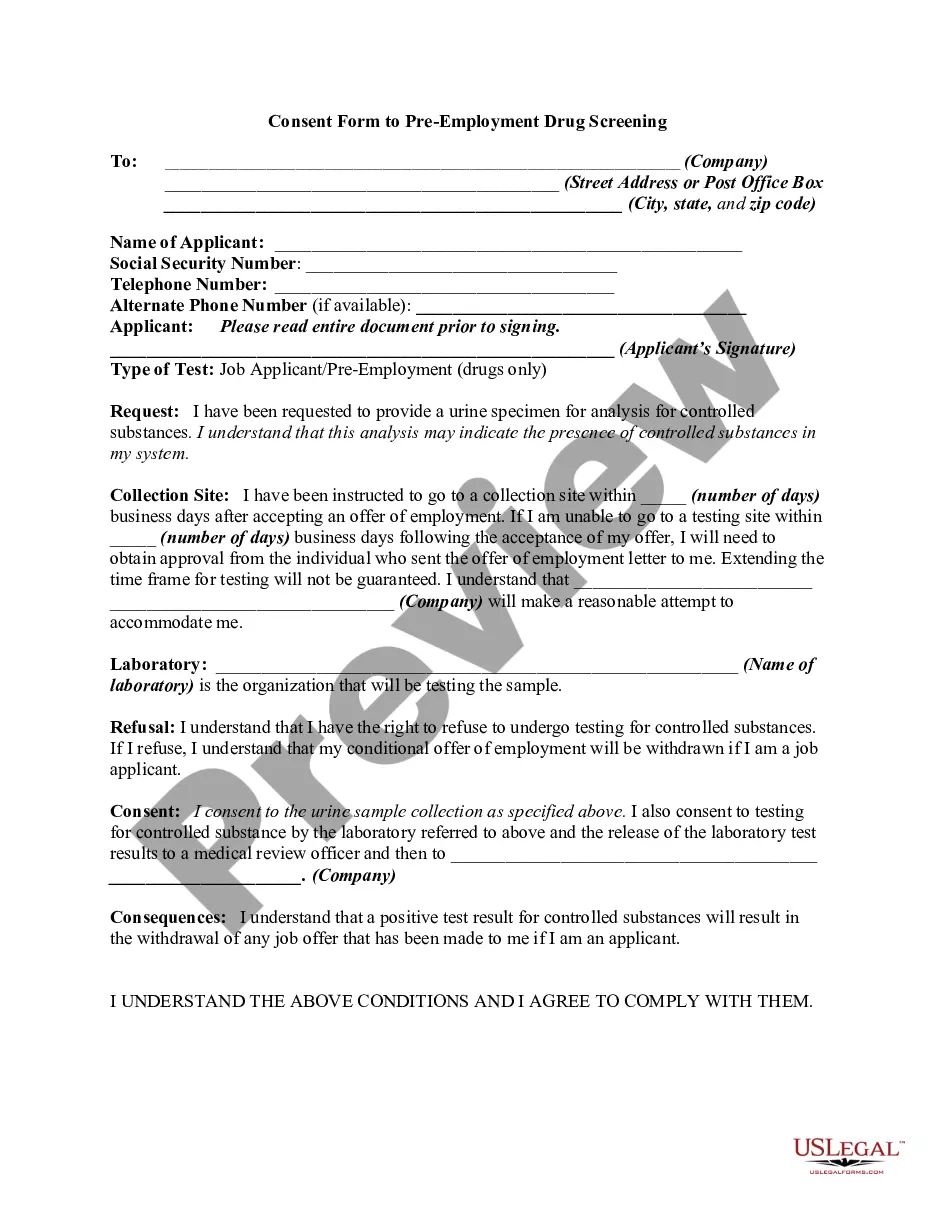
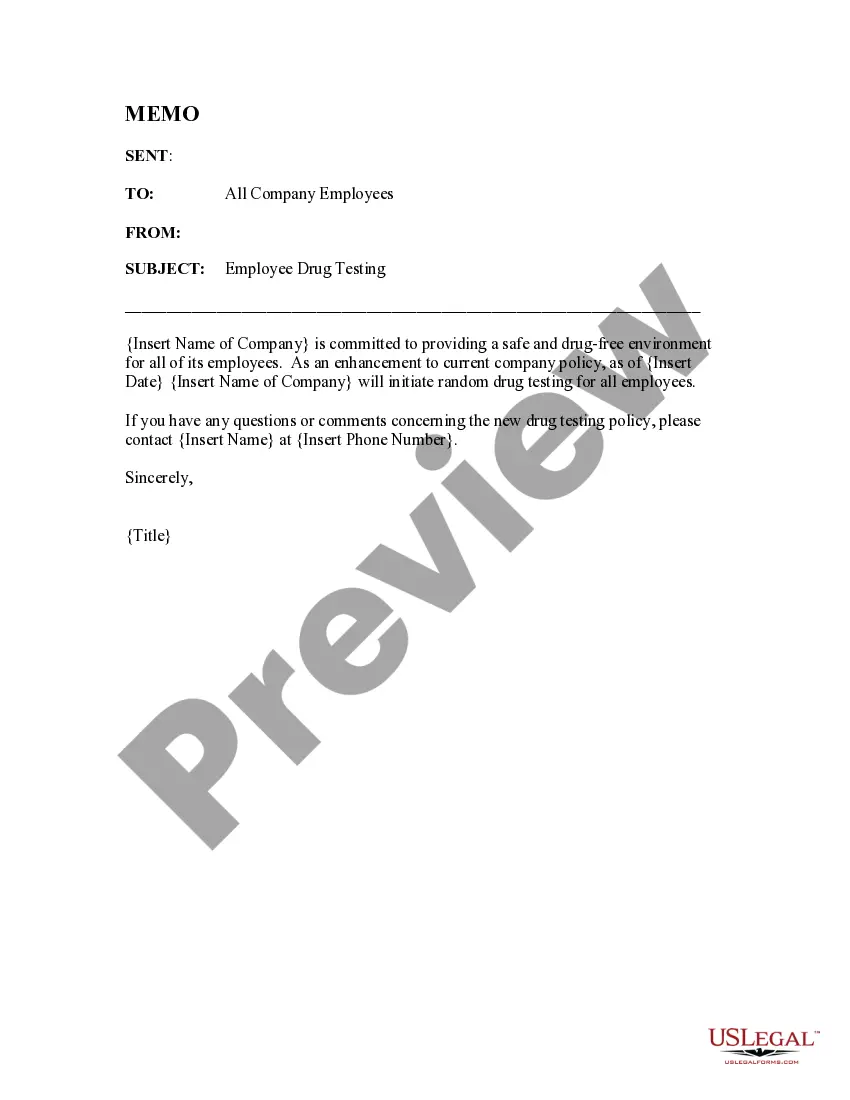
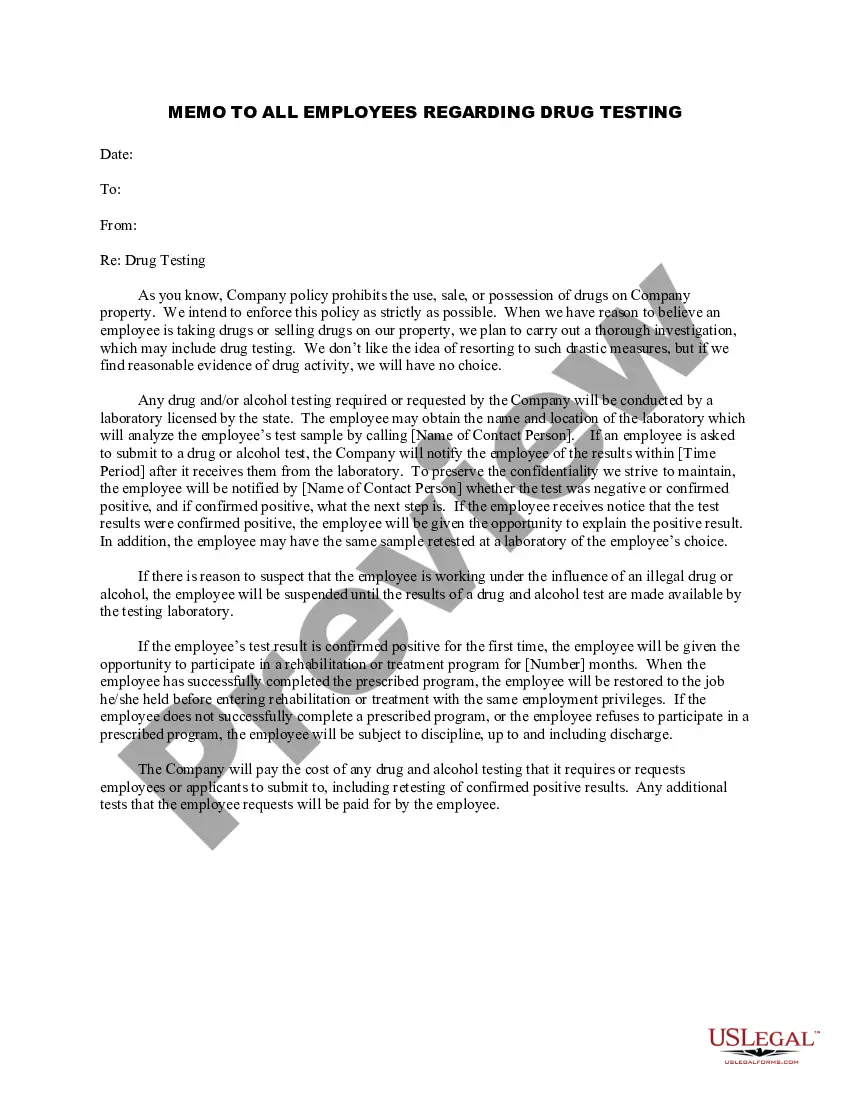
- Overview of drug testing policies and their impacts on employee privacy.
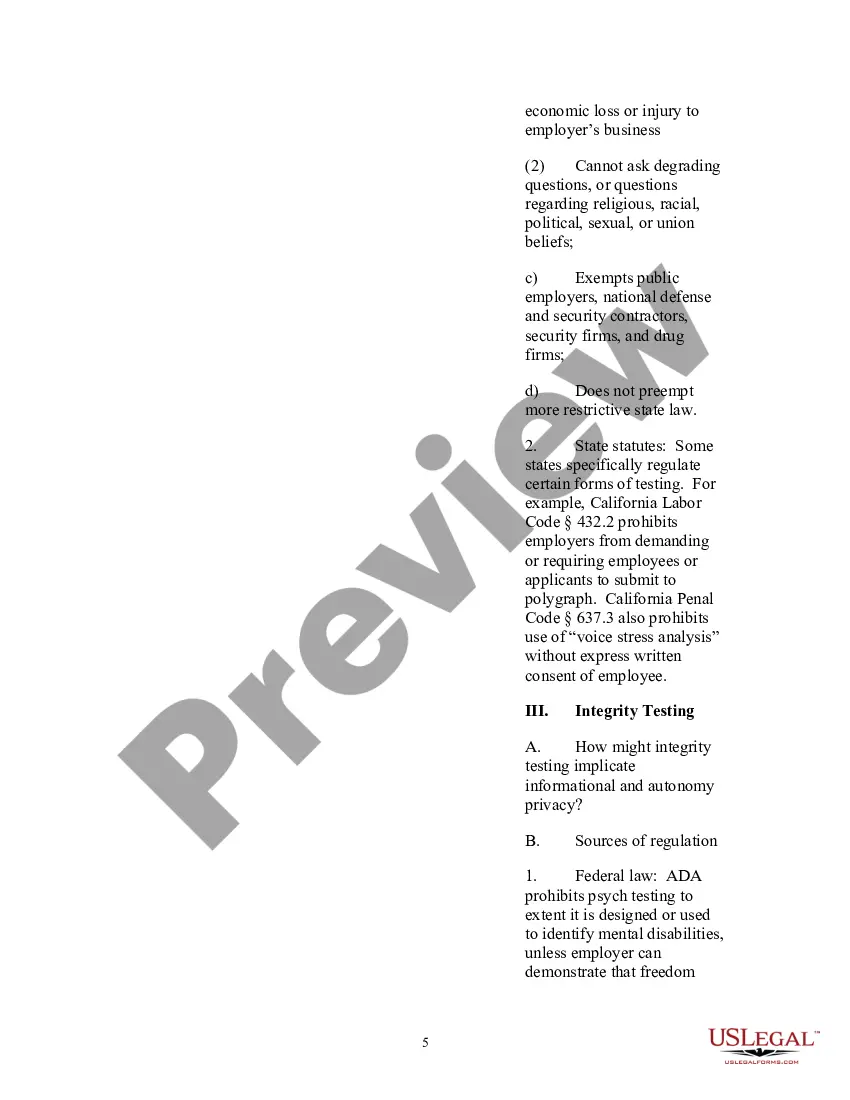
- Explanation of legal frameworks including the Drug-Free Workplace Act and Americans with Disabilities Act.
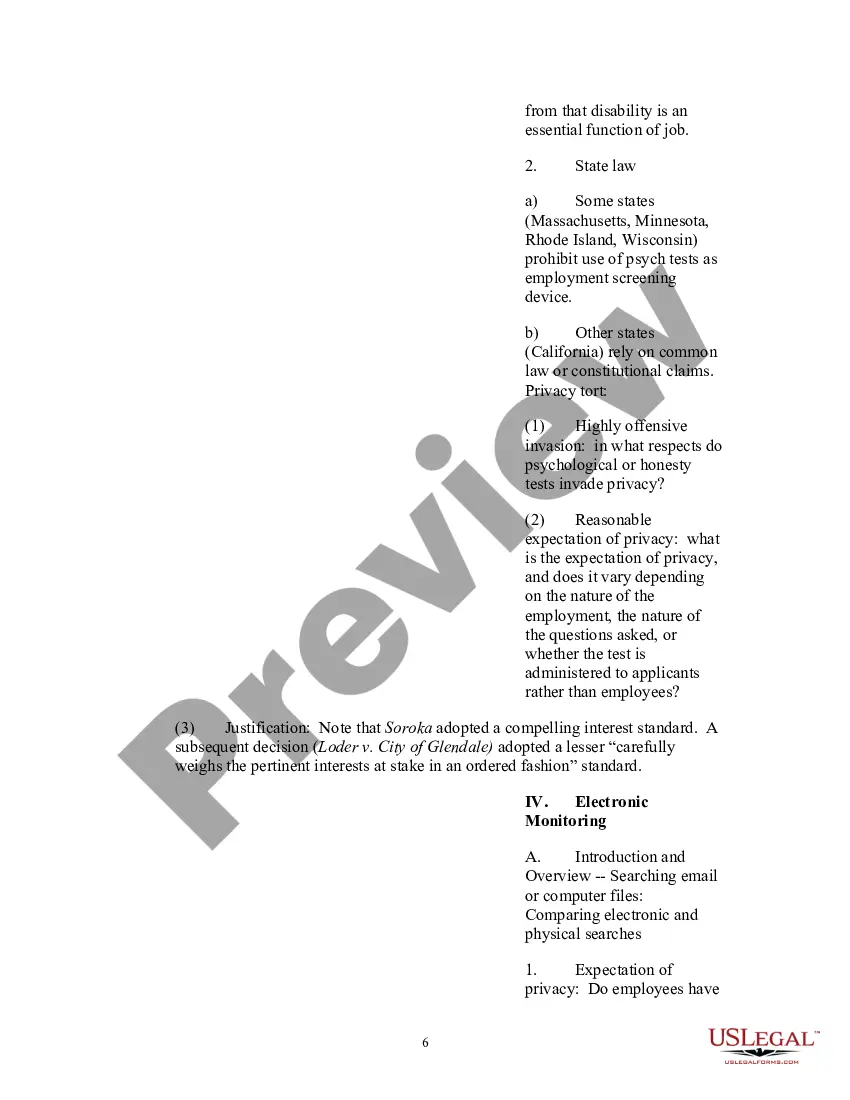
- Guidelines for the use of polygraph and integrity testing in employment settings.
- Details on electronic monitoring practices and employees' rights related to their digital communications.
- Clarification on employee consent and expectations of privacy in the workplace.
Situations where this form applies
This form is useful when employers need to create or update their privacy policies regarding drug testing, polygraphs, integrity testing, or electronic monitoring. It serves as an essential guide for informing employees about their rights, potential invasions of privacy, and the legal justifications for various testing methods. Employers may also use this form during onboarding processes or when implementing new monitoring practices to ensure compliance with federal and state laws.
Who can use this document
- Businesses of all sizes looking to inform employees about privacy rights related to workplace testing and monitoring.
- Human resources professionals needing a clear framework for communication with employees regarding their privacy rights.
- Employers who conduct drug tests, polygraph tests, or electronic monitoring.
- Legal consultants advising companies on compliance with employment and privacy laws.
Completing this form step by step
- Identify the specific testing and monitoring policies that apply to your workplace.
- Review the applicable laws that impact these policies, ensuring alignment with federal and state regulations.
- Prepare clear explanations of employee rights and expectations regarding privacy and monitoring.
- Distribute the information sheet to all employees and conduct training sessions if necessary.
- Keep a record of employee acknowledgement of the Employee Privacy Information Sheet.
Does this document require notarization?
This form does not typically require notarization to be legally valid. However, some jurisdictions or document types may still require it. US Legal Forms provides secure online notarization powered by Notarize, available 24/7 for added convenience.
Get your form ready online
Our built-in tools help you complete, sign, share, and store your documents in one place.
Make edits, fill in missing information, and update formatting in US Legal Forms—just like you would in MS Word.
Download a copy, print it, send it by email, or mail it via USPS—whatever works best for your next step.
Sign and collect signatures with our SignNow integration. Send to multiple recipients, set reminders, and more. Go Premium to unlock E-Sign.
If this form requires notarization, complete it online through a secure video call—no need to meet a notary in person or wait for an appointment.
We protect your documents and personal data by following strict security and privacy standards.

Make edits, fill in missing information, and update formatting in US Legal Forms—just like you would in MS Word.

Download a copy, print it, send it by email, or mail it via USPS—whatever works best for your next step.

Sign and collect signatures with our SignNow integration. Send to multiple recipients, set reminders, and more. Go Premium to unlock E-Sign.

If this form requires notarization, complete it online through a secure video call—no need to meet a notary in person or wait for an appointment.

We protect your documents and personal data by following strict security and privacy standards.
Avoid these common issues
- Failing to inform employees about their privacy rights adequately.
- Not updating the policy to reflect changes in local or federal laws.
- Assuming consent for monitoring without providing clear communication.
- Neglecting to document employee acknowledgement and training.
Why complete this form online
- Convenient access for both employers and employees to download and review.
- Editability allows for customization according to specific workplace policies.
- Reliable source of legal information crafted by licensed attorneys.
- Quick updates can be made as laws evolve or company policies change.
Legal use & context
- This form assists employers in navigating the complexities of employee privacy rights in the context of workplace monitoring and testing.
- Understanding the legal landscape helps reduce the risk of lawsuits related to privacy invasions.
- Employers adhering to this form can demonstrate their commitment to ethical and legal compliance in employee relations.
What to keep in mind
- The Employee Privacy Information Sheet provides essential guidelines regarding privacy in the workplace.
- Employers are responsible for adhering to applicable laws while respecting employee privacy rights.
- Clear communication of policies can prevent misunderstandings and legal challenges.
Looking for another form?

Form popularity
FAQ
Employees have the right to keep private facts about themselves confidential and the right to some degree of personal space. An employer that discloses private facts or lies about an employee may be held accountable in a civil action for invasion of privacy or defamation.
These are: Intrusion into an individual's private solitude or seclusion. An employee may allege this form of privacy invasion when an employer unreasonably searches (e.g., a locker or desk drawer) or conducts surveillance in areas in which an employee has a legitimate expectation of privacy (e.g., dressing rooms).
Employees have the right to keep private facts about themselves confidential and the right to some degree of personal space. An employer that discloses private facts or lies about an employee may be held accountable in a civil action for invasion of privacy or defamation.
Protect Confidential Employee Information. Only Use Data for its Intended Purpose. Limit Electronic Surveillance. Limit Camera Surveillance. Have an Employee Monitoring Policy. Use Employee-friendly Productivity Management Software.
Just like you would not use a computer in this day and age without virus protection, employees with access to any type of sensitive information need privacy and security to do their jobs properly. Constant interruptions, distractions, and background noise can severely hinder an employee's ability to work.
If you believe that you have been subject to an unreasonable invasion of your privacy at work, your most powerful weapon may be to file a lawsuit against your employer.
Intrusion into an individual's private solitude or seclusion. Public disclosure of private facts. Portraying an individual in a false light. Use of an individual's name or likeness.
Privacy is important because: Privacy gives us the power to choose our thoughts and feelings and who we share them with. Privacy protects our information we do not want shared publicly (such as health or personal finances). Privacy helps protect our physical safety (if our real time location data is private).
At a minimum, employers should tell their employees what personal information will be collected, used, and disclosed. They should inform employees of their policies on Web, e-mail, and telephone use, for example. If employees are subject to random or continuous surveillance, they need to be told so.