Response to Jury Questions (revised 2013)
About this form
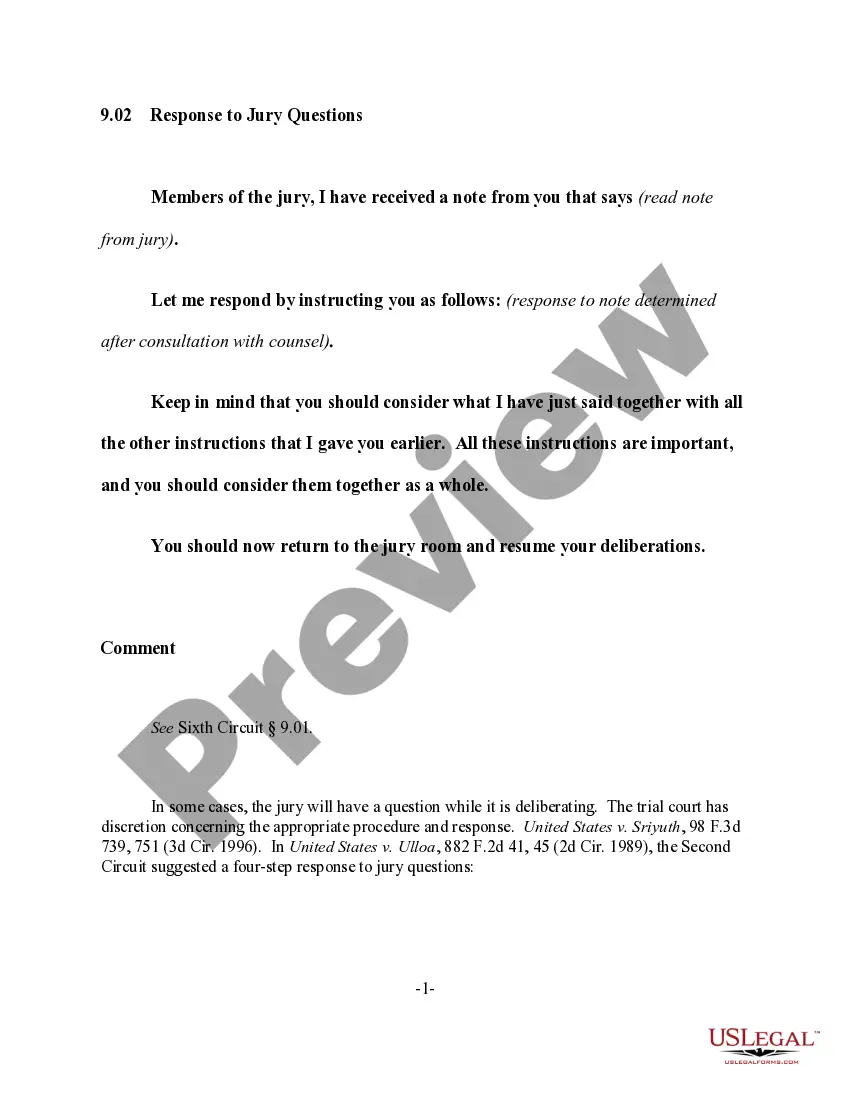
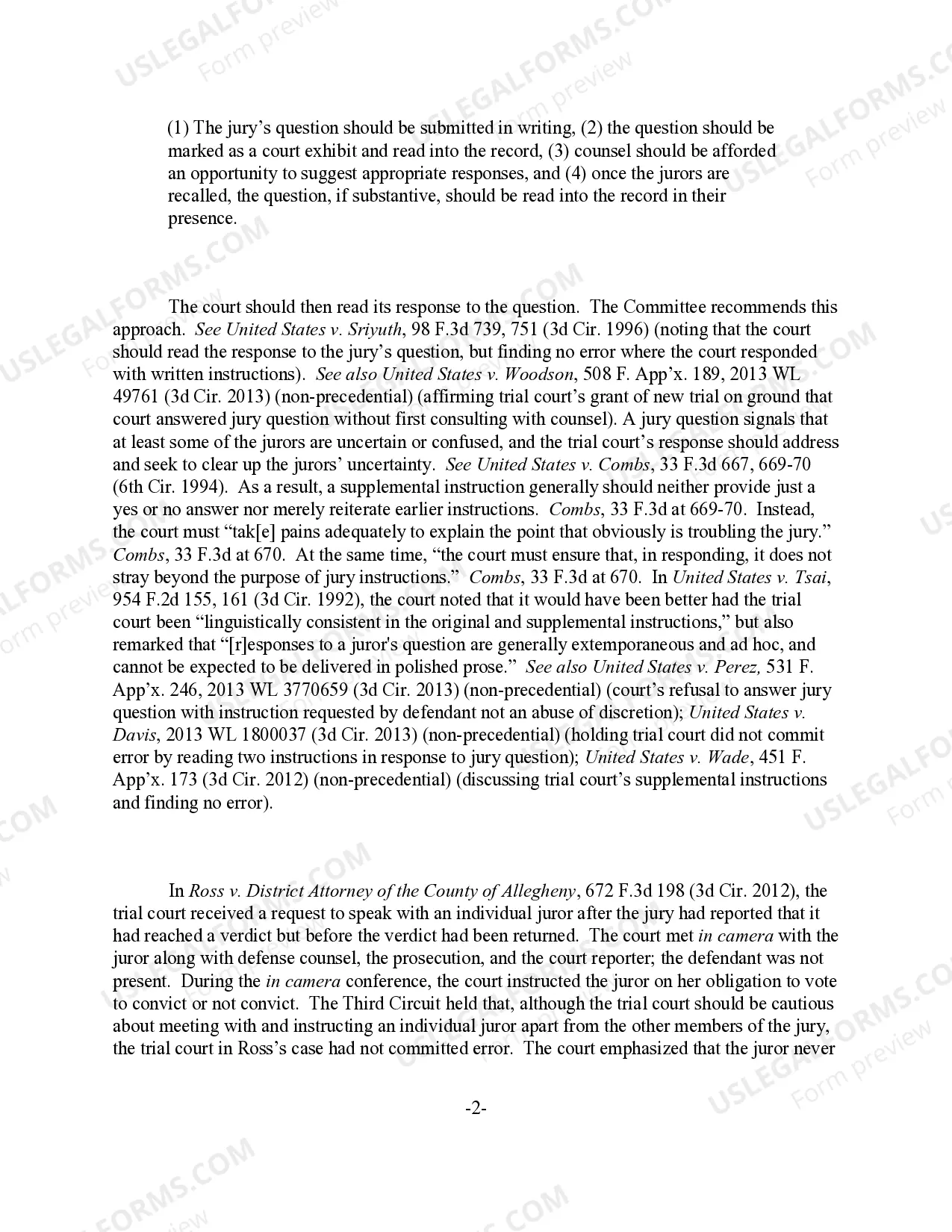
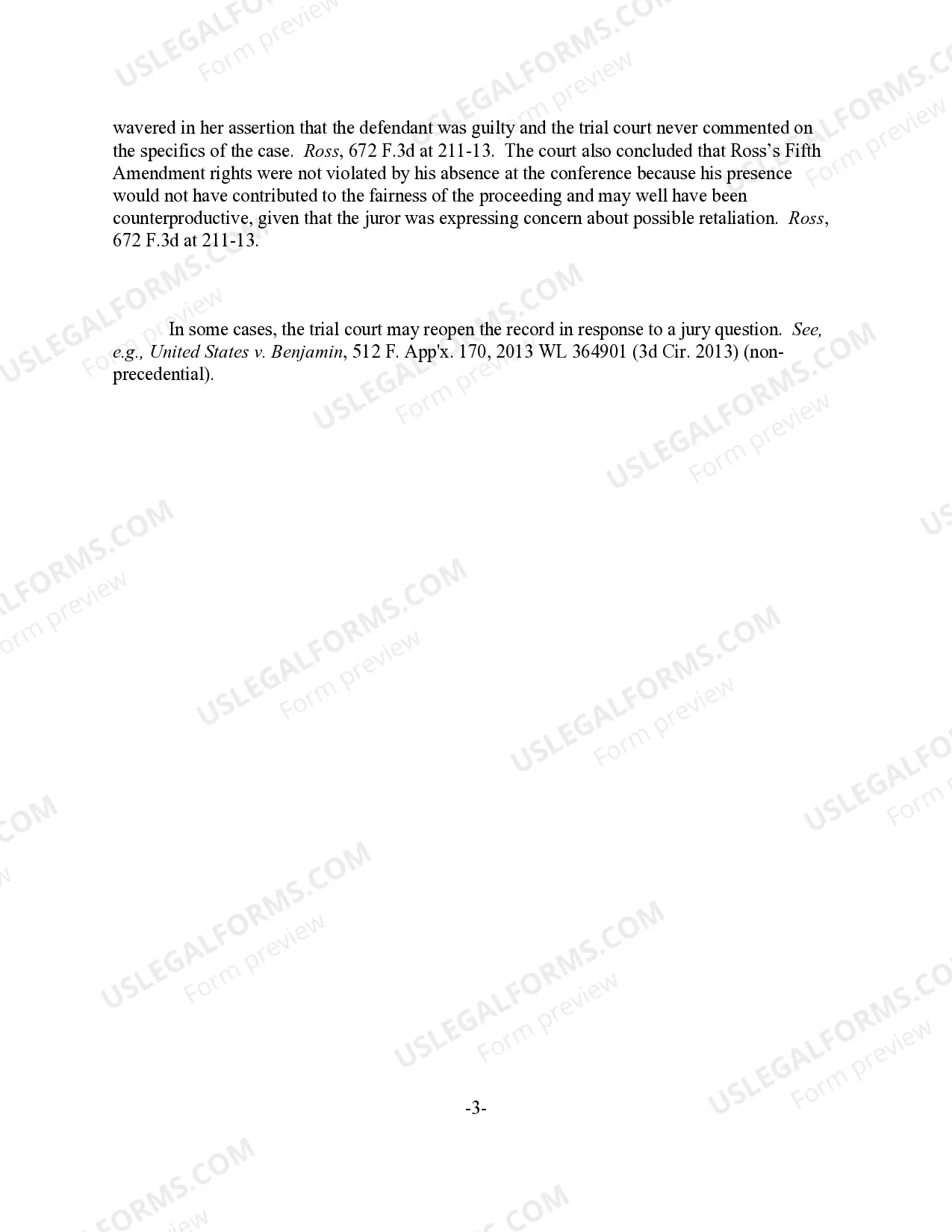
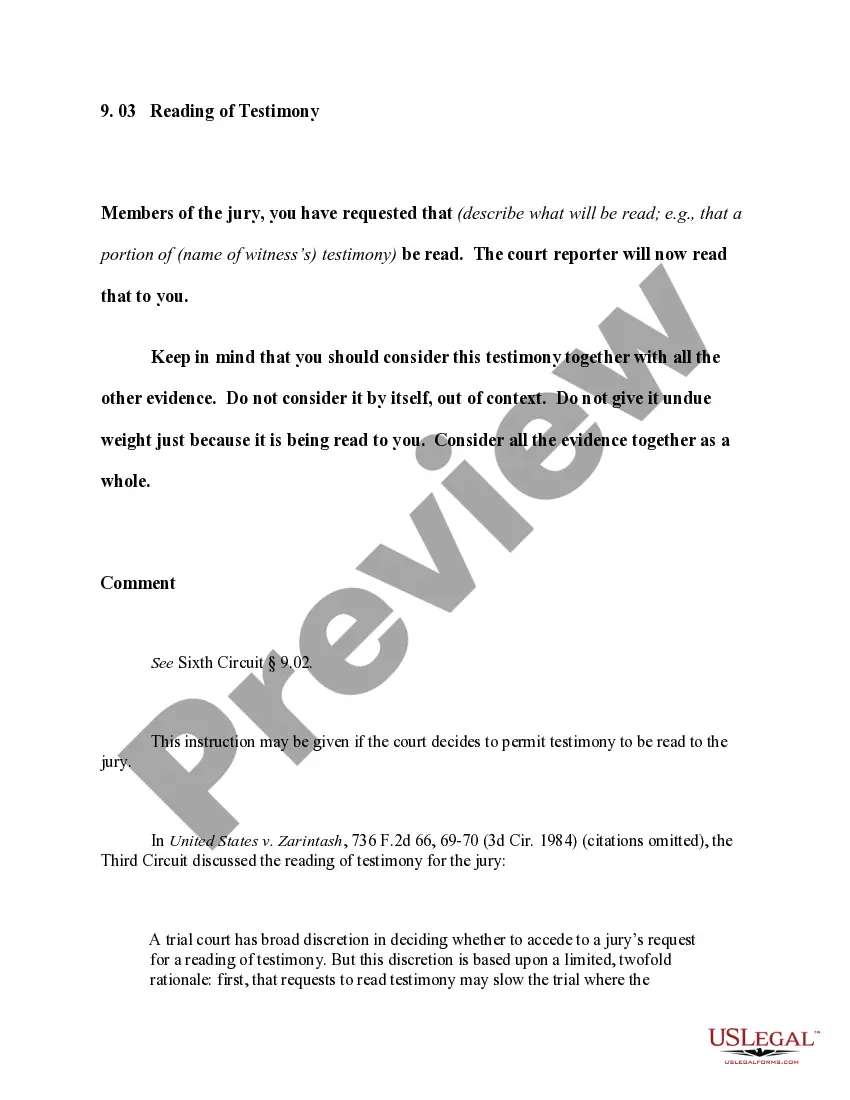
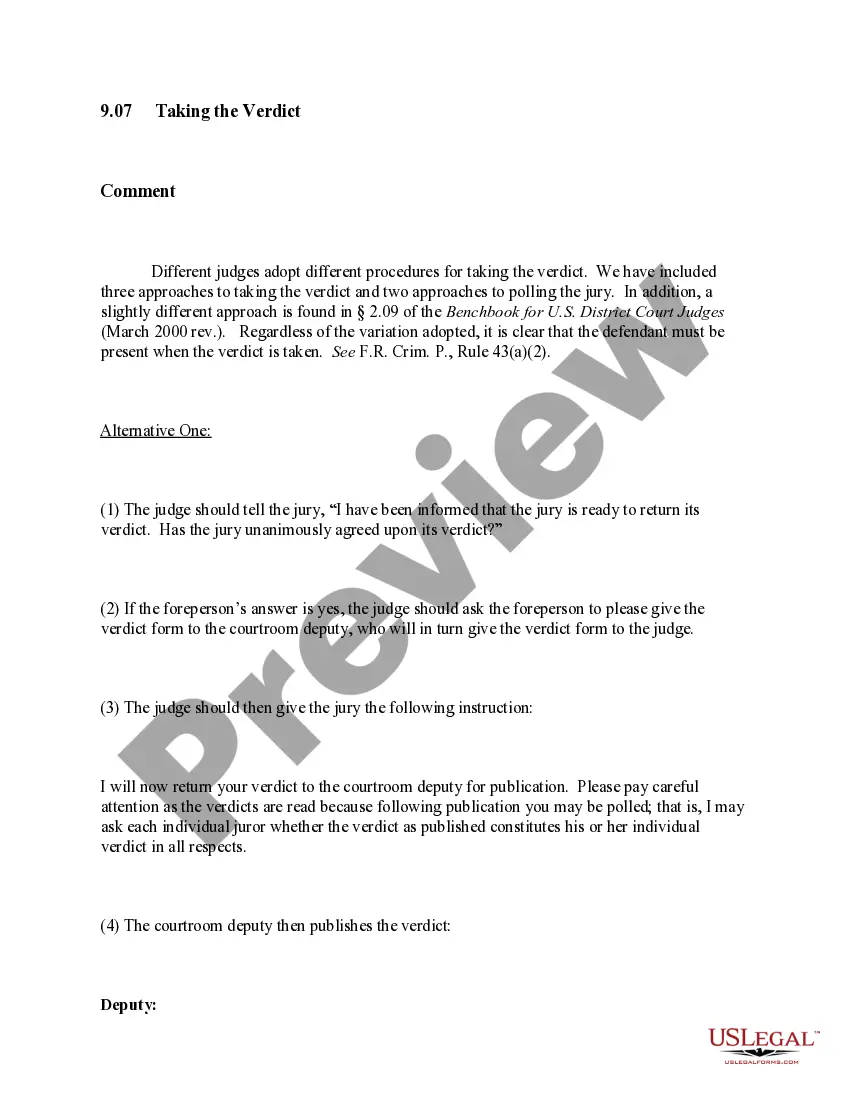
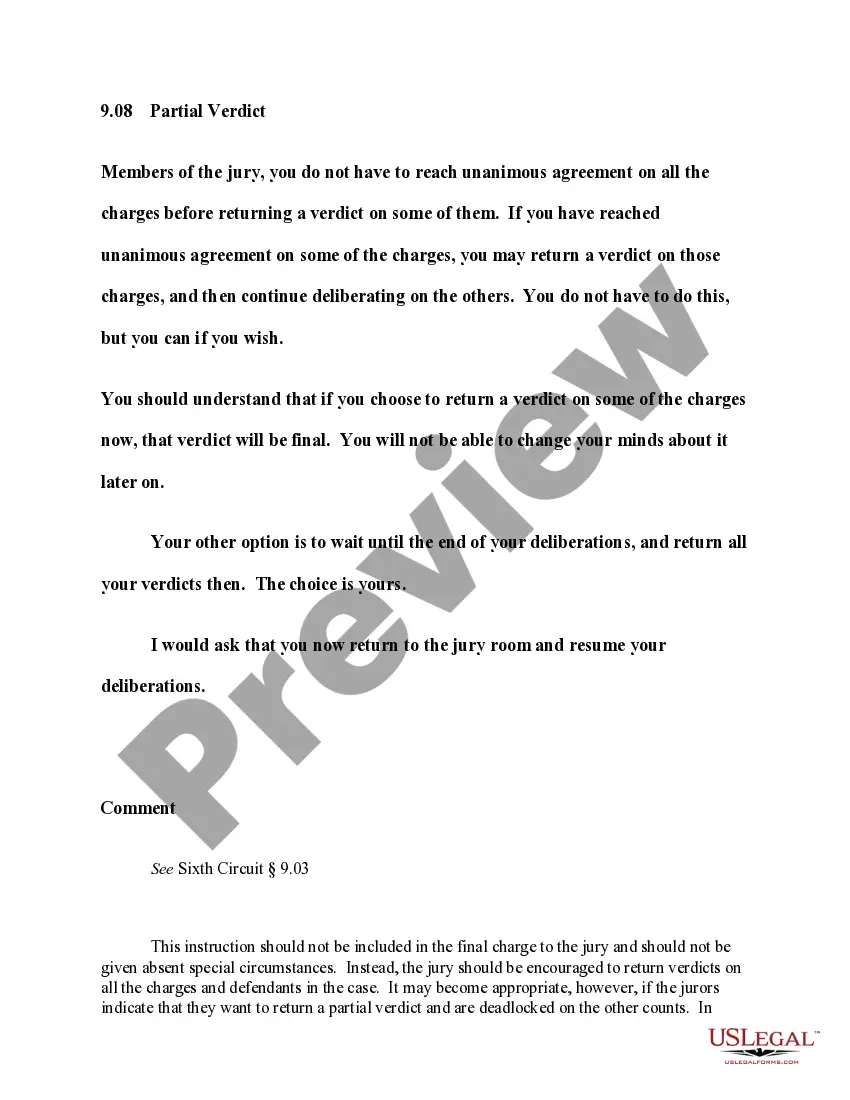
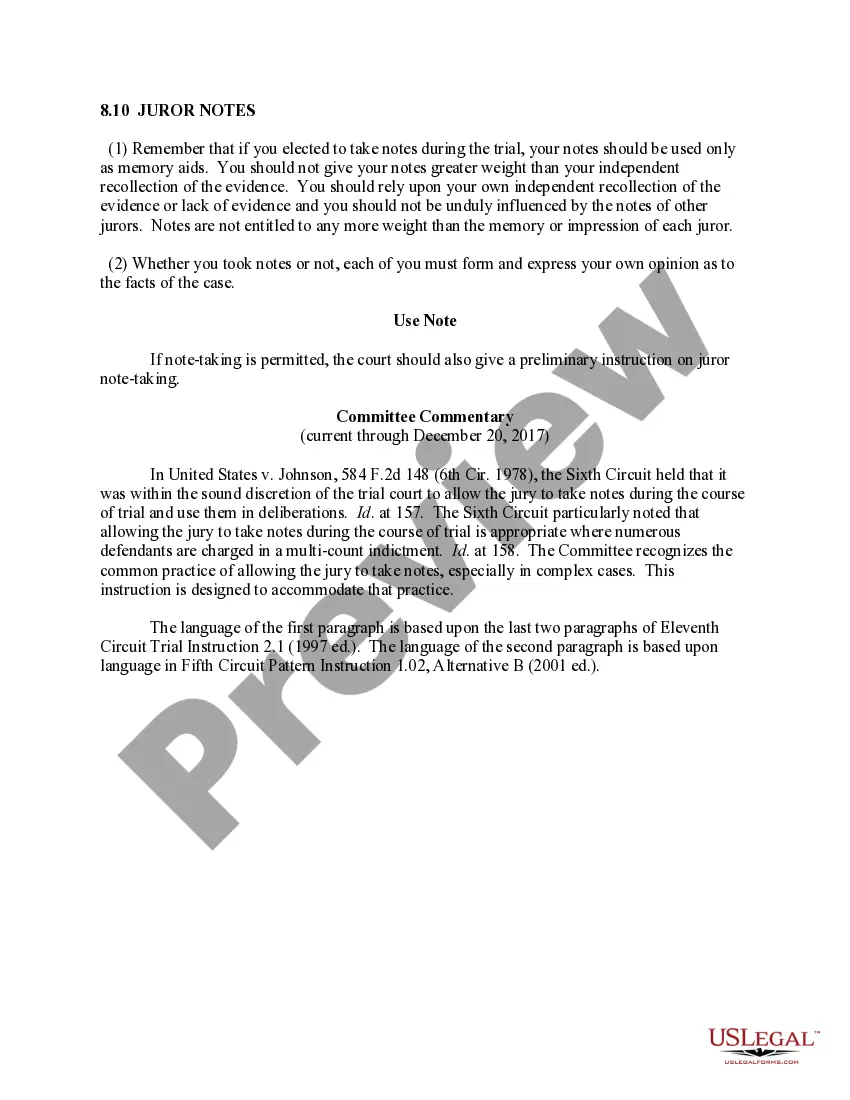
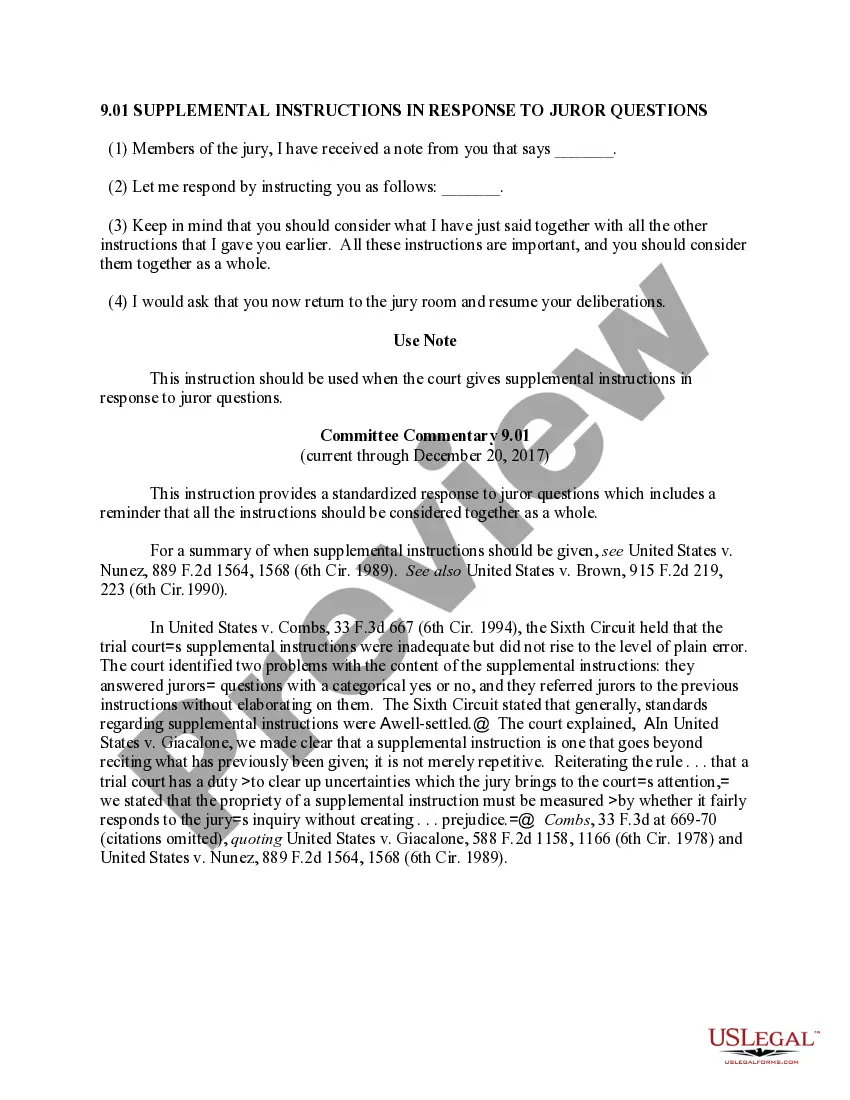
The Response to Jury Questions (revised 2013) form is a legal template used by judges in court to formally respond to inquiries made by jurors during deliberations. This form streamlines the process of addressing juror questions to ensure clarity and proper guidance, distinguishing it from standard jury instruction forms. Its primary purpose is to provide a structured approach that maintains the integrity of the trial while ensuring that jurors receive the necessary information to make informed decisions.
Key components of this form
- Header section specifying the purpose of the response to jurors.
- Provision for reading the jurors' question verbatim into the record.
- Instruction for the trial court to consult with counsel before responding.
- Guidance for jurors to consider the response alongside previous instructions.
- Call for jurors to resume deliberations after the response is delivered.
When this form is needed
This form should be utilized when jurors have expressed uncertainty or require clarification on legal matters during their deliberations. It is important in situations where a question from the jury may reveal confusion on particular points of law or evidence, necessitating a structured response from the trial court. Proper use of this form can help ensure that jurors understand their duties and the legal standards they must apply in their deliberations.
Who can use this document
This form is intended for:
- Judges presiding over criminal or civil trials.
- Legal counsel representing the parties involved in a trial.
- Court clerks involved in the management of trial documents.
Steps to complete this form
- Identify the jurors' written question and read it aloud in court.
- Consult with legal counsel to determine an appropriate response to the inquiry.
- Carefully draft the response, ensuring it addresses the jurors' concerns without introducing new information.
- Read the formulated response to the jury in their presence.
- Instruct jurors to consider this new information along with previous instructions before resuming deliberations.
Notarization requirements for this form
This form does not typically require notarization to be legally valid. However, some jurisdictions or document types may still require it. US Legal Forms provides secure online notarization powered by Notarize, available 24/7 for added convenience.
Get your form ready online
Our built-in tools help you complete, sign, share, and store your documents in one place.
Make edits, fill in missing information, and update formatting in US Legal Forms—just like you would in MS Word.
Download a copy, print it, send it by email, or mail it via USPS—whatever works best for your next step.
Sign and collect signatures with our SignNow integration. Send to multiple recipients, set reminders, and more. Go Premium to unlock E-Sign.
If this form requires notarization, complete it online through a secure video call—no need to meet a notary in person or wait for an appointment.
We protect your documents and personal data by following strict security and privacy standards.

Make edits, fill in missing information, and update formatting in US Legal Forms—just like you would in MS Word.

Download a copy, print it, send it by email, or mail it via USPS—whatever works best for your next step.

Sign and collect signatures with our SignNow integration. Send to multiple recipients, set reminders, and more. Go Premium to unlock E-Sign.

If this form requires notarization, complete it online through a secure video call—no need to meet a notary in person or wait for an appointment.

We protect your documents and personal data by following strict security and privacy standards.
Common mistakes to avoid
- Failing to consult with counsel before responding to jury questions.
- Providing unclear or ambiguous responses that do not address the jurors' questions.
- Reiterating earlier instructions without adding clarity to the jurors' concerns.
- Not documenting the jurors' questions properly as required by court procedures.
Advantages of online completion
- Easy access and availability to judges and legal professionals for efficient handling of juror inquiries.
- Editability allows customization based on the specific context of the trial.
- Reliability in ensuring compliance with legal standards for responding to jury questions.
Looking for another form?

Form popularity
FAQ
Failure to return the form at this time will result in the issuance of a summons for you to appear in court to complete the questionnaire. Thereafter, the penalty for failure to respond may include a fine of not more than $1000.00 or imprisonment of not more than 3 days, or both pursuant to Title 28, U.S.C.
This is why the concept of brutal honesty with yourself?and the introduction of this exact phrase at the beginning of voir dire?is essential. You must show the jurors you are willing to be brutally honest with them, and help them feel comfortable and safe to be brutally honest with you.
If there is a hung jury, the judge may order the jurors to deliberate further. This is known as an Allen charge and is generally only given once or twice. Often, juries will report that they are deadlocked after only deliberating for a short period of time.
Failure to respond to the summons will result in further court action.
If you do not answer the questionnaire correctly or do not provide proof that you are a non-citizen, you will receive a summons ordering you to appear at court.
If you have a compelling reason to be excused from jury service (extreme inconvenience or undue hardship), you must notify the jury office in writing. Any request must be prepared by the juror and detail the hardship. You may include any attachments you deem appropriate to aid the Court in rendering a decision.
Judicial proceedings, in both criminal and civil matters, shall continue to be conducted by video and teleconference whenever possible with certain exceptions until further Order of the Court. Each Judge may use his/her discretion in determining if an in-person proceeding is necessary.
The justice system cannot do its job if jurors refuse to serve on trials. By skipping jury duty, a judge can hold you in contempt of court, resulting in fines and jail time.