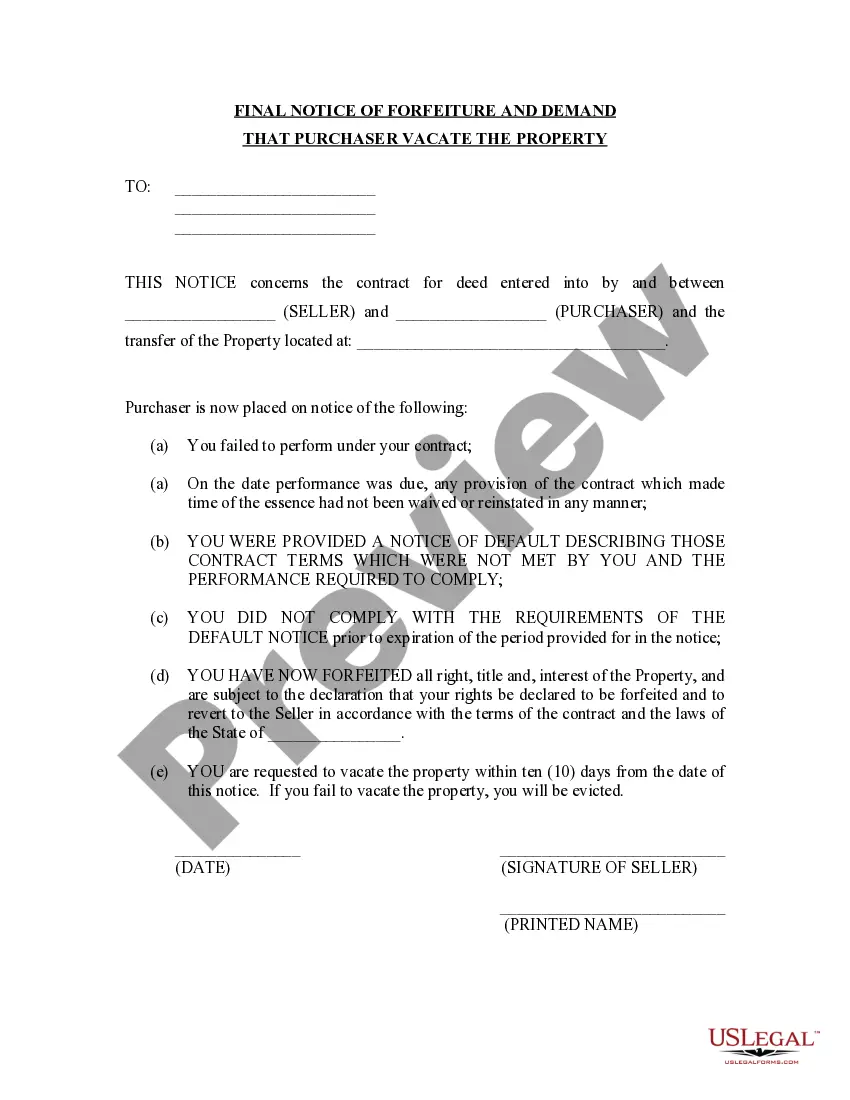
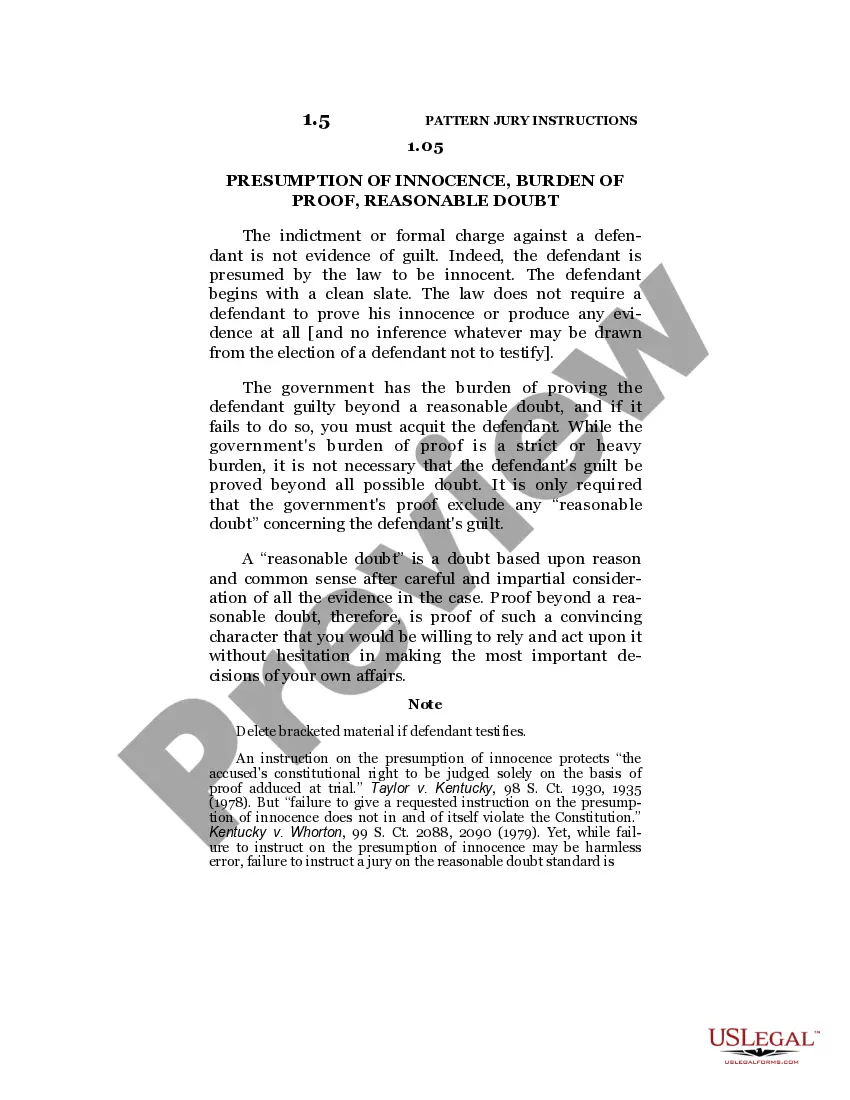
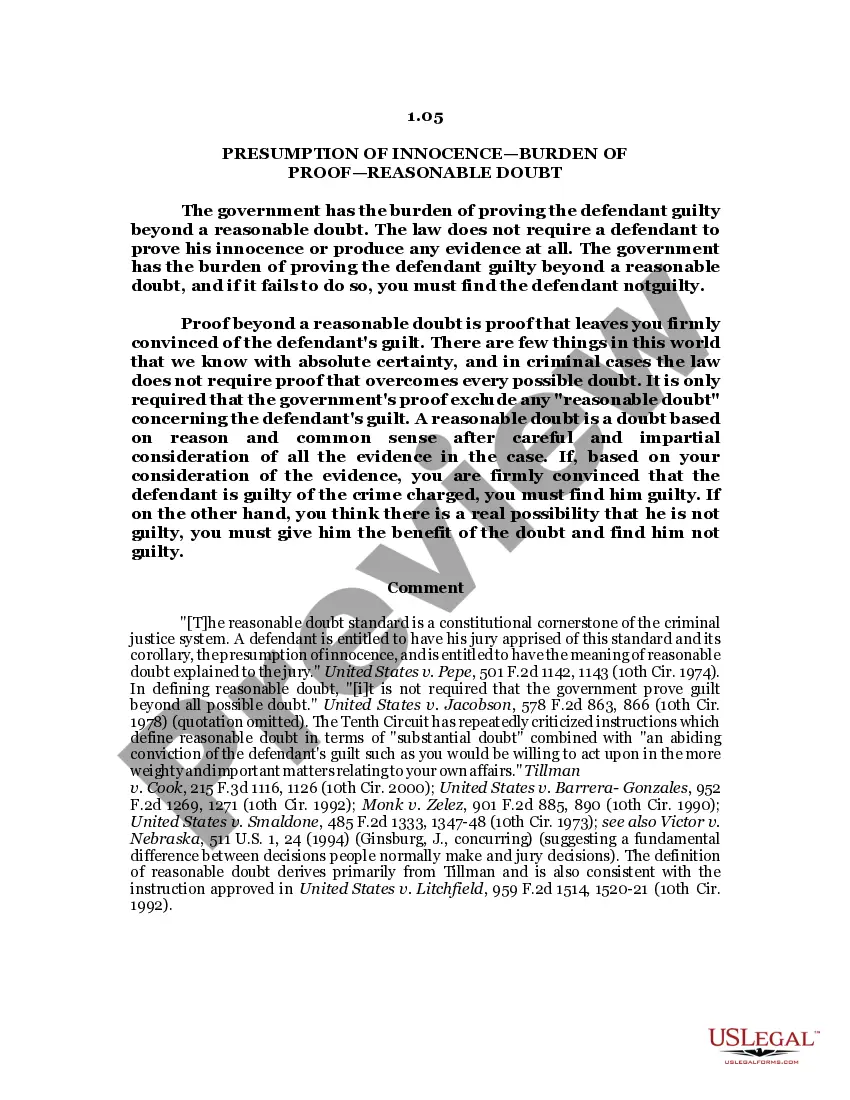
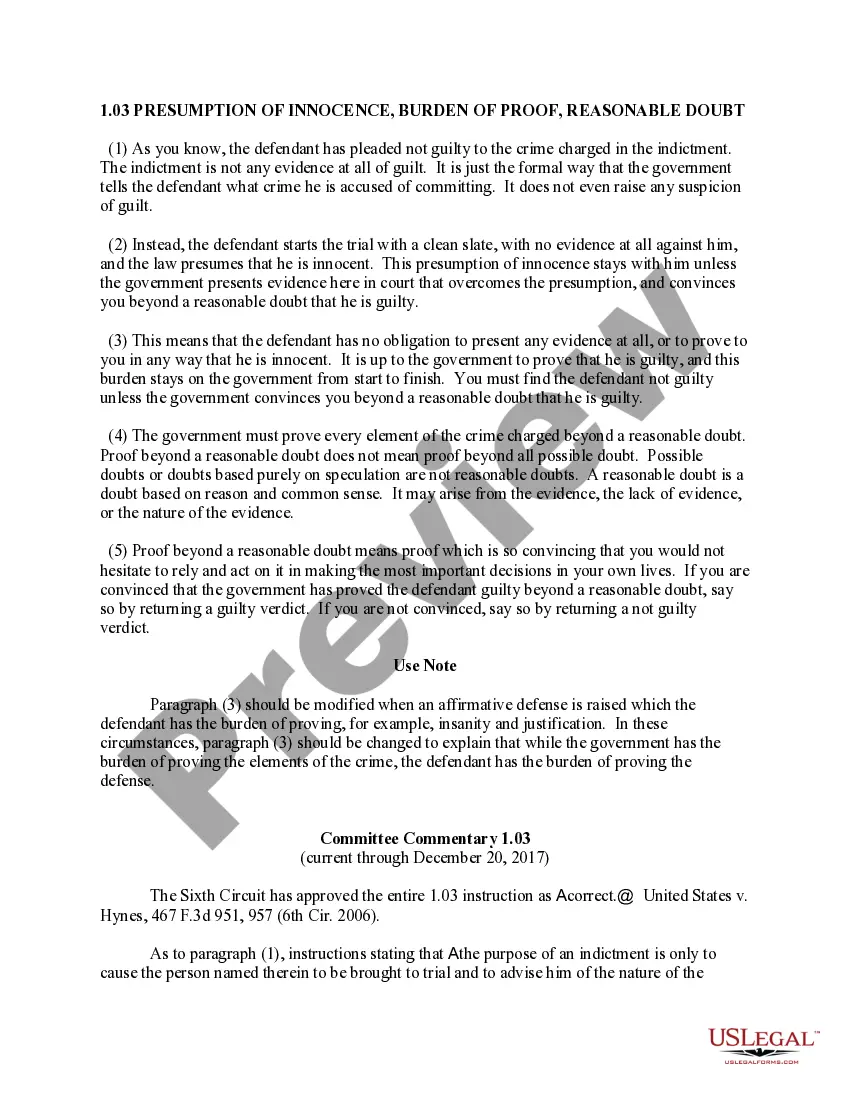
Presumption of Innocence: The presumption of innocence is a legal principle that states that a person accused of a crime must be considered innocent until proven guilty. This means that the burden of proof lies with the prosecution to prove that the defendant is guilty beyond a reasonable doubt. This principle is enshrined in the United States Constitution in the Fifth Amendment and is based on the principle of fairness. Burden of Proof: The burden of proof is the obligation of a party in a legal case to prove their claims. This burden is usually placed on the prosecution to prove that the defendant is guilty beyond a reasonable doubt. In civil cases, the burden of proof is usually a preponderance of the evidence, meaning that the party must prove that it is more likely than not that their claims are true. Reasonable Doubt: Reasonable doubt is a legal standard of proof that is required for a conviction in criminal cases. It is a higher standard than a preponderance of the evidence, which is used in civil cases. Reasonable doubt is based on the principle that the defendant is innocent until proven guilty and requires the prosecution to prove the defendant’s guilt beyond a reasonable doubt. This means that the prosecution must convince the jury that there is no reasonable doubt as to the defendant’s guilt.
Presumption of Innocence; Burden of Proof; Reasonable Doubt
Description
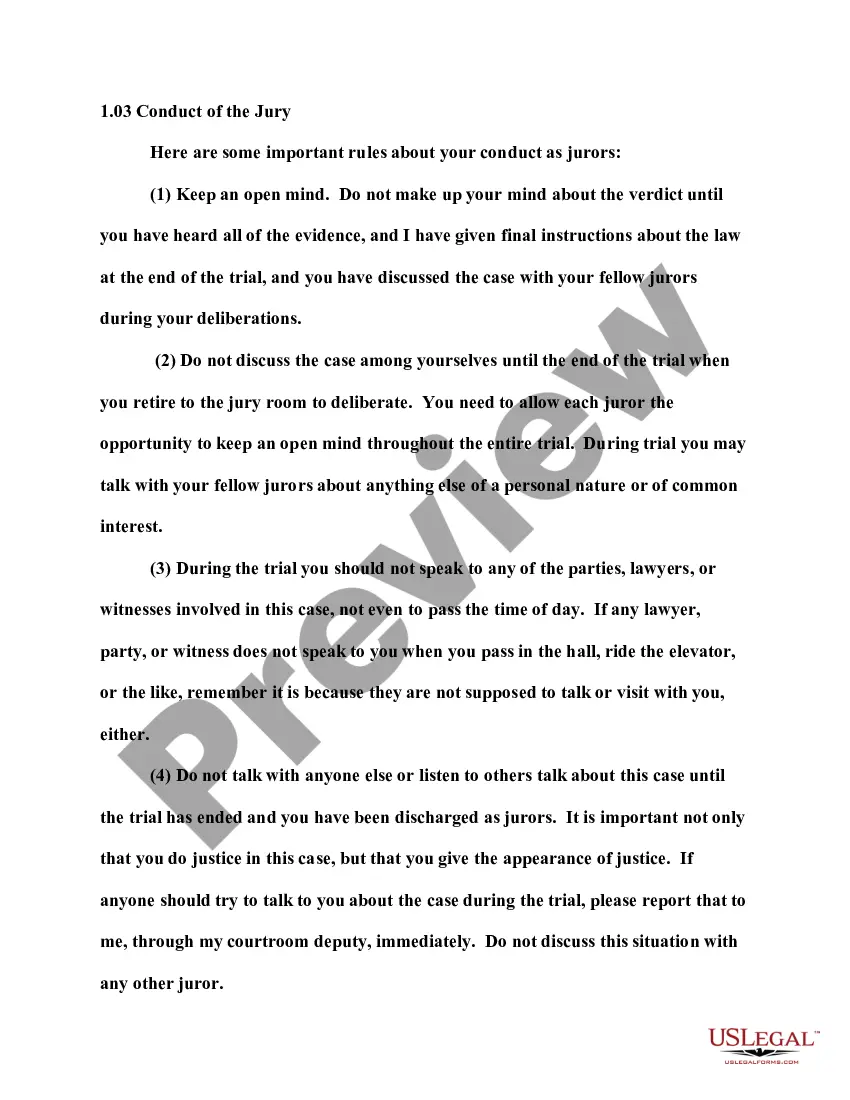
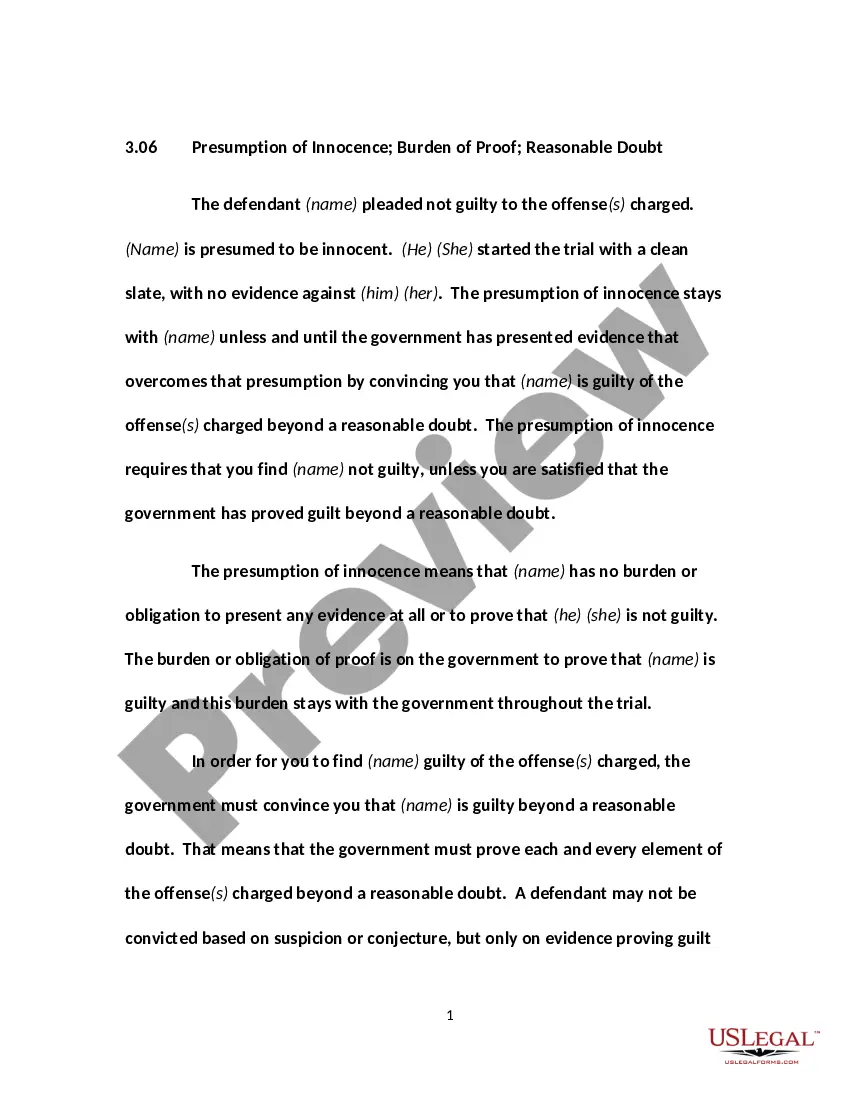


How to fill out Presumption Of Innocence; Burden Of Proof; Reasonable Doubt?
Preparing official paperwork can be a real stress unless you have ready-to-use fillable templates. With the US Legal Forms online library of formal documentation, you can be certain in the blanks you obtain, as all of them correspond with federal and state regulations and are verified by our specialists. So if you need to fill out Presumption of Innocence; Burden of Proof; Reasonable Doubt, our service is the best place to download it.
Obtaining your Presumption of Innocence; Burden of Proof; Reasonable Doubt from our service is as simple as ABC. Previously authorized users with a valid subscription need only log in and click the Download button once they locate the proper template. Afterwards, if they need to, users can take the same document from the My Forms tab of their profile. However, even if you are unfamiliar with our service, signing up with a valid subscription will take only a few moments. Here’s a brief guideline for you:
- Document compliance check. You should carefully review the content of the form you want and ensure whether it satisfies your needs and fulfills your state law regulations. Previewing your document and reviewing its general description will help you do just that.
- Alternative search (optional). If there are any inconsistencies, browse the library using the Search tab on the top of the page until you find an appropriate template, and click Buy Now once you see the one you need.
- Account creation and form purchase. Register for an account with US Legal Forms. After account verification, log in and select your most suitable subscription plan. Make a payment to continue (PayPal and credit card options are available).
- Template download and further usage. Choose the file format for your Presumption of Innocence; Burden of Proof; Reasonable Doubt and click Download to save it on your device. Print it to complete your paperwork manually, or use a multi-featured online editor to prepare an electronic version faster and more efficiently.
Haven’t you tried US Legal Forms yet? Sign up for our service now to obtain any official document quickly and easily any time you need to, and keep your paperwork in order!
Form popularity
FAQ
The burden of proof (?onus probandi? in Latin) is the obligation to provide sufficient supporting evidence for claims that you make. For example, if someone claims that ghosts exist, then the burden of proof means that they need to provide evidence that supports this.
Proof beyond a reasonable doubt is proof that leaves you firmly convinced the defendant is guilty. It is not required that the government prove guilt beyond all possible doubt. A reasonable doubt is a doubt based upon reason and common sense and is not based purely on speculation.
There are three burdens of proof that exist for most cases: proof beyond a reasonable doubt, clear and convincing evidence, and preponderance of the evidence.
THE PROSECUTION IN A CRIMINAL CASE BEARS THE BURDEN OF PROVING TO THE JURY BEYOND A REASONABLE DOUBT ALL OF THE ELEMENTS NECESSARY TO ESTABLISH THE GUILT OF THE DEFENDANT.
In a criminal case, the prosecution bears the burden of proving that the defendant is guilty beyond all reasonable doubt. This means that the prosecution must convince the jury that there is no other reasonable explanation that can come from the evidence presented at trial.
Under our constitutions, all defendants in criminal cases are presumed to be innocent until proven guilty beyond a reasonable doubt. The burden of proving guilt is entirely on the State. The defendant does not have to prove his innocence.
The person charged is considered innocent until proven guilty. As such, the burden of proof falls upon the prosecution to prove its case beyond a reasonable doubt. Proof beyond a reasonable doubt is required only in criminal cases because the potential penalties are severe.
Generally, burden of proof describes the standard that a party seeking to prove a fact in court must satisfy to have that fact legally established. There are different standards for different circumstances.