Physician's Assistant Employment Agreement
Overview of this form
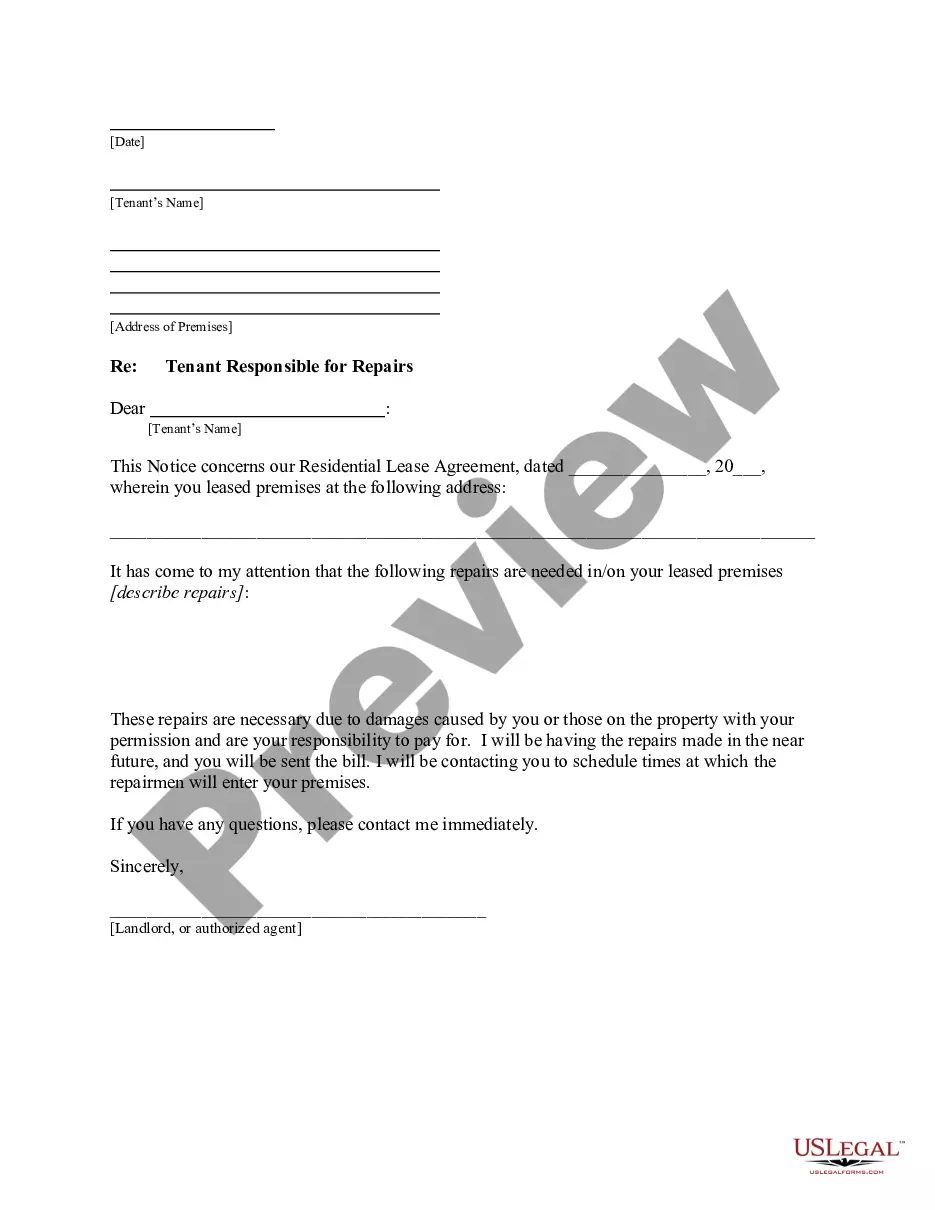
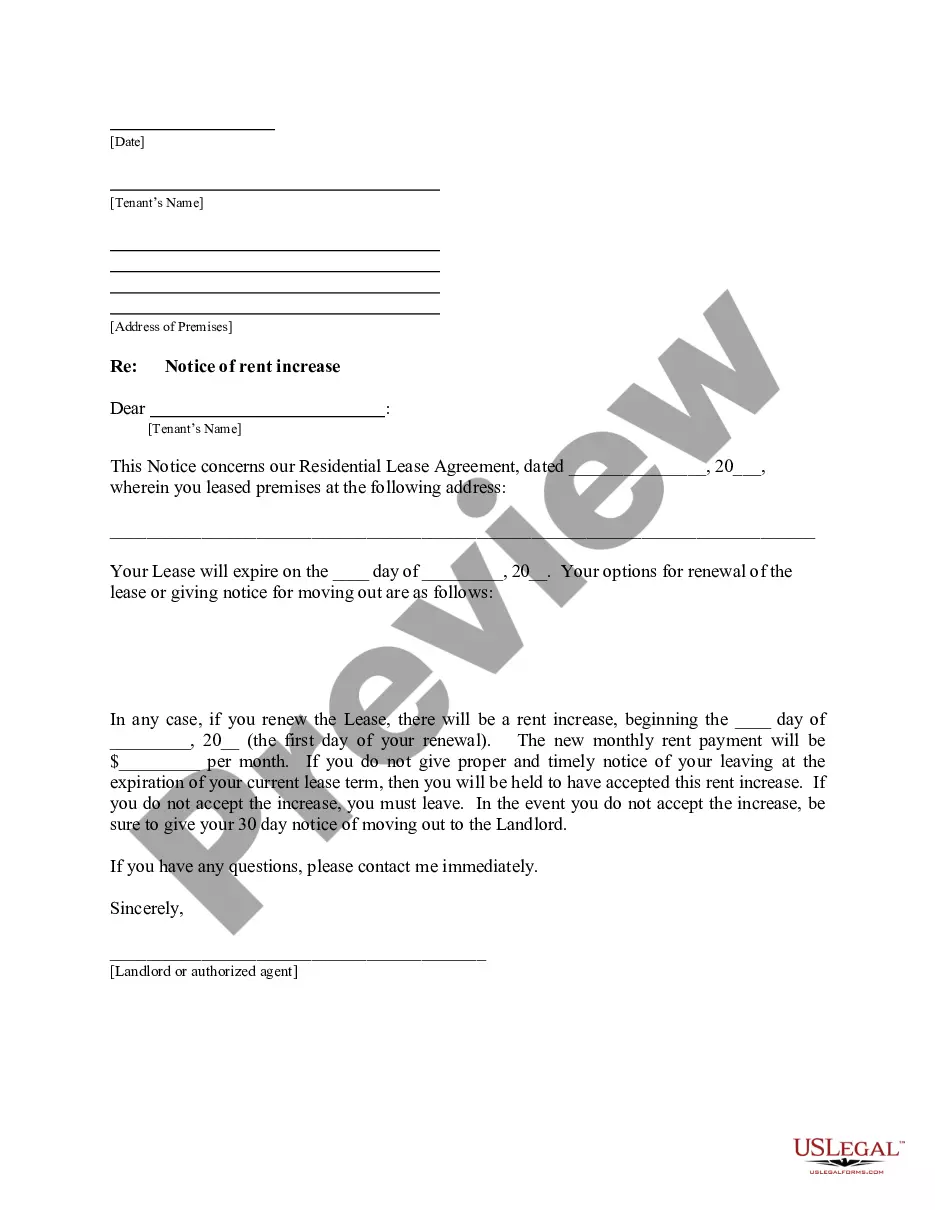
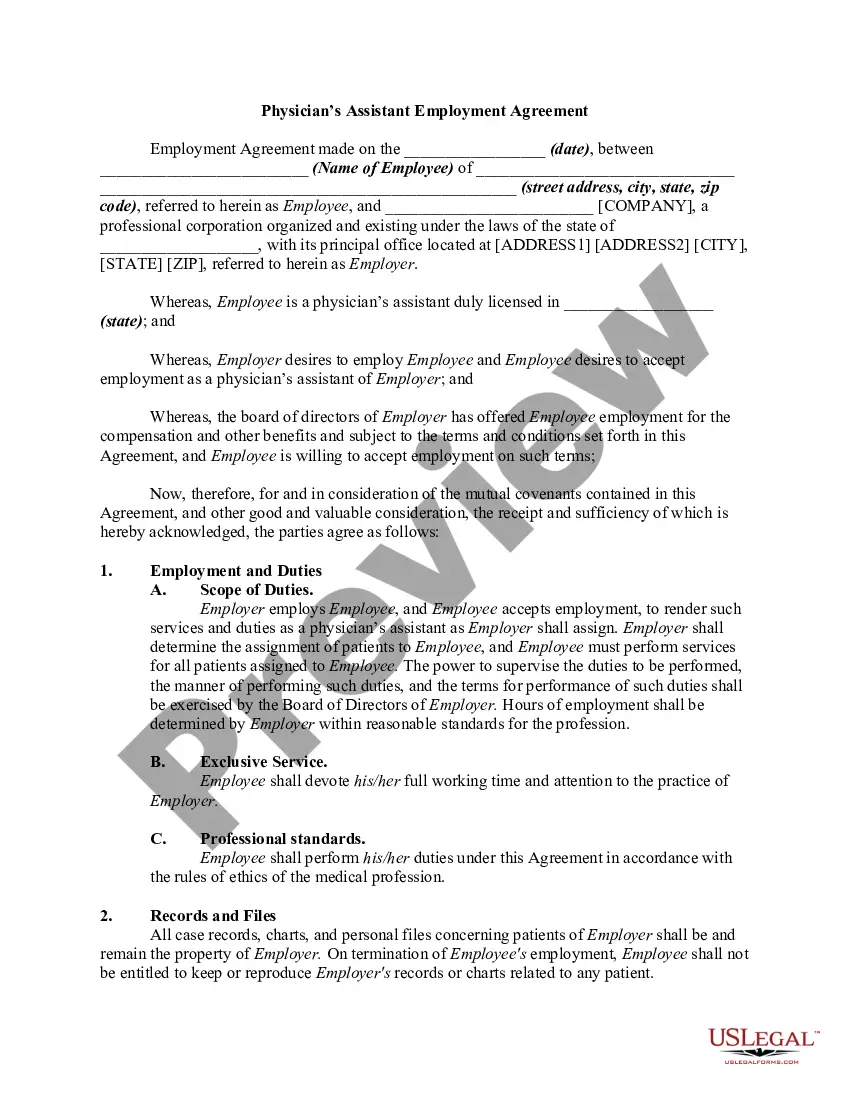
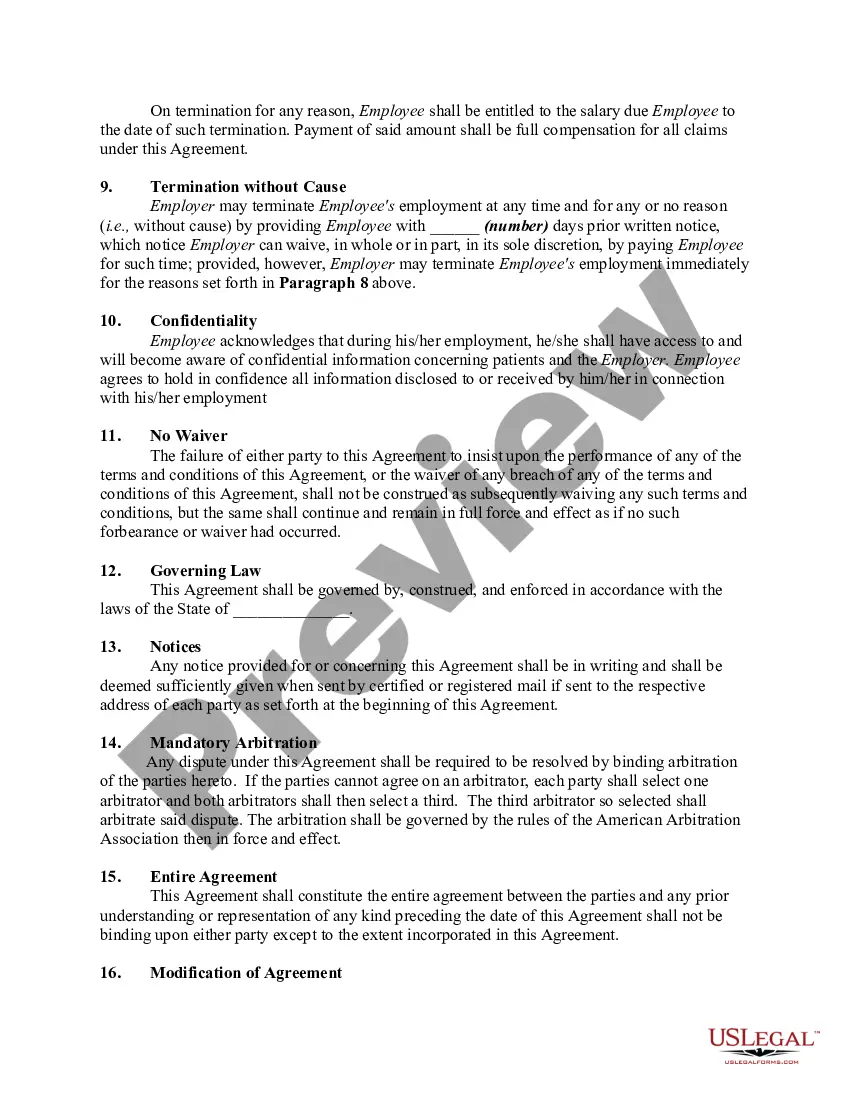
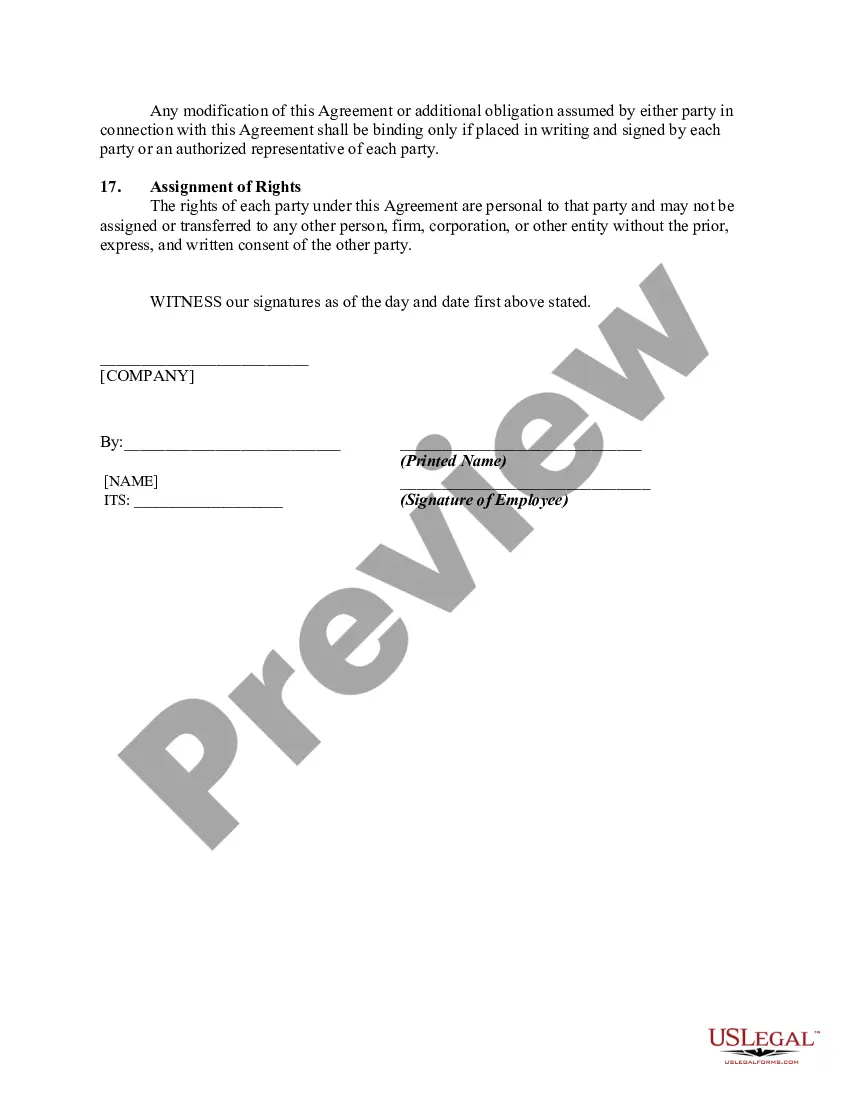
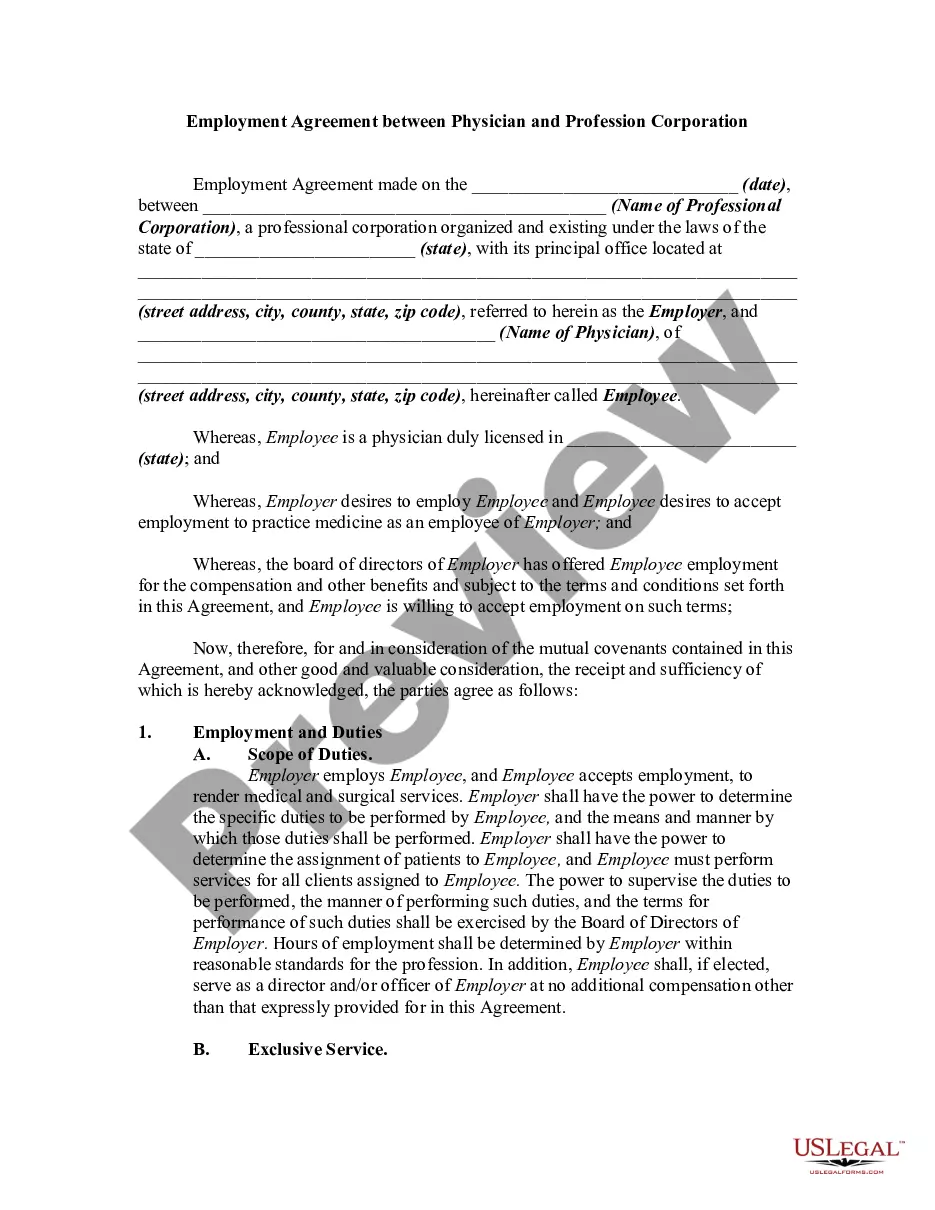
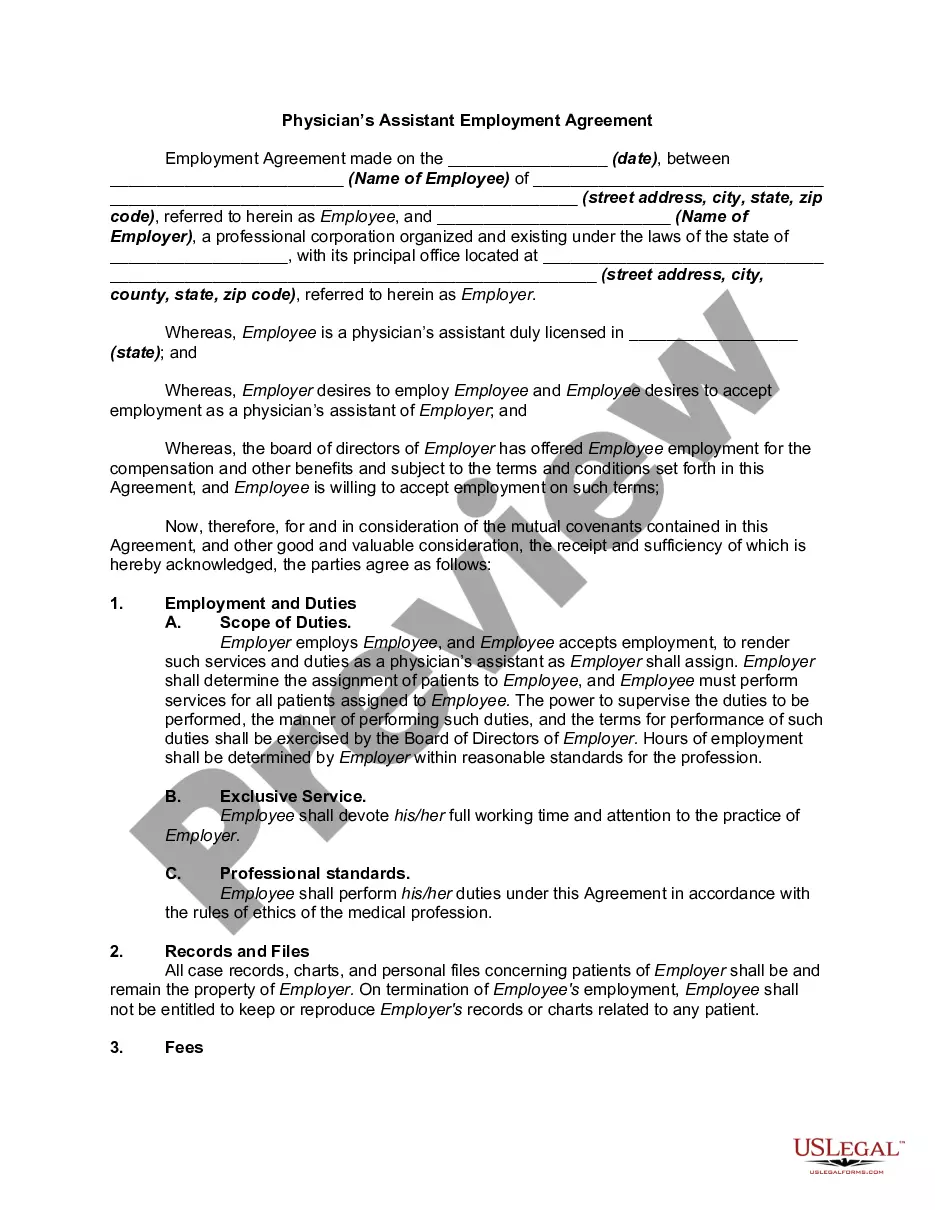
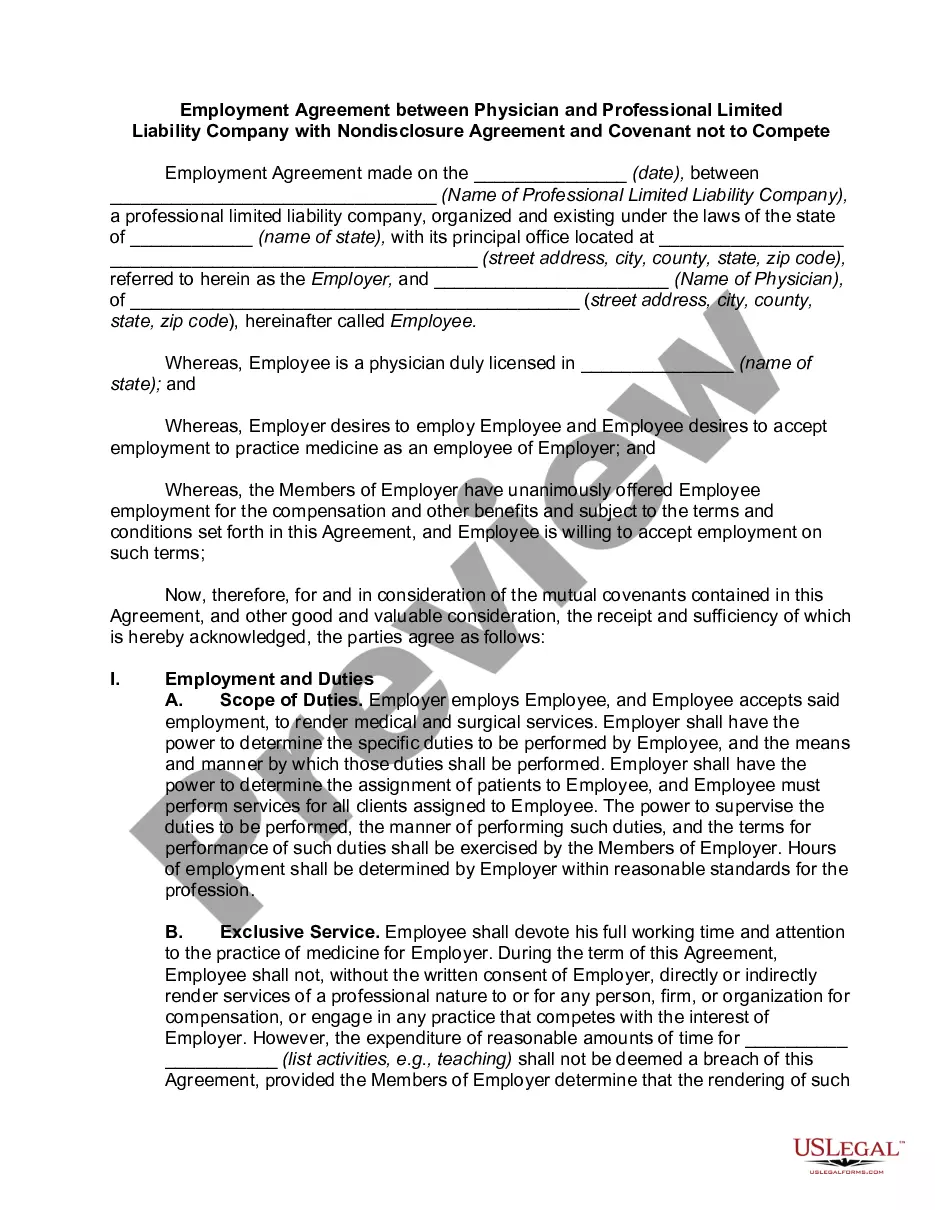
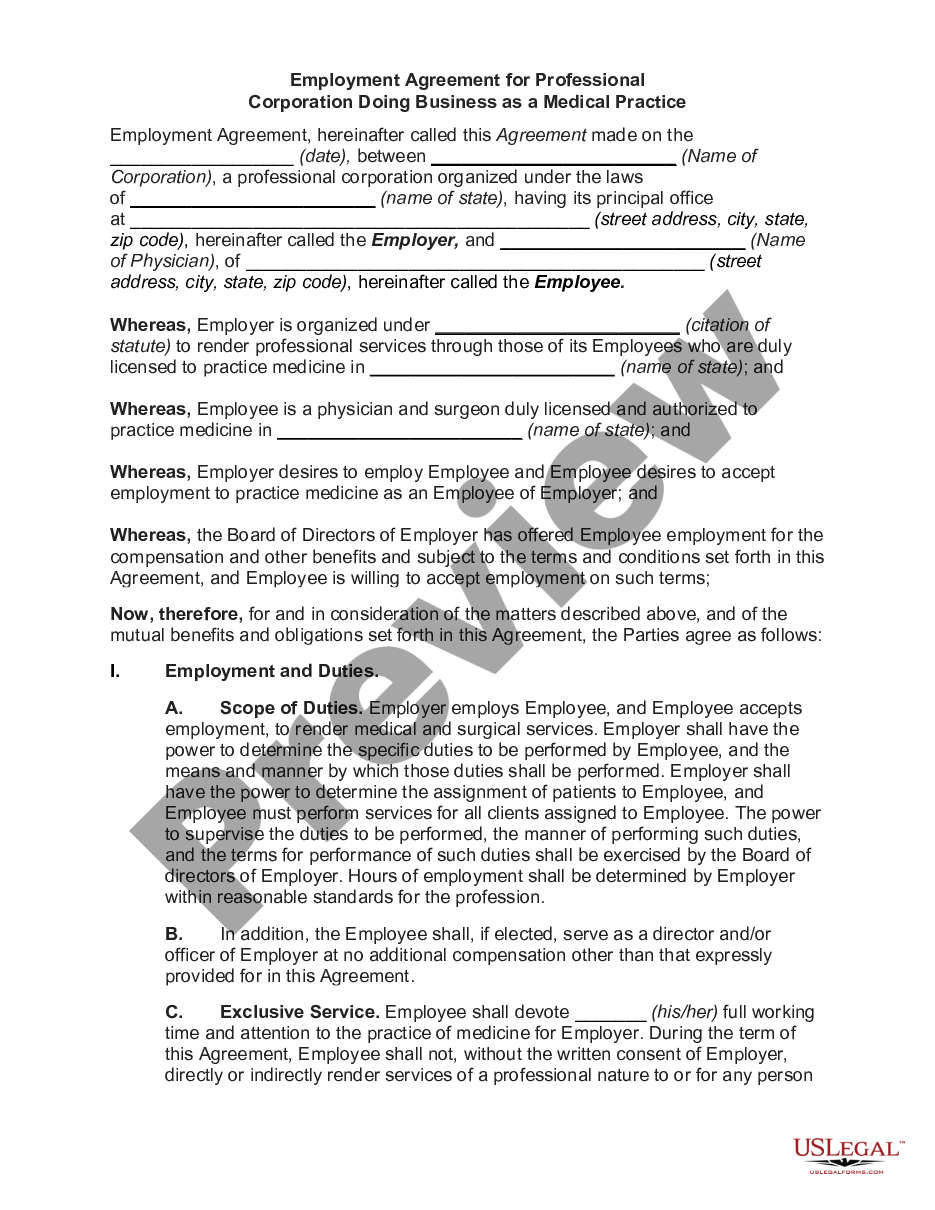
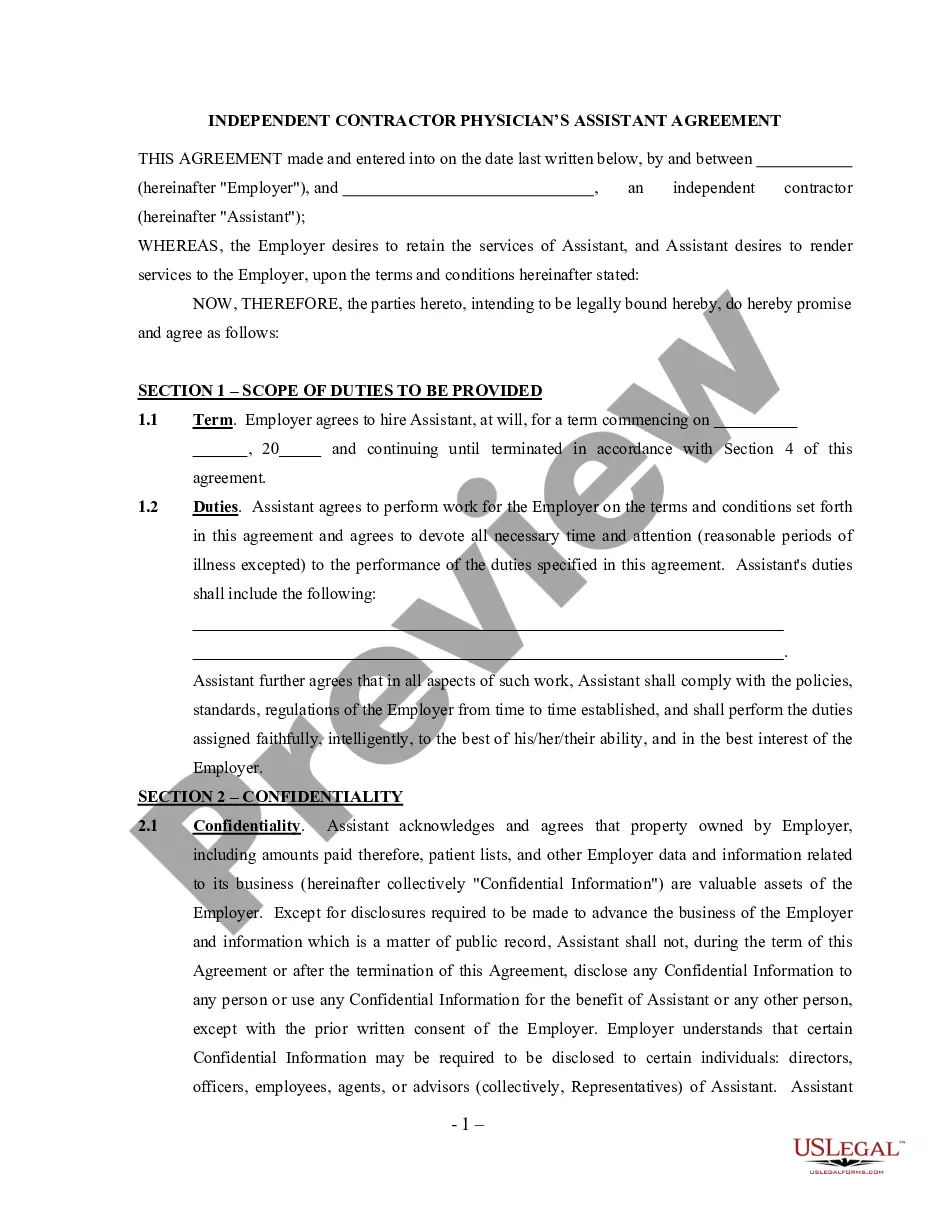
The Physician's Assistant Employment Agreement is a legal document that outlines the relationship between a physician assistant and their employing physician or healthcare organization. This agreement establishes the scope of employment, including responsibilities, duties, and compensation, while ensuring compliance with professional standards and state laws. Unlike other employment contracts, this specific form is tailored for licensed physician assistants working in medical settings, providing clarity and protection for both parties involved in the employment relationship.
Main sections of this form
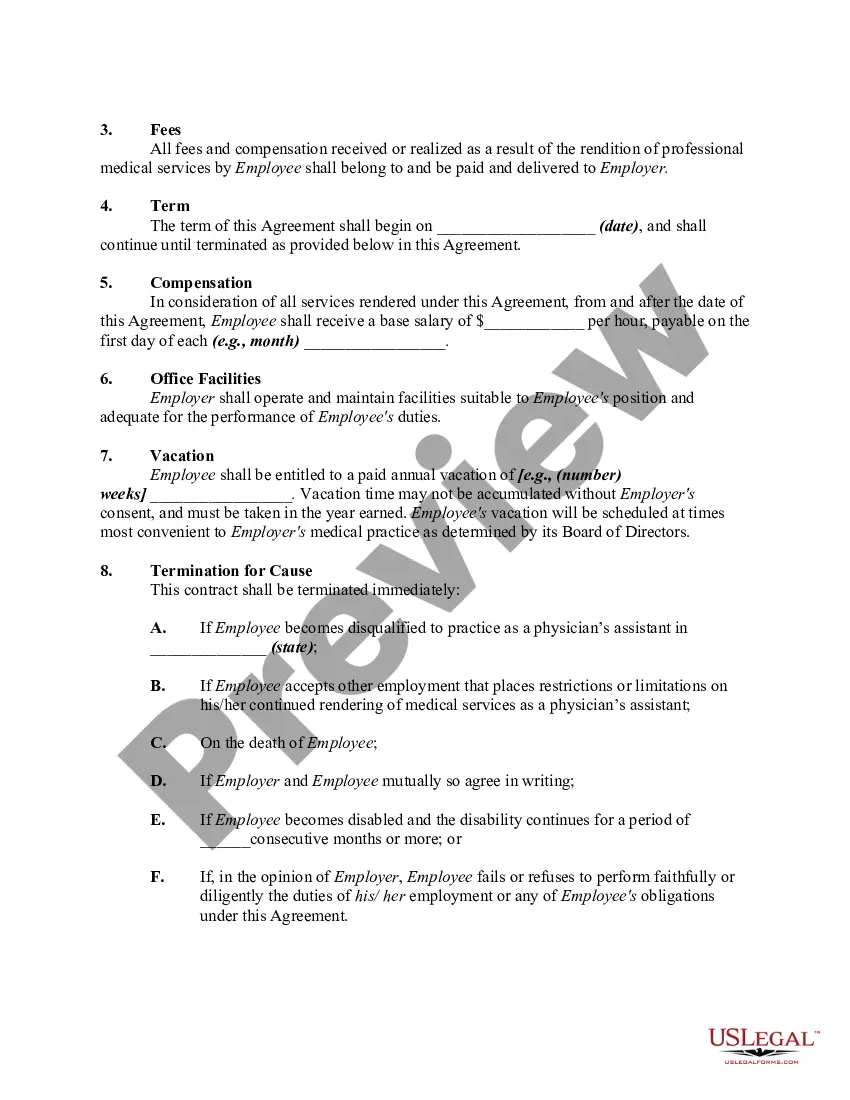
- Employment and Duties: Defines the employee's responsibilities and the authority of the employer.
- Compensation: Details the salary and payment schedule for the physician assistant.
- Termination: Outlines conditions for terminating the employment agreement, both for cause and without cause.
- Confidentiality: Emphasizes the need for the employee to maintain patient confidentiality.
- Governing Law: Specifies which state's laws will govern the agreement.
When to use this document
This employment agreement should be used when hiring a physician assistant to ensure all parties understand their obligations and rights. It is crucial when establishing a new position within a healthcare setting or when formalizing employment terms for an existing employee. This form is particularly important to clarify roles and responsibilities, compensation, and conditions for termination, thus protecting both the employer and the employee.
Who needs this form
Ideal users of this form include:
- Healthcare organizations looking to hire a physician assistant.
- Physician assistants seeking to understand the terms of their employment and professional obligations.
- Healthcare administrators responsible for managing employment contracts within their practice.
Steps to complete this form
- Identify the parties involved: Fill in the names and addresses of both the employee and employer.
- Specify the employment details: Clearly outline the start date and duration of the agreement.
- Define the scope of duties: Describe the responsibilities of the physician assistant and the supervisory structure.
- Enter compensation information: Include the agreed salary and payment frequency.
- Complete confidentiality and termination clauses: Ensure both parties understand their rights and responsibilities regarding confidentiality and termination provisions.
Does this document require notarization?
Notarization is not commonly needed for this form. However, certain documents or local rules may make it necessary. Our notarization service, powered by Notarize, allows you to finalize it securely online anytime, day or night.
Get your form ready online
Our built-in tools help you complete, sign, share, and store your documents in one place.
Make edits, fill in missing information, and update formatting in US Legal Forms—just like you would in MS Word.
Download a copy, print it, send it by email, or mail it via USPS—whatever works best for your next step.
Sign and collect signatures with our SignNow integration. Send to multiple recipients, set reminders, and more. Go Premium to unlock E-Sign.
If this form requires notarization, complete it online through a secure video call—no need to meet a notary in person or wait for an appointment.
We protect your documents and personal data by following strict security and privacy standards.

Make edits, fill in missing information, and update formatting in US Legal Forms—just like you would in MS Word.

Download a copy, print it, send it by email, or mail it via USPS—whatever works best for your next step.

Sign and collect signatures with our SignNow integration. Send to multiple recipients, set reminders, and more. Go Premium to unlock E-Sign.

If this form requires notarization, complete it online through a secure video call—no need to meet a notary in person or wait for an appointment.

We protect your documents and personal data by following strict security and privacy standards.
Mistakes to watch out for
- Failing to specify the scope of duties clearly, which can lead to misunderstandings.
- Not including termination provisions that protect both parties.
- Omitting confidentiality clauses that safeguard patient information.
- Incorrectly stating compensation terms, causing disputes later.
Benefits of completing this form online
- Convenience: Easily download and complete the agreement at your convenience.
- Editability: Modify fields to suit your specific contractual needs and conditions.
- Reliability: Ensure the use of professionally drafted language that complies with legal standards.
Looking for another form?
Form popularity
FAQ
You will have job security. As a physician assistant, you will always be in demand. ing to the United States Bureau of Labor Statistics, the job outlook for a physician assistant is excellent. This profession is expected to grow by 31% by 2029. This is a faster than average job growth than other professions.
Key Terms in Physician Assistant Employment Agreement Negotiations Scope of practice and job duties; The base rate of pay; Job benefits, including health coverage, disability insurance, and leave; Future cost-of-living-adjustments (COLA); Medical malpractice insurance; Performance expectations; Grounds for termination;
A typical employment contract contains details such as the start and end dates of employment, compensation, job duties, and other expectations of both the employer and the employee.
The term of the employment agreement refers to how long the contract lasts. Most physician employment agreements are between 1 to 3 years, with automatic renewal after the initial term ends.
Physician assistants work in physicians' offices, hospitals, outpatient clinics, and other healthcare settings. Most work full time.
Anatomy of a Contract TERMS AND TERMINATION. The term, or length, of the contract must be stated, including your starting date and the duration of the initial contract.CONTRACT RENEWAL.EMPLOYEE VS INDEPENDENT CONTRACTOR.SERVICES TO BE PROVIDED.CREDENTIALS AND PRIVILEGES.COMPENSATION.MALPRACTICE INSURANCE.FRINGE BENEFITS.
The employer's name. the employee's or worker's name, job title or a description of work and start date. how much and how often an employee or worker will get paid. hours and days of work and if and how they may vary (also if employees or workers will have to work on Sundays, during the 'night period' or take overtime)