Employee Dress Code Policy - General
What this document covers
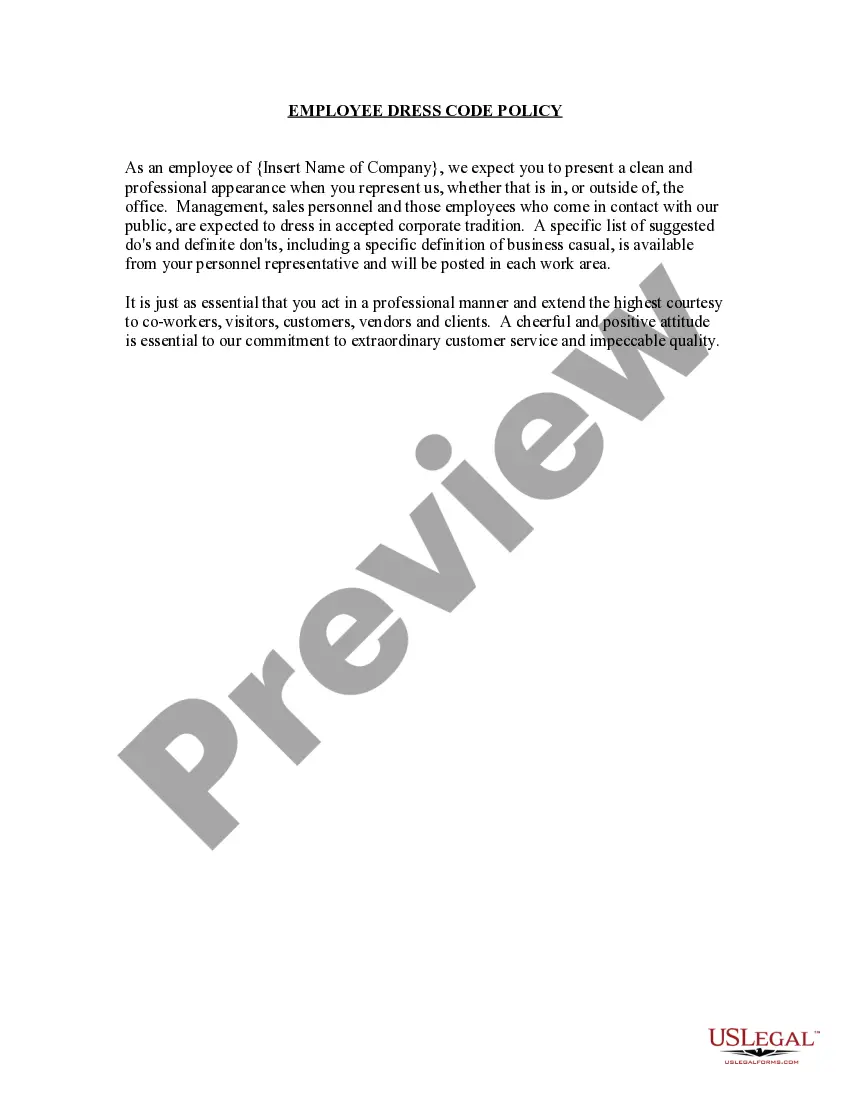
The Employee Dress Code Policy - General is a legal form that outlines the company's expectations regarding employee attire. This form serves to maintain a professional atmosphere by clarifying acceptable clothing standards for employees in various roles. Unlike other employment forms, this document focuses specifically on appearance and conduct, which are vital for representing the organization positively, both inside and outside the office.
Key components of this form
- Company expectations for employee appearance and professionalism.
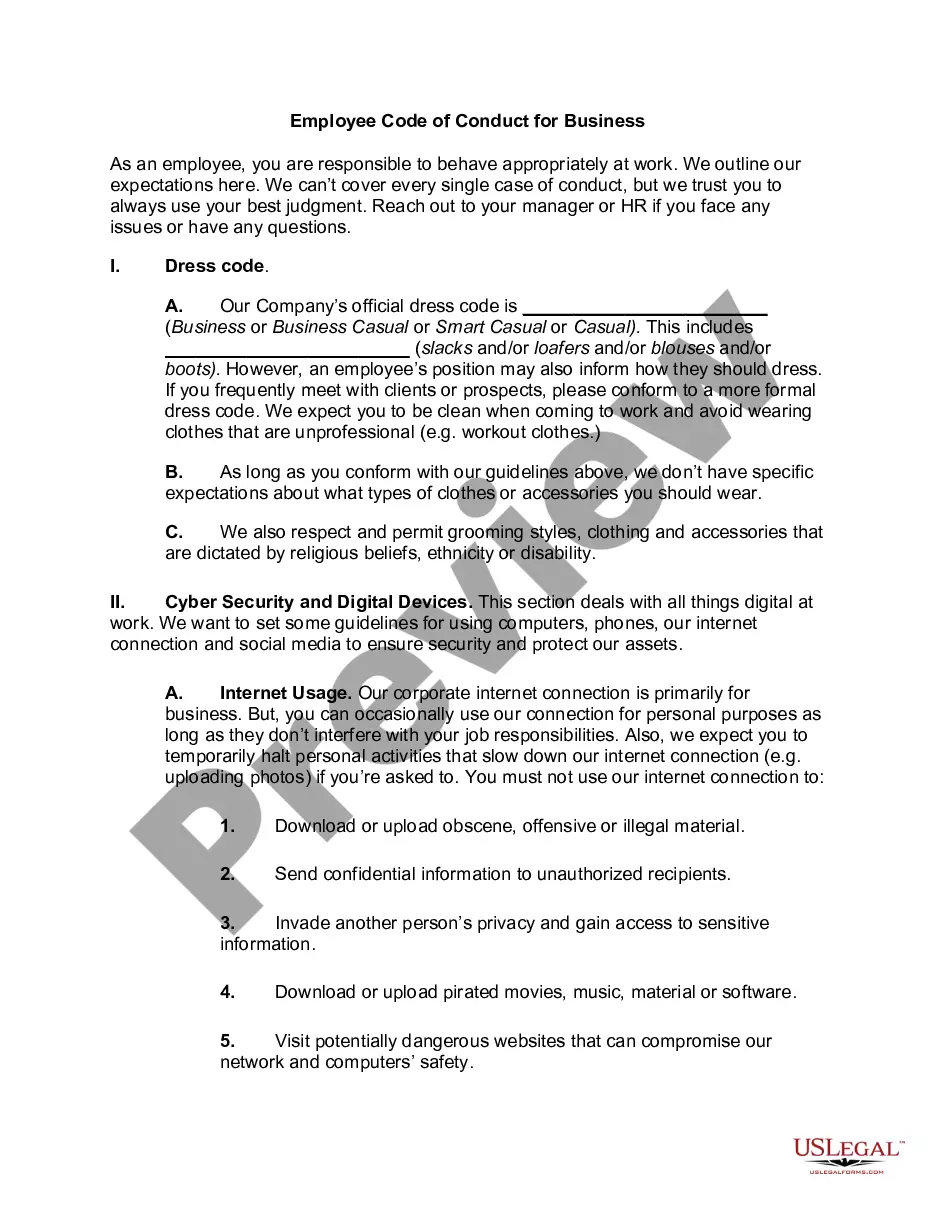
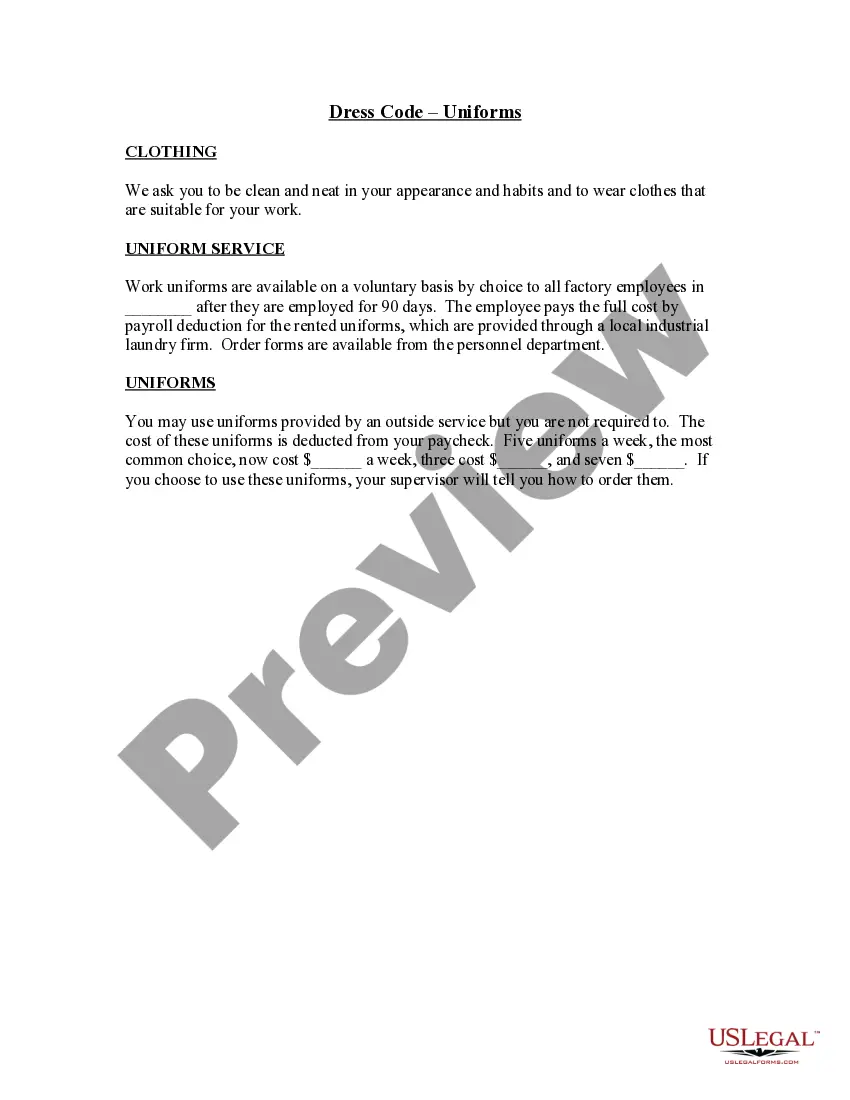
- Guidelines on acceptable attire for different job roles, including management and sales personnel.
- Definition and examples of business casual attire.
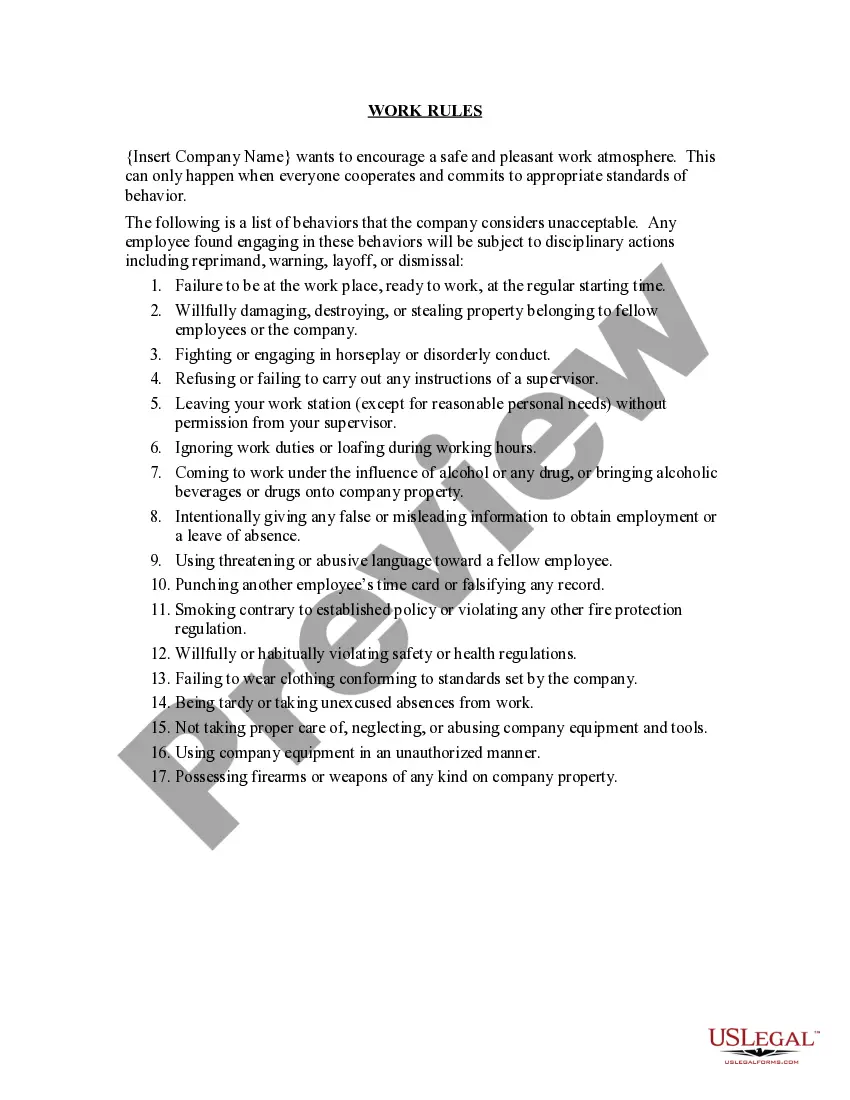
- Behavioral expectations regarding professionalism and courtesy towards others.
- Reference to additional resources for specific dress code details.
When to use this document
This form should be used when establishing, updating, or clarifying the dress code policy within a company. It is particularly useful during employee onboarding, organizational restructuring, or when introducing a new dress standard. Additionally, it can be applied in scenarios where employee appearance significantly impacts customer interaction, such as in retail or client-facing positions.
Who should use this form
- Employers who want to define their company's dress code clearly.
- Human resources professionals responsible for creating employee handbooks.
- Managers and team leaders aiming to enforce consistent appearance standards.
- Business owners looking to maintain professionalism in customer interactions.
How to prepare this document
- Insert the name of the company in the designated section at the beginning of the form.
- Review and tailor the general appearance expectations to align with your company's culture.
- Specify the appropriate clothing standards for different roles within your organization.
- Provide a clear definition of business casual as it pertains to your workplace.
- State expectations for professional behavior and customer interaction.
Does this document require notarization?
Notarization is generally not required for this form. However, certain states or situations might demand it. You can complete notarization online through US Legal Forms, powered by Notarize, using a verified video call available anytime.
Get your form ready online
Our built-in tools help you complete, sign, share, and store your documents in one place.
Make edits, fill in missing information, and update formatting in US Legal Forms—just like you would in MS Word.
Download a copy, print it, send it by email, or mail it via USPS—whatever works best for your next step.
Sign and collect signatures with our SignNow integration. Send to multiple recipients, set reminders, and more. Go Premium to unlock E-Sign.
If this form requires notarization, complete it online through a secure video call—no need to meet a notary in person or wait for an appointment.
We protect your documents and personal data by following strict security and privacy standards.

Make edits, fill in missing information, and update formatting in US Legal Forms—just like you would in MS Word.

Download a copy, print it, send it by email, or mail it via USPS—whatever works best for your next step.

Sign and collect signatures with our SignNow integration. Send to multiple recipients, set reminders, and more. Go Premium to unlock E-Sign.

If this form requires notarization, complete it online through a secure video call—no need to meet a notary in person or wait for an appointment.

We protect your documents and personal data by following strict security and privacy standards.
Avoid these common issues
- Failing to update the dress code policy as the company culture evolves.
- Not clearly defining terms like "business casual," leading to confusion.
- Overlooking the need to communicate the dress code consistently to all employees.
- Neglecting to include accommodations for diverse cultural or religious attire.
Why complete this form online
- Convenience of downloading and customizing the form to fit your specific needs.
- Easy access to updated legal language drafted by licensed attorneys.
- Ability to edit and revise the dress code policy as necessary.
- Efficiently share the policy with employees through digital means.
Legal use & context
- This form serves as an internal policy guideline, promoting professionalism within the workplace.
- It can be referenced in disputes regarding dress code violations, ensuring clarity of expectations.
Quick recap
- The Employee Dress Code Policy - General is essential for setting clear expectations around appearance.
- This form helps foster a professional workplace environment and enhances customer relations.
- Employers should customize the policy to reflect company values and culture.
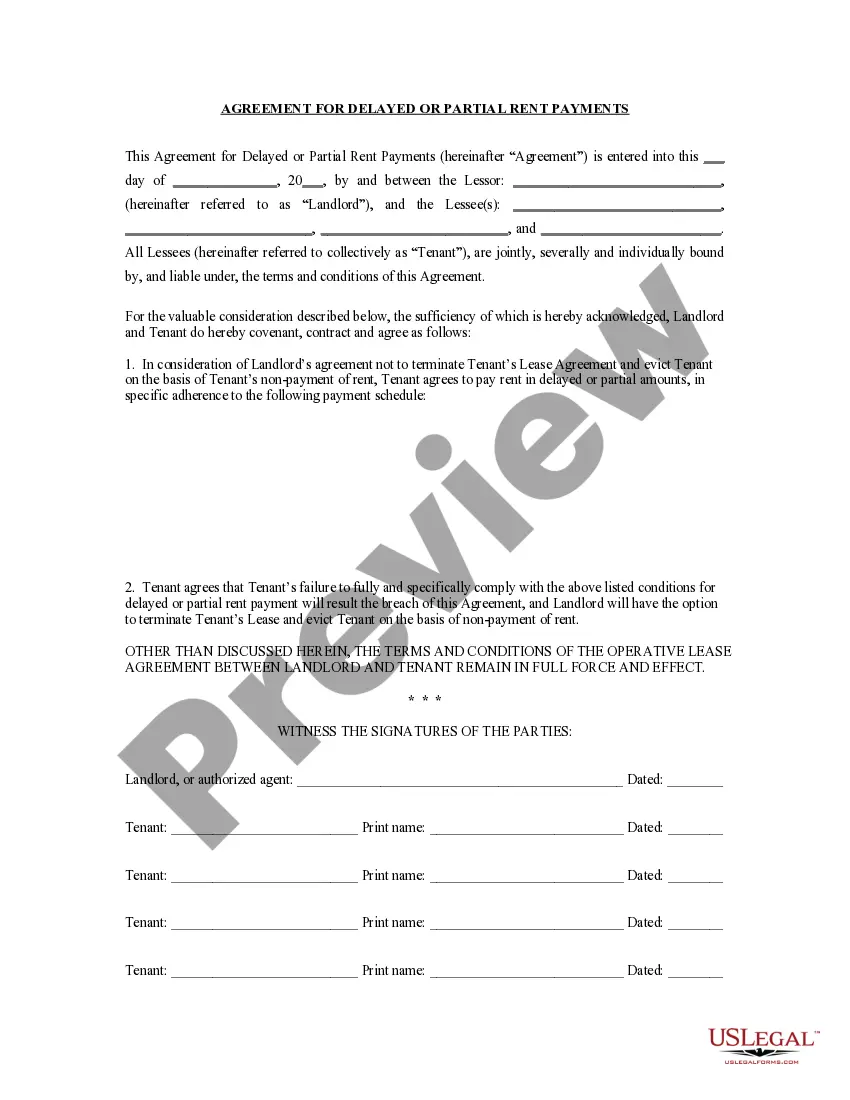
Looking for another form?

Form popularity
FAQ
Yes. Employers are allowed to enforce different dress code standards for women and men. However, they may not impose a greater burden on either gender.
There are generally four types of corporate dress codes: Business formal, business professional, business casual, and casual.
Employers can require all employees to wear a uniform, but some flexibility is needed to avoid unlawful discrimination. Whether it is necessary for all employees to wear a uniform should be considered.In addition, there may be health and safety reasons for wearing a uniform.
Employers can require their employees to wear uniforms, according to the federal Fair Labor Standards Act. The act does not mandate uniforms, but it allows employers to require them.If OSHA does not require it, employers can charge their employees for their uniform costs.
Examples of appropriate business attire include a polo shirt with pressed khaki pants, a sweater and a shirt with corduroy pants, a jacket with a skirt or slacks and a blouse or a sweater with a skirt or pants. Pantsuits and sports jackets also fit the business casual work environment if they are not too formal.
Yes, your employer may (within limits) be able to specify how you dress at work. Your contract, and associated documents such as the staff handbook, may state that you need to dress in a certain manner, or wear a specific uniform.
Dress codes are used to communicate to employees what the organization considers appropriate work attire. A dress code or appearance policy allows an employer to set expectations regarding the image it wants the company to convey. Dress codes can be formal or informal and might include the use of uniforms.
Properly fitting attire allows potential hires to look professional. Examples of outfit ideas are slacks, skirts, dresses, a button up shirt, or a nice top. Business casual is a better option over formal wear for a Dollar General interview.