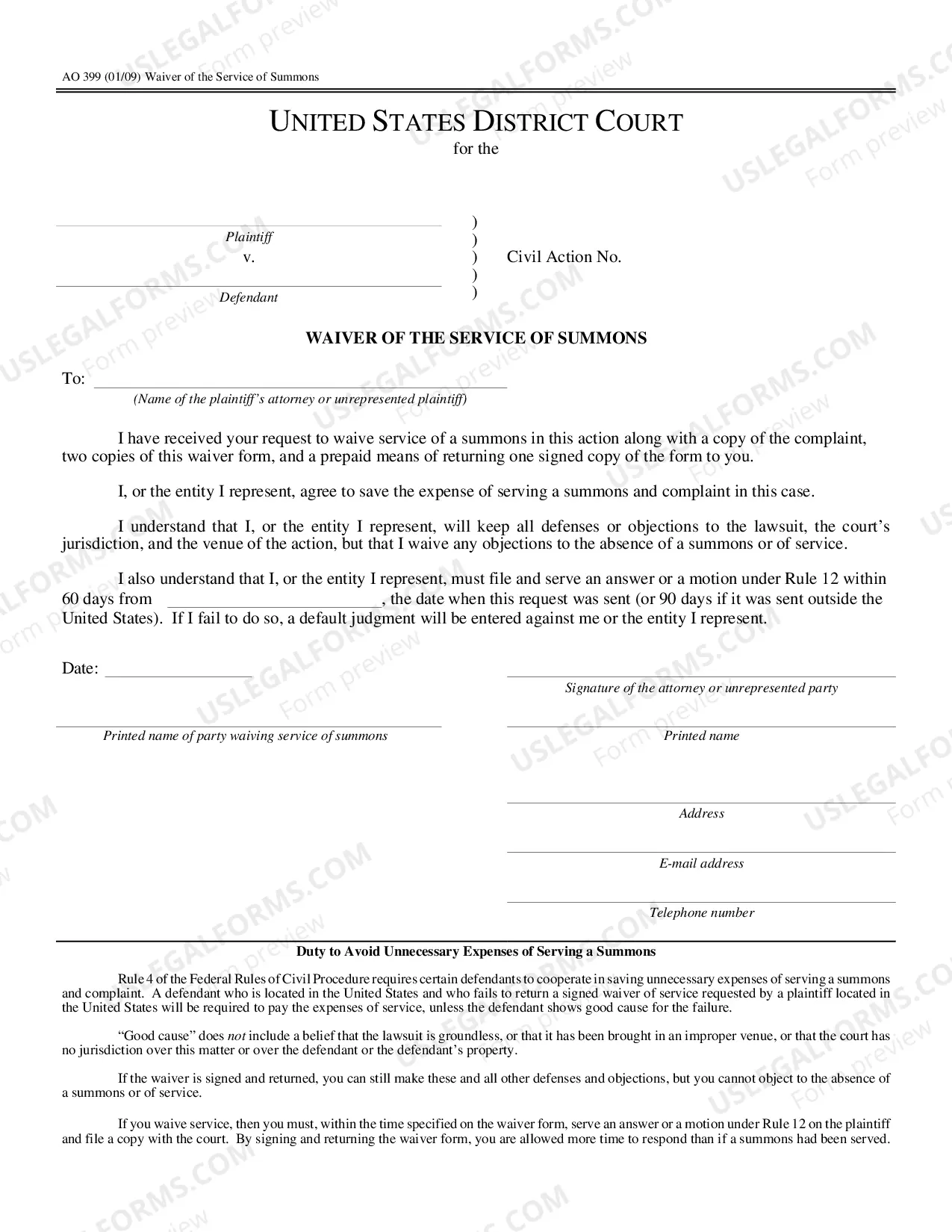
Trademark License Representation Agreement
What this document covers
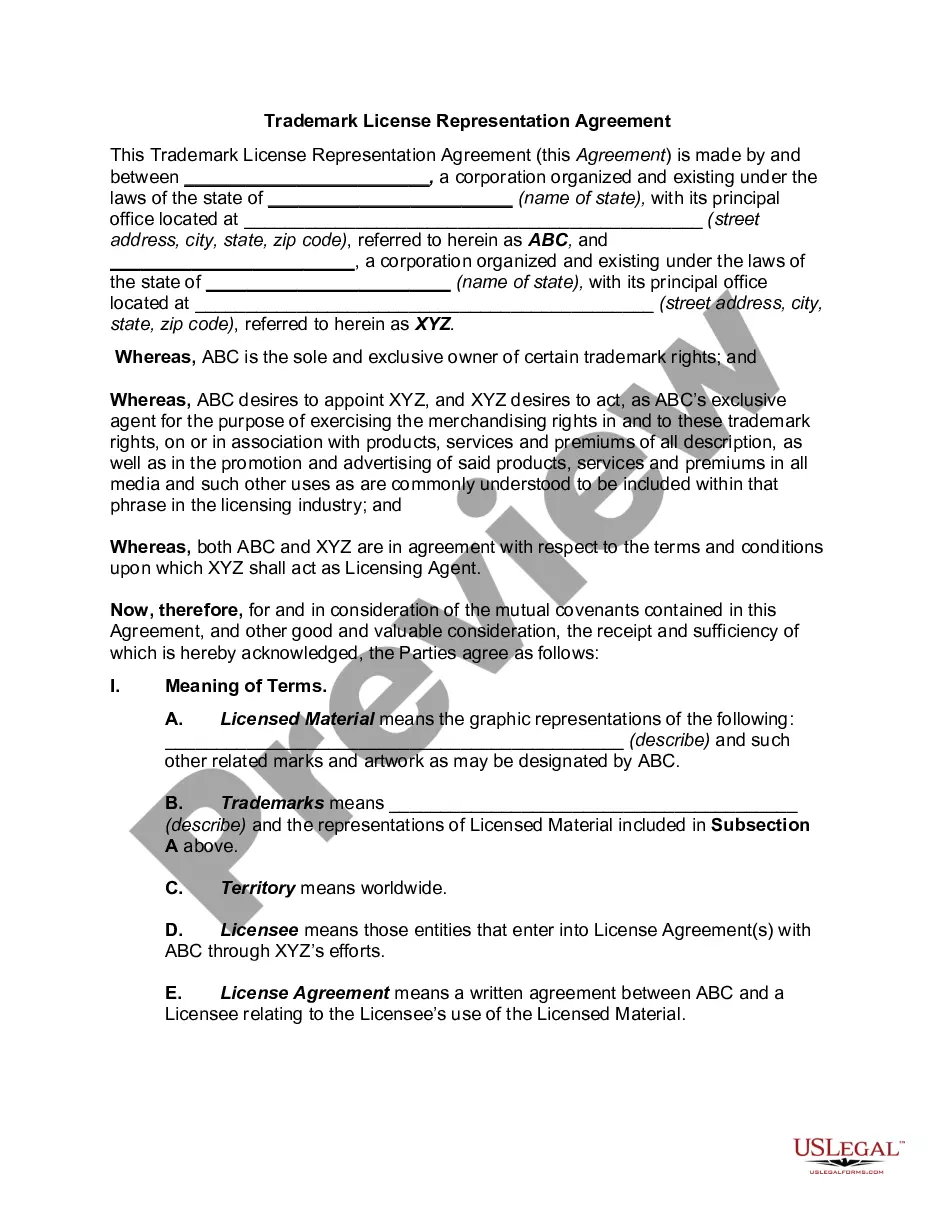
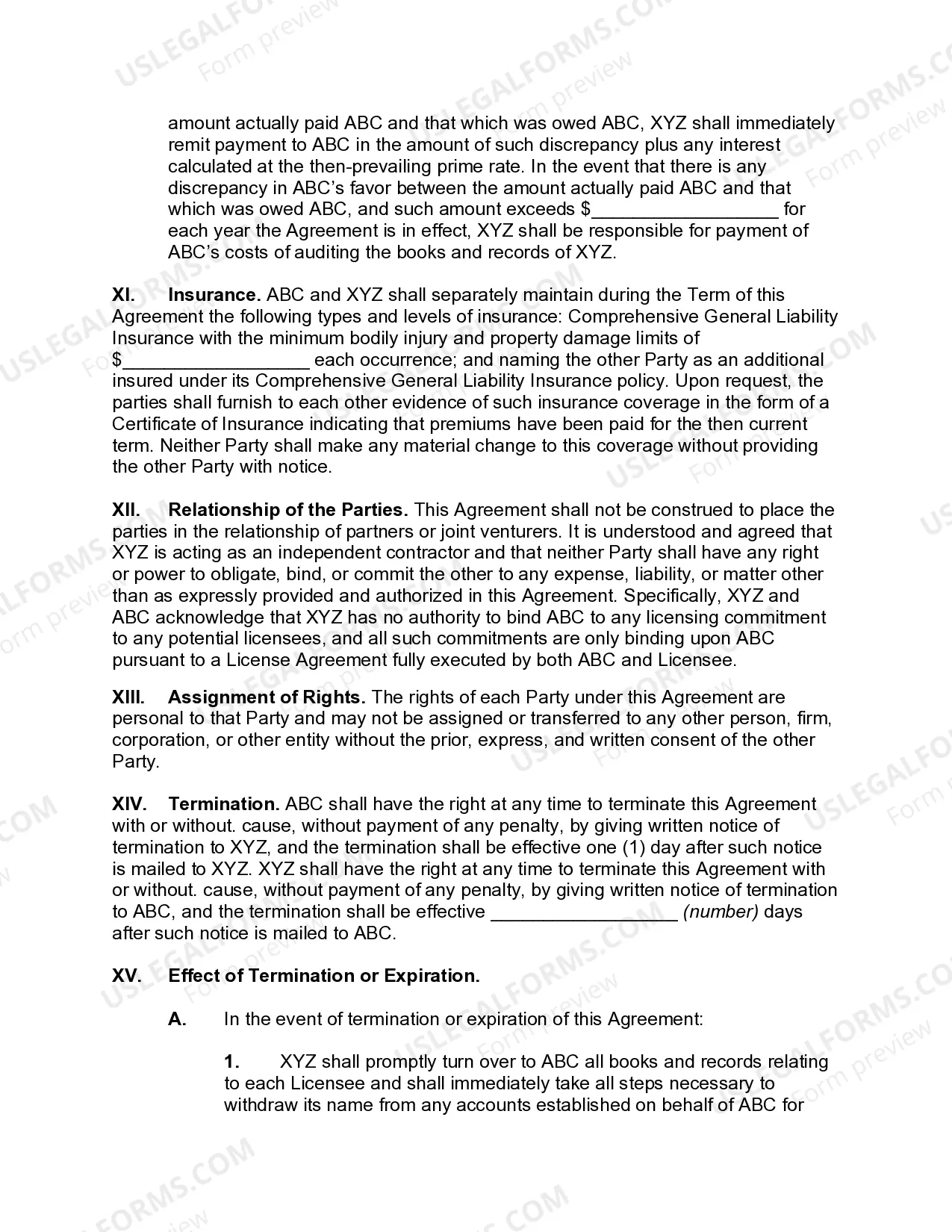
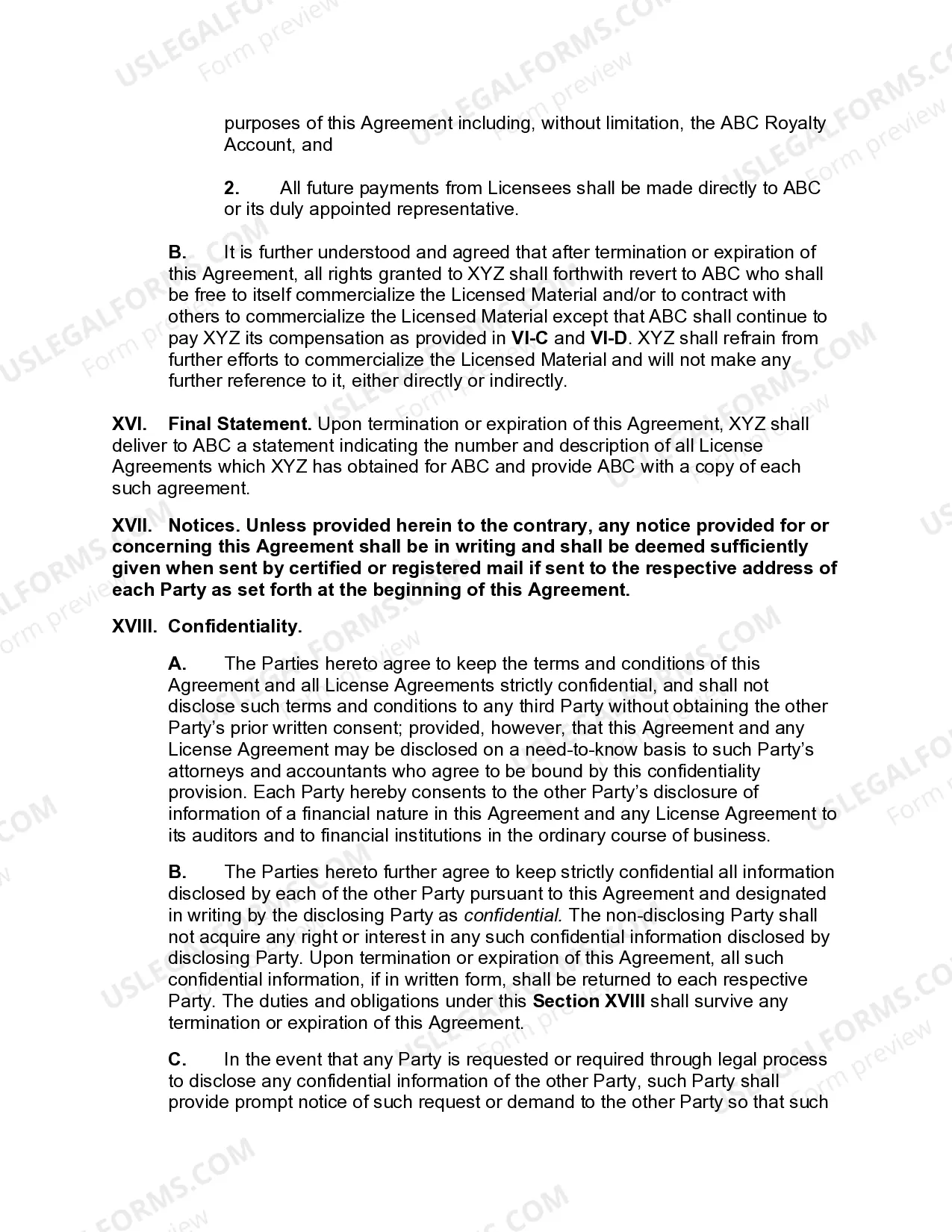
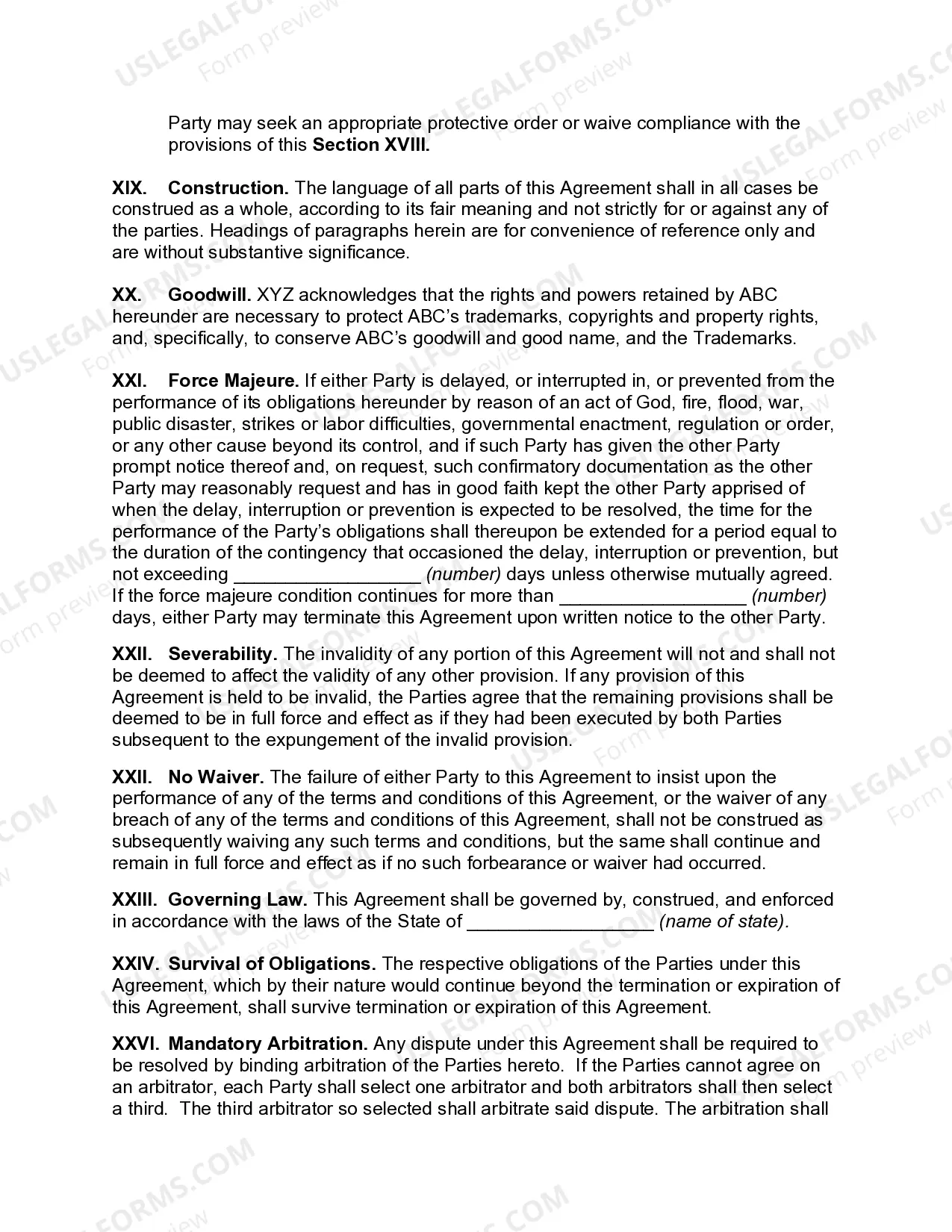
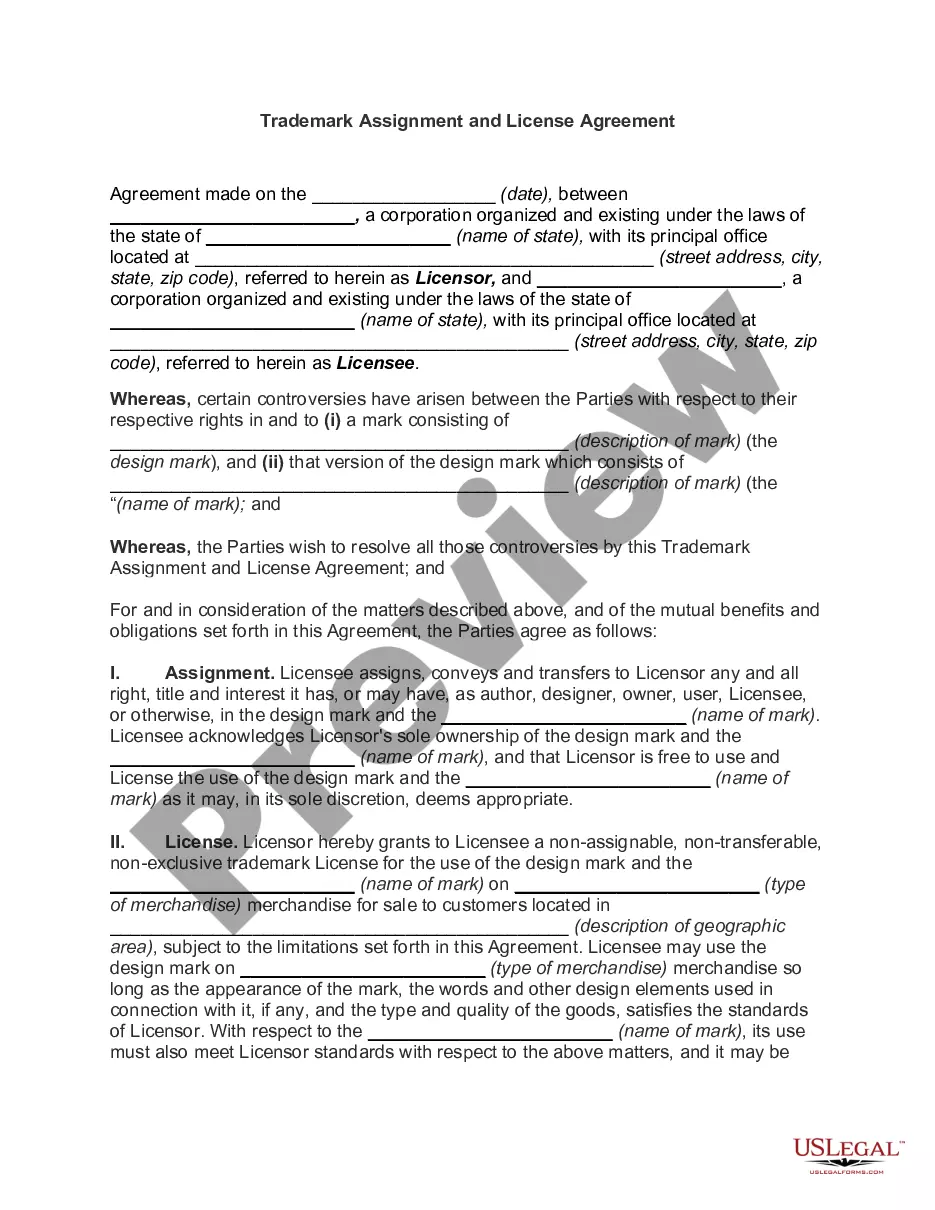
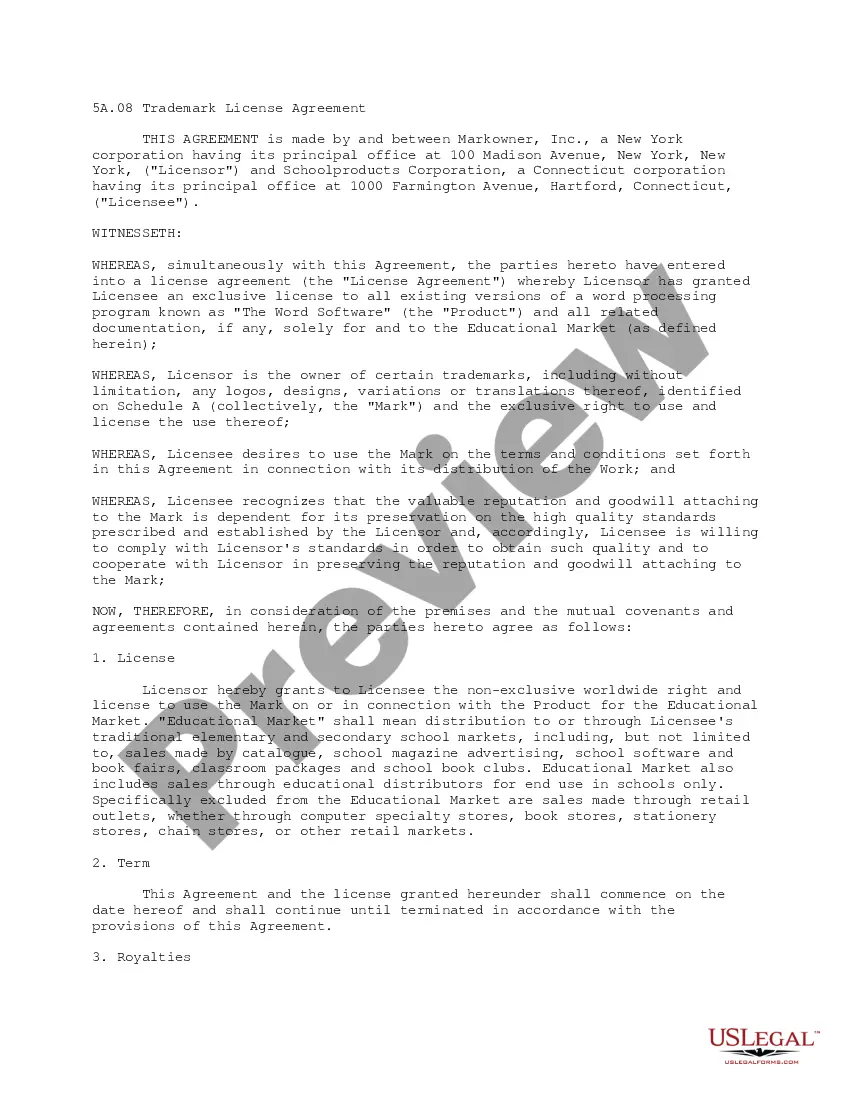
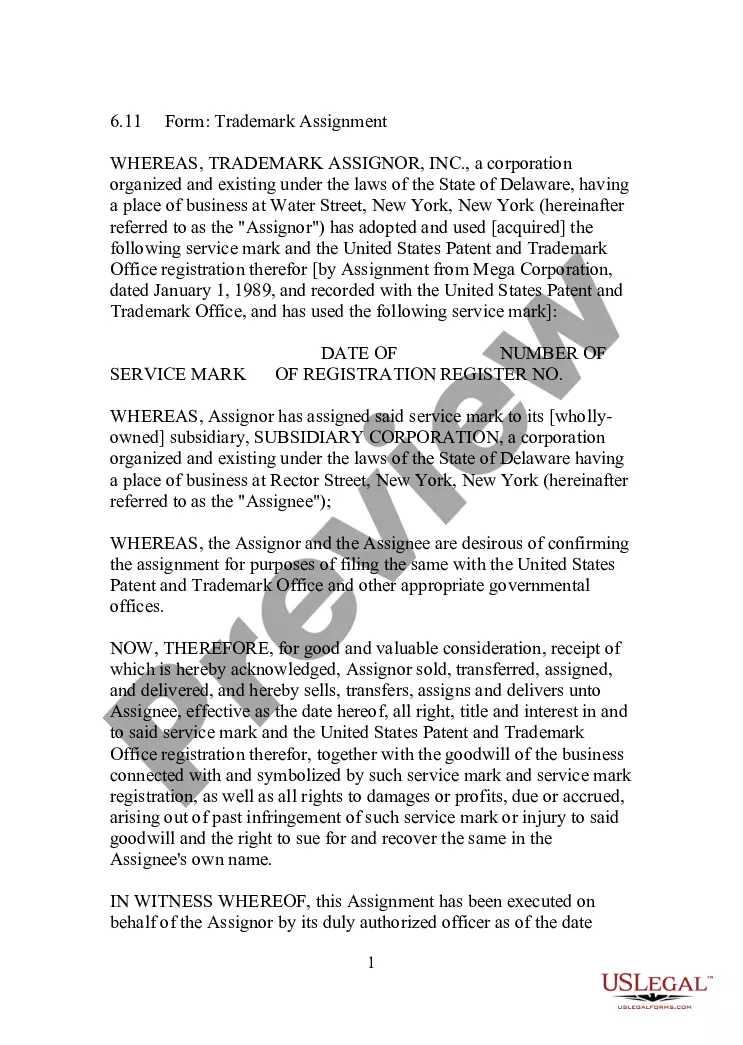
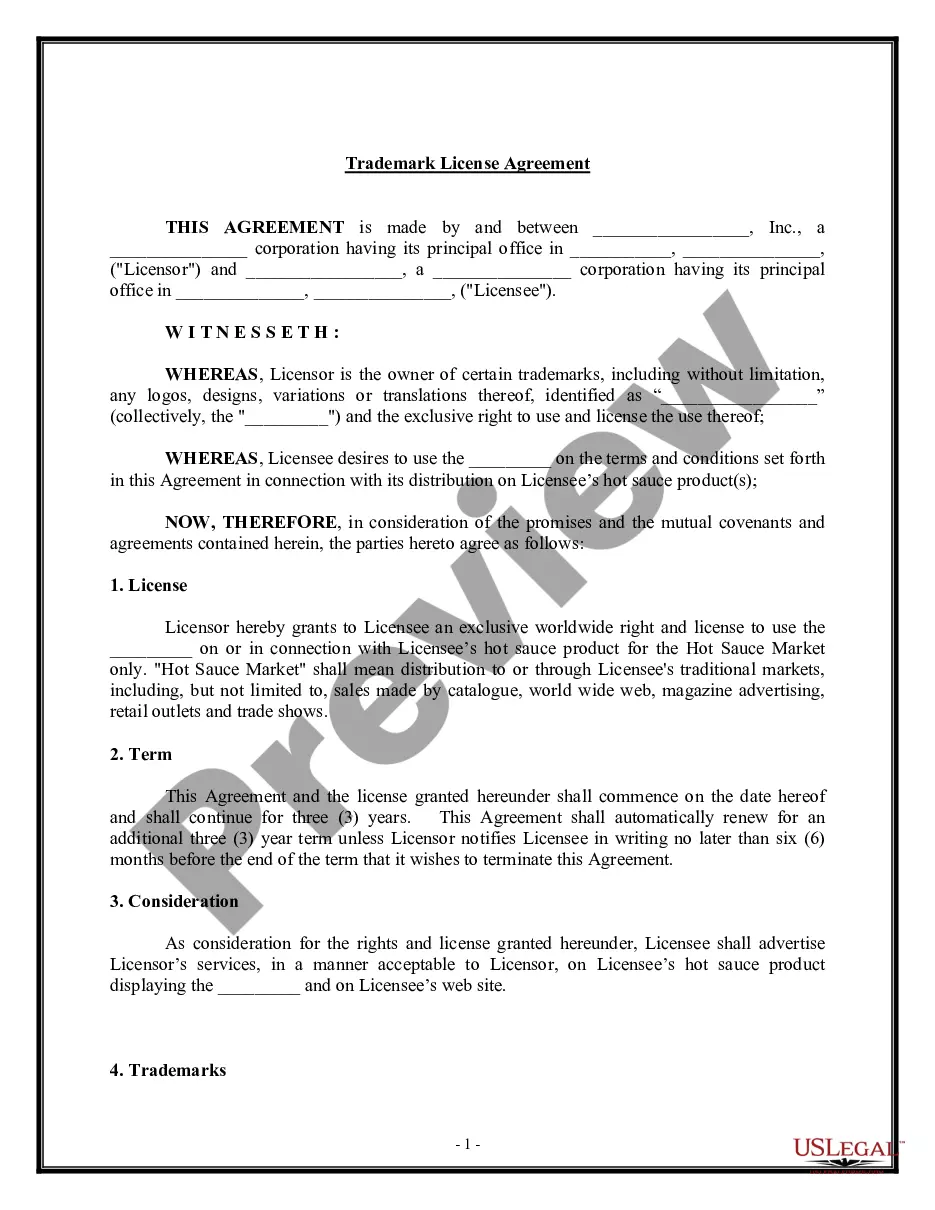
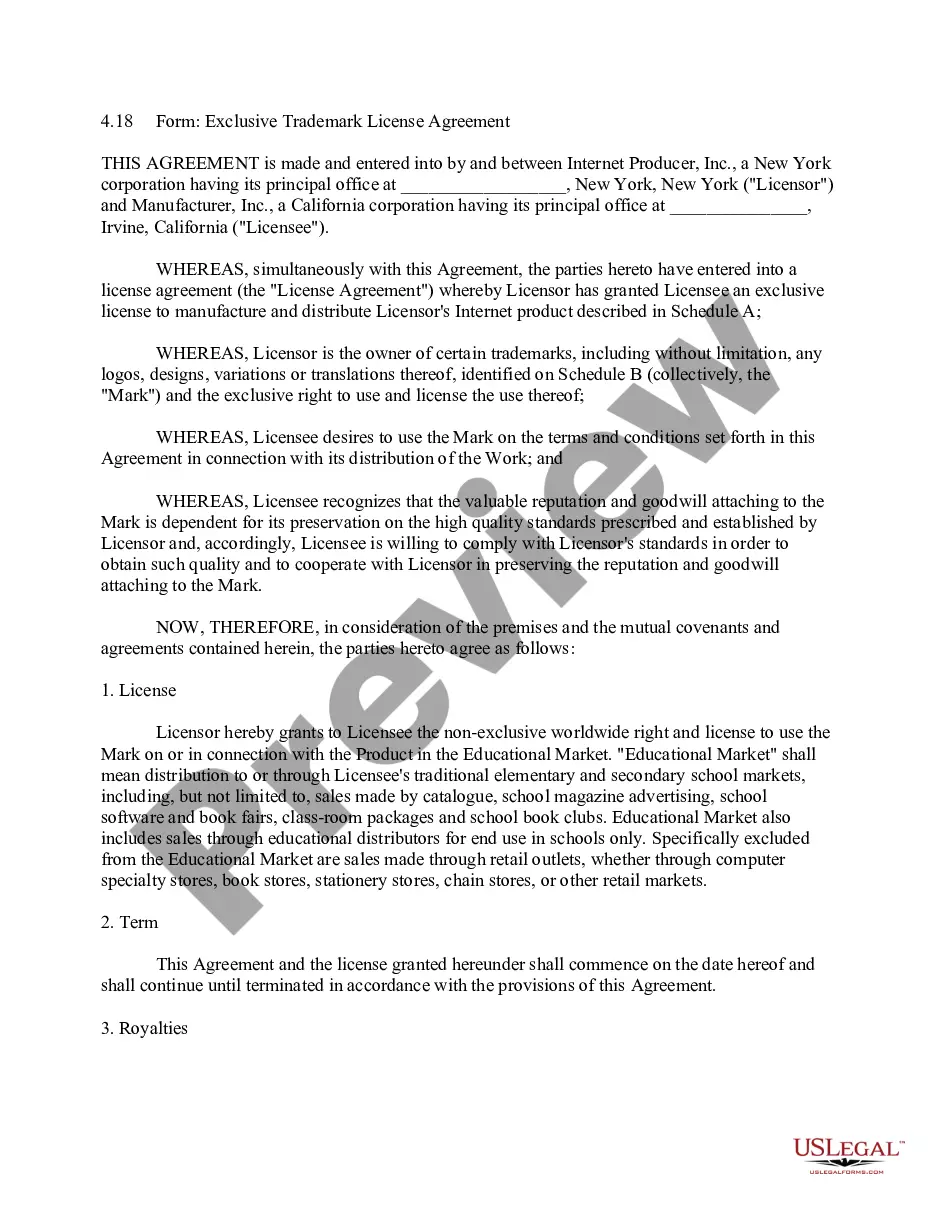
The Trademark License Representation Agreement is a legal document that allows a licensee to use a trademark owned by a licensor in exchange for certain agreements and royalties. This type of agreement is essential for businesses that wish to leverage an established brand's trademark for their products or services without claiming ownership of the trademark itself. Unlike a typical trademark licensing agreement, this version specifically includes provisions for the representation of the licensor's interests by an appointed agent, enhancing the management of trademark rights.
What’s included in this form
- Definition of terms, including Licensed Material and Trademarks.
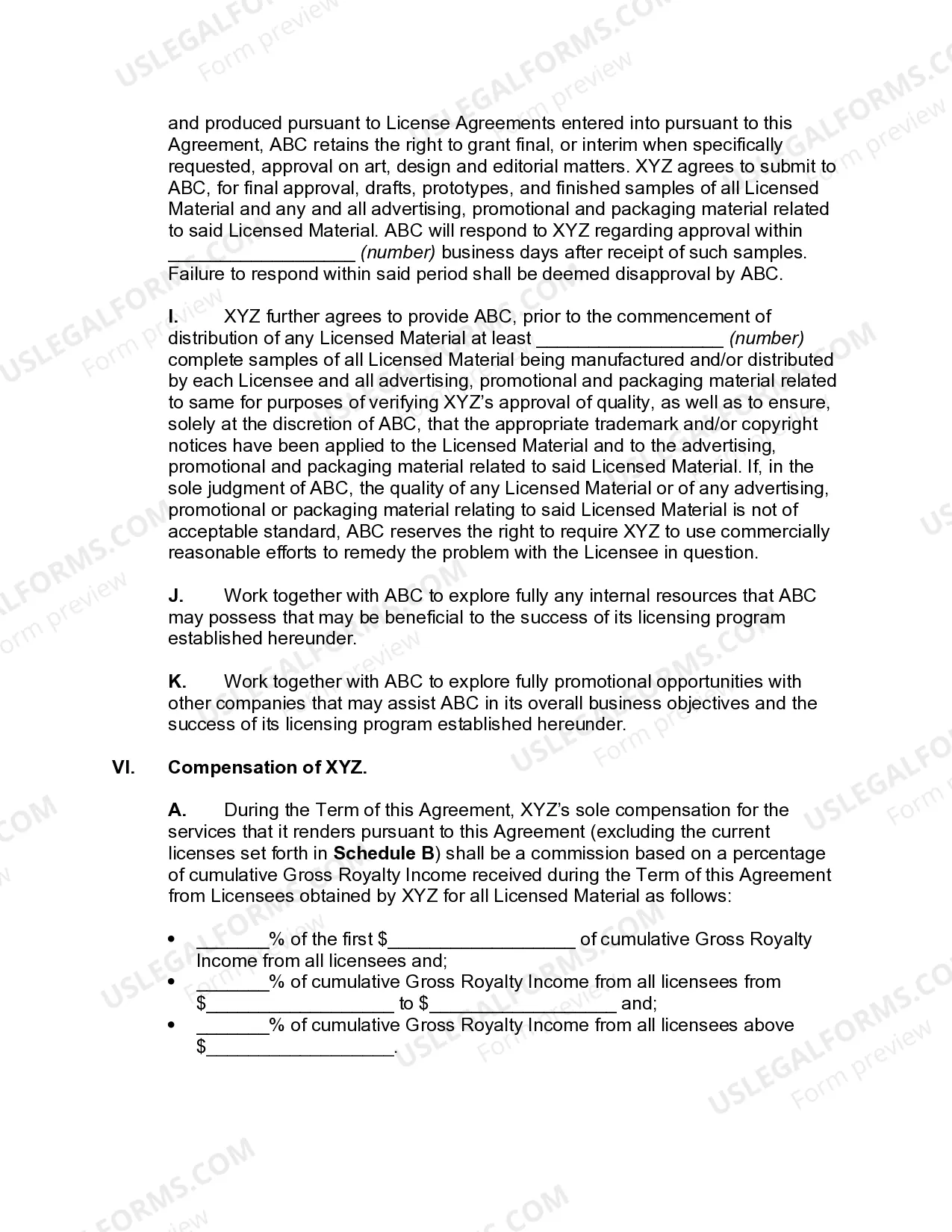
- Agency grant confirming the exclusive authority of the agent (XYZ) to negotiate on behalf of the licensor (ABC).
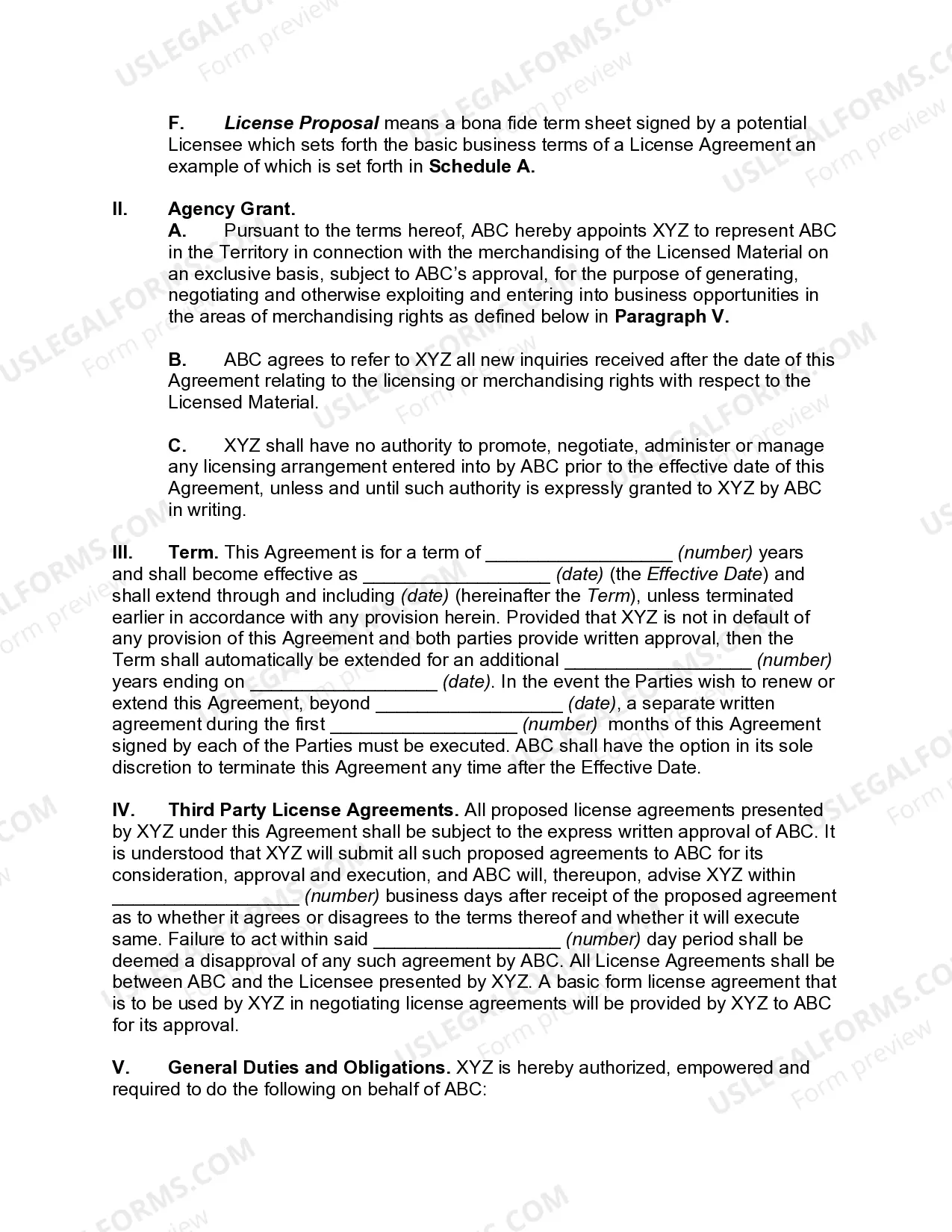
- Details on the term and potential renewal of the agreement.
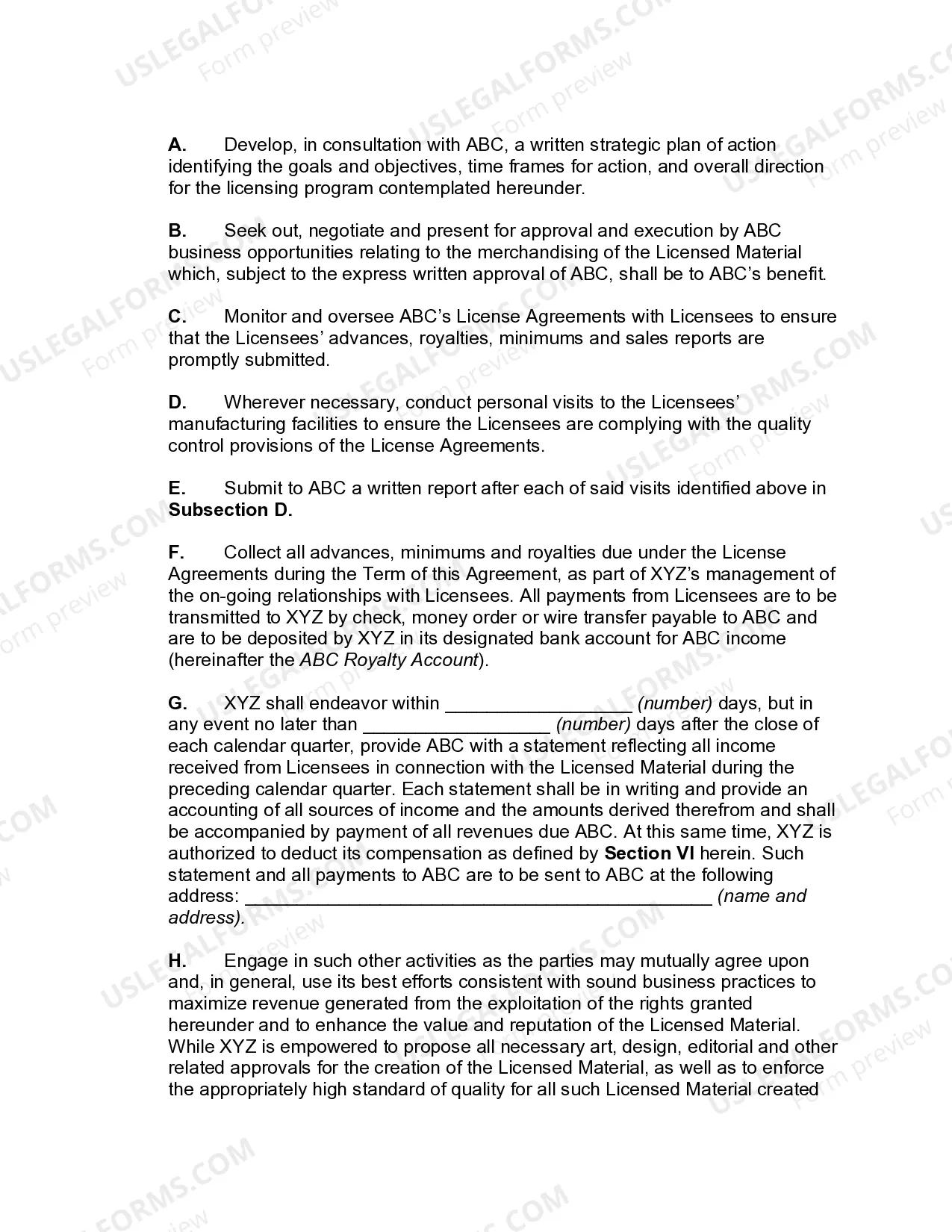
- Clarification on the general duties and obligations of the licensing agent.
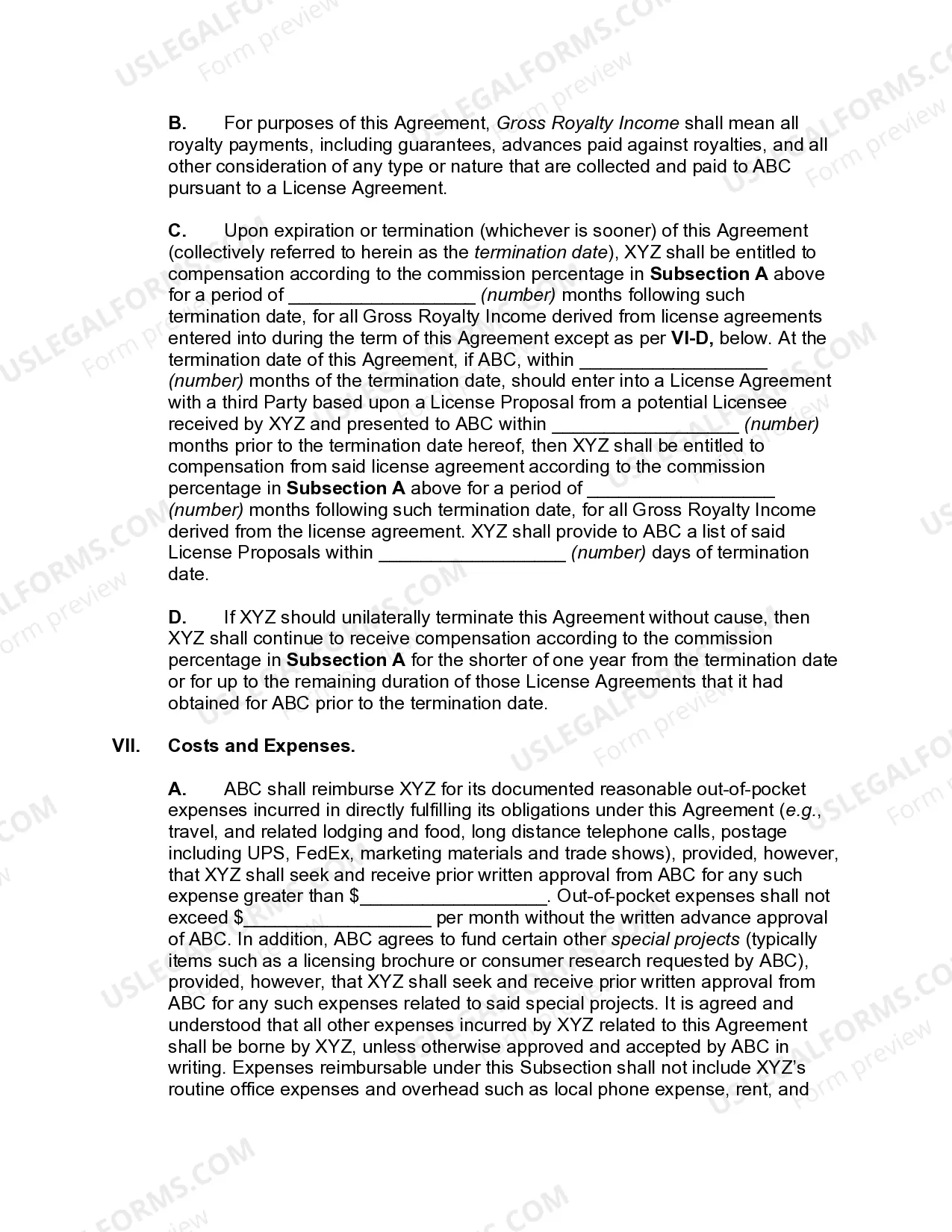
- Compensation structure for the licensing agent based on gross royalties.
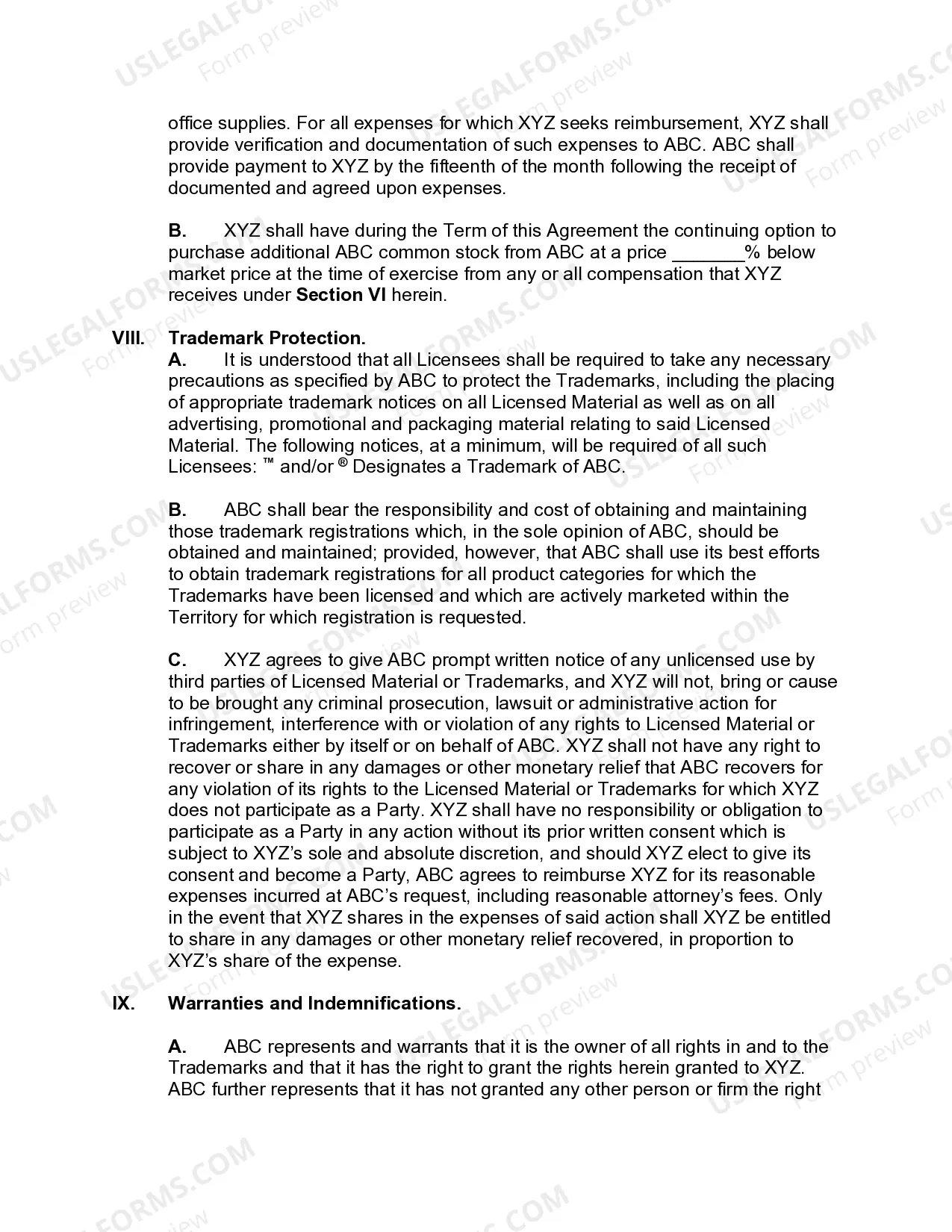
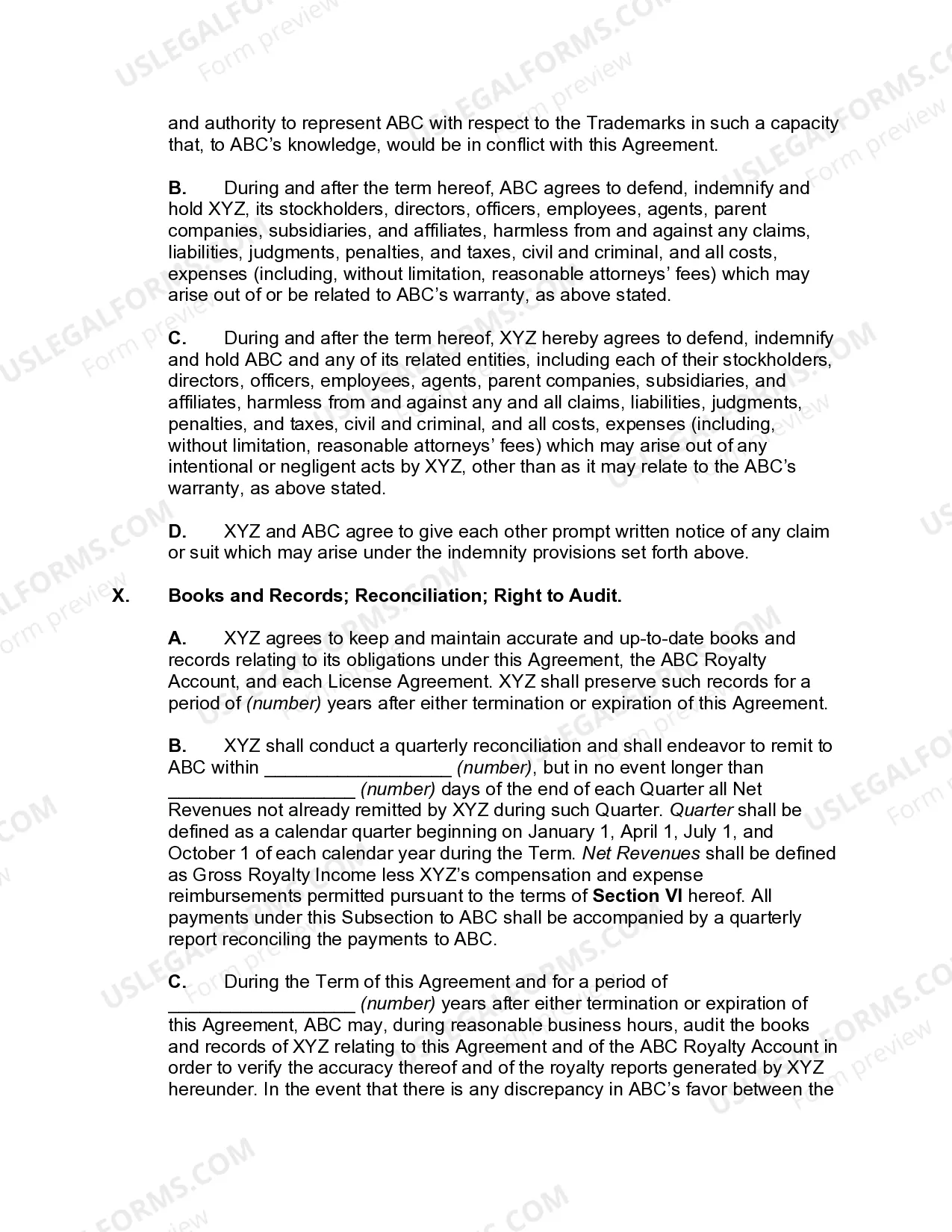
- Rights and responsibilities regarding trademark protection and enforcement.

Common use cases
This form is necessary when a business (the licensor) owns a trademark that it wishes to license to another party (the licensee) while appointing that party as its representative for executing licensing agreements. It is commonly used in industries where branding plays a critical role, such as consumer goods, fashion, entertainment, and technology. Use this form when you want to ensure that your trademark is represented and that any agreements made regarding your trademark rights are properly documented and authorized.
Intended users of this form
- Businesses that own a trademark and wish to control how it is used by other companies.
- Entrepreneurs looking to expand their brand through strategic partnerships.
- Agents or representatives tasked with managing trademark licenses on behalf of the owner.
- Companies focused on franchising or merchandising their trademarks in various territories.
Completing this form step by step
- Identify and fill in the names and addresses of the parties involved in the agreement.
- Clearly describe the licensed material and trademark representations to be included.
- Specify the term of the agreement and conditions for renewal or extension.
- Define compensation percentages based on gross royalty income from licensed products.
- Ensure both parties sign and date the agreement to validate it.
Does this document require notarization?
This form does not typically require notarization unless specified by local law. Always check your local regulations to ensure compliance with any additional notarization requirements in your jurisdiction.
Get your form ready online
Our built-in tools help you complete, sign, share, and store your documents in one place.
Make edits, fill in missing information, and update formatting in US Legal Forms—just like you would in MS Word.
Download a copy, print it, send it by email, or mail it via USPS—whatever works best for your next step.
Sign and collect signatures with our SignNow integration. Send to multiple recipients, set reminders, and more. Go Premium to unlock E-Sign.
If this form requires notarization, complete it online through a secure video call—no need to meet a notary in person or wait for an appointment.
We protect your documents and personal data by following strict security and privacy standards.

Make edits, fill in missing information, and update formatting in US Legal Forms—just like you would in MS Word.

Download a copy, print it, send it by email, or mail it via USPS—whatever works best for your next step.

Sign and collect signatures with our SignNow integration. Send to multiple recipients, set reminders, and more. Go Premium to unlock E-Sign.

If this form requires notarization, complete it online through a secure video call—no need to meet a notary in person or wait for an appointment.

We protect your documents and personal data by following strict security and privacy standards.
Common mistakes to avoid
- Failing to clearly define the licensed trademarks and materials.
- Not specifying the term and conditions for renewing the agreement.
- Overlooking the need for both parties to sign the document.
- Assuming previous agreements are applicable without proper revisions.
Why complete this form online
- Convenience of customizing the agreement to meet specific needs without visiting a lawyer.
- Ease of downloading and filing without delays.
- Secure storage of the legal document for future reference and updates.
- Instant access to legal terminology and guidance during the completion process.
Looking for another form?




Form popularity
FAQ
A trademark license agreement allows the licensee to use (but not own) the licensor's trademark in connection with agreed-on products or services. Licensing can help a company expand into new markets effectively and easily while lending the licensee an established name and reputation.
What is a Licensing Agreement? A licensing agreement is a contract between two parties (the licensor and licensee) in which the licensor grants the licensee the right to use the brand name, trademark, patented technology, or ability to produce and sell goods owned by the licensor.
Get it in writing. Develop a detailed licensing agreement that is signed by both licensor and licensee. Work with an experienced trademark attorney, who has knowledge in both drafting agreements and enforcing proper use. Establish brand guidelines that clearly dictate how and where the trademark can be used.
Trademark licensing is the process by which a registered trademark owner, called a licensor or proprietor, allows another party, called a licensee, to make and distribute specific products or services under the licensor's trademark agreement. Trademark licensing is a type of merchandise agreement.
A trademark licensing agreement is a legal contract between a trademark owner and another party that have agreed to use the trademark on preapproved terms decided between the contracting parties.
A licensing agreement is a legal contract between two parties, known as the licensor and the licensee. In a typical licensing agreement, the licensor grants the licensee the right to produce and sell goods, apply a brand name or trademark, or use patented technology owned by the licensor.
A licensing agreement allows one party (the licensee) to use and/or earn revenue from the property of the owner (the licensor). Licensing agreements generate revenues, called royalties, earned by a company for allowing its copyrighted or patented material to be used by another company.