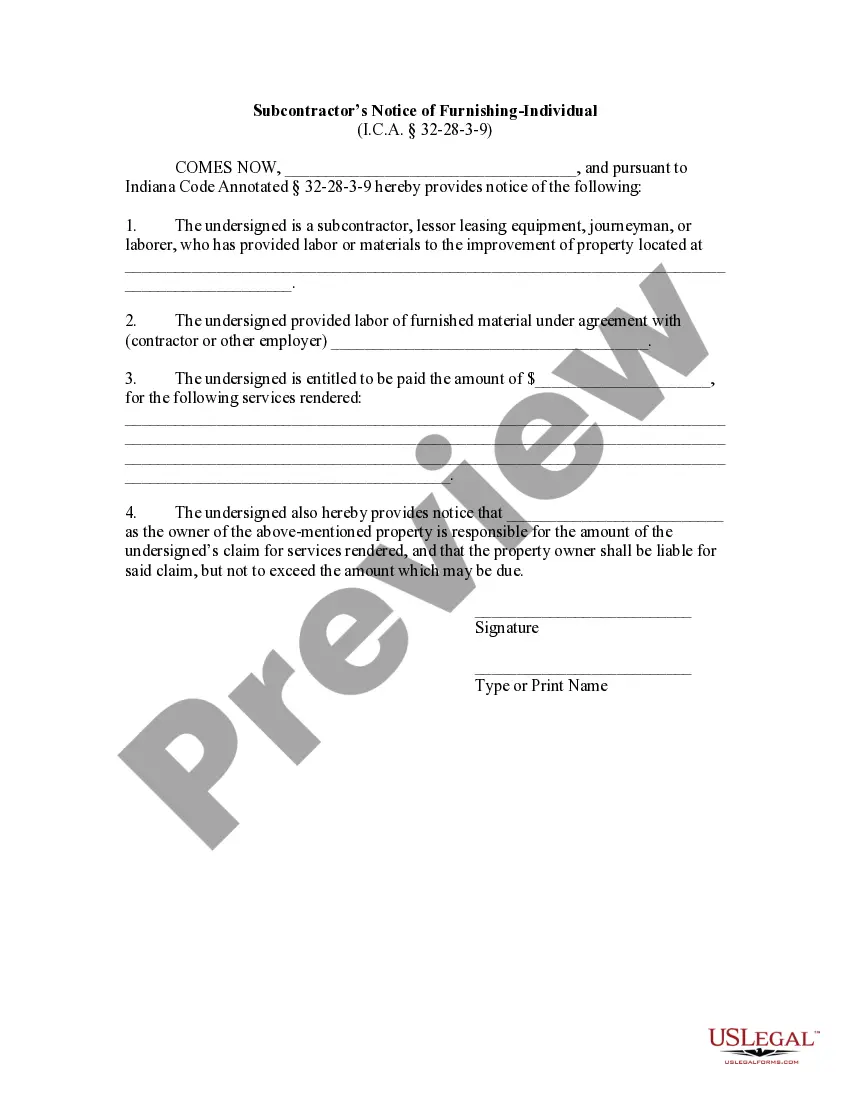
Trade Secret Policy Manual with Employees, Consultants, and Licensees
Understanding this form
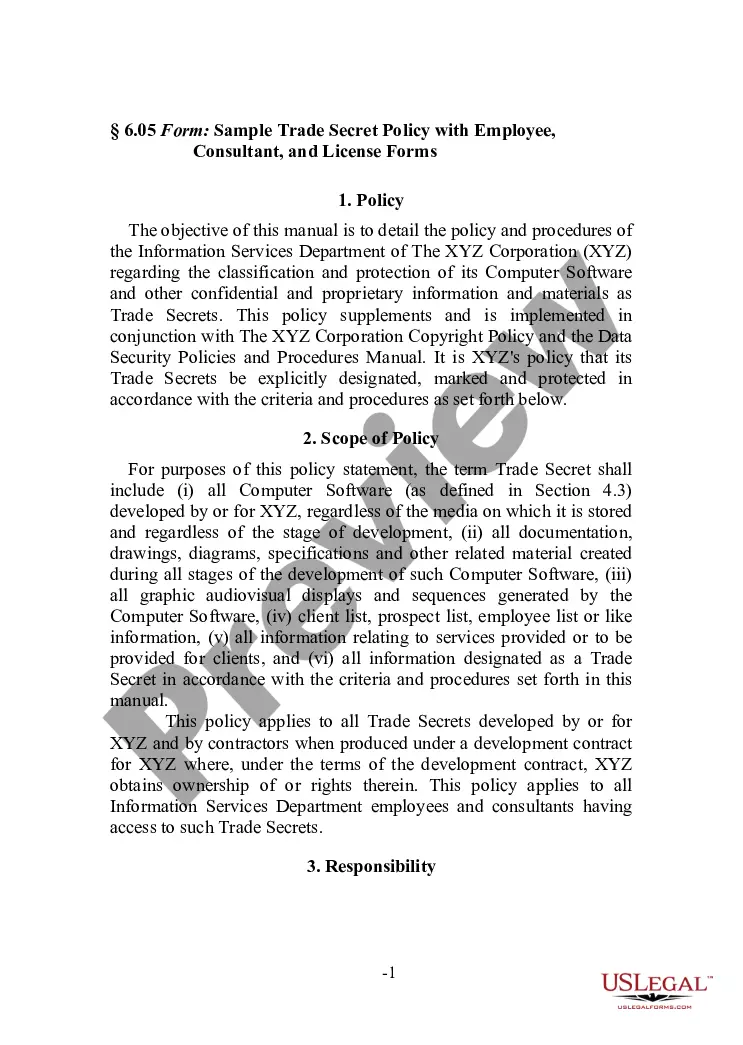
The Trade Secret Policy Manual with Employees, Consultants, and Licensees is a comprehensive document designed to outline the policies and procedures for the protection of trade secrets within an organization, particularly in the computer, internet, and software industries. This manual differs from other legal forms by providing detailed guidelines on how to classify and safeguard proprietary information, ensuring that all employees and contractors understand their responsibilities regarding confidential material.
Key components of this form
- Introduction outlining the purpose of the manual and trade secrets policy.
- Definitions of key terms related to trade secrets and proprietary information.
- Responsibilities of employees and contractors regarding the protection of trade secrets.
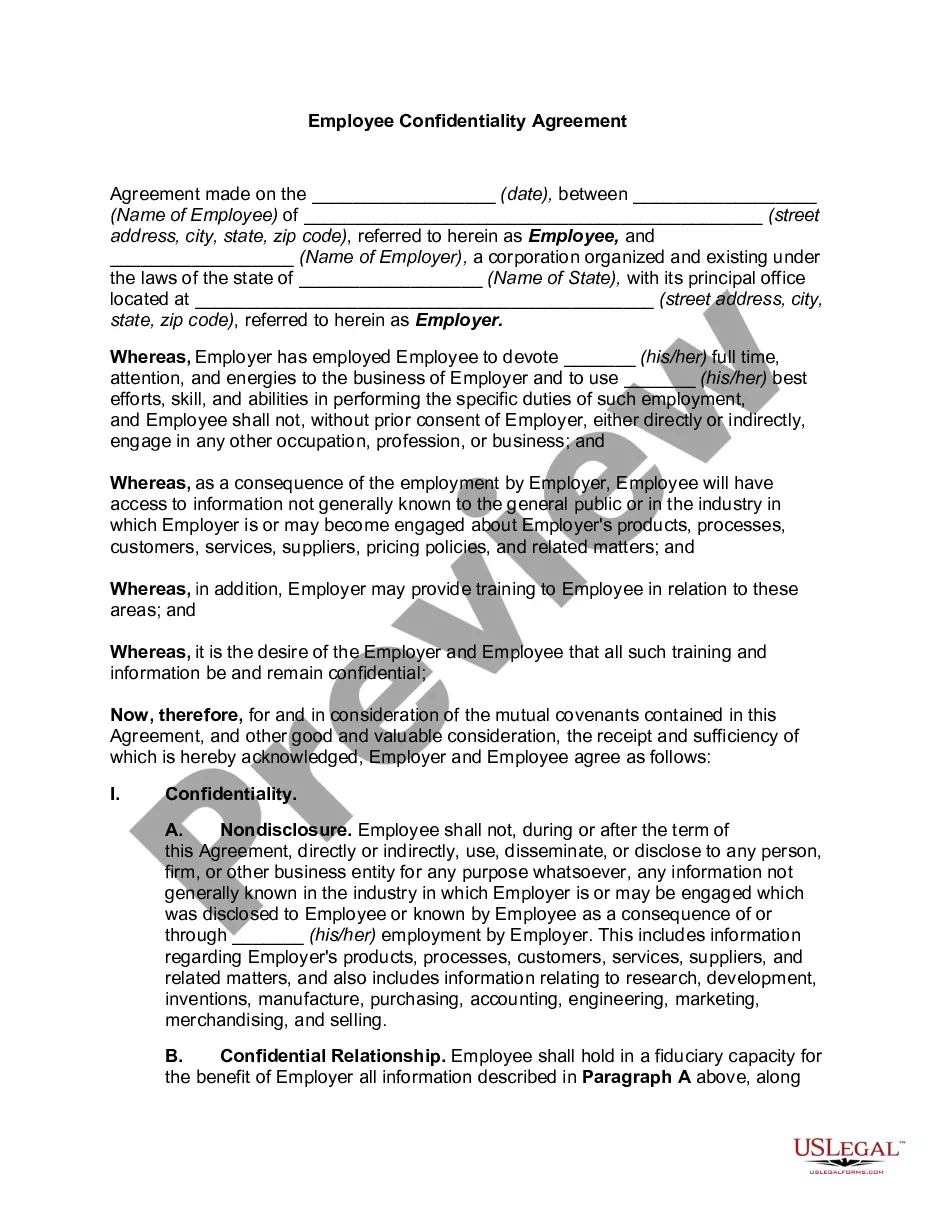
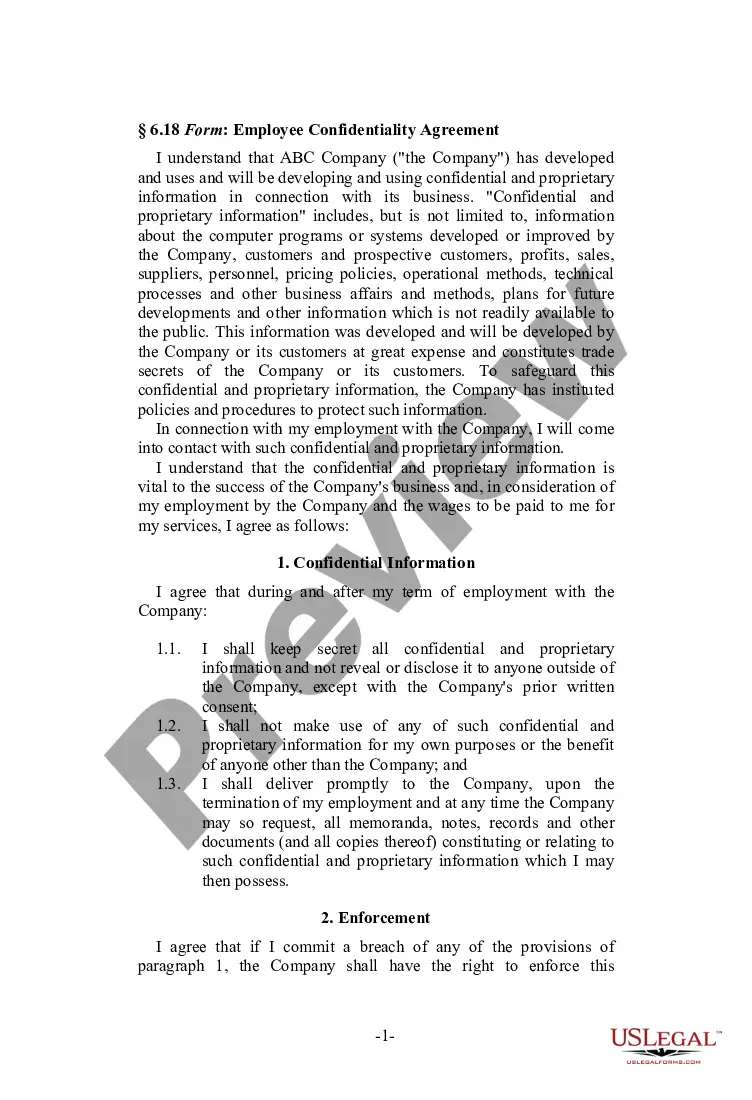
- Protocols for using confidentiality agreements with employees, consultants, and licensees.
- Marking and control processes to safeguard confidential materials.
- Procedures for notifying about breaches or unauthorized disclosures of trade secrets.



Common use cases
This form is essential for businesses that handle sensitive information, particularly those in technology sectors. It is used when establishing a formal policy for managing trade secrets, ensuring all employees and external stakeholders understand their obligations to protect proprietary information. Situations calling for this form include onboarding new employees, engaging consultants, or revising existing security protocols related to trade secrets.
Who should use this form
- Business owners and executives looking to safeguard proprietary information.
- Human resources professionals responsible for employee agreements and orientation.
- Legal teams or consultants drafting confidentiality agreements for employees and partners.
- Managers of development teams needing clarity on safeguarding trade secrets.
- Consultants engaged by companies that create or handle proprietary technology.
How to complete this form
- Identify the corporation and fill in the name of the business where required.
- Define what constitutes a trade secret within your organization in accordance with the manual's guidelines.
- Outline the responsibilities of employees regarding the protection of trade secrets.
- Obtain the necessary confidentiality agreements from all employees, consultants, and licensees.
- Regularly review and update the manual to reflect any changes in business practices or laws.
Notarization requirements for this form
This form does not typically require notarization to be legally valid. However, some jurisdictions or document types may still require it. US Legal Forms provides secure online notarization powered by Notarize, available 24/7 for added convenience.
Get your form ready online
Our built-in tools help you complete, sign, share, and store your documents in one place.
Make edits, fill in missing information, and update formatting in US Legal Forms—just like you would in MS Word.
Download a copy, print it, send it by email, or mail it via USPS—whatever works best for your next step.
Sign and collect signatures with our SignNow integration. Send to multiple recipients, set reminders, and more. Go Premium to unlock E-Sign.
If this form requires notarization, complete it online through a secure video call—no need to meet a notary in person or wait for an appointment.
We protect your documents and personal data by following strict security and privacy standards.

Make edits, fill in missing information, and update formatting in US Legal Forms—just like you would in MS Word.

Download a copy, print it, send it by email, or mail it via USPS—whatever works best for your next step.

Sign and collect signatures with our SignNow integration. Send to multiple recipients, set reminders, and more. Go Premium to unlock E-Sign.

If this form requires notarization, complete it online through a secure video call—no need to meet a notary in person or wait for an appointment.

We protect your documents and personal data by following strict security and privacy standards.
Common mistakes
- Failing to define trade secrets clearly, leading to ambiguity.
- Not requiring confidentiality agreements from all relevant parties.
- Neglecting to regularly review and update the policy manual.
- Overlooking employee training on trade secret protocols.
- Inadequately marking confidential documents, which can lead to accidental disclosures.
Benefits of completing this form online
- Convenience of access: Downloadable forms allow immediate use without delay.
- Editability: Users can customize sections according to their specific needs.
- Reliability: Forms provided are drafted by licensed attorneys to meet legal standards.
- Time-saving: Online forms eliminate the need for lengthy consultations with legal professionals.
Legal use & context
- This manual is enforceable in court as long as it complies with state trade secret laws.
- Employers can leverage this manual to protect their business interests against unauthorized disclosures.
- Non-compliance with the guidelines can result in legal vulnerabilities and loss of proprietary information.
Quick recap
- The Trade Secret Policy Manual establishes guidelines for protecting confidential information.
- All employees and consultants must understand their responsibilities regarding trade secrets.
- Regular reviews and updates to the manual are critical to maintaining its effectiveness.
- Utilizing this form can mitigate legal risks associated with the handling of proprietary information.
Looking for another form?
Form popularity
FAQ
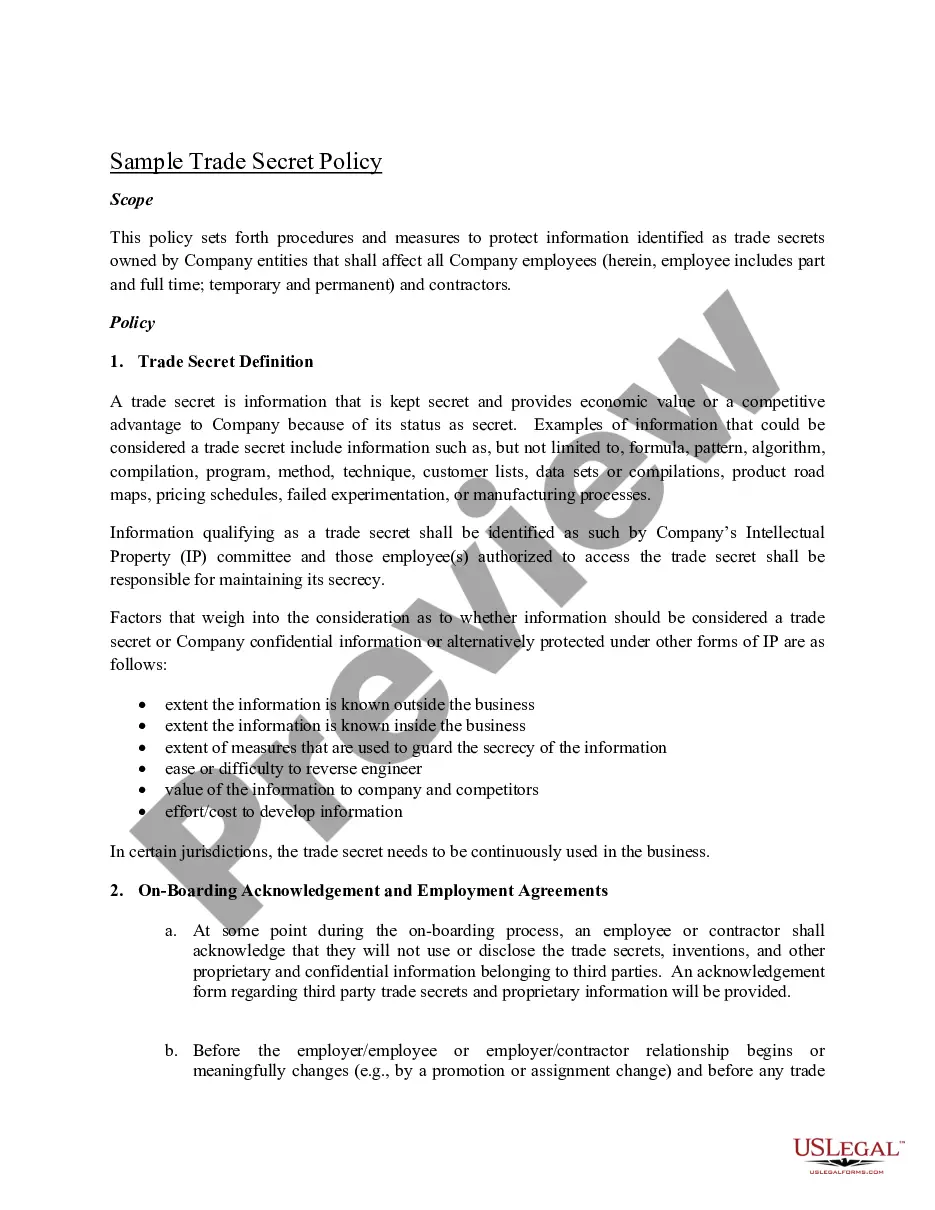
Protecting software as a trade secret has some advantages to using a copyright or patent. For example, trade secret protection does not requireas copyrights or patents doan application and upfront filing cost. Trade secretsperhaps obviouslyare much more secret than more publicly available patents or copyrights.
What protection is provided against the use of secret information by employees or former employees? The business that holds the trade secret is responsible for making every effort it can to keep it confidential. Employees can be required to sign agreements that protect trade secrets.
There are no formal requirements or applications to file in order to obtain a trade secret it exists if there is confidential information that a company takes reasonable steps to protect from public acquisition.
A trade secret license can help extract value from a trade secret, a valuable form of intellectual property asset.The nature of the trade secret license is the right for the licensee to receive the trade secret rather than the ongoing use of the asset which is the right granted in other intellectual property licenses.
Your company's trade secrets in paper or electronic format should be accompanied by a confidentiality notice. Each page should be stamped Confidential. The notice should notify all parties that the document includes trade secrets and that access to the information is limited by your business.
Trade secrets are intellectual property (IP) rights on confidential information which may be sold or licensed. In general, to qualify as a trade secret, the information must be: commercially valuable because it is secret, be known only to a limited group of persons, and.
There are essentially four elements to the existence of a trade secret: (1) It must be original. (2) It must be commercially valuable information. (3) Not in the public area. (4) The subject of reasonable efforts to maintain it confidential.
Trade secrets are protected under law, notabley by the Lanham Act and Uniform Trade Secrets Act, however there is no formal registration procedure. Protection lasts only as long as the trade secret remains that way, but can last forever if nobody discloses the secret.