Homeowners' Association Handbook
Understanding this form
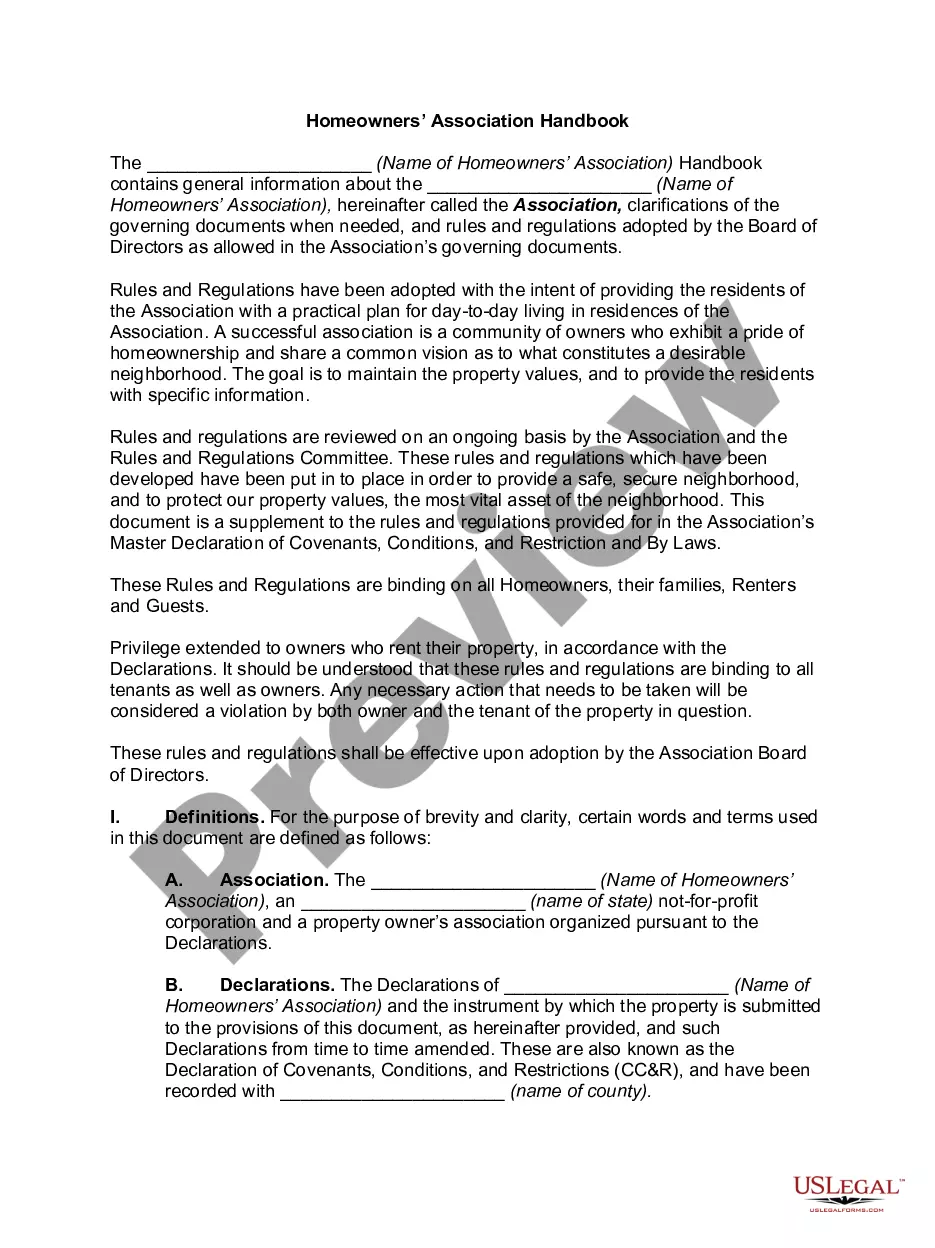
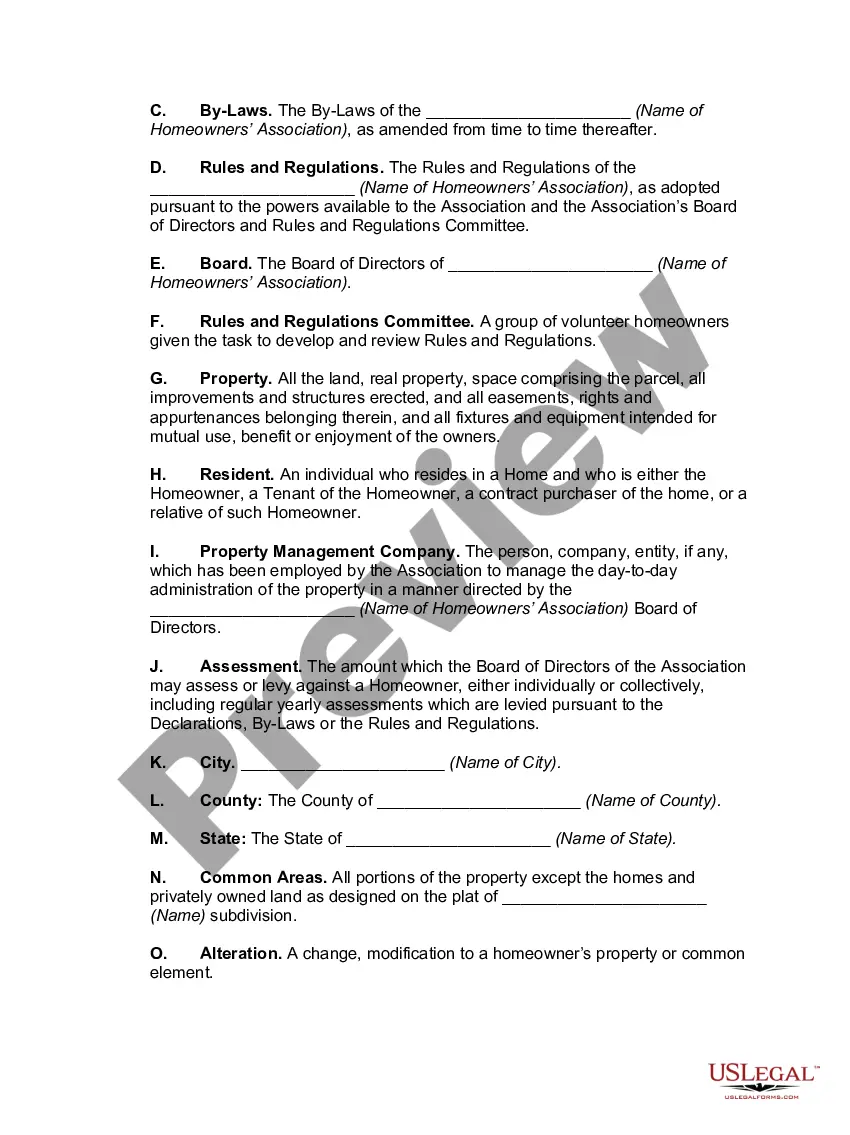
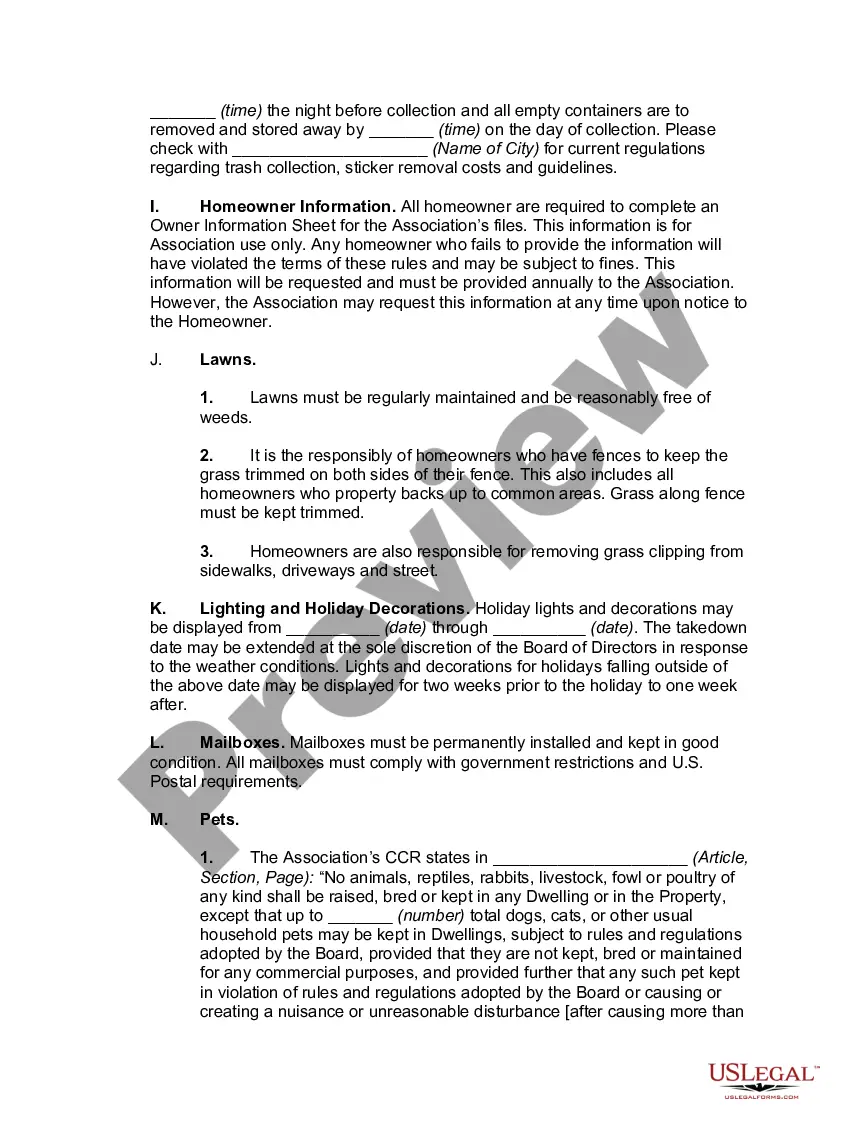
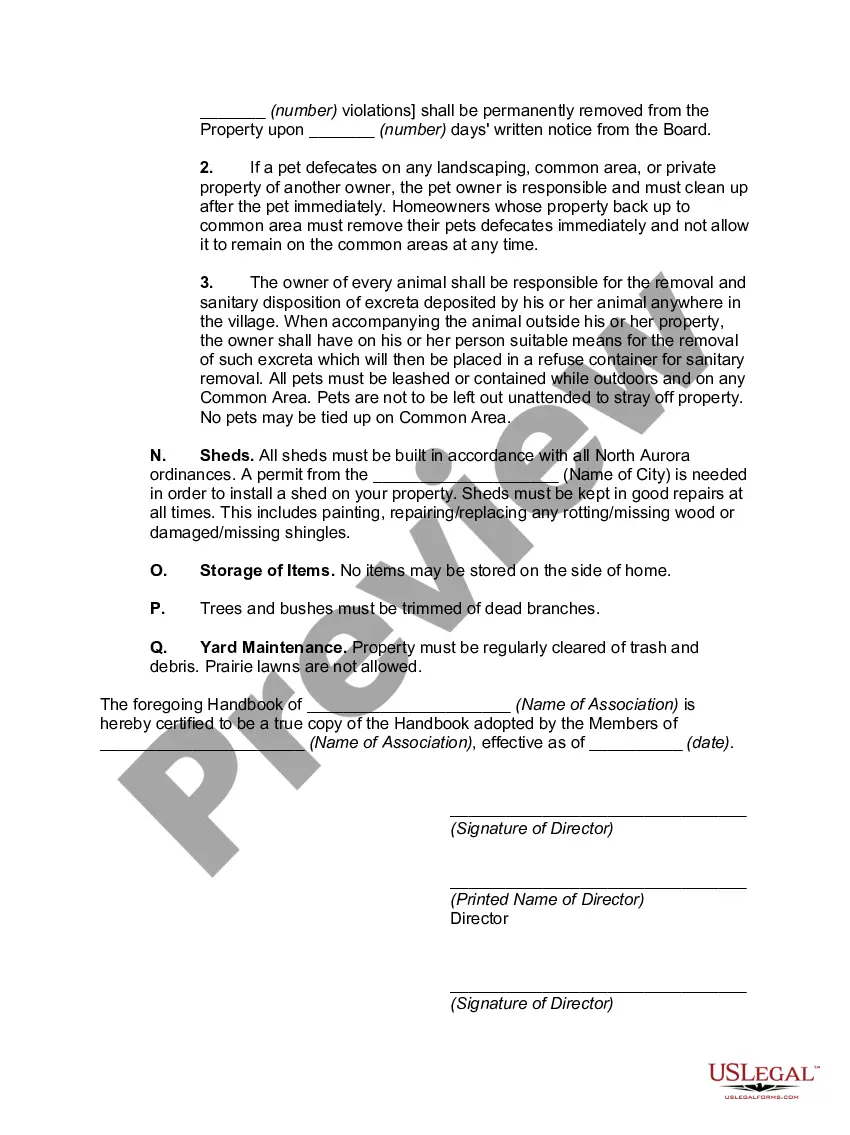
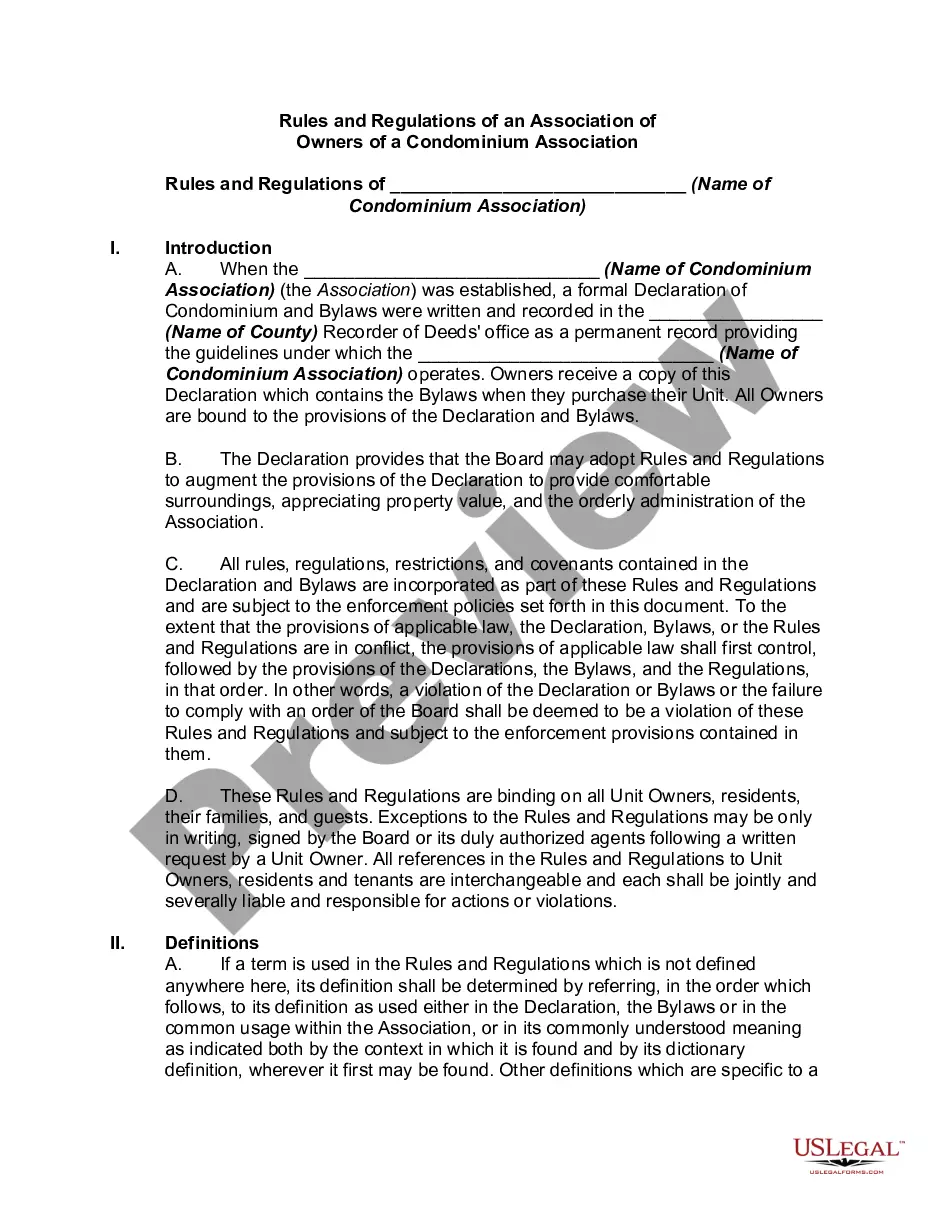
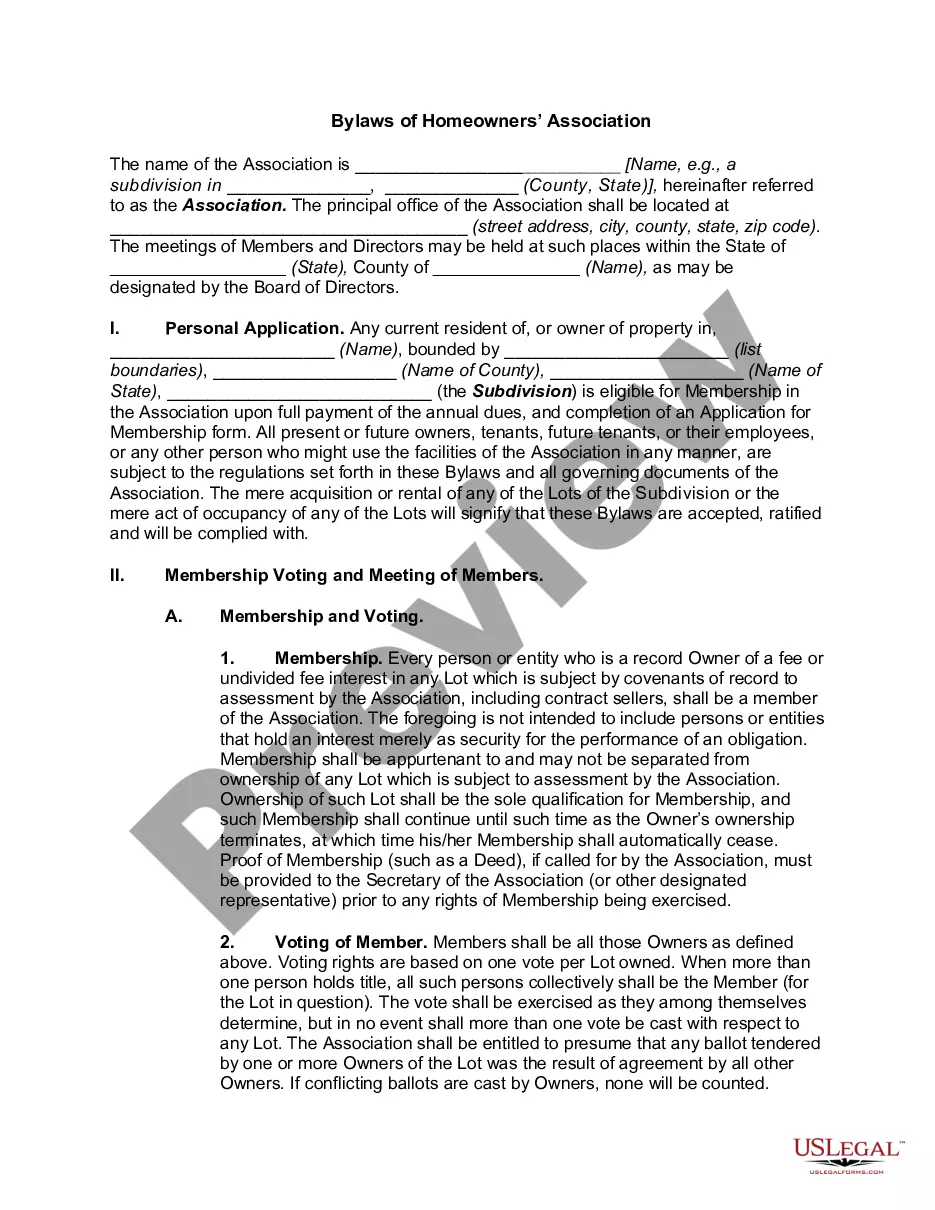
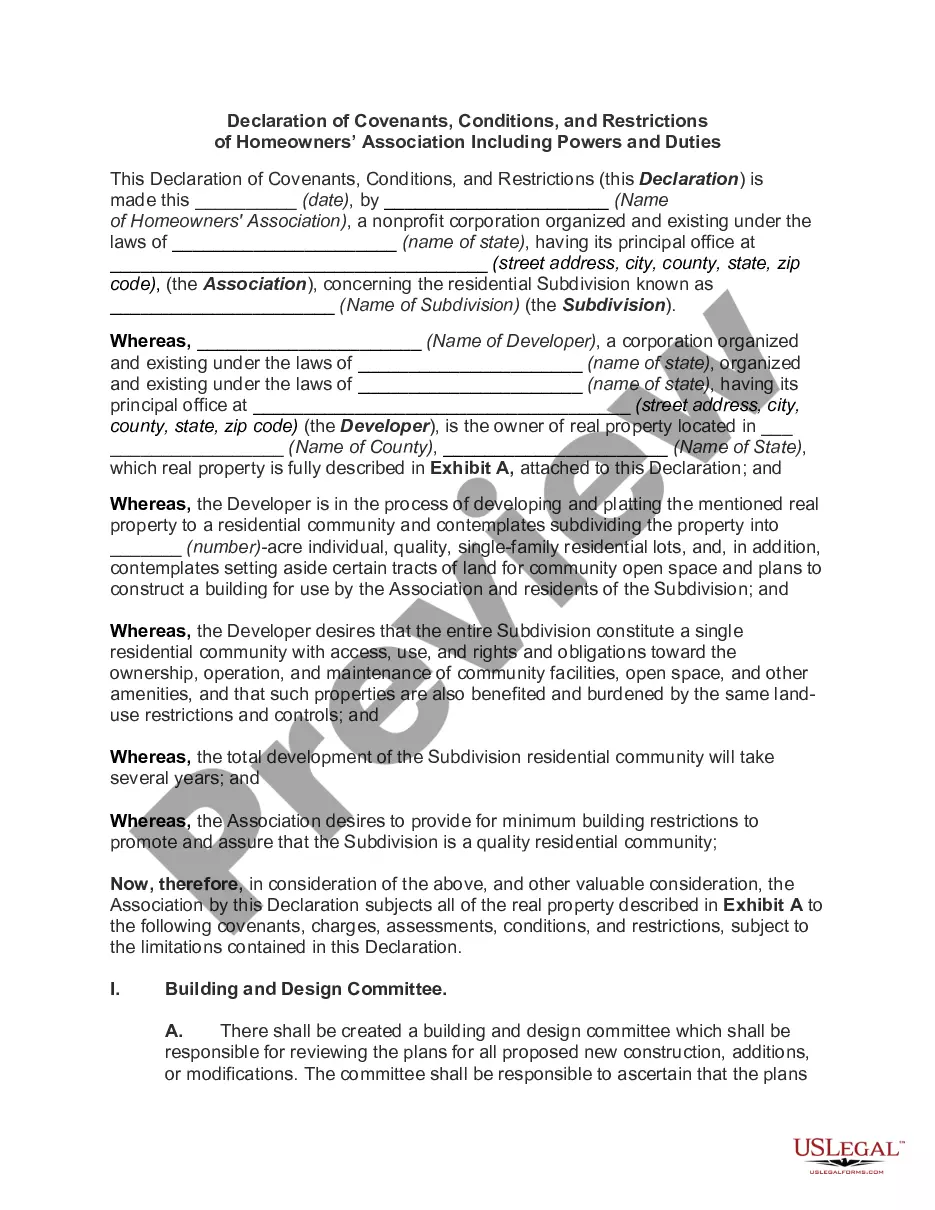
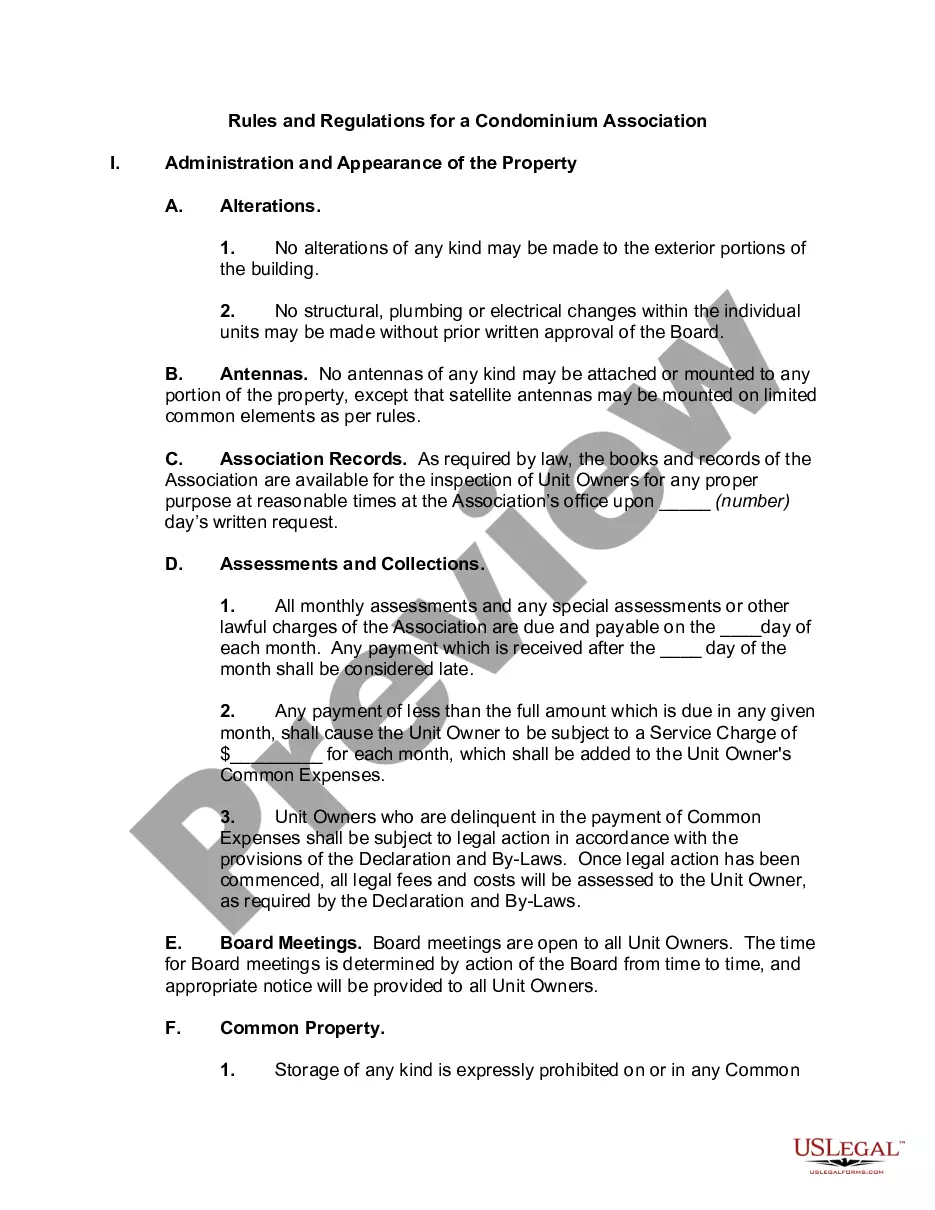
The Homeowners' Association Handbook serves as a comprehensive guide for residents of a homeownersâ association (HOA). This document outlines the general information about the HOA, clarifies governing documents, and specifies rules and regulations adopted by the Board of Directors. Unlike other legal forms, this handbook provides specific protocols for maintaining a harmonious community and ensuring property values are upheld.
Form components explained
- Definitions of key terms relevant to the homeowners' association.
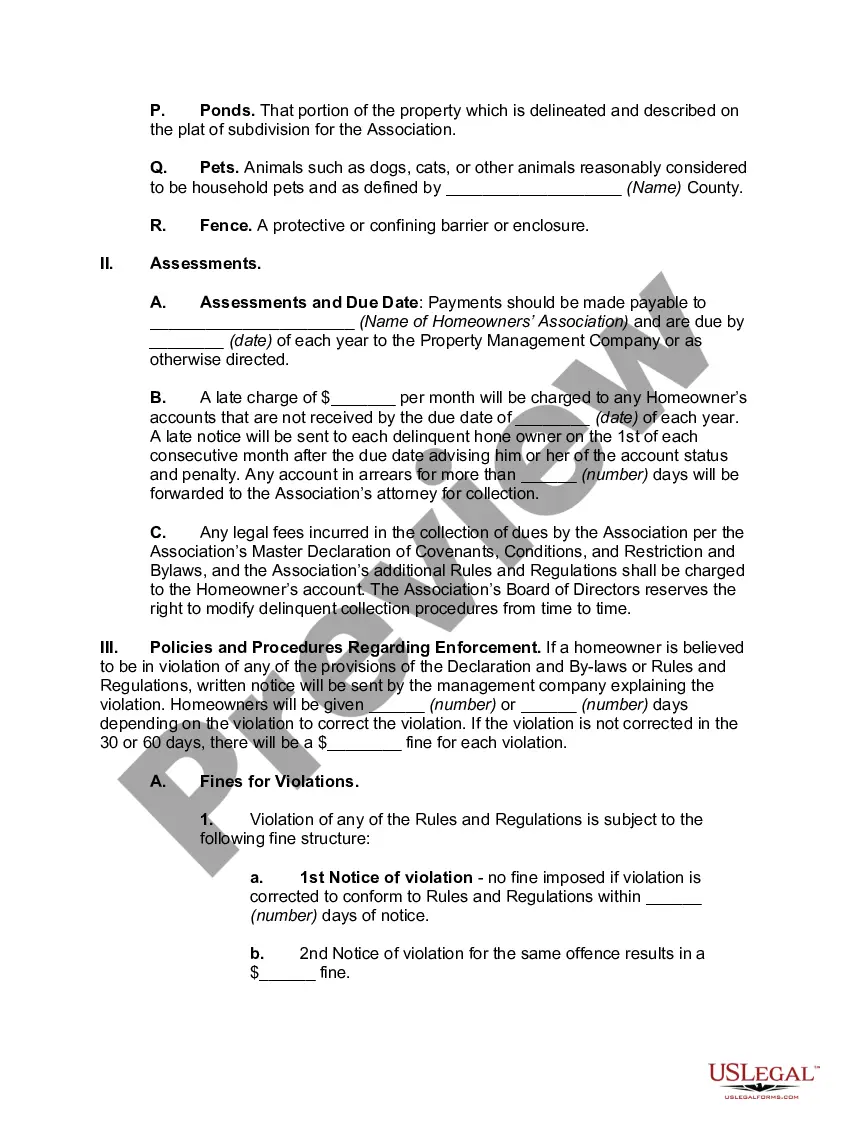
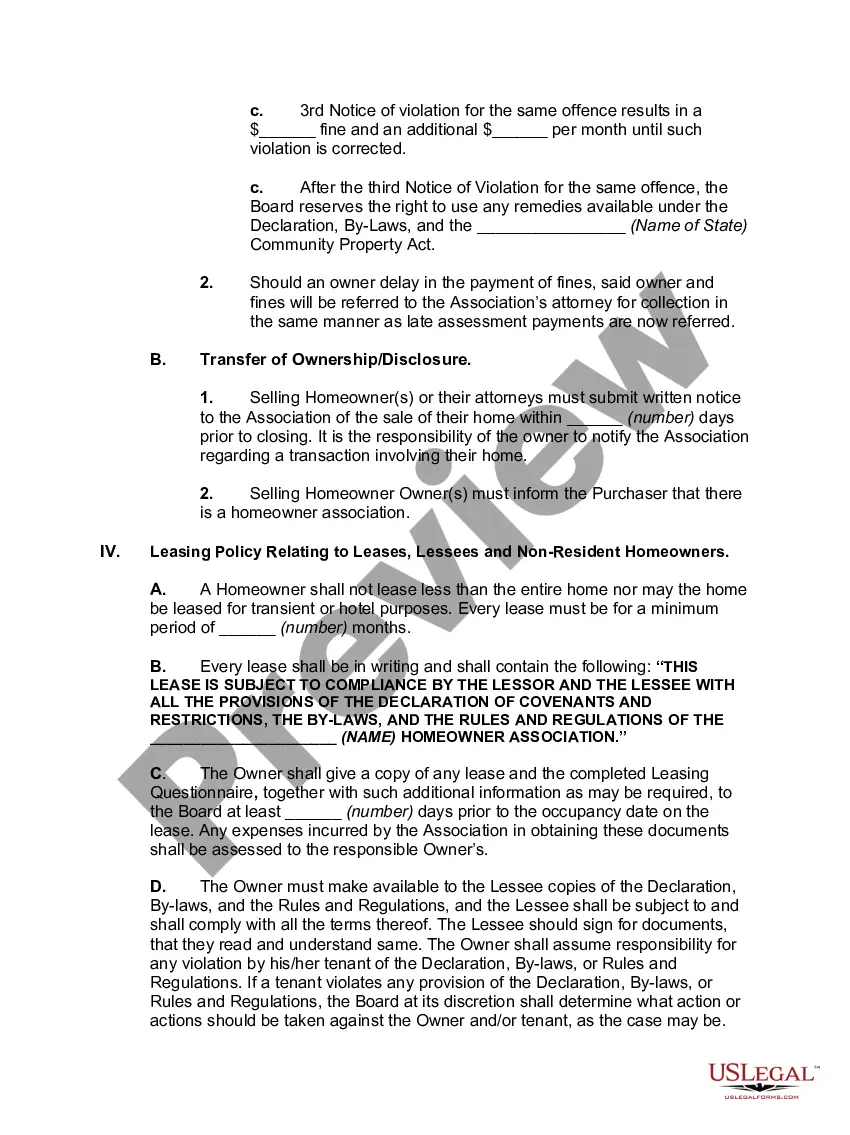
- Guidelines for assessments, including payment schedules and penalties for late payments.
- Enforcement policies for rule violations and associated fines.
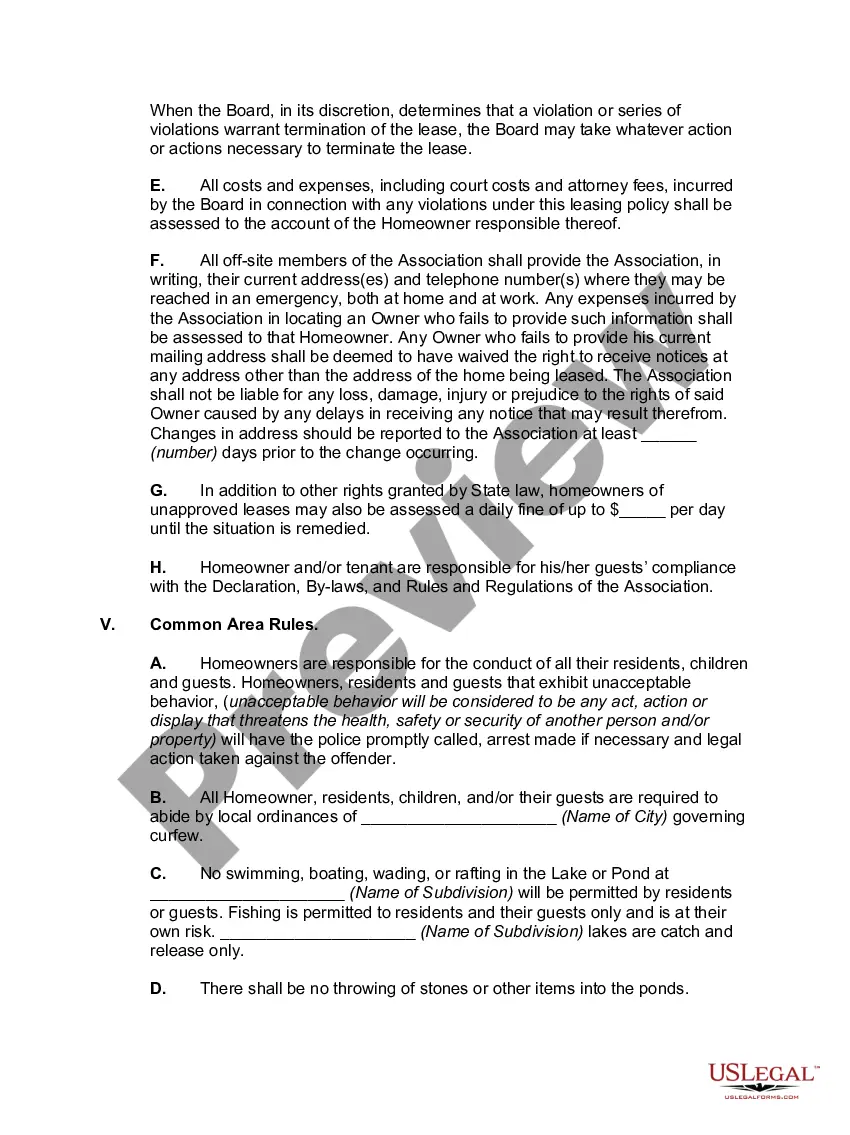
- Leasing policies and responsibilities for homeowners and tenants.
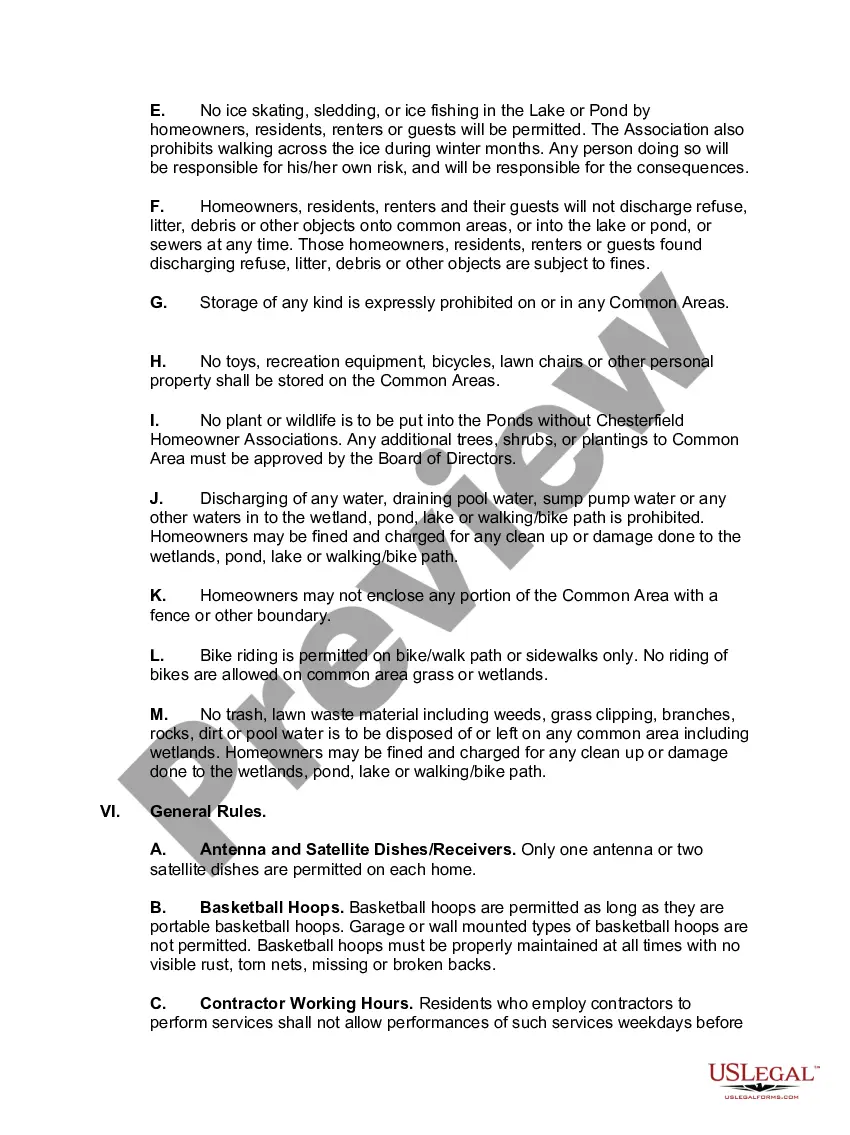
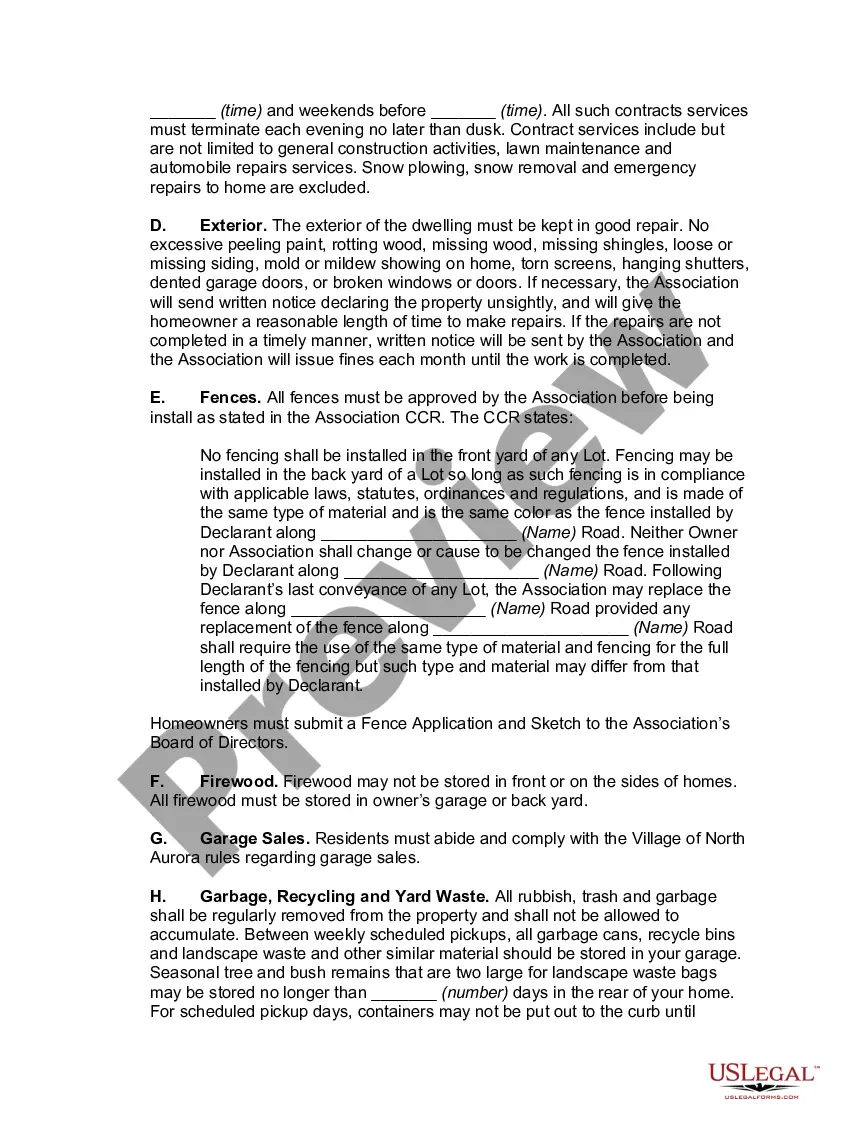
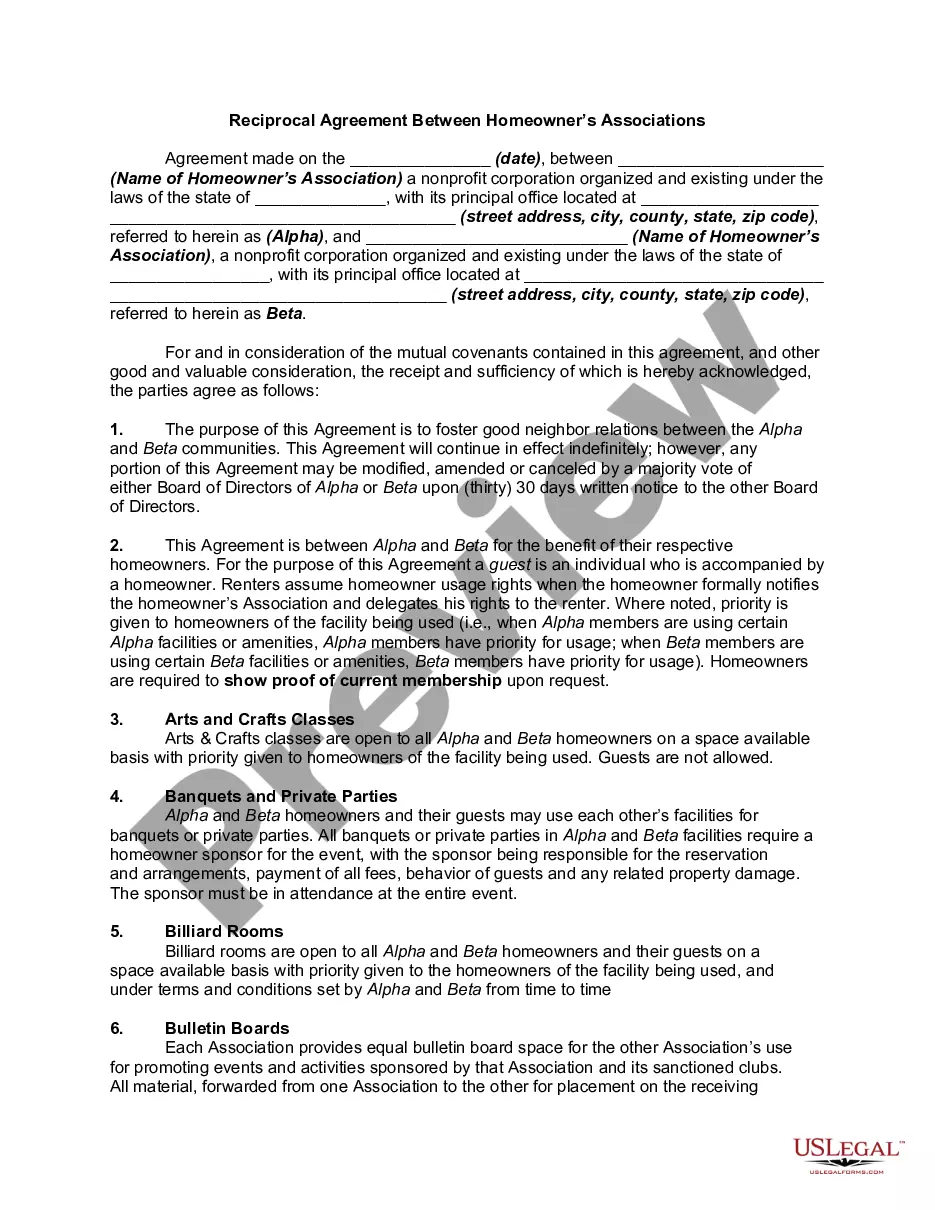
- Rules regarding the use of common areas and general behavior in the community.
- General maintenance and aesthetic responsibilities for homeowners.
Situations where this form applies
This form is essential when establishing or updating the rules and regulations of a homeownersâ association. It should be used during the formation of an HOA, when transitioning to a new management board, or when amendments to existing policies are necessary. Additionally, it is useful for informing residents about their rights and obligations within the community.
Intended users of this form
The following individuals and entities should use this form:
- Board members of a homeownersâ association.
- Homeowners residing in the community.
- Property managers responsible for overseeing the day-to-day operations of the HOA.
- Attorneys representing the homeowners' association.
Completing this form step by step
- Enter the name of the homeowners' association in the appropriate fields.
- Specify rules, assessments, and enforcement measures relevant to the community.
- Review definitions to ensure clarity for all members.
- Get approval from the Board of Directors before finalizing the handbook.
- Distribute the completed handbook to all homeowners and ensure understanding of the rules.
Notarization guidance
This form usually doesn’t need to be notarized. However, local laws or specific transactions may require it. Our online notarization service, powered by Notarize, lets you complete it remotely through a secure video session, available 24/7.
Get your form ready online
Our built-in tools help you complete, sign, share, and store your documents in one place.
Make edits, fill in missing information, and update formatting in US Legal Forms—just like you would in MS Word.
Download a copy, print it, send it by email, or mail it via USPS—whatever works best for your next step.
Sign and collect signatures with our SignNow integration. Send to multiple recipients, set reminders, and more. Go Premium to unlock E-Sign.
If this form requires notarization, complete it online through a secure video call—no need to meet a notary in person or wait for an appointment.
We protect your documents and personal data by following strict security and privacy standards.

Make edits, fill in missing information, and update formatting in US Legal Forms—just like you would in MS Word.

Download a copy, print it, send it by email, or mail it via USPS—whatever works best for your next step.

Sign and collect signatures with our SignNow integration. Send to multiple recipients, set reminders, and more. Go Premium to unlock E-Sign.

If this form requires notarization, complete it online through a secure video call—no need to meet a notary in person or wait for an appointment.

We protect your documents and personal data by following strict security and privacy standards.
Avoid these common issues
- Failing to provide clear definitions for key terms, leading to misunderstandings.
- Not including a review process for rules and regulations which can result in outdated policies.
- Overlooking state-specific requirements, which may lead to unenforceable rules.
- Neglecting to communicate changes effectively to all residents.
Why use this form online
- Convenient access to downloadable and editable templates tailored for your HOA.
- Ability to easily update and revise rules as community needs change.
- Secure storage of documents for easy reference and historical tracking.
- Prompt legal guidance through integrated attorney-reviewed content.
What to keep in mind
- The Homeowners' Association Handbook is crucial for establishing community norms and expectations.
- Communication and clarification of rules can prevent conflicts and promote cooperation among residents.
- Regular updates and reviews of the handbook are essential for its ongoing relevance and effectiveness.
- Ensure all residents understand their rights and responsibilities as outlined in the handbook.
Looking for another form?

Form popularity
FAQ
CIC Documents They provide the Buyer with the financial status of the HOA, meeting minutes, declarations, bylaws, rules and regulations, etc., from the homeowner's association. Some associations will provide these documents to the Seller directly for free, while other HOAs will charge the seller for them.
HOA Financials. You want to know whether or not the homeowners' association in question is collecting adequate funds from its homeowners to cover all the regular bills it's responsible for paying. Demand Statement. HOA By-Laws, Newsletters, & Meeting Minutes. Reserve Fund Study. Master Insurance Policy.
There should be a single line of space between the recipient's address and this greeting. Compose the first paragraph in the body of the letter by briefly introducing yourself. Even if you have cooperated with the HOA before, state your full name, your address and how long you have lived in the community.
All documents provided by the developer, such as community maps, plats, plans, land surveys, permits. Recorded Declaration of Covenants, Conditions and Restrictions (CC&Rs), Articles of Incorporation, Bylaws and any amendments. Rules and Regulations.
Date, Issue, and Volume Number. A Brief Overview. A Message from the Board. Updates from Recent Board Meetings. Relevant Local News. Energy-Saving Tips. Maintenance Tips. Rules and Regulations Reminders.
Are HOA Bylaws Public Record? HOA bylaws are not required to be public record, although they often are regardless.
Bylaws, however, which pertain primarily to the operation of the HOA, rarely have to be recorded to be effective. Most HOAs are organized by the community's developer as nonprofit corporations.For that reason, and because the law doesn't require it, bylaws usually are not recorded with the Register of Deeds.
For condominium owners, HOA fees typically cover the costs of maintaining the building's common areas, such as lobbies, patios, landscaping, swimming pools, and elevators. In many cases, the fees cover some common utilities, such as water/sewer fees and garbage disposal.