Rules and Regulations for a Condominium Association
Understanding this form
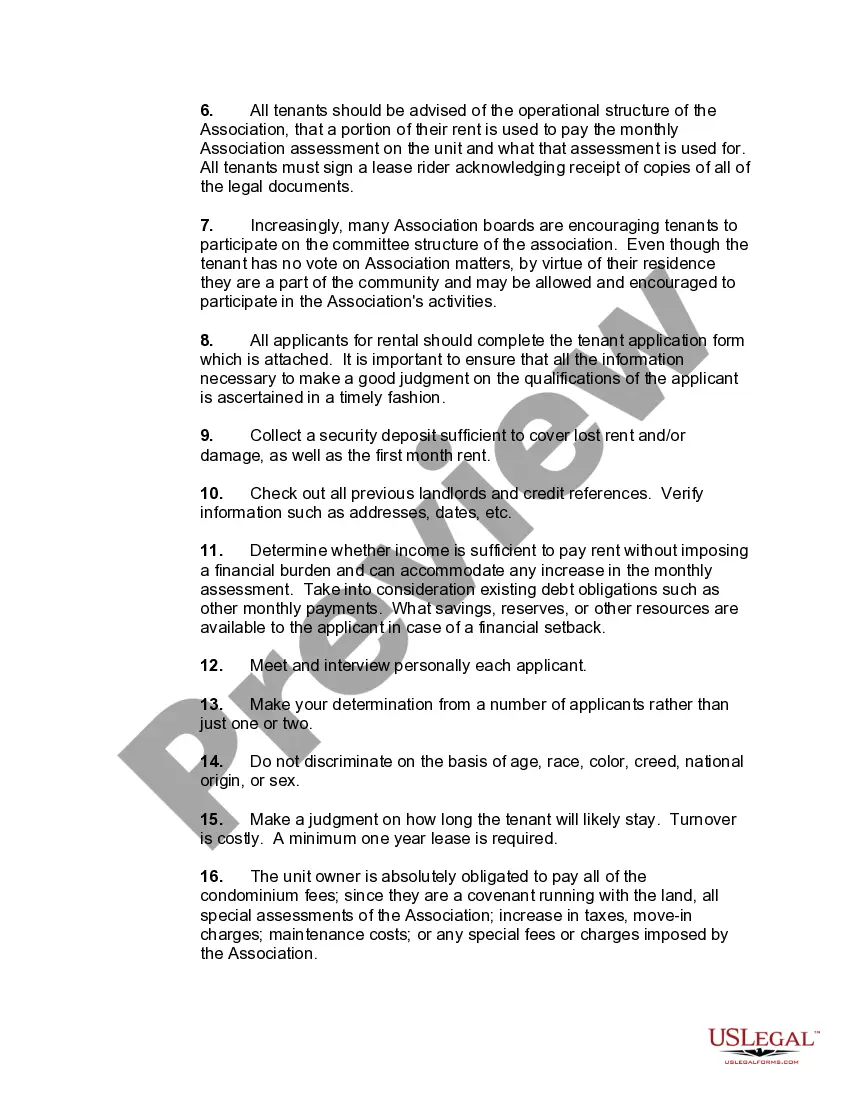
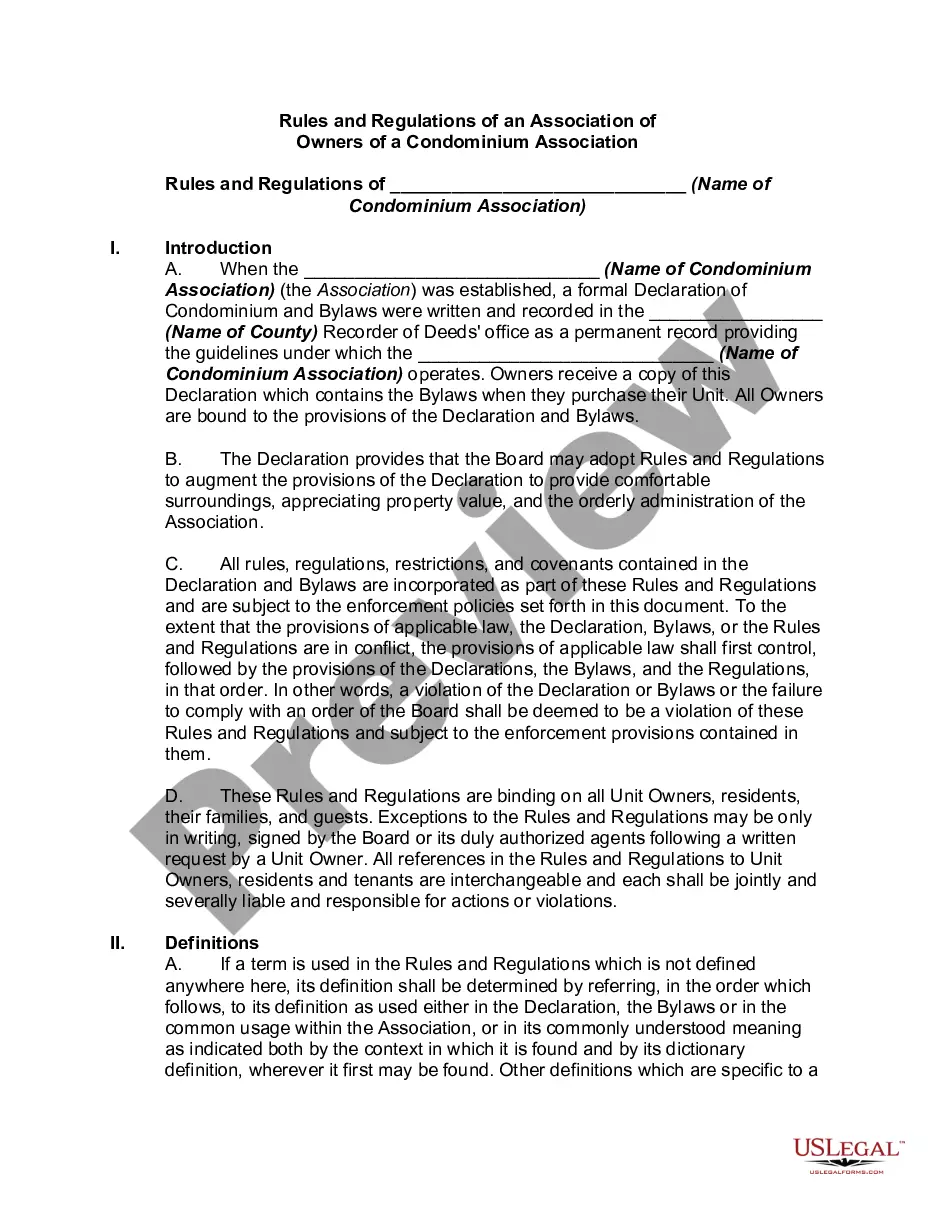
The Rules and Regulations for a Condominium Association is a comprehensive legal document designed to establish guidelines for the conduct and responsibilities of residents within a condominium community. This form outlines the restrictions, procedures, and standards that unit owners and tenants must follow to ensure a harmonious living environment. Unlike other forms, this document focuses specifically on the operational management of condominium associations, providing a clear framework for governance and community living.
Key parts of this document
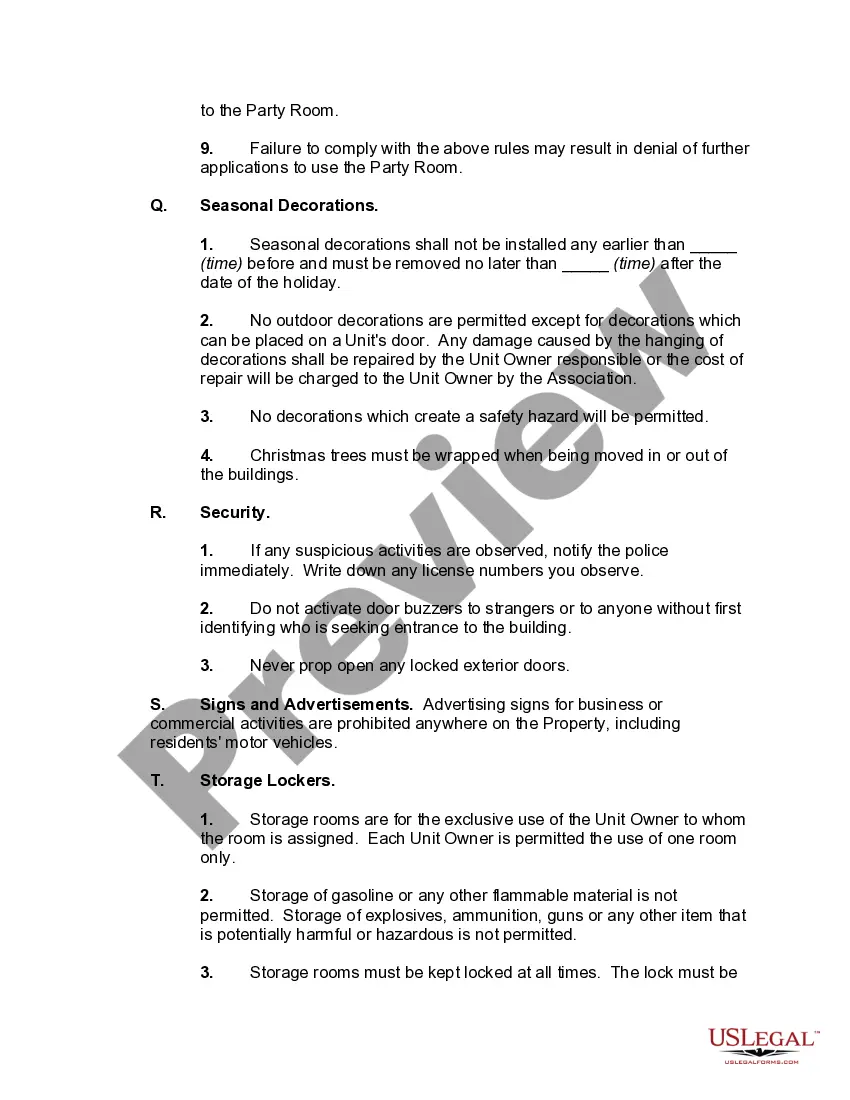
- Administration and appearance of the property, including rules on alterations and common property usage.
- Financial regulations for assessments and collections to ensure timely payment of dues.
- Guidelines for board meetings, ensuring transparency and open communication among unit owners.
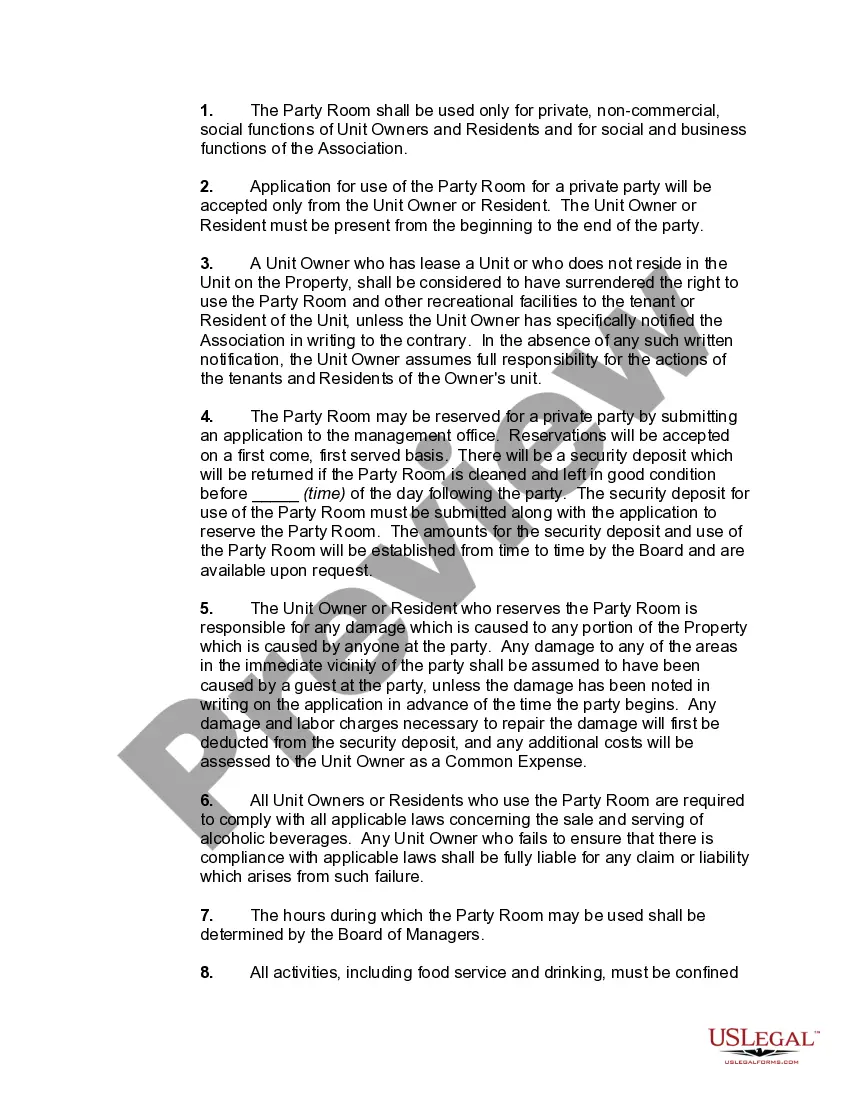
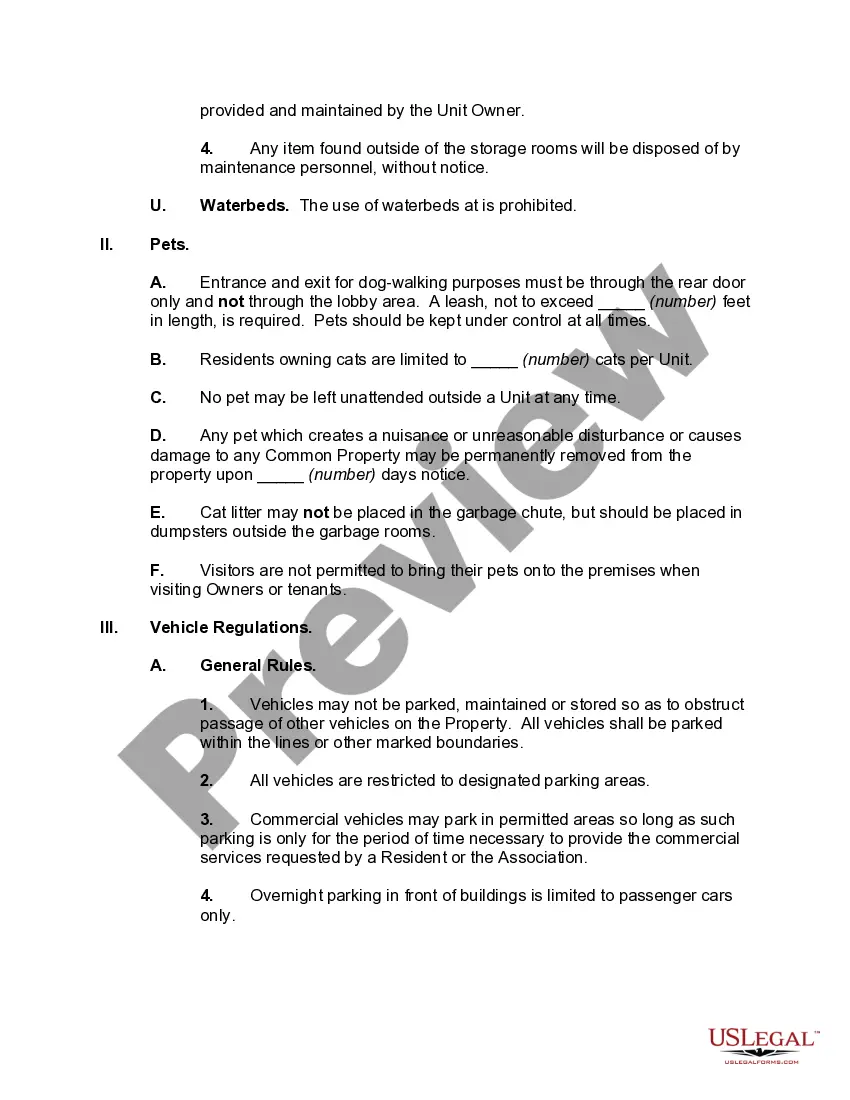
- Pet policies to maintain a peaceful community environment.
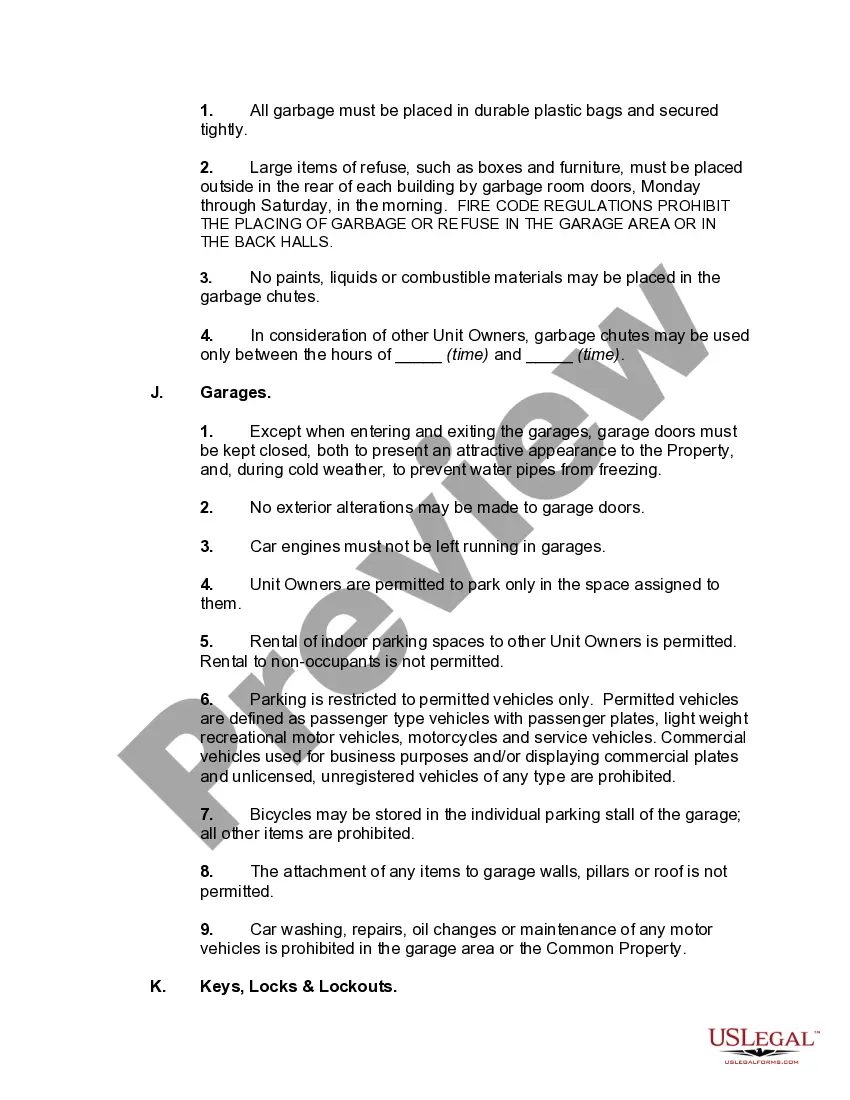
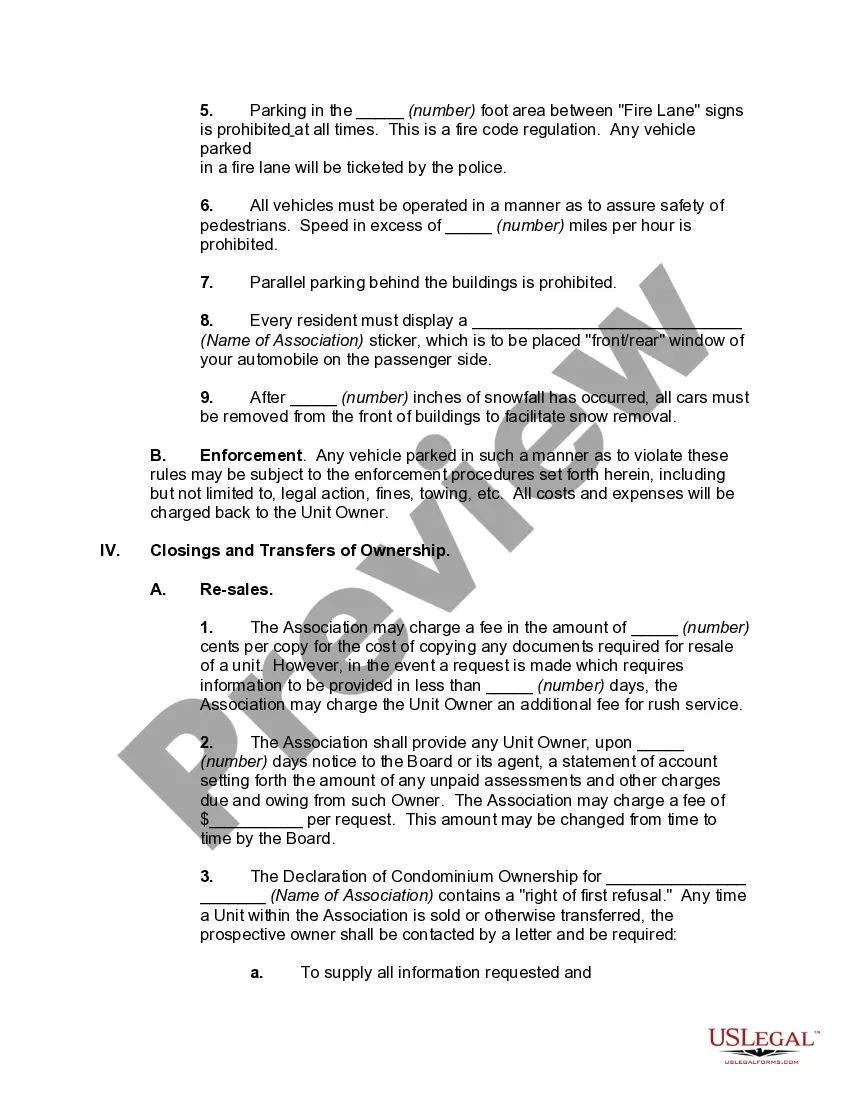
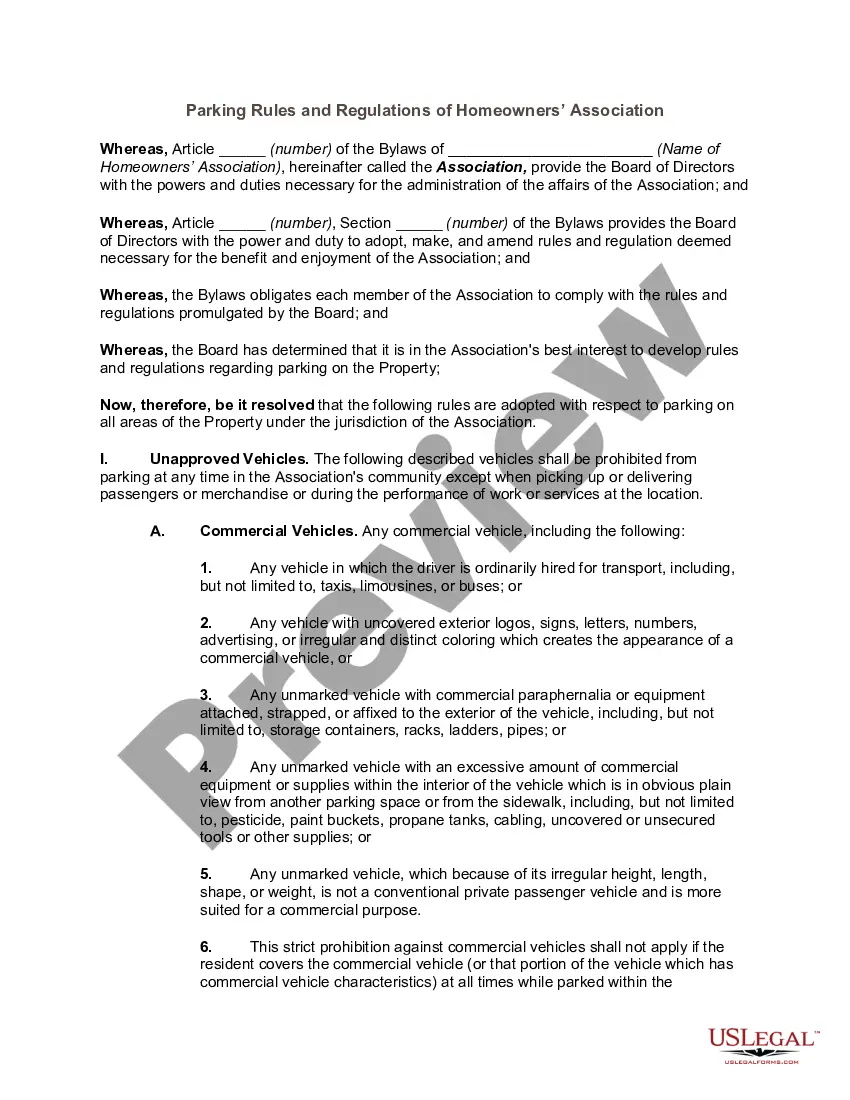
- Vehicle regulations to manage parking and traffic flow within the condominium premises.
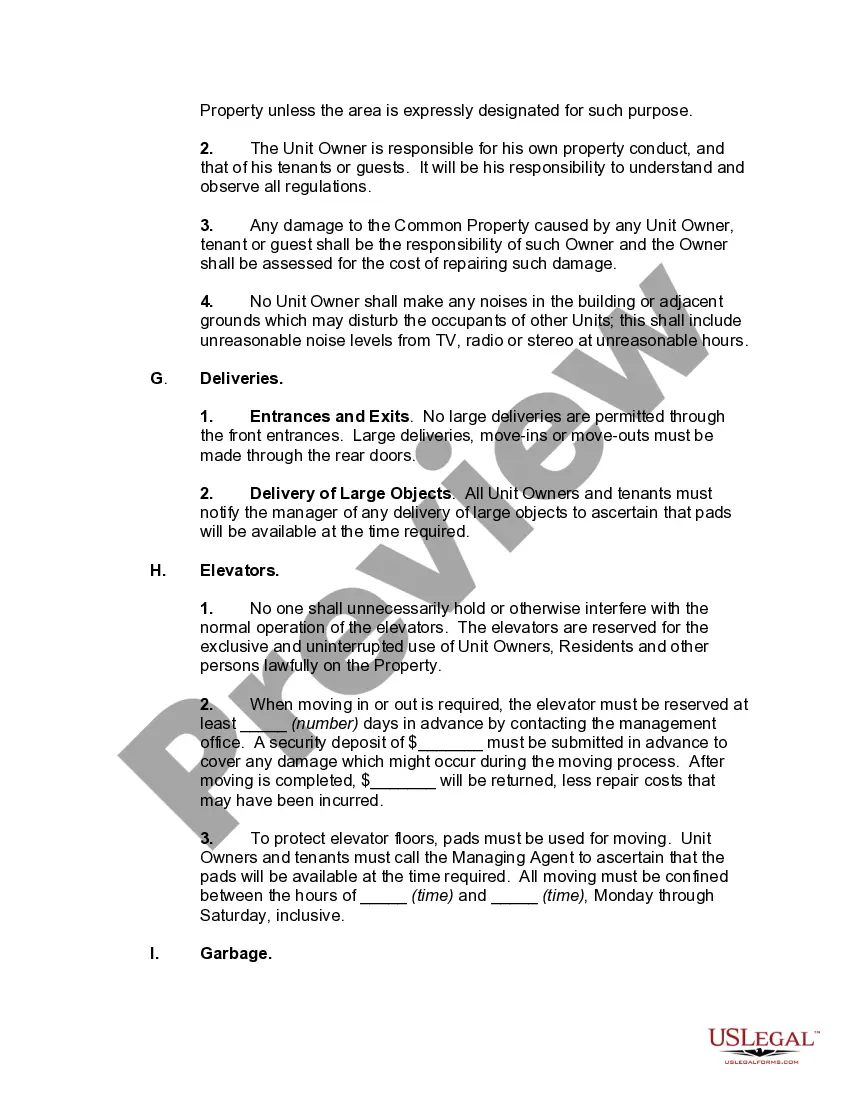
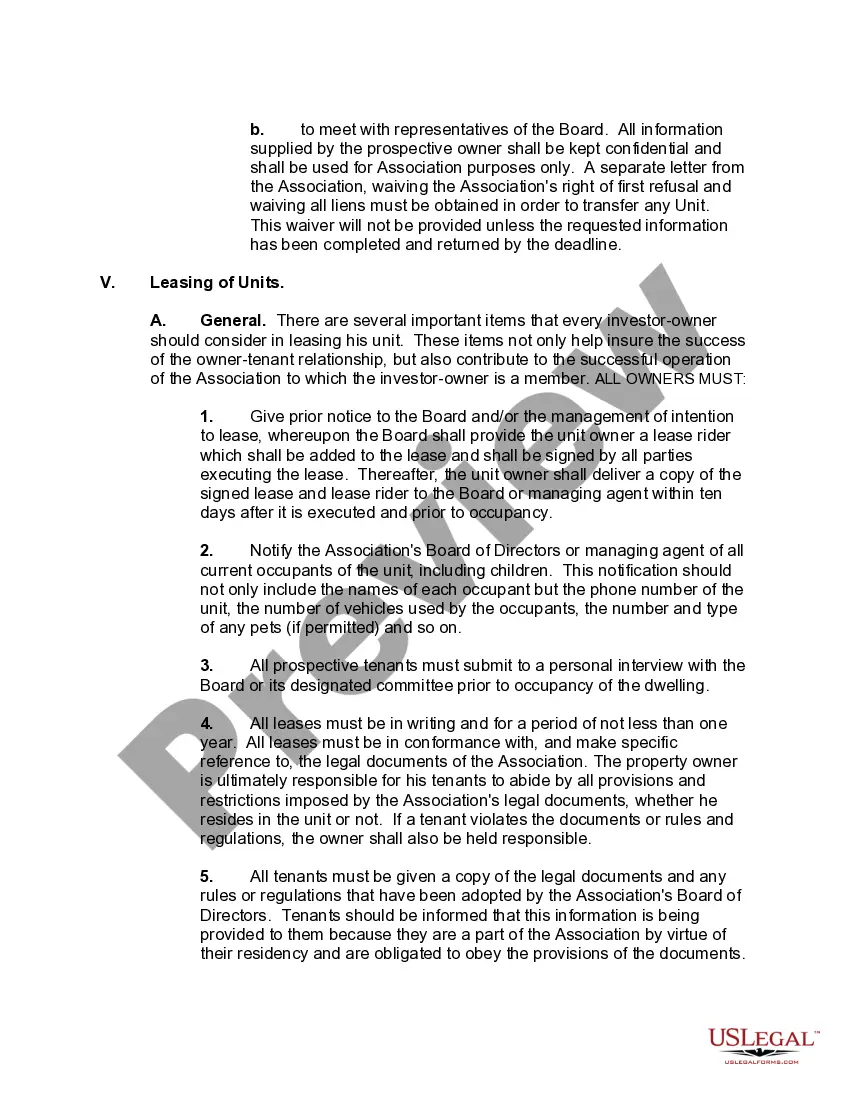
- Procedures for move-in and move-out to prevent disruptions and damage to the property.




Common use cases
This form should be used when establishing or updating the rules and regulations for a condominium association. It is particularly relevant in situations such as the creation of new condo developments, the need for conflict resolution within existing associations, or when changes in local laws dictate revisions to community rules. This form serves to prevent misunderstandings and legal disputes among residents by providing clear guidance on acceptable behavior and responsibilities.
Intended users of this form
- Condominium association boards looking to create or amend their governing rules.
- Property managers responsible for overseeing the operations of a condominium community.
- Unit owners who want to understand their rights and obligations within their community.
- Legal professionals advising condominium associations on governance issues.
Steps to complete this form
- Define the specific rules and regulations applicable to your condominium community based on the key sections provided.
- Fill in any numerical fields, such as payment deadlines and assessment amounts, according to your association's policies.
- Ensure proper governance by including provisions for board meetings and the enforcement of rules.
- Review the completed form for clarity and completeness before distribution to ensure all members understand the guidelines.
- Distribute the finalized regulations to all unit owners and tenants to ensure compliance.
Notarization requirements for this form
This form does not typically require notarization unless specified by local law. It is advisable to check with your local legal requirements to confirm any notarization needs for the enforcement of the rules and regulations.
Get your form ready online
Our built-in tools help you complete, sign, share, and store your documents in one place.
Make edits, fill in missing information, and update formatting in US Legal Forms—just like you would in MS Word.
Download a copy, print it, send it by email, or mail it via USPS—whatever works best for your next step.
Sign and collect signatures with our SignNow integration. Send to multiple recipients, set reminders, and more. Go Premium to unlock E-Sign.
If this form requires notarization, complete it online through a secure video call—no need to meet a notary in person or wait for an appointment.
We protect your documents and personal data by following strict security and privacy standards.

Make edits, fill in missing information, and update formatting in US Legal Forms—just like you would in MS Word.

Download a copy, print it, send it by email, or mail it via USPS—whatever works best for your next step.

Sign and collect signatures with our SignNow integration. Send to multiple recipients, set reminders, and more. Go Premium to unlock E-Sign.

If this form requires notarization, complete it online through a secure video call—no need to meet a notary in person or wait for an appointment.

We protect your documents and personal data by following strict security and privacy standards.
Common mistakes
- Failing to update the rules to reflect changes in local laws or circumstances.
- Not clearly communicating the rules to all residents, leading to misunderstandings and conflicts.
- Forgetting to provide adequate enforcement procedures, which can result in difficulty in managing violations.
Advantages of online completion
- Convenience of filling out and editing the form from anywhere with internet access.
- Access to templates and examples crafted by legal professionals for reliability.
- Time-saving features, as the document can be directly downloaded and printed for use.
Looking for another form?
Form popularity
FAQ
One of the hallmarks of a well-run Condo Association is strong policies and rules. The Association will ensure they have rules that make sense and curb negative behavior. In addition to this, the rules will be well-explained and well-understood by Owners.
Know the rules. You should have read all the government documents, including the rules and regulations, before you closed on your purchase. Respond in writing. Don't argue the rule. Know the penalties.
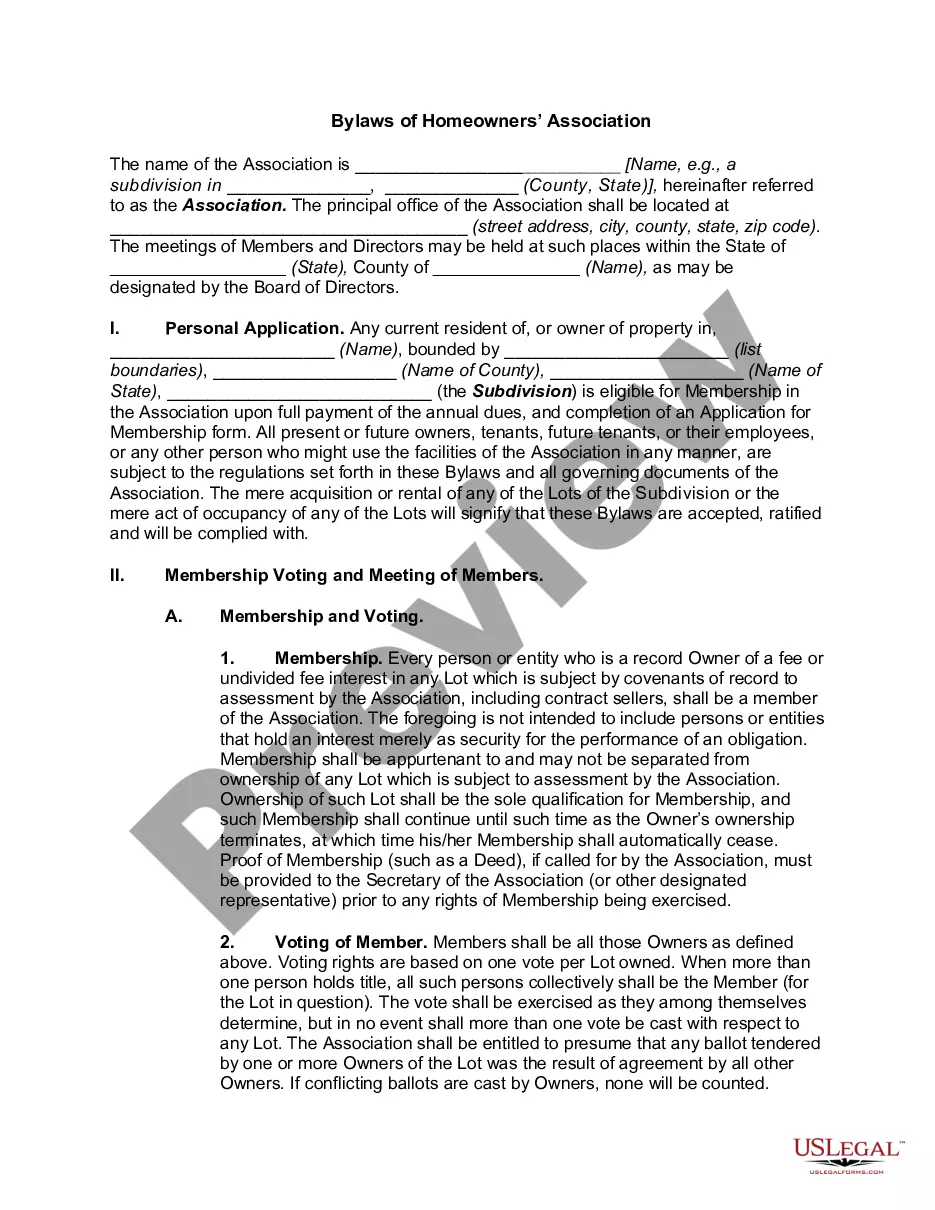
The condominium bylaws are a self-governing document for the association. This covers board member qualifications and the direction of the board of directors, including how it administers policies according to the bylaws and how it oversees the maintenance and administration of the association.
Typically, Rules and Regulations can be changed by a vote of the Board or Directors, but the Declaration and Bylaws require a vote of the homeownersoften a significant percentage, such as 2/3 or 3/4 of all owners.
HOA rules and regulations are intended to work in unison with bylaws and CC&Rs. They are designed to maintain the value and well-being of the association, but they should not be used to restrict members' enjoyment of their community. Rules should be followed by members, but they are not set in stone.
It is the document that, among other things, establishes the association, contains the use restrictions, the maintenance requirements, and defines the common elements. The Bylaws set up the corporation and how it is to be run.When it comes to the documents, the Declaration rules the roost.
The CC&Rs are a legally binding document filed with the state, and the bylaws are the procedures by which the association is run. Those documents require a vote of the members to change. The rules are voted on by the board of directors, following procedures set up by the association and complying with state law.