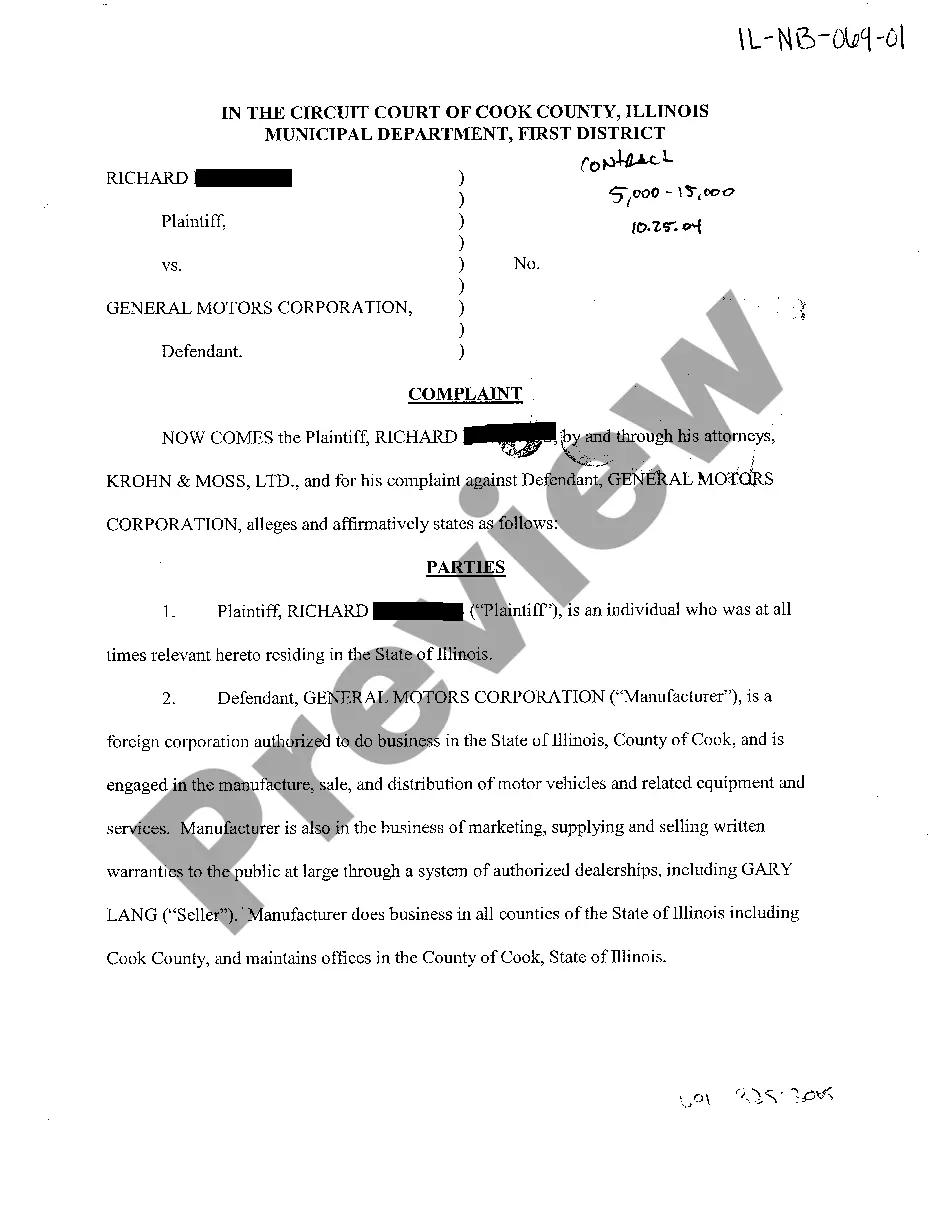
Letter of Engagement from Attorney with Fee Based on Hourly Rate - Litigation Matter
Overview of this form
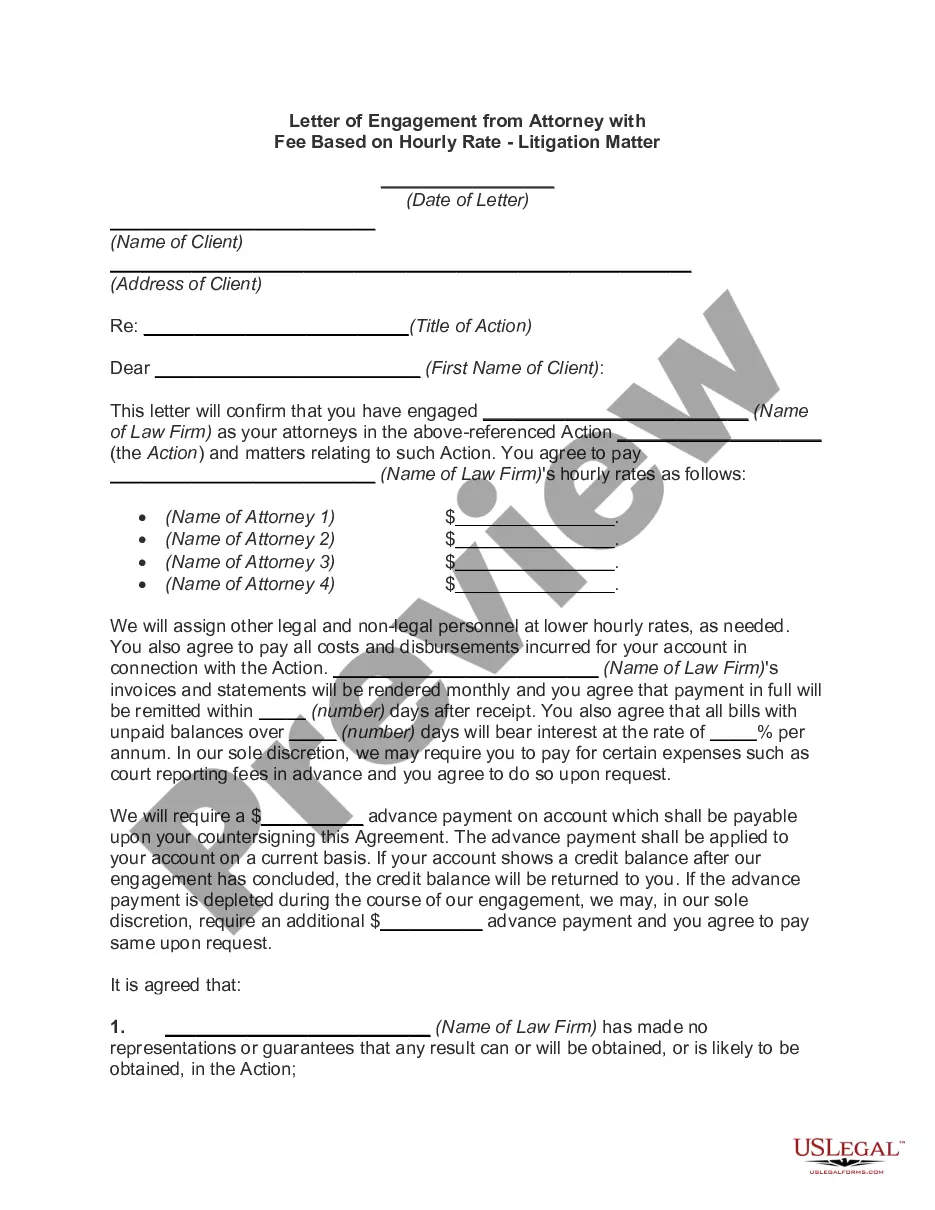
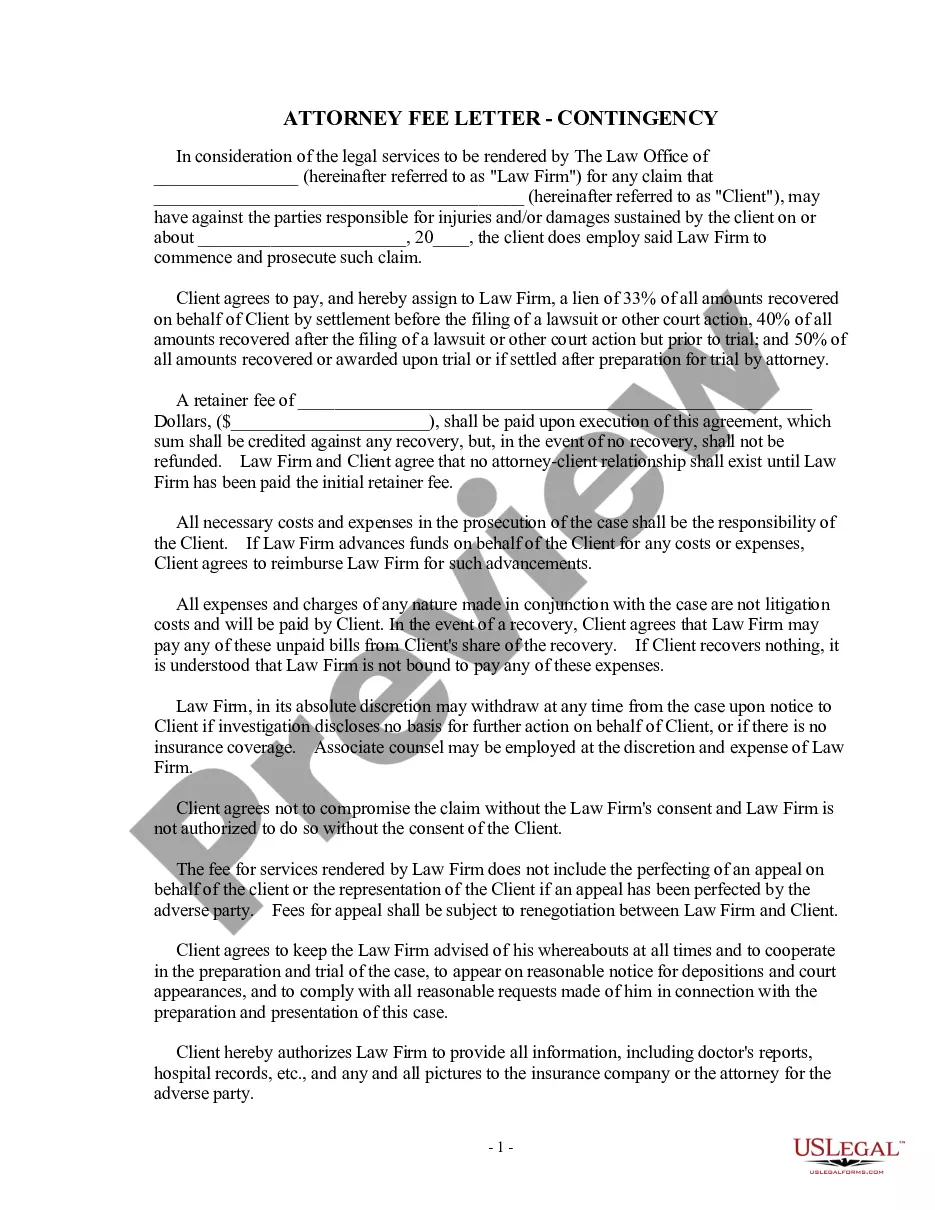
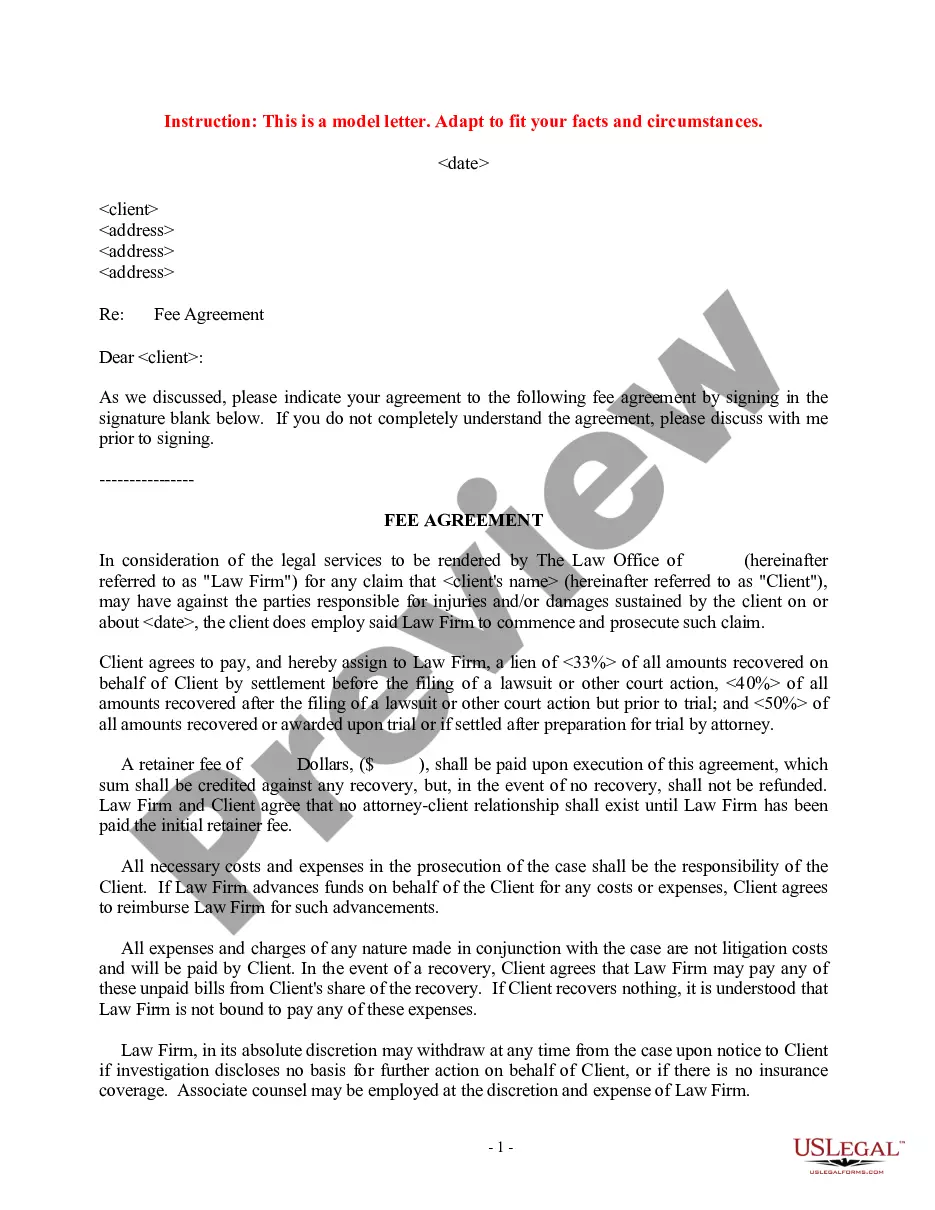
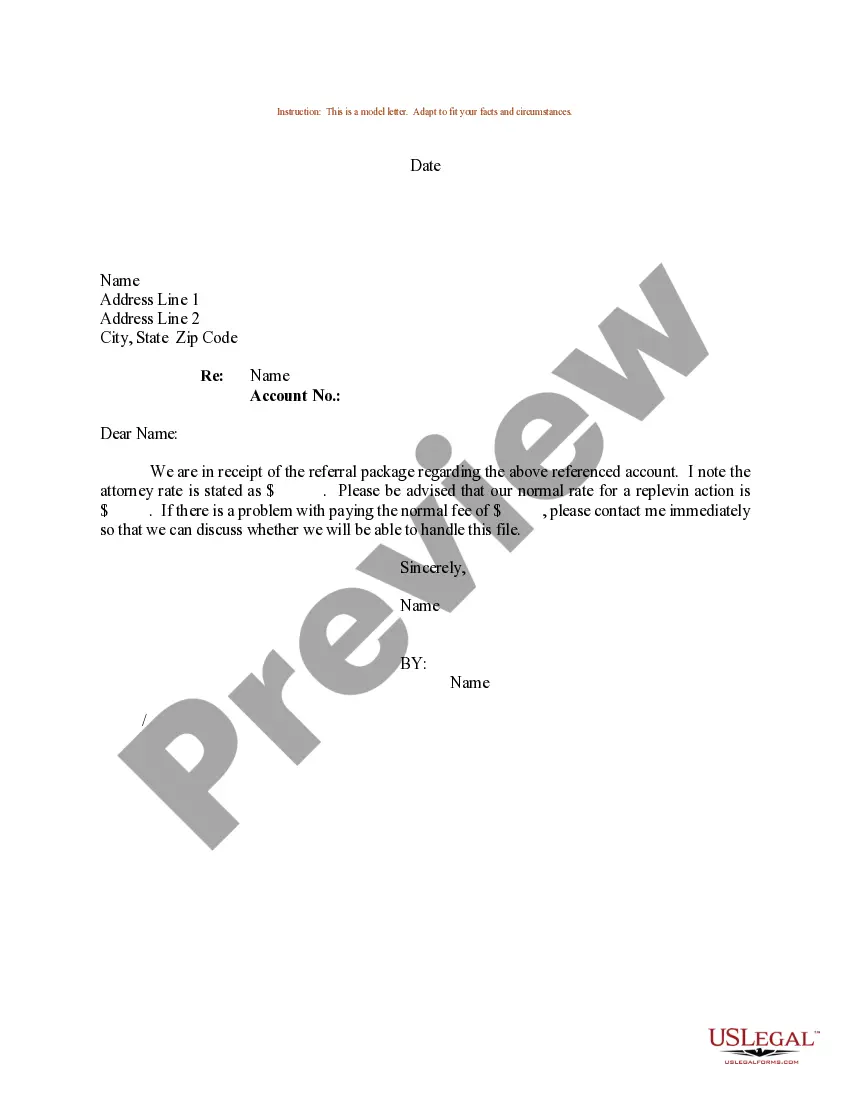
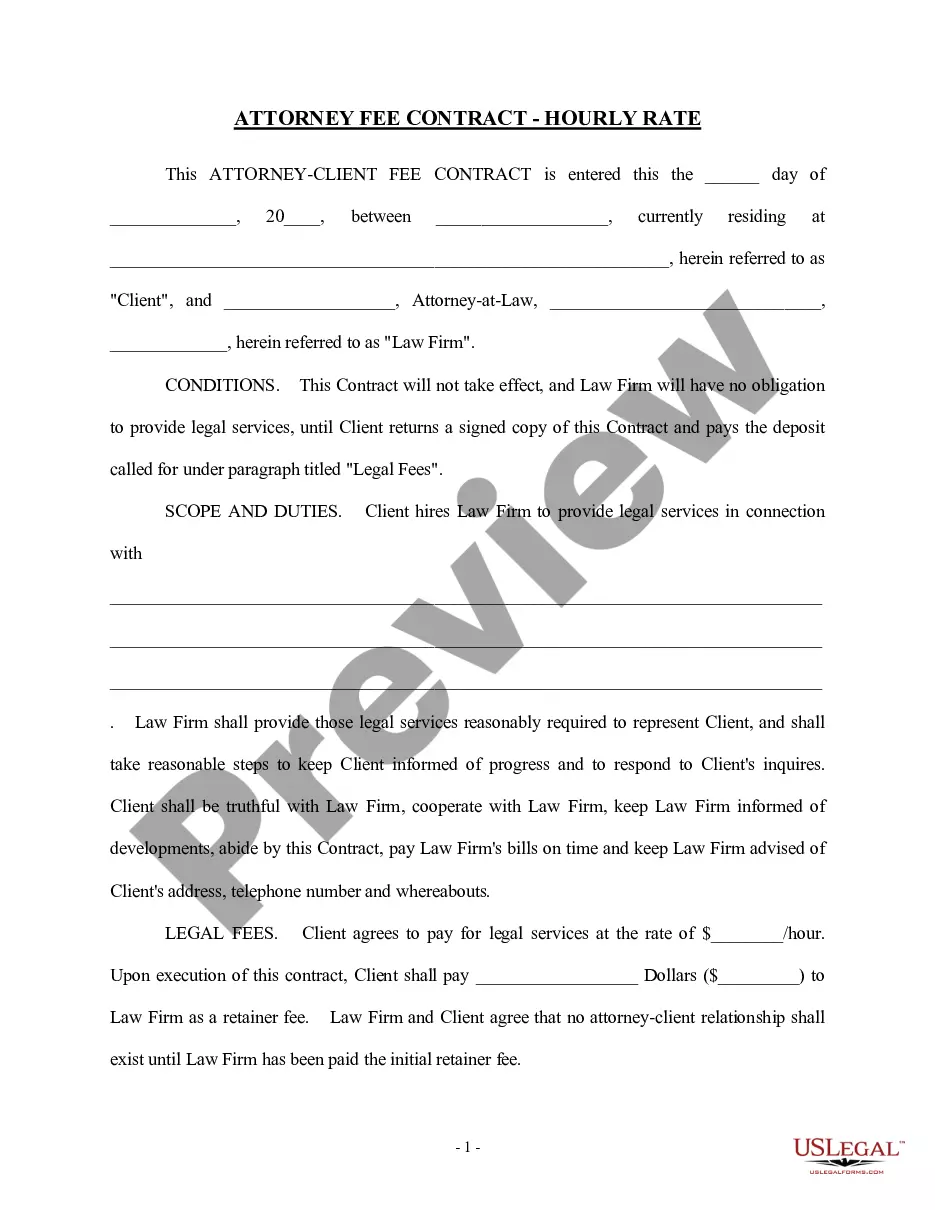
The Letter of Engagement from Attorney with Fee Based on Hourly Rate - Litigation Matter is a formal document that establishes the attorney-client relationship for litigation services. This engagement letter outlines the duties of both the attorney and the client, including fee structures based on hourly rates, responsibilities, and other essential terms. Unlike other legal letters, this specific engagement form is tailored for litigation matters, ensuring clarity and mutual understanding before legal representation begins.
Main sections of this form
- Date of the letter to establish a timeline.
- Name and address of the client receiving legal services.
- Title of the action for which legal representation is being engaged.
- Hourly rates charged by individual attorneys within the law firm.
- Agreement on costs, disbursements, and payment terms, including interest on late payments.
- Advance payment terms and conditions for additional payments if needed.
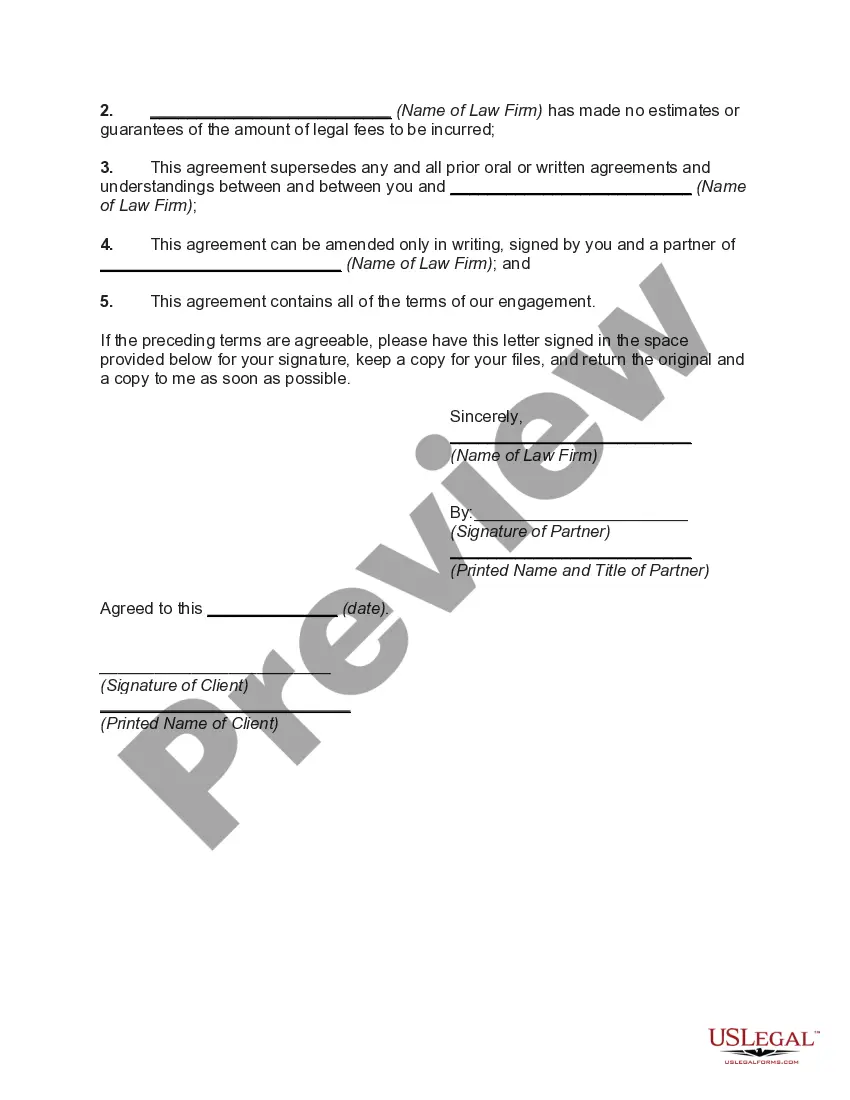
- Clauses regarding no guarantees of outcomes or estimates of fees.
Common use cases
This form should be used when an attorney is being engaged to represent a client in a litigation matter. It is particularly important after initial discussions where a tentative agreement has been made but needs formalization. Use this letter to clearly define the scope of services, fee structure, and responsibilities, thus helping to prevent misunderstandings as the legal process unfolds.
Who can use this document
This form is suitable for:
- Clients seeking legal representation for litigation matters.
- Attorneys looking to formalize their engagement with clients.
- Law firms that need to clarify payment structures and service expectations with clients.
How to prepare this document
- Enter the date at the top of the letter.
- Fill in the name and address of the client in the designated fields.
- Specify the title of the action for which legal services are being engaged.
- List the hourly rates for the attorneys who will be working on the case.
- Include details about the advance payment and any terms related to additional payments.
- Ensure both the attorney and client sign and date the document to formalize the agreement.
Does this form need to be notarized?
This form does not typically require notarization unless specified by local law. However, checking local regulations may be prudent to ensure compliance.
Get your form ready online
Our built-in tools help you complete, sign, share, and store your documents in one place.
Make edits, fill in missing information, and update formatting in US Legal Forms—just like you would in MS Word.
Download a copy, print it, send it by email, or mail it via USPS—whatever works best for your next step.
Sign and collect signatures with our SignNow integration. Send to multiple recipients, set reminders, and more. Go Premium to unlock E-Sign.
If this form requires notarization, complete it online through a secure video call—no need to meet a notary in person or wait for an appointment.
We protect your documents and personal data by following strict security and privacy standards.

Make edits, fill in missing information, and update formatting in US Legal Forms—just like you would in MS Word.

Download a copy, print it, send it by email, or mail it via USPS—whatever works best for your next step.

Sign and collect signatures with our SignNow integration. Send to multiple recipients, set reminders, and more. Go Premium to unlock E-Sign.

If this form requires notarization, complete it online through a secure video call—no need to meet a notary in person or wait for an appointment.

We protect your documents and personal data by following strict security and privacy standards.
Common mistakes
- Failing to specify all hourly rates for personnel involved.
- Not clearly stating payment terms, which can lead to confusion later.
- Omitting the clientâs address or title of the action.
- Neglecting to adjust the letter according to specific state requirements, if applicable.
- Forgetting to include signatures from both parties to validate the agreement.
Benefits of using this form online
- Convenience of immediate downloads and electronic storage for easy access.
- Editability allows customization to fit specific client and attorney details.
- Reliable formats ensure compliance with legal standards.
Summary of main points
- The Letter of Engagement is essential for formalizing the attorney-client relationship in litigation matters.
- It outlines the scope of services, fee structure, and responsibilities to prevent misunderstandings.
- Ensure all sections are completed accurately and signed by both parties for validity.
Looking for another form?

Form popularity
FAQ
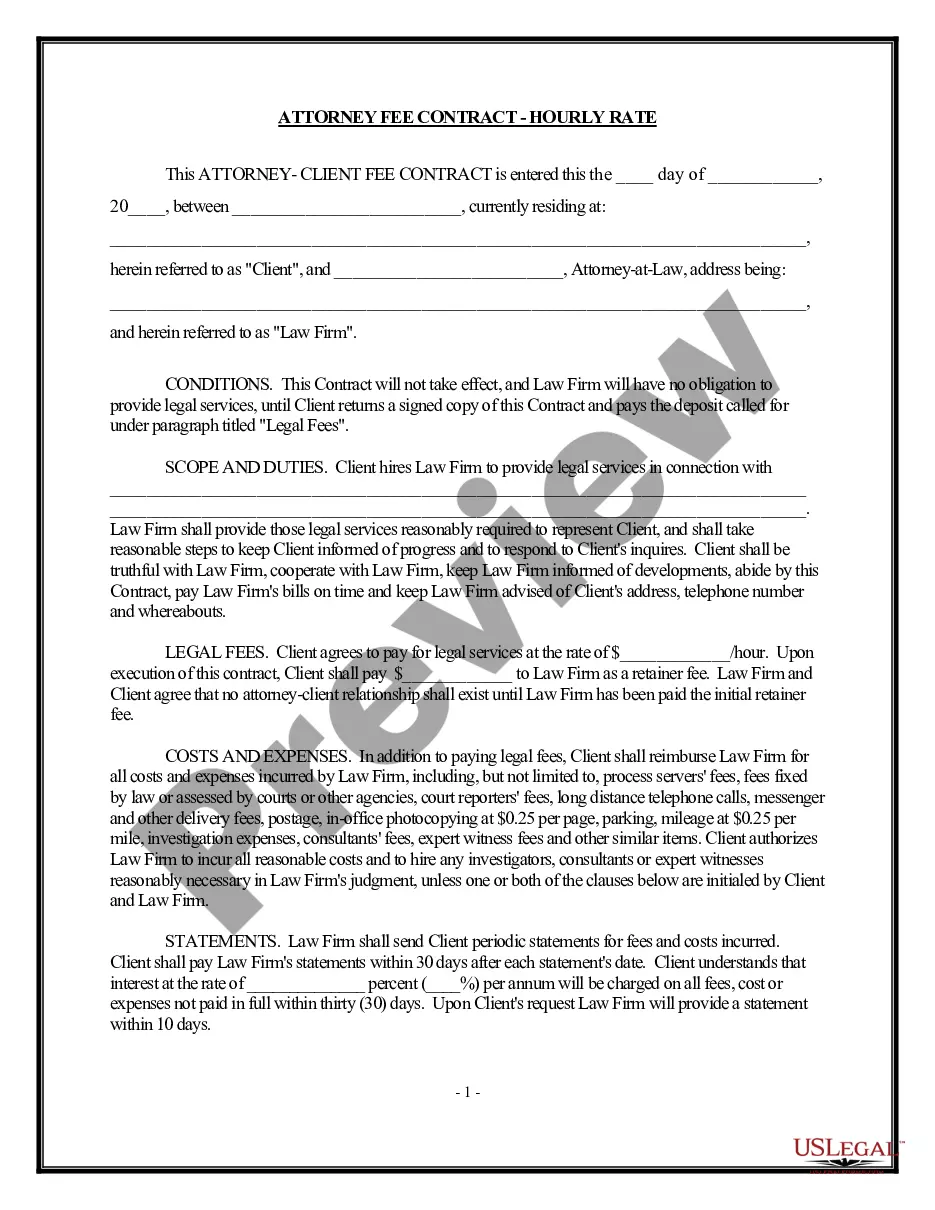
This form is a formal hiring document that confirms an attorney will represent a client in a litigation matter and that fees are charged on an hourly rate basis. It helps define the scope of work, who is responsible for billing, and when invoices are issued, providing clear expectations for the engagement.
An attorney letter of engagement is a contract formalizing the attorney–client relationship, outlining the services to be provided and how fees will be charged. For this form, the engagement specifies representation in a litigation matter and states that fees are based on hourly rates, with billing expectations and start of services. If in doubt, consult a licensed attorney.
An engagement letter example typically shows the parties, scope of representation, and the fee arrangement. For this form, the example would illustrate agreeing to handle a litigation matter on an hourly-rate basis, including who will submit invoices, how hours are tracked, and when payment is due.
Hourly fees vary by attorney, experience, and location. This form uses hourly-rate billing for a litigation matter, so the engagement letter would specify the applicable rates, how hours are counted, and how often invoices are sent, along with any out-of-pocket expenses connected to the matter.
The engagement letter for this form handles hourly billing by stating that fees are based on hourly rates and will be billed as work is performed on the litigation matter. It also describes rate schedules, billing cadence, and how expenses may be charged, helping the client anticipate future invoices.
This form uses hourly rates rather than a fixed total price for services. It would describe the applicable hourly rates, how hours are tracked, and when invoices are issued for a litigation matter, which contrasts with a fixed-fee letter that sets a single price for defined services.