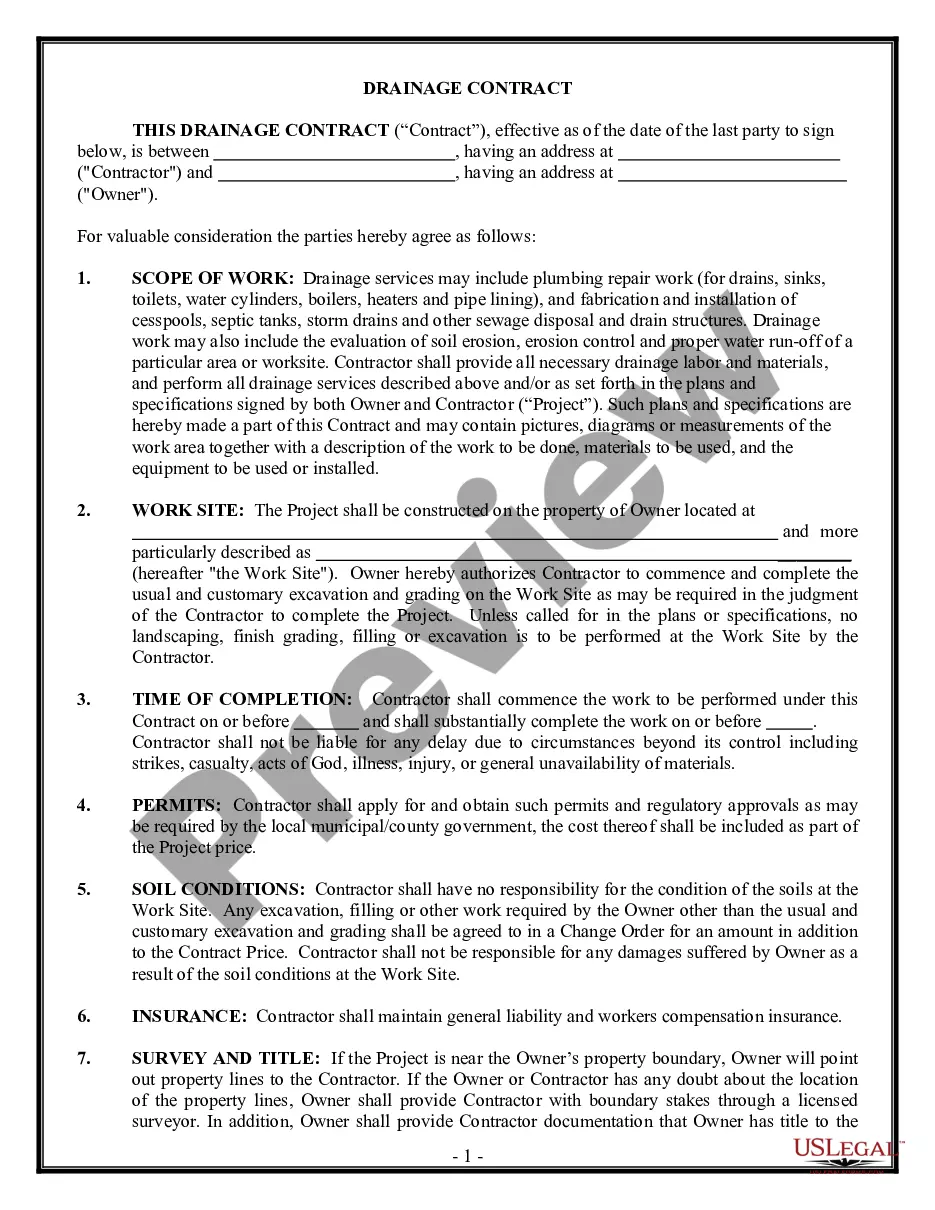
Partnership Agreement for Home Purchase
Understanding this form
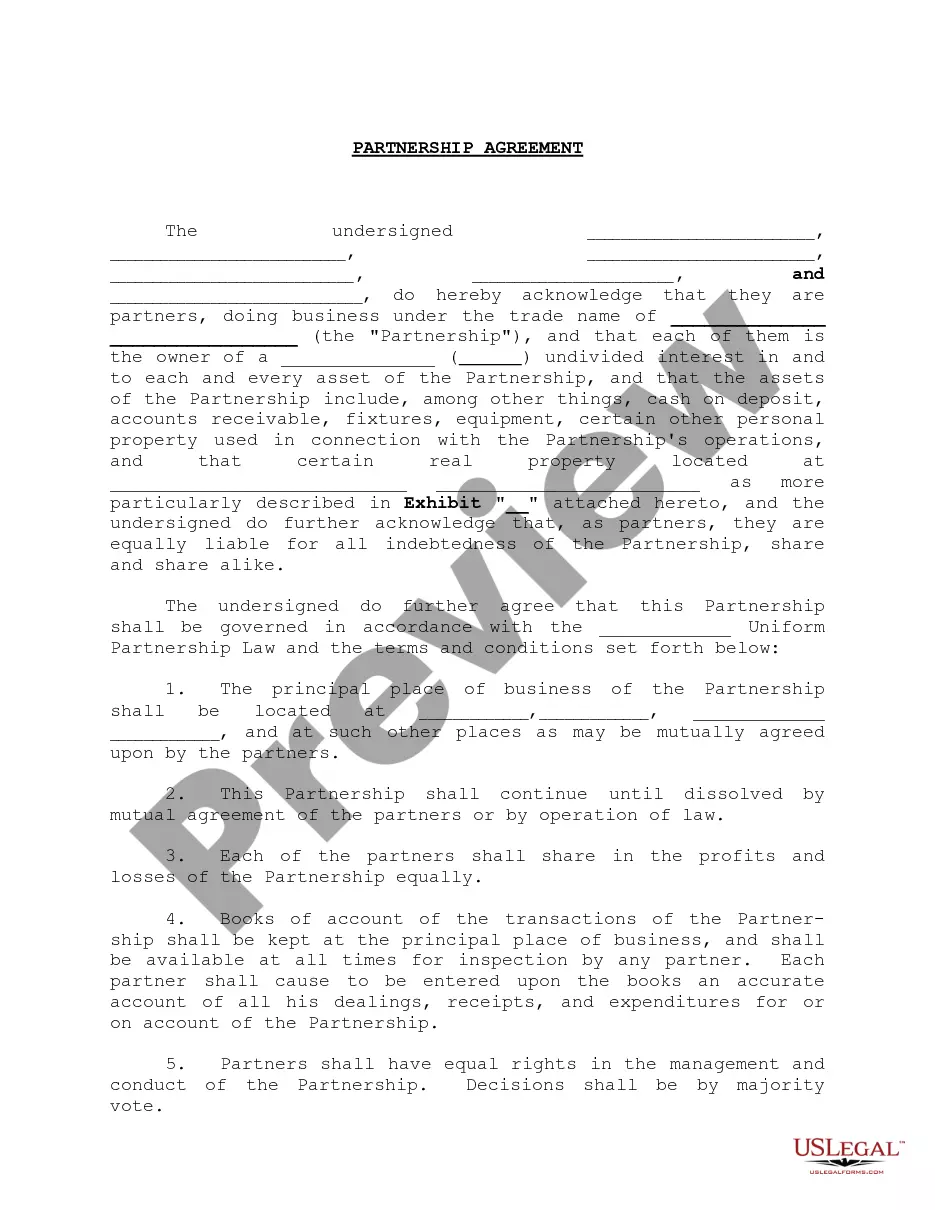
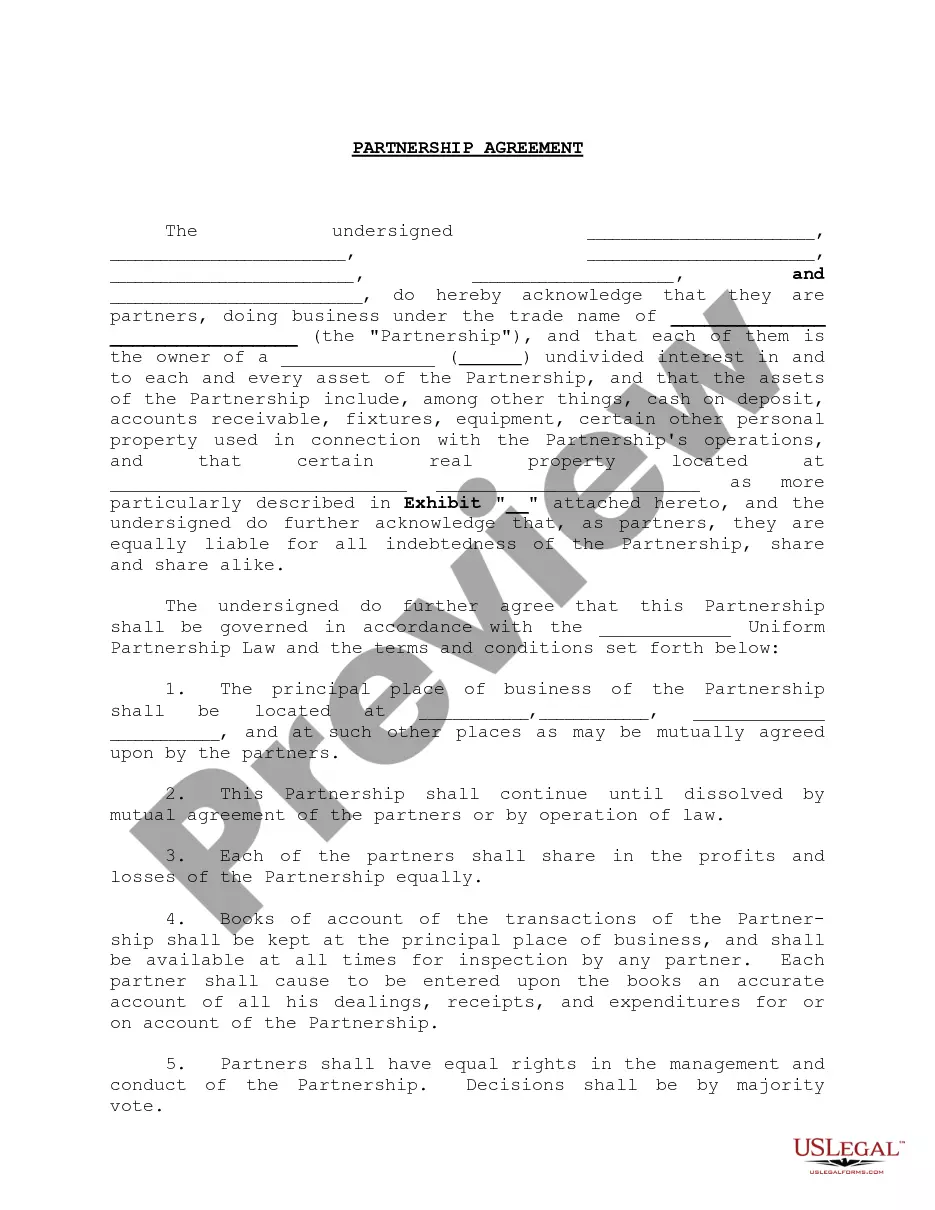
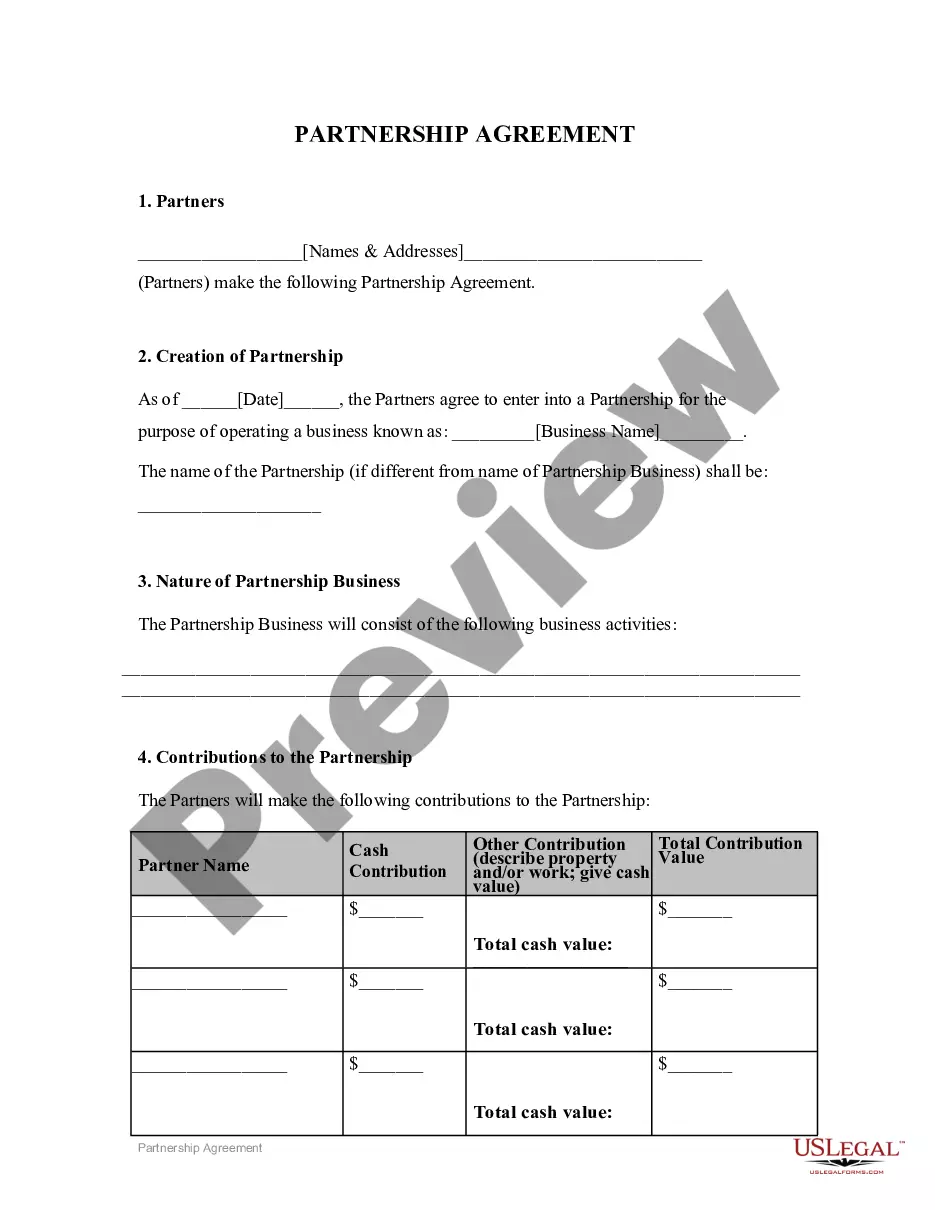
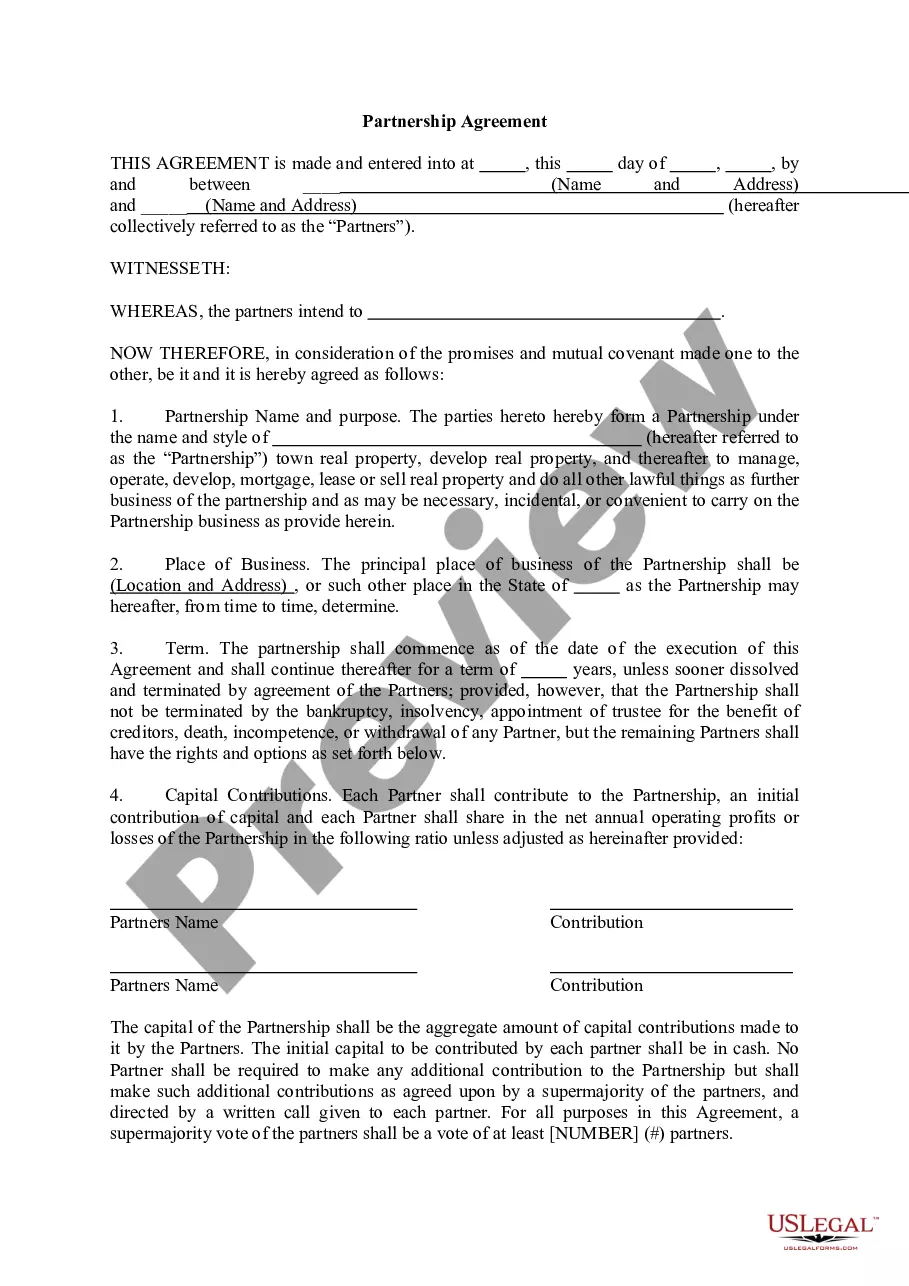
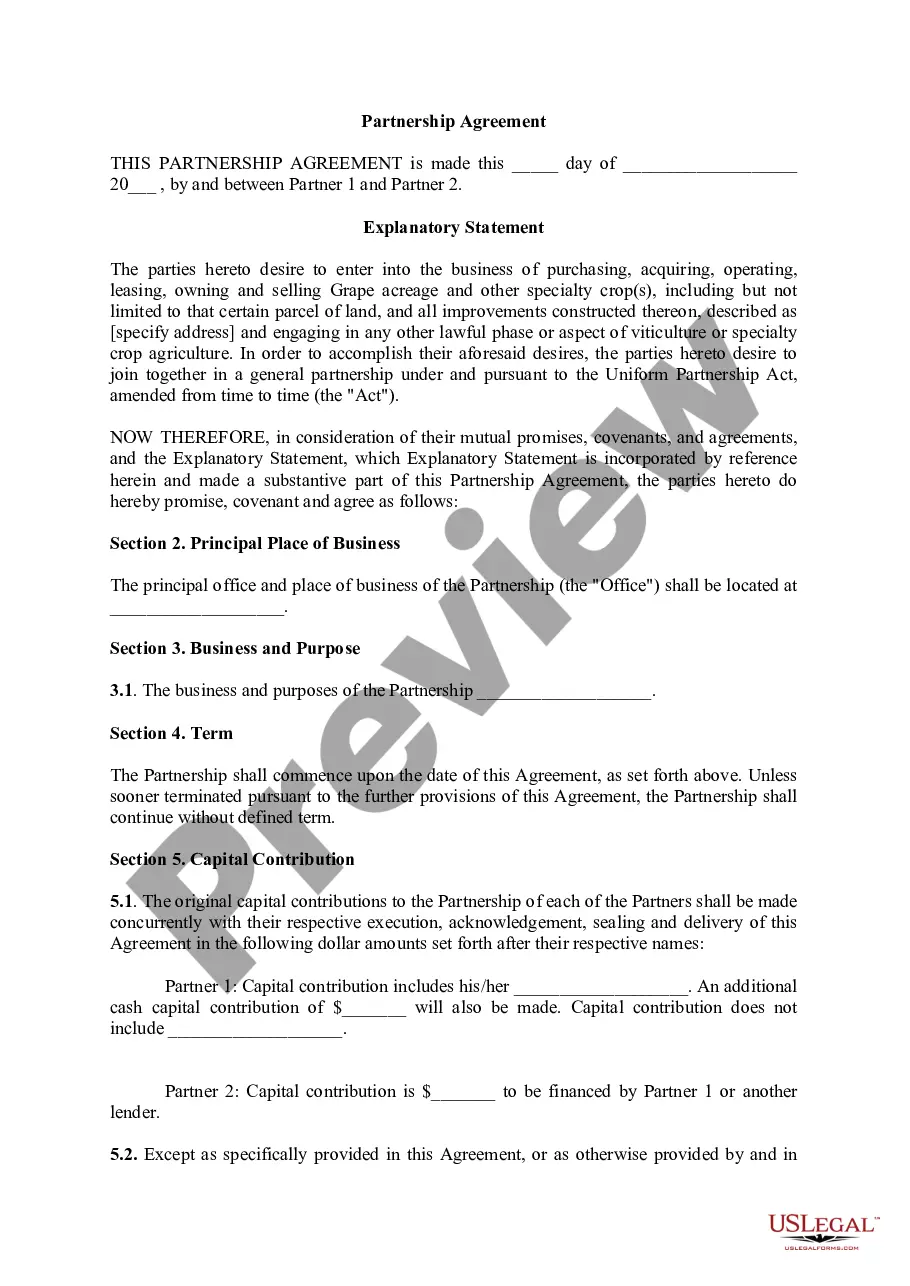
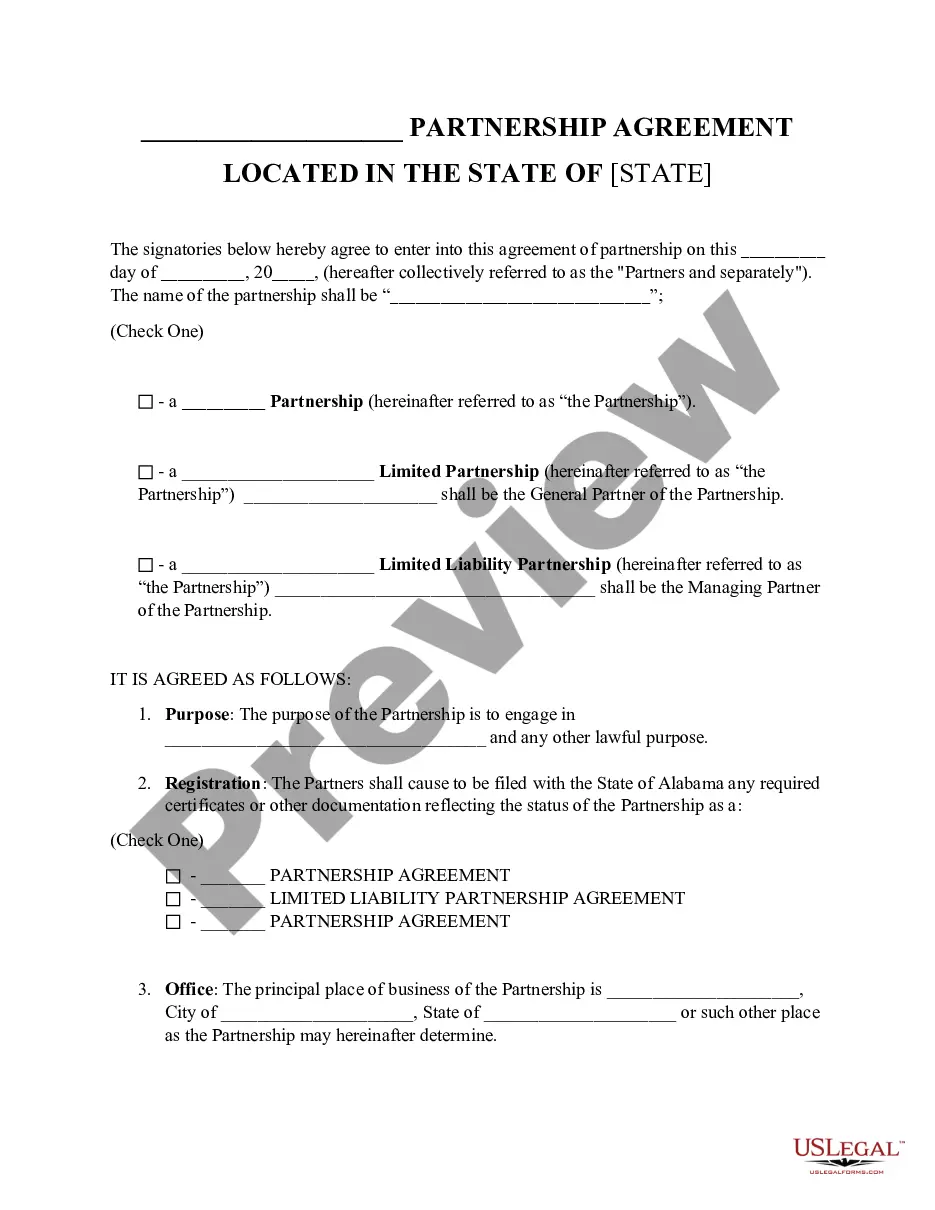
The Partnership Agreement for Home Purchase is a legal document that establishes the terms and conditions under which multiple partners co-invest in a property. This agreement outlines ownership percentages, financial contributions, and responsibilities for debts and profits. It differs from general partnership agreements by focusing specifically on real estate investments, providing clarity on the specifics of property ownership and management among partners.
Main sections of this form
- Identification of the partners and their agreed ownership percentages.
- Description of the real property being purchased, including attached exhibits.
- Guidelines for business operations, including management and decision-making processes.
- Terms for profit sharing and loss allocation among partners.
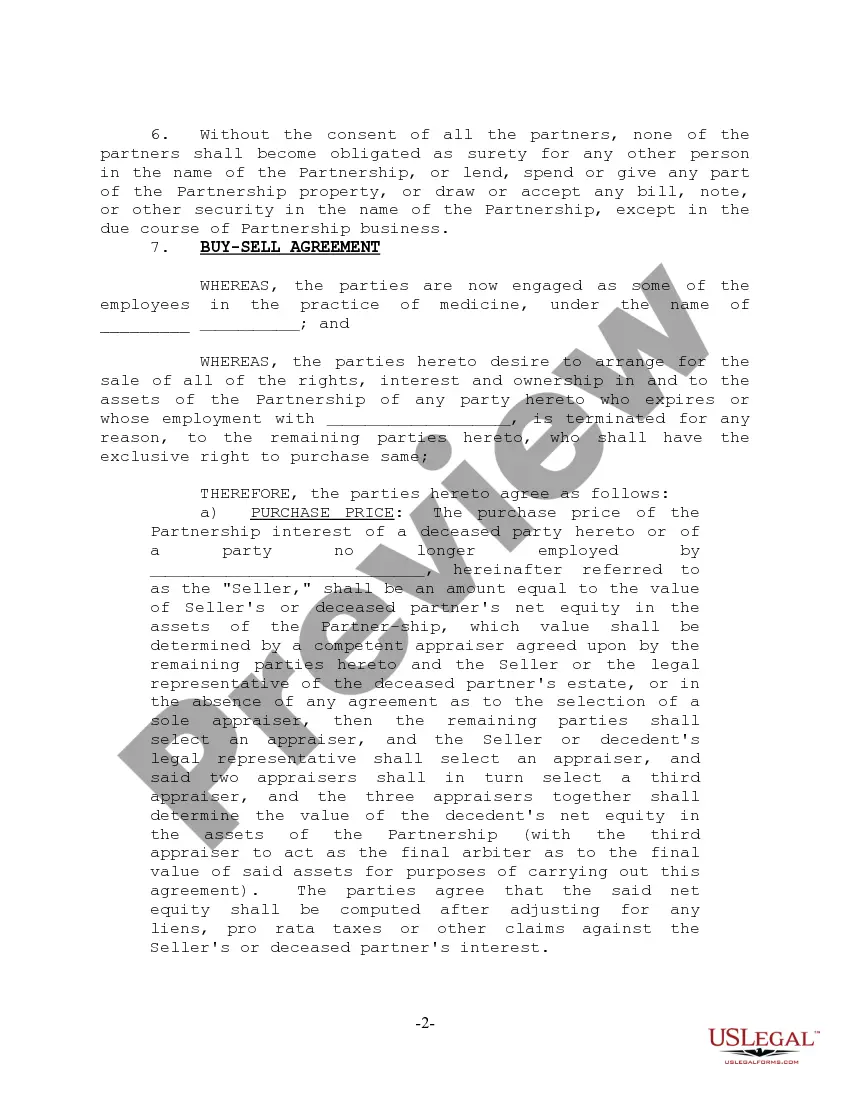
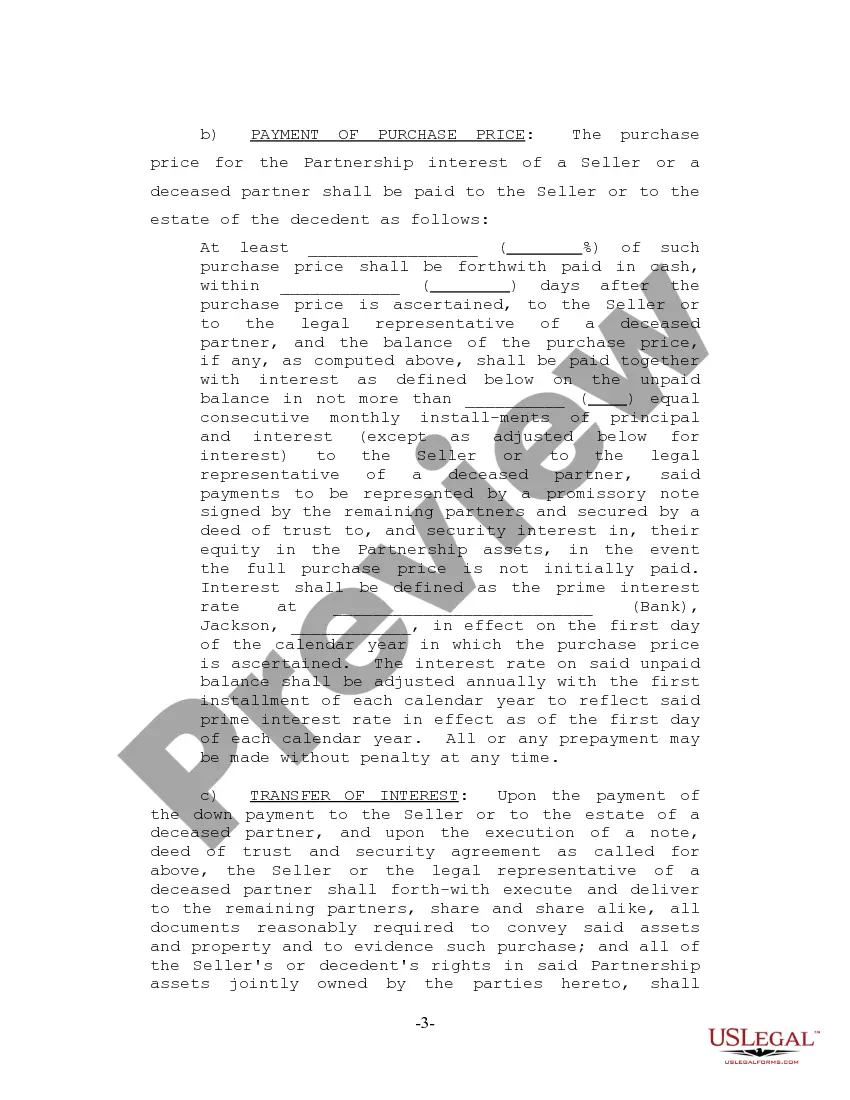
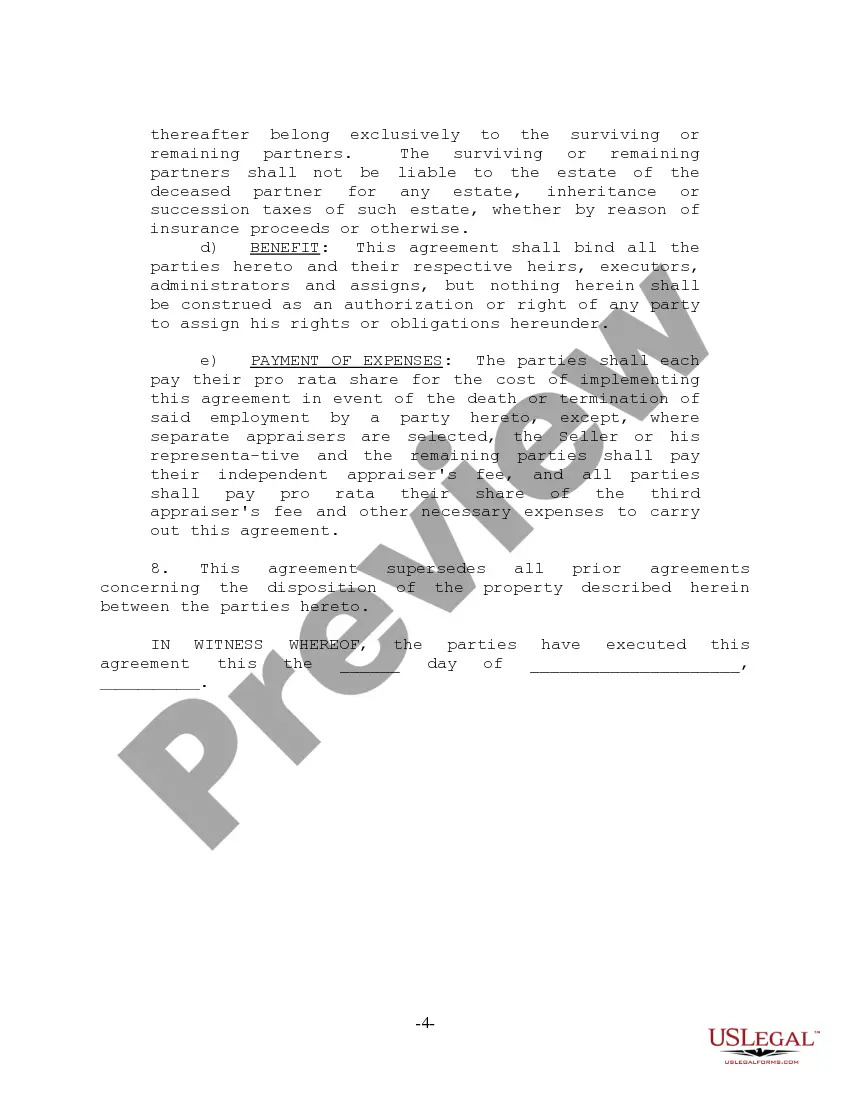
- Procedures for buy-sell arrangements in the event of a partner's death or termination.
- Details regarding the distribution of assets upon dissolution of the partnership.

When to use this form
This form should be used when two or more individuals or entities wish to jointly purchase real estate as partners. It is particularly relevant in scenarios where the partners each contribute financial resources, assets, or labor towards acquiring a property, and where clear legal understanding of each partner's rights and responsibilities is essential to avoid future disputes.
Intended users of this form
Eligibility for using this form includes:
- Individuals or entities planning to co-invest in a residential property.
- Partners looking to formalize their investment agreement for a shared home purchase.
- Real estate investors collaborating on property acquisitions.
How to prepare this document
- Identify all partners involved in the agreement by entering their names.
- Specify the ownership percentage for each partner in the property.
- Provide a detailed description of the real estate property being purchased.
- Complete sections relating to management rights and decision-making processes.
- Outline provisions for profit sharing and loss allocation.
- Include terms for buy-sell agreements and asset distribution upon dissolution.
Notarization guidance
This form does not typically require notarization unless specified by local law. However, it is recommended to consult with a legal professional to ensure all requirements are met to protect all parties involved.
Get your form ready online
Our built-in tools help you complete, sign, share, and store your documents in one place.
Make edits, fill in missing information, and update formatting in US Legal Forms—just like you would in MS Word.
Download a copy, print it, send it by email, or mail it via USPS—whatever works best for your next step.
Sign and collect signatures with our SignNow integration. Send to multiple recipients, set reminders, and more. Go Premium to unlock E-Sign.
If this form requires notarization, complete it online through a secure video call—no need to meet a notary in person or wait for an appointment.
We protect your documents and personal data by following strict security and privacy standards.

Make edits, fill in missing information, and update formatting in US Legal Forms—just like you would in MS Word.

Download a copy, print it, send it by email, or mail it via USPS—whatever works best for your next step.

Sign and collect signatures with our SignNow integration. Send to multiple recipients, set reminders, and more. Go Premium to unlock E-Sign.

If this form requires notarization, complete it online through a secure video call—no need to meet a notary in person or wait for an appointment.

We protect your documents and personal data by following strict security and privacy standards.
Common mistakes to avoid
- Failing to specify exact ownership percentages for each partner.
- Neglecting to describe the property and its specific details accurately.
- Using vague language around the management and decision-making processes.
- Not including provisions for handling partner termination or death.
Why complete this form online
- Immediate access to professionally drafted legal documents.
- Easy editing and customization based on specific partnership needs.
- Convenient electronic delivery to save time and resources.
- Secure storage and retrieval of your completed documents.
Legal use & context
- This agreement is legally binding and should be carefully reviewed by all partners.
- Partnership agreements should adhere to applicable state laws and regulations.
- It is advisable to consult with an attorney when drafting and executing this agreement to ensure enforceability and clarity.
Key takeaways
- A Partnership Agreement for Home Purchase outlines the roles, responsibilities, and financial arrangements between partners.
- Proper completion is essential to prevent disputes and ensure smooth management of the partnership.
- Compliance with state-specific laws is critical to uphold the binding nature of the agreement.
Looking for another form?
Form popularity
FAQ
Unmarried couples will apply for a mortgage as individuals. This means the partner with the stronger financials and credit score may want to purchase the home to get better mortgage terms and interest rates.Some lenders may allow both parties to apply for a mortgage together.
Because mortgage lenders treat married couples as a single entity, these couples can qualify for sizeable loans with good terms and rates as long as one partner has a good credit history. However, lenders treat unmarried couples as individual home buyers.
Another way to protect yourself is to understand the different forms of property ownership. For instance, if you own real estate as joint tenants, then you each own 50% of the property. You can't leave the property to someone in your will; if you die, your share of the property automatically goes to your partner.
Yes. Many lenders allow two families to combine their respective incomes in order to jointly purchase a house. Both households will need to meet the minimum qualifying loan requirements, which may vary lender to lender. Lenders may also require both families to hold equal ownership rights of the house.
Because mortgage lenders treat married couples as a single entity, these couples can qualify for sizeable loans with good terms and rates as long as one partner has a good credit history. However, lenders treat unmarried couples as individual home buyers.
This means the partner with the stronger financials and credit score may want to purchase the home to get better mortgage terms and interest rates. To decide who should apply for the mortgage, you may want to review each other's credit scores, debt-to-income ratios, incomes, employment statuses and additional assets.
You can either follow the legal procedures that apply in your statetypically this means the court will order the property to be sold, and the net proceeds (after paying mortgages, liens, and costs of sale) to be dividedor you can reach your own compromise settlement.
Yes. Many lenders allow two families to combine their respective incomes in order to jointly purchase a house. Both households will need to meet the minimum qualifying loan requirements, which may vary lender to lender. Lenders may also require both families to hold equal ownership rights of the house.
Sell the home and both of you move out. Arrange for one of you to buy the other out. Keep the home and not change who owns it. Transfer part of the value of the property from one partner to the other so that your children have somewhere to live.