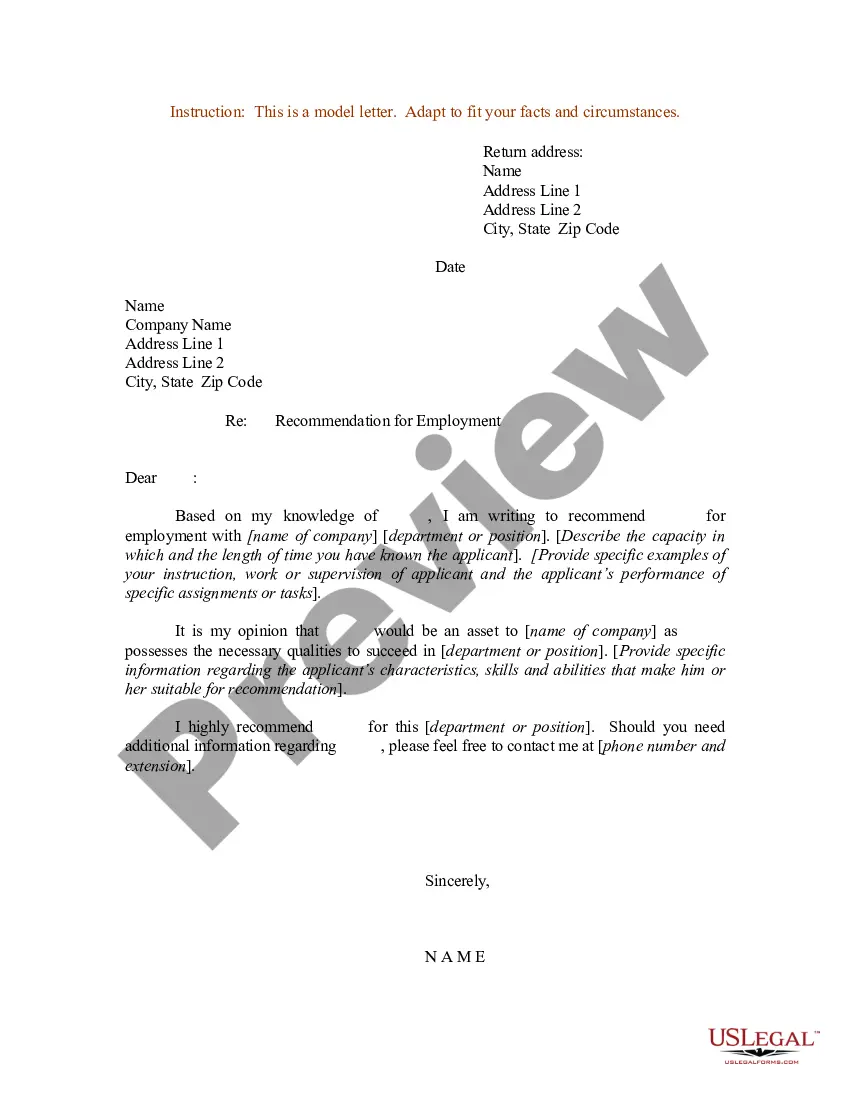
Letter of Recommendation Template for Coworker
What is this form?
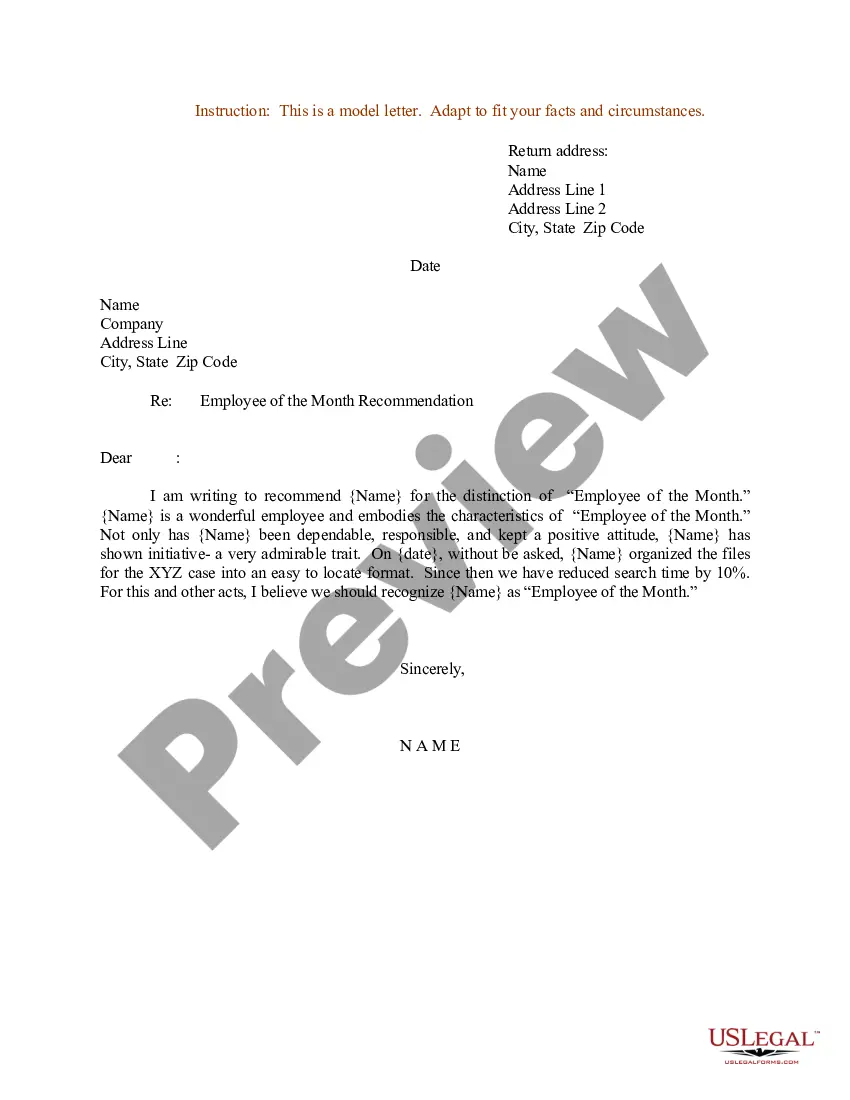
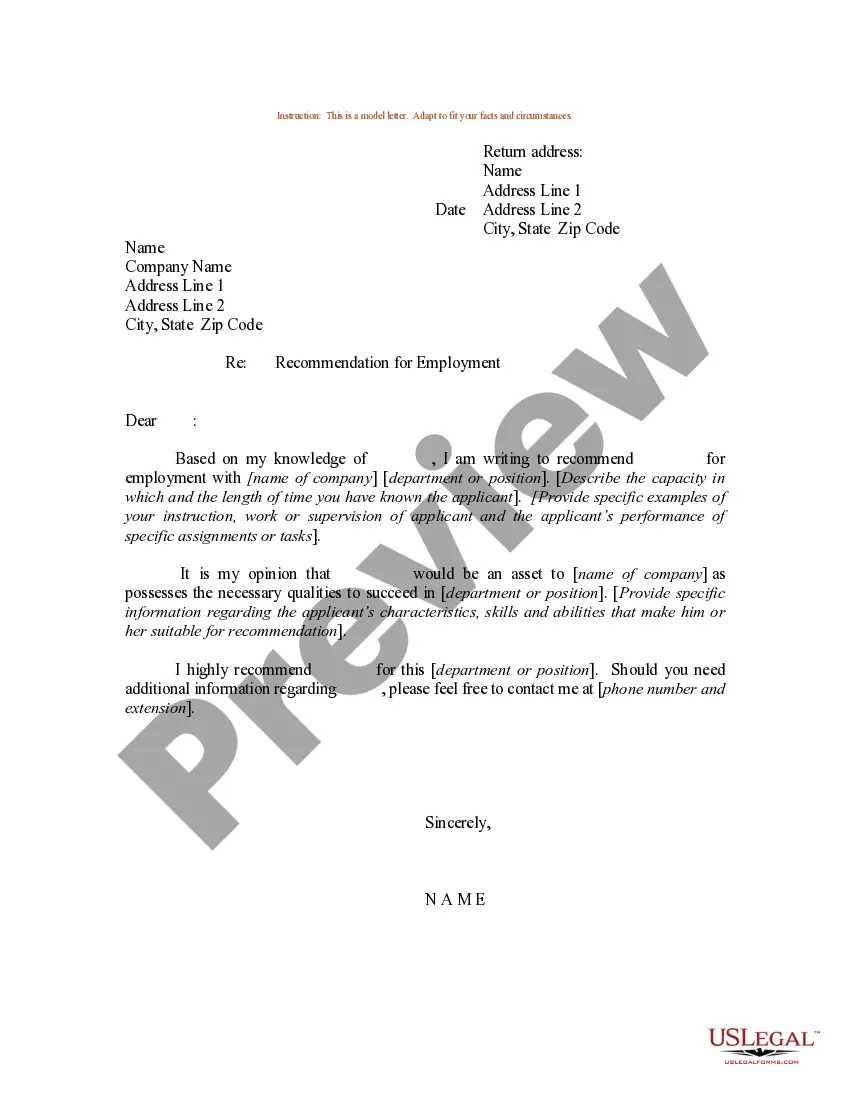
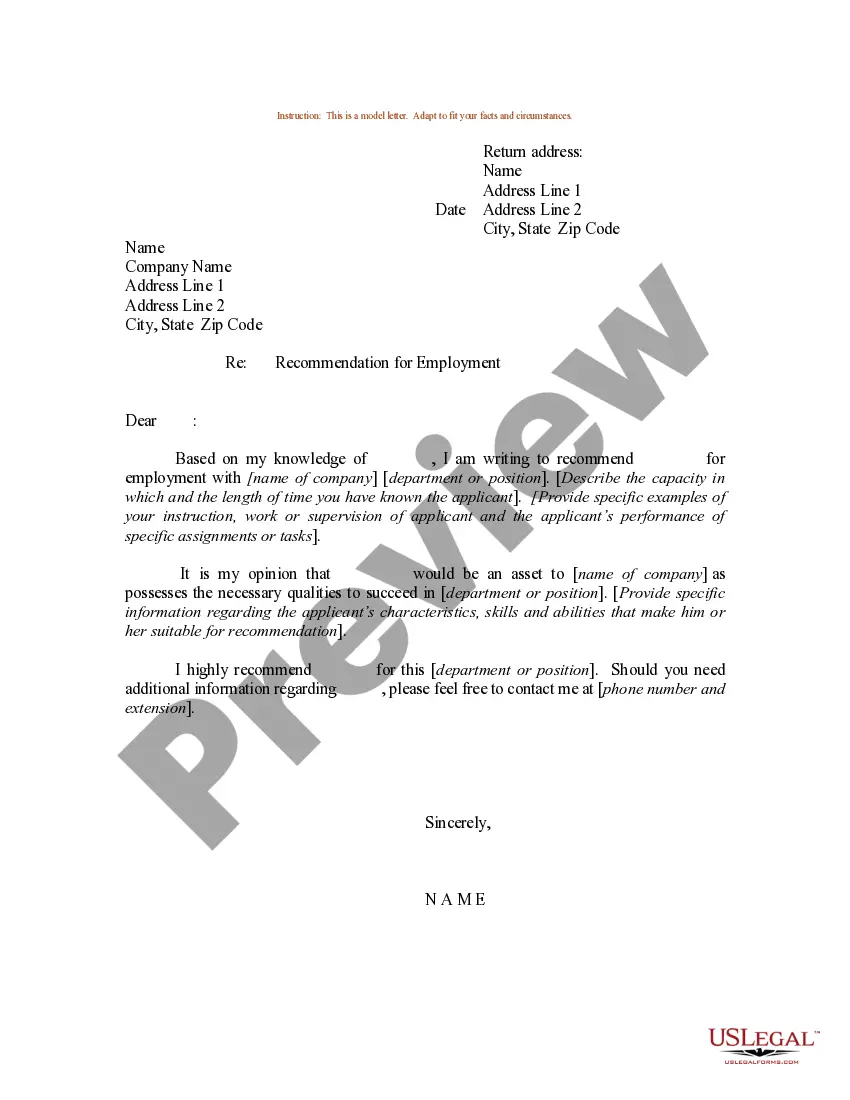
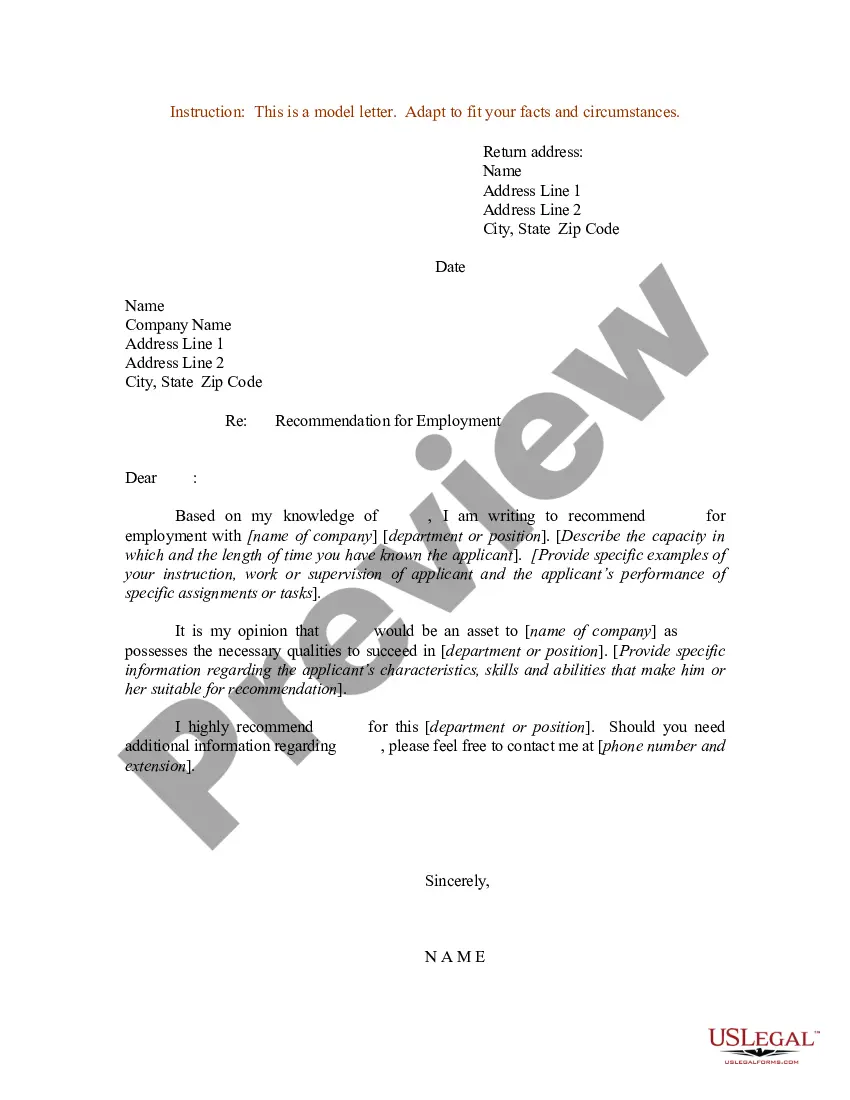
The Letter of Recommendation Template for Coworker is a customizable document designed to assist individuals in composing letters of recommendation. This form is particularly useful for endorsing a coworker for an academic scholarship, setting it apart from general recommendation letters. It provides a structured approach to highlight the candidate's qualifications and experiences effectively.
Key components of this form
- Return address: Include your name and contact details.
- Date: Specify the date the letter is written.
- Recipient's address: Details of the person or organization receiving the letter.
- Subject line: Clearly state the purpose of the letter.
- Body of the letter: Outline the candidate's qualifications, skills, and experiences.
- Closing signature: Space for your signature and printed name.
Common use cases
This form should be used when you need to provide a professional endorsement for a coworker who is applying for an academic scholarship. It is appropriate for situations where the applicant has demonstrated the necessary skills, work ethic, or character traits that merit support from a colleague.
Who this form is for
The intended audience for this template includes:
- Colleagues or coworkers who wish to recommend a peer for a scholarship.
- Supervisors or managers writing on behalf of their team members.
- Individuals seeking a structured way to articulate their support for a coworkerâs application.
Completing this form step by step
Follow these steps to fill out the Letter of Recommendation Template:
- Identify the parties: Enter your information in the return address section.
- Specify the date: Write the date when the recommendation is being issued.
- Enter the recipient's details: Include the name and address of the person or organization receiving the letter.
- Complete the subject line: Clearly indicate that this is a letter of recommendation.
- Draft the letter body: Detail the qualifications and experiences of the coworker you are recommending.
- Sign the letter: Provide space for your signature and print your name below it.
Notarization guidance
This form does not typically require notarization unless specified by local law. However, ensure that the final document is appropriately signed by the recommender for it to be effective.
Get your form ready online
Our built-in tools help you complete, sign, share, and store your documents in one place.
Make edits, fill in missing information, and update formatting in US Legal Forms—just like you would in MS Word.
Download a copy, print it, send it by email, or mail it via USPS—whatever works best for your next step.
Sign and collect signatures with our SignNow integration. Send to multiple recipients, set reminders, and more. Go Premium to unlock E-Sign.
If this form requires notarization, complete it online through a secure video call—no need to meet a notary in person or wait for an appointment.
We protect your documents and personal data by following strict security and privacy standards.

Make edits, fill in missing information, and update formatting in US Legal Forms—just like you would in MS Word.

Download a copy, print it, send it by email, or mail it via USPS—whatever works best for your next step.

Sign and collect signatures with our SignNow integration. Send to multiple recipients, set reminders, and more. Go Premium to unlock E-Sign.

If this form requires notarization, complete it online through a secure video call—no need to meet a notary in person or wait for an appointment.

We protect your documents and personal data by following strict security and privacy standards.
Common mistakes
- Providing vague or generic praise instead of specific examples.
- Failing to proofread for grammatical or spelling errors.
- Omitting necessary details such as the recipient's information or date.
Benefits of completing this form online
- Convenience of instant download and easy editing.
- Reliability of professionally drafted content by licensed attorneys.
- Customizability to fit specific situations and individuals.
Looking for another form?

Form popularity
FAQ
Keep the information factual. Avoid opinions about issues such as personal conflicts. Qualify what you say. Make your praise specific. Refer to specific tasks or projects. Avoid examples that highlight a candidate's weaknesses.
Think carefully before saying yes. Follow a business letter format. Focus on the job description. Explain how you know the person, and for how long. Focus on one or two traits. Remain positive. Share your contact information. Follow the submission guidelines.
Always start with the date. State who you are recommending and what you are recommending them for. Describe how long you know the person and in what capacity. State their best qualities. Give details about the person's character, morals, and values.
Review the important information. Introduce yourself and explain your professional relationship. Include specific examples of your coworker's accomplishments. Explain what your coworker will add to the new company or university. Include contact information.
#1: Explains Why You're Qualified to Recommend the Candidate. #2: Customized to the New Position. #3: Uses Specific Examples and Anecdotes. Use an Official Format. Start with a Strong Opener. Include Two to Three Specific Examples.
Start by explaining your relationship to the candidate. How do you know the candidate? Include long you've known the candidate. Add positive personal qualities with specific examples. Close with a statement of recommendation. Offer your contact information.
Sure. Anybody can write a letter for you, but it's up to the recipient as to how that person's information is weighted. A co-worker certainly has more insight as to your ability to do a job than your neighbor or your family friend. They can also respond about how you are to work with.
Keep the information factual. Avoid opinions about issues such as personal conflicts. Qualify what you say. Make your praise specific. Refer to specific tasks or projects. Avoid examples that highlight a candidate's weaknesses.
Be positive The highest praise you can give in a reference check is saying something like, 'I would hire this person in a heartbeat. This is a person I want on my team. ' Sometimes reference checkers ask about a candidate's weaknesses or press you to rank the candidate based on other employees.