Sample Letter for Betrayed Trust
Overview of this form
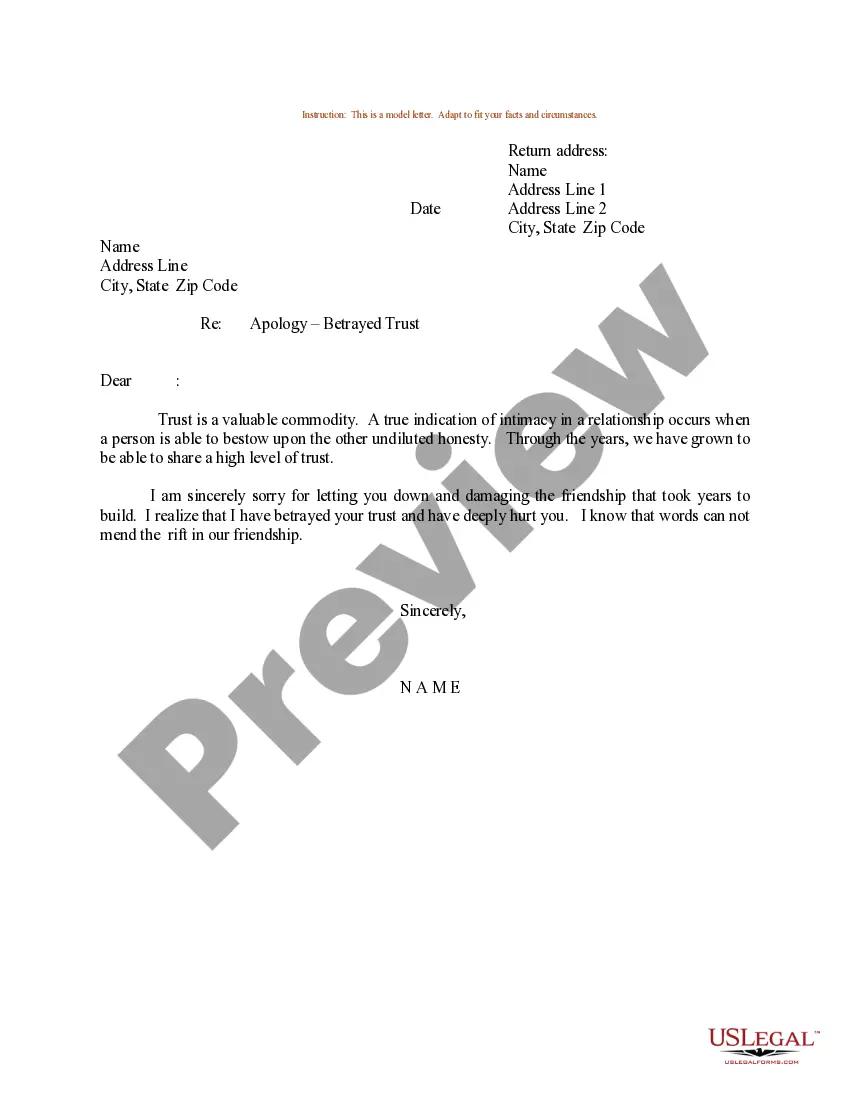
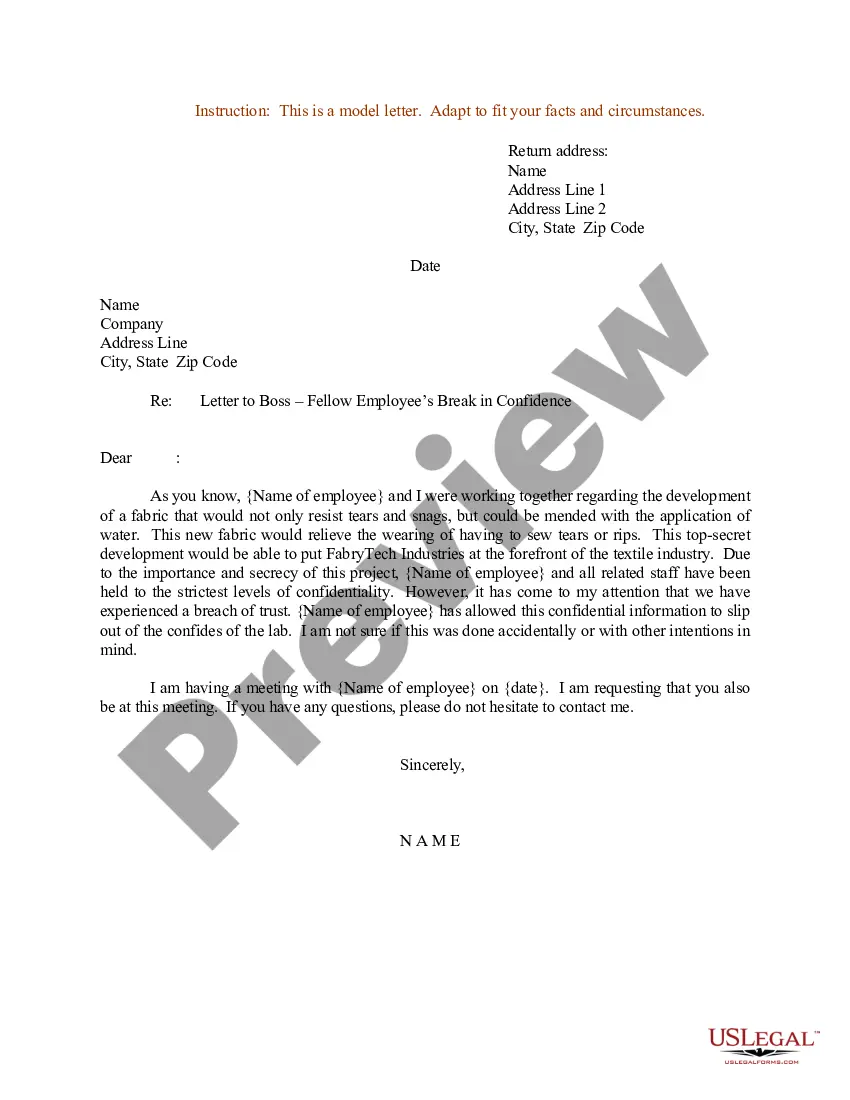
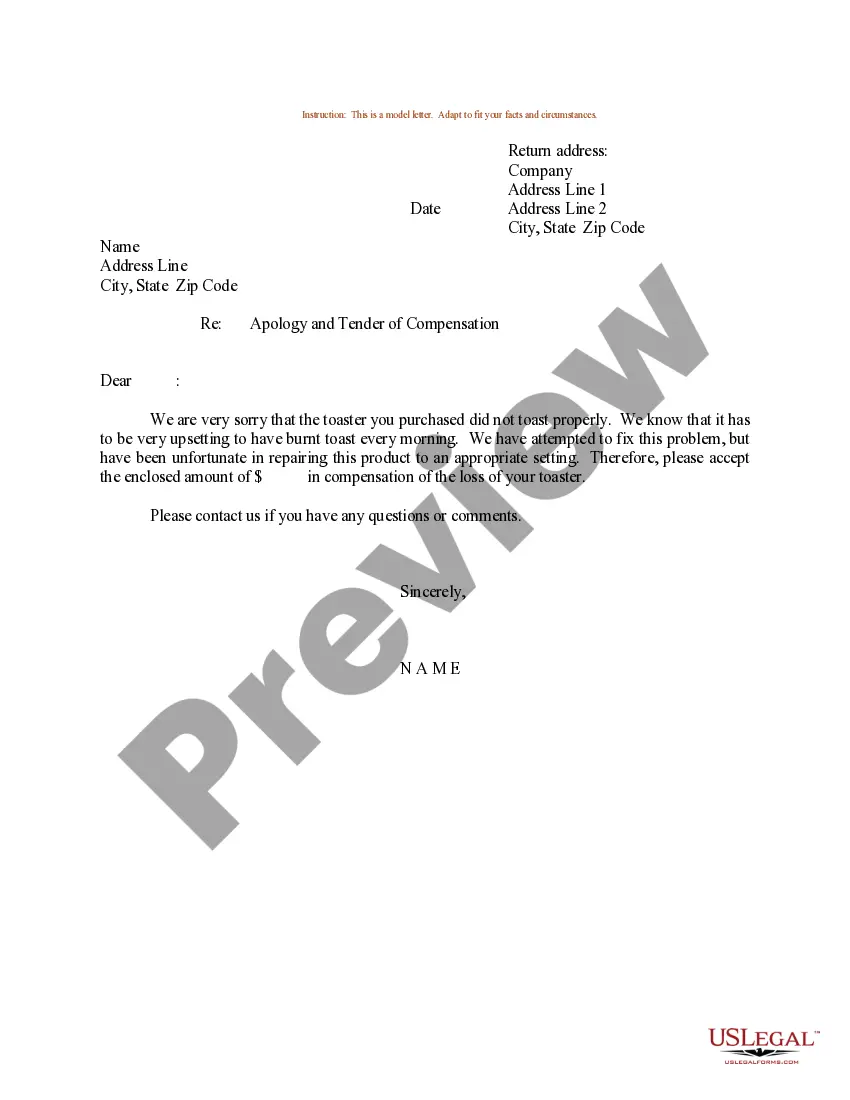
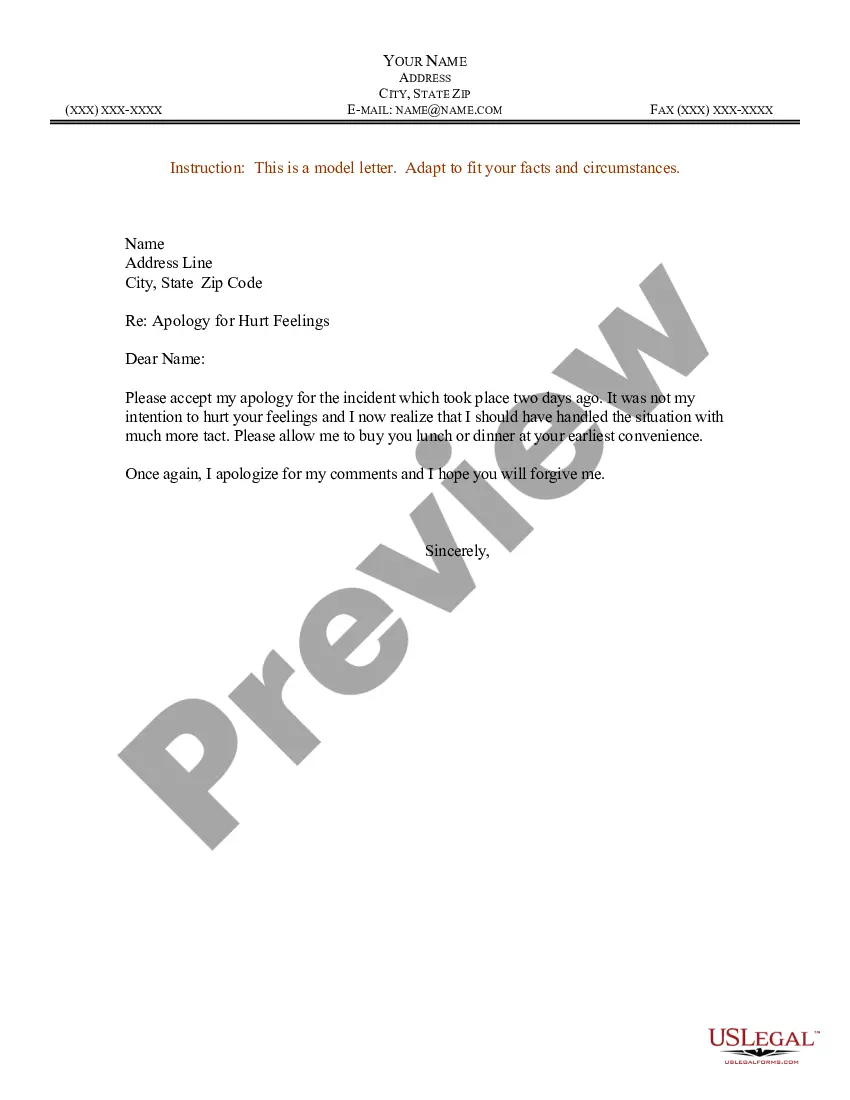
The Sample Letter for Betrayed Trust is a document designed to help individuals express their feelings and apologies regarding a breach of trust in a personal or professional relationship. This form serves as a template, allowing you to clearly communicate your emotions and intentions without ambiguity. Unlike other apology letters, this template specifically addresses the issue of trust and betrayal, making it more suitable for situations where trust has been compromised.
What’s included in this form
- Return address: Your name and address to identify the sender
- Date: The date the letter is drafted
- Recipient's address: The name and address of the person receiving the letter
- Subject line: A clear indication of the letter's purpose, here it focuses on the issue of betrayed trust
- Apology statement: A section dedicated to expressing regret and seeking to restore trust
- Closing: A polite conclusion signifying the end of the letter
Situations where this form applies
This form should be used when you have experienced a situation that led to a breach of trust with someone and you wish to communicate your feelings about it formally. It is appropriate in both personal relationships, like friendships or family ties, and in professional settings, such as between coworkers or business partners.
Who should use this form
- Individuals who feel they have betrayed someone's trust and want to apologize
- Employees seeking to mend professional relationships after a breach of trust
- Friends or family members looking to repair personal relationships
- Anyone wishing to communicate their feelings about trust issues effectively
Instructions for completing this form
- Identify the sender's and recipient's information at the top of the letter.
- Insert the current date to mark when the letter is written.
- Clearly state the subject line to indicate the purpose of the letter.
- Write your apology and explain the circumstances of the betrayed trust.
- Sign off with a polite closing and your name.
Does this form need to be notarized?
Notarization is not commonly needed for this form. However, certain documents or local rules may make it necessary. Our notarization service, powered by Notarize, allows you to finalize it securely online anytime, day or night.
Get your form ready online
Our built-in tools help you complete, sign, share, and store your documents in one place.
Make edits, fill in missing information, and update formatting in US Legal Forms—just like you would in MS Word.
Download a copy, print it, send it by email, or mail it via USPS—whatever works best for your next step.
Sign and collect signatures with our SignNow integration. Send to multiple recipients, set reminders, and more. Go Premium to unlock E-Sign.
If this form requires notarization, complete it online through a secure video call—no need to meet a notary in person or wait for an appointment.
We protect your documents and personal data by following strict security and privacy standards.

Make edits, fill in missing information, and update formatting in US Legal Forms—just like you would in MS Word.

Download a copy, print it, send it by email, or mail it via USPS—whatever works best for your next step.

Sign and collect signatures with our SignNow integration. Send to multiple recipients, set reminders, and more. Go Premium to unlock E-Sign.

If this form requires notarization, complete it online through a secure video call—no need to meet a notary in person or wait for an appointment.

We protect your documents and personal data by following strict security and privacy standards.
Mistakes to watch out for
- Failing to personalize the letter to reflect specific situations.
- Being vague about the nature of the trust that was betrayed.
- Neglecting to proofread for grammatical errors before sending.
- Using overly formal language that may seem insincere.
Benefits of using this form online
- Instant access to a professionally drafted template for easy editing.
- The ability to customize the content to fit your specific situation.
- Conveniently download and print the letter at your convenience.
- Reliability of having a legal document reviewed by licensed attorneys.
Legal use & context
- This letter serves as a formal communication that can potentially be used in discussions for conflict resolution.
- While it expresses personal feelings, it may not have legal standing unless accompanied by other formal agreements.
Key takeaways
- The Sample Letter for Betrayed Trust helps articulate feelings of betrayal clearly.
- It's suitable for various personal and professional contexts.
- You can customize it to ensure your message accurately reflects your situation.
Looking for another form?


Form popularity
FAQ
Write a brief highlight of what led to the incident and how you hurt the individual. Apologize once more. Acknowledge you hurt their feelings. Inform the individual you know how they feel.
Use "I" statements instead of "You" statements. For example, say "I feel betrayed because" instead of "You betrayed me because" Although you may feel extremely hurt and angry, this type of writing dissolves negative blame and won't make the other person feel you are verbally attacking them.
Say you're sorry. Not, I'm sorry, but . . . Just plain ol' I'm sorry. Own the mistake. It's important to show the wronged person that you're willing to take responsibility for your actions. Describe what happened. Have a plan. Admit you were wrong. Ask for forgiveness.
Take Responsibility for your actions. Recognize and sincerely acknowledge the mistake you made. Express Regret and Remorse about what you've done and the pain it caused. Be prepared to provide Remedy and Restitution to give your partner what they need to feel safe and rebuild trust.
Keep it brief. You don't have to tell the whole story of what went wrong. Don't exaggerate. Don't blame the other person. Keep it sincere and professional.
Please accept my apologies. I'm sorry. I didn't mean to.. (I'm) sorry. I didn't realize the impact of2026 Please accept our deepest apologies for2026 Please accept my sincere apologies for2026 Please accept this as my formal apology for2026 Please allow me to apologize for2026 I would like to express my deep regrets for2026
Taking responsibility for your actions. Some honest gestures. Of all ways to apologize, trying to fix is the best. Apologize through a handwritten note. Let them know you realize your mistake. Show that you're working on yourself. Assure them that you won't do it again. Talk to them.
Say you're sorry. Not, I'm sorry, but . . . Just plain ol' I'm sorry. Own the mistake. It's important to show the wronged person that you're willing to take responsibility for your actions. Describe what happened. Have a plan. Admit you were wrong. Ask for forgiveness.
Explain what happened simply. While there's no need for a detailed play-by-play, your recipient does need some context about what happened. Acknowledge your error. Don't tiptoe around this. Apologize. Commit to doing better. Close gracefully.