Contract with Consultant for Marketing, Website Development and Product Development
What is this form?
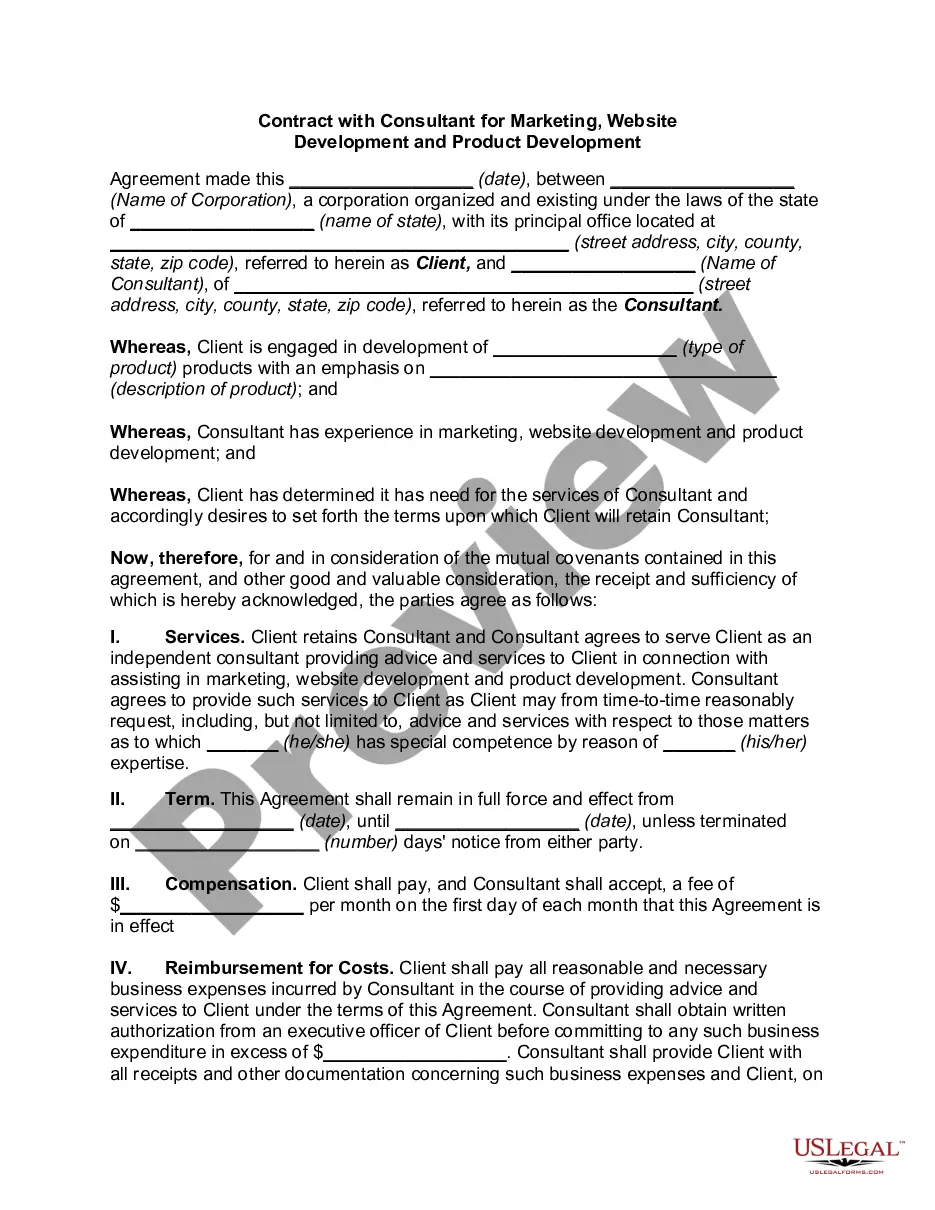
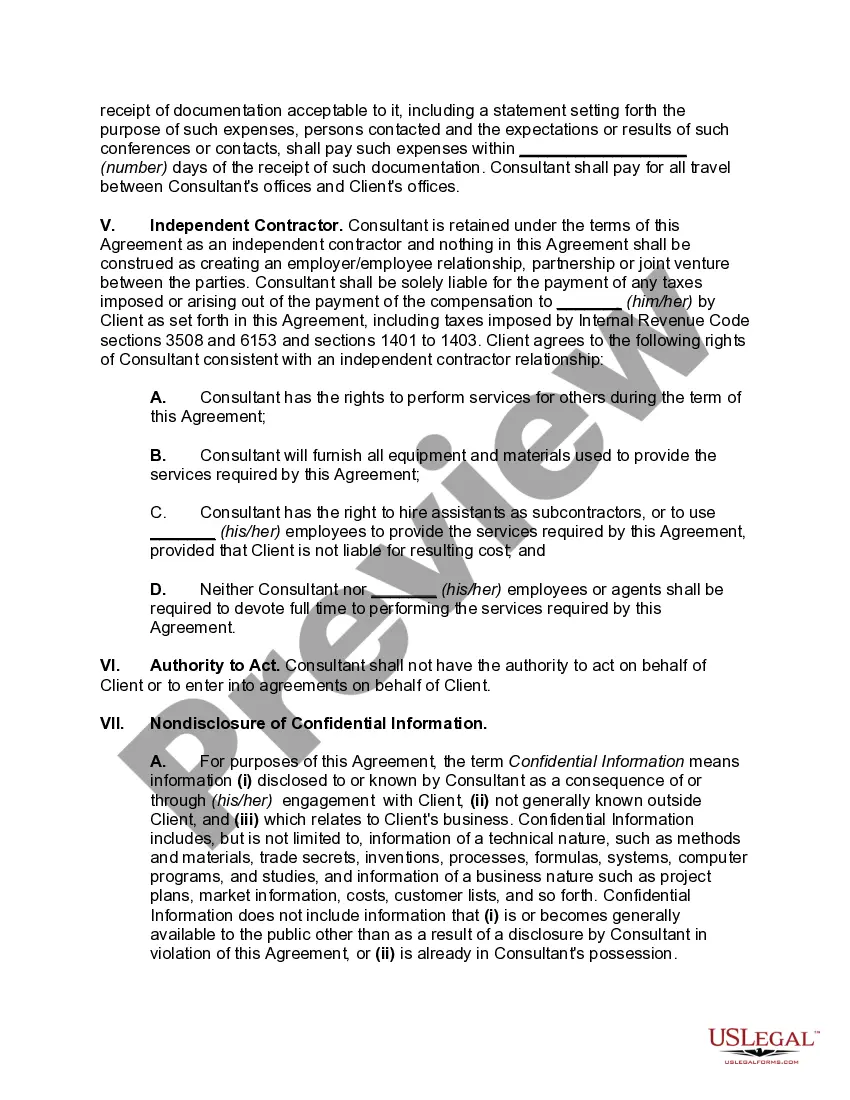
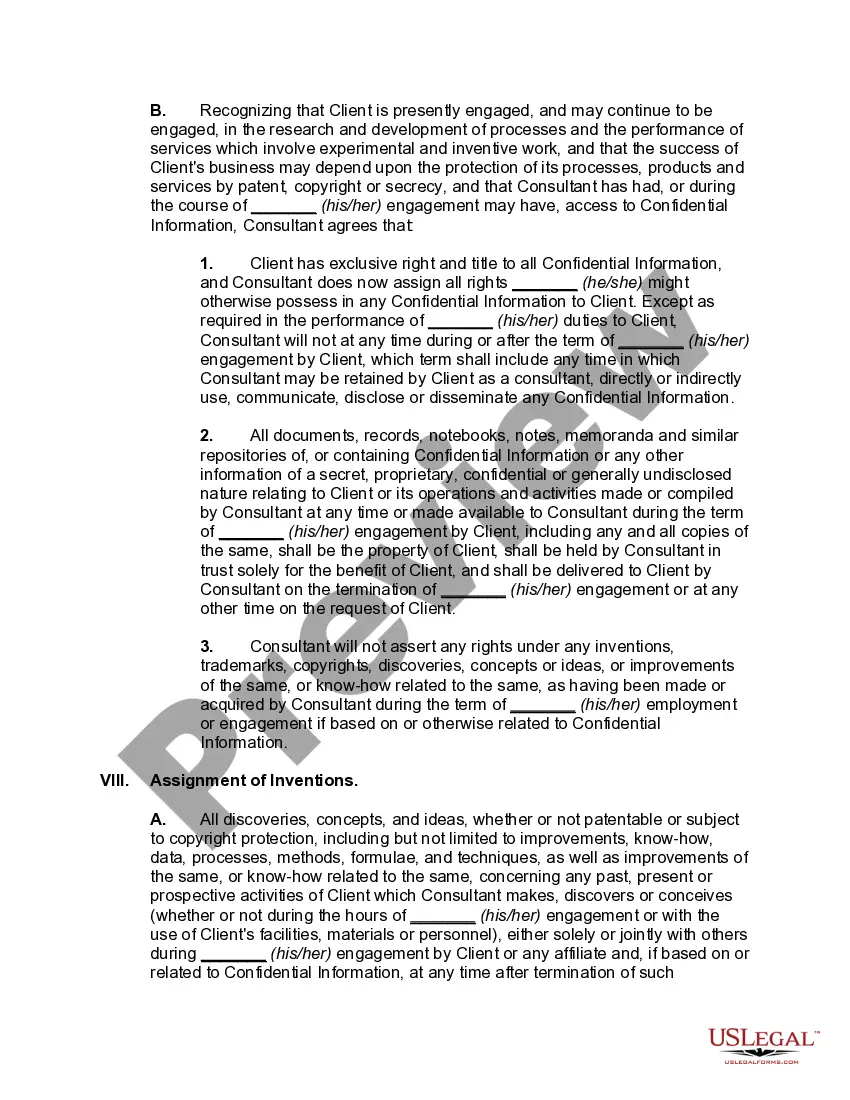
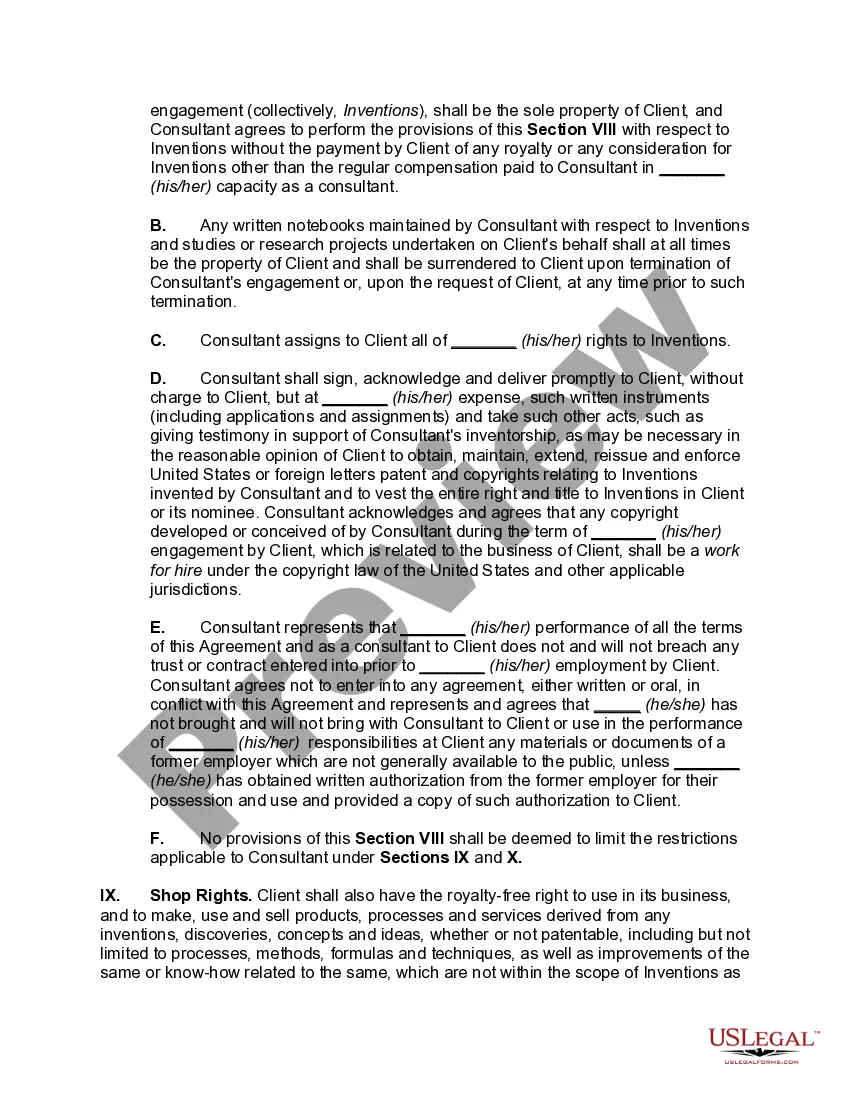
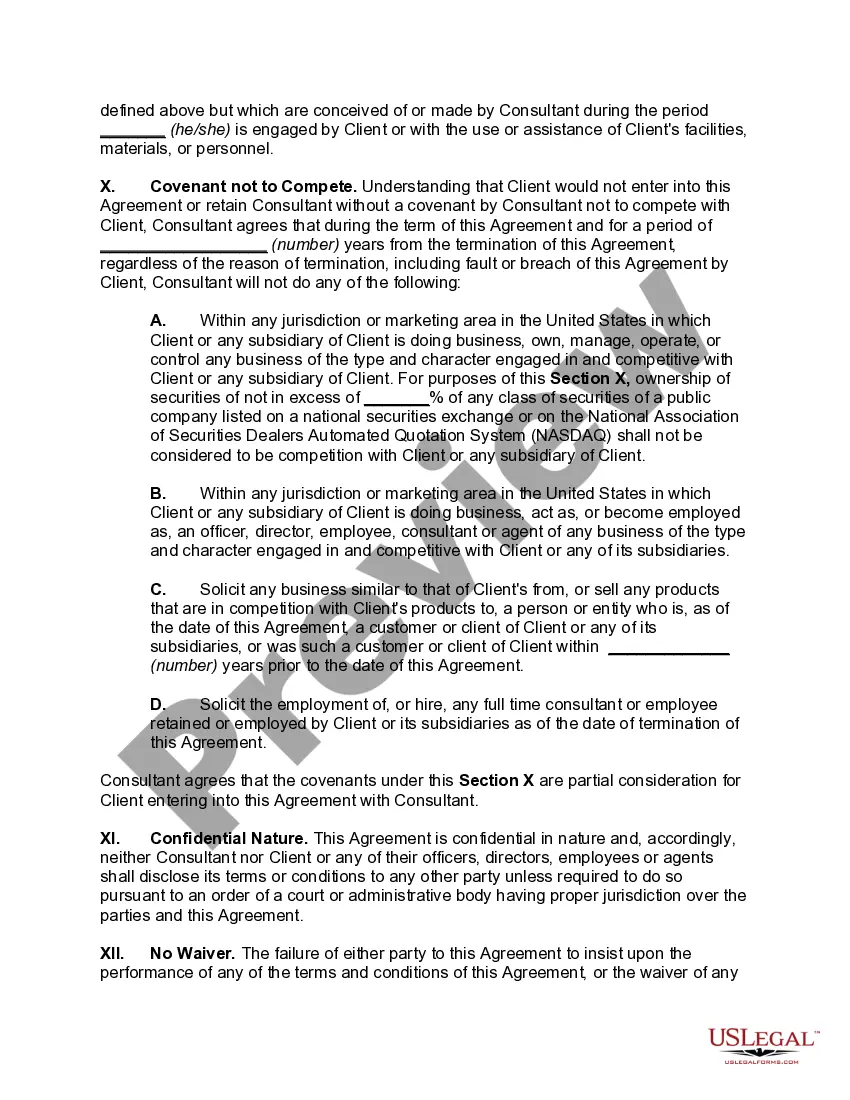
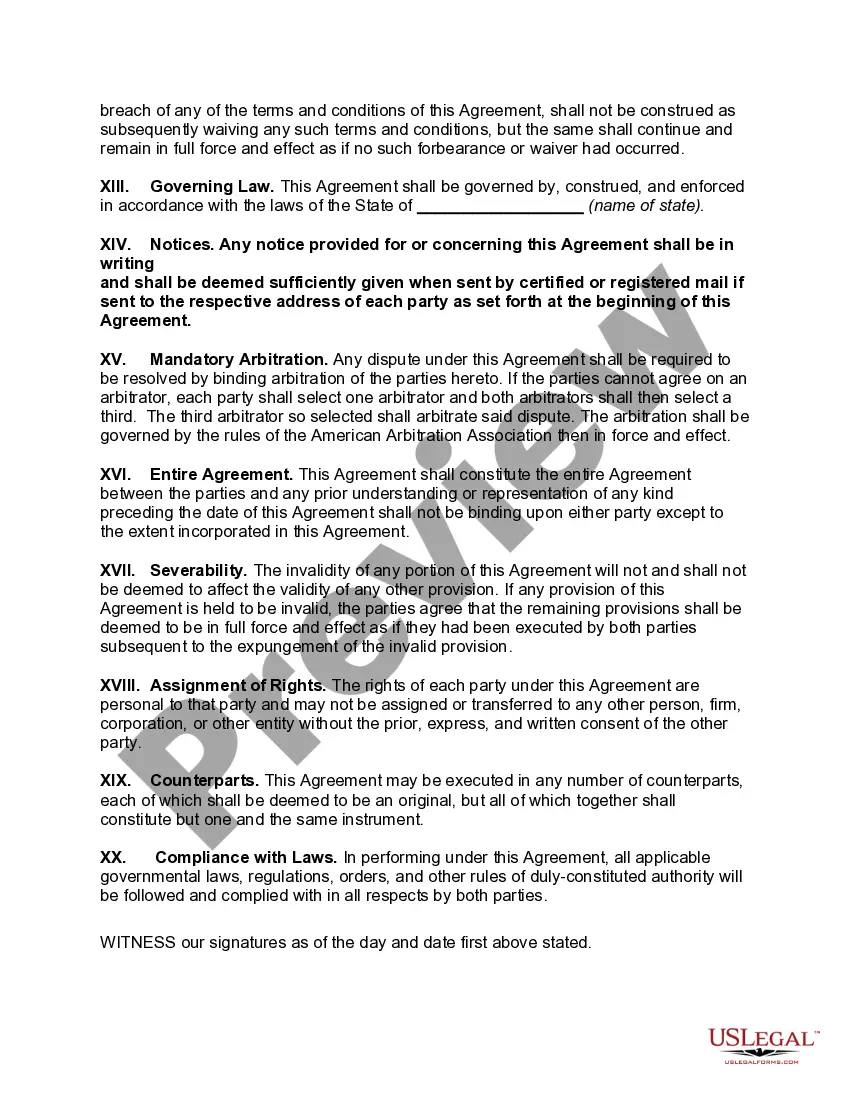
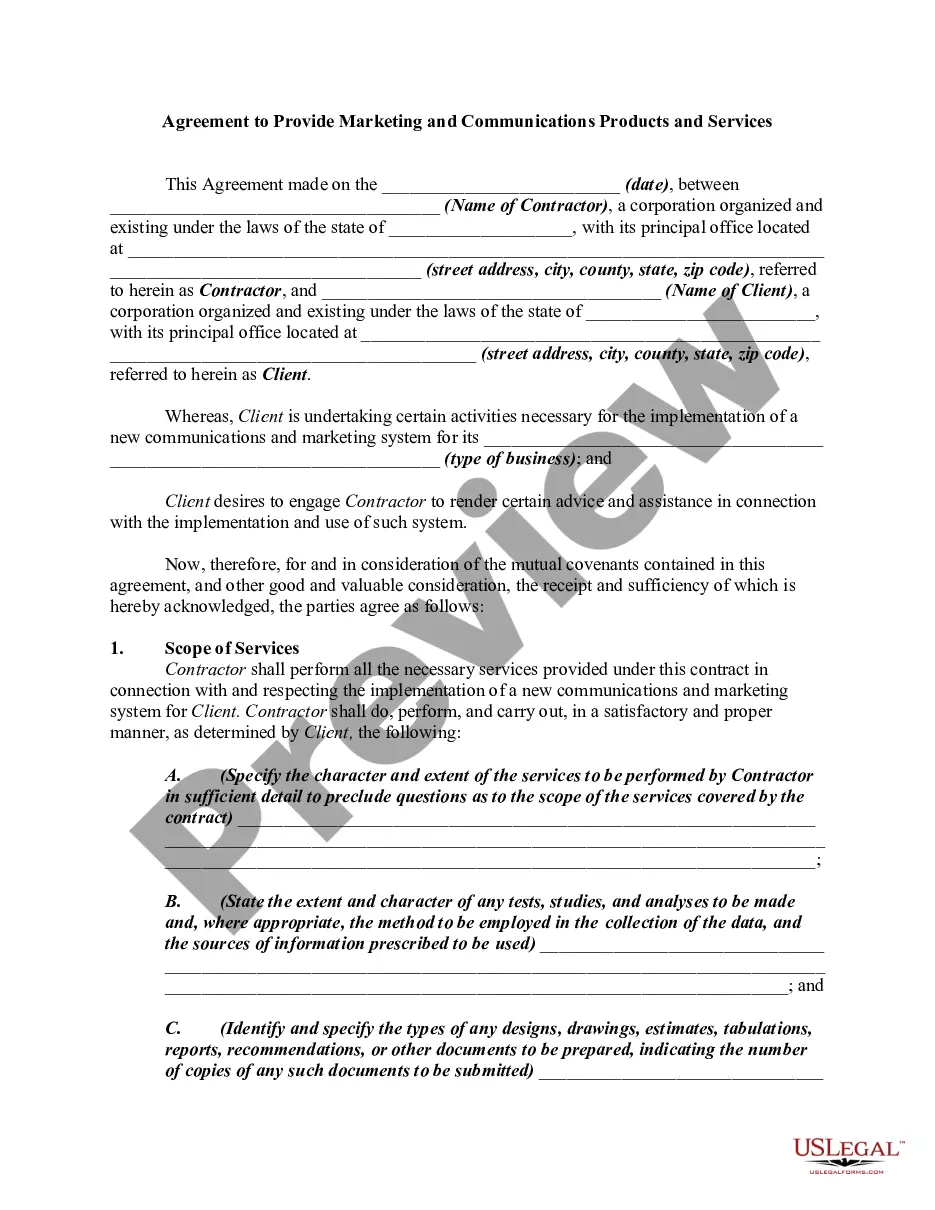
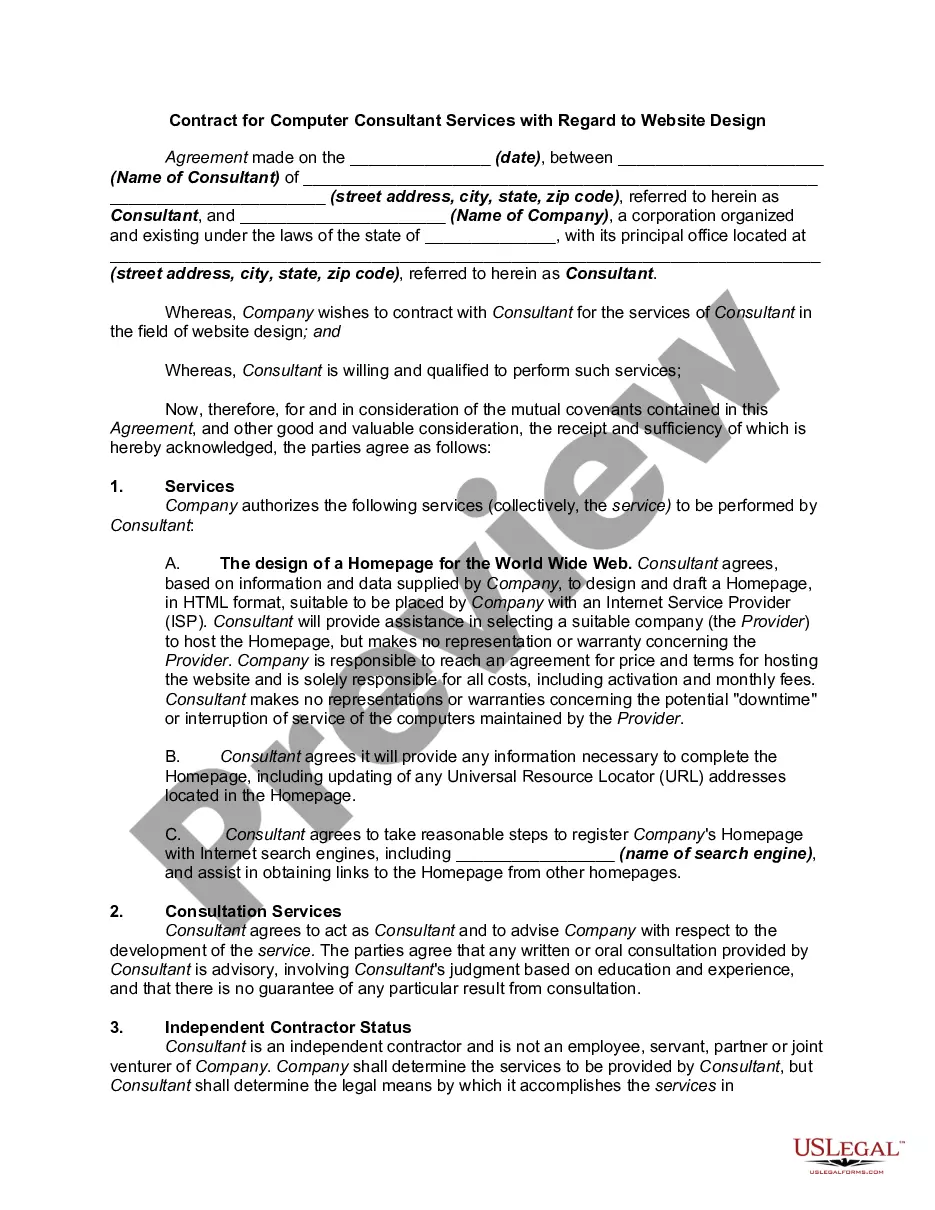
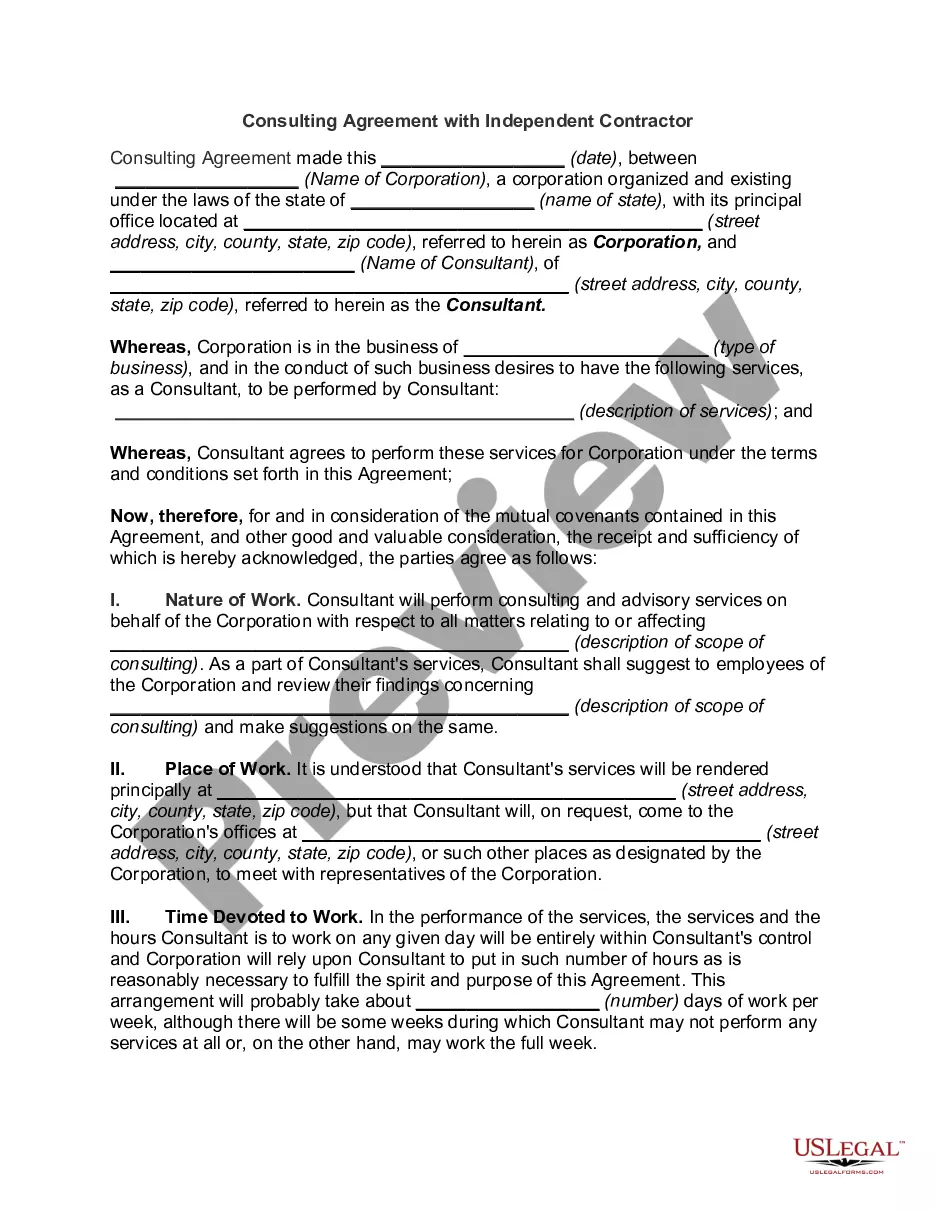
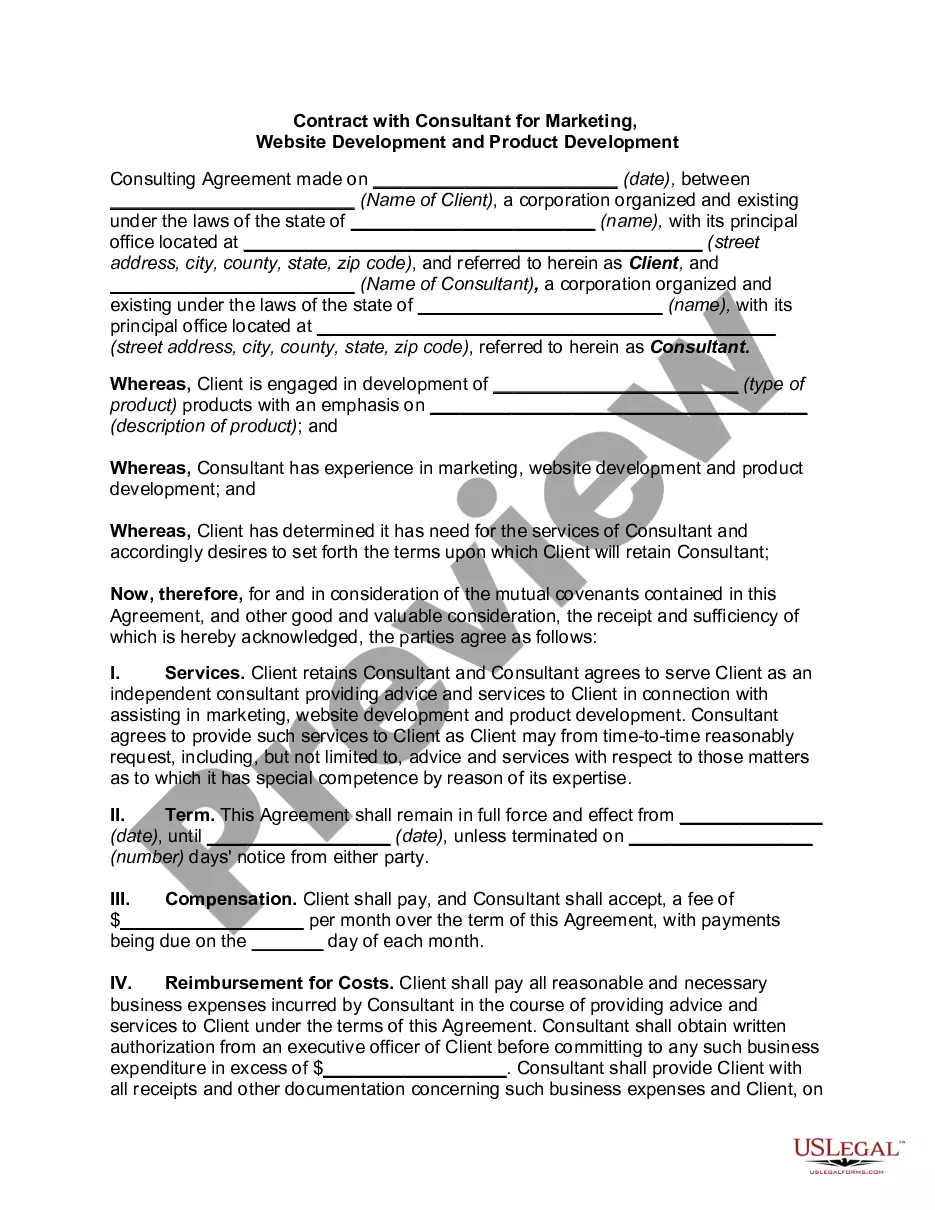
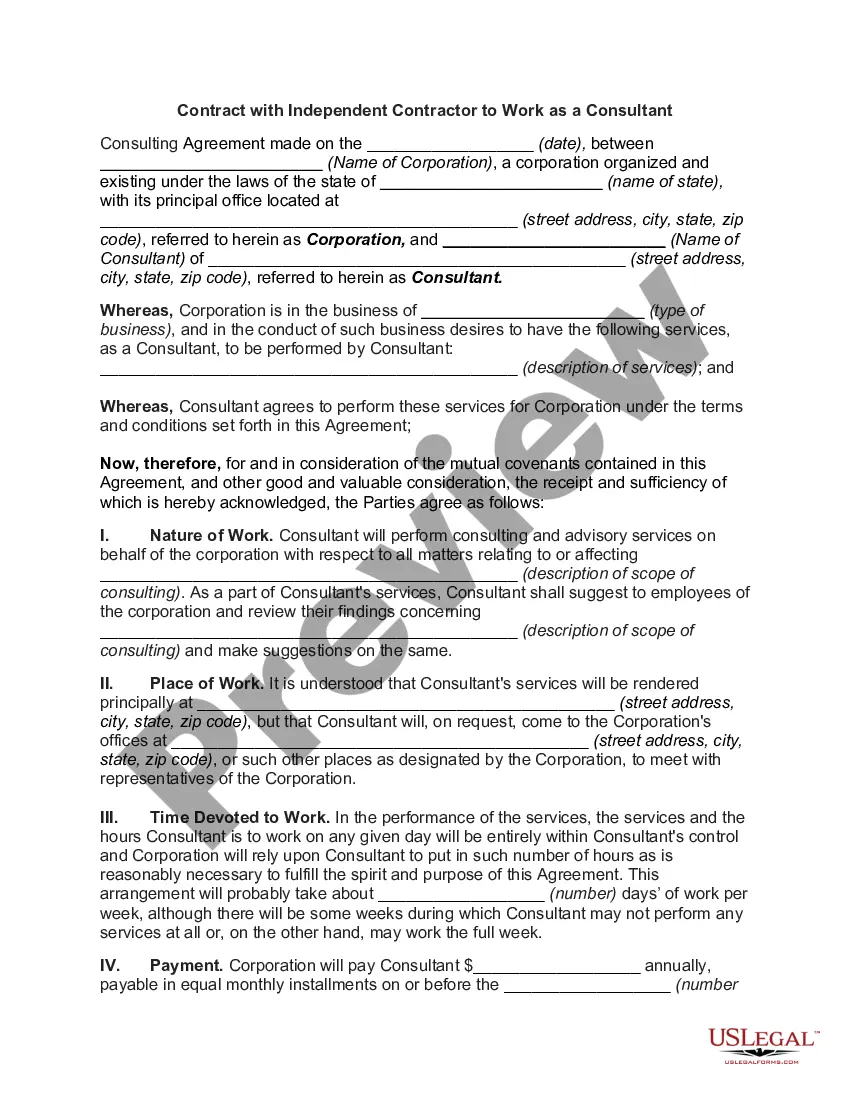
The Contract with Consultant for Marketing, Website Development and Product Development is a legal agreement that outlines the scope of services provided by a consultant to a client. This form is essential for businesses seeking professional assistance in marketing, website design, and product development. It specifies the roles, responsibilities, compensation, and confidentiality obligations of both parties involved. Unlike other forms, this contract emphasizes the independent nature of the consultant-client relationship, ensuring clarity on both ends.
Key parts of this document
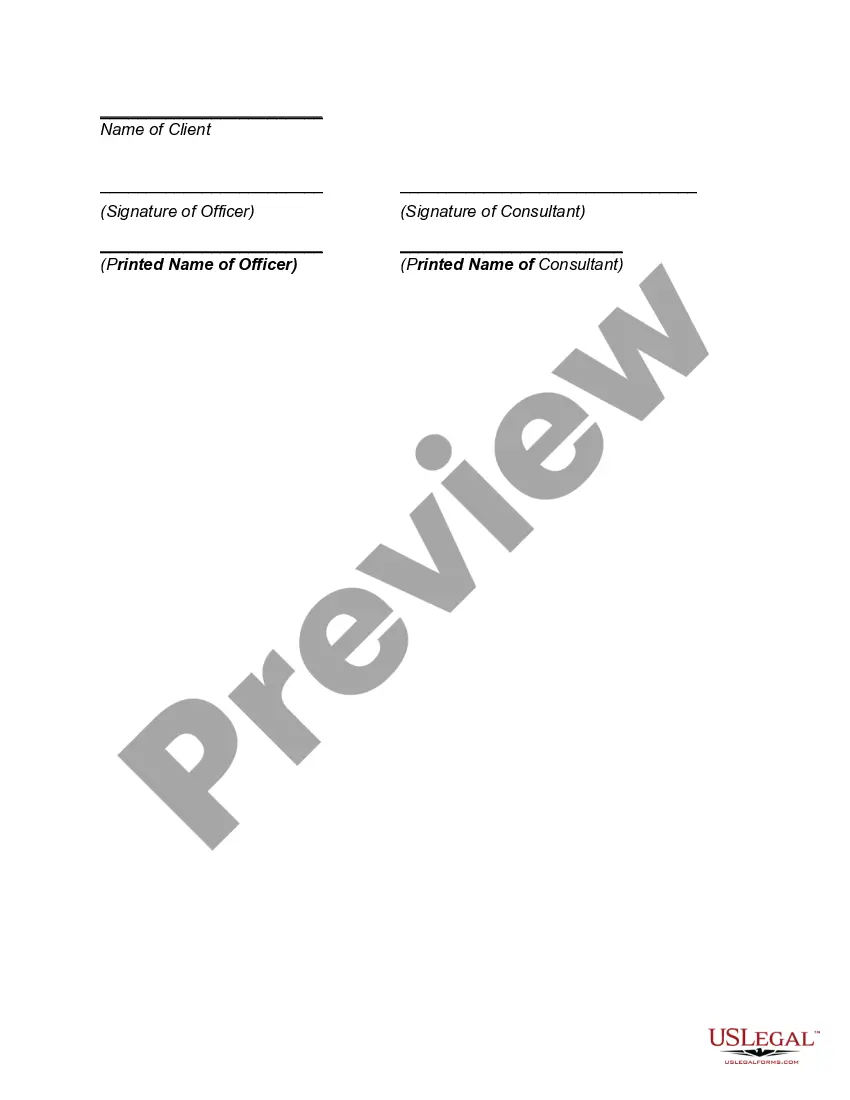
- Identification of parties: Names and addresses of the client and consultant.
- Scope of services: Description of the specific marketing, website development, and product development services to be provided.
- Compensation structure: Terms regarding payment for services rendered.
- Confidentiality clause: Provisions protecting sensitive information shared between parties.
- Non-compete agreement: Limitations on the consultant's ability to work with competing businesses.
- Governing law: Legal jurisdiction that governs the agreement.
Common use cases
This contract should be used when a business engages a consultant for the purpose of enhancing its marketing efforts, developing its website, or advancing its product development initiatives. It's particularly useful when a specific agreement is needed to define the working relationship, ensure confidentiality, and protect proprietary interests. Scenarios may include hiring a consultant for a product launch, updating a brand's online presence, or creating marketing materials.
Who should use this form
- Businesses looking to hire a consultant for marketing services.
- Companies in need of professional website development assistance.
- Organizations seeking expertise in product development.
- Consultants who want to formalize their relationship with clients.
Completing this form step by step
- Identify the parties: Fill in the names and addresses of both the client and the consultant.
- Specify the services: Describe the marketing, website development, and product development services the consultant will provide.
- Enter compensation details: State the monthly fee and payment schedule for services rendered.
- Set the term of the agreement: Indicate the start and end dates of the contract.
- Include confidentiality and non-compete clauses: Ensure that both parties understand their obligations regarding company secrets and competing businesses.
Is notarization required?
This form usually doesn’t need to be notarized. However, local laws or specific transactions may require it. Our online notarization service, powered by Notarize, lets you complete it remotely through a secure video session, available 24/7.
Get your form ready online
Our built-in tools help you complete, sign, share, and store your documents in one place.
Make edits, fill in missing information, and update formatting in US Legal Forms—just like you would in MS Word.
Download a copy, print it, send it by email, or mail it via USPS—whatever works best for your next step.
Sign and collect signatures with our SignNow integration. Send to multiple recipients, set reminders, and more. Go Premium to unlock E-Sign.
If this form requires notarization, complete it online through a secure video call—no need to meet a notary in person or wait for an appointment.
We protect your documents and personal data by following strict security and privacy standards.

Make edits, fill in missing information, and update formatting in US Legal Forms—just like you would in MS Word.

Download a copy, print it, send it by email, or mail it via USPS—whatever works best for your next step.

Sign and collect signatures with our SignNow integration. Send to multiple recipients, set reminders, and more. Go Premium to unlock E-Sign.

If this form requires notarization, complete it online through a secure video call—no need to meet a notary in person or wait for an appointment.

We protect your documents and personal data by following strict security and privacy standards.
Common mistakes
- Failing to clearly define the scope of services.
- Leaving compensation terms vague or ambiguous.
- Not including a confidentiality clause to protect sensitive information.
- Omitting essential details regarding termination notice periods.
Advantages of online completion
- Editable format allows for easy customization to fit specific needs.
- Instant access to professionally drafted language ensures reliability.
- Online availability allows for convenient completion anywhere, anytime.
- Downloadable version provides the option to store and share electronically.
Looking for another form?
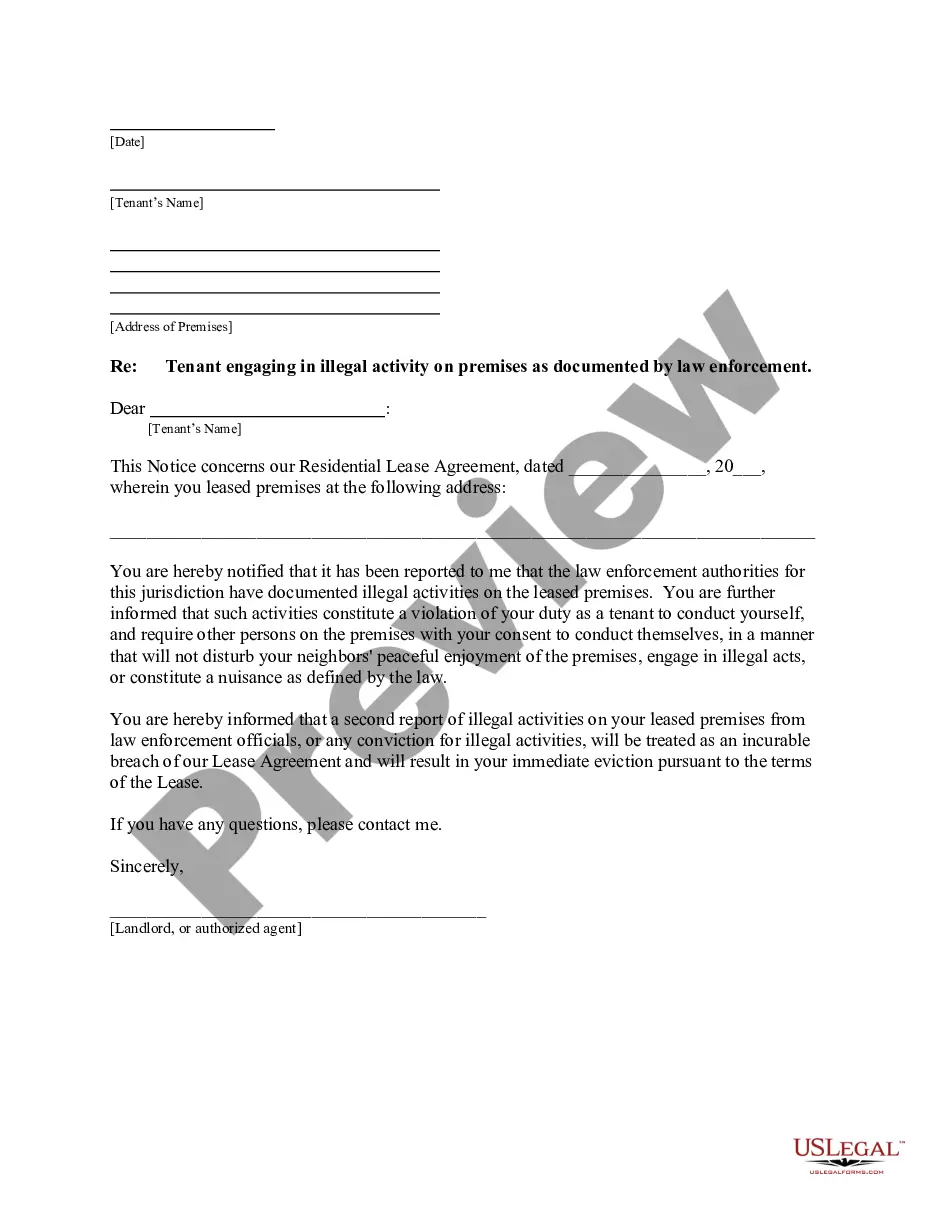
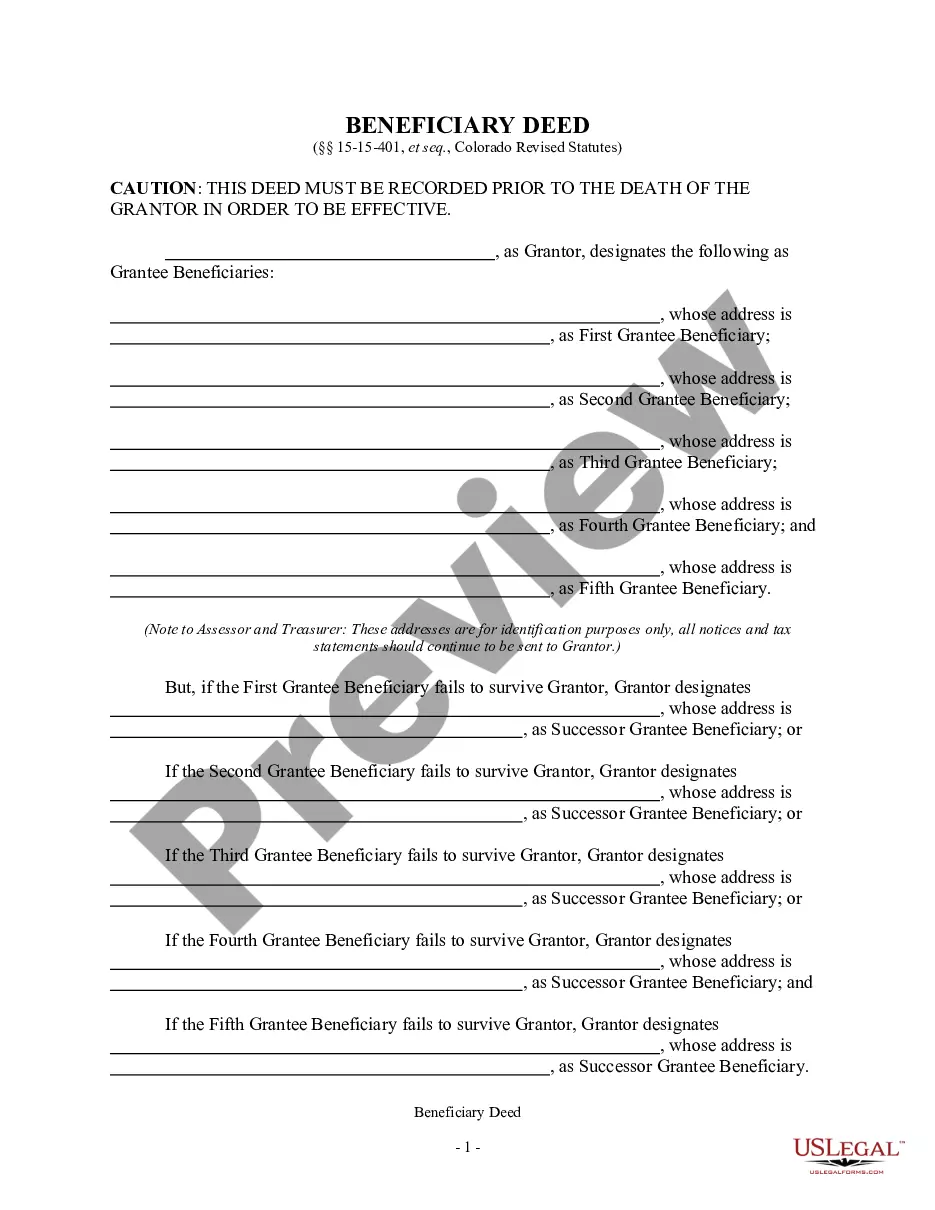
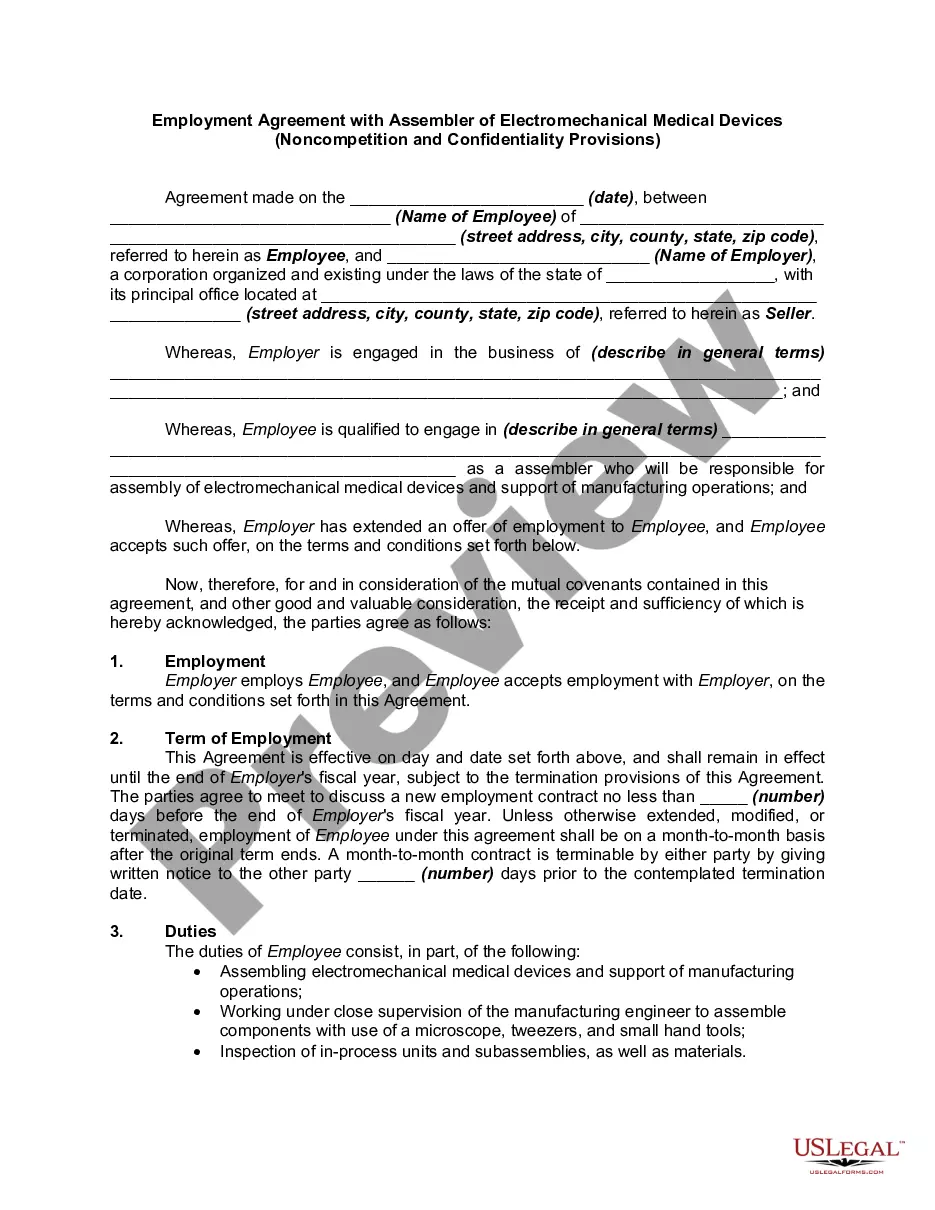
Form popularity
FAQ
Full names and titles of the people with whom you're doing business. Be sure they're all spelled correctly. Project objectives. Detailed description of the project. List of responsibilities. Fees. Timeline. Page numbers.
Get it in writing. Keep it simple. Deal with the right person. Identify each party correctly. Spell out all of the details. Specify payment obligations. Agree on circumstances that terminate the contract. Agree on a way to resolve disputes.
7 ways to get more web development projects. Once you get working experience of a few years, new clients will come more easily. Create your own website. Social media marketing. Check out freelancing websites. Do enough of networking. Collaborate with those in related industry. Referrals work like charm. Reach out.
Detailed descriptions of the work you'll be doing. Timeline for deliverables (including dates to aim for so you can create a work-back schedule) Payment details (overall cost, down payment, method of payment, due dates for payments, including late fees)
A product development agreement contract protects you and your work, as well as helps you obtain the final product you may want.If your agreement is well written, it can: Establish both parties legal duties. Describe the rights and obligations of all involved parties.
Consultant agreements are important because they outline what work will be done, as well as the terms of the agreement between the client and the consultant. A consultant agreement should be detailed and include compensation terms, contract termination, intellectual property ownership and confidentiality agreements.
Have a Clearly Defined Statement of Work. Streamline the Review and Approval Process. Protect Yourself in the Case of Project Termination. Protect Yourself Against Copyright Infringement. Make Sure the Agreement Designates a Legal Jurisdiction Near You.
Detailed descriptions of the work you'll be doing. Timeline for deliverables (including dates to aim for so you can create a work-back schedule) Payment details (overall cost, down payment, method of payment, due dates for payments, including late fees)
Define the project. Setup project tasks. Prepare the information architecture. Figure the times and costs per task. Obtain team review & approvals. Request client or stakeholder approval. Get started on your project!