Complaint for Impropriety Involving Loan Application
Understanding this form
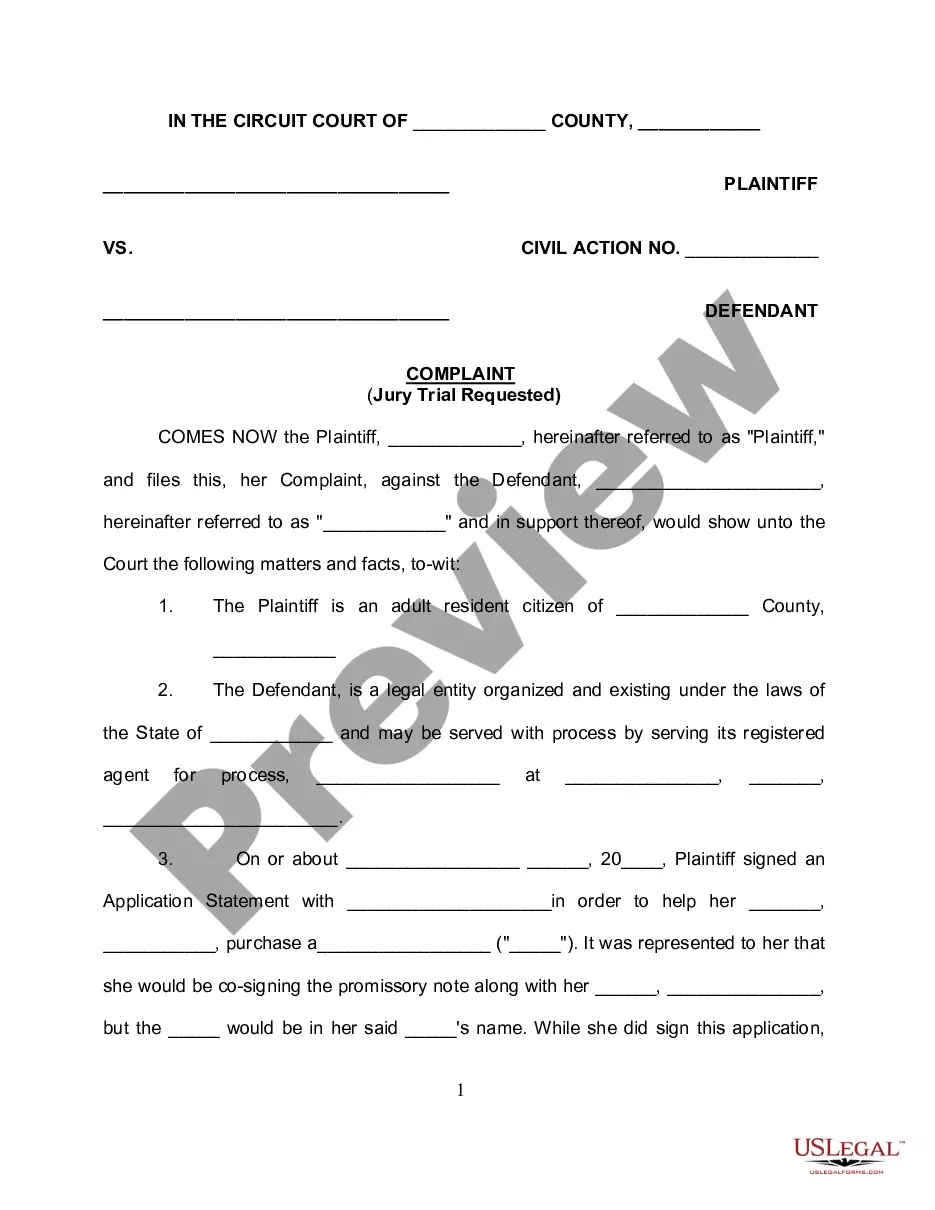
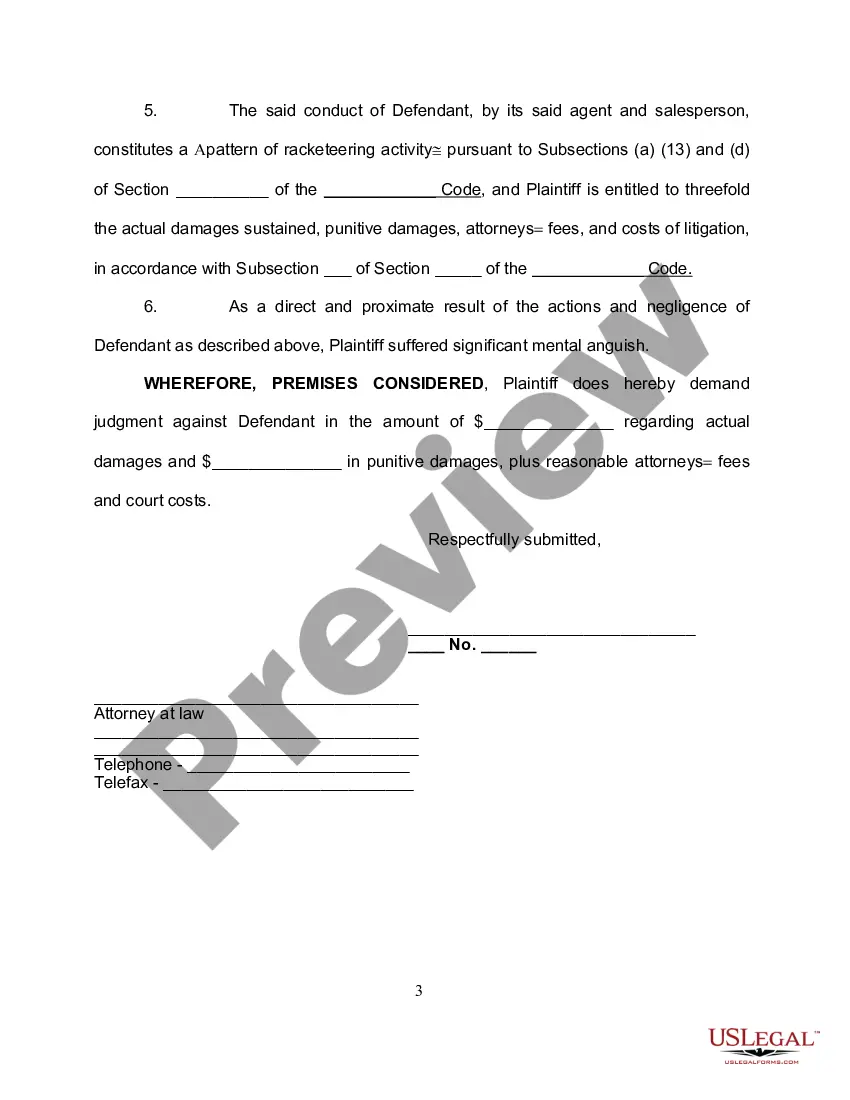
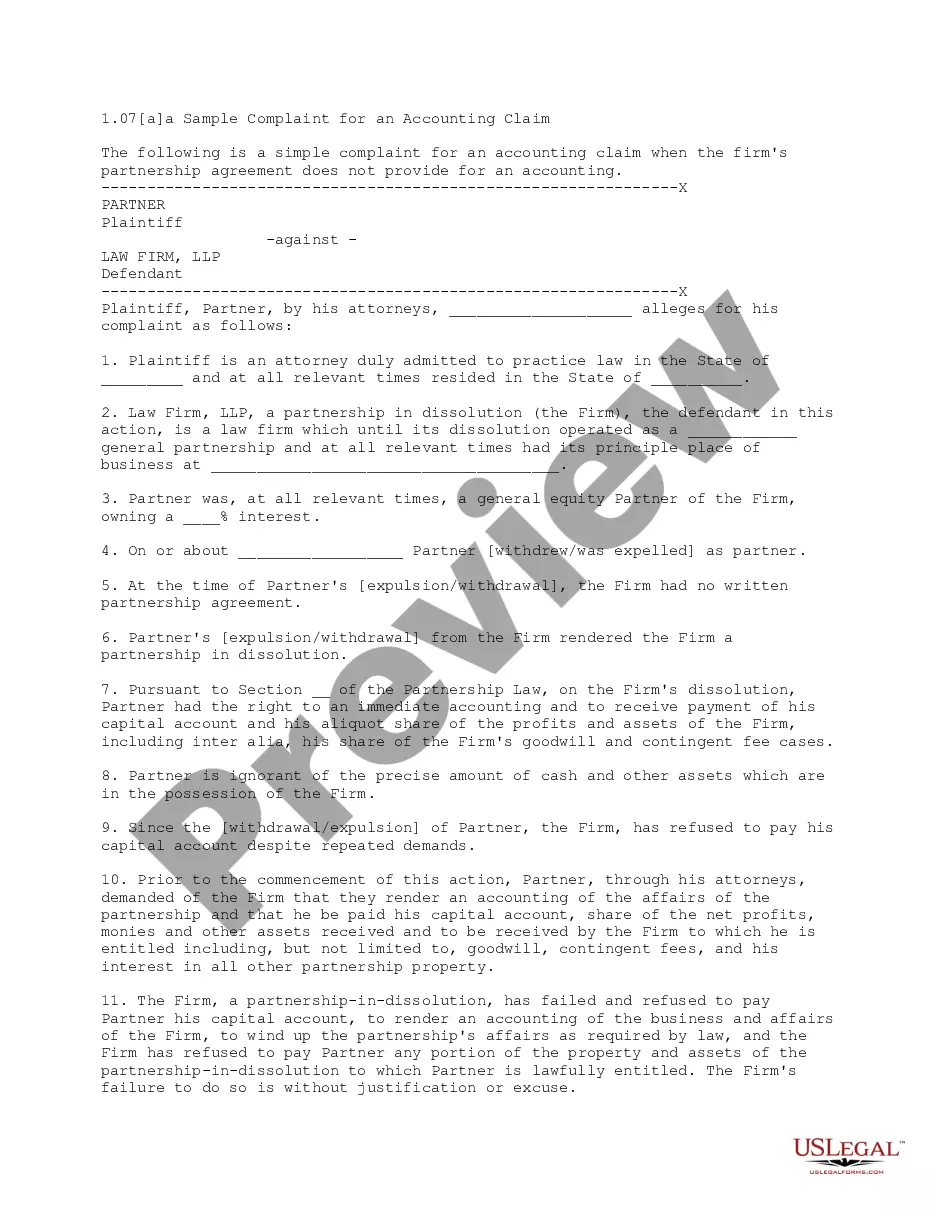
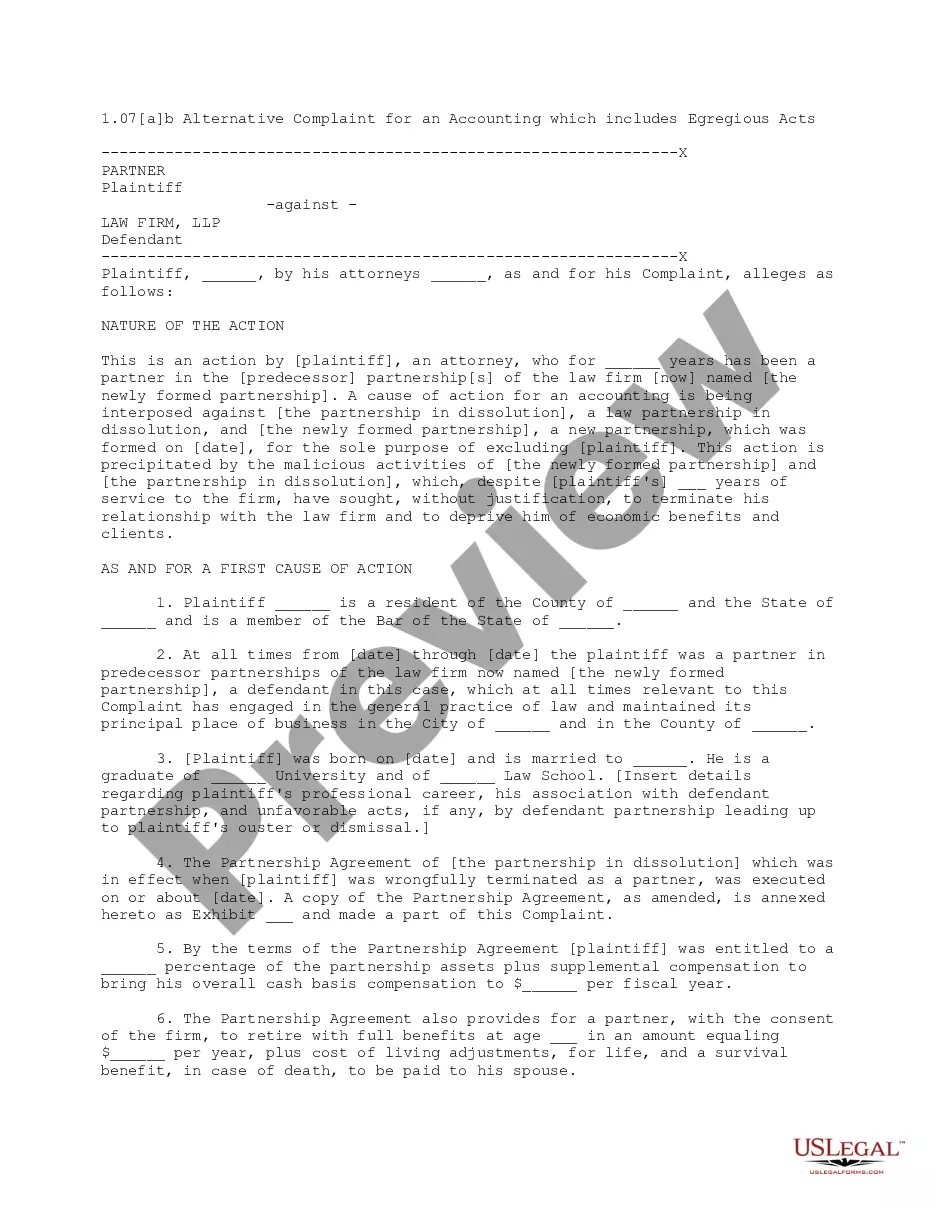
The Complaint for Impropriety Involving Loan Application is a legal document used by a plaintiff to formally allege wrongful actions related to a loan application process. This complaint addresses issues of misrepresentation, fraud, or impropriety that may arise when an entity or its agents act without the necessary consent of the applicant. Unlike similar forms, this complaint specifically targets misconduct in the context of loan applications, making it essential for anyone facing financial or legal disputes arising from such transactions.
Main sections of this form
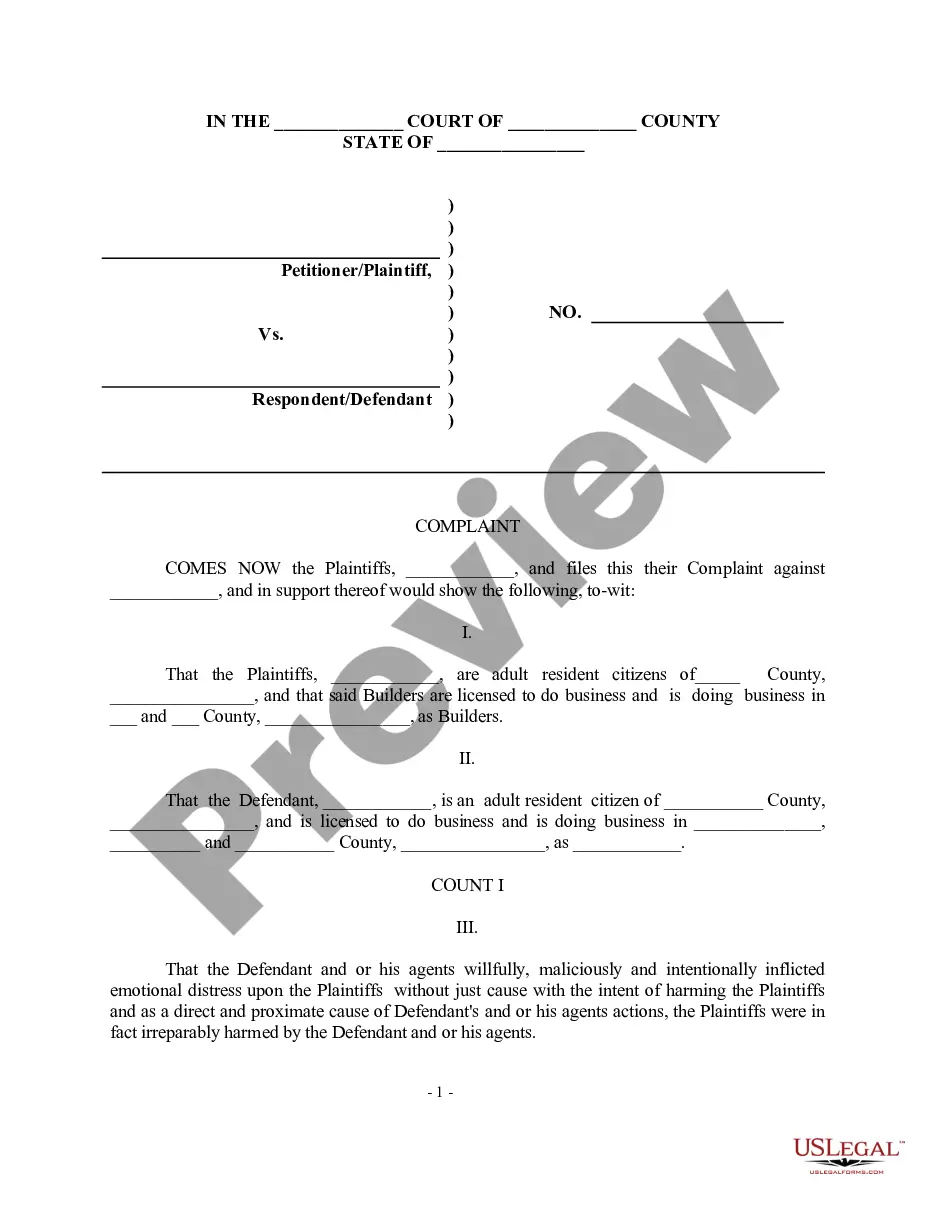
- Identification of the plaintiff and defendant, including their contact information
- Details regarding when the impropriety occurred and what actions were taken
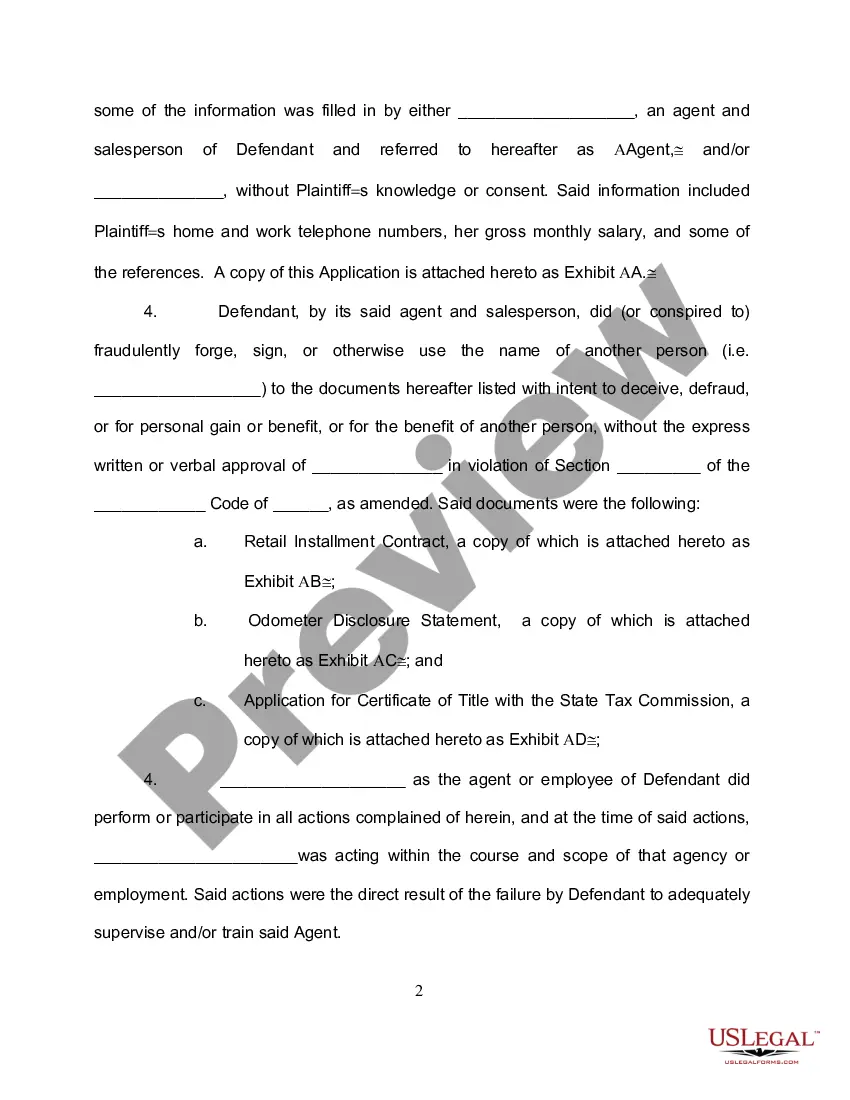
- Exhibits attached, including relevant documents and contracts
- Allegations of fraudulent actions or misrepresentations
- Claims for actual and punitive damages
- Request for a jury trial, if applicable
Situations where this form applies
This form should be used when an individual or entity believes that a loan application was handled improperly, leading to fraud or misrepresentation. Common scenarios include situations where personal information was misused without consent, where documents were forged, or if an applicant was misled about the terms of the loan application. Using this form allows the plaintiff to seek legal recourse and potentially recover damages for the impropriety experienced.
Who can use this document
- Individuals who believe they have been wronged during a loan application process
- Applicants who suspect fraudulent activities related to their financial information
- Any party acting on behalf of a victim of loan application impropriety
- Legal representatives of individuals seeking to file a complaint
Steps to complete this form
- Identify the full names and contact information for both the plaintiff and defendant.
- Describe the specifics of the loan application and the events leading to the complaint.
- Attach all relevant exhibits mentioned in the complaint for reference.
- Detail the alleged fraudulent activities and cite relevant state laws that were violated.
- Specify the damages sought and any requests for punitive damages.
- Sign and date the complaint at the designated places, ensuring any legal representatives also sign as required.
Does this document require notarization?
This form does not typically require notarization unless specified by local law. However, verifying with local regulations is always advisable to ensure compliance.
Get your form ready online
Our built-in tools help you complete, sign, share, and store your documents in one place.
Make edits, fill in missing information, and update formatting in US Legal Forms—just like you would in MS Word.
Download a copy, print it, send it by email, or mail it via USPS—whatever works best for your next step.
Sign and collect signatures with our SignNow integration. Send to multiple recipients, set reminders, and more. Go Premium to unlock E-Sign.
If this form requires notarization, complete it online through a secure video call—no need to meet a notary in person or wait for an appointment.
We protect your documents and personal data by following strict security and privacy standards.

Make edits, fill in missing information, and update formatting in US Legal Forms—just like you would in MS Word.

Download a copy, print it, send it by email, or mail it via USPS—whatever works best for your next step.

Sign and collect signatures with our SignNow integration. Send to multiple recipients, set reminders, and more. Go Premium to unlock E-Sign.

If this form requires notarization, complete it online through a secure video call—no need to meet a notary in person or wait for an appointment.

We protect your documents and personal data by following strict security and privacy standards.
Common mistakes
- Failing to correctly identify all parties involved, including the defendant's registered agent.
- Not providing thorough details regarding the alleged impropriety or fraud.
- Forgetting to attach necessary exhibits that support the claims made.
- Neglecting to adhere to local court filing rules or deadlines.
- Leaving out a request for damages or punishing remedies, which can weaken the case.
Advantages of online completion
- Convenience of instant download and completion from any location.
- Editable templates allow users to fill in necessary information accurately.
- Access to legally vetted forms ensures compliance with applicable laws.
- Time-saving as users can avoid lengthy consultations and directly manage their filing.
Legal use & context
The complaint for impropriety is designed to be used within the context of civil litigation. Properly completed, it lays the groundwork for pursuing compensation for damages incurred due to fraudulent activities. However, plaintiffs should be aware of the statutory requirements for filing such complaints and the potential for counterclaims by the defendants.
What to keep in mind
- The Complaint for Impropriety Involving Loan Application addresses allegations of wrongful conduct during a loan application.
- It serves to hold lenders accountable and seeks reparations for damages incurred.
- Be thorough in detailing the impropriety and ensure all parts of the form are completed accurately to avoid issues.
Looking for another form?

Form popularity
FAQ
To file a complaint, you need to visit https://cms.rbi.org.in. To file a complaint, you need to visit https://cms.rbi.org.in. Select the language from the dropdown and then 'File a complaint with ombudsman against an eligible regulated entity'.
To file a complaint, you need to visit https://cms.rbi.org.in. After that, click on file a complaint link. CMS is accessible on desktop and there is app as well that you can use. Select the language from the dropdown and then 'File a complaint with ombudsman against an eligible regulated entity'.
The Federal Reserve urges you to file a complaint if you think a bank has been unfair or misleading, discriminated against you in lending, or violated a federal consumer protection law or regulation. You can file a complaint online through the Federal Reserve's Consumer Complaint Form.
Examples of predatory lending could include high late fees, penalty interest rate or even seizure of loan collateral (like repossessing a car). Predatory lending practices can be found at any point in the loan-buying process, from false advertising to high-pressure sales tactics to an unaffordable free structure.
Sign 1 - Big Fees. Sign 2 - Penalties For Paying Off Early. Sign 3 - Inflated Interest Rates From Brokers. Sign 4 - Steering And Targeting. Sign 5 - Adjustable Interest Rates That "Explode" Sign 6 - Promises To Fix Problems With Future Refinances. Sign 7 - Repeated Refinances That Drain You.
For private student loans, there is just one option: File a complaint through the CFPB's online complaint system or by calling 1-855-411-2372. The CFPB forwards the complaint to the lender or servicer and seeks a response.
Predatory lending is any lending practice that imposes unfair and abusive loan terms on borrowers, including high interest rates, high fees, and terms that strip the borrower of equity. Predatory lenders often use aggressive sales tactics and deception to get borrowers to take out loans they can't afford.
Sue the Lender If you can prove that your lender violated the Truth in Lending Act, you may be able to file a lawsuit. Suing predatory lenders isn't easy but you can collect monetary damages if you win. Keep in mind that while the Truth in Lending Act is federal, your state laws also come into play.
First of all, report the lender who sold you the predatory loan. File a complaint with the CFPB and with your state's banking office, which you can find through the CFPB site. If the lender deliberately lied to or misled you about a loan, you can report it to the Federal Trade Commission for fraud as well.