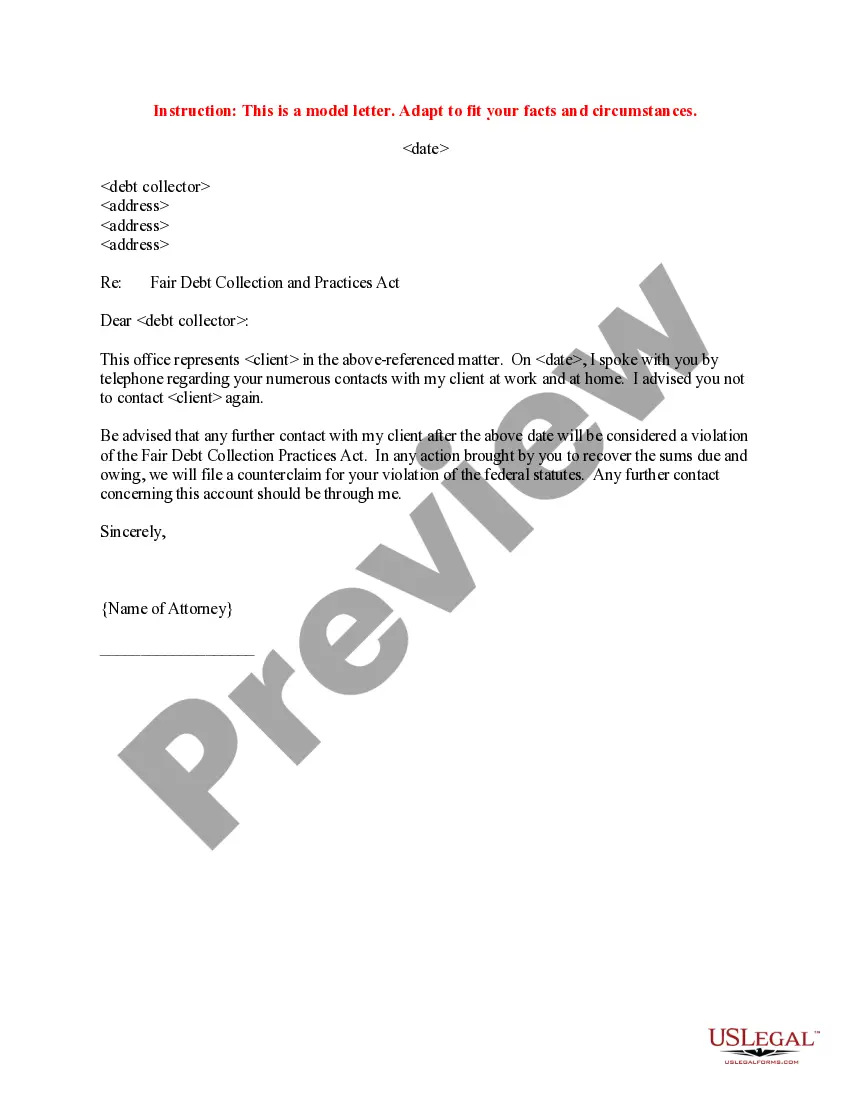
Sample Letter to Debt Collector Re Fair Debt Collection and Practices Act
What this document covers
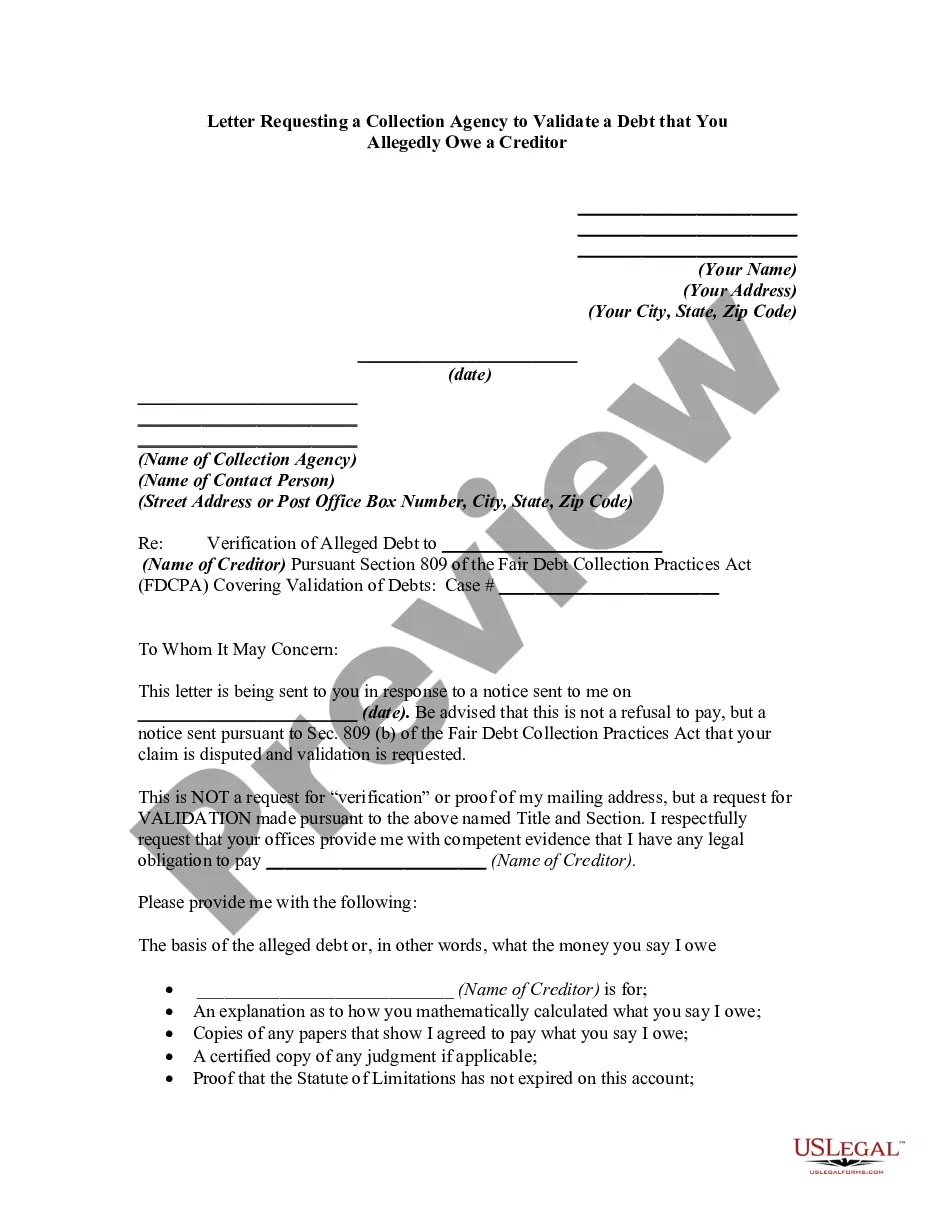
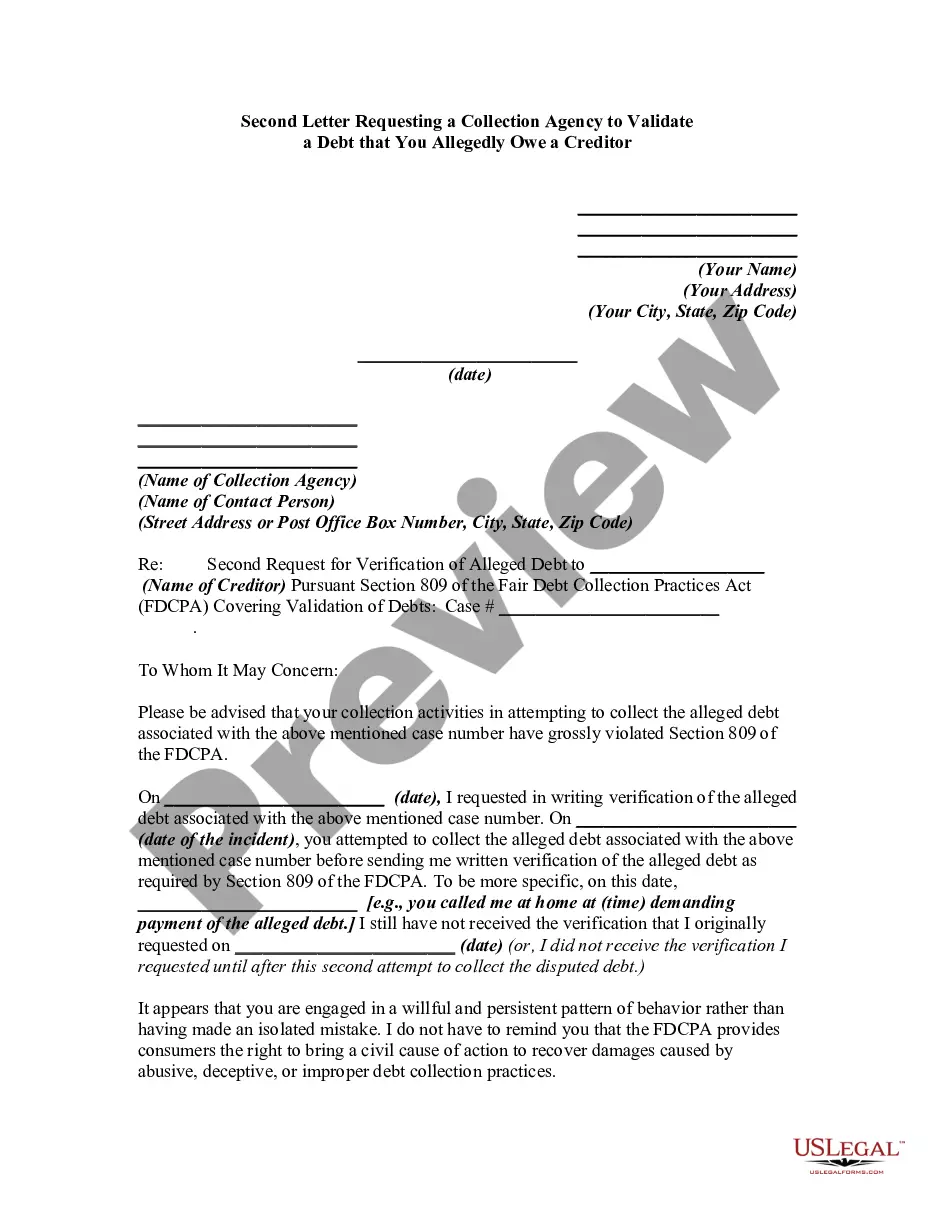
This form is a Sample Letter to Debt Collector Re Fair Debt Collection and Practices Act. It serves as a template for individuals to formally communicate with debt collectors about violations of their rights under federal law. Unlike other letters, this specific template addresses the conduct of debt collectors and establishes clear boundaries regarding further communications, ensuring that recipients are aware of their rights and any potential legal repercussions for continued contact.
Form components explained
- Date of the letter
- Name and address of the debt collector
- Client representation details
- Statement of previous communication with the debt collector
- Warning of legal action for further violations
- Signature line for the attorney
When this form is needed
This letter should be used when you have been contacted by a debt collector in a manner that you believe violates the Fair Debt Collection Practices Act (FDCPA). It is suitable for scenarios where you want to formally request that the collector cease communication with you directly, particularly after previously instructing them to do so either verbally or in writing.
Who should use this form
- Individuals being contacted by debt collectors
- Those who have instructed a debt collector to stop contacting them
- Clients represented by an attorney seeking to assert their rights under the FDCPA
Steps to complete this form
- Enter the date of the letter at the top.
- Fill in the name and address of the debt collector.
- Specify the client details you represent.
- Summarize any previous communication regarding debt collection.
- Indicate your warning of legal action against further contact.
- Sign the letter with your name and title as the attorney.
Does this document require notarization?
This form does not typically require notarization to be legally valid. However, some jurisdictions or document types may still require it. US Legal Forms provides secure online notarization powered by Notarize, available 24/7 for added convenience.
Get your form ready online
Our built-in tools help you complete, sign, share, and store your documents in one place.
Make edits, fill in missing information, and update formatting in US Legal Forms—just like you would in MS Word.
Download a copy, print it, send it by email, or mail it via USPS—whatever works best for your next step.
Sign and collect signatures with our SignNow integration. Send to multiple recipients, set reminders, and more. Go Premium to unlock E-Sign.
If this form requires notarization, complete it online through a secure video call—no need to meet a notary in person or wait for an appointment.
We protect your documents and personal data by following strict security and privacy standards.

Make edits, fill in missing information, and update formatting in US Legal Forms—just like you would in MS Word.

Download a copy, print it, send it by email, or mail it via USPS—whatever works best for your next step.

Sign and collect signatures with our SignNow integration. Send to multiple recipients, set reminders, and more. Go Premium to unlock E-Sign.

If this form requires notarization, complete it online through a secure video call—no need to meet a notary in person or wait for an appointment.

We protect your documents and personal data by following strict security and privacy standards.
Common mistakes
- Failing to include clear instructions to cease contact.
- Not providing accurate contact information for yourself as the attorney.
- Missing the date, which can impact the form's effectiveness.
- Overlooking state-specific laws that may enhance protections.
Benefits of completing this form online
- Convenience of quick access to a legally vetted template.
- Editability allows for easy customization to fit your situation.
- Reliability, ensuring compliance with federal regulations on debt collection.
Legal use & context
- The letter serves as a formal declaration of rights under the Fair Debt Collection Practices Act.
- It establishes a record of communication and attempts to address harassment.
- Consumers can use this form to build a case against illegal collection practices.
What to keep in mind
- This Sample Letter to Debt Collector is crucial for consumers facing harassment from debt collectors.
- Understanding your rights under the Fair Debt Collection Practices Act is essential to handling debt collection issues effectively.
- Using a template ensures your response is legally sound and professionally crafted.
Looking for another form?
Form popularity
FAQ
Put the date at the top of the page. State your name and address. State the name of the collection agency and its address. State your account number. Open with Dear insert name of debt collector:
Creditors do not have to respond to every debt verification letter sent to them. Under the FDCPA, if a collector contacts you about a debt, you have 30 days to request validation. If you send a verification request within that time, the creditor is legally obligated to respond to you.
You have the right to force the debt collector to prove you owe the money. Debt validation is your federal right granted under the Fair Debt Collection Practices Act (FDCPA). To request debt validation, you must send a written request to the debt collector within 30 days of being contacted by the collection agency.
Under the Fair Debt collection Practices Act (FDCPA), I have the right to request validation of the debt you say I owe you. I am requesting proof that I am indeed the party you are asking to pay this debt, and there is some contractual obligation that is binding on me to pay this debt.
For the name and contact information of the original creditor. why the collector believes you own the debt in the first place. for a record of all owners of the debt. the amount and age of the debt (including an account number if you're able). under what authority the collector has to collect.
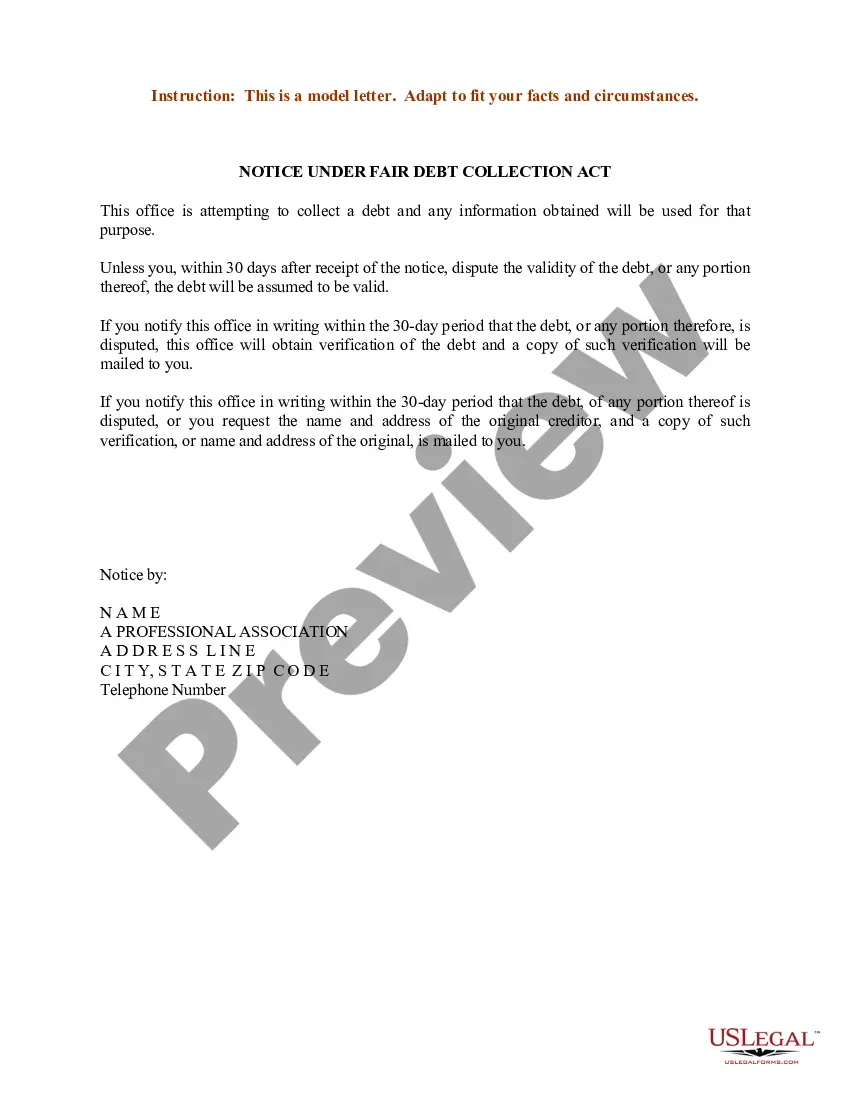
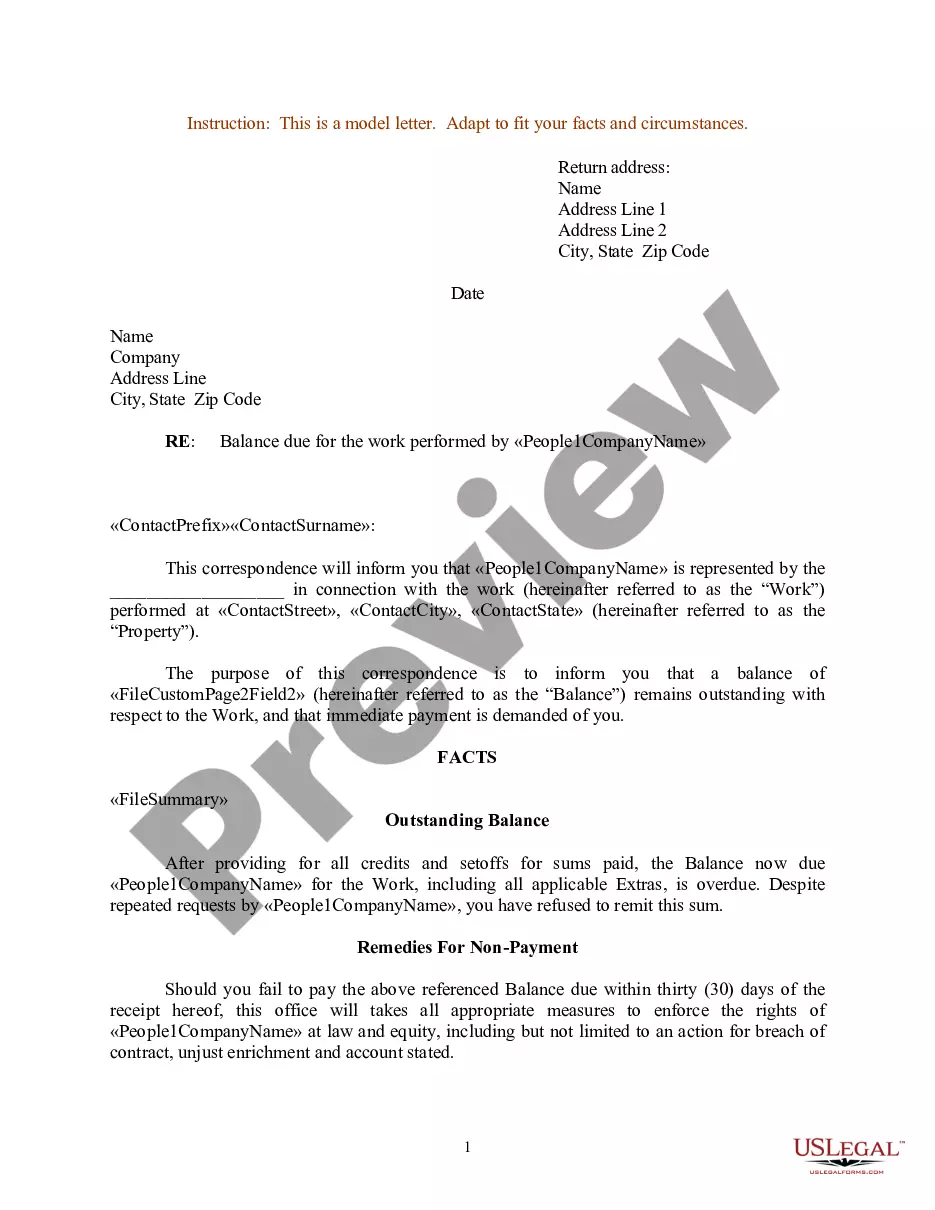
Know What to Include A demand letter should include the name of the creditor, the amount owed, action required, debt reference, deadline, and the consequences. Ensure you include all these details so your letter is not only compliant with the FDCPA, but also practical.
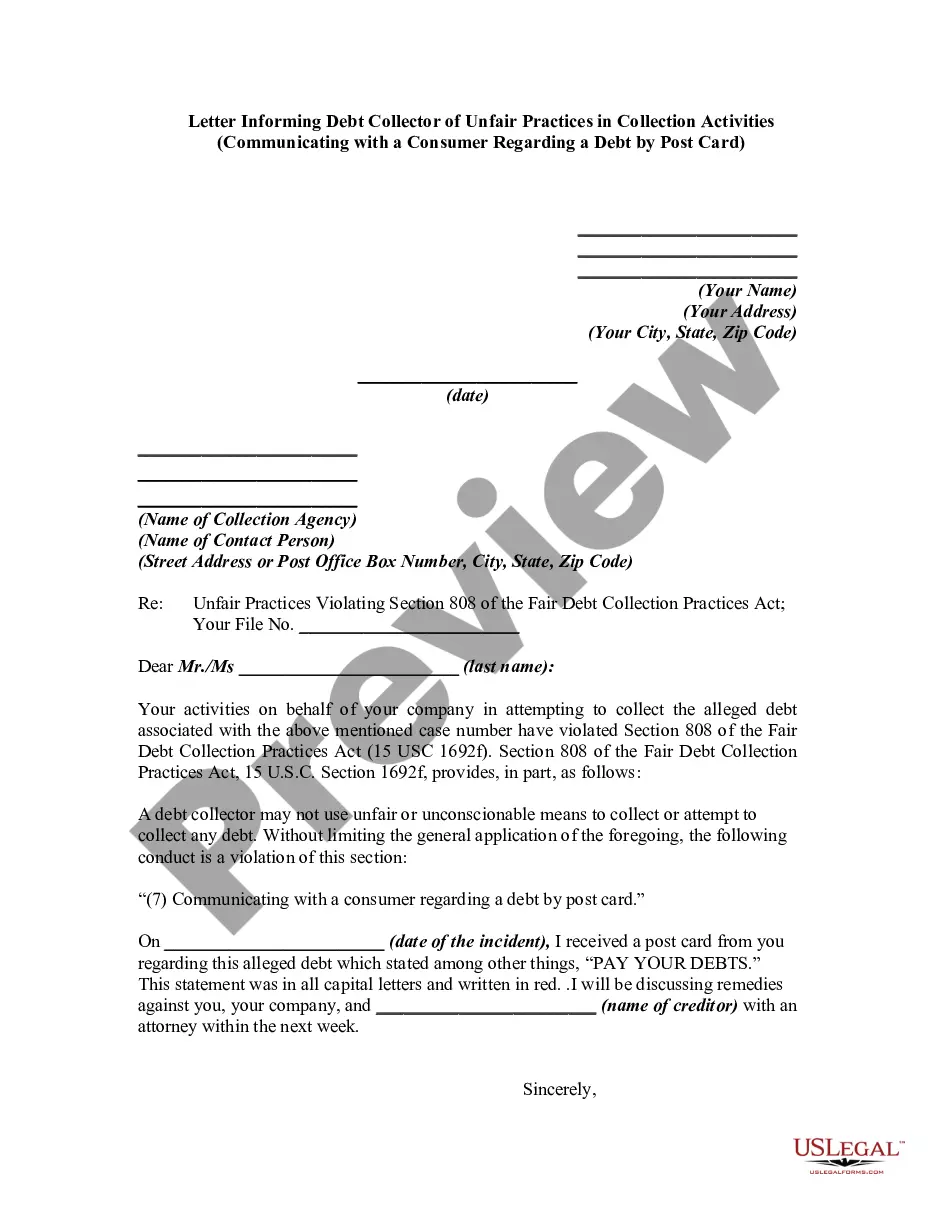
Fair Debt Collection Practices Act (FDCPA) Validation Letter The Fair Debt Collection Practices Act (FDCPA) is a federal law that protects consumers from abusive collection practices by debt collectors and collection agencies.