Agreement with Consultant to Implement Functional Behavior Assessment and Behavior Intervention Plan
What is this form?
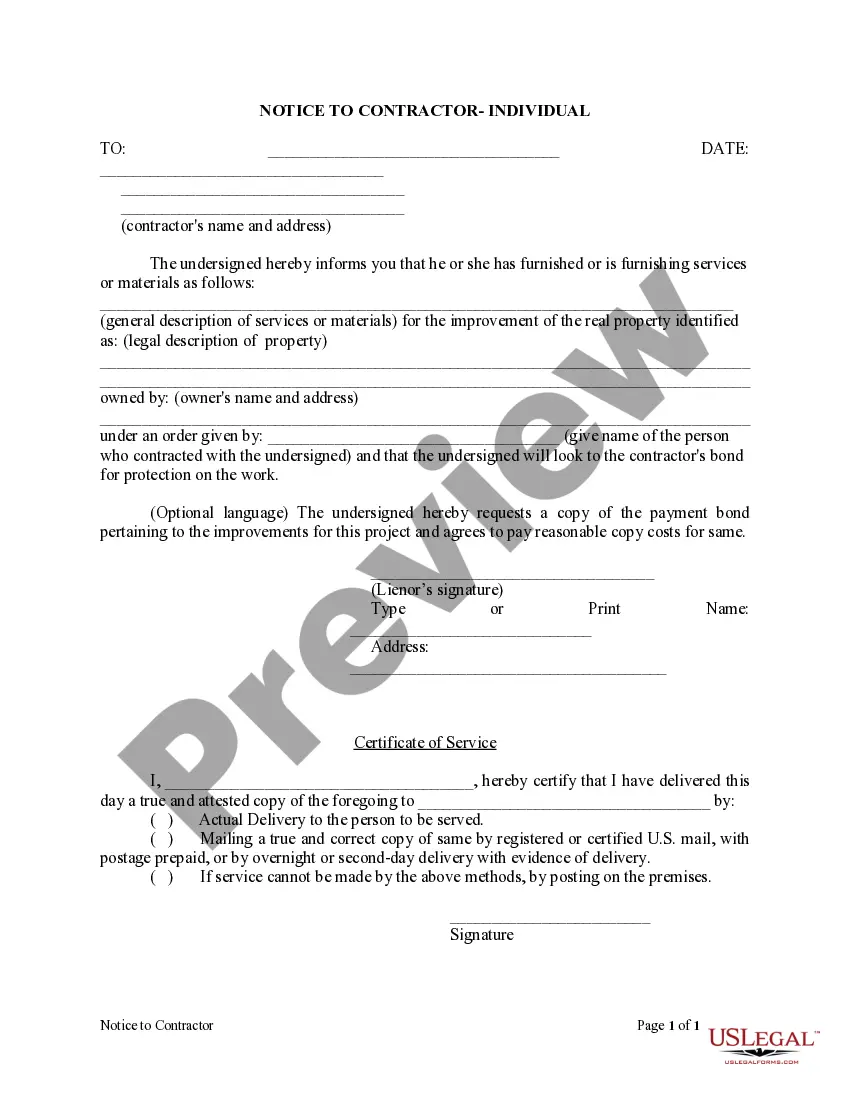
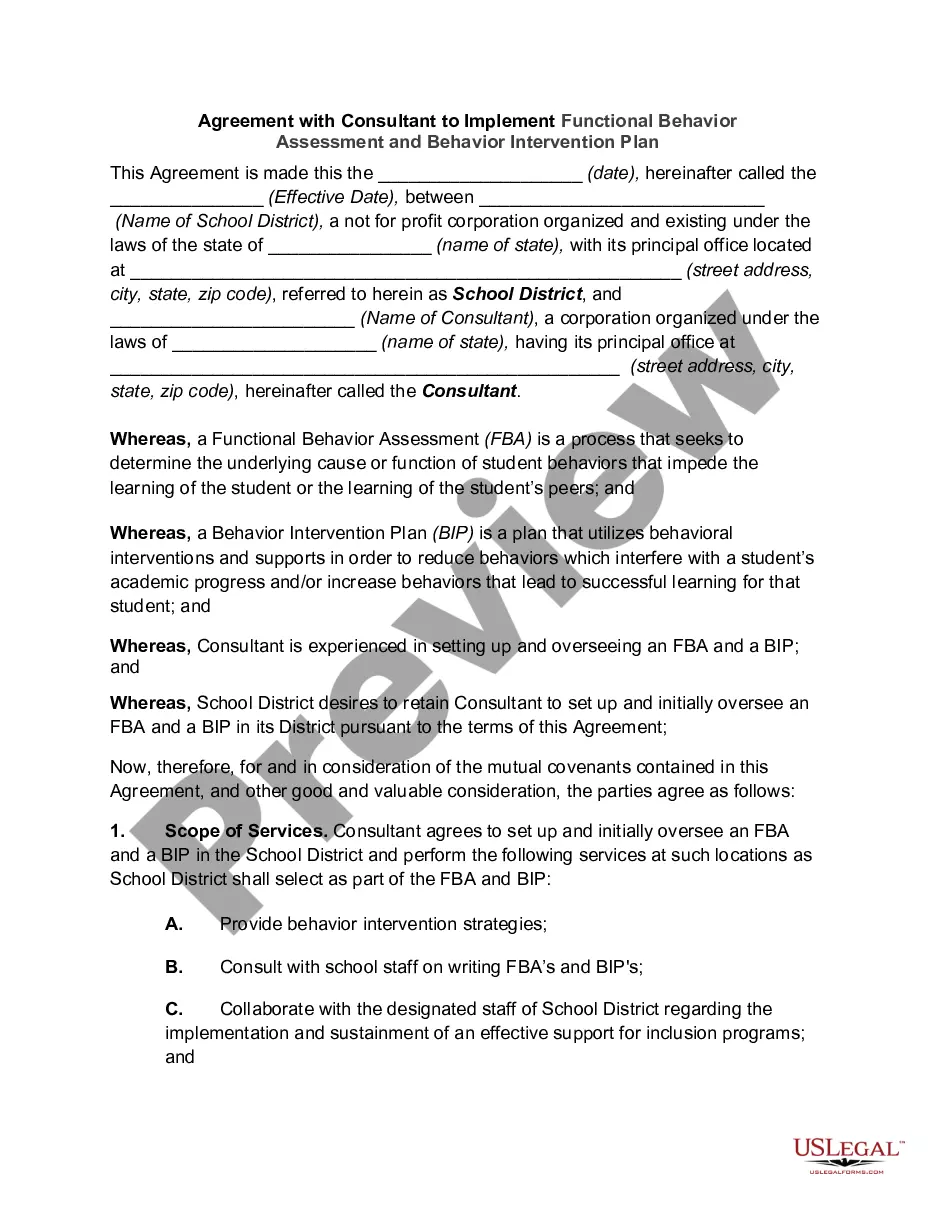
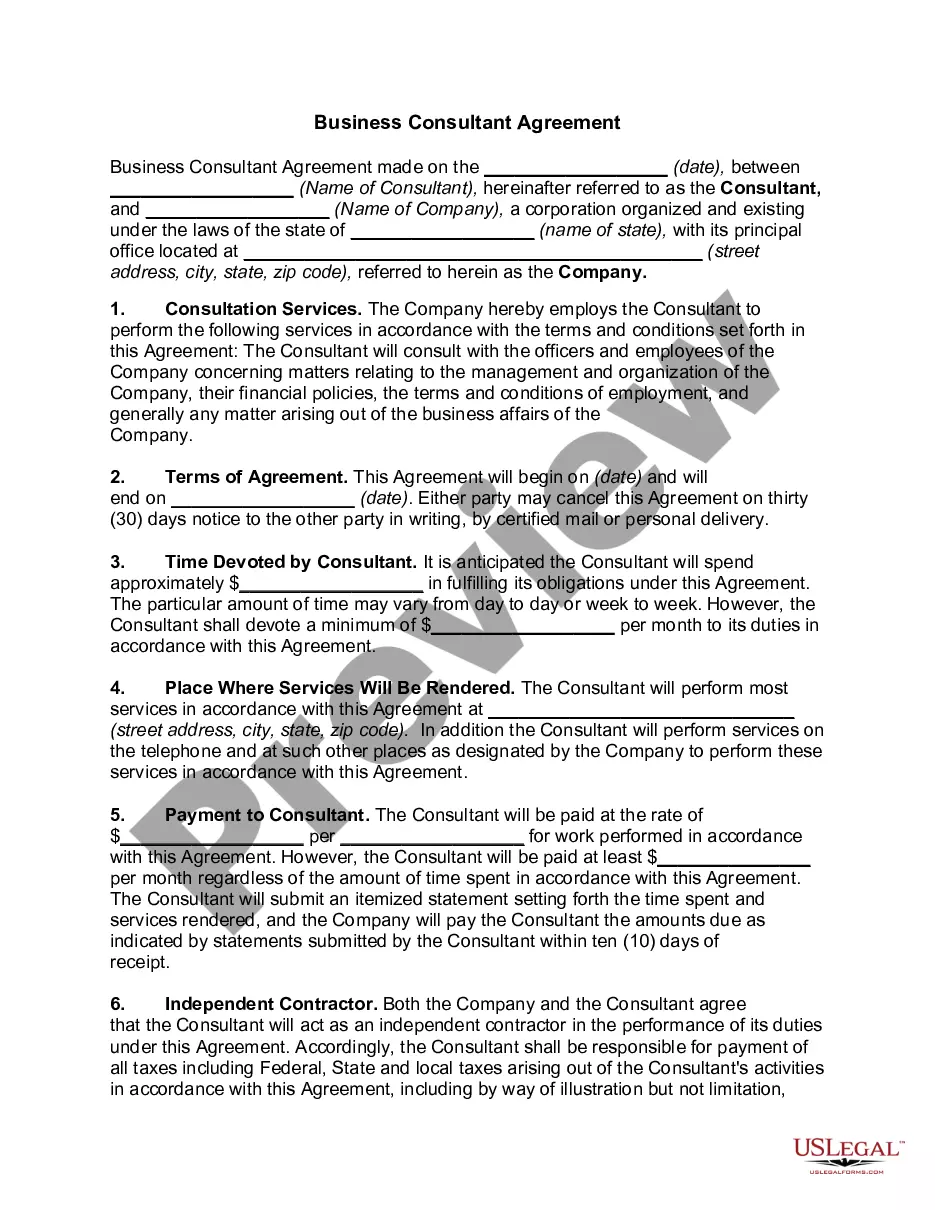
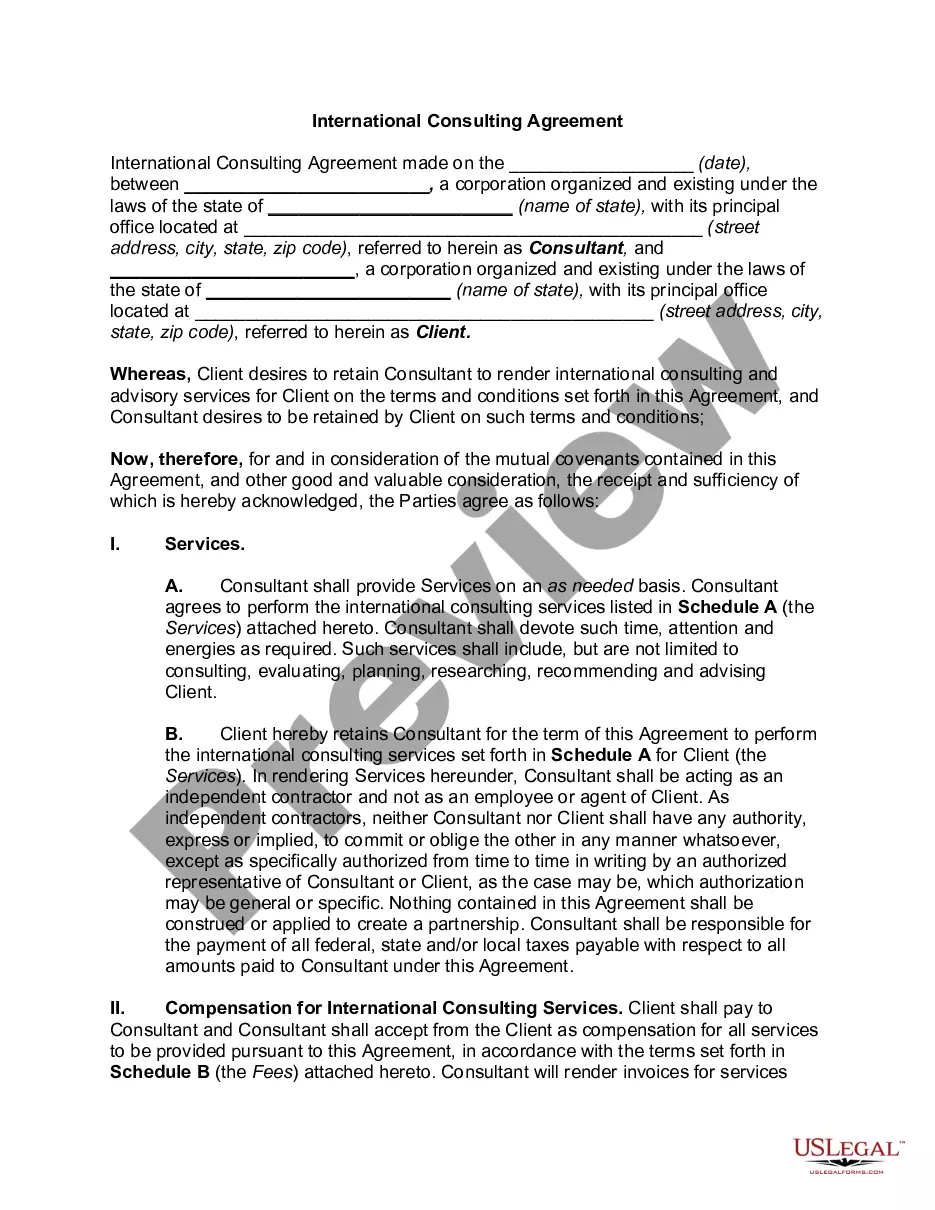
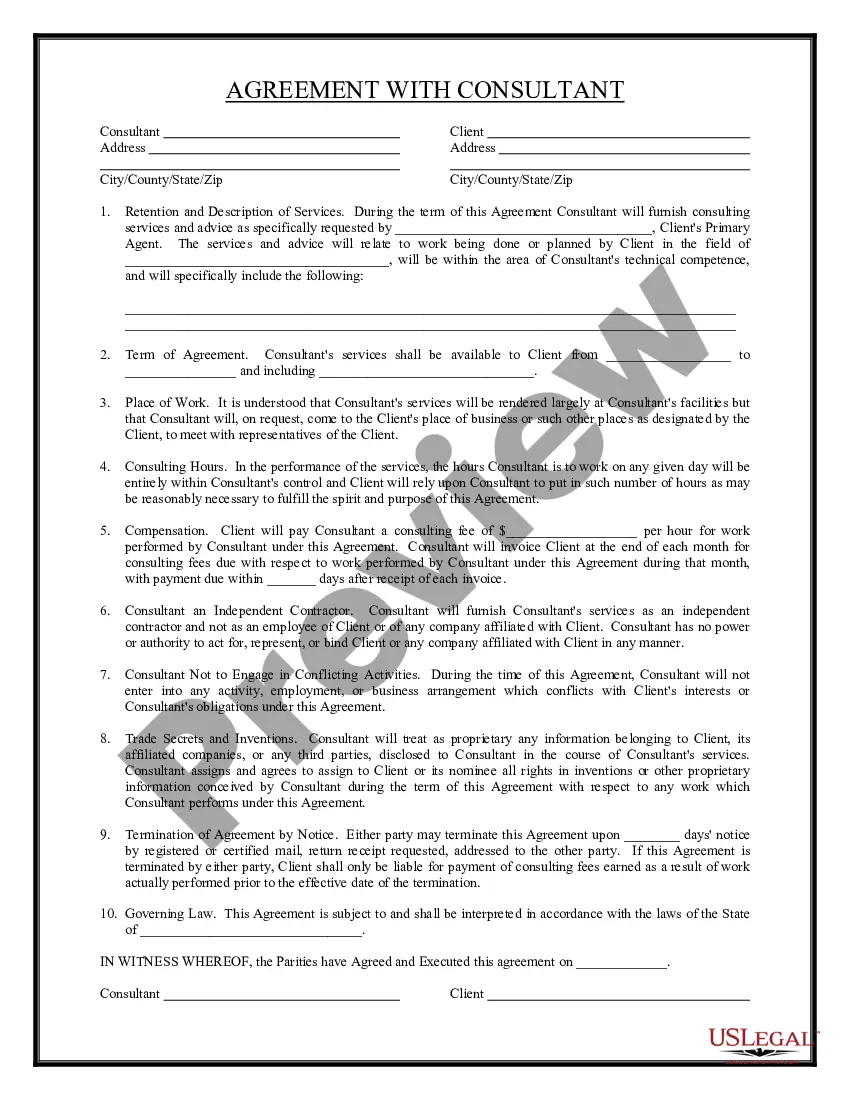
This Agreement with Consultant to Implement Functional Behavior Assessment and Behavior Intervention Plan is a legal document that formalizes the collaboration between a school district and a consultant. The purpose of this form is to outline the scope and terms of services related to conducting a Functional Behavior Assessment (FBA) and creating a Behavior Intervention Plan (BIP) for students whose behaviors impact their learning and that of their peers. This form is specifically tailored to ensure the consultant is held accountable while providing support for effective behavioral interventions in educational settings.
Main sections of this form
- Effective date and parties involved: identifies the school district and consultant's names and addresses.
- Scope of services: details the consultant's responsibilities, including offering behavior interventions and training school staff.
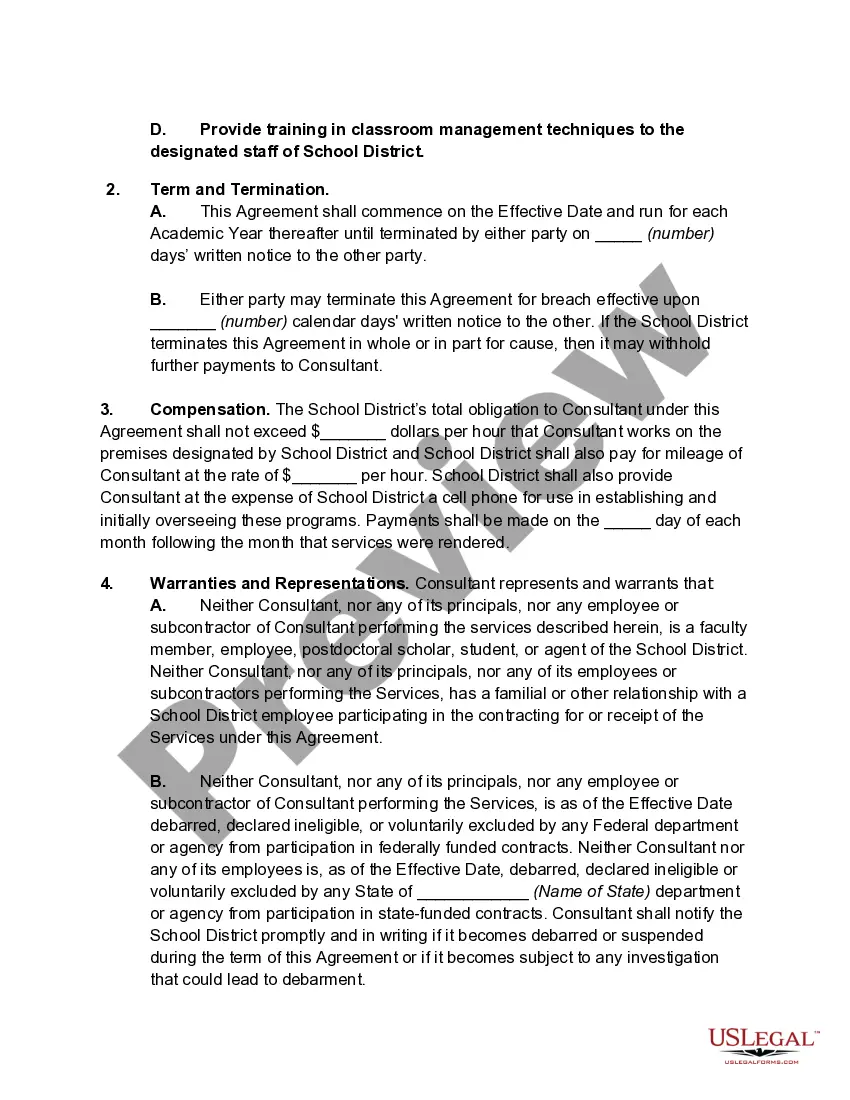
- Term and termination: specifies the duration of the agreement and conditions under which it can be terminated.
- Compensation: outlines payment terms for services rendered by the consultant, including hourly rates and reimbursement for expenses.
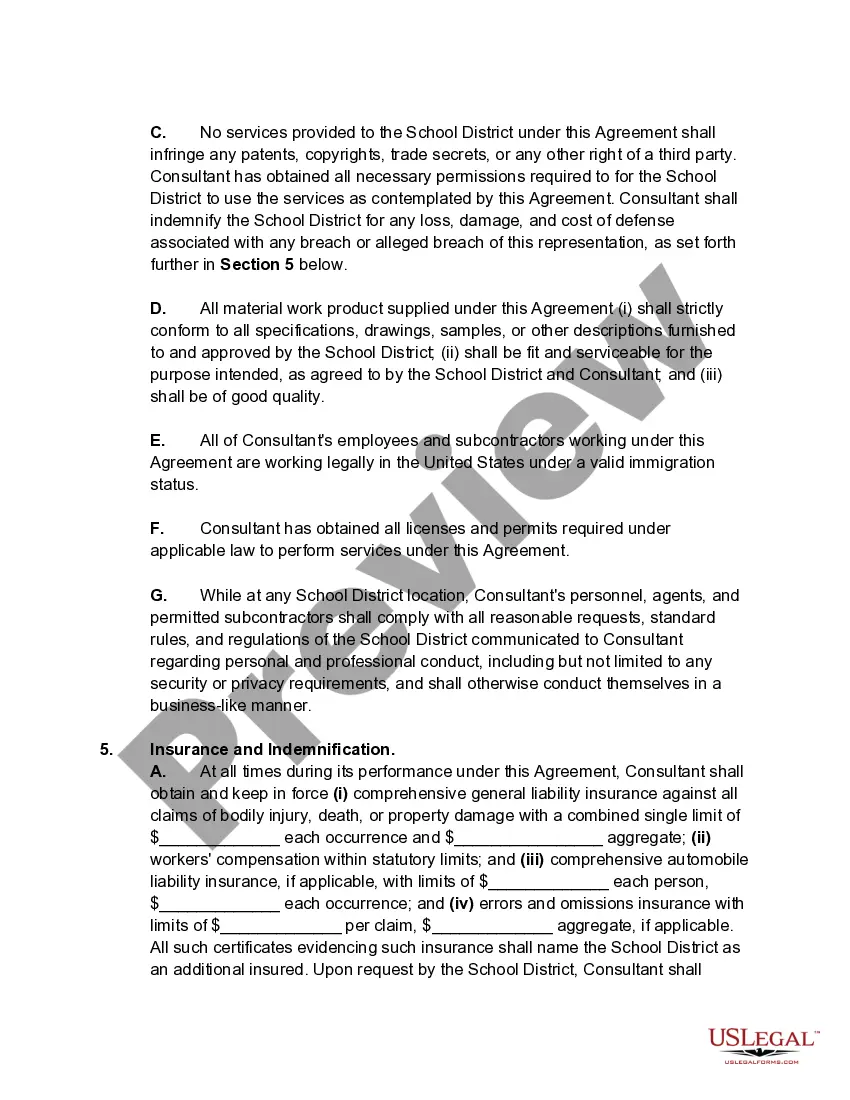
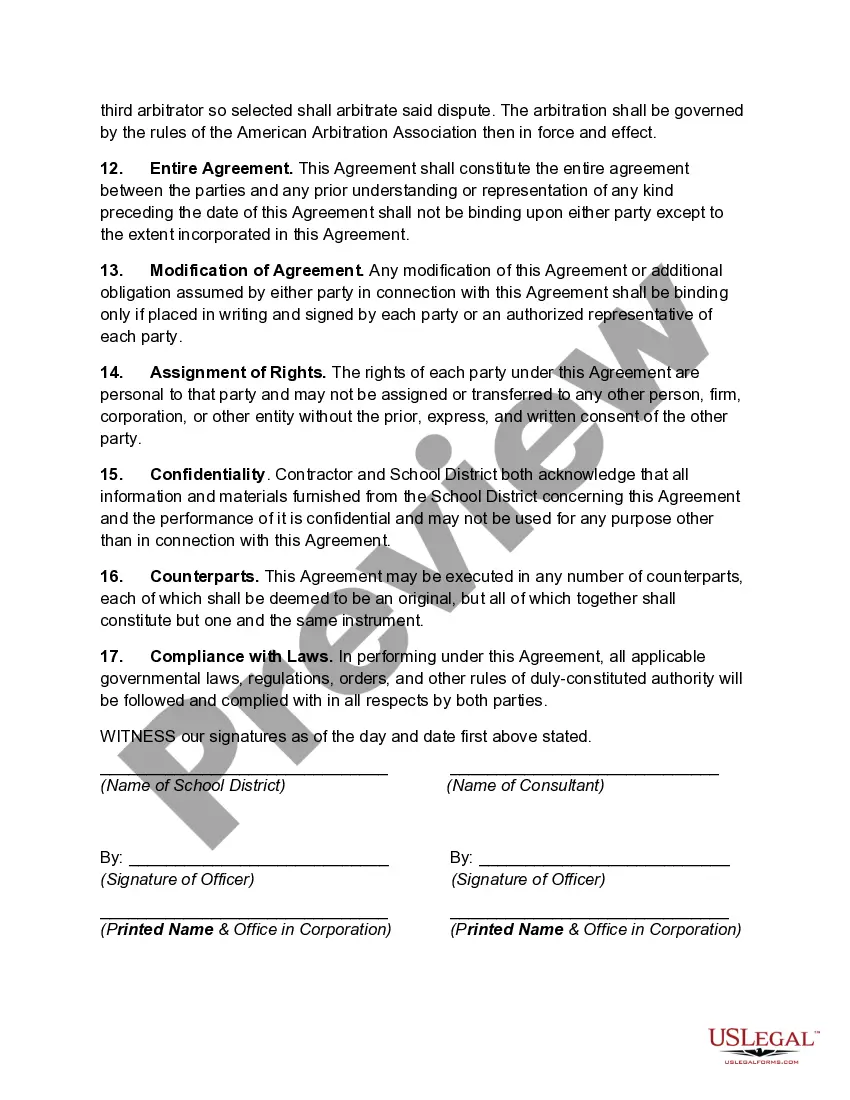
- Warranties and representations: ensures that both parties comply with legal and ethical requirements throughout the agreement.
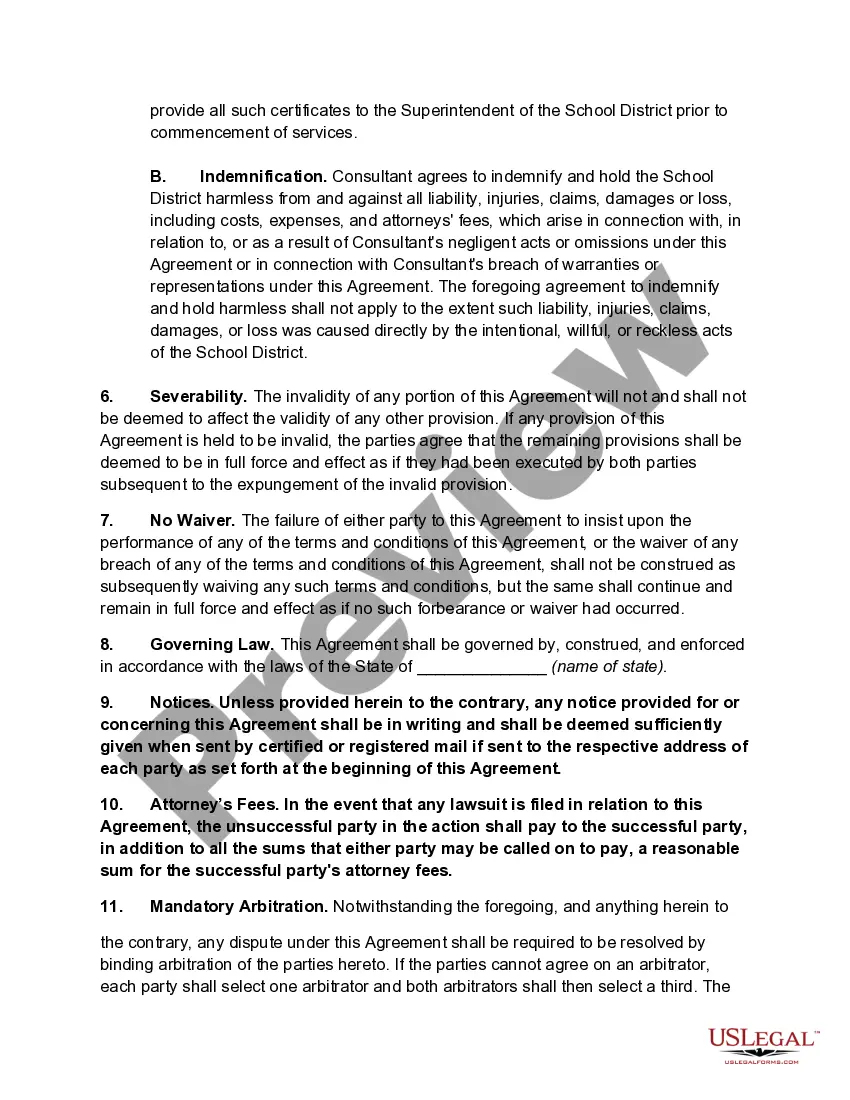
- Insurance and indemnification: requires the consultant to maintain necessary insurance and indemnifies the school district against claims arising from the consultant's actions.
Common use cases
This form should be used when a school district seeks to engage a consultant to perform a Functional Behavior Assessment and develop a Behavior Intervention Plan for students requiring support. It is particularly relevant when addressing behavioral issues in students that significantly hinder their educational progress or disrupt the learning environment for peers. Use this form to clarify expectations and formalize the agreement between both parties.
Who can use this document
- School administrators seeking to improve behavioral support systems.
- Educational consultants with expertise in functional behavior assessments and intervention strategies.
- Districts looking to enhance their approach to managing and supporting students with challenging behaviors.
Steps to complete this form
- Identify the parties: Fill in the names and addresses of the school district and consultant.
- Specify the effective date: Enter the date when the agreement will come into force.
- Outline the scope of services: Clearly define the responsibilities of the consultant as they relate to the FBA and BIP.
- Determine compensation: Insert the agreed-upon hourly rate and any additional expenses, such as mileage.
- Obtain signatures: Ensure that authorized representatives from both parties sign and date the agreement to make it legally binding.
Does this form need to be notarized?
In most cases, this form does not require notarization. However, some jurisdictions or signing circumstances might. US Legal Forms offers online notarization powered by Notarize, accessible 24/7 for a quick, remote process.
Get your form ready online
Our built-in tools help you complete, sign, share, and store your documents in one place.
Make edits, fill in missing information, and update formatting in US Legal Forms—just like you would in MS Word.
Download a copy, print it, send it by email, or mail it via USPS—whatever works best for your next step.
Sign and collect signatures with our SignNow integration. Send to multiple recipients, set reminders, and more. Go Premium to unlock E-Sign.
If this form requires notarization, complete it online through a secure video call—no need to meet a notary in person or wait for an appointment.
We protect your documents and personal data by following strict security and privacy standards.

Make edits, fill in missing information, and update formatting in US Legal Forms—just like you would in MS Word.

Download a copy, print it, send it by email, or mail it via USPS—whatever works best for your next step.

Sign and collect signatures with our SignNow integration. Send to multiple recipients, set reminders, and more. Go Premium to unlock E-Sign.

If this form requires notarization, complete it online through a secure video call—no need to meet a notary in person or wait for an appointment.

We protect your documents and personal data by following strict security and privacy standards.
Typical mistakes to avoid
- Failing to specify dates and terms clearly, which can lead to misunderstandings.
- Not detailing the scope of services adequately, resulting in inadequate support for students.
- Neglecting to check for compliance with state-specific regulations.
Advantages of online completion
- Convenience and accessibility, allowing users to quickly download and fill out the form.
- Editable format lets users customize the agreement to fit specific needs.
- Reliable templates drafted by licensed attorneys ensure legal compliance and protection.
Looking for another form?

Form popularity
FAQ
Establishing a Team. Collecting Baseline Data. Developing a Hypothesis Statement. Testing the Hypothesis.
The first step in the development of a behavior intervention plan is the creation of an objective and concrete definition of the behavior. You will need to ensure you understand when the behavior occurs and have a clear understanding of the definition.
For students with disabilities, the BIP is a legal document that is a part of an individualized education program (IEP). It must be followed both inside and outside of the classroom and it can't be adjusted without calling a meeting of the admission, review and dismissal (ARD) committee.
Conducting a FBAConducting a Functional Behavioral Assessment is a team effort. Individuals who are involved in improving or eliminating the students behavior. The range of individuals who can be involved are: school counselors, teachers, parents, and paraprofessionals.
In most cases the Student Support Team is responsible for conducting an FBA, which include school psychologist, teachers, counselors, and paraprofessionals.
A BIP includes positive behavioral interventions, strategies and supports." Behavior Intervention Plans should focus on understanding 'why' the behavior occurred (i.e., 'the function' or 'communicative intent') then focus on teaching an alternative behavior that meets the student's need in a more acceptable way.
Choose a Problem Behavior for Change. Measure Behavior by Collecting Data. Determine the Function of the Problem Behavior. Create a Functional Behavior Assessment. Create a Behavior Plan. Teach the New Alternative Behavior.
Decide what needs to happen. Use a measurement system to gather information about the level of the problem. Decide who the intervention should help. Involve potential clients or end users of the intervention. Identify the issues or problems you will attempt to solve together.
Establishing a Team. Identifying the Interfering Behavior. Collecting Baseline Data. Developing a Hypothesis Statement. Testing the Hypothesis. Developing Interventions.