Ways to Communicate With Your Employees
What is this form?
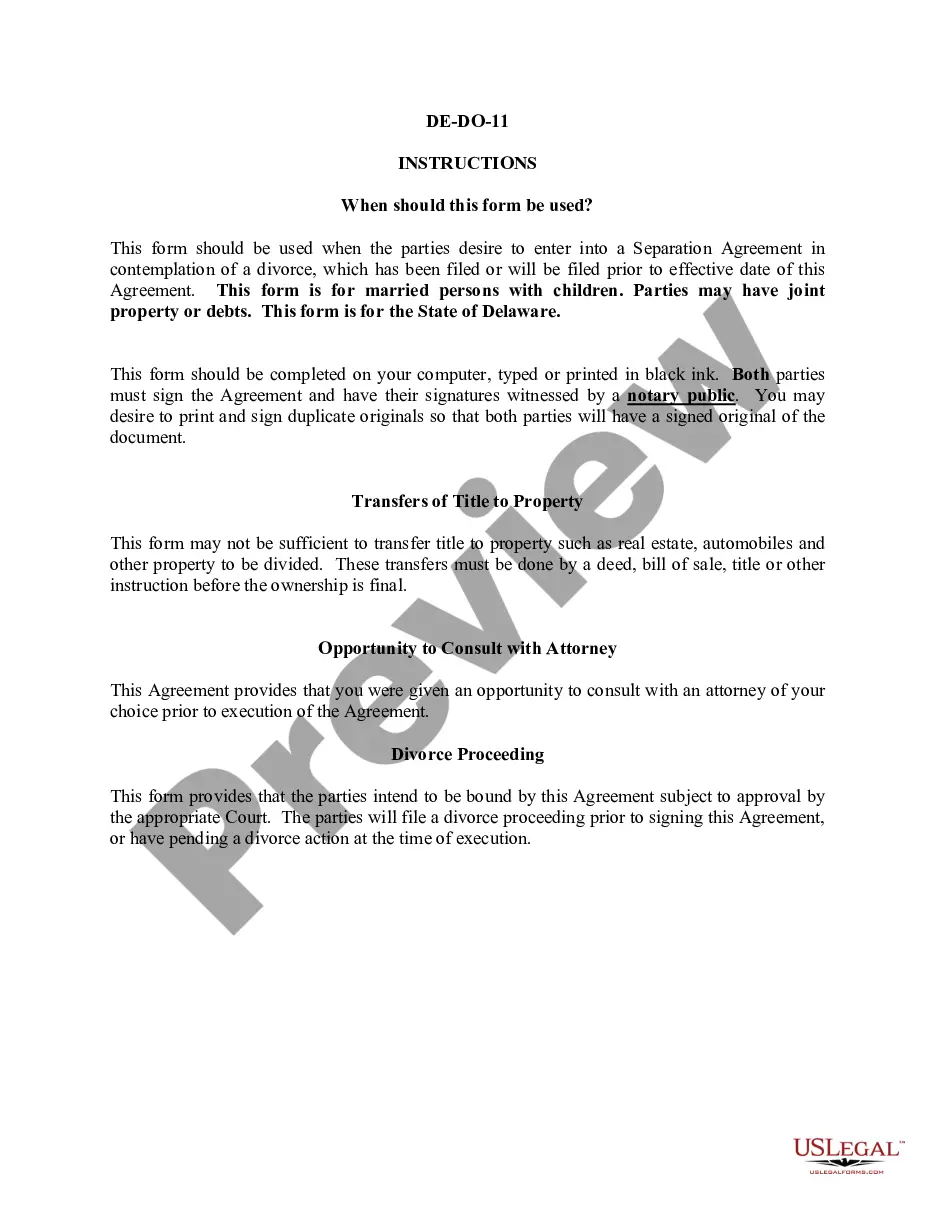
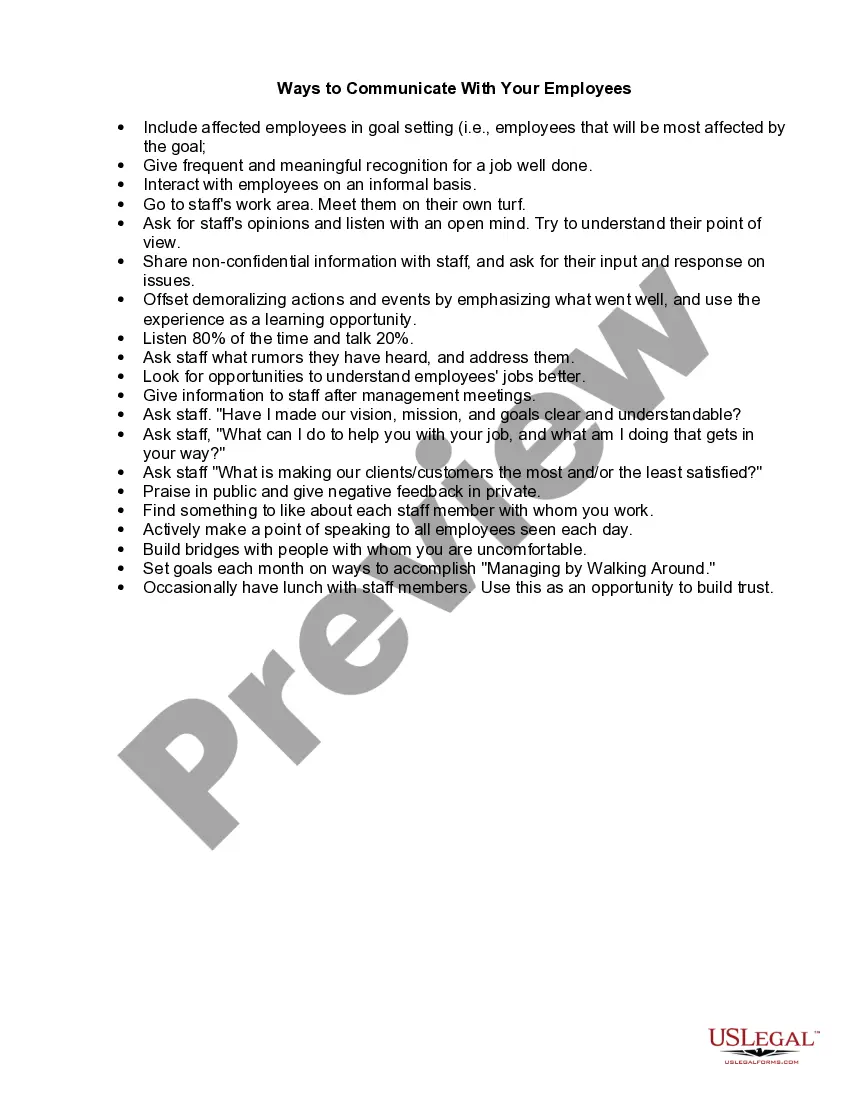
The "Ways to Communicate With Your Employees" form is a checklist designed to enhance communication between supervisors and their employees. This form provides practical suggestions and strategies to foster a positive work environment, which may differ from other communication-related forms by focusing on interpersonal relationships and informal interactions rather than formal procedures.
Key components of this form
- Including affected employees in goal setting.
- Recognizing employee achievements frequently and meaningfully.
- Encouraging informal interactions between supervisors and employees.
- Listening actively and addressing employee concerns and rumors.
- Sharing non-confidential information and inviting staff input.
- Building trust through regular informal engagements, like lunches.
Situations where this form applies
This form is beneficial in various situations where enhancing communication is essential. Use it when establishing new goals, addressing employee morale, engaging in team-building activities, or when initiating feedback sessions. It serves as a reminder to prioritize employee perspectives and encourages an open dialogue, particularly during times of change or concern.
Intended users of this form
- Supervisors and managers seeking improved communication strategies.
- Human resources professionals focused on employee engagement.
- Team leaders aiming to foster a collaborative environment.
- Anyone looking to strengthen workplace relationships and morale.
Steps to complete this form
- Review the checklist thoroughly to understand each communication strategy.
- Determine which suggestions apply to your team and specific situations.
- Create a plan to integrate these strategies into your daily workflow.
- Engage with your employees regularly and actively seek their feedback.
- Evaluate the effectiveness of each strategy and adjust as necessary.
Does this form need to be notarized?
In most cases, this form does not require notarization. However, some jurisdictions or signing circumstances might. US Legal Forms offers online notarization powered by Notarize, accessible 24/7 for a quick, remote process.
Get your form ready online
Our built-in tools help you complete, sign, share, and store your documents in one place.
Make edits, fill in missing information, and update formatting in US Legal Forms—just like you would in MS Word.
Download a copy, print it, send it by email, or mail it via USPS—whatever works best for your next step.
Sign and collect signatures with our SignNow integration. Send to multiple recipients, set reminders, and more. Go Premium to unlock E-Sign.
If this form requires notarization, complete it online through a secure video call—no need to meet a notary in person or wait for an appointment.
We protect your documents and personal data by following strict security and privacy standards.

Make edits, fill in missing information, and update formatting in US Legal Forms—just like you would in MS Word.

Download a copy, print it, send it by email, or mail it via USPS—whatever works best for your next step.

Sign and collect signatures with our SignNow integration. Send to multiple recipients, set reminders, and more. Go Premium to unlock E-Sign.

If this form requires notarization, complete it online through a secure video call—no need to meet a notary in person or wait for an appointment.

We protect your documents and personal data by following strict security and privacy standards.
Common mistakes to avoid
- Neglecting to actively listen to employee concerns.
- Failing to follow up on feedback provided by staff.
- Overlooking informal opportunities for interaction.
- Being inconsistent in recognition and communication efforts.
Why complete this form online
- Convenient access and easy download from any device.
- Editability allows customization to fit unique team dynamics.
- Reliable guidance based on best practices in employee communication.
- Structured format helps ensure comprehensive coverage of essential strategies.
Legal use & context
- This form is a tool for improving workplace communication and does not hold legal enforceability.
- While guidance is provided, it is not a substitute for legal advice or company policy compliance.
Summary of main points
- The form provides a structured approach to improve communication with employees.
- Effective communication strategies can foster a supportive work environment.
- Regular engagement and recognition are vital for employee morale and satisfaction.
- Listening and addressing employee concerns is crucial for productive relationships.
Looking for another form?
Form popularity
FAQ
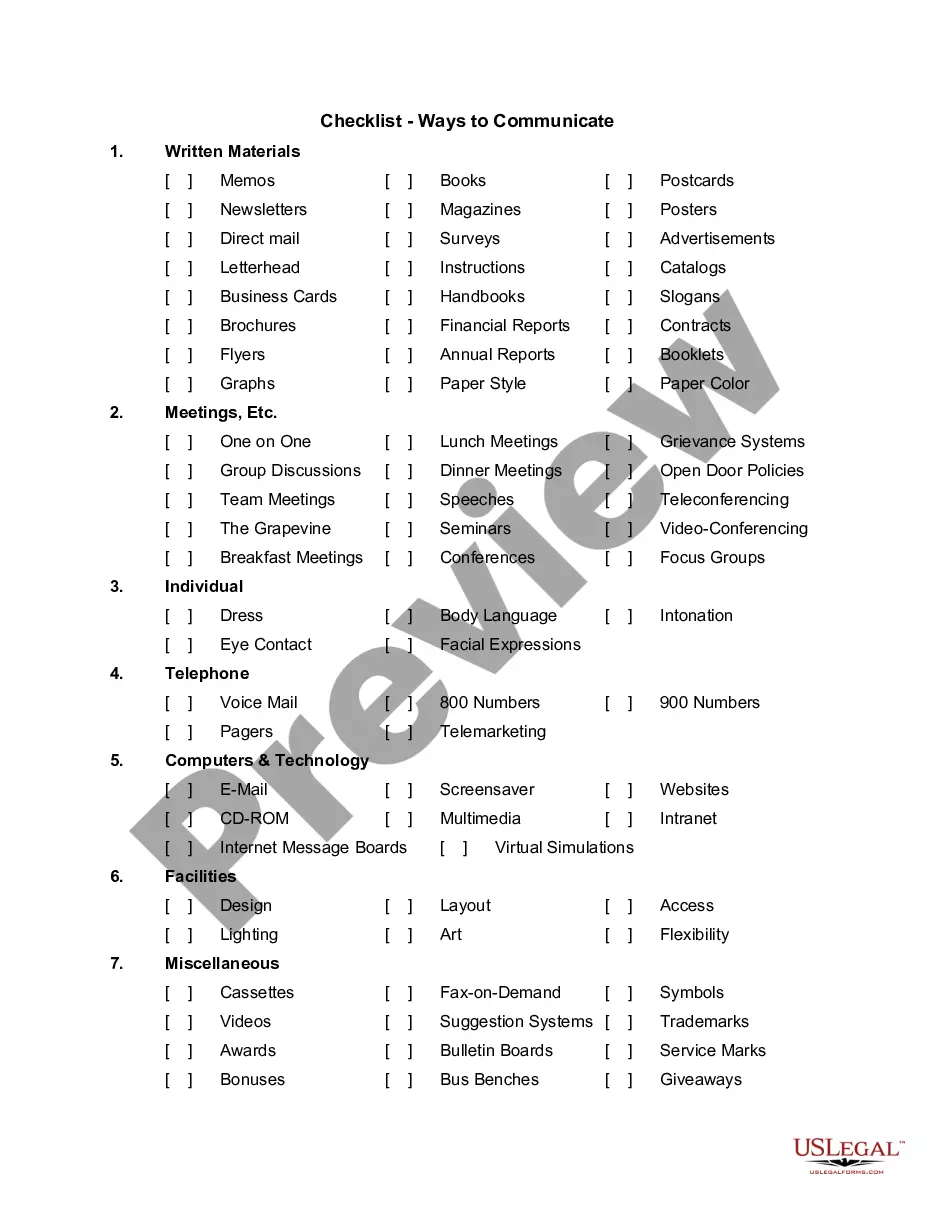
When communication occurs, it typically happens in one of three ways: verbal, nonverbal and visual. People very often take communication for granted.
There are four main types of communication we use on a daily basis: verbal, nonverbal, written and visual.
Open Meeting. It is easier to communicate your passion and how you feel to your team via open meetings. Emails. One on One. Create a Receptive Atmosphere. Communication via Training. Display Confidence and Seriousness. Use Simple Words. Use Visuals.
4. FunctionsFunctions Communication serves four major functions within a group or organization:Communication serves four major functions within a group or organization: Control, Motivation, EmotionalControl, Motivation, Emotional Expression, and Information. Expression, and Information.
Verbal Communication. Verbal communication occurs when we engage in speaking with others. Non-Verbal Communication. What we do while we speak often says more than the actual words. Written Communication. Listening. Visual Communication.
Pause before responding. Be trustworthy and honest. Don't rush communication. Adapt your ideas to others. Stay in the moment. Pay attention to non-verbal cues. Intend to understand. Be patient and open-minded.
Facial Expressions. You think you know what angry, sad, and happy look like on someone's face? Gestures. Hobo Signs. Emoticons. Sign Language. Music. The Big Five Languages. English.
There are four main types of workplace communication: verbal, body, phone and written.
There are four main types of communication we use on a daily basis: verbal, nonverbal, written and visual.