Balance Sheet Support Schedule - Inventory
Understanding this form
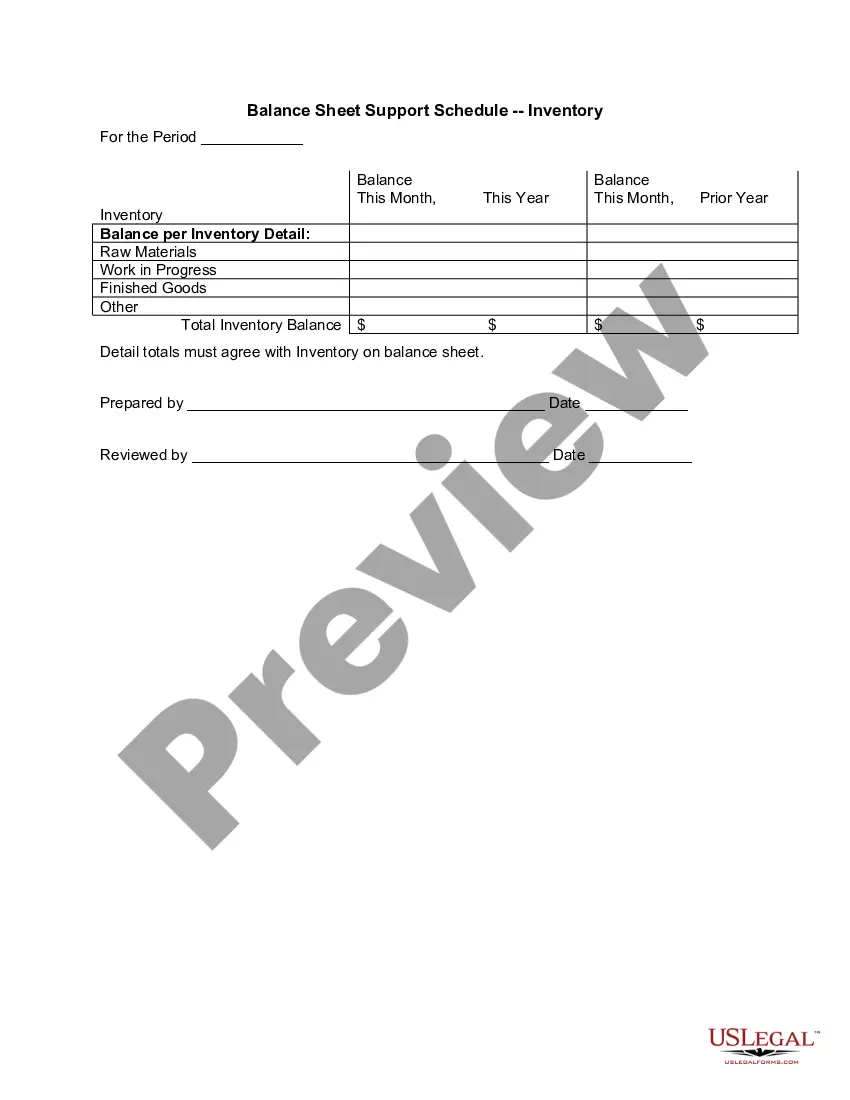
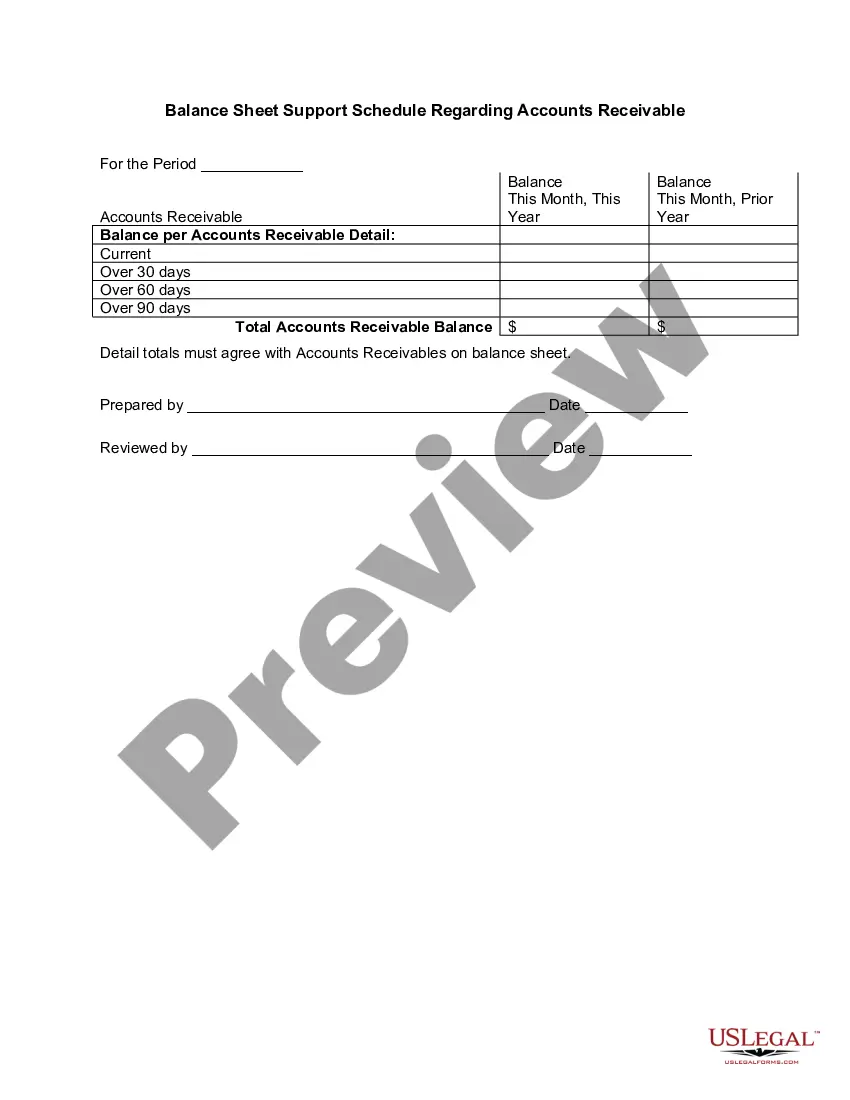
The Balance Sheet Support Schedule - Inventory is a financial document specifically designed for small businesses to detail their inventory levels. This form helps businesses track their inventory by categorizing it into raw materials, work in progress, and finished goods. Unlike other financial documents, this schedule supports the overall balance sheet, ensuring that total inventory balances align with detailed inventory records.
Key parts of this document
- Period: Space to enter the accounting period for which the inventory is reported.
- Inventory Balance This Month: Current value of inventory for the month being reported.
- Balance This Year: Year-to-date balance of inventory for the current year.
- Prior Year Balance: Comparison balance from the previous year for necessary context.
- Categories: Breakdown of inventory into raw materials, work in progress, and finished goods.
- Total Inventory Balance: A summary line that consolidates all inventory categories.
When this form is needed
This form is essential during financial reporting periods when businesses need to account for their inventory status. It is typically used at the end of each month or year when preparing financial statements such as balance sheets. Small businesses can utilize this schedule to maintain accurate records and ensure compliance with accounting standards.
Who can use this document
This form is intended for:
- Small business owners wanting to track inventory levels accurately.
- Accountants and financial professionals preparing monthly or annual financial statements.
- Business controllers monitoring inventory for better financial management.
How to prepare this document
- Identify the period by filling in the timeframe you are reporting on.
- Enter the current inventory balance for the month in the appropriate field.
- Provide the year-to-date inventory balance in the designated area.
- Input the prior year balance to facilitate comparison.
- Break down inventory into categories of raw materials, work in progress, and finished goods.
- Add all categories to calculate the total inventory balance and ensure it matches the balance sheet.
Notarization guidance
This form does not typically require notarization to be legally valid. However, some jurisdictions or document types may still require it. US Legal Forms provides secure online notarization powered by Notarize, available 24/7 for added convenience.
Get your form ready online
Our built-in tools help you complete, sign, share, and store your documents in one place.
Make edits, fill in missing information, and update formatting in US Legal Forms—just like you would in MS Word.
Download a copy, print it, send it by email, or mail it via USPS—whatever works best for your next step.
Sign and collect signatures with our SignNow integration. Send to multiple recipients, set reminders, and more. Go Premium to unlock E-Sign.
If this form requires notarization, complete it online through a secure video call—no need to meet a notary in person or wait for an appointment.
We protect your documents and personal data by following strict security and privacy standards.

Make edits, fill in missing information, and update formatting in US Legal Forms—just like you would in MS Word.

Download a copy, print it, send it by email, or mail it via USPS—whatever works best for your next step.

Sign and collect signatures with our SignNow integration. Send to multiple recipients, set reminders, and more. Go Premium to unlock E-Sign.

If this form requires notarization, complete it online through a secure video call—no need to meet a notary in person or wait for an appointment.

We protect your documents and personal data by following strict security and privacy standards.
Common mistakes to avoid
- Failing to update inventory figures each month.
- Not reconciling totals with the balance sheet leading to discrepancies.
- Omitting to categorize inventory correctly, which can lead to misreporting.
Why complete this form online
- Convenient access to downloadable templates tailored to small businesses.
- Time-saving, as users can fill the form quickly and efficiently.
- Editable format allowing for easy adjustments as inventory levels change.
- Reliability ensured by templates drafted by licensed attorneys.
What to keep in mind
- The Balance Sheet Support Schedule - Inventory is essential for tracking inventory accurately.
- Properly categorizing inventory helps maintain clarity and compliance in financial reporting.
- Regular updates to this form are crucial for accurate financial insights.
Looking for another form?
Form popularity
FAQ
Make a note of every single payment coming in and going out. Every day check your bank account to have an eye on the balance. Pay your employees timely. Keep track of the invoices and plan accordingly. Forecast expected results based on the current cash flow.
Inventory itself is not an income statement account. Inventory is an asset and its ending balance should be reported as a current asset on the balance sheet. However, the change in inventory is a component of in the calculation of cost of goods sold, which is reported on the income statement.
Schedule C is one of the most accurate permanent records you have of the past year's financial records. It is best to complete a balance sheet for the previous year first, then start working on the present year.
Inventory represents the purchase price of goods held for resale. It normally includes all costs including freight and delivery for example.
In accounting, a schedule is defined as the supporting report or document which constitutes detailed information, explaining the elements of the chief financial report.In other words, accounting schedules provide all the financial accounting in detail which cannot be illustrated within the chief report.
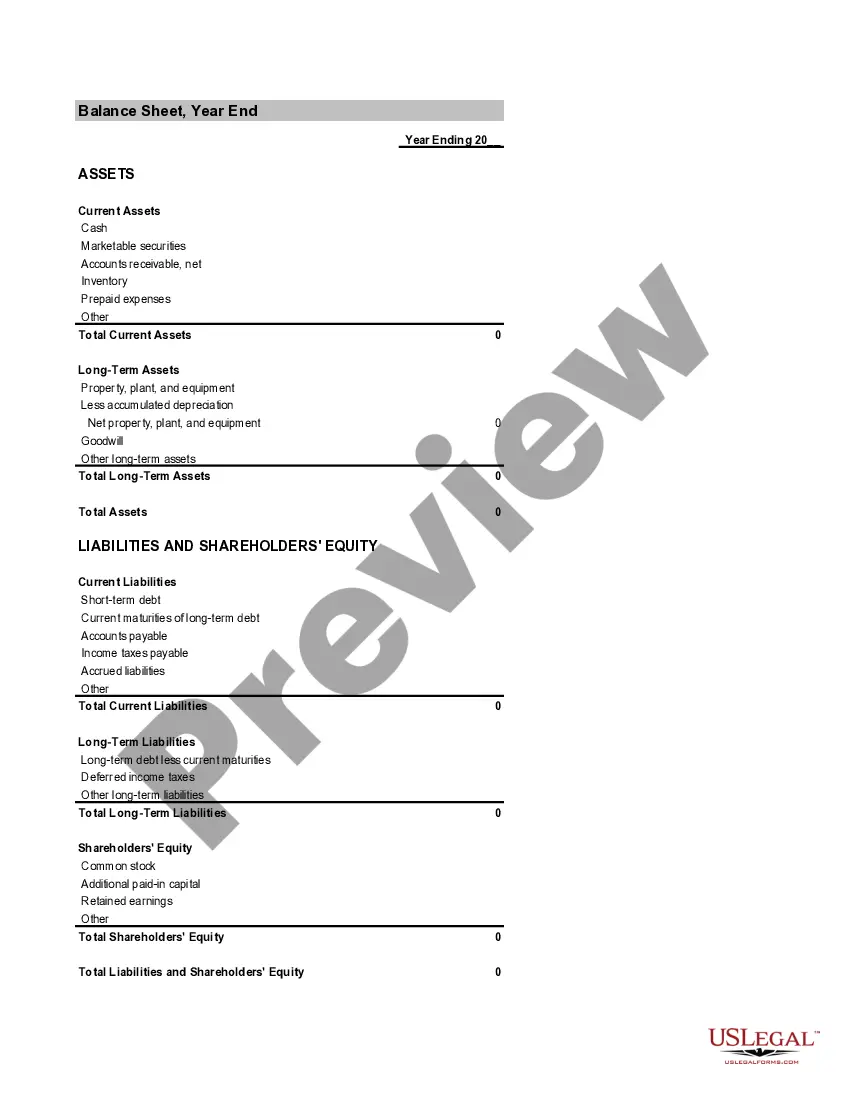
The schedule provides proof or documentation of where the numbers come from. For example, the balance sheet schedule will not only list the assets, liabilities and equities of a company, but it will break down each of those categories into further sub-categories and provide a detailed listing within each one.
Inventory is an asset and its ending balance is reported in the current asset section of a company's balance sheet. Inventory is not an income statement account. However, the change in inventory is a component in the calculation of the Cost of Goods Sold, which is often presented on a company's income statement.
Balance Sheet: A balance sheet lists a company's assets, liabilities and shareholders equity at a specific point in time. It's usually thought of as the second most important financial statement, since it shows the liquidity and the theoretical value of the business.
A balance sheet is a summary of all of your business assets (what the business owns) and liabilities (what the business owes). At any particular moment, it shows you how much money you would have left over if you sold all your assets and paid off all your debts (i.e. it also shows 'owner's equity').