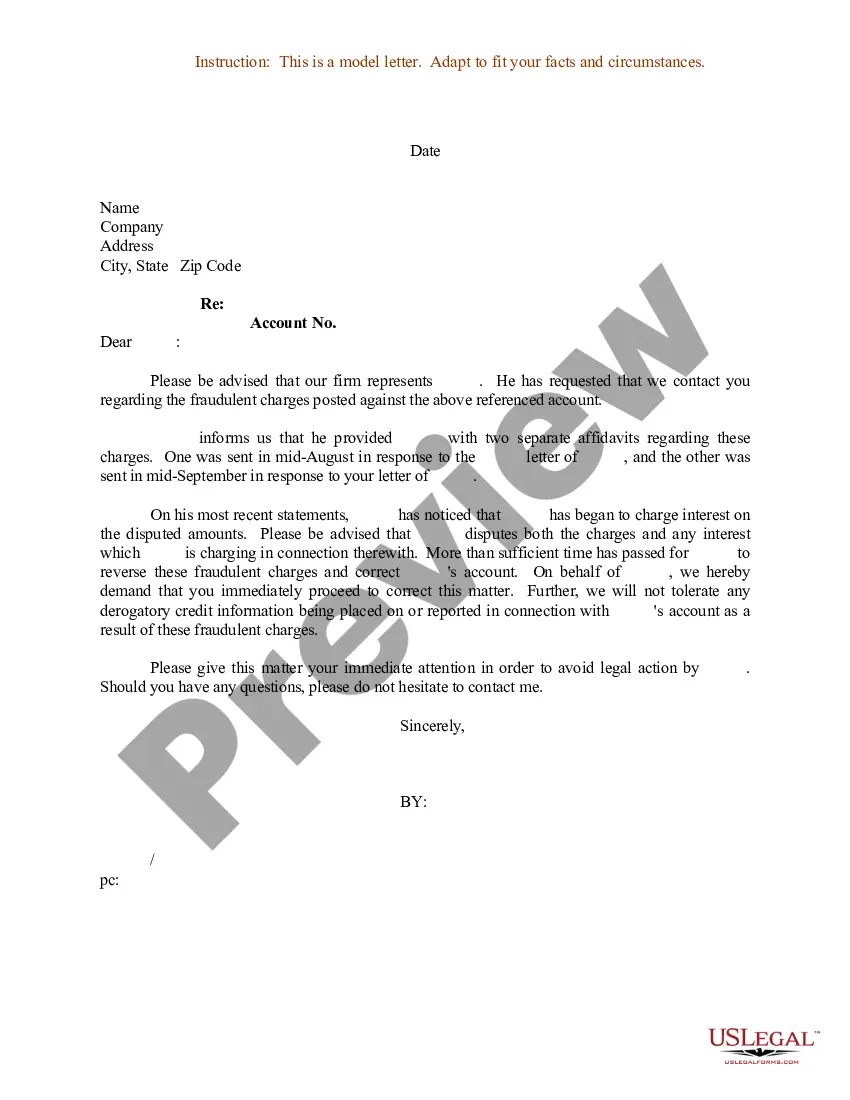
Sample Letter for Fraudulent Charges against Client's Account
Understanding this form
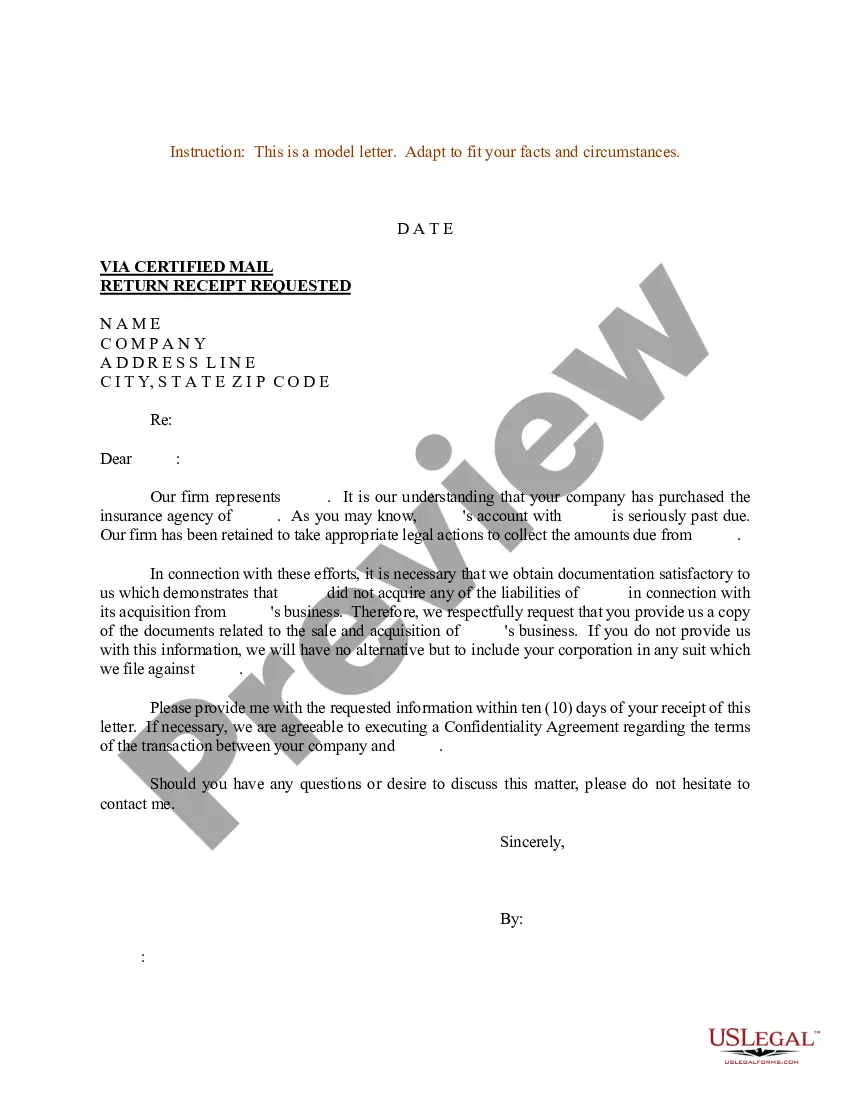
This Sample Letter for Fraudulent Charges against Client's Account is a template designed to help individuals formally report unauthorized transactions on their bank accounts. It serves as a written notice to financial institutions, expressing concerns regarding potential fraudulent activities, and outlines the necessary steps to resolve these issues. Unlike other complaint letters, this specific template focuses on fraudulent charges and provides a structured format for effective communication with your bank or credit institution.
Main sections of this form
- Contact information: Your name, address, and account details.
- Date: The date of writing the letter.
- Recipient's information: Name and address of the bank or financial institution.
- Subject line: Clearly stating the purpose of the letter.
- Body: A detailed description of the fraudulent charges, including dates and amounts.
- Request for action: Your expectations regarding the handling of this issue.
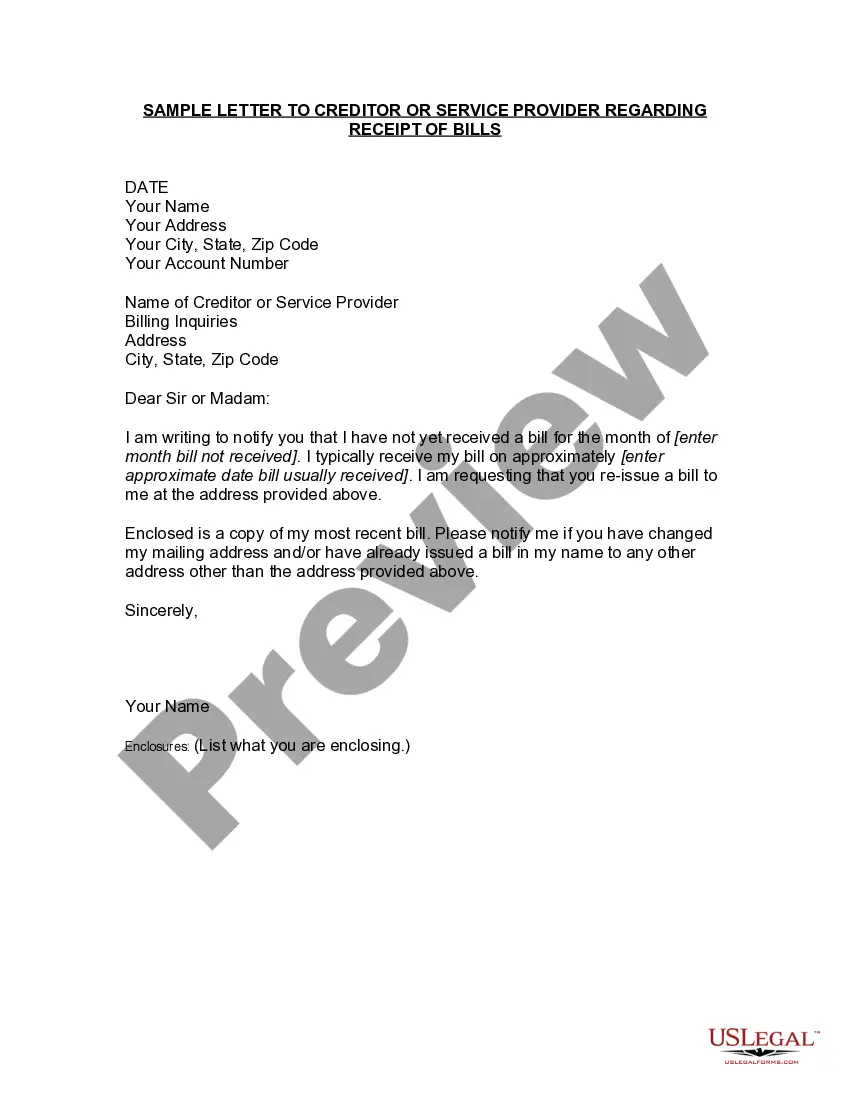
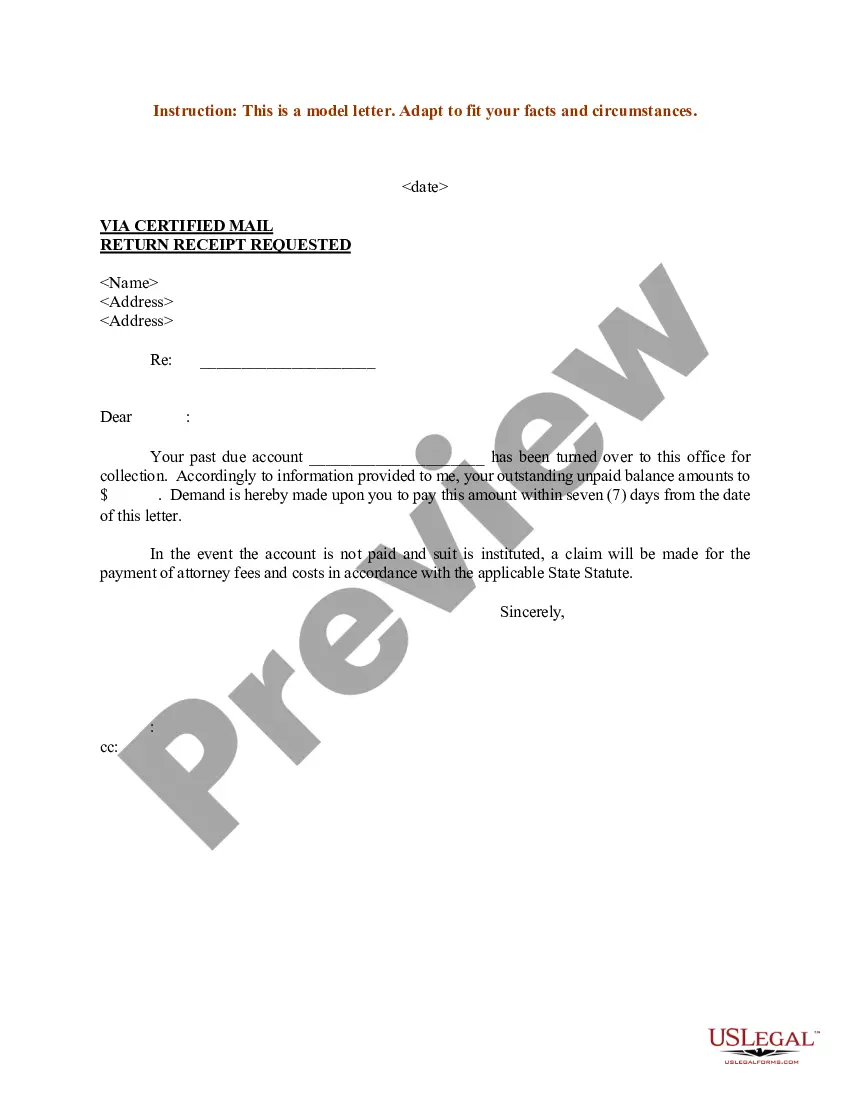
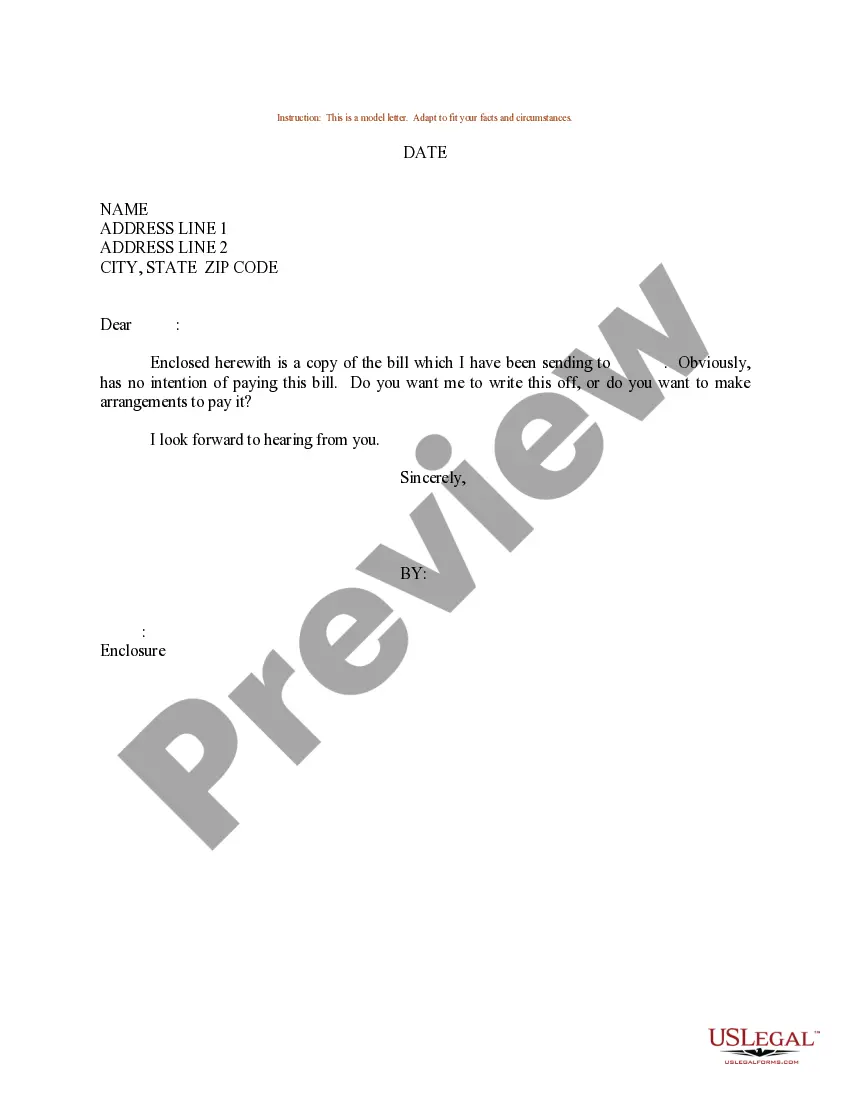
Common use cases
This form is particularly useful when you notice unauthorized charges on your bank account and need to formally request a review from your financial institution. It is appropriate to use this letter when you are seeking clarification, disputing charges, or asking for a reversal of fraudulent transactions.
Intended users of this form
This letter is intended for:
- Account holders who identify fraudulent charges.
- Clients seeking to formalize their complaints with their bank.
- Consumers wanting clear documentation of their claims.
How to complete this form
- Identify your personal details and insert your name and address at the beginning of the letter.
- Include the date the letter is being written to provide context.
- Write the recipient's information, including their name and address.
- Clearly state the issue in the body of the letter, mentioning specific fraudulent charges.
- Request a prompt resolution and specify any actions you expect from the bank.
- Sign the letter to authenticate your complaint.
Notarization guidance
This form does not typically require notarization unless specified by local law. Make sure to check with your financial institution for any specific requirements they may have.
Get your form ready online
Our built-in tools help you complete, sign, share, and store your documents in one place.
Make edits, fill in missing information, and update formatting in US Legal Forms—just like you would in MS Word.
Download a copy, print it, send it by email, or mail it via USPS—whatever works best for your next step.
Sign and collect signatures with our SignNow integration. Send to multiple recipients, set reminders, and more. Go Premium to unlock E-Sign.
If this form requires notarization, complete it online through a secure video call—no need to meet a notary in person or wait for an appointment.
We protect your documents and personal data by following strict security and privacy standards.

Make edits, fill in missing information, and update formatting in US Legal Forms—just like you would in MS Word.

Download a copy, print it, send it by email, or mail it via USPS—whatever works best for your next step.

Sign and collect signatures with our SignNow integration. Send to multiple recipients, set reminders, and more. Go Premium to unlock E-Sign.

If this form requires notarization, complete it online through a secure video call—no need to meet a notary in person or wait for an appointment.

We protect your documents and personal data by following strict security and privacy standards.
Avoid these common issues
- Failing to include all relevant details of the fraudulent charges.
- Not providing accurate contact information, which can delay the resolution process.
- Neglecting to specify a clear request or action needed from the bank.
Benefits of using this form online
- Convenient access to a ready-made template that saves time.
- Easy customization to fit your unique situation.
- Reliability in presenting a professional and legally sound letter to your bank.
What to keep in mind
- Use this template to formally report fraudulent charges on your account.
- Ensure to include all necessary details to expedite your claim.
- Keep a copy of the letter for your records as documentation of your complaint.
Looking for another form?
Form popularity
FAQ
This form is a template letter you can use to formally report unauthorized or fraudulent charges on a bank account. It provides a structured format to notify a bank or financial institution of suspected fraud, including essential details and a request for action. It is intended for individuals needing a clear record of claims and steps to resolve.
To write an effective dispute letter using this form, follow its main sections: contact information, date, recipient’s information, subject line, and a body that clearly details the fraudulent charges with dates and amounts. Then include a concise request for the bank to investigate and resolve the issue.
Under this template, valid reasons to dispute include charges you did not authorize or that appear fraudulent. In the Body, list the specific transactions with dates and amounts, and use the Request for action to ask the bank to investigate and reverse any unauthorized charges.
This form is a letter template, but its structure can be adapted to email. Include a clear subject line, the same Body content detailing the fraudulent charges with dates and amounts, and a formal Request for action. Keep the tone concise and factual.
Use the template to draft a formal letter to your bank. Include your contact information, date, recipient, subject, a Body listing the fraudulent transactions with dates and amounts, and a precise Request for action asking for investigation or reversal of unauthorized charges.
This template is specifically designed for reporting unauthorized transactions and fraud on a bank account. It emphasizes a detailed body with dates and amounts and a clear request for action, whereas a generic dispute letter may cover broader disputes without the fraud-specific structure.