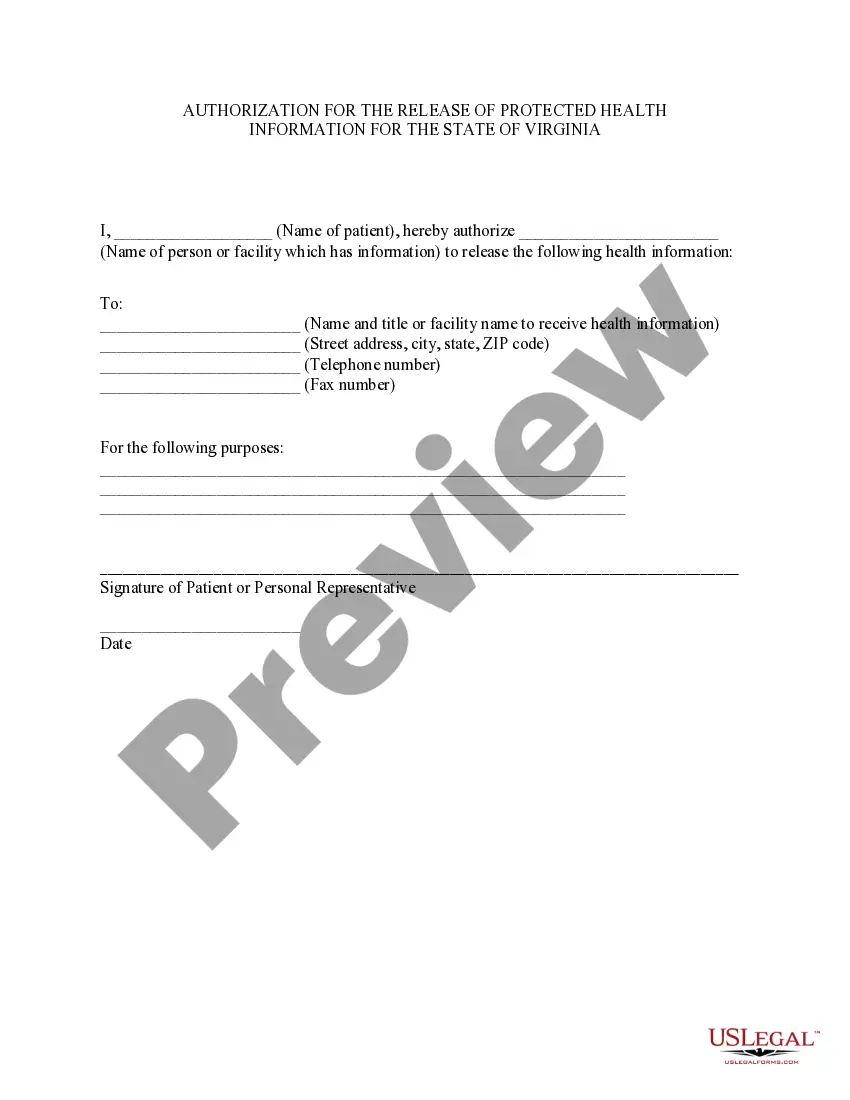
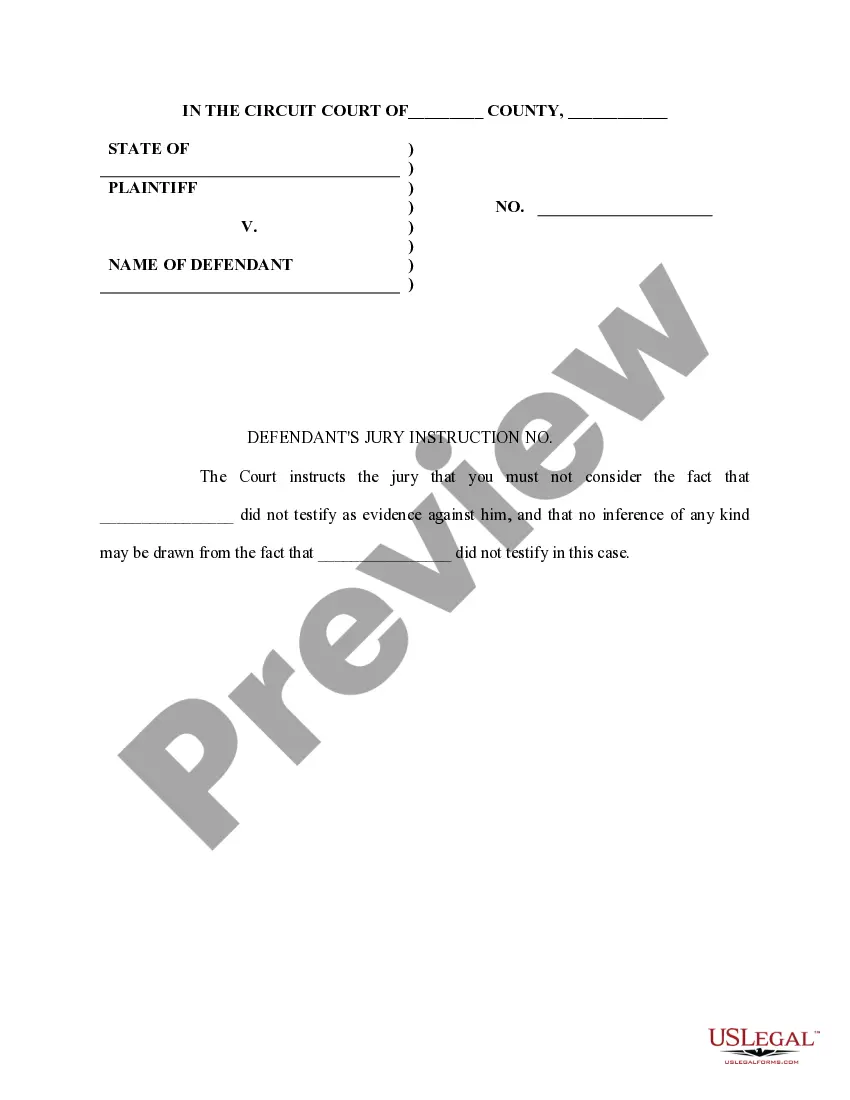
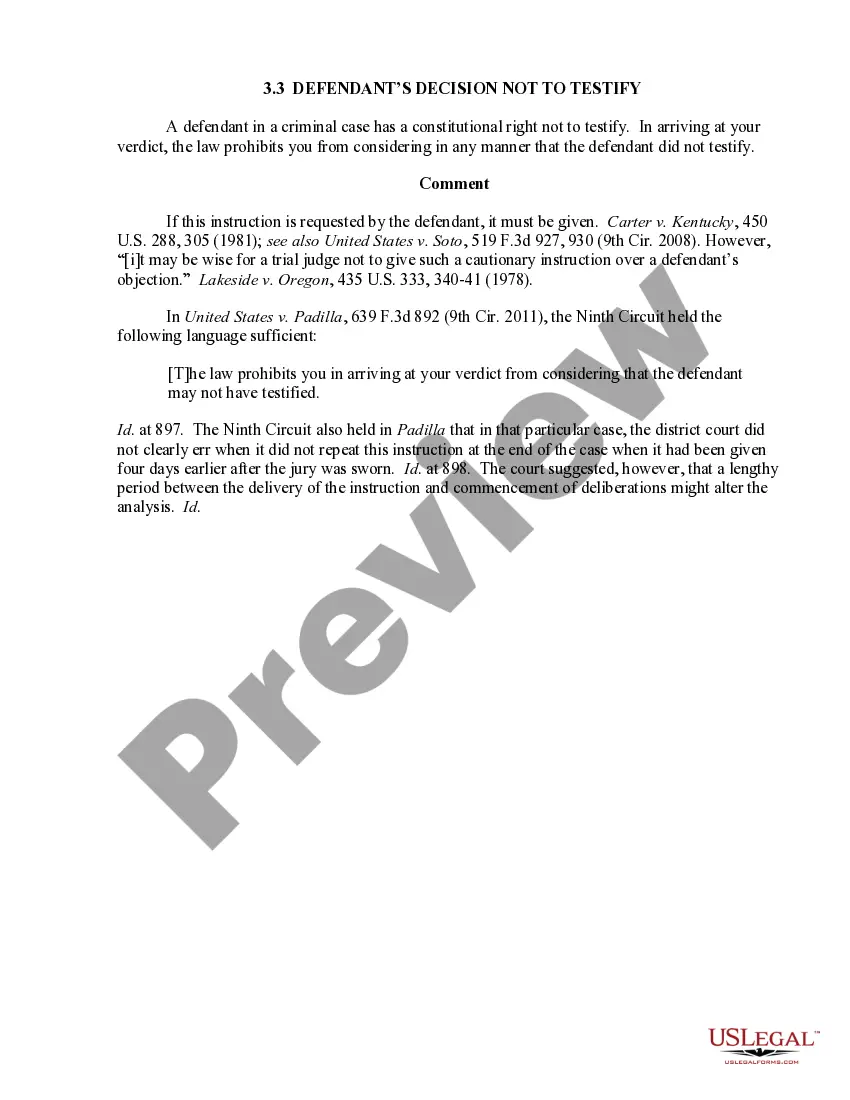
Jury Instructions - Defendant's Failure to Testify
About this form
The Jury Instructions - Defendant's Failure to Testify form provides guidance to jurors on the implications of a defendant not testifying in court. This form ensures that jurors understand they should not infer guilt or draw negative conclusions based on a defendant's choice to remain silent. It plays a crucial role in maintaining the integrity of the judicial process and protecting defendants' rights, distinguishing itself from other jury instructions that may cover different aspects of trial conduct.
What’s included in this form
- Instruction that the jury must not consider the absence of testimony as evidence against the defendant.
- Explicit statement that no inference of guilt can be drawn from the defendant's silence.
- Space to fill in the defendant's name for clarity.

Common use cases
This form is used during criminal trials when the defendant opts not to testify. It ensures that jurors are instructed properly regarding the implications of this choice, helping prevent potential bias against the defendant based solely on their decision to remain silent.
Who this form is for
- Judges who need to issue jury instructions in a criminal trial.
- Defense attorneys preparing for court and ensuring jury instructions are appropriate.
- Prosecutors who want to ensure fairness in the trial by understanding the instructions given to jurors.
How to complete this form
- Prepare the jury instruction document.
- Insert the defendant's name in the designated space.
- Clearly state the instruction regarding the right to remain silent.
- Present the form to the court before jury deliberation.
Does this document require notarization?
This form does not typically require notarization unless specified by local law.
Get your form ready online
Our built-in tools help you complete, sign, share, and store your documents in one place.
Make edits, fill in missing information, and update formatting in US Legal Forms—just like you would in MS Word.
Download a copy, print it, send it by email, or mail it via USPS—whatever works best for your next step.
Sign and collect signatures with our SignNow integration. Send to multiple recipients, set reminders, and more. Go Premium to unlock E-Sign.
If this form requires notarization, complete it online through a secure video call—no need to meet a notary in person or wait for an appointment.
We protect your documents and personal data by following strict security and privacy standards.

Make edits, fill in missing information, and update formatting in US Legal Forms—just like you would in MS Word.

Download a copy, print it, send it by email, or mail it via USPS—whatever works best for your next step.

Sign and collect signatures with our SignNow integration. Send to multiple recipients, set reminders, and more. Go Premium to unlock E-Sign.

If this form requires notarization, complete it online through a secure video call—no need to meet a notary in person or wait for an appointment.

We protect your documents and personal data by following strict security and privacy standards.
Mistakes to watch out for
- Failing to clearly state the defendant's name, which can lead to confusion.
- Not emphasizing the no-inference rule, which might impact jurors' perceptions.
- Using outdated legal terminology that could mislead jurors.
Benefits of completing this form online
- Convenience of downloading and completing the form from any location.
- Editability allows legal professionals to tailor instructions for specific cases.
- Access to templates drafted by licensed attorneys, ensuring legal reliability.
Looking for another form?
Form popularity
FAQ
In addition, contested evidence is likely to become salient to jurors, and the judge's subsequent instruction to disregard the information may produce what researchers refer to as a white bear effectan inability to not think of the white bear once the thought is forbidden.
If there is a reasonable doubt in your mind as to the guilt of the accused.... then you must declare him not guilty. If however, there is no reasonable doubt, then he must be found guilty. Whichever way you decide, the verdict must be unanimous. I urge you to deliberate honestly and thoughtfully.
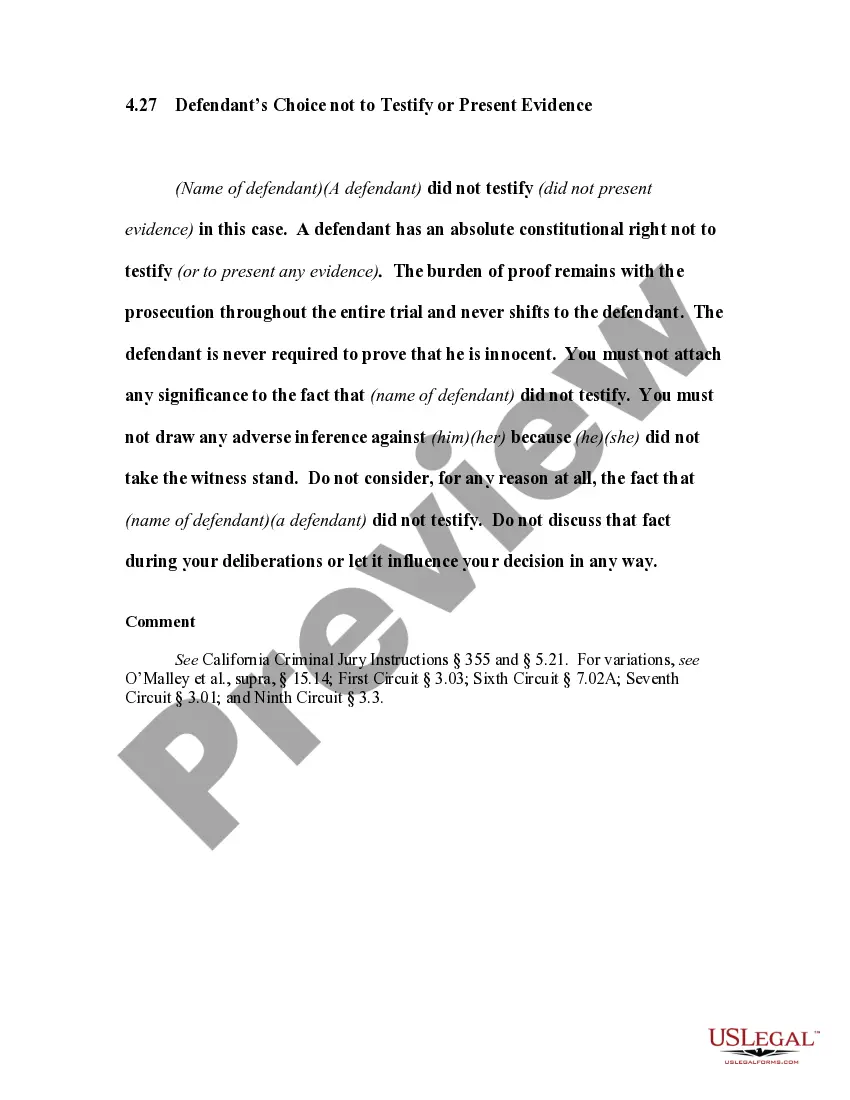
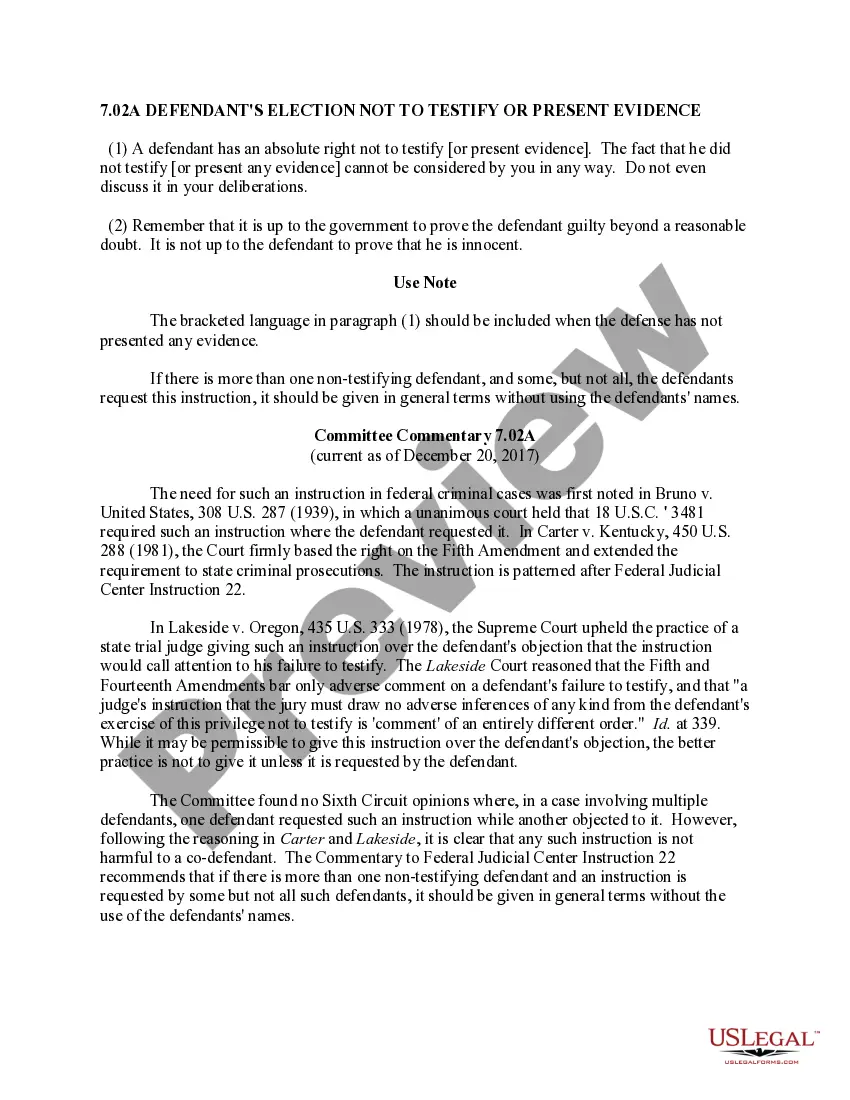
A criminal defendant has the right to testify or not to testify in any criminal case. If a defendant chooses not to testify, that fact cannot be held against the defendant, and cannot be used to infer guilt.
The instructions that the judge gives the jurors are to convict the boy but also make sure that there isn't any reasonable doubt. If there is any kind of reasonable doubt, then he is not guilty. All twelve jurors must vote guilty for him to be convicted.
According to the Supreme Court, the jury-trial right applies only when serious offenses are at handpetty offenses don't invoke it. For purposes of this right, a serious offense is one that carries a potential sentence of more than six months' imprisonment. (Baldwin v. New York, 399 U.S. 66 (1970).)
The Fifth Amendment to the U.S. Constitution provides that a defendant cannot "be compelled in any criminal case to be a witness against himself." In short, the defendant cannot be forced to speak.
The person testifying is the defendant in a criminal case: This is an extension of the protection under the Fifth Amendment. Criminal defendants can never be forced to testify.
You are a defendant in a criminal case As an extension of the Fifth Amendment, any criminal defendant cannot be forced to testify in a courtroom.You are not competent Some witnesses are not able to provide a testimony because of their age, a health condition, or the inability to recall events truthfully.
Under the Fifth Amendment, you can refuse to testify to self-incriminating evidence.So, if you've been subpoenaed and do not want to testify, consult with a experienced criminal defense attorney to see if any of these privileges apply to you, or you could face jail time if you don't show up.