Leave of Absence for Surgery
What is this form?
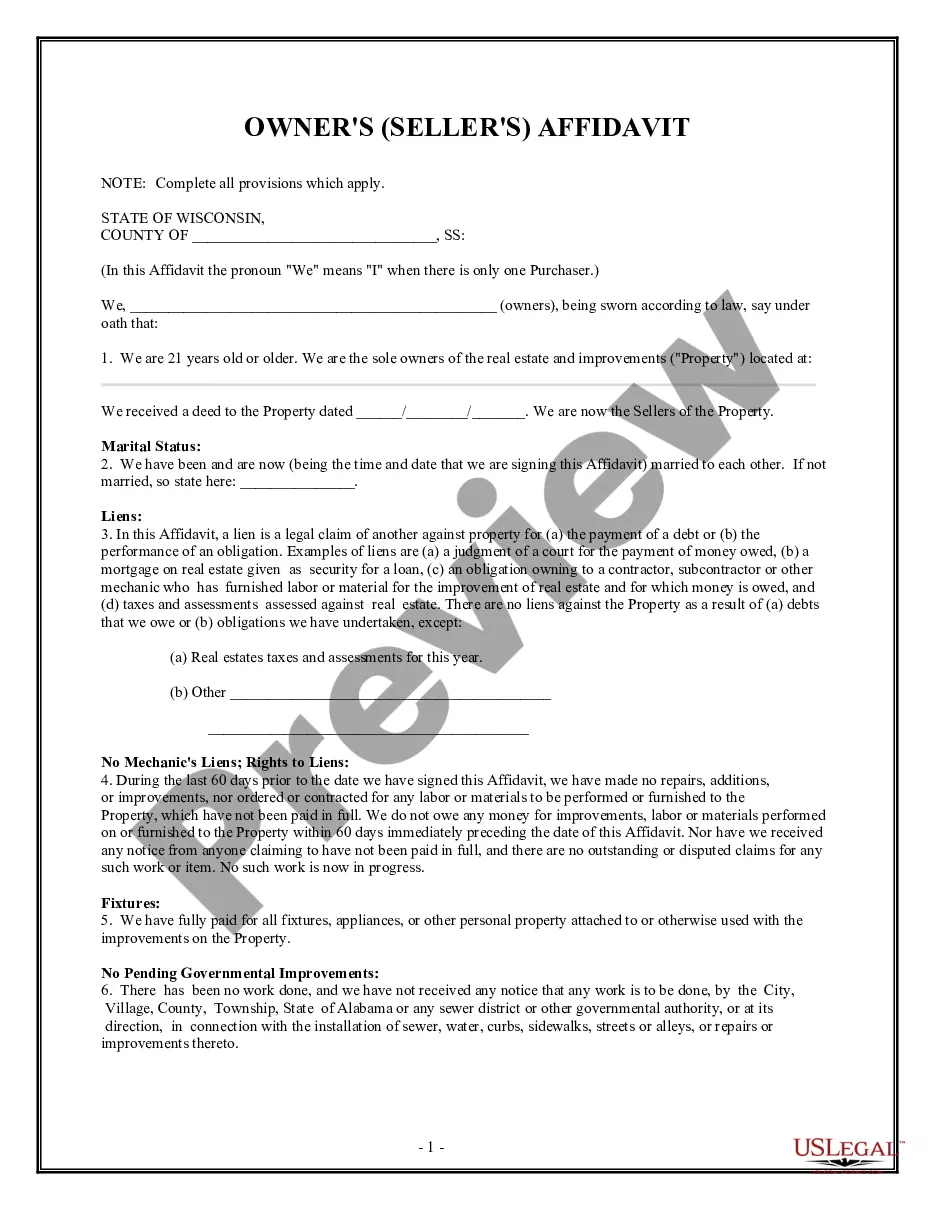
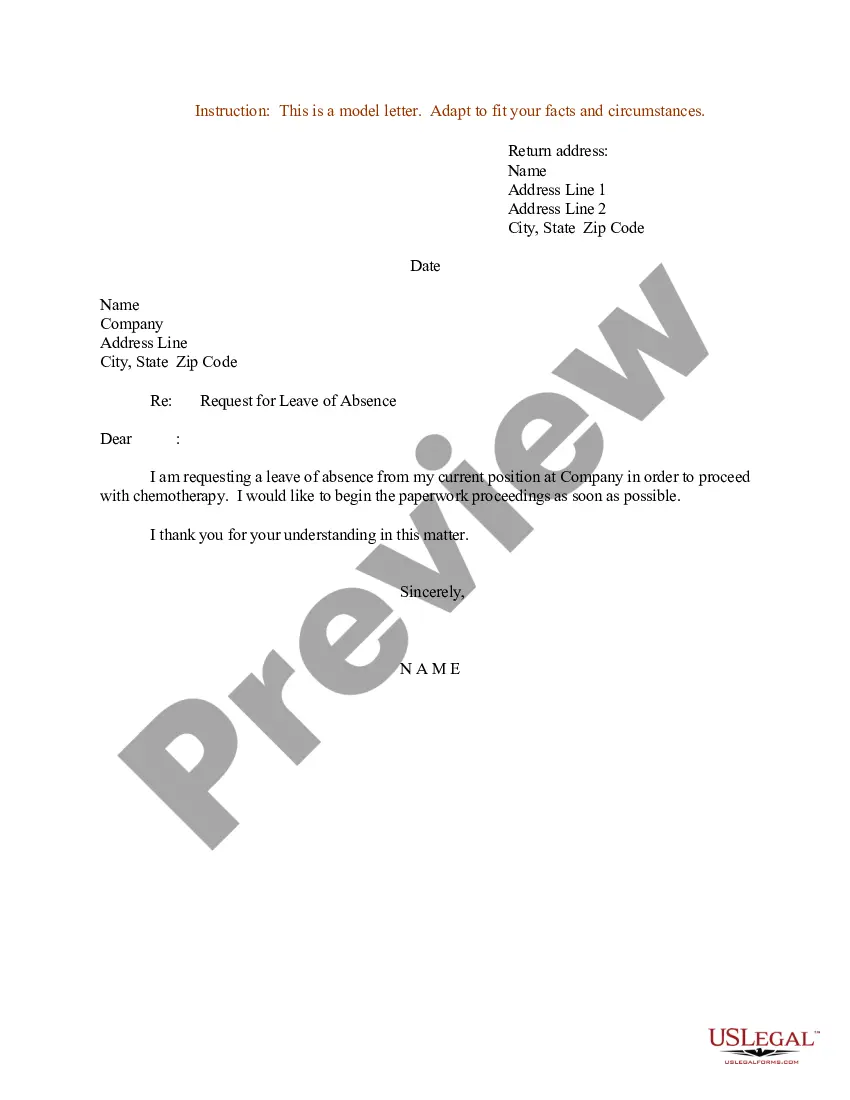
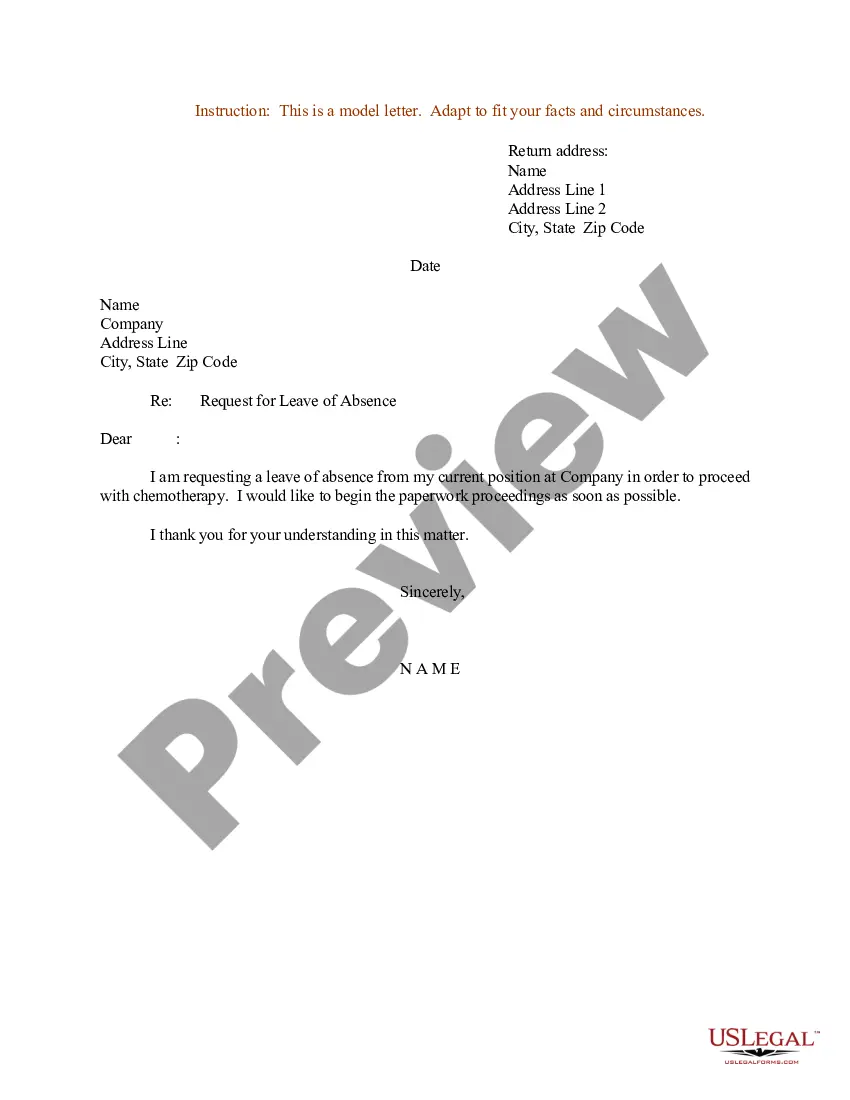
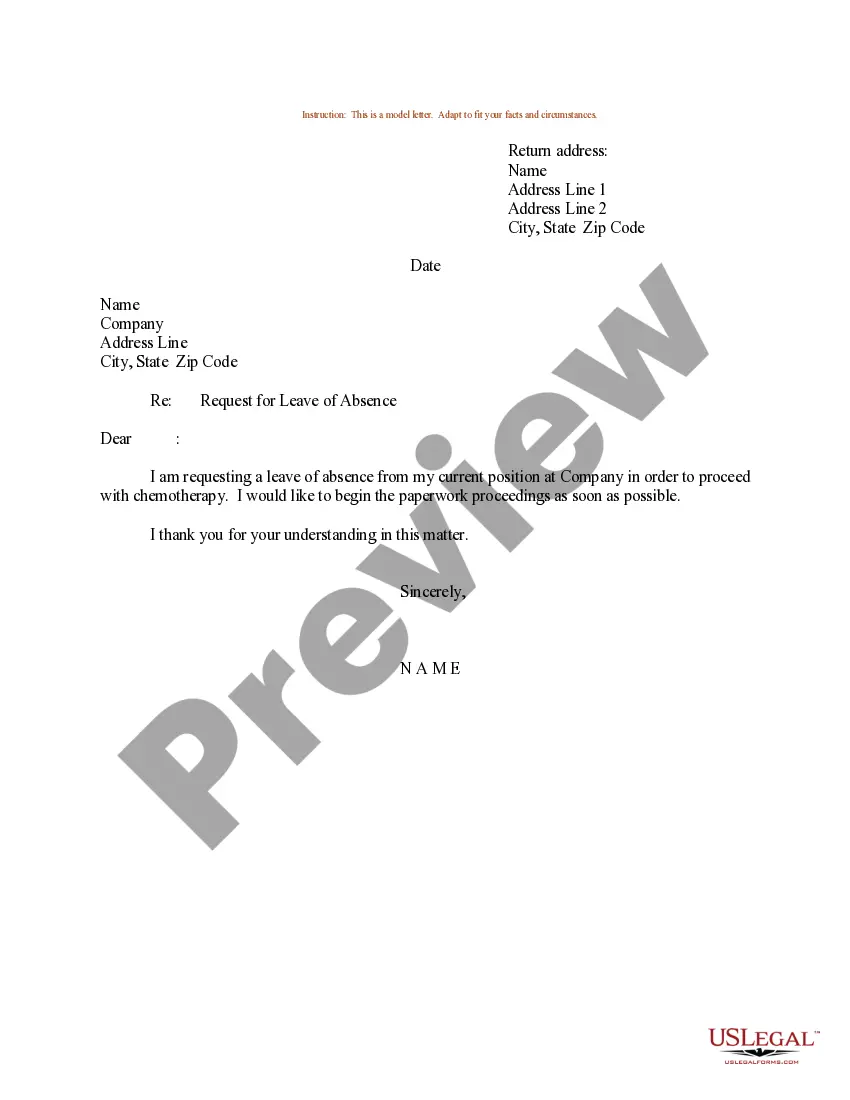
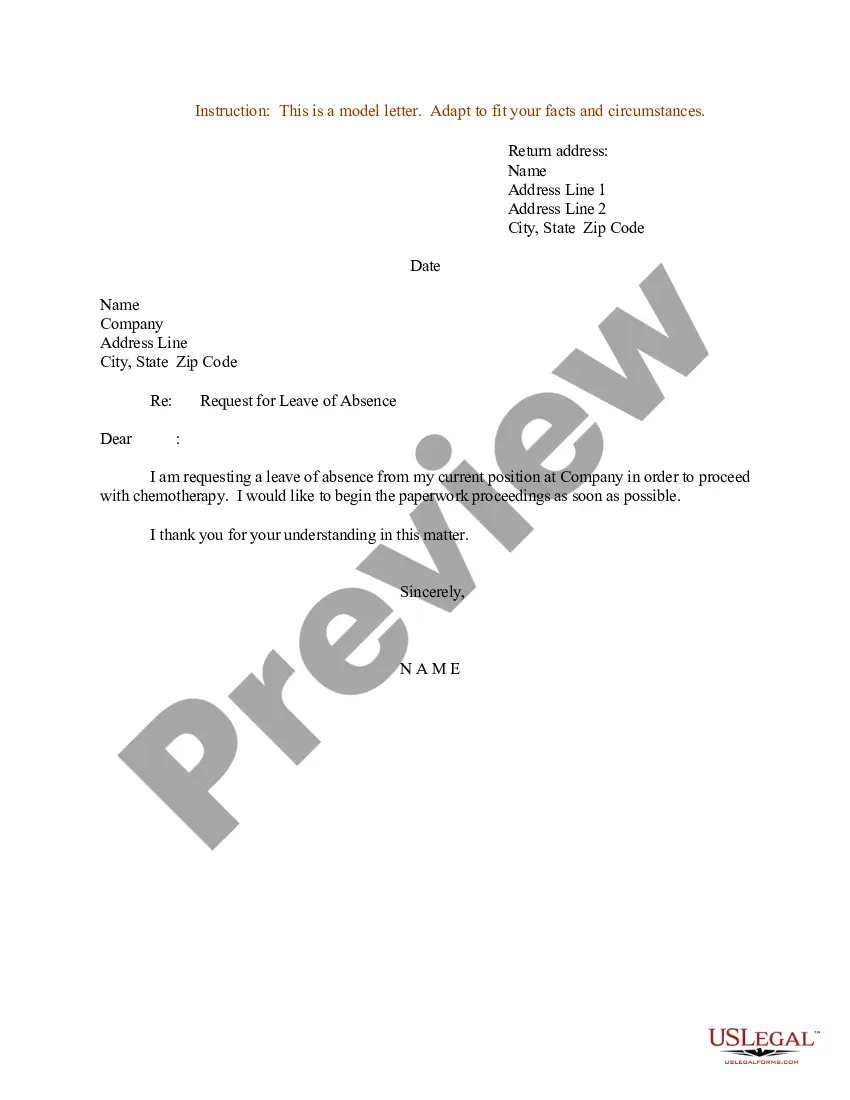
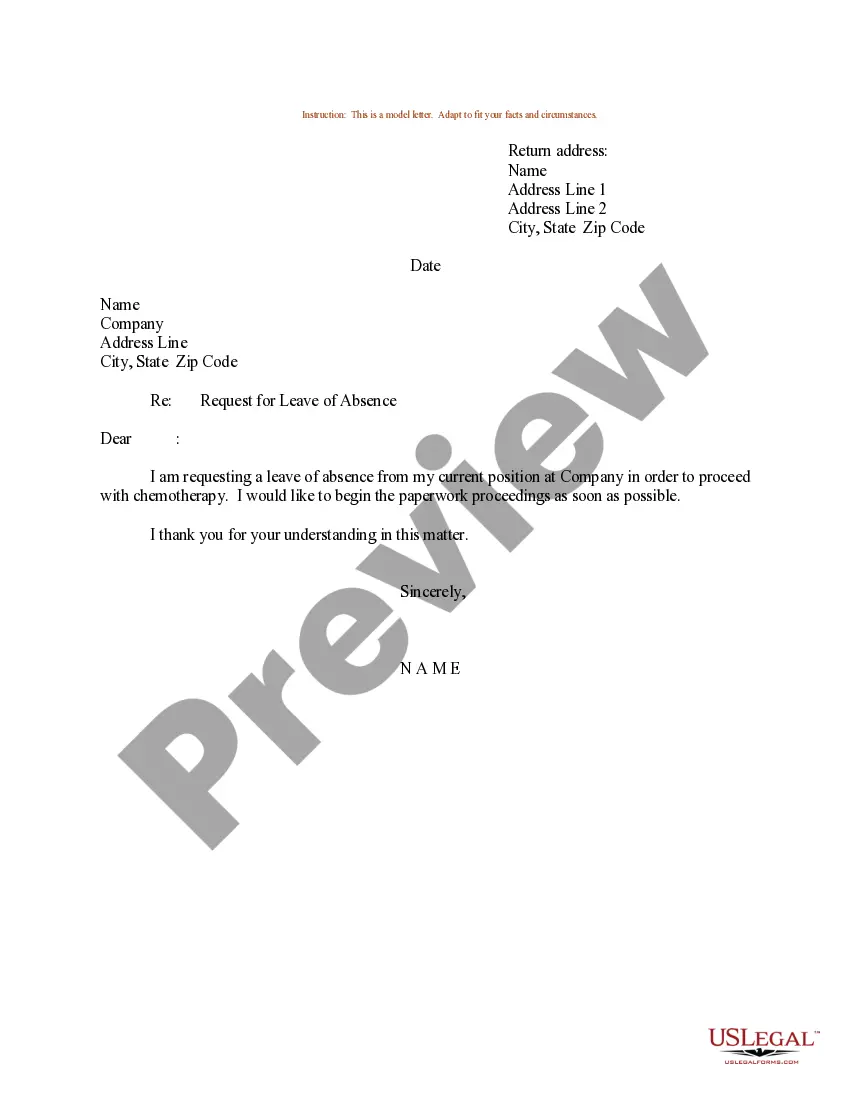
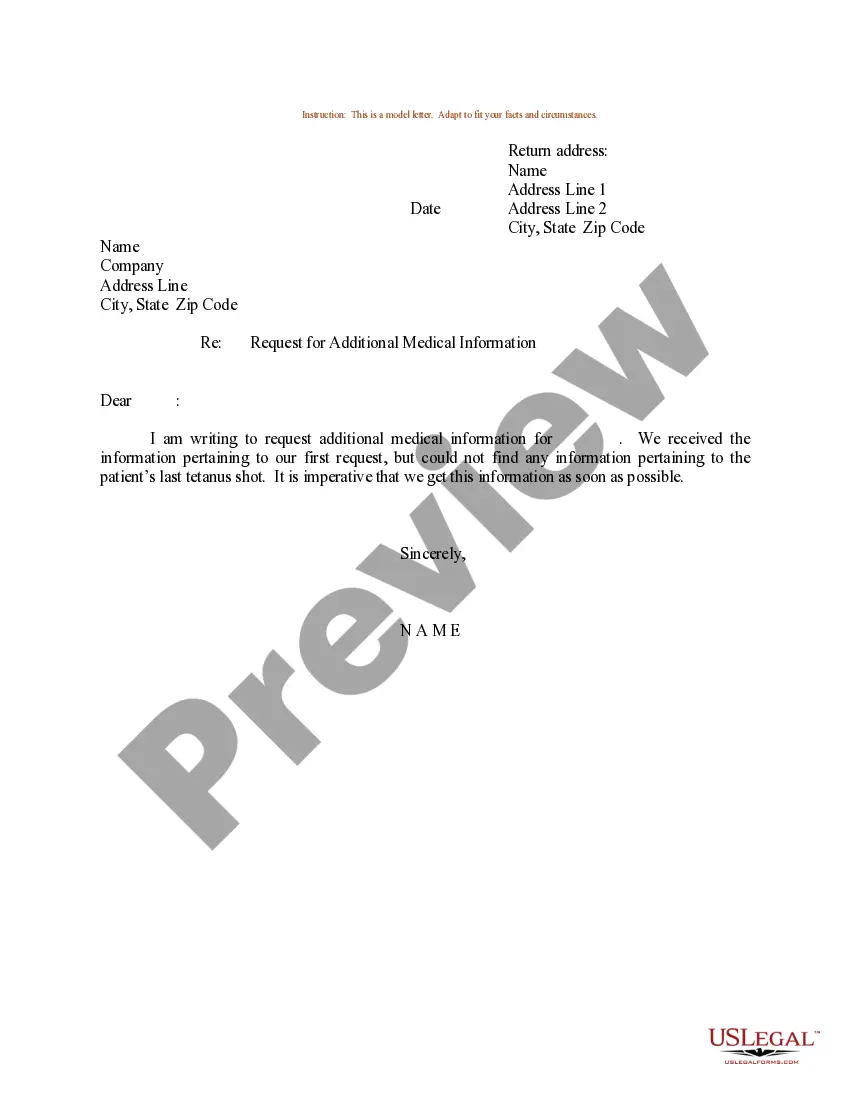
The Leave of Absence for Surgery form is a template letter designed for employees requesting time off from work due to surgical procedures. This form provides a clear structure for the request, differing from other leave documents by focusing specifically on surgical absences and ensuring compliance with employment policies.
Key parts of this document
- Return address section: Include your name, address, and contact details.
- Date: The date when the letter is being written.
- Recipient address: The name and address of your employer or supervisor.
- Subject line: Clearly states the purpose of the letter as a request for a leave of absence.
- Body of the letter: Explanation of the need for leave, including the type of surgery and estimated recovery time.
- Closing: A professional sign-off including your signature and printed name.
Situations where this form applies
This form should be used when you need to formally request time off from work for a surgical procedure. It is suitable in situations where surgery is planned and your employer requires written documentation of your absence. It helps maintain clear communication regarding your leave and ensures that you comply with company policies.
Who this form is for
This letter is ideal for:
- Employees needing to take a medical leave for surgery.
- Individuals employed in companies with formal leave policies.
- Anyone who wants to ensure their leave request is documented.
Instructions for completing this form
- Enter your return address at the top of the letter.
- Include the current date below your address.
- Add the recipient's name and company address.
- Clearly state the purpose in the subject line.
- In the body, explain the reason for your leave and any relevant details about your surgery.
- Sign off politely with your name and any relevant contact information.
Does this document require notarization?
This form does not typically require notarization unless specified by local law. It is sufficient to submit the completed form to your employer as part of your leave request process.
Get your form ready online
Our built-in tools help you complete, sign, share, and store your documents in one place.
Make edits, fill in missing information, and update formatting in US Legal Forms—just like you would in MS Word.
Download a copy, print it, send it by email, or mail it via USPS—whatever works best for your next step.
Sign and collect signatures with our SignNow integration. Send to multiple recipients, set reminders, and more. Go Premium to unlock E-Sign.
If this form requires notarization, complete it online through a secure video call—no need to meet a notary in person or wait for an appointment.
We protect your documents and personal data by following strict security and privacy standards.

Make edits, fill in missing information, and update formatting in US Legal Forms—just like you would in MS Word.

Download a copy, print it, send it by email, or mail it via USPS—whatever works best for your next step.

Sign and collect signatures with our SignNow integration. Send to multiple recipients, set reminders, and more. Go Premium to unlock E-Sign.

If this form requires notarization, complete it online through a secure video call—no need to meet a notary in person or wait for an appointment.

We protect your documents and personal data by following strict security and privacy standards.
Typical mistakes to avoid
- Failing to provide all necessary contact information.
- Not specifying the expected duration of the leave.
- Using overly casual language instead of maintaining a professional tone.
- Neglecting to proofread for spelling and grammatical errors.
Advantages of online completion
- Convenient access to a ready-made template that can be customized quickly.
- Easy to download and edit, allowing for personalization.
- Prepared by legal professionals to ensure compliance with employment standards.
- Secure storage options available to keep your forms organized.
Looking for another form?
Form popularity
FAQ
There is NO general obligation for employers to provide employees with any time off for medical needs or surgery; an employer can generally fire employees who do not show up to work for any reason.
Under the FMLA, a serious health condition is an illness, injury, impairment or physical or mental condition that involves inpatient care (defined as an overnight stay in a hospital, hospice or residential medical care facility; any overnight admission to such facilities is an automatic trigger for FMLA eligibility) or
A handful of states provide employees with the right to short-term disability coverage; in states that don't, employers may also choose to offer this benefit voluntarily. If you have to undergo surgery or a medical procedure, your time off will often be covered by a short-term disability program.
There is no statutory right to time off for a person who elects to have surgery however they are more than likely to be unfit for work for a period of time following the surgery. For the purpose of statutory sick pay, (SSP) it is irrelevant that the employee's ill health may have been self induced.
Dear sir, I am (Name) writing to inform you that I will remain on leave for five days due to surgery of my nose. I have issues with my nose and now it has become difficult for me to breathe with nose and it is also turning my nose toward the right side. (State your actual situation).
Attending medical appointments and elective surgery Medical appointments and elective surgeries that are pre-arranged can only be covered by sick leave if an employee is not able to work because of a personal illness or injury.An employer can ask for evidence from an employee to confirm that they were unfit for work.
You can take FMLA leave as either a single block of time (for example, three weeks of leave for surgery and recovery) or in multiple, smaller blocks of time if medically necessary (for example, occasional absences due to diabetes).
The U.S. Department of Labor created the Family Medical Leave Act (FMLA) a federal law that provides certain employees with up to 12 weeks of unpaid, job-protected leave per year.You have a serious health condition (thankfully, nearly all surgeries are eligible for the FMLA)
Medical appointments and elective surgeries that are pre-arranged can only be covered by sick leave if an employee is not able to work because of a personal illness or injury.An employer can ask for evidence from an employee to confirm that they were unfit for work.