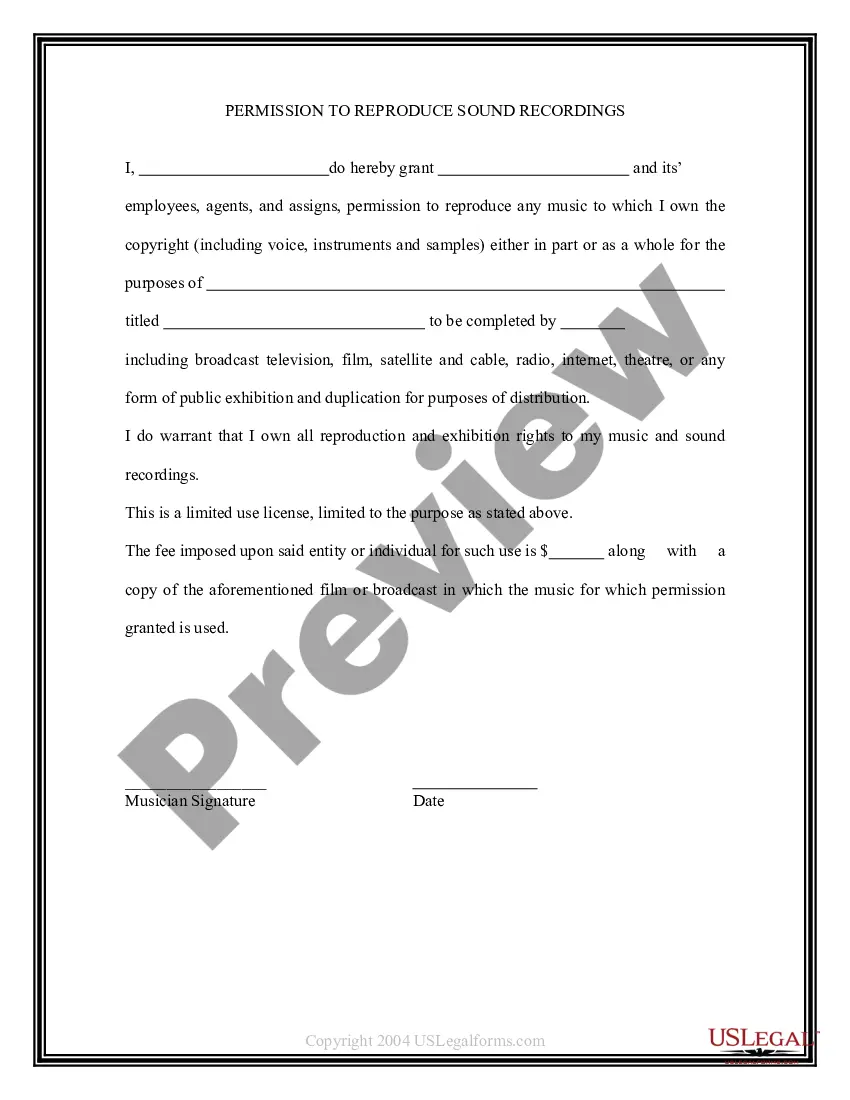
This is a form signed by a musician or owner of music granting permission to reproduce copyrighted music for use in a film, television, Internet, radio etc.
Texas Permission To Reproduce Sound Recordings
State:
Multi-State
Control #:
US-PRM-23
Format:
Word;
Rich Text
Instant download
Description

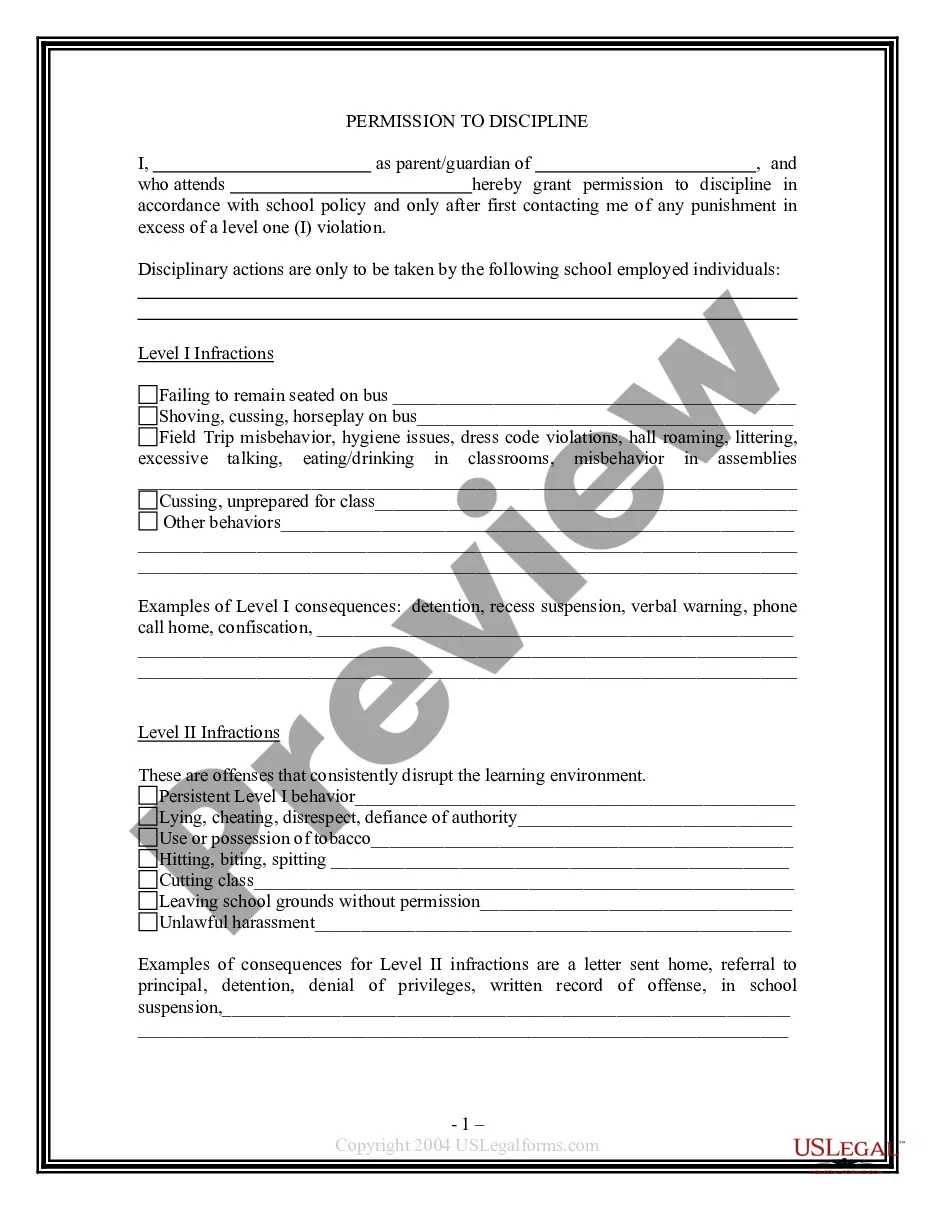
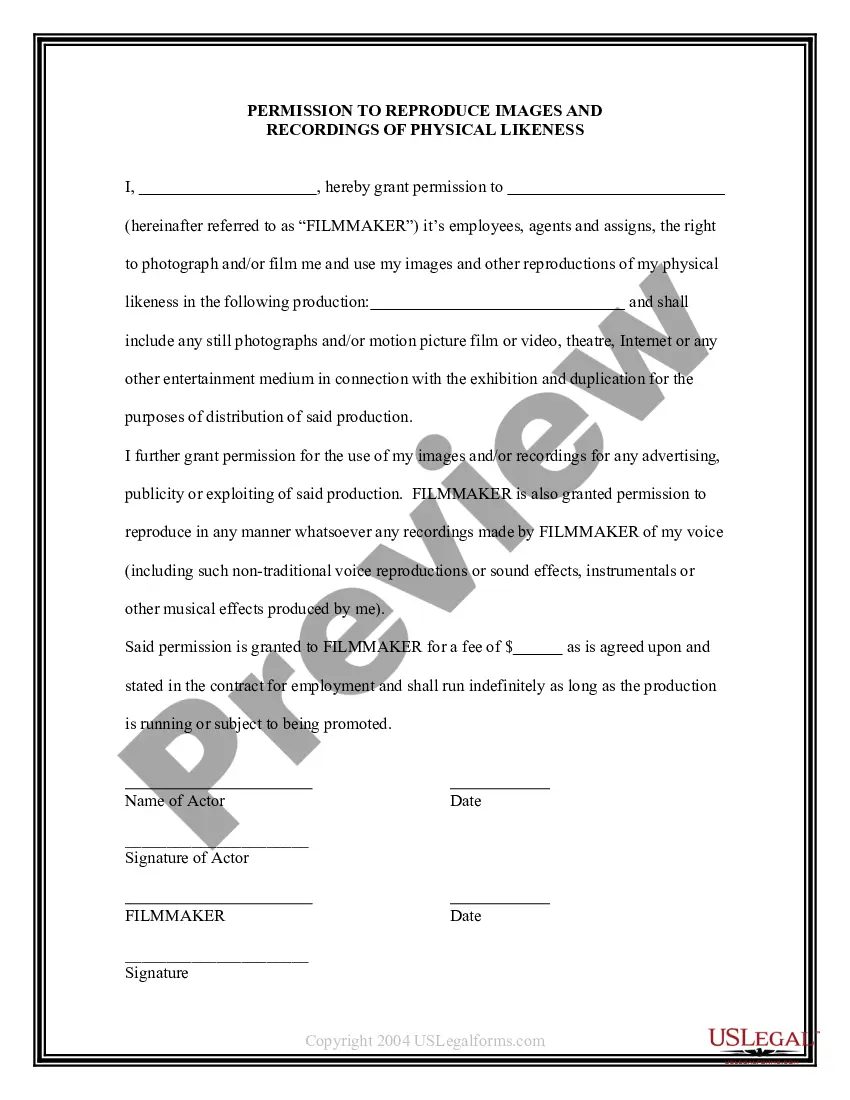
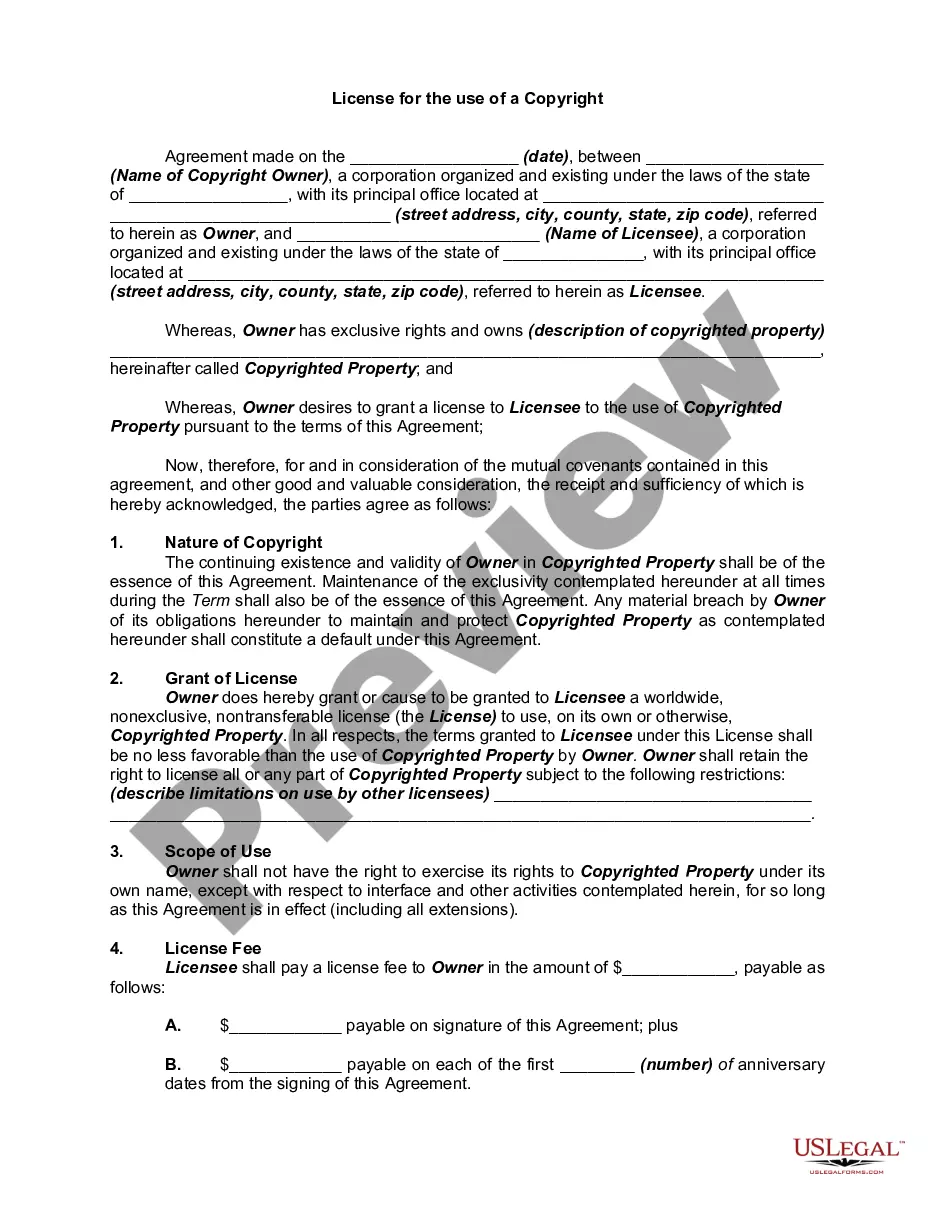
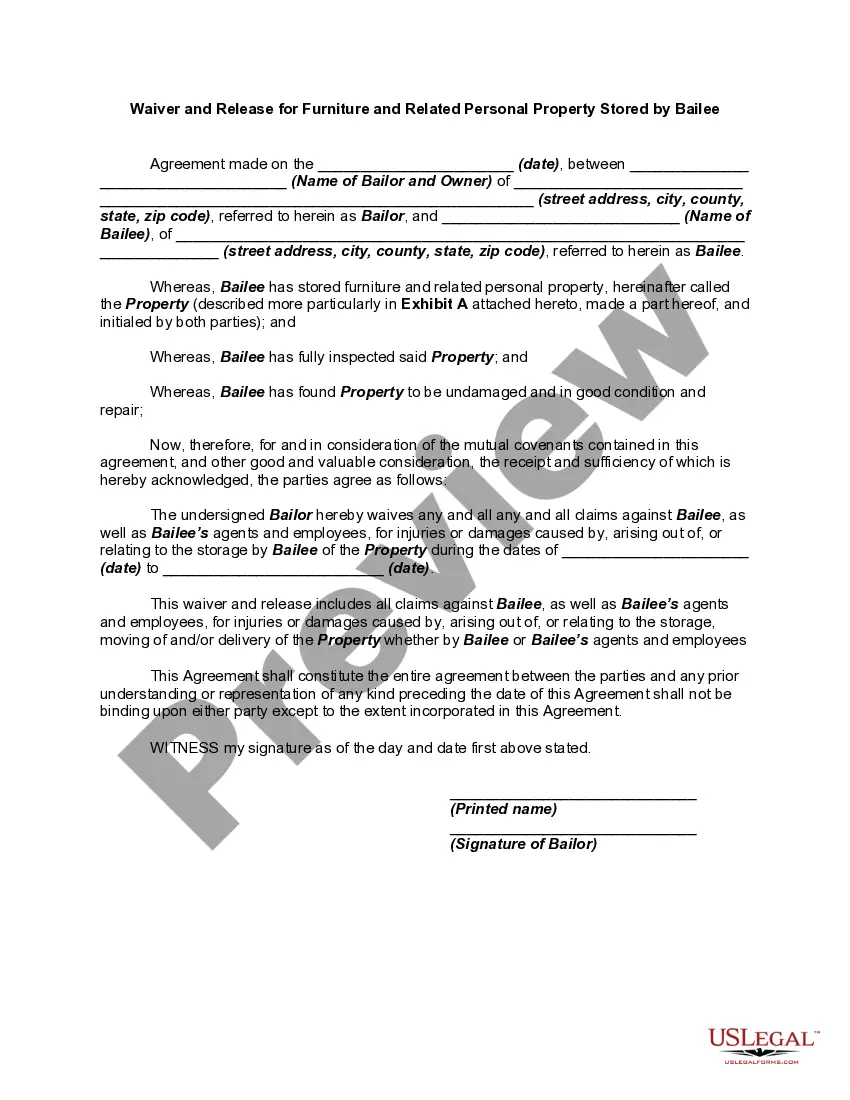
How to fill out Permission To Reproduce Sound Recordings?
If you need to thoroughly obtain, download, or print official document templates, utilize US Legal Forms, the most extensive collection of legal forms available online.
Take advantage of the site's straightforward and user-friendly search functionality to locate the documents you need. Various templates for commercial and personal purposes are categorized by types and states, or keywords.
Utilize US Legal Forms to find the Texas Permission To Reproduce Sound Recordings with just a few clicks.
Step 5. Complete the transaction. You may use your credit card or PayPal account to finalize the transaction.
Step 6. Choose the format of the legal form and download it to your device. Step 7. Complete, modify, and print or sign the Texas Permission To Reproduce Sound Recordings. Every legal document template you acquire is yours permanently. You have access to every form you downloaded within your account. Select the My documents section and choose a form to print or download again. Complete and download, and print the Texas Permission To Reproduce Sound Recordings with US Legal Forms. There are numerous professional and state-specific forms available for your commercial or personal needs.
- If you are already a US Legal Forms user, Log In to your account and click the Download button to obtain the Texas Permission To Reproduce Sound Recordings.
- You can also access forms you previously downloaded in the My documents section of your account.
- If you are using US Legal Forms for the first time, follow the steps outlined below.
- Step 1. Ensure you have chosen the form for the correct city/state.
- Step 2. Use the Preview option to review the content of the form. Be sure to read the description.
- Step 3. If you are not satisfied with the form, utilize the Search field at the top of the screen to find alternative versions of the legal form template.
- Step 4. Once you have located the form you need, click the Buy now button. Select the pricing plan you prefer and provide your information to register for the account.
Form popularity
FAQ
Yes, you can audio record someone in Texas as long as you are part of the conversation or have the consent of one party involved. This aligns with the Texas Permission To Reproduce Sound Recordings law. However, when in doubt, always consider the privacy rights of others. US Legal Forms offers helpful insights and documentation to navigate these recording laws effectively.
Audio recording is not inherently illegal in Texas, but it depends on the context. Texas law allows recording if at least one party consents, which means you can record conversations you are part of. However, recording someone without their knowledge in situations where they expect privacy can lead to legal complications. To ensure compliance, refer to the Texas Permission To Reproduce Sound Recordings guidelines.
In Texas, you may have grounds to sue someone for recording you without your consent, especially if the recording violates your reasonable expectation of privacy. The Texas Permission To Reproduce Sound Recordings law protects individuals from unauthorized recordings. If you believe your rights have been infringed, consider consulting with a legal expert. Platforms like US Legal Forms can provide valuable resources to help you understand your options.
To submit an audio recording as evidence in court, you must first ensure that the recording complies with the Texas Permission To Reproduce Sound Recordings guidelines. Begin by verifying its authenticity and relevance to your case. Then, prepare the recording for submission, including any necessary documentation that establishes its legitimacy. Using a platform like US Legal Forms can simplify this process by providing you with the right forms and guidance to ensure your recording is accepted in court.
Yes, you can take legal action against someone who records you without your consent in Texas. This situation may violate your privacy rights and could lead to a lawsuit. If you find yourself in such a situation, it is essential to understand your rights regarding Texas Permission To Reproduce Sound Recordings. Utilizing resources like US Legal Forms can help you navigate the legal processes effectively.
In Texas, you can legally record a conversation if you are a participant in that conversation. This is known as one-party consent. However, if you are not part of the conversation, recording without permission may lead to legal issues. Understanding the Texas Permission To Reproduce Sound Recordings is crucial to ensure you comply with state laws.
While Texas is a one-party consent state, it is still possible for people to record you without your permission. However, such recordings may not always be legally admissible if they violate privacy rights. To better understand your rights regarding Texas Permission To Reproduce Sound Recordings, you can explore USLegalForms for tailored legal advice and resources that can assist you.
Yes, you can use a voice recording as evidence in family court in Texas, provided the recording was made legally. It is essential to adhere to Texas Permission To Reproduce Sound Recordings when using such evidence. If you need assistance in ensuring your recordings meet legal requirements, consider utilizing resources from USLegalForms to help prepare your case.
Recording audio without someone's permission can lead to legal issues in Texas. While it is a one-party consent state, making sure you're in compliance with Texas Permission To Reproduce Sound Recordings is important. If you are unsure about the legality of your actions, using platforms like USLegalForms can provide clarity and help you navigate the laws involved.
In Texas, you typically need consent to record audio conversations. Texas is a one-party consent state, meaning that as long as one party is aware of the recording, it is legal. However, if you plan to reproduce sound recordings, understanding Texas Permission To Reproduce Sound Recordings is crucial. For any legal nuances, consider consulting resources like USLegalForms for guidance.