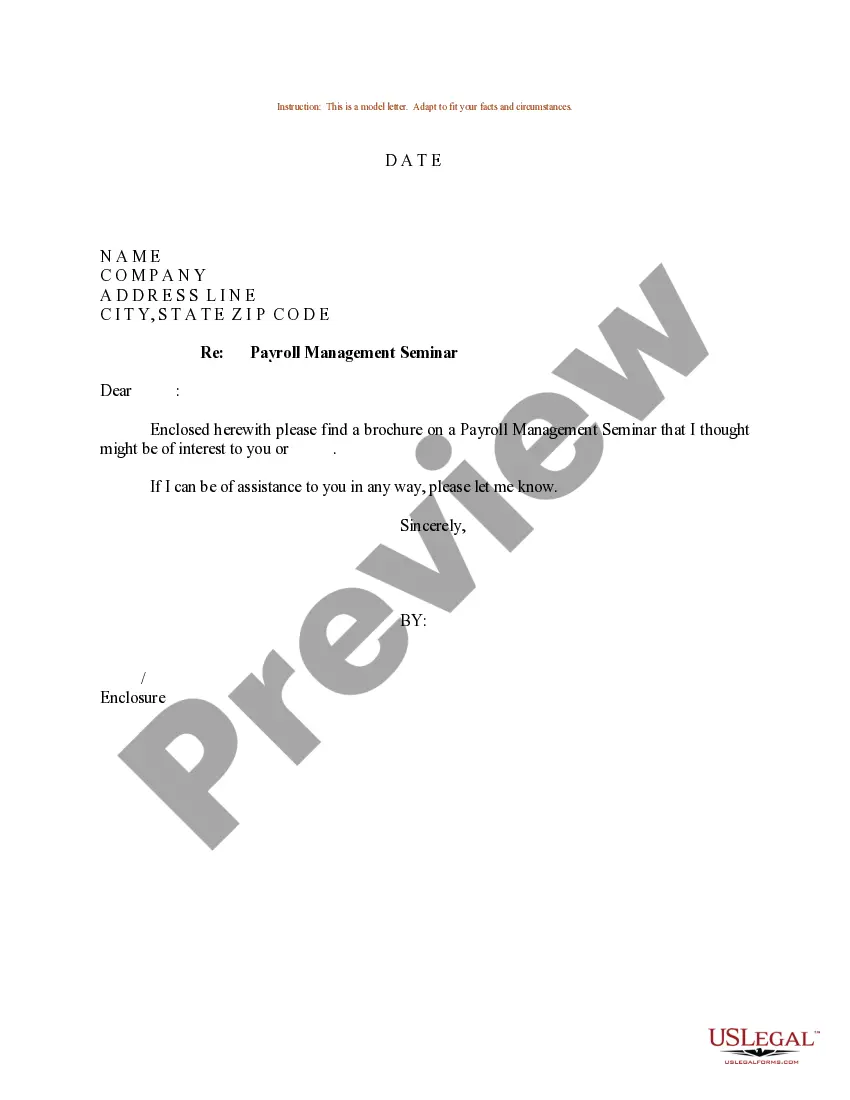
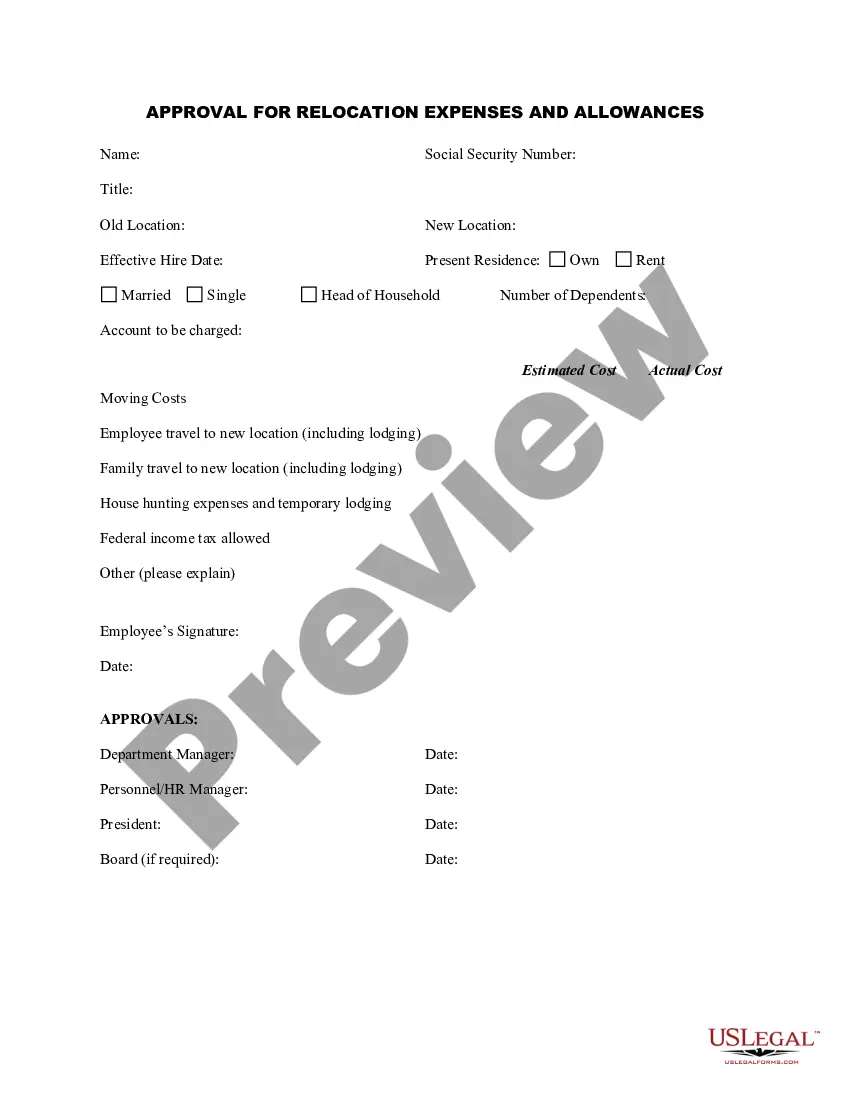
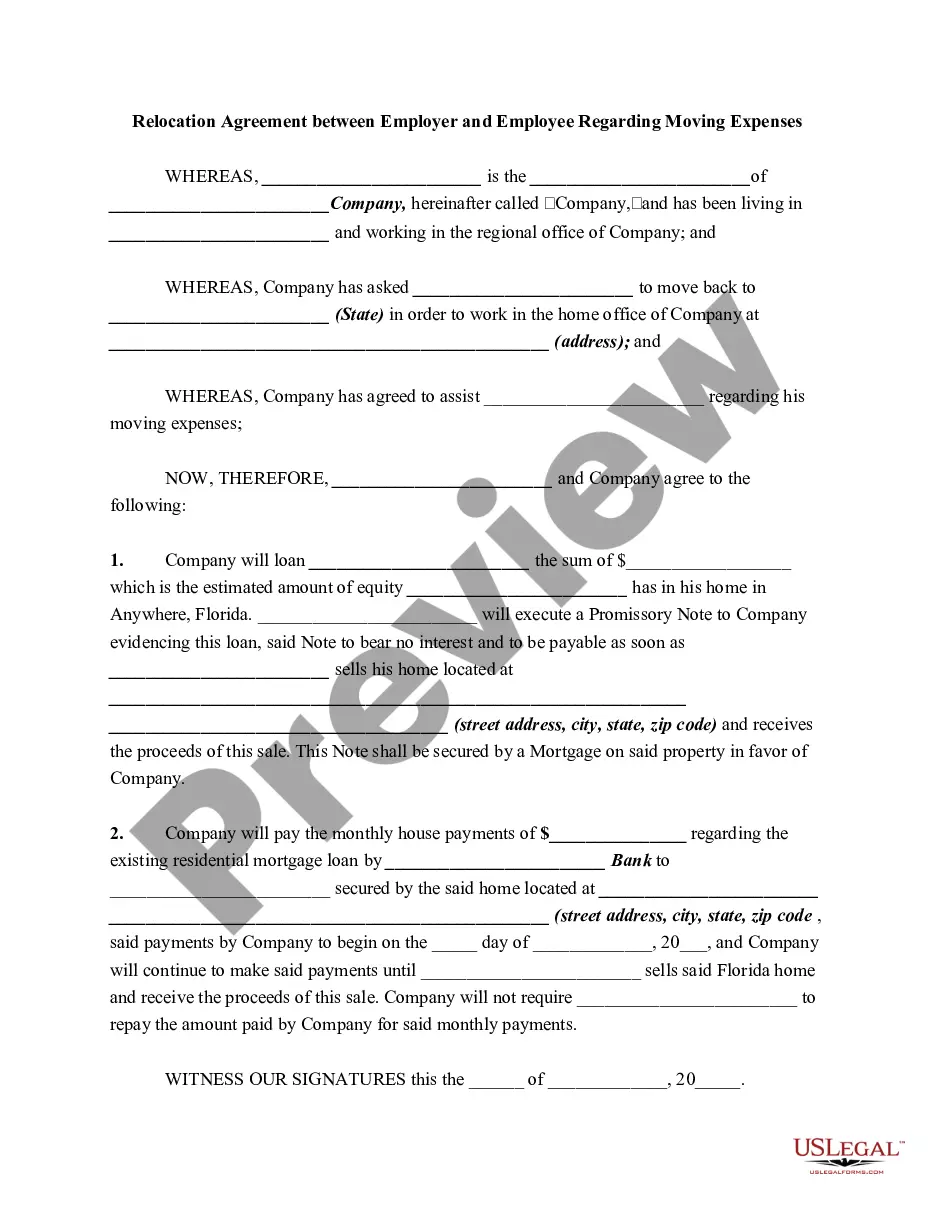
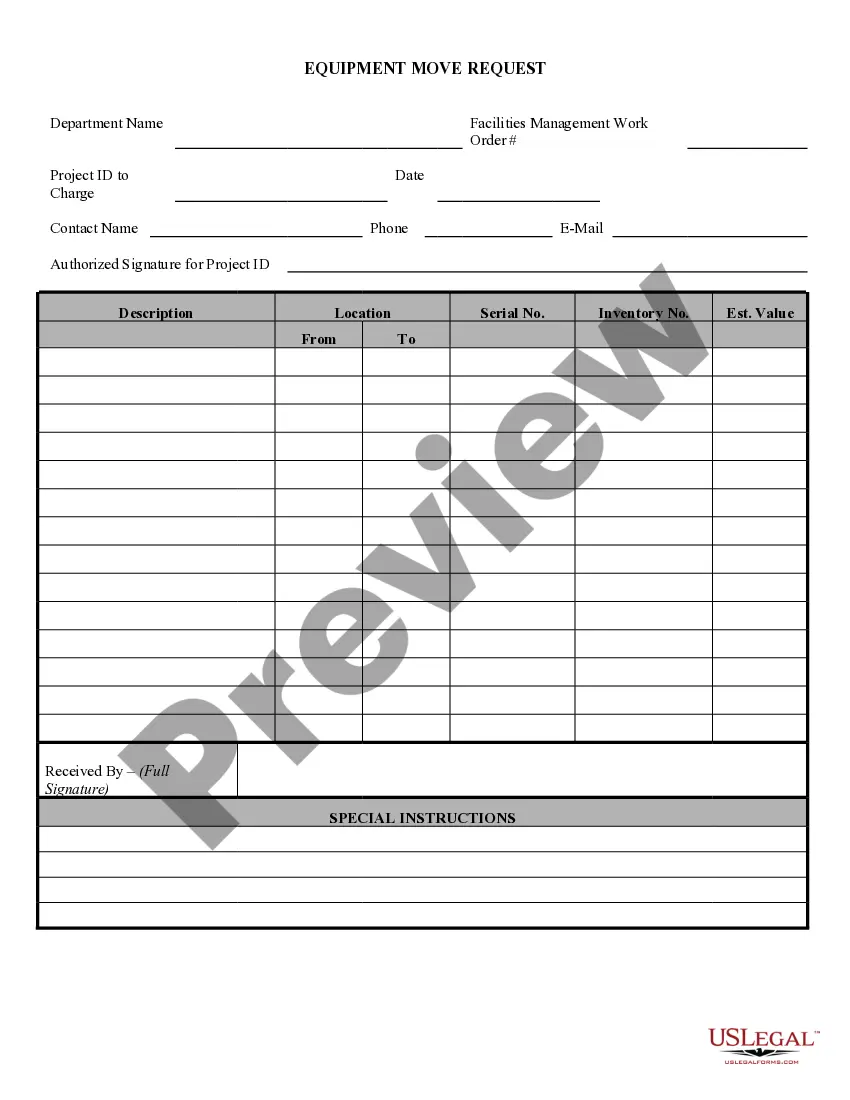
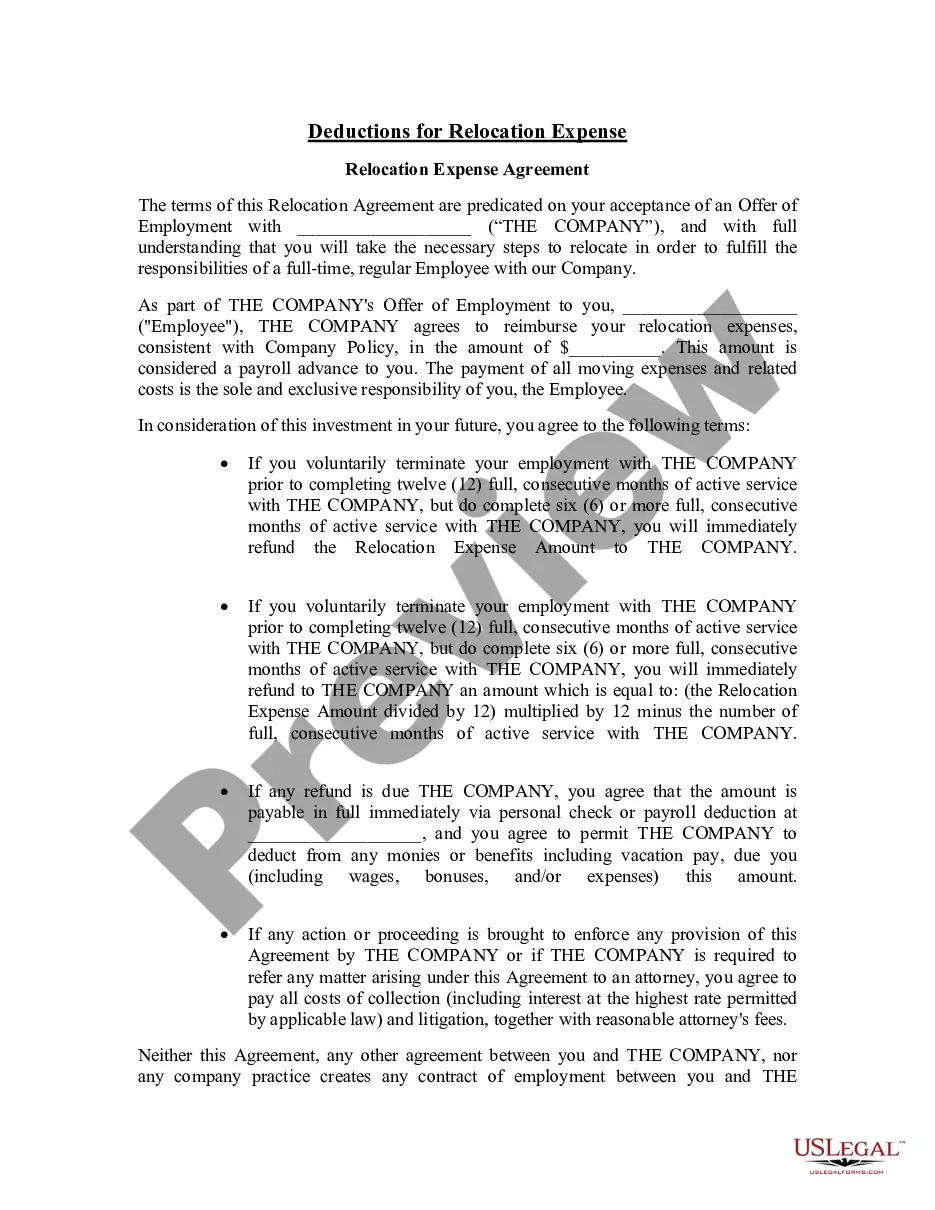
Texas Approval for Relocation Expenses and Allowances
Description
Get your form ready online
Our built-in tools help you complete, sign, share, and store your documents in one place.
Make edits, fill in missing information, and update formatting in US Legal Forms—just like you would in MS Word.
Download a copy, print it, send it by email, or mail it via USPS—whatever works best for your next step.
Sign and collect signatures with our SignNow integration. Send to multiple recipients, set reminders, and more. Go Premium to unlock E-Sign.
If this form requires notarization, complete it online through a secure video call—no need to meet a notary in person or wait for an appointment.
We protect your documents and personal data by following strict security and privacy standards.

Make edits, fill in missing information, and update formatting in US Legal Forms—just like you would in MS Word.

Download a copy, print it, send it by email, or mail it via USPS—whatever works best for your next step.

Sign and collect signatures with our SignNow integration. Send to multiple recipients, set reminders, and more. Go Premium to unlock E-Sign.

If this form requires notarization, complete it online through a secure video call—no need to meet a notary in person or wait for an appointment.

We protect your documents and personal data by following strict security and privacy standards.
Looking for another form?



How to fill out Approval For Relocation Expenses And Allowances?
You can invest time online trying to locate the official document template that meets the state and federal requirements you need.
US Legal Forms offers thousands of legal forms that are verified by experts.
You can obtain or create the Texas Approval for Relocation Expenses and Allowances from our service.
If available, use the Review button to look through the document template at the same time.
- If you already have a US Legal Forms account, you may Log In and then click the Download button.
- Then, you can complete, edit, print, or sign the Texas Approval for Relocation Expenses and Allowances.
- Every legal document template you purchase is yours forever.
- To obtain another copy of any purchased form, go to the My documents tab and click the corresponding button.
- If you are using the US Legal Forms website for the first time, follow the simple instructions below.
- First, ensure that you have selected the right document template for the state/city of your choice.
- Read the form details to verify that you have chosen the correct document.
Form popularity
FAQ
The new employee's city of prior residence must be in excess of 100 miles from their assigned designated headquarters at Texas State. Payment of a moving allowance is only made through payroll and is considered taxable income to the employee.
You can deduct certain expenses associated with moving your household goods and personal effects. Examples of these expenses include the cost of packing, crating, hauling a trailer, in-transit storage, and insurance.
Relocation assistance may cover many areas , including packing and unpacking services, transportation and moving costs, temporary lodging, disposition of a residence, acquisition of a new residence, mortgage assistance, cultural training and language training.
An average relocation package costs between $21,327-$24,913 for a transferee who is a renter and $61,622-$79,429 for a transferee who is a homeowner. Of course, this number is just an average of what larger corporations are spending on employee relocation the relocation amount can be anywhere from $2,000 - $100,000.
Ask directly or be upfront about your needs: If receiving relocation assistance is non-negotiable for you, it's best to be upfront about it. It doesn't hurt to ask what the policy is just hold off on asking for something specific until you have an offer.
An average relocation package costs between $21,327-$24,913 for a transferee who is a renter and $61,622-$79,429 for a transferee who is a homeowner. Of course, this number is just an average of what larger corporations are spending on employee relocation the relocation amount can be anywhere from $2,000 - $100,000.
These include: The cost of packing, crating and transporting household goods of the employee and family. This includes cars and pets. The cost of connecting or disconnecting utilities.
The short answer is yes. Relocation expenses for employees paid by an employer (aside from BVO/GBO homesale programs) are all considered taxable income to the employee by the IRS and state authorities (and by local governments that levy an income tax).
To qualify, reimbursements or payments must be for work-related moving expenses that would have been deductible by the employee if the employee had directly paid them before Jan. 1, 2018.
You can only claim moving expenses on your taxes if you paid for moving personally. Any corporate moving expenses paid by your company will not count as tax deductible expenses. If the amount your company paid to relocate you exceeds the amount of the move, you cannot claim any moving expenses on your tax forms.