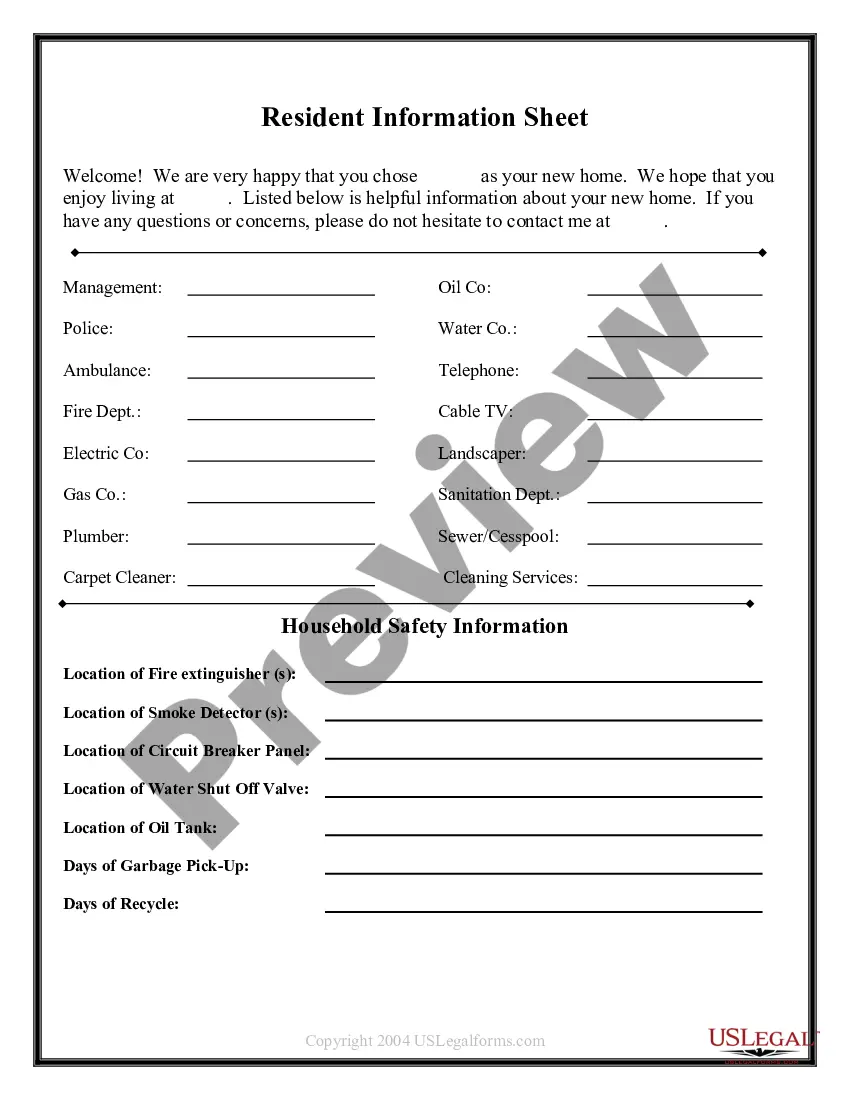
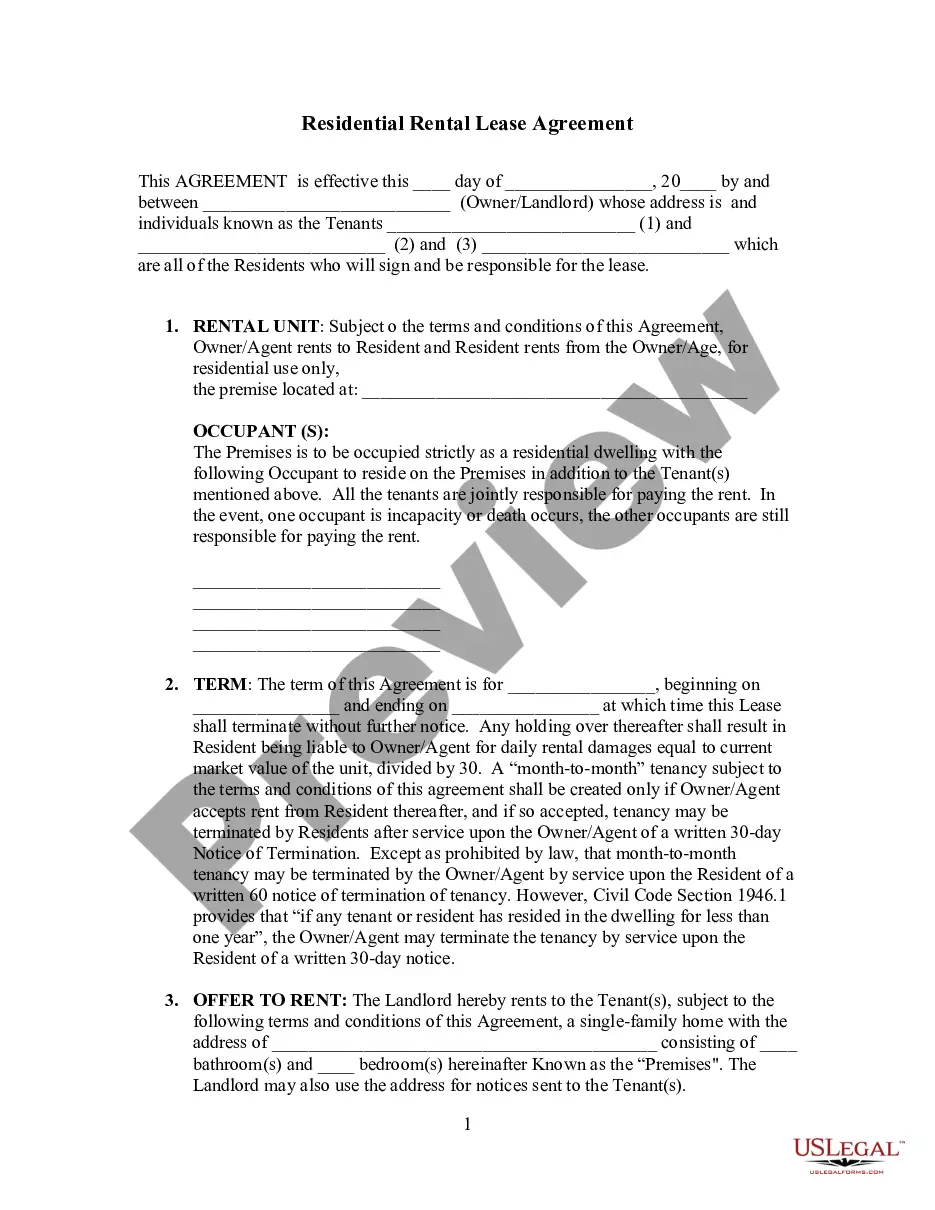
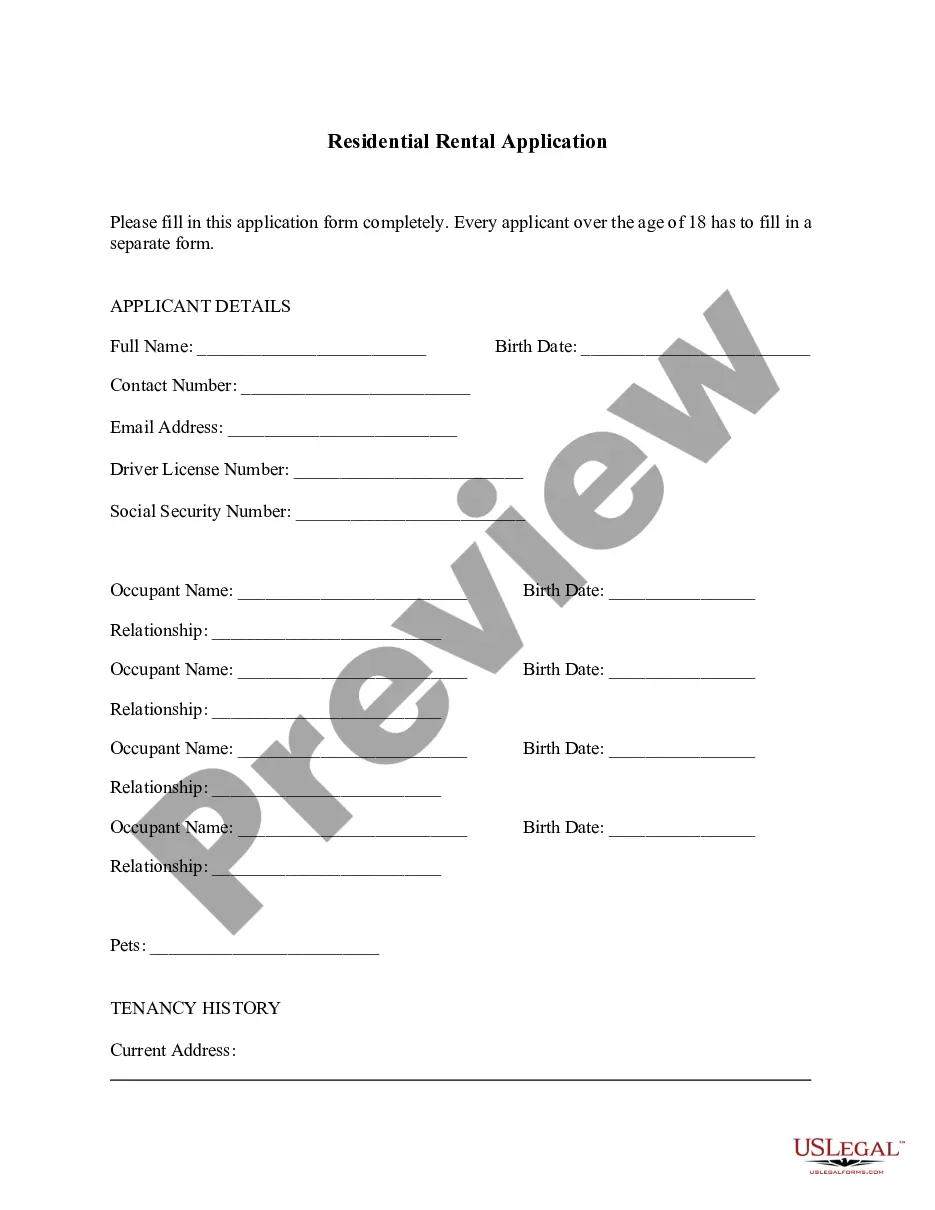
Texas Resident Information Sheet
Description
Get your form ready online
Our built-in tools help you complete, sign, share, and store your documents in one place.
Make edits, fill in missing information, and update formatting in US Legal Forms—just like you would in MS Word.
Download a copy, print it, send it by email, or mail it via USPS—whatever works best for your next step.
Sign and collect signatures with our SignNow integration. Send to multiple recipients, set reminders, and more. Go Premium to unlock E-Sign.
If this form requires notarization, complete it online through a secure video call—no need to meet a notary in person or wait for an appointment.
We protect your documents and personal data by following strict security and privacy standards.

Make edits, fill in missing information, and update formatting in US Legal Forms—just like you would in MS Word.

Download a copy, print it, send it by email, or mail it via USPS—whatever works best for your next step.

Sign and collect signatures with our SignNow integration. Send to multiple recipients, set reminders, and more. Go Premium to unlock E-Sign.

If this form requires notarization, complete it online through a secure video call—no need to meet a notary in person or wait for an appointment.

We protect your documents and personal data by following strict security and privacy standards.
Looking for another form?




How to fill out Resident Information Sheet?
You can spend several hours online looking for the legal document template that meets the state and federal requirements you need.
US Legal Forms provides numerous legal forms that are reviewed by professionals.
You can download or print the Texas Resident Information Sheet from the service.
If available, use the Preview button to browse through the document template as well.
- If you have a US Legal Forms account, you can sign in and click the Download button.
- After that, you can complete, modify, print, or sign the Texas Resident Information Sheet.
- Every legal document template you acquire is yours permanently.
- To obtain another copy of a purchased form, visit the My documents tab and click the corresponding button.
- If you are using the US Legal Forms website for the first time, follow the simple instructions below.
- First, ensure you have selected the correct document template for the area or city of your choice.
- Check the form details to confirm you have selected the right form.
Form popularity
FAQ
One of the documents must verify that the individual has lived in Texas for at least 30 days. Individuals who are surrendering a valid, unexpired driver license or ID from another state, or applying for a commercial driver license, must still present proof of residency; however, the 30 day requirement is waived.
Documents That Prove ResidencyCurrent deed, mortgage, monthly mortgage statement, mortgage payment booklet or a residential rental/lease agreement. Valid, unexpired Texas voter registration card. Texas motor vehicle registration or title. Texas boat registration or title.
A citizen, national or a permanent resident of the United States, who is independent 18 years of age or over and who has lived in Texas for 12 consecutive months and has been gainfully employed within the state prior to enrollment in an institution of higher education is entitled to be classified as a resident of Texas
Proof of address can be one of the following documents: Water, electricity, gas, telephone or Internet bill. Credit card bill or statement. Bank statement.
Documents That Prove ResidencyCurrent deed, mortgage, monthly mortgage statement, mortgage payment booklet or a residential rental/lease agreement. Valid, unexpired Texas voter registration card. Texas motor vehicle registration or title. Texas boat registration or title.
To fill out the Texas Residency Affidavit, you'll need someone who lives at the same address as you. This person will need to fill out the Affidavit and provide proper identification and two documents that verify residency. If the person is a family member, they must provide proof of the family relationship.
One of the documents must verify that the individual has lived in Texas for at least 30 days. Individuals who are surrendering a valid, unexpired driver license or ID from another state, or applying for a commercial driver license, must still present proof of residency; however, the 30 day requirement is waived.
Establish and maintain domicile for 12 consecutive months, as evidenced by:>Gainful employment in Texas;Sole or joint marital ownership of residential real property in Texas by the person seeking to enroll or the dependent's parent, having established and maintained a domicile at the residence;More items...
Establish and maintain domicile for 12 consecutive months, as evidenced by:>Gainful employment in Texas;Sole or joint marital ownership of residential real property in Texas by the person seeking to enroll or the dependent's parent, having established and maintained a domicile at the residence;More items...