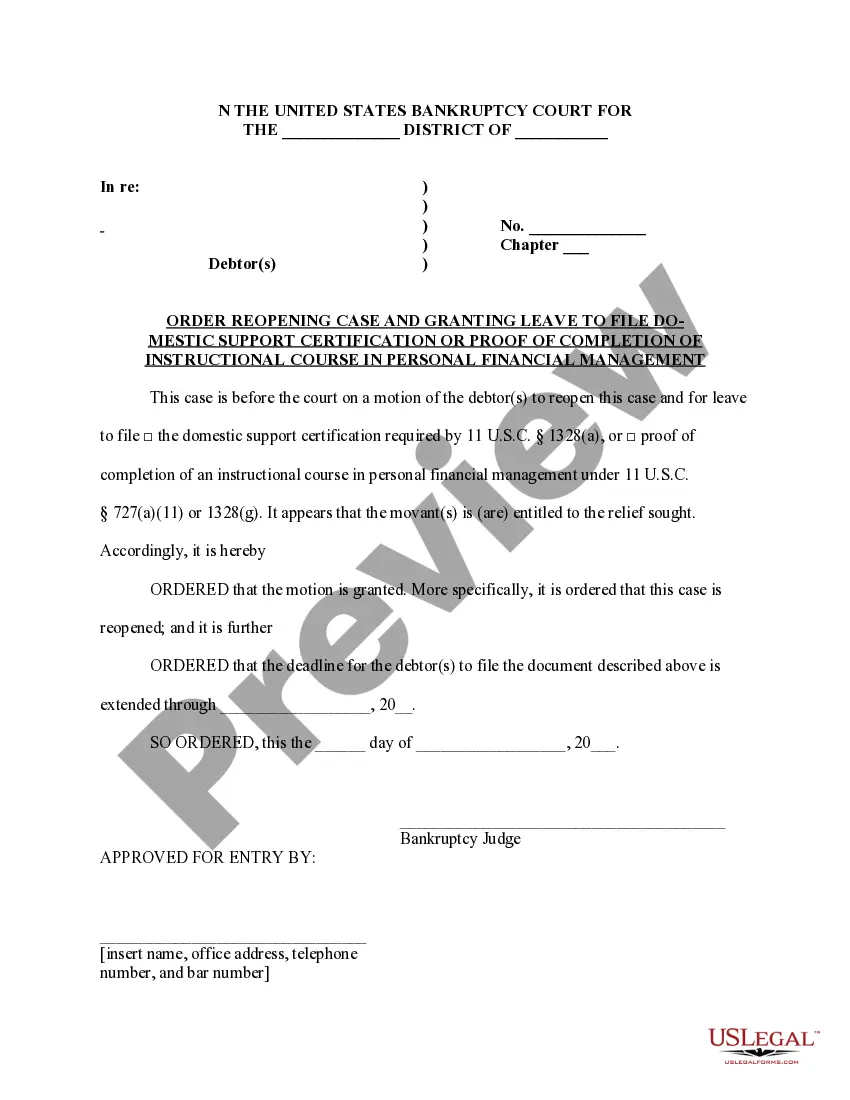
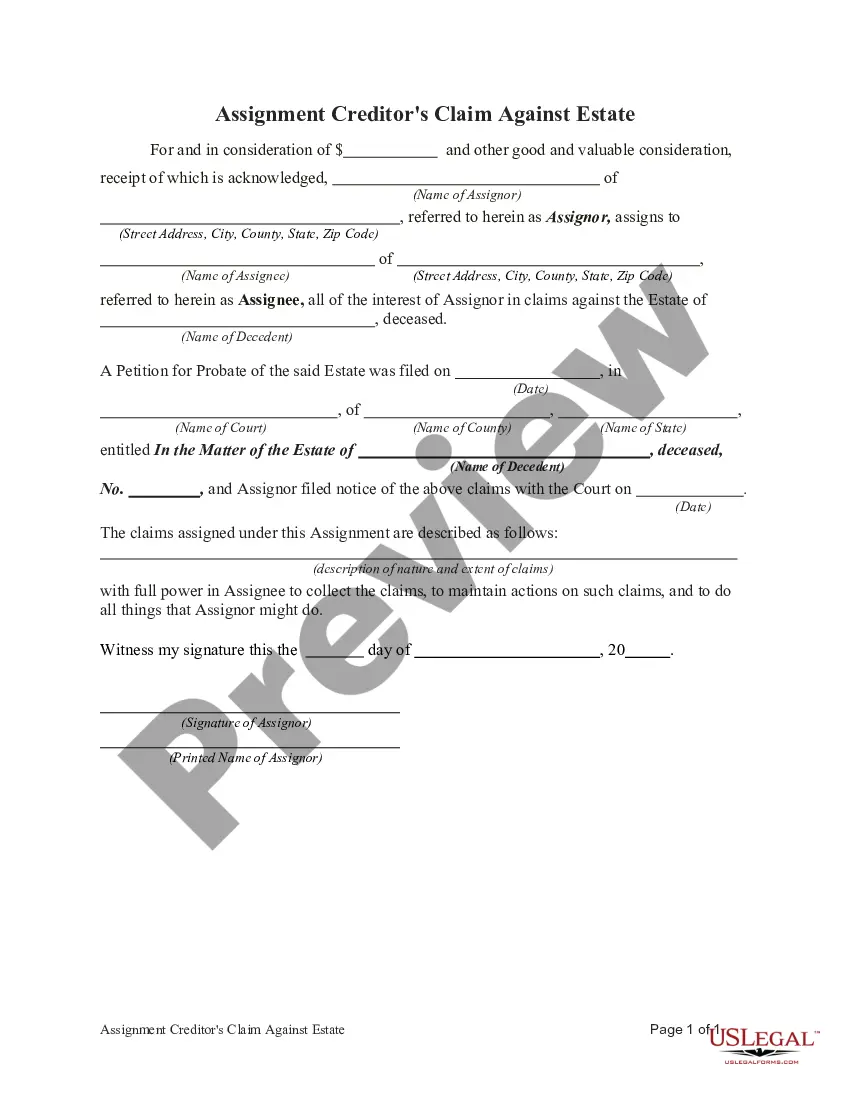
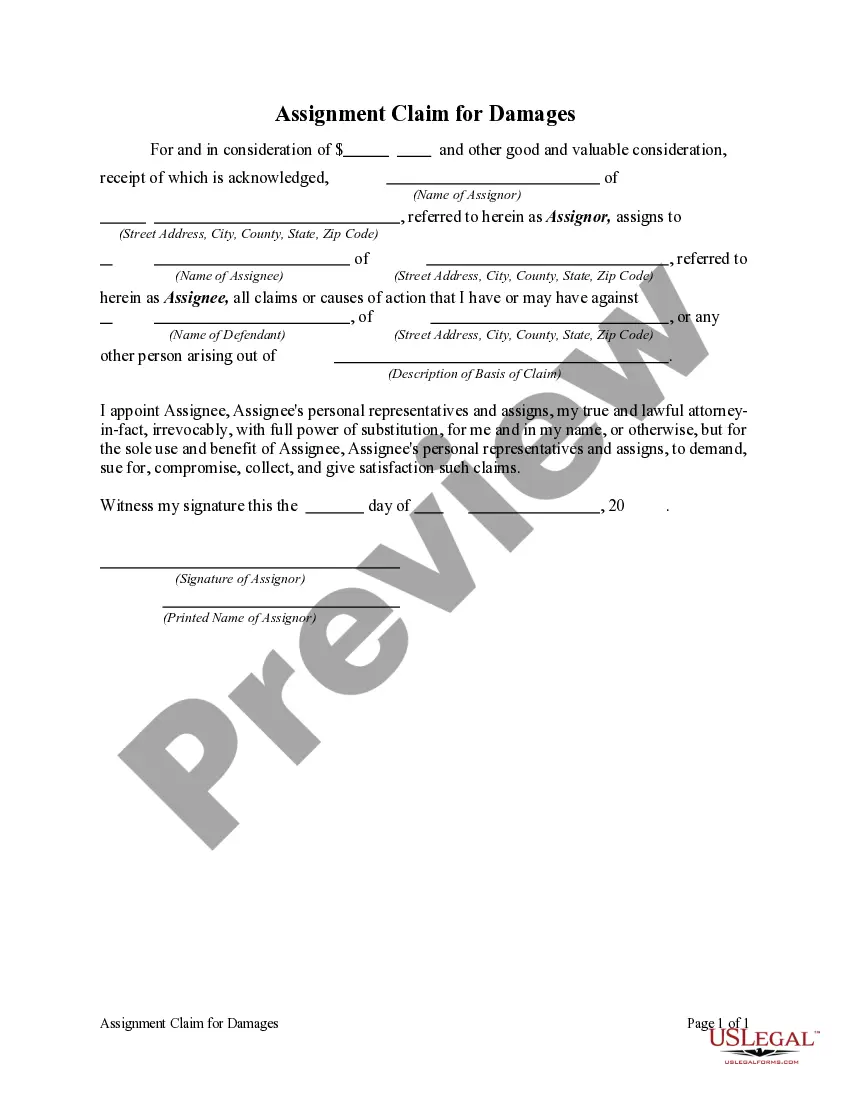
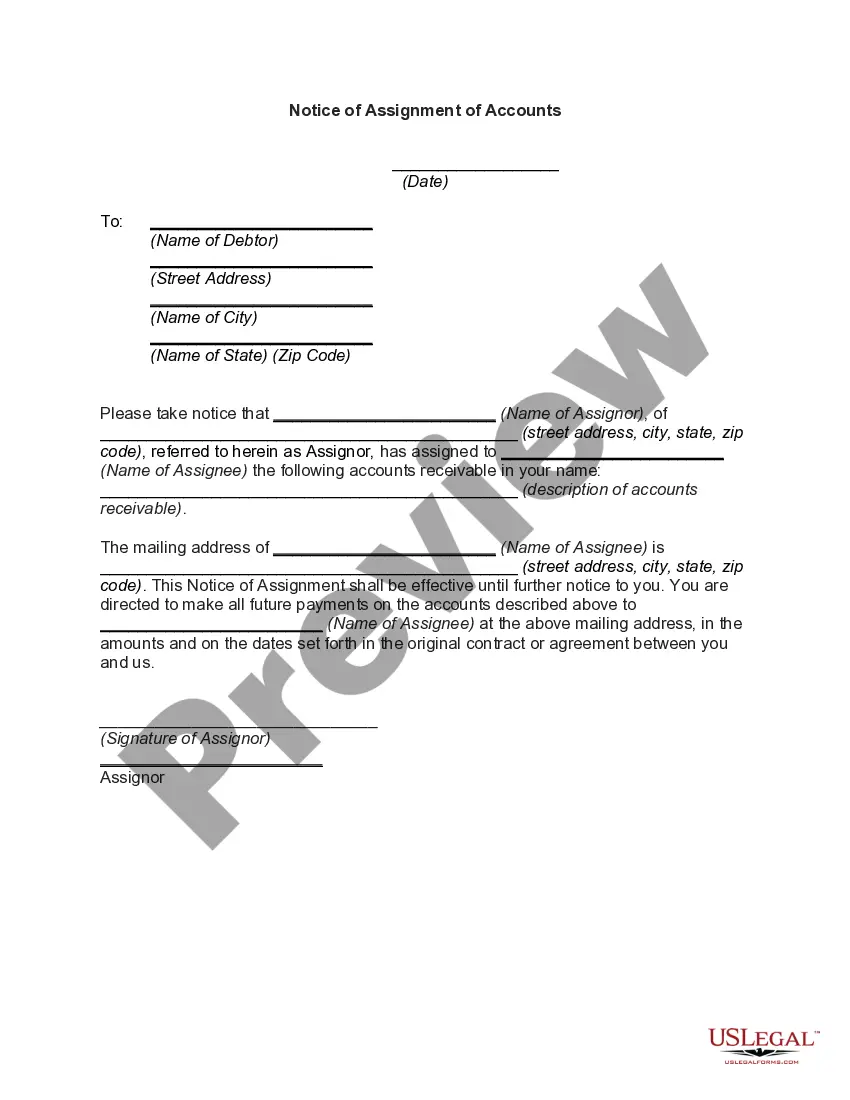
Texas Assignment Creditor's Claim Against Estate
Description
Get your form ready online
Our built-in tools help you complete, sign, share, and store your documents in one place.
Make edits, fill in missing information, and update formatting in US Legal Forms—just like you would in MS Word.
Download a copy, print it, send it by email, or mail it via USPS—whatever works best for your next step.
Sign and collect signatures with our SignNow integration. Send to multiple recipients, set reminders, and more. Go Premium to unlock E-Sign.
If this form requires notarization, complete it online through a secure video call—no need to meet a notary in person or wait for an appointment.
We protect your documents and personal data by following strict security and privacy standards.

Make edits, fill in missing information, and update formatting in US Legal Forms—just like you would in MS Word.

Download a copy, print it, send it by email, or mail it via USPS—whatever works best for your next step.

Sign and collect signatures with our SignNow integration. Send to multiple recipients, set reminders, and more. Go Premium to unlock E-Sign.

If this form requires notarization, complete it online through a secure video call—no need to meet a notary in person or wait for an appointment.

We protect your documents and personal data by following strict security and privacy standards.
Looking for another form?



How to fill out Assignment Creditor's Claim Against Estate?
Locating the appropriate legal document template can be a challenge.
Certainly, there are numerous templates accessible online, but how can you find the legal form you require.
Utilize the US Legal Forms website. The platform provides thousands of templates, including the Texas Assignment Creditor's Claim Against Estate, that you can use for business and personal purposes.
You can preview the form using the Preview button and review the form description to confirm this is appropriate for you.
- All the forms are reviewed by professionals and meet state and federal requirements.
- If you are already registered, Log In to your account and click the Download button to retrieve the Texas Assignment Creditor's Claim Against Estate.
- Use your account to browse the legal forms you have previously acquired.
- Navigate to the My documents tab in your account and obtain an additional copy of the document you need.
- If you are a new user of US Legal Forms, here are simple steps to follow.
- First, ensure you have selected the correct form for your locality/county.
Form popularity
FAQ
In Texas, no creditors except a mortgage holder, a taxing authority, or the holder of a note for a home improvement loan may force the sale of a family home to satisfy nonpayment of debt. Most states set a maximum level of homestead protection, but some, like Pennsylvania, provide no state homestead protection at all.
What Assets Are Protected From Creditors in Texas?Home furnishings, including family heirlooms.Provisions for consumption.Farming or ranching vehicles and implements.Tools, equipment, books, and apparatus, including boats and motor vehicles used in a trade or profession.Wearing apparel.More items...?
A creditor in Texas cannot take your primary home away through a judgment on real estate or other judgment enforcement efforts.
Texas law itself provides a substantial amount of protection for certain assets. In most cases, these include your homestead, a specific amount of personal property, retirement accounts, 529 college savings accounts, life insurance and annuities.
Unsecured Creditors The notice must state that the creditor has four months for bringing forth any claims against the estate. If the unsecured creditor does not act within that time period, debt collection may be barred.
Exempt property includes most of what you need to live: Household items, up to $30,000 for a single person and $60,000 for a family. Vehicles, one for each licensed driver in the house. Your homestead, up to 10 acres urban property (single or family) and up to 100 acres rural (single) and 200 acres (family).
Texas exempt property includes: The primary residence of a debtor (the homestead) Cemetery plots purchased and intended for use by the family. Up to $50,000 of personal property for an individual.
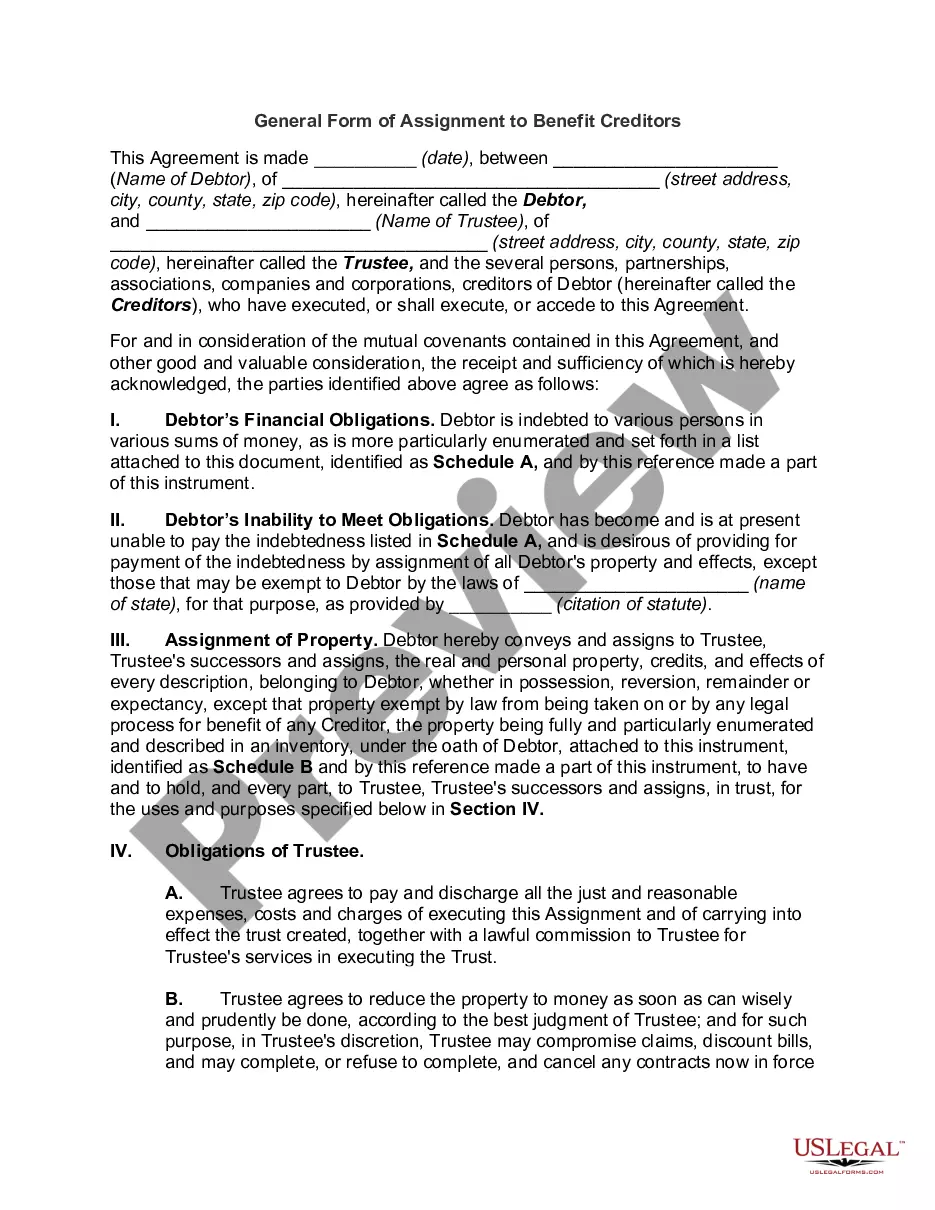
Assignment for the benefit of the creditors (ABC)(also known as general assignment for the benefit of the creditors) is a voluntary alternative to formal bankruptcy proceedings that transfers all of the assets from a debtor to a trust for liquidating and distributing its assets.
The answer is non-exempt property. Non-exempt property is anything that is not exempt from debt collection because it does not meet the criteria for an exemption under the Texas Constitution, Texas Property Code 41.001, Texas Property Code 42.002, Texas Property Code 42.0021, the Texas Homestead Law and other
Texas law protects your homestead from forced sale to pay most debts and judgments. In Texas, up to ten acres of an urban family home, plus improvements, and up to 200 acres in rural areas (100 acres for single adults) are protected, regardless of how much the property is worth.