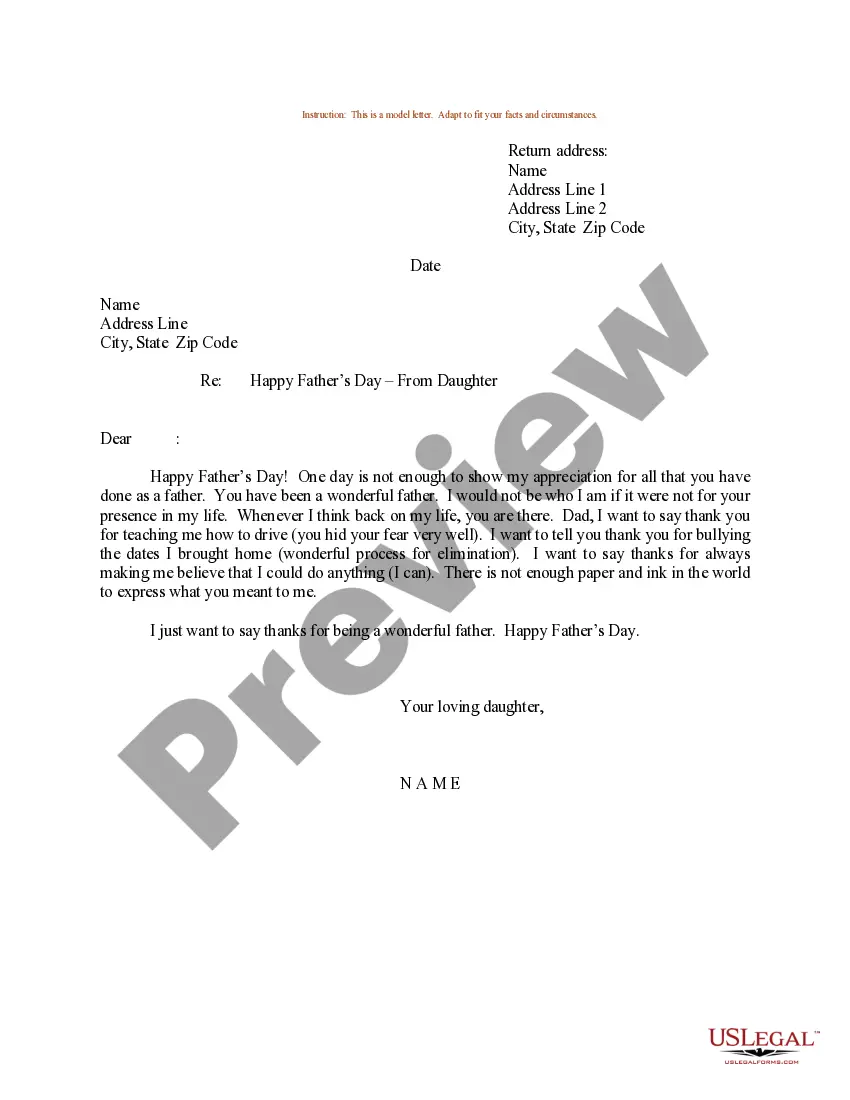
New York Commercial Contract for Contractor

Overview of this form
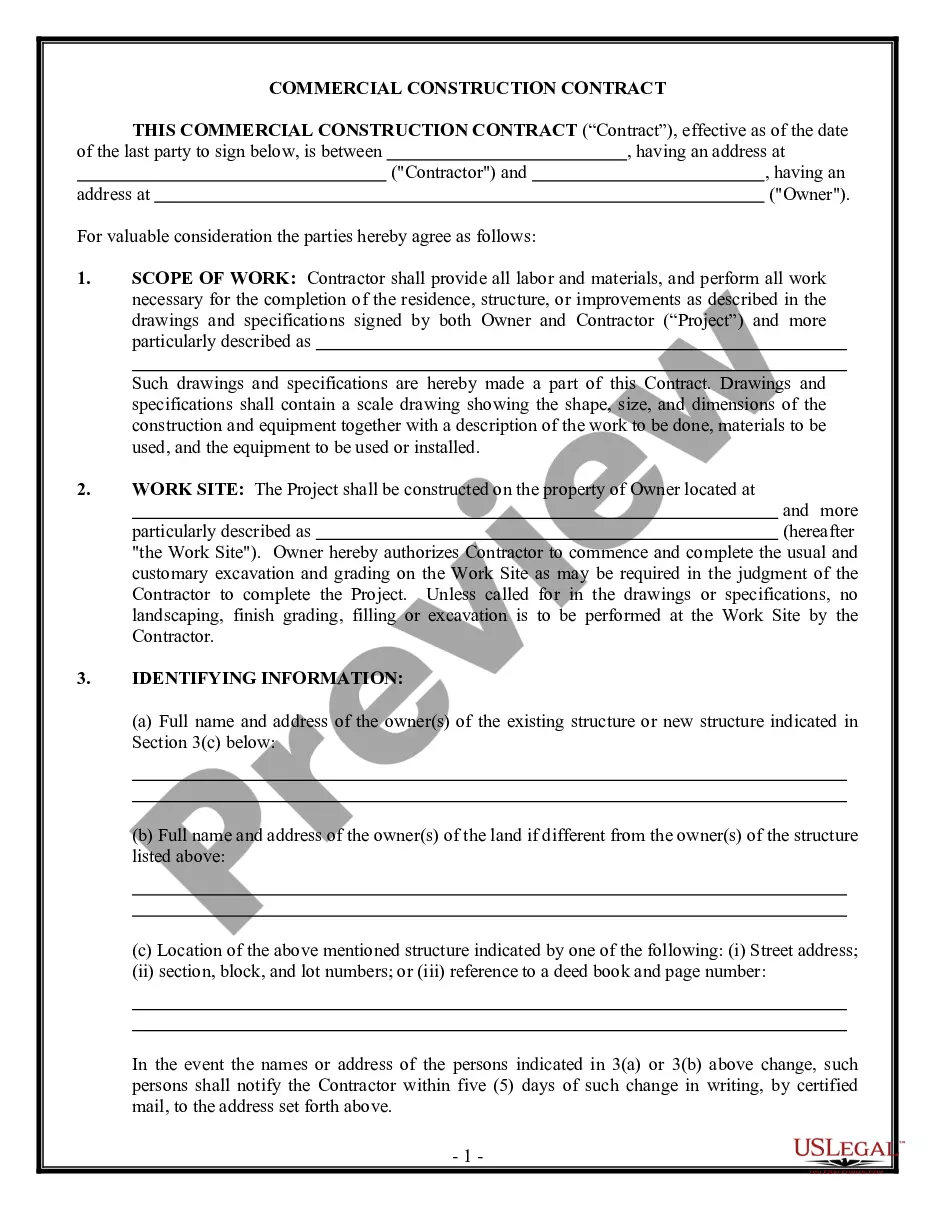
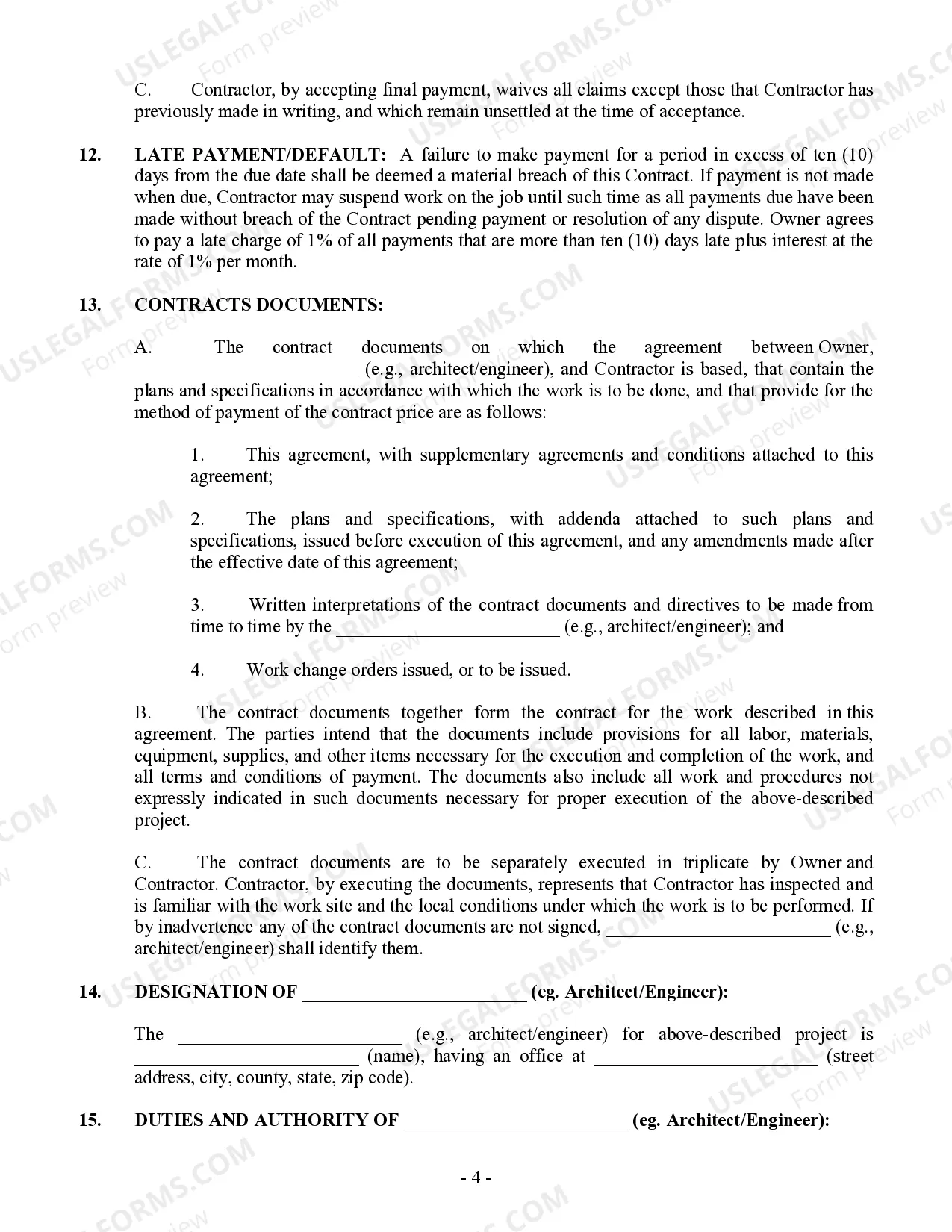
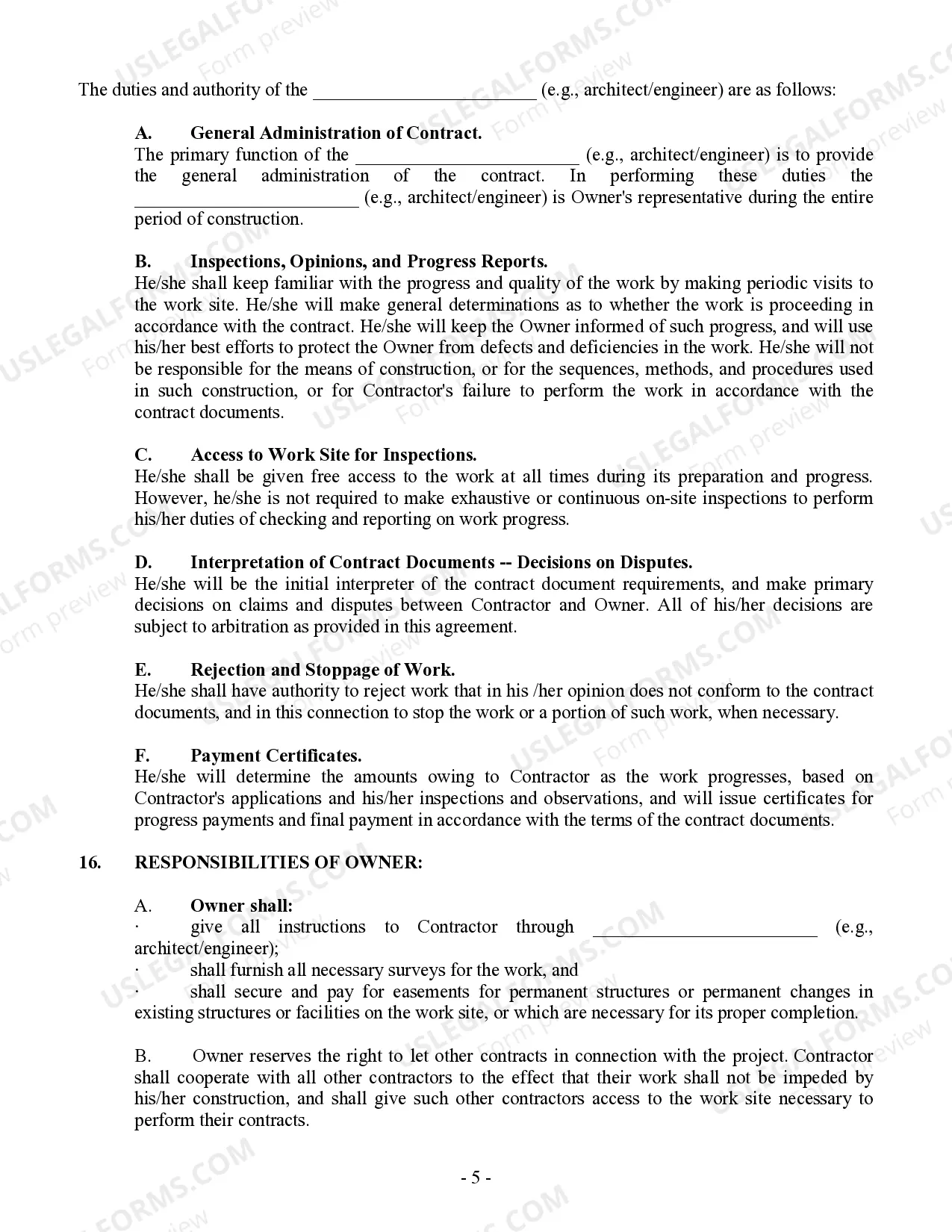
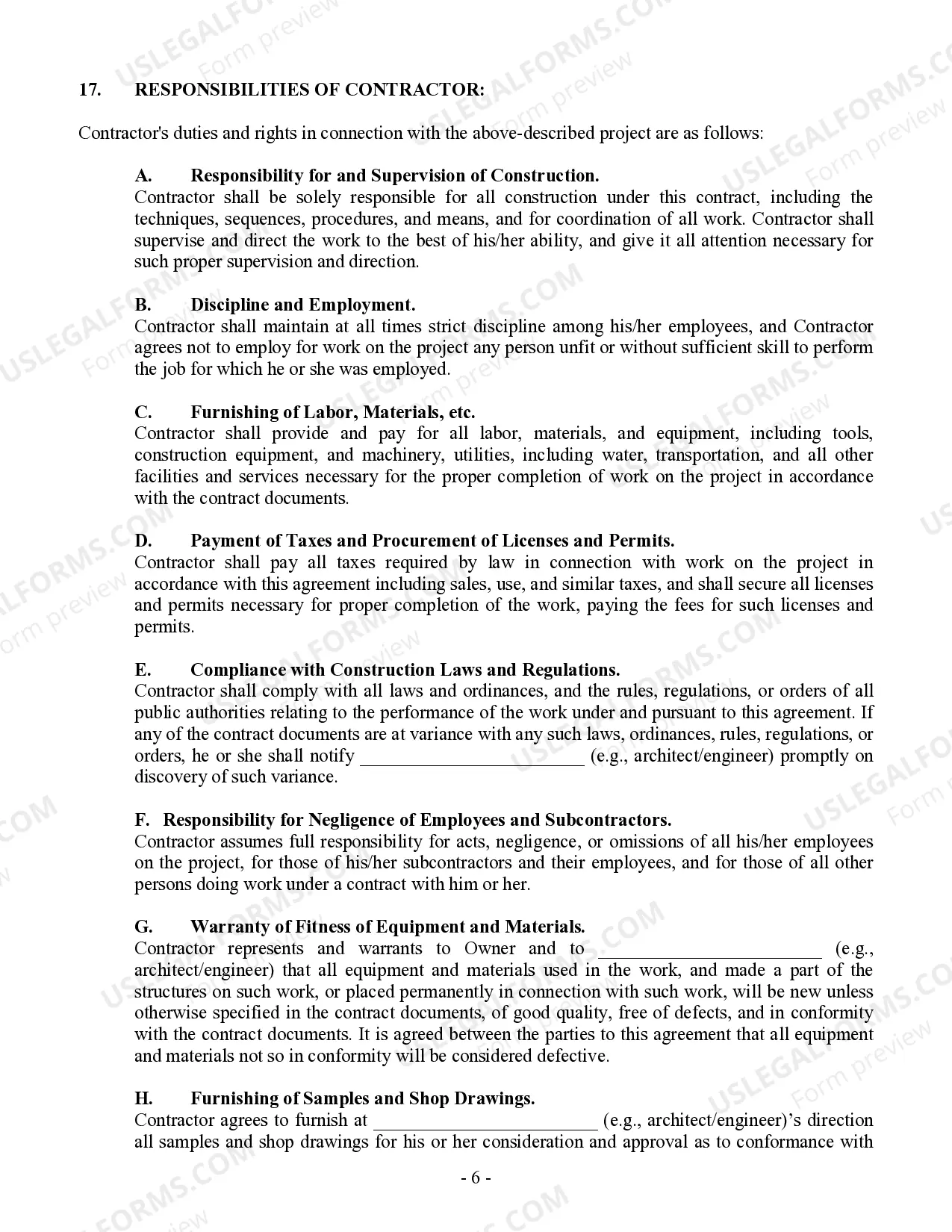
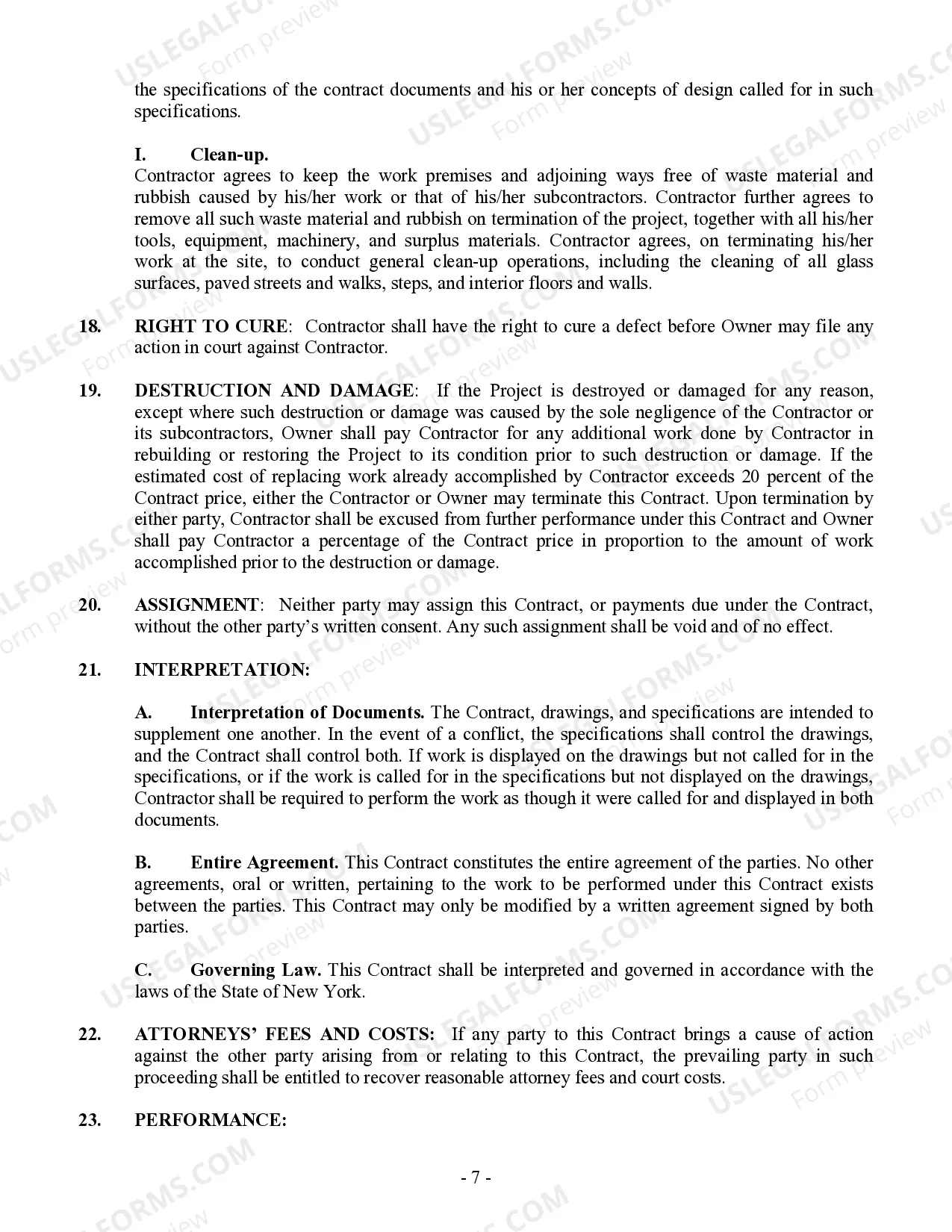
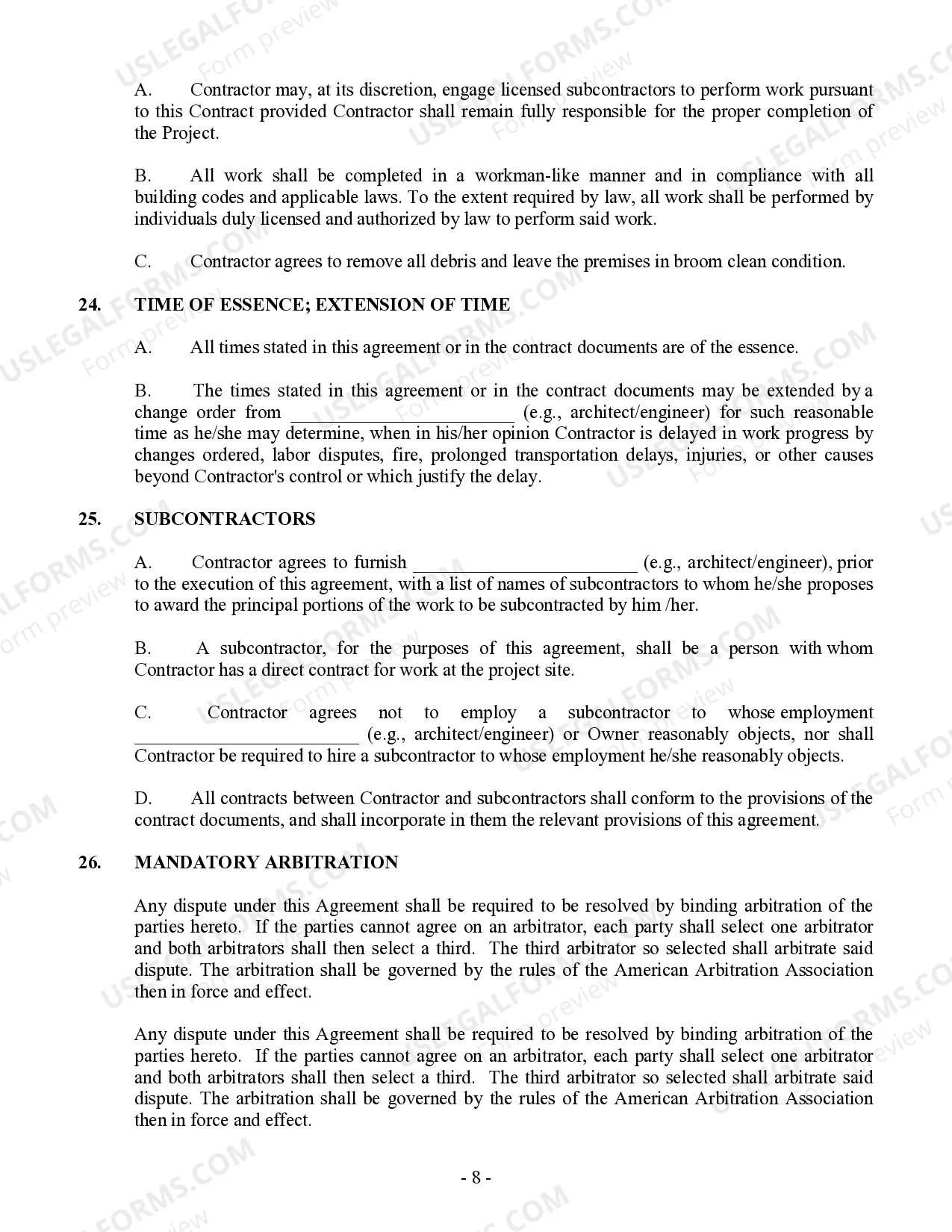
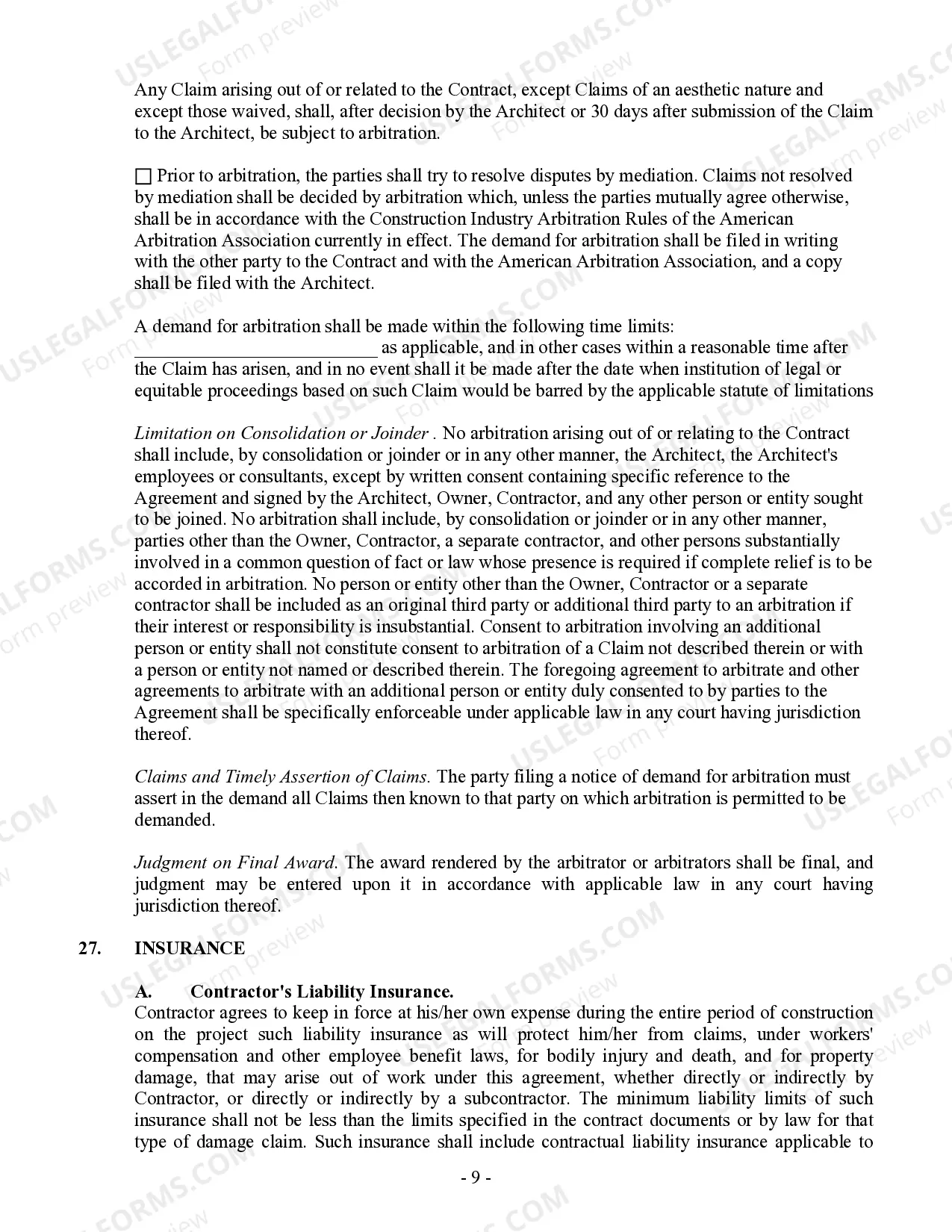
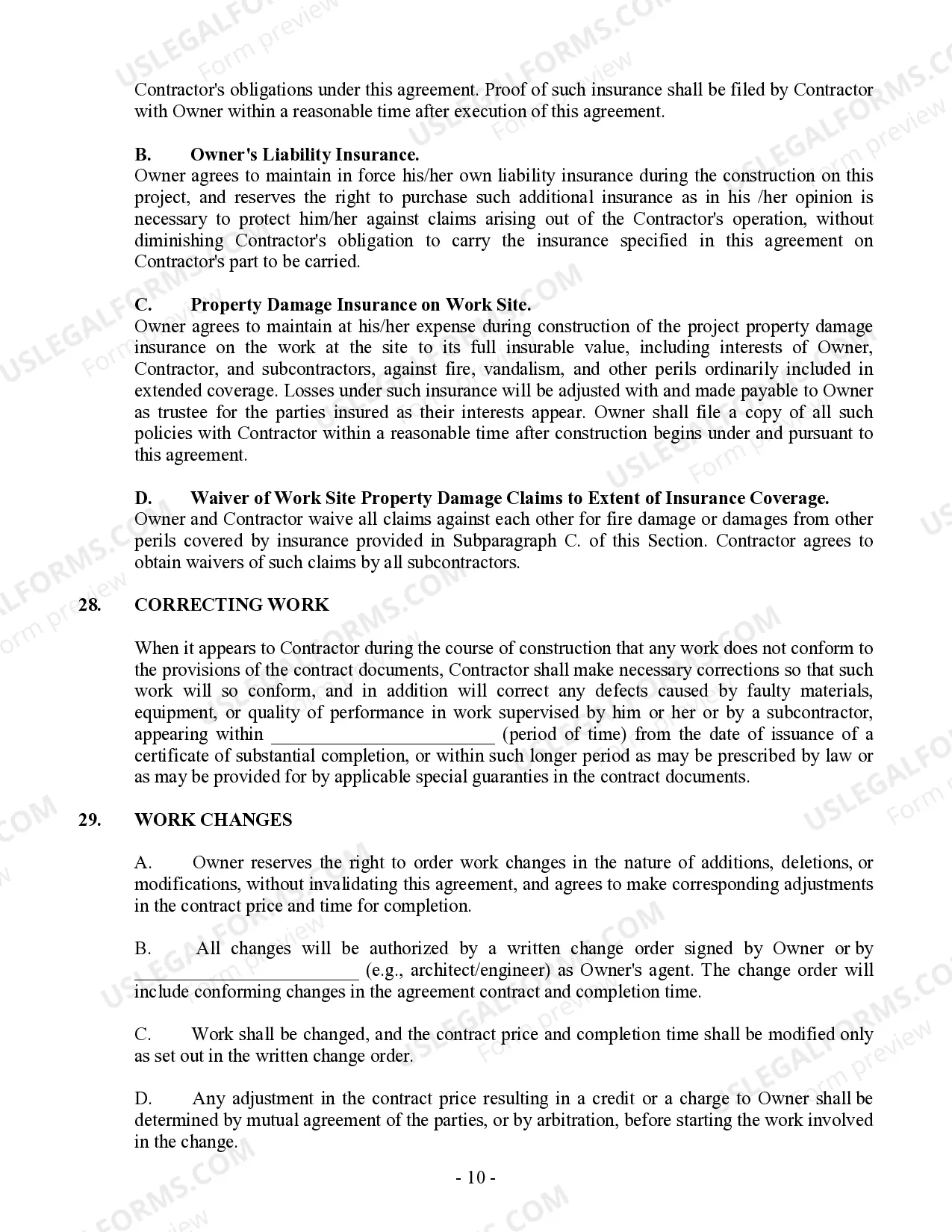
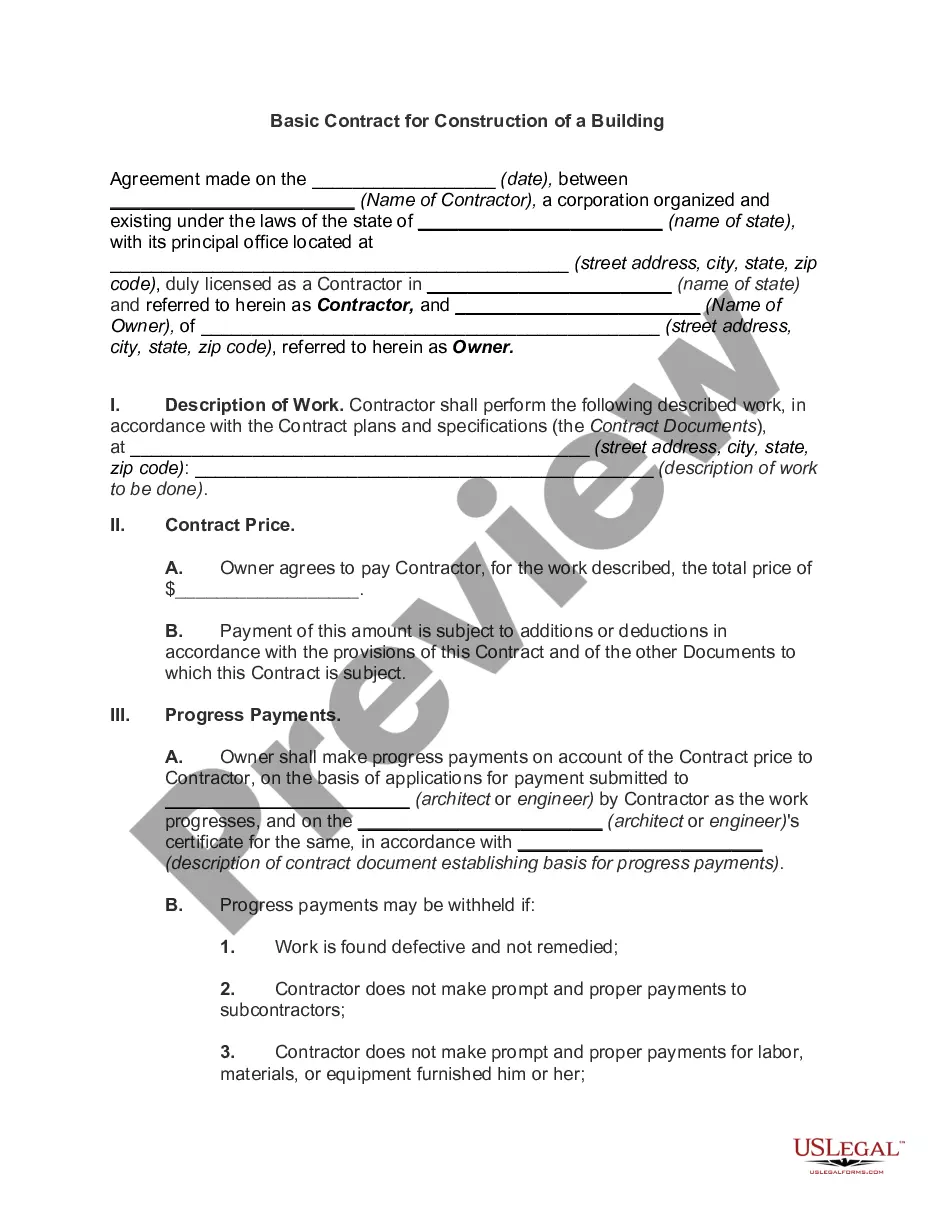
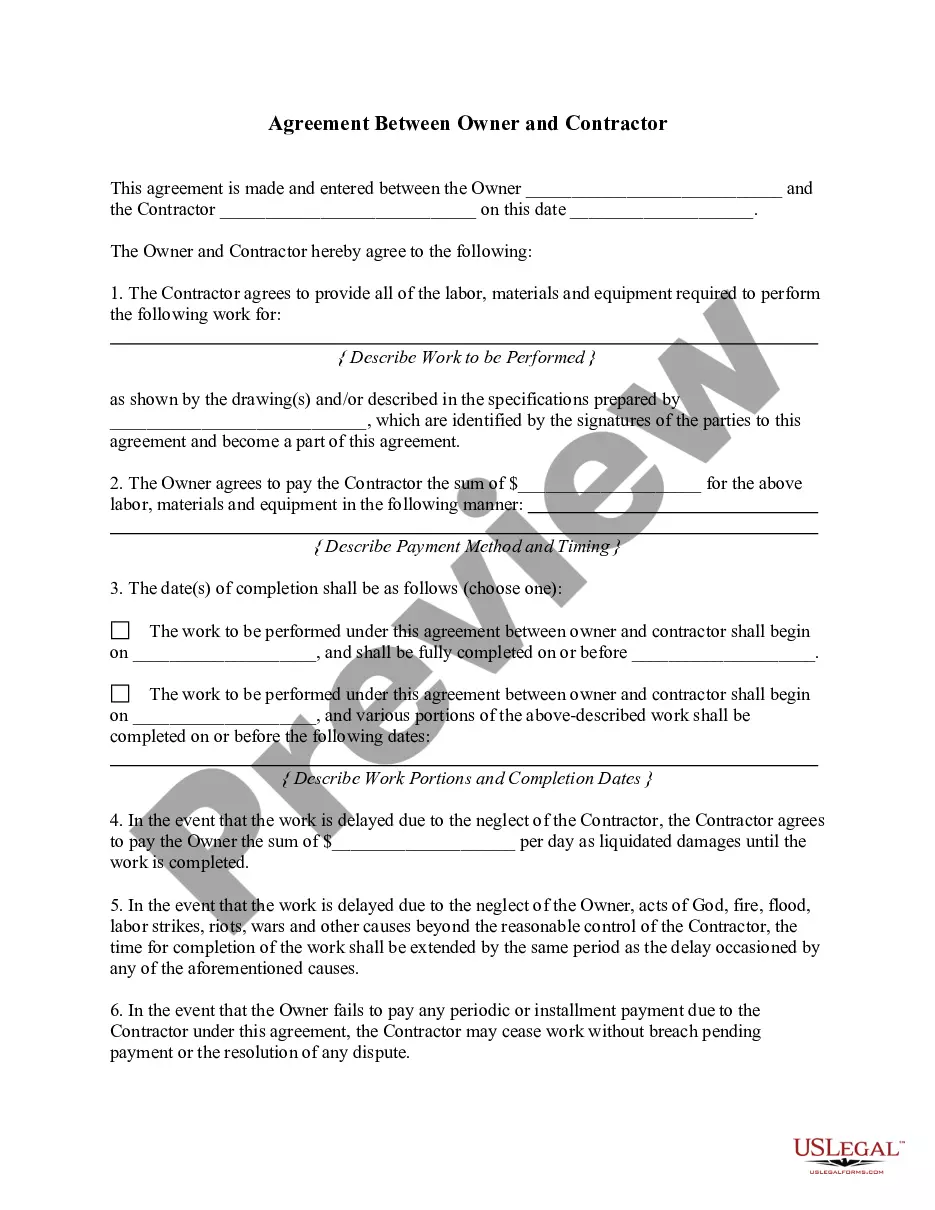
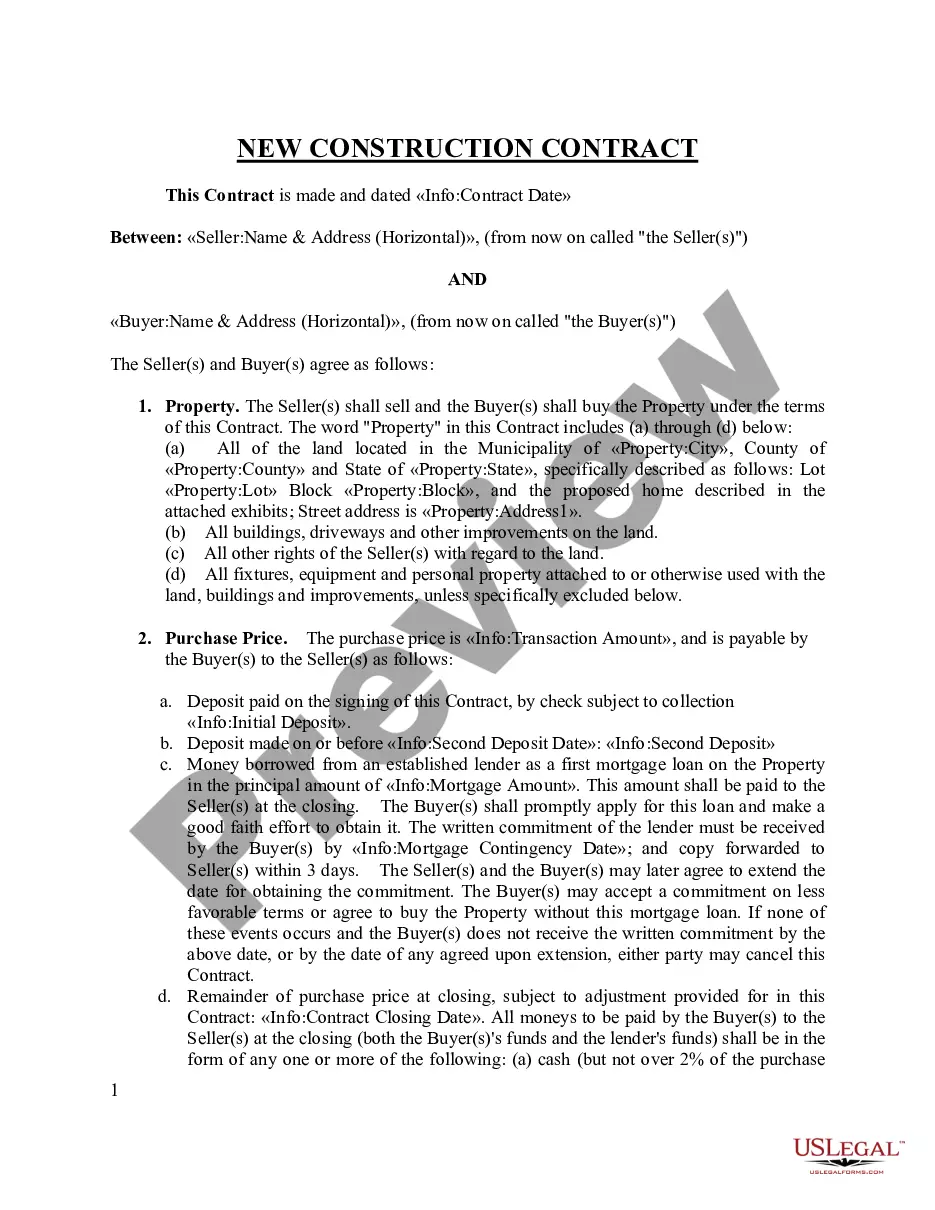
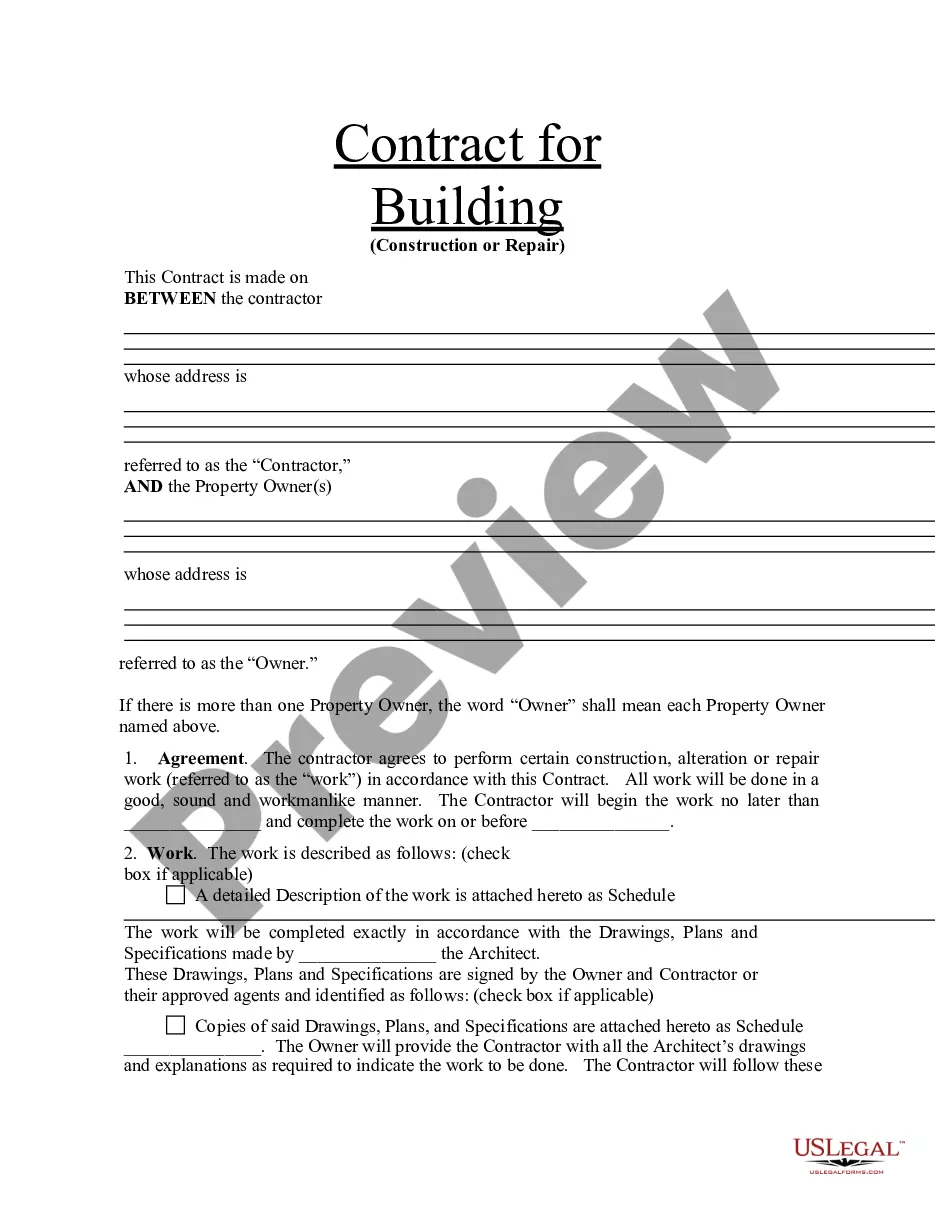
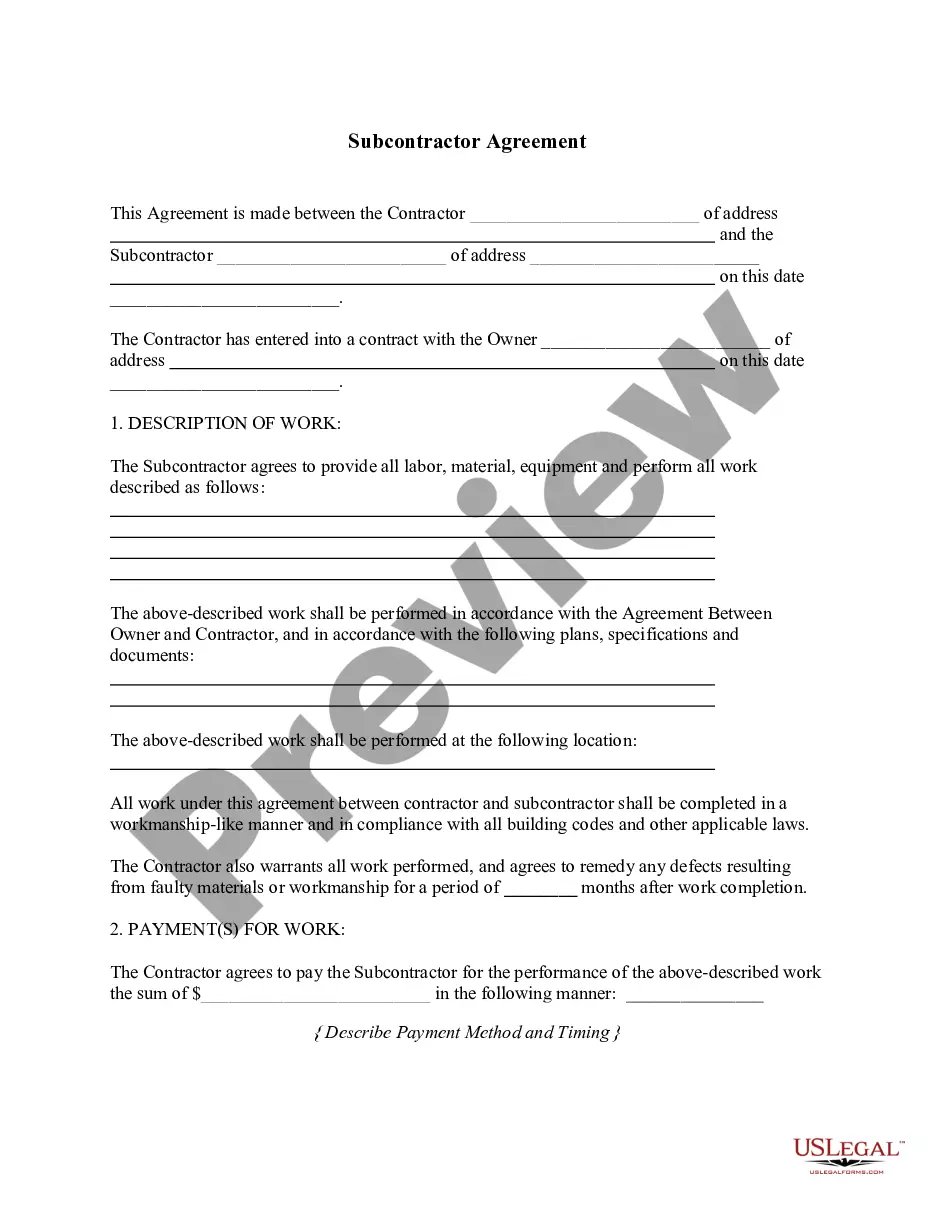
The Commercial Contract for Contractor is a legally binding agreement designed for use between commercial contractors and property owners. This contract outlines the terms of engagement, including payment arrangements, work site specifics, warranty, insurance requirements, and procedures for change orders. Unlike simpler agreements, this contract is structured to meet the legal requirements of the State of New York, ensuring compliance and protection for both parties involved in a commercial construction project.
Key parts of this document
- Work site details, including the property location and owner's identity.
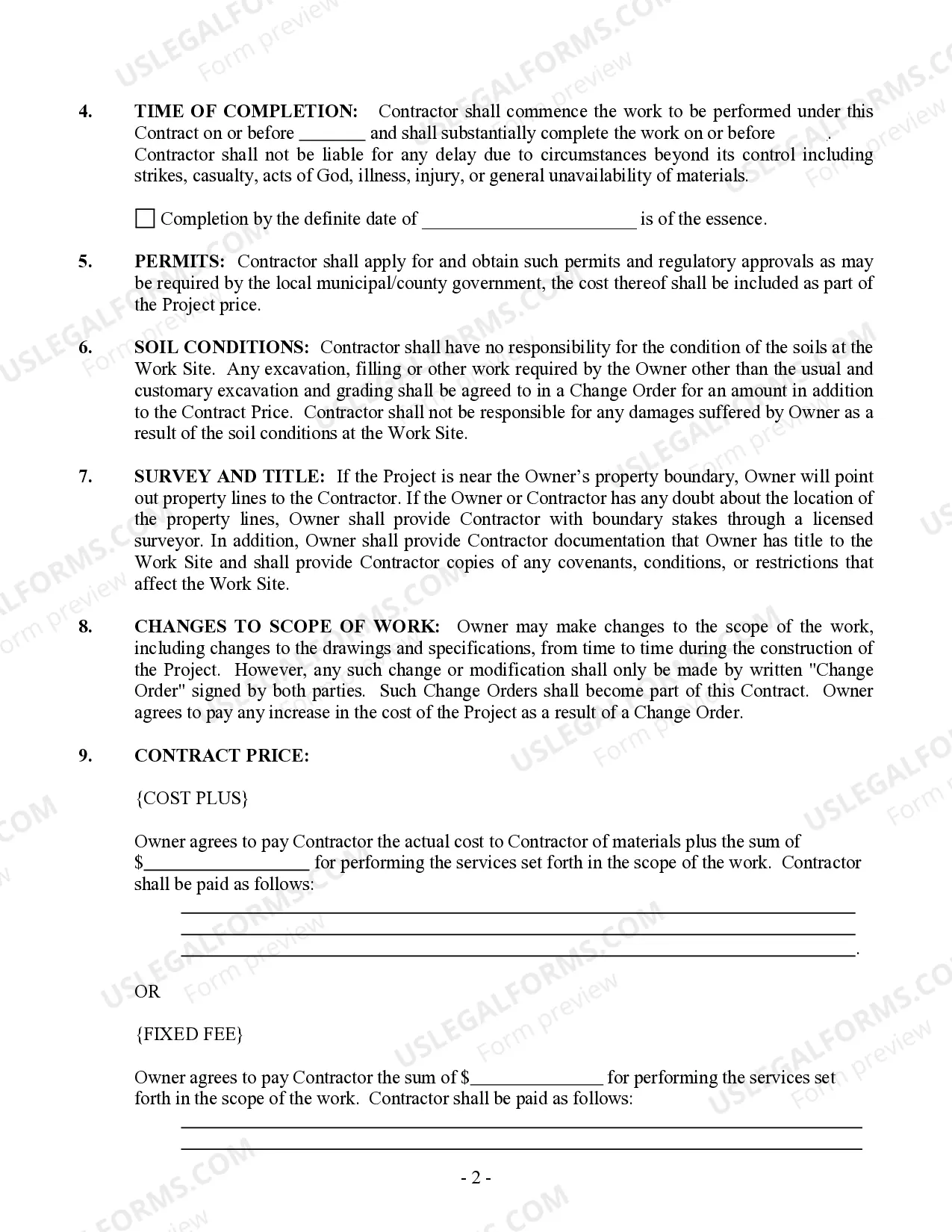
- Specifications for permits and regulatory approvals required for construction.
- Provisions addressing soil conditions and responsibilities tied to those conditions.
- Change order procedures for modifications to the project scope.
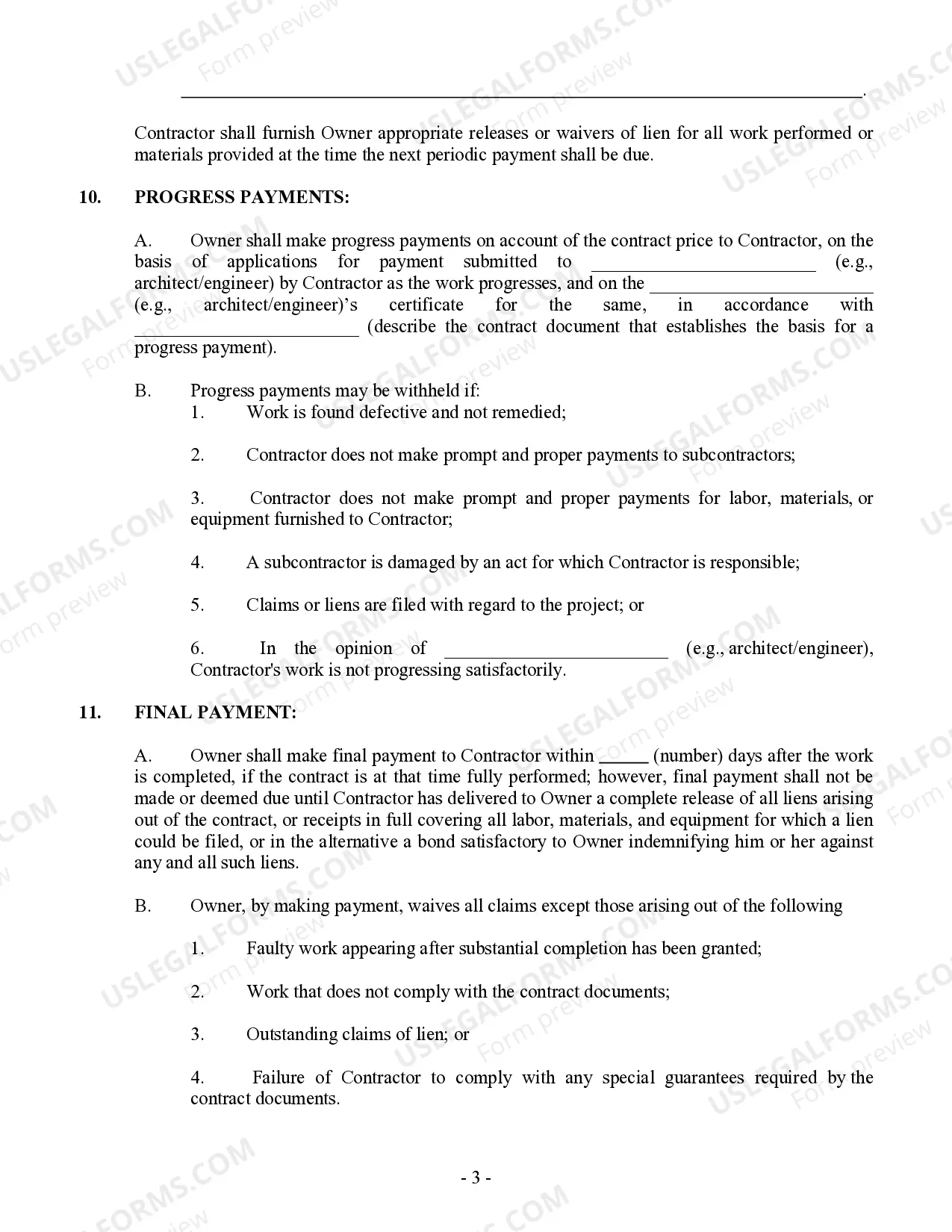
- Payment terms, including cost-plus and progress payment structures.
- Insurance and liability requirements to protect involved parties.

Common use cases
This form should be used when a property owner wishes to hire a contractor for a commercial construction project in New York. It is essential when specific details regarding project scope, timelines, and payment methods need to be clearly defined to avoid disputes. This contract is particularly useful in scenarios involving complex projects where the contractor may need to purchase materials, hire subcontractors, and manage significant construction tasks.
Who this form is for
- Property owners looking to engage contractors for commercial projects.
- Commercial contractors needing a formal contract to define project terms and payment arrangements.
- Architects or engineers acting on behalf of the owner or contractor to facilitate the agreement.
How to complete this form
- Identify the parties involved, including full names and addresses of the owner and contractor.
- Specify the work site location and ensure accurate property boundaries are documented.
- Clearly outline the scope of work and any specific requirements for permits and approvals.
- Enter payment terms, including how costs will be calculated and payment schedules.
- Ensure both parties review the contract and sign where indicated, noting any required witnesses or notarization if applicable.
Notarization guidance
Notarization is not commonly needed for this form. However, certain documents or local rules may make it necessary. Our notarization service, powered by Notarize, allows you to finalize it securely online anytime, day or night.
Get your form ready online
Our built-in tools help you complete, sign, share, and store your documents in one place.
Make edits, fill in missing information, and update formatting in US Legal Forms—just like you would in MS Word.
Download a copy, print it, send it by email, or mail it via USPS—whatever works best for your next step.
Sign and collect signatures with our SignNow integration. Send to multiple recipients, set reminders, and more. Go Premium to unlock E-Sign.
If this form requires notarization, complete it online through a secure video call—no need to meet a notary in person or wait for an appointment.
We protect your documents and personal data by following strict security and privacy standards.

Make edits, fill in missing information, and update formatting in US Legal Forms—just like you would in MS Word.

Download a copy, print it, send it by email, or mail it via USPS—whatever works best for your next step.

Sign and collect signatures with our SignNow integration. Send to multiple recipients, set reminders, and more. Go Premium to unlock E-Sign.

If this form requires notarization, complete it online through a secure video call—no need to meet a notary in person or wait for an appointment.

We protect your documents and personal data by following strict security and privacy standards.
Common mistakes to avoid
- Failing to clearly define the project scope, leading to potential disputes.
- Not specifying timelines, which can result in project delays and misunderstandings.
- Overlooking necessary permits and regulatory approvals, causing legal issues later.
- Not documenting changes to the contract through formal change orders.
Advantages of online completion
- Convenience of downloading and customizing the form to fit specific project needs.
- Access to professionally drafted templates that comply with state laws.
- The ability to keep records of all contracts and modifications digitally.
Legal use & context
- The contract serves as formal documentation of the agreement, essential for resolution in disputes.
- Understanding the rights and obligations outlined in the contract helps to avoid potential legal issues.
- Ensuring all terms are clear and agreed upon helps maintain professionalism during the project.
Quick recap
- Always identify and clearly define the roles of the contractor and owner.
- Specifications on payments and work scope are critical to avoid misunderstandings.
- Review local laws to ensure compliance with any additional requirements.
Looking for another form?


Form popularity
FAQ
A Commercial Tenancy Agreement, also known as a Business Lease or a Commercial Lease, is used when the owner of a business property wishes to rent space to another business owner. Both parties may either be individuals or corporations.
Under California law, a lease does have to be in writing to be enforceable, but only when the lease is for a period of more than a year.There is, however, an additional legal doctrine called partial performance which does make oral contracts enforceable even if they are covered by the Statute of Frauds.
Names of all tenants. Limits on occupancy. Term of the tenancy. Rent. Deposits and fees. Repairs and maintenance. Entry to rental property. Restrictions on tenant illegal activity.
A simple (1 page) lease agreement is a legally binding form used for renting out residential real estate.Unlike a standard residential lease, the form contains the bare-minimum for being an effective lease, foregoing many of the clauses found in standard leases.
As long as the contract spells out specific details and both parties have signed that they agree to the contract's terms, a handwritten contract is legally binding and enforceable in court.
The Introduction. The beginning of the lease agreement should contain the name of the landlord and tenant, as well as a statement of the agreement into which they are entering. Rent. Deposit. Taxes. Property Insurance. Utilities and Amenities. Remodeling and Improvements. Repairs and Maintenance.
The Lease Must be in Writing It does not matter if the lease is handwritten or typed. If the lease is for more than one year, it must be in written form and contain the following terms.
Name the parties. A simple rental agreement form needs to name the parties signing the lease and where they live. Describe the premises. Define the term of the lease. Set how much rent is owed. Assign a security deposit amount. Finalize the lease.