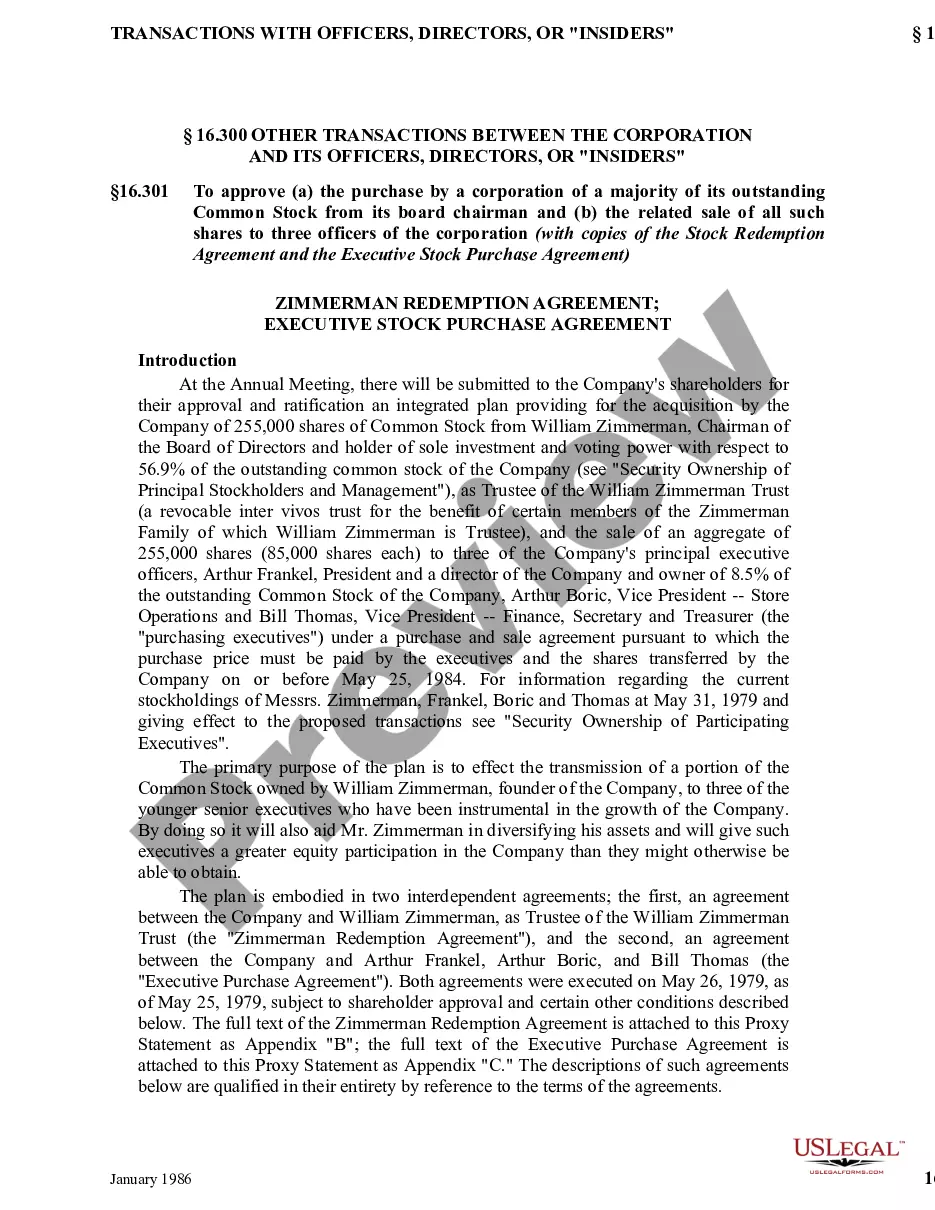
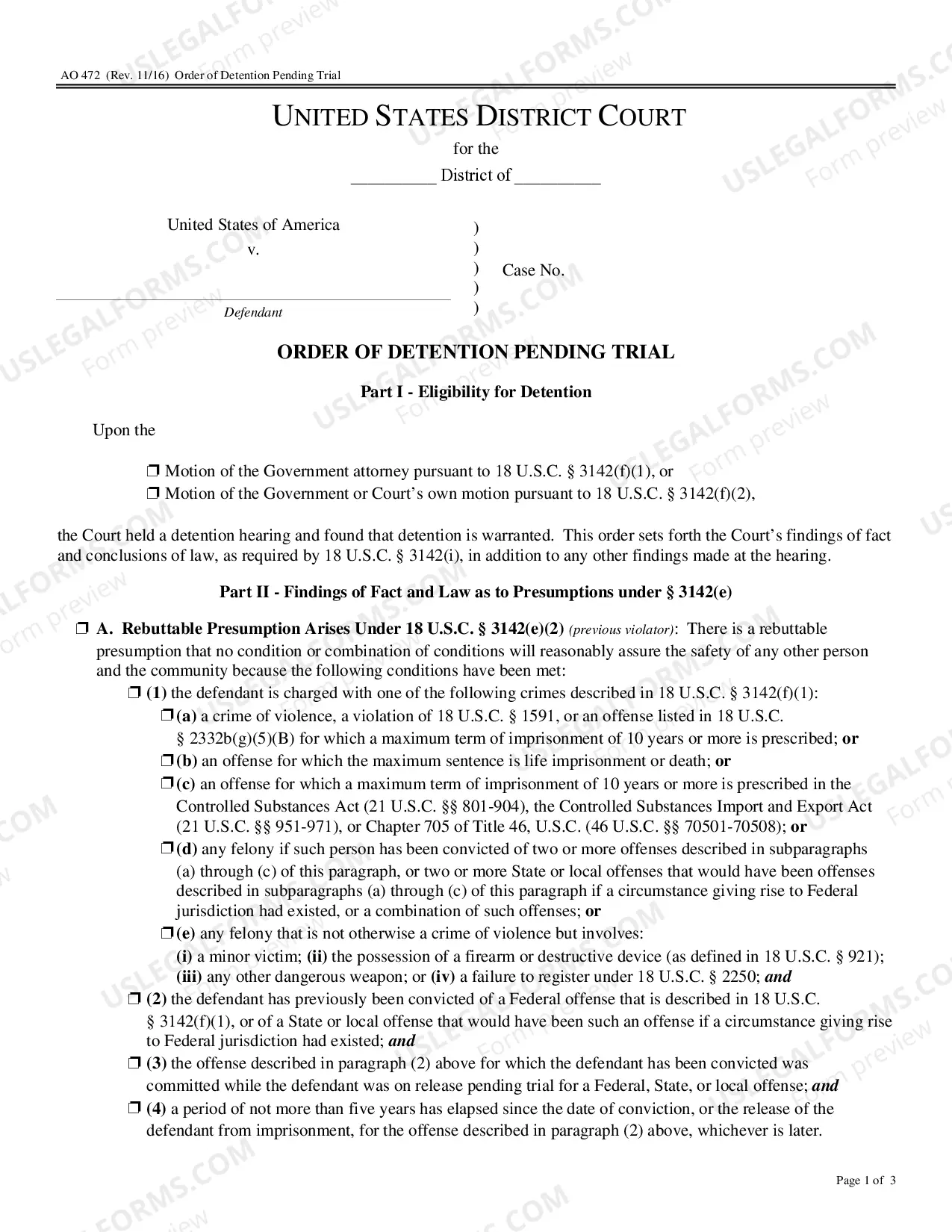
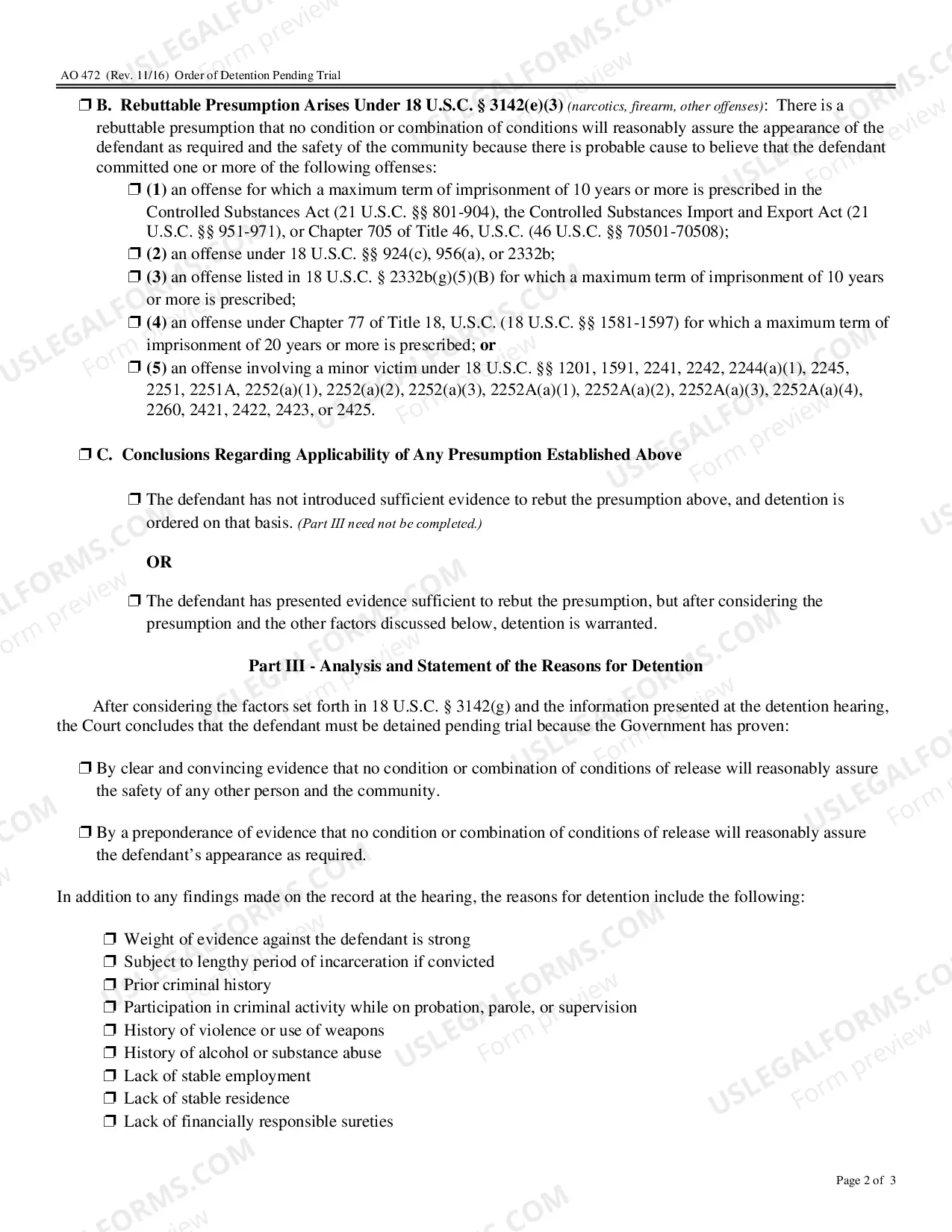
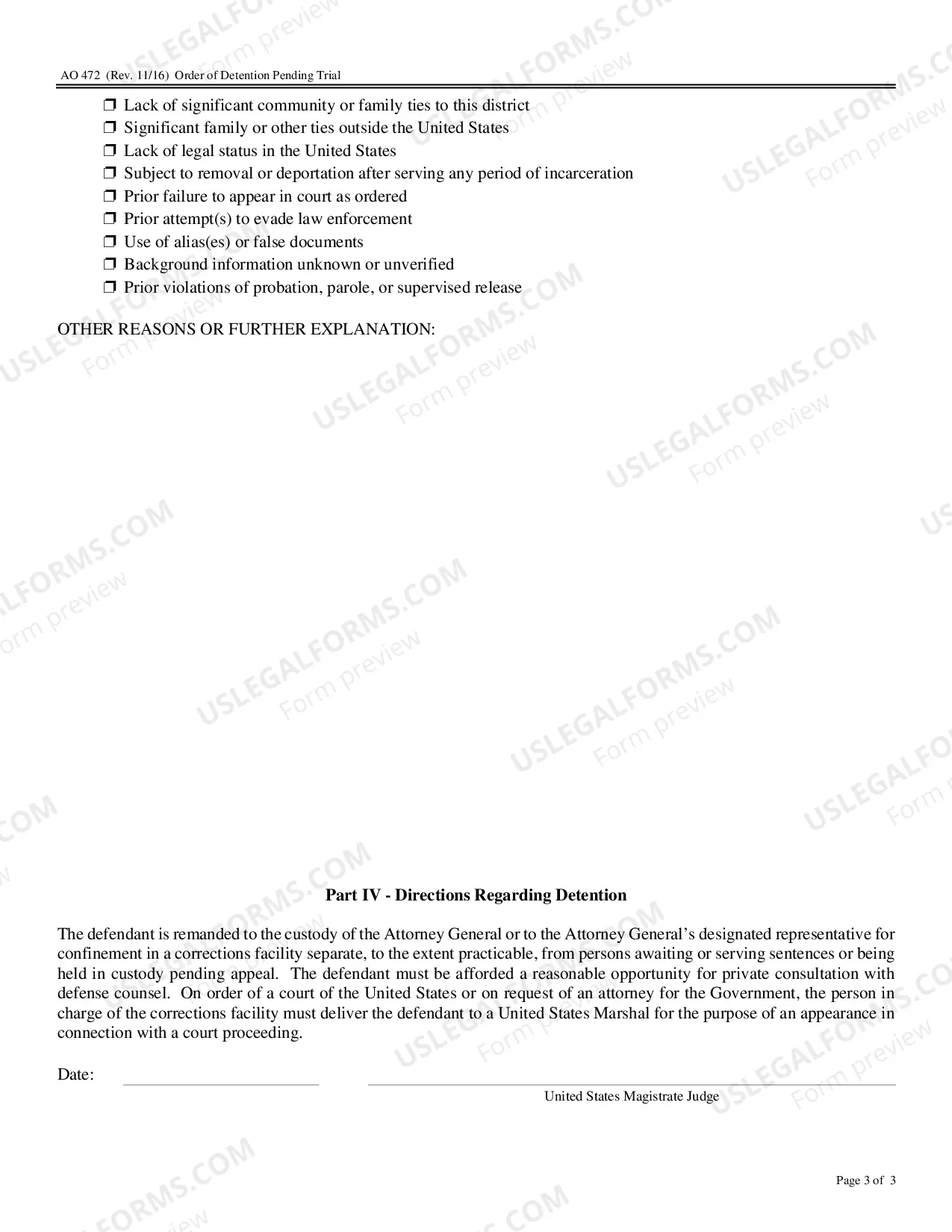
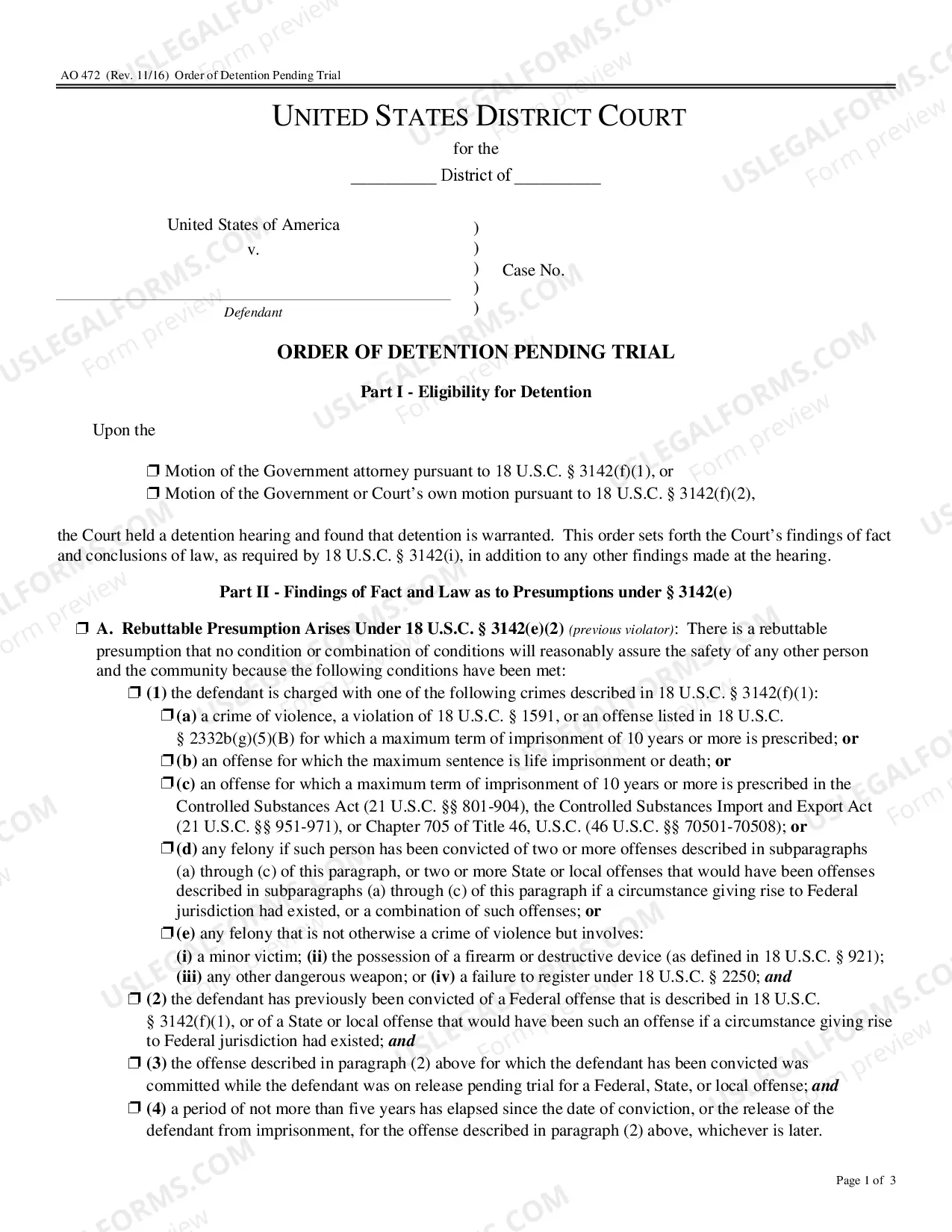
Texas Order of Detention Pending Trial
Description
Get your form ready online
Our built-in tools help you complete, sign, share, and store your documents in one place.
Make edits, fill in missing information, and update formatting in US Legal Forms—just like you would in MS Word.
Download a copy, print it, send it by email, or mail it via USPS—whatever works best for your next step.
Sign and collect signatures with our SignNow integration. Send to multiple recipients, set reminders, and more. Go Premium to unlock E-Sign.
If this form requires notarization, complete it online through a secure video call—no need to meet a notary in person or wait for an appointment.
We protect your documents and personal data by following strict security and privacy standards.

Make edits, fill in missing information, and update formatting in US Legal Forms—just like you would in MS Word.

Download a copy, print it, send it by email, or mail it via USPS—whatever works best for your next step.

Sign and collect signatures with our SignNow integration. Send to multiple recipients, set reminders, and more. Go Premium to unlock E-Sign.

If this form requires notarization, complete it online through a secure video call—no need to meet a notary in person or wait for an appointment.

We protect your documents and personal data by following strict security and privacy standards.
Looking for another form?
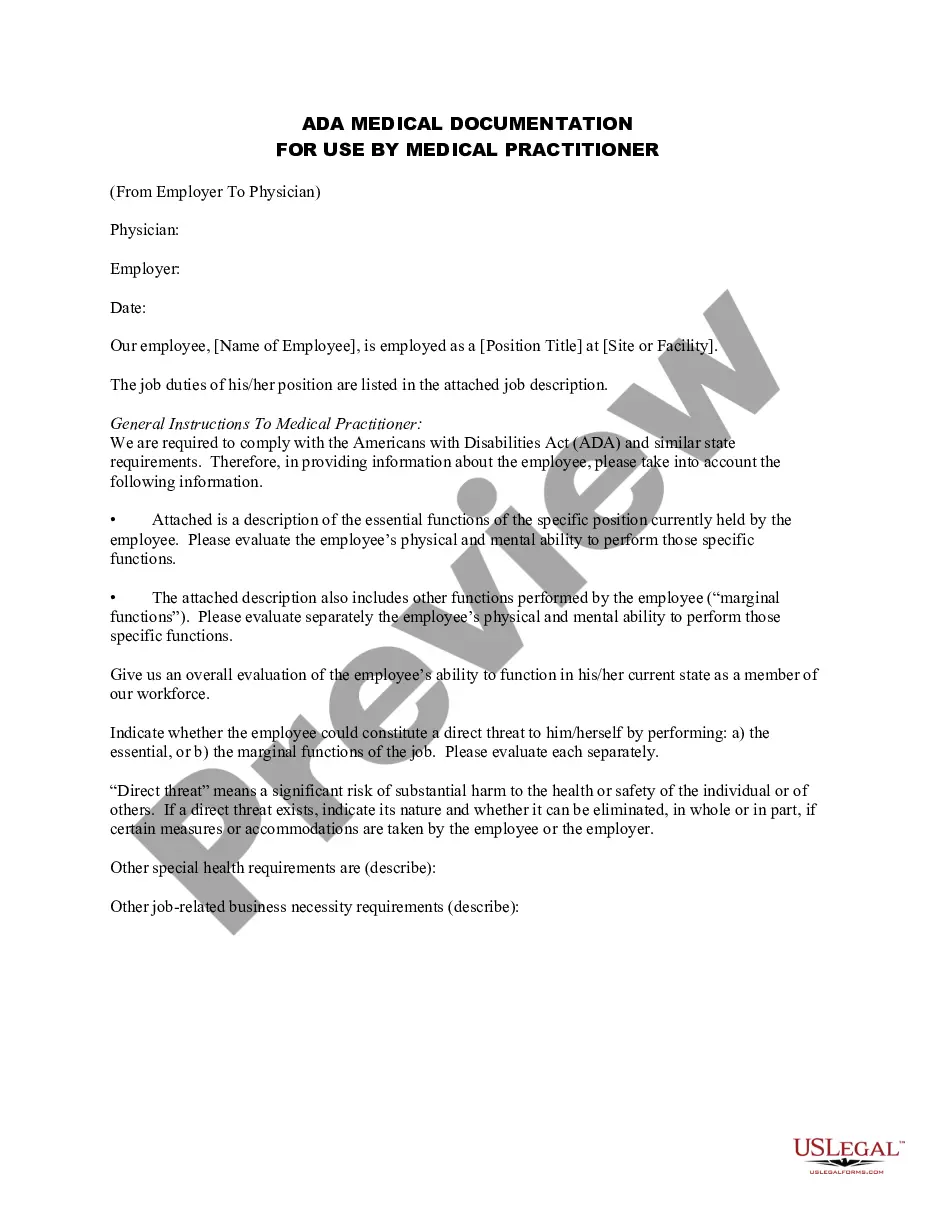
How to fill out Texas Order Of Detention Pending Trial?
How much time and resources do you normally spend on drafting official paperwork? There’s a better opportunity to get such forms than hiring legal experts or spending hours browsing the web for an appropriate template. US Legal Forms is the top online library that provides professionally drafted and verified state-specific legal documents for any purpose, including the Texas Order of Detention Pending Trial.
To get and complete an appropriate Texas Order of Detention Pending Trial template, adhere to these simple steps:
- Look through the form content to make sure it meets your state requirements. To do so, check the form description or take advantage of the Preview option.
- In case your legal template doesn’t meet your requirements, locate another one using the search tab at the top of the page.
- If you are already registered with our service, log in and download the Texas Order of Detention Pending Trial. If not, proceed to the next steps.
- Click Buy now once you find the correct blank. Opt for the subscription plan that suits you best to access our library’s full service.
- Sign up for an account and pay for your subscription. You can make a payment with your credit card or through PayPal - our service is totally secure for that.
- Download your Texas Order of Detention Pending Trial on your device and complete it on a printed-out hard copy or electronically.
Another advantage of our library is that you can access previously purchased documents that you securely keep in your profile in the My Forms tab. Pick them up at any moment and re-complete your paperwork as frequently as you need.
Save time and effort completing official paperwork with US Legal Forms, one of the most trusted web services. Sign up for us now!
Form popularity
FAQ
An important preliminary proceeding is the pretrial motion. A motion is a formal request that a court make a ruling or take some other action. Prior to trial, a defendant may file motions seeking to have the case dismissed or to obtain some advantage or assistance in preparing the case.
While the trial itself is a critical process, the actual outcome is often decided long before you set foot in front of a jury. The pretrial hearing happens before the trial, and it lays the foundation for everything that will come later.
One of the first steps in preparing for trial is to talk to witnesses who could be called to testify in court. A witness is a person who saw or heard the crime take place or may have other important information about the crime or the defendant.
Stages of the Criminal Justice System. California's criminal justice system can be thought of as having four stages: (1) the commission of the crime, (2) arrest by law enforcement, (3) prosecution of a case in the trial courts, and (4) detention and supervision by corrections agencies.
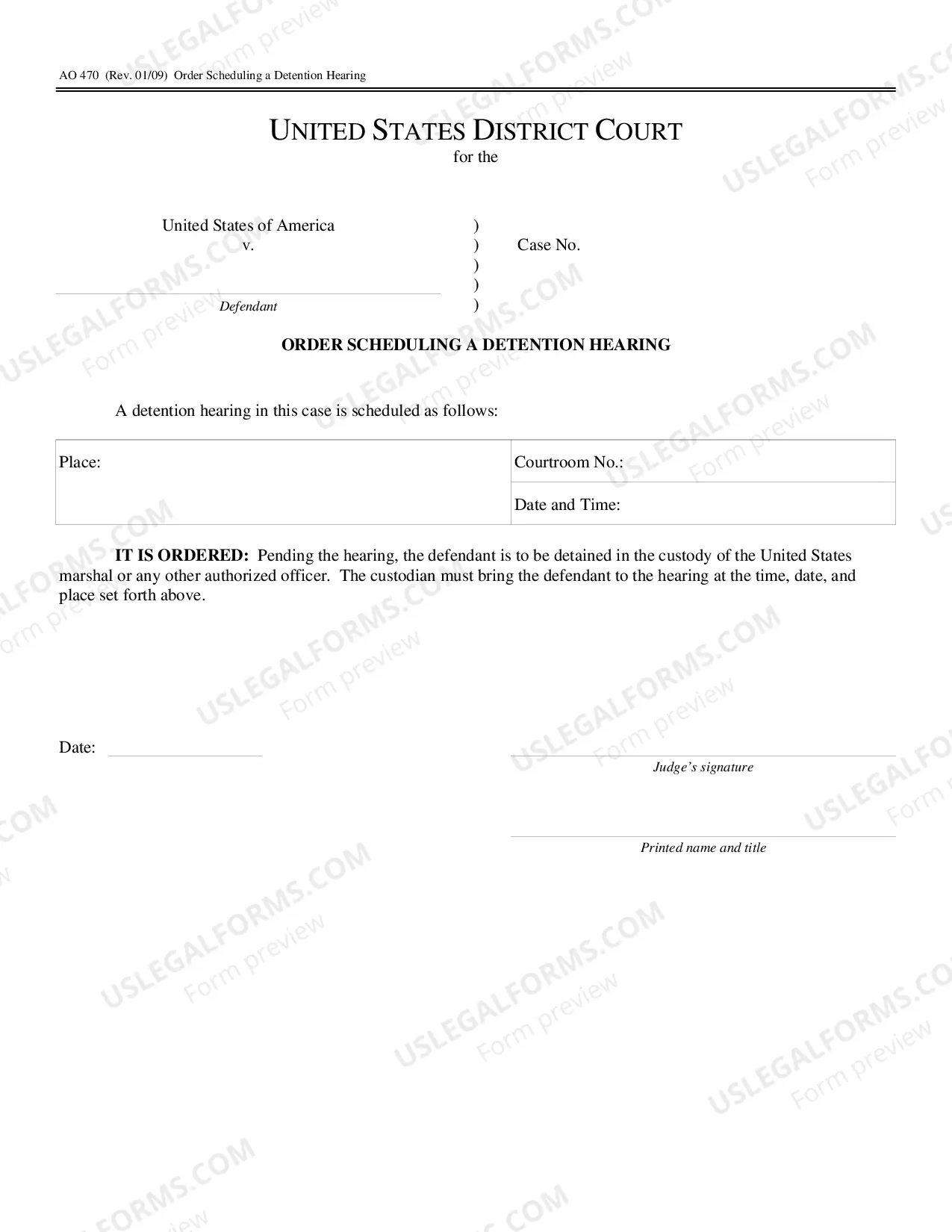
A detention order is a type of court order that can be made at a bail hearing. If the judge or justice of the peace makes a detention order, you will remain in custody until your case is finished, or you are released on a bail review.
Beyond the arrest the D.A.'s office has 90 days in which to indict the case by presenting a case to the grand jury and securing a True Bill. Individuals still in jail beyond 90 days without the presentment of a case to the grand jury must be released on a reduced bond or a personal recognizance bond.
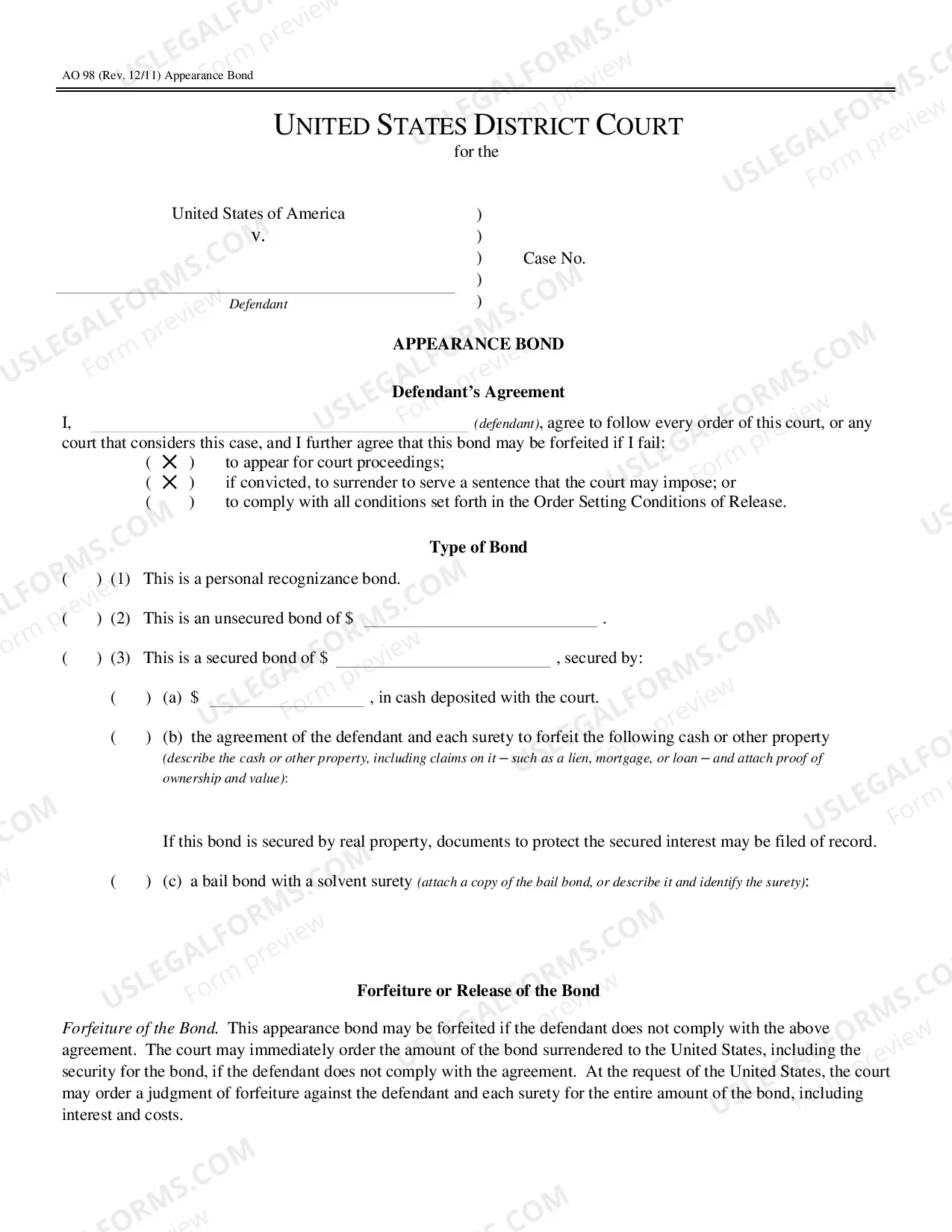
Release on Personal Recognizance/Unsecured Appearance Bond: Title 18, United States Code, Section 3142(b) requires a judicial officer to order the pretrial release of a defendant on "personal recognizance" or upon the defendant's execution of an "unsecured appearance bond" in an amount specified by the court.
Pretrial, also called pretrial conference or pretrial review, is a hearing prior to trial, which all parties involved in the trial attempt to determine the issues, laws, or facts matter, before the court trial. It would be held when all initial pleadings have been submitted.