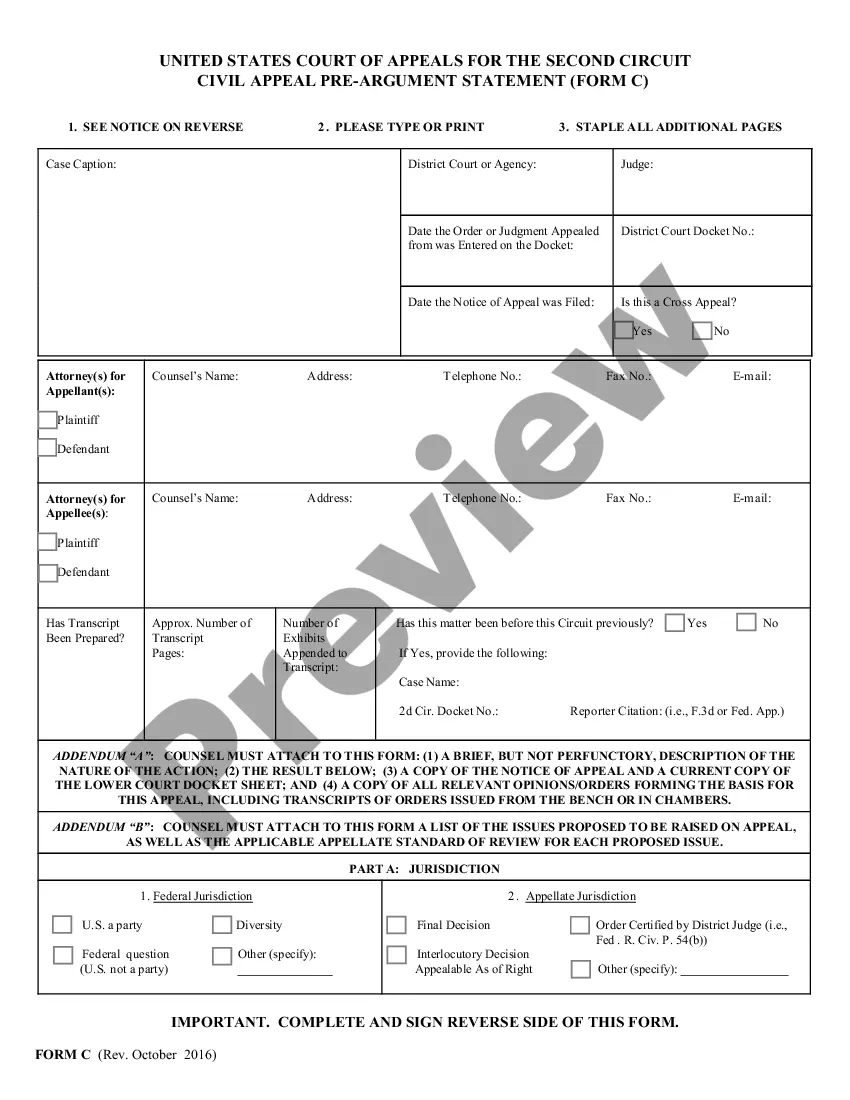
Texas Acknowledgment of Protest
About this form
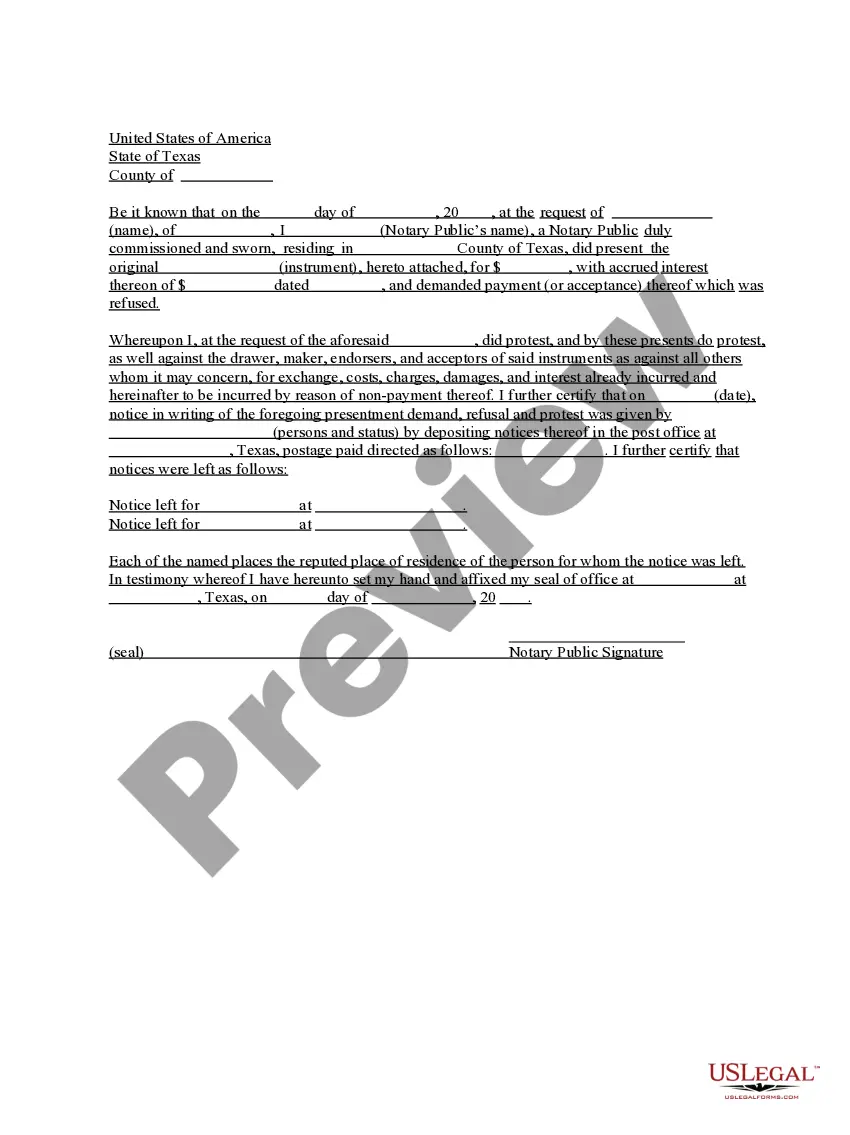
The Acknowledgment of Protest is a legal document used to formally document that a financial instrument, such as a check or promissory note, has been presented for payment and has been refused. This form serves to protect the rights of the payee by providing a record of the protest against the non-payment. Unlike other financial forms, the Acknowledgment of Protest specifically addresses the refusal to honor a financial obligation, which is crucial for the enforcement of payment obligations in legal proceedings.
Key parts of this document
- Identifying information of the payee and the notary public.
- Details of the financial instrument being protested, including dates and amounts.
- A statement of the refusal of payment or acceptance.
- Certification of notice given to relevant parties regarding the protest.
- Signature and seal of the notary public documenting the protest.


When this form is needed
This form should be used when a party has presented a financial instrument, such as a check, for payment but the payment has been declined. It is often utilized in commercial transactions where proof of non-payment is necessary for further legal action, such as collections or litigation. Additionally, the Acknowledgment of Protest may be needed to notify relevant parties of the refusal to pay, which can be essential for establishing a claim for damages.
Who this form is for
- Payees who need to document the non-payment of financial instruments.
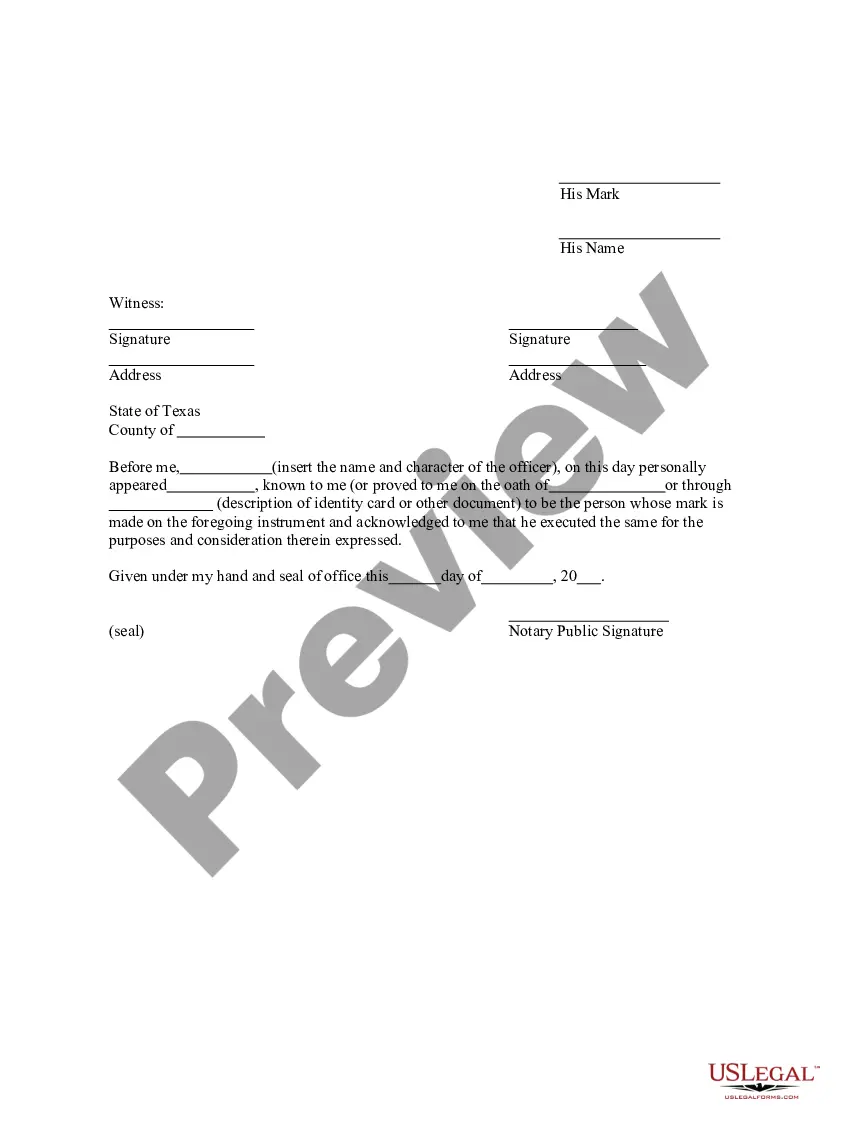
- Notaries public who are required to formalize the protest process.
- Creditors seeking to enforce payment obligations after a refusal.
- Businesses involved in commercial transactions that may require proof of payment disputes.
Completing this form step by step
- Fill in the names of the payee and the notary public.
- Specify the details of the financial instrument including the date and amount.
- Indicate that payment or acceptance was refused.
- Provide the dates and methods used for notifying relevant parties of the protest.
- Sign and affix the seal of the notary public to validate the document.
Does this document require notarization?
This form must be notarized to be legally valid. US Legal Forms provides secure online notarization powered by Notarize, allowing you to complete the process through a verified video call.
Get your form ready online
Our built-in tools help you complete, sign, share, and store your documents in one place.
Make edits, fill in missing information, and update formatting in US Legal Forms—just like you would in MS Word.
Download a copy, print it, send it by email, or mail it via USPS—whatever works best for your next step.
Sign and collect signatures with our SignNow integration. Send to multiple recipients, set reminders, and more. Go Premium to unlock E-Sign.
If this form requires notarization, complete it online through a secure video call—no need to meet a notary in person or wait for an appointment.
We protect your documents and personal data by following strict security and privacy standards.

Make edits, fill in missing information, and update formatting in US Legal Forms—just like you would in MS Word.

Download a copy, print it, send it by email, or mail it via USPS—whatever works best for your next step.

Sign and collect signatures with our SignNow integration. Send to multiple recipients, set reminders, and more. Go Premium to unlock E-Sign.

If this form requires notarization, complete it online through a secure video call—no need to meet a notary in person or wait for an appointment.

We protect your documents and personal data by following strict security and privacy standards.
Common mistakes
- Failing to include all required identifying information for parties involved.
- Not specifying the correct date or details of the financial instrument.
- Omitting the signature and seal of the notary public.
- Not providing adequate notice to all relevant parties regarding the protest.
Advantages of online completion
- Convenience of completing the form from any location.
- Immediate access to legal templates drafted by licensed attorneys.
- Easy editing options to ensure all information is accurate before finalizing.
- Reliable resources that guide users through the completion process.
Looking for another form?
Form popularity
FAQ
Step 1: Require Personal Appearance. Step 2: Check Over The Document. Step 3: Carefully Identify The Signer. Step 4: Record Your Journal Entry. Step 5: Complete The Notarial Certificate. A Last Note: Never Give Advice.
State driver's and official nondriver's IDs. U.S. passports. U.S. military. IDs and resident alien IDs or green cards issued by the U.S. Citizenship and Immigration Services.
When you see (here insert the name and character of the officer) next to a blank as shown below, it means you should insert Your name, Notary Public in the blank.
Don't Endorse Advertising As A Notary. Don't Use Your Notary Office To Offer Improper Legal Advice. Don't Use Your Notary Seal To Make A Document Appear Legal
An acknowledgment is a formal declaration before an authorized official such as a notary, by a person who has signed a document, that the document is his or her act. Acknowledgments are governed by the Uniform Acknowledgment Act. The person acknowledging the document must personally appear before the notary.
Transfer of property ownership. Real Estate Documents. Residential Loan documents. Loan closings. Title Escrow closings. Deeds of Easement. Quit Claim Deed. Deeds Releases.
Take acknowledgments. Administer oaths and affirmations. Take depositions. Certify copies of documents not recordable in the public records. Protest instruments.
Step 1: Require Personal Appearance. Almost every state requires the signer to personally appear before you during the notarization. Step 2: Check Over The Document. Step 3: Carefully Identify The Signer. Step 4: Record Your Journal Entry. Step 5: Complete The Notarial Certificate.
: Texas law does not restrict you from notarizing for family. However, because a Texas notary public should be an impartial witness, we strongly recommend you do not notarize for any family member.