Texas Release of Lien Bond
About this form
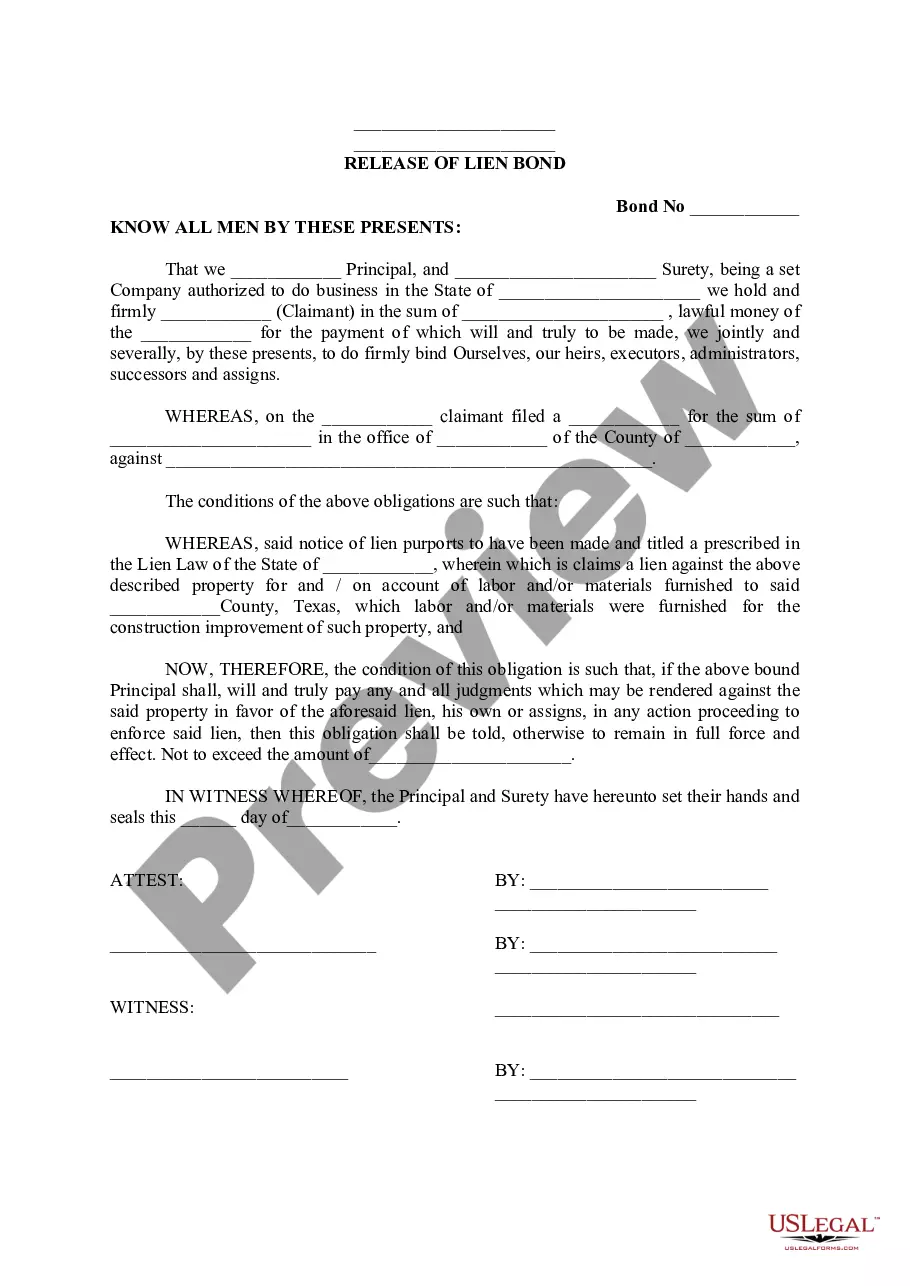
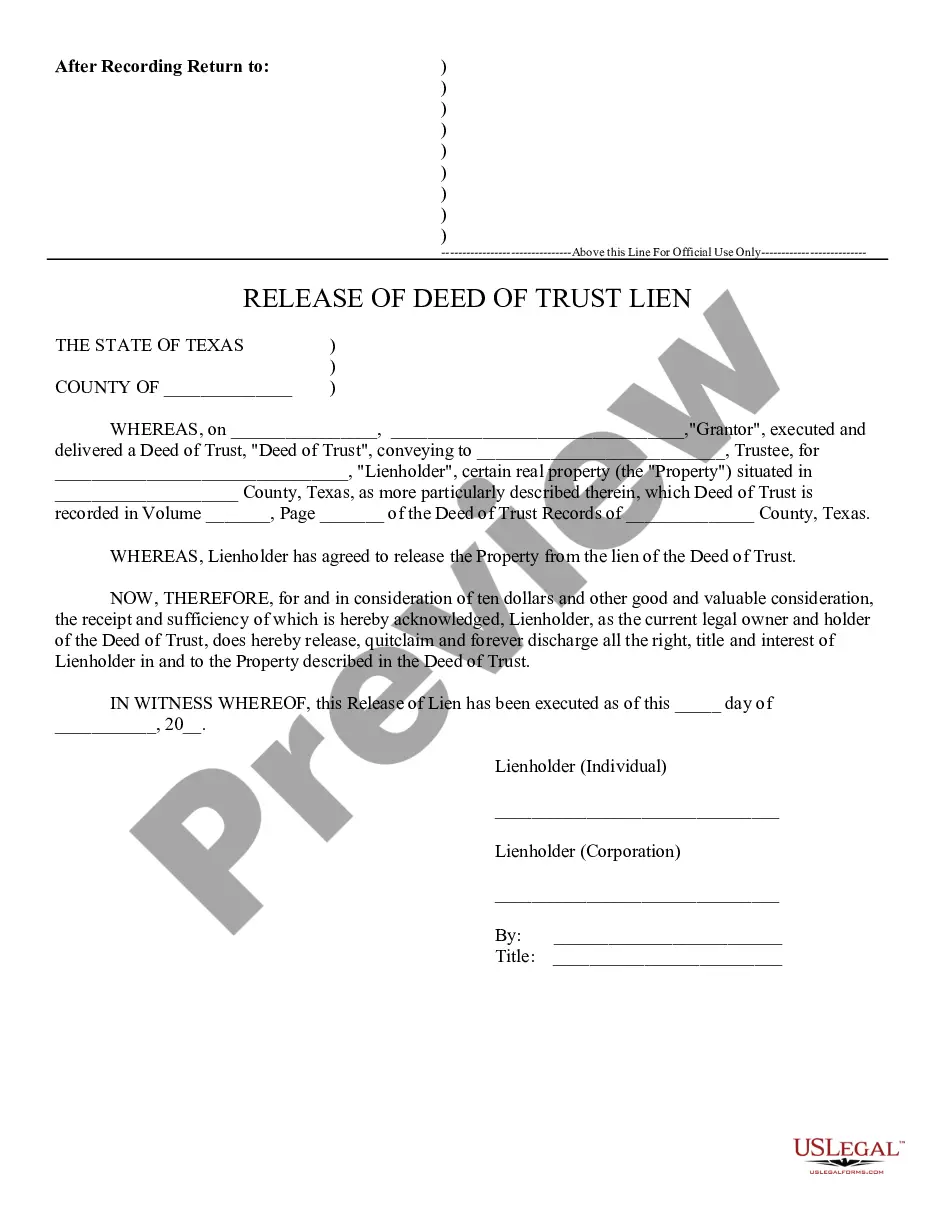
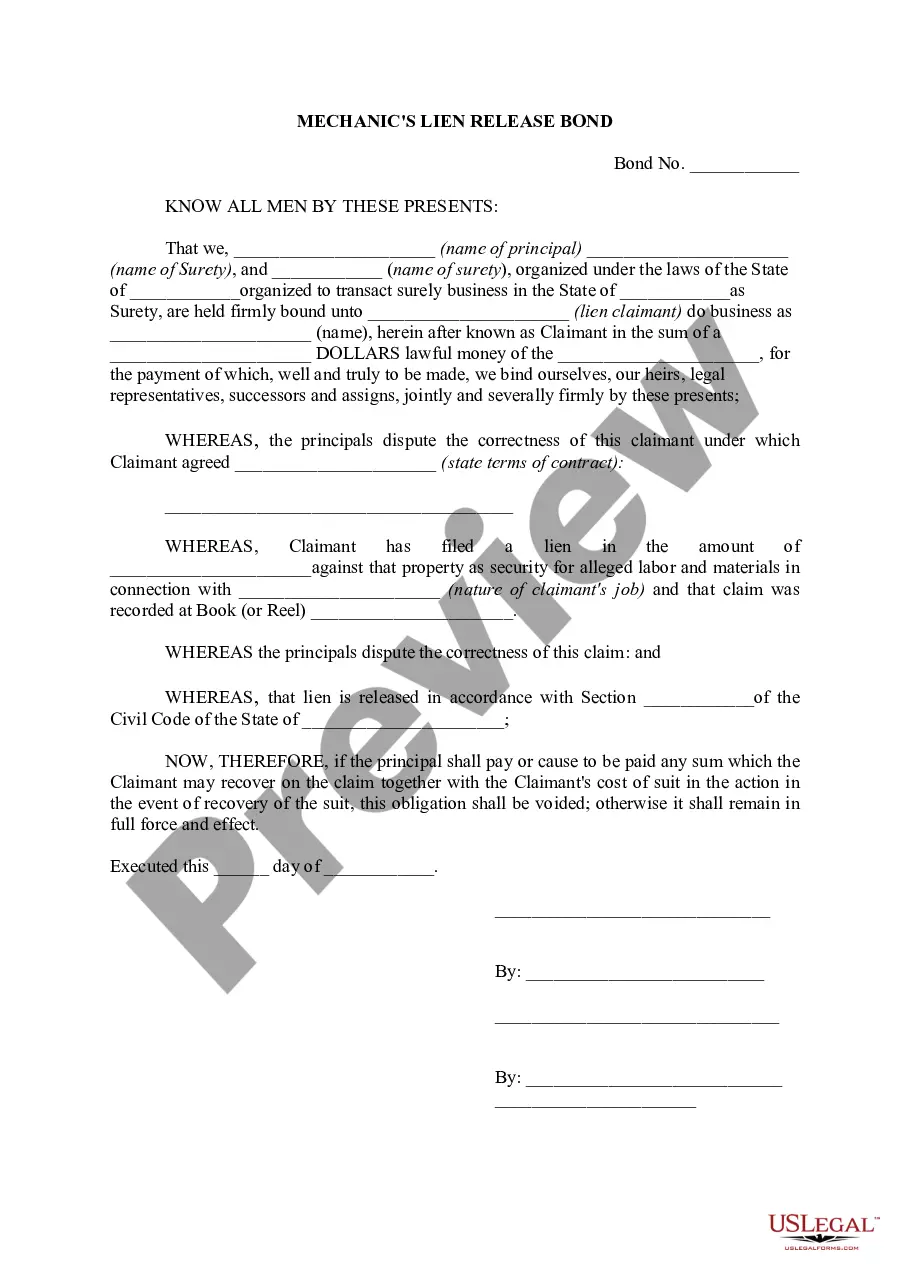
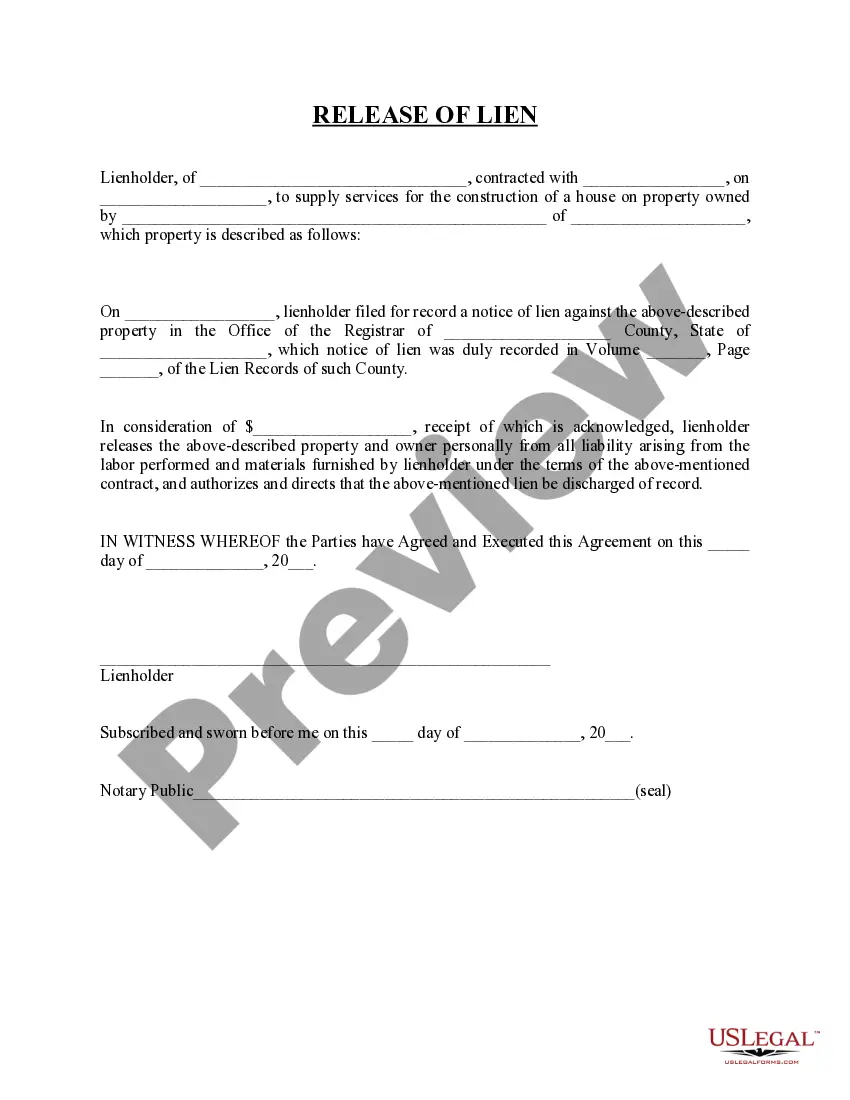
The Release of Lien Bond is a legal document that allows a contractor to secure the release of a lien placed on a property due to unpaid labor or materials. This bond serves as a promise that the contractor will pay any judgments related to the lien, thereby protecting the property from further claims. Unlike other lien-related forms, the Release of Lien Bond specifically focuses on formalizing the contractor's obligation to address outstanding debts while allowing the property to be transferrable without the burden of the lien.
Form components explained
- Principal and Surety Information: Names and details of the parties involved.
- Bond Amount: The monetary sum secured by the bond for lien release.
- Claimant Details: Information about the claimant who filed the lien.
- Property Description: A clear identification of the property related to the lien.
- Conditions of Obligation: Terms outlining the obligations of the contractor.
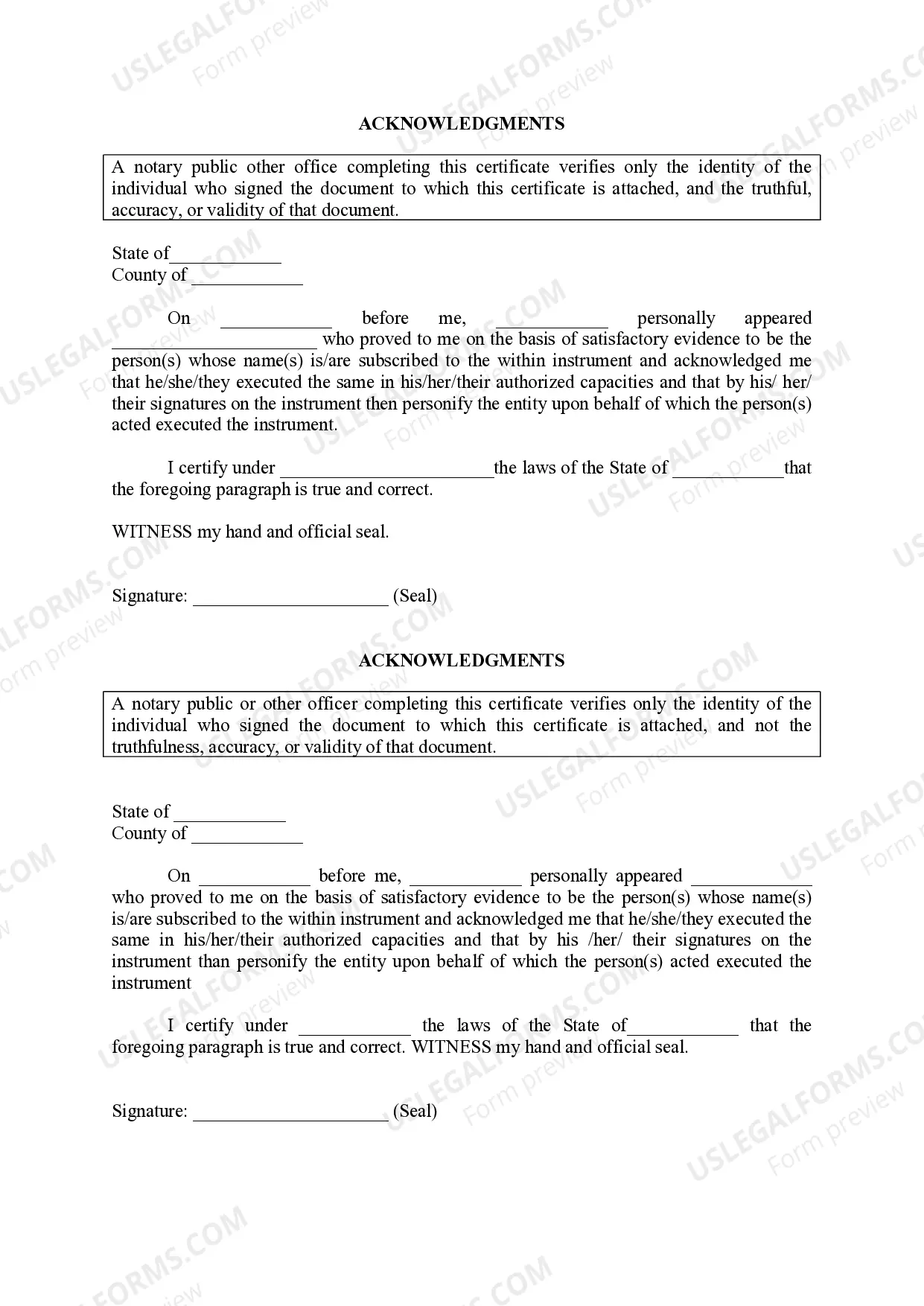
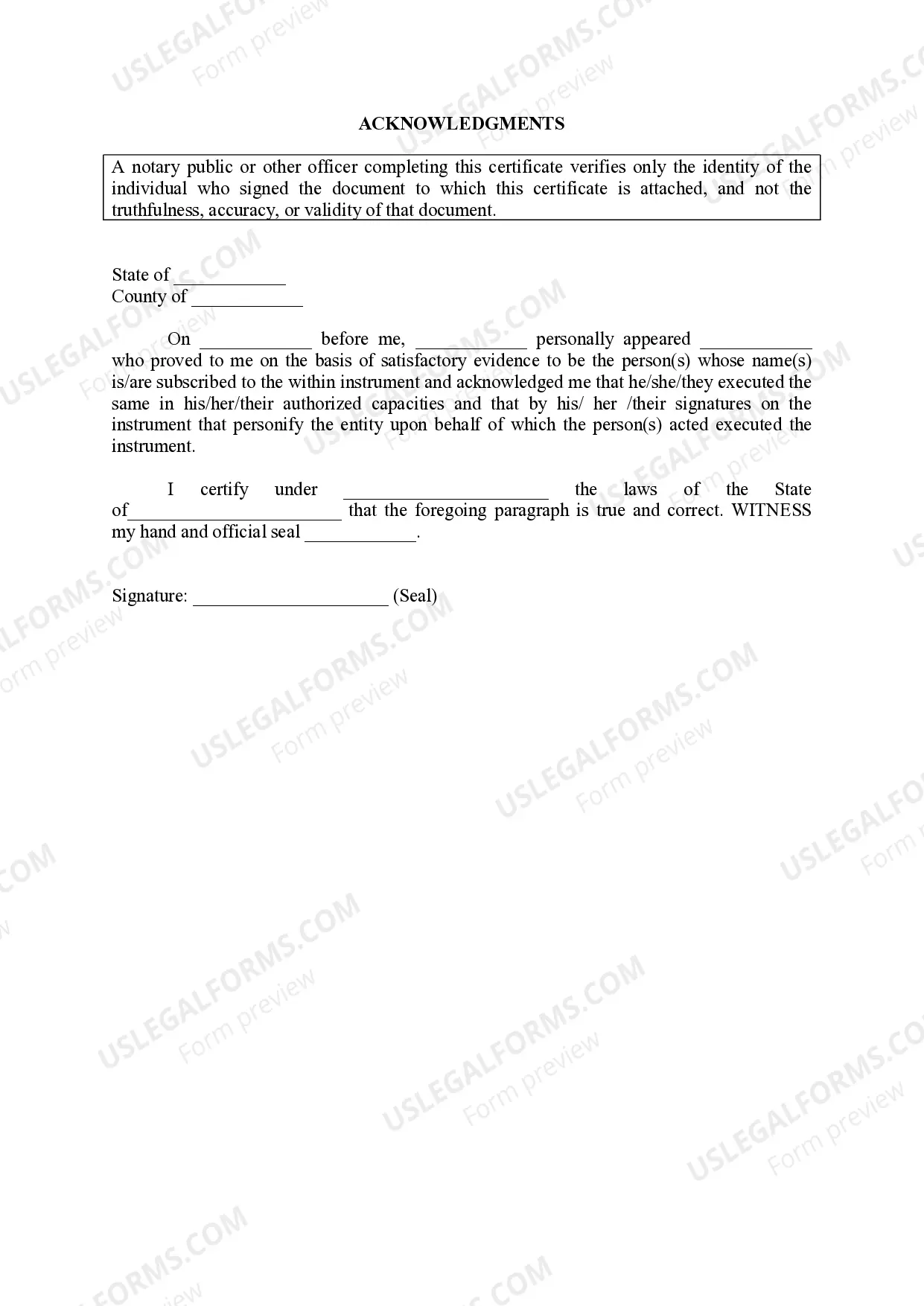
- Acknowledgment and Notary Section: Verification of signatures by a notary public.
When this form is needed
This form is used when a contractor needs to release a lien that has been placed on a claimant's property due to unpaid labor or materials. It is essential in situations where the contractor is seeking to assure payment obligations have been met or to facilitate the sale or refinancing of the property without the encumbrance of a lien. Any instance where a lien is contested or needs to be formally addressed in compliance with state lien laws is also a valid situation for this form.
Who needs this form
- Contractors who have placed a lien on a property for unpaid work or materials.
- Property owners who need to clear a lien to sell or refinance their property.
- Surety companies providing the bond to secure the contractor's obligation.
- Legal representatives assisting with lien disputes and property transactions.
How to complete this form
- Identify the parties involved: Provide the names of the Principal (contractor) and Surety (bond issuer).
- Specify the bond number and the amount: Enter the unique bond number and the total dollar amount secured by the bond.
- Describe the property: Clearly describe the property that is subject to the lien.
- Enter relevant dates: Fill in the date the lien was filed and the date of executing the bond.
- Sign and notarize: Ensure all relevant parties sign the document, and have the signatures verified by a notary public.
Notarization requirements for this form
Yes, this form must be notarized to be legally valid. The signatures must be acknowledged by a notary public, who verifies the identity of the signers and their authority to sign. US Legal Forms offers integrated online notarization, available twenty-four hours a day, ensuring a secure video call and legal equivalence without the need for travel.
Get your form ready online
Our built-in tools help you complete, sign, share, and store your documents in one place.
Make edits, fill in missing information, and update formatting in US Legal Forms—just like you would in MS Word.
Download a copy, print it, send it by email, or mail it via USPS—whatever works best for your next step.
Sign and collect signatures with our SignNow integration. Send to multiple recipients, set reminders, and more. Go Premium to unlock E-Sign.
If this form requires notarization, complete it online through a secure video call—no need to meet a notary in person or wait for an appointment.
We protect your documents and personal data by following strict security and privacy standards.

Make edits, fill in missing information, and update formatting in US Legal Forms—just like you would in MS Word.

Download a copy, print it, send it by email, or mail it via USPS—whatever works best for your next step.

Sign and collect signatures with our SignNow integration. Send to multiple recipients, set reminders, and more. Go Premium to unlock E-Sign.

If this form requires notarization, complete it online through a secure video call—no need to meet a notary in person or wait for an appointment.

We protect your documents and personal data by following strict security and privacy standards.
Common mistakes to avoid
- Failing to include complete information about the parties involved.
- Neglecting to accurately describe the property subject to the lien.
- Omitting the bond number and amount.
- Not obtaining notarization when required.
- Submitting incomplete or unsigned forms.
Why complete this form online
- Convenient access to legal form templates drafted by licensed attorneys.
- Editable fields to tailor the form to specific needs and circumstances.
- Instant downloadable format for timely use and submission.
- Guided instructions to ensure compliance with legal standards.
Looking for another form?
Form popularity
FAQ
Satisfy the terms of the loan by paying the balance of the loan back to the lender, including any interest incurred. If you don't receive the lien release, submit a request to your lender for proof that the loan has been satisfied.
Remedial Bonds Under Section 53.171 of the Texas Property Code: Under Section 53.171(c) of the Texas Property Code, a mechanic's lien can be discharged with a bond even after the dispute has arisen and the lien has been filed. The bond must be substantially higher than the lien amounts.
The vehicle title. a release of lien letter and/or other notifications from the lienholder(s) currently named on the vehicle title. a completed Application for Texas Title and/or Registration (Form 130-U)
Write your name and return address in the top three lines of the letter. Insert the complete date (month, day, year). Enter the recipient's name, title, company name and address on the next five lines. Greet the reader by writing "Dear (recipient's name):" Skip two lines. State the subject in a subject line.
It basically states that you've paid the subcontractor what is owed, they accept the payment in full, and they waive the right to put a lien on your property. Simply present this form to the subcontractor with your payment and ask them to sign it. Make sure you get their signature!
A judgment lien lasts for ten years. According to Section 52.001 of the Texas Property Code, a judgment lien cannot attach to any real property that is exempt from seizure or forced sale under Chapter 41 of the Texas Property Code.
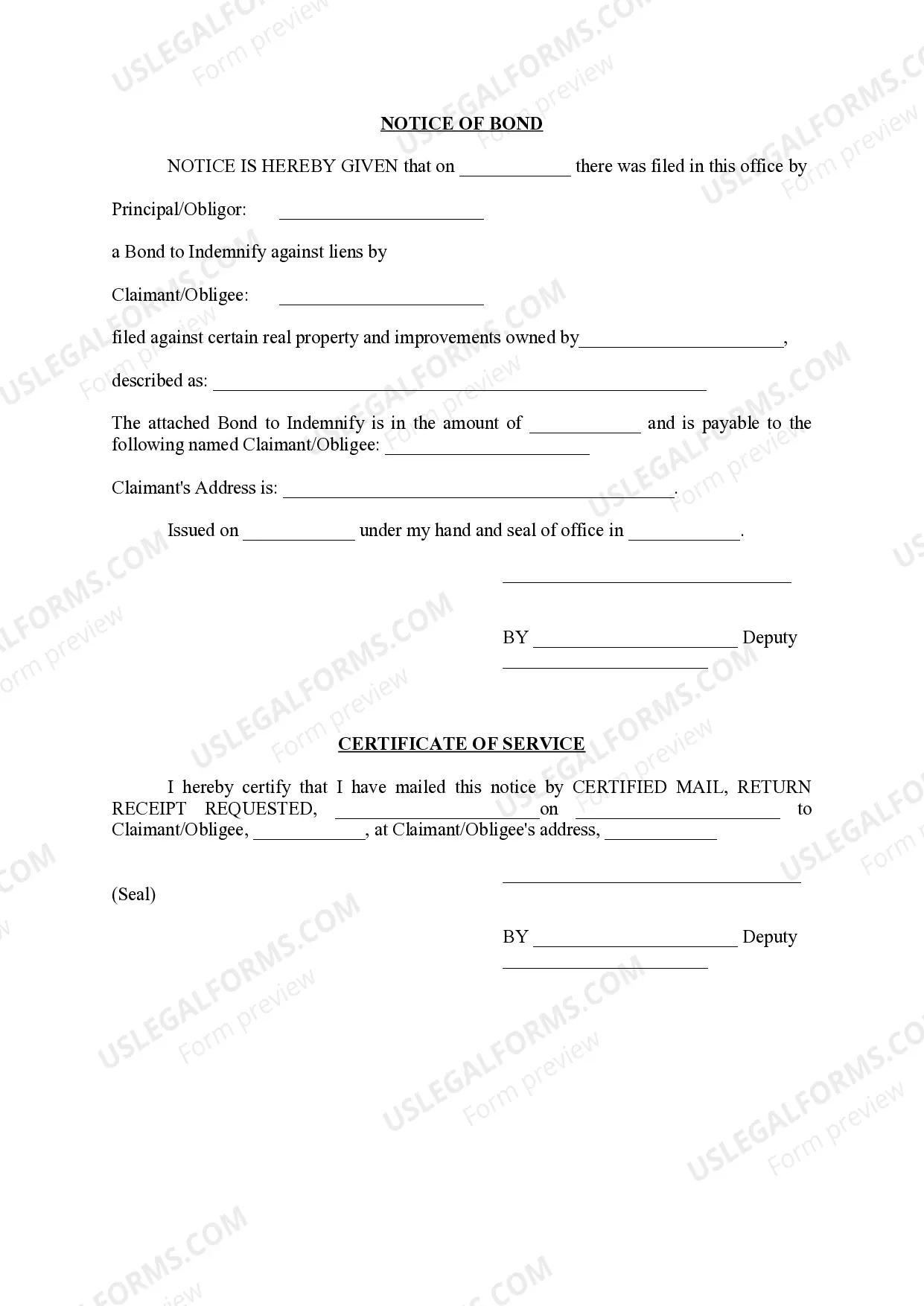
The final method for removing a Texas mechanics lien is to have the lien bonded off. The requirements and procedure to bond off a mechanics lien claim is set forth within an entire chapter from the lien law statutes, in Subchapter H: Bond to Indemnify Against Lien.
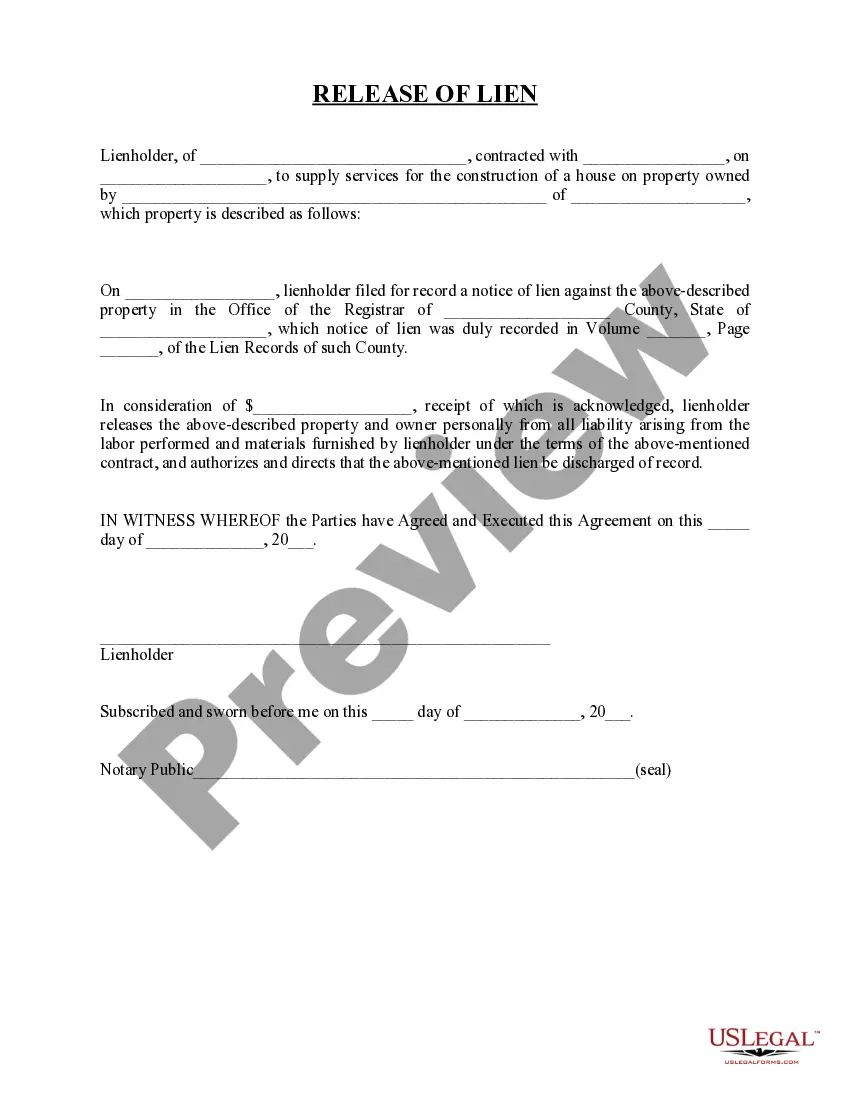
Pay off your debt. Fill out a release-of-lien form and have the lien holder sign it. Run out the statute of limitations. Get a court order. Make a claim with your title insurance company. Learn more:
Call your bonding company -- or the broker or agent who arranged the bond for you -- to inform the company that you no longer need the bond and want it released. Fill out the bond release request form you receive from the bonding company and return it.