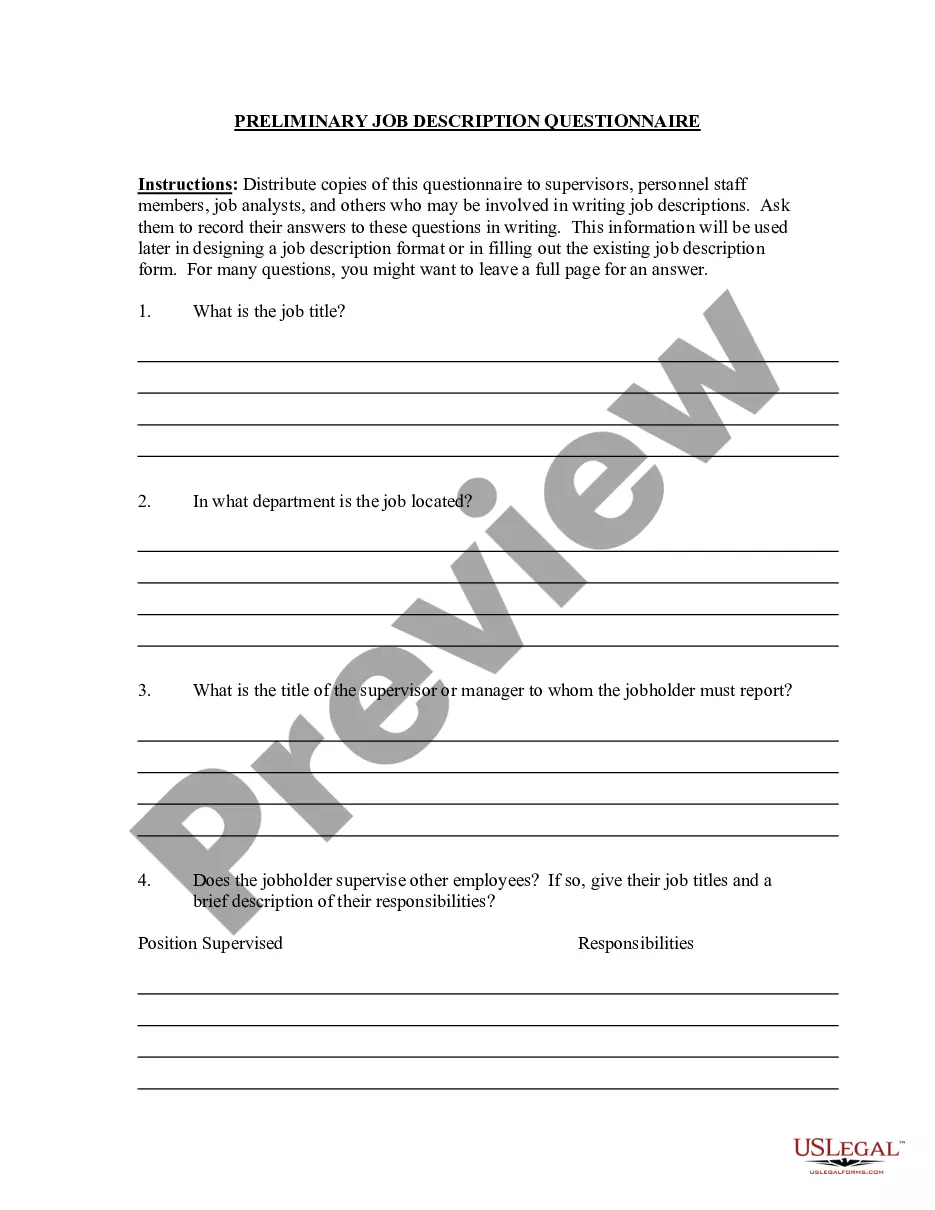
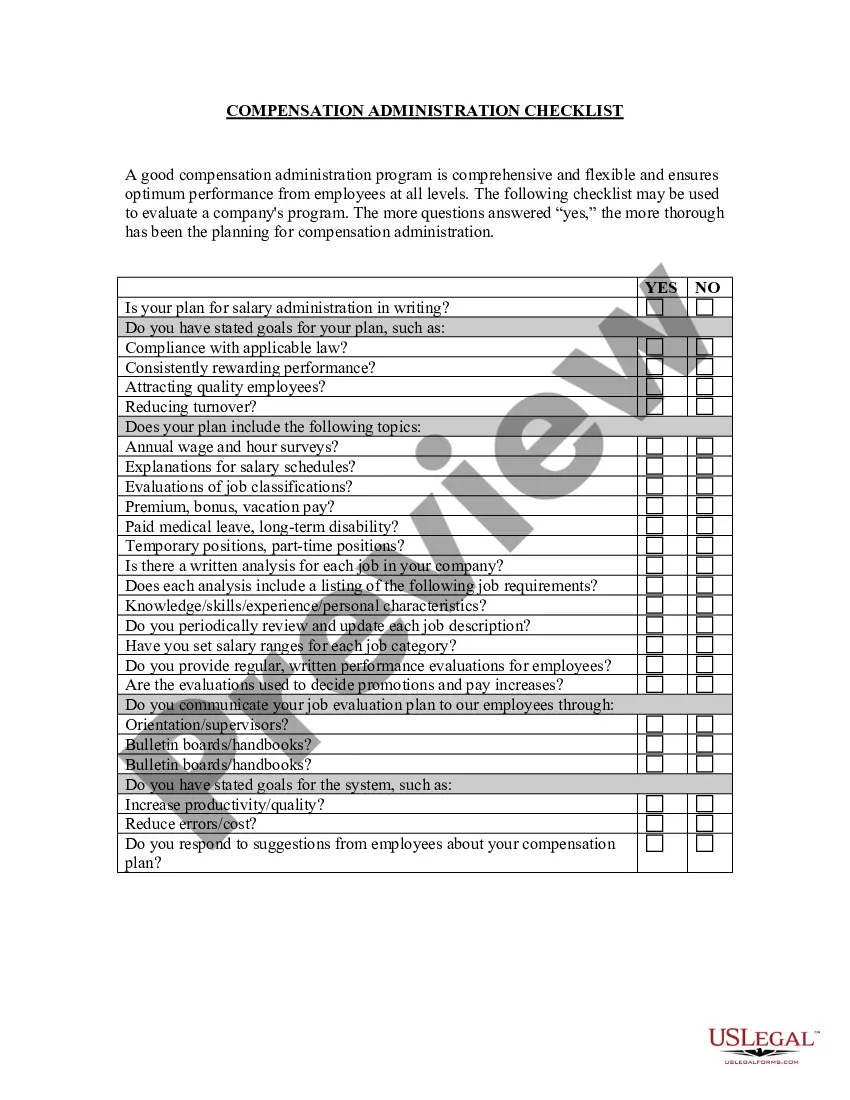
Texas Market Value Adjustments Checklist
Description
Get your form ready online
Our built-in tools help you complete, sign, share, and store your documents in one place.
Make edits, fill in missing information, and update formatting in US Legal Forms—just like you would in MS Word.
Download a copy, print it, send it by email, or mail it via USPS—whatever works best for your next step.
Sign and collect signatures with our SignNow integration. Send to multiple recipients, set reminders, and more. Go Premium to unlock E-Sign.
If this form requires notarization, complete it online through a secure video call—no need to meet a notary in person or wait for an appointment.
We protect your documents and personal data by following strict security and privacy standards.

Make edits, fill in missing information, and update formatting in US Legal Forms—just like you would in MS Word.

Download a copy, print it, send it by email, or mail it via USPS—whatever works best for your next step.

Sign and collect signatures with our SignNow integration. Send to multiple recipients, set reminders, and more. Go Premium to unlock E-Sign.

If this form requires notarization, complete it online through a secure video call—no need to meet a notary in person or wait for an appointment.

We protect your documents and personal data by following strict security and privacy standards.
Looking for another form?


How to fill out Texas Market Value Adjustments Checklist?
Coping with legal paperwork requires attention, accuracy, and using well-drafted blanks. US Legal Forms has been helping people nationwide do just that for 25 years, so when you pick your Texas Market Value Adjustments Checklist template from our service, you can be certain it complies with federal and state regulations.
Dealing with our service is simple and fast. To obtain the required document, all you’ll need is an account with a valid subscription. Here’s a quick guideline for you to get your Texas Market Value Adjustments Checklist within minutes:
- Make sure to carefully examine the form content and its correspondence with general and law requirements by previewing it or reading its description.
- Search for an alternative formal template if the previously opened one doesn’t match your situation or state regulations (the tab for that is on the top page corner).
- Log in to your account and download the Texas Market Value Adjustments Checklist in the format you prefer. If it’s your first experience with our service, click Buy now to continue.
- Register for an account, select your subscription plan, and pay with your credit card or PayPal account.
- Choose in what format you want to save your form and click Download. Print the blank or add it to a professional PDF editor to submit it paper-free.
All documents are created for multi-usage, like the Texas Market Value Adjustments Checklist you see on this page. If you need them in the future, you can fill them out without re-payment - simply open the My Forms tab in your profile and complete your document any time you need it. Try US Legal Forms and prepare your business and personal paperwork quickly and in total legal compliance!
Form popularity
FAQ
The impact of the Market Value Adjustment is similar to how bond values are impacted by interest rates. The surrender value of your annuity will generally decrease as new money interest rates for your annuity product increase which creates a negative adjustment to your surrender value.
The market value adjustment is how the insurance company protects itself from significant losses when a policy owner terminates their contract before the agreed term, specifically in varying market conditions.
A market value adjustment (MVA) is a contract clause associated with fixed deferred annuities. Insurance companies use market value adjustments to reduce their risk of loss should the annuitant take too many early withdrawals or cancel the contract during the accumulation phase.
If you take the money out now, when current interest rates are at 4%, the MVA will lower the amount you get. You'll get $95.27 after the insurance company deducts an MVA of $4.73. But if you then reinvest the $95.27 at 4% for 2 years in a GIA, the value at maturity is $103.04.
The Market Value Adjustment (MVA) A market value adjustment (MVA) is a term used in the insurance world to describe a situation when an investment's or security's current market value falls below the price initially paid for it. MVAs are common with annuities, as their values can change based on market conditions.
The MVA would be calculated by adding one to the purchase index, dividing it by one plus today's index when you withdraw, and then subtracting one from the total. So if the purchase index was 2% and today's index at the point of withdrawal is 4%, you'd end up with a negative 1.9%.
A market value-adjusted annuity is almost every fixed indexed annuity product today. The market value adjustment is how the insurance company protects itself from significant losses when a policy owner terminates their contract before the agreed term, specifically in varying market conditions.
An MVA is an amount by which a full or partial withdrawal is adjusted, resulting in a positive or negative impact on the withdrawal. The adjustment will apply to any withdrawal subject to a surrender charge and will be applied on the withdrawal date before applying the surrender charge.