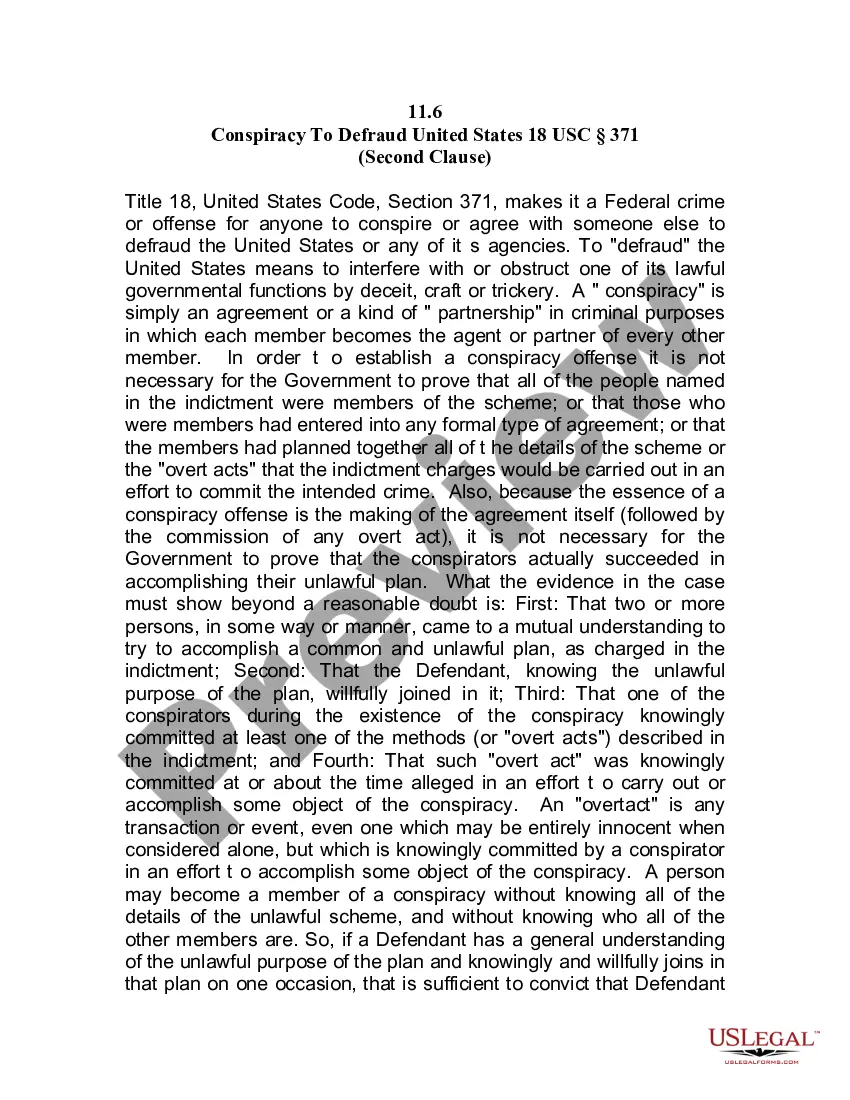
Texas Defendant's Directions to Affidavit
Description
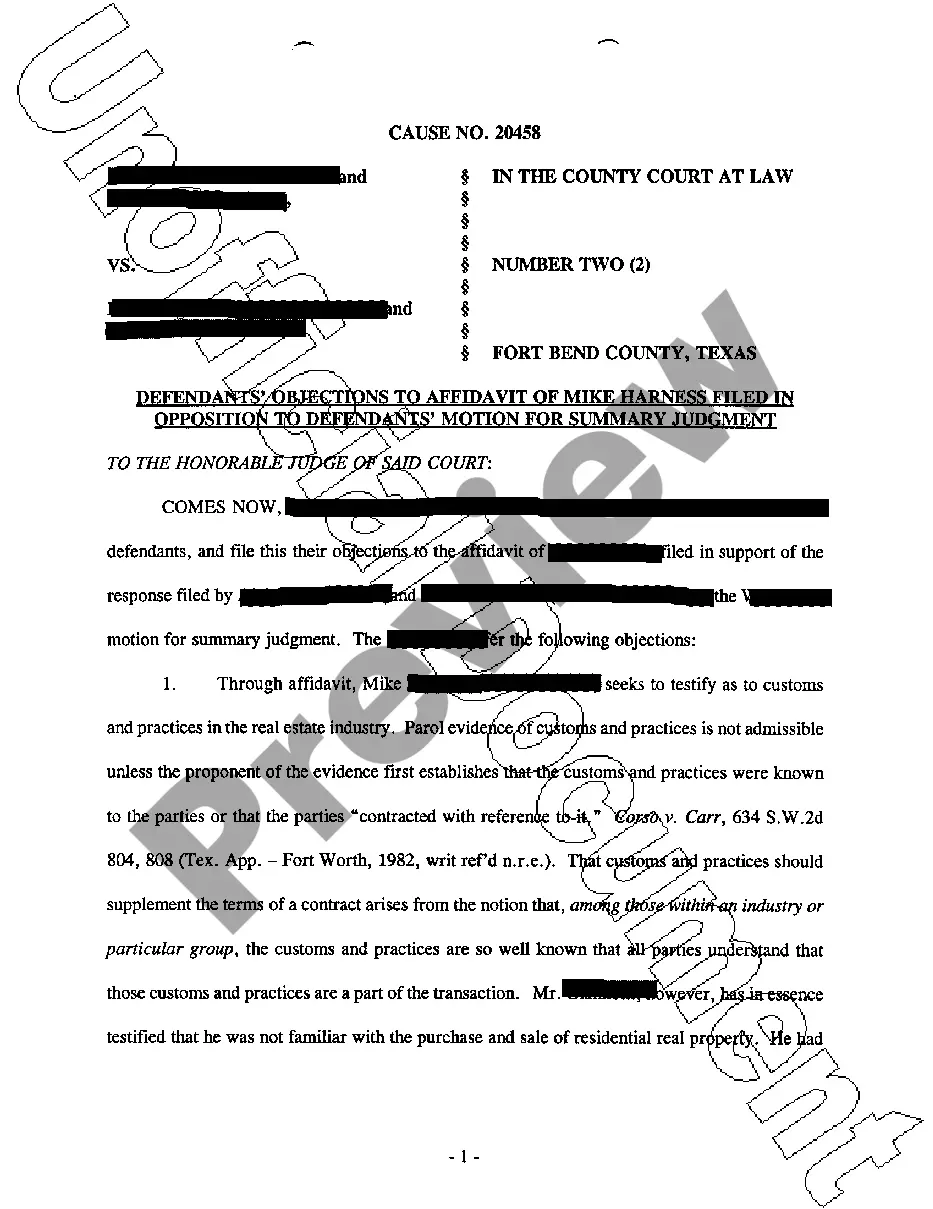
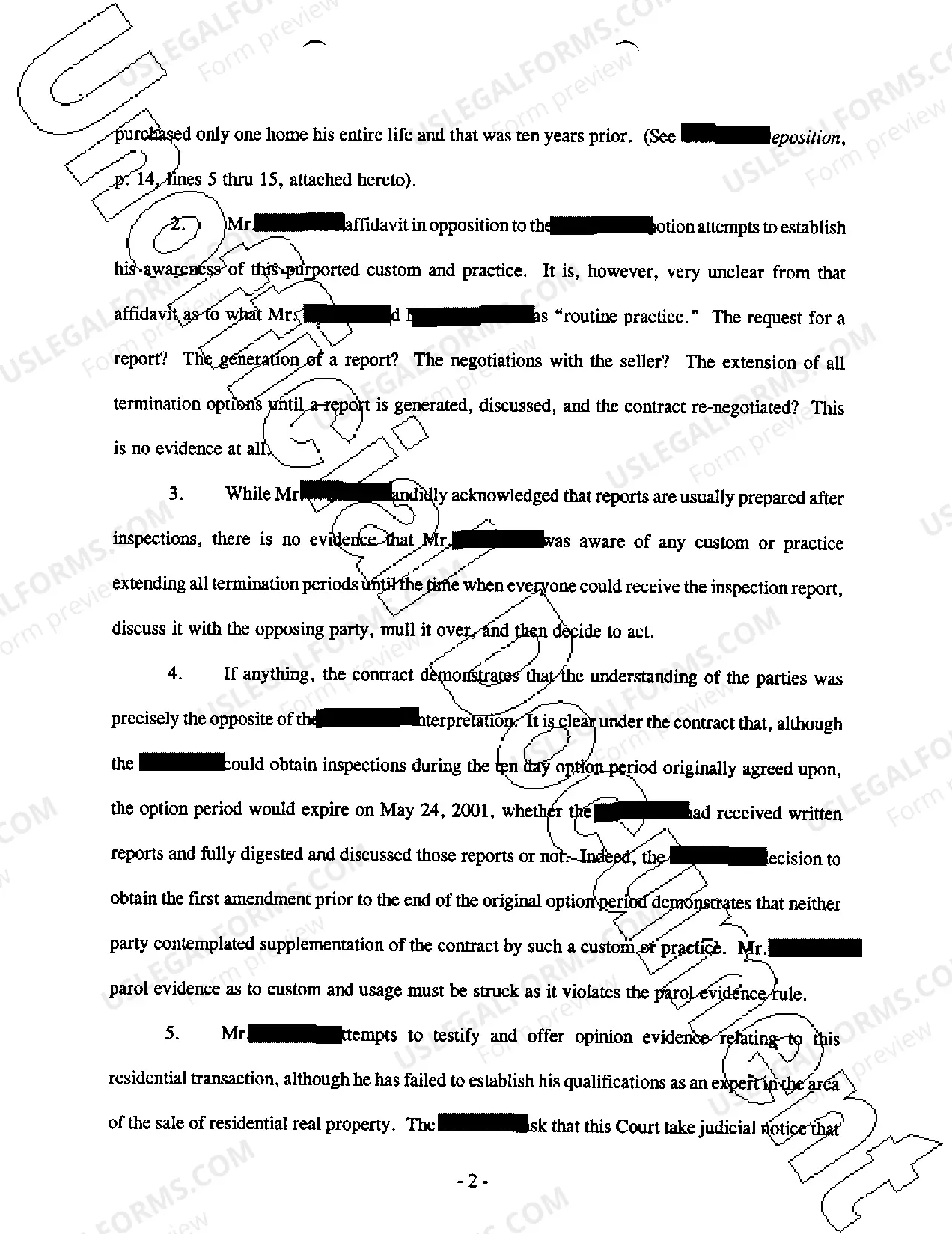
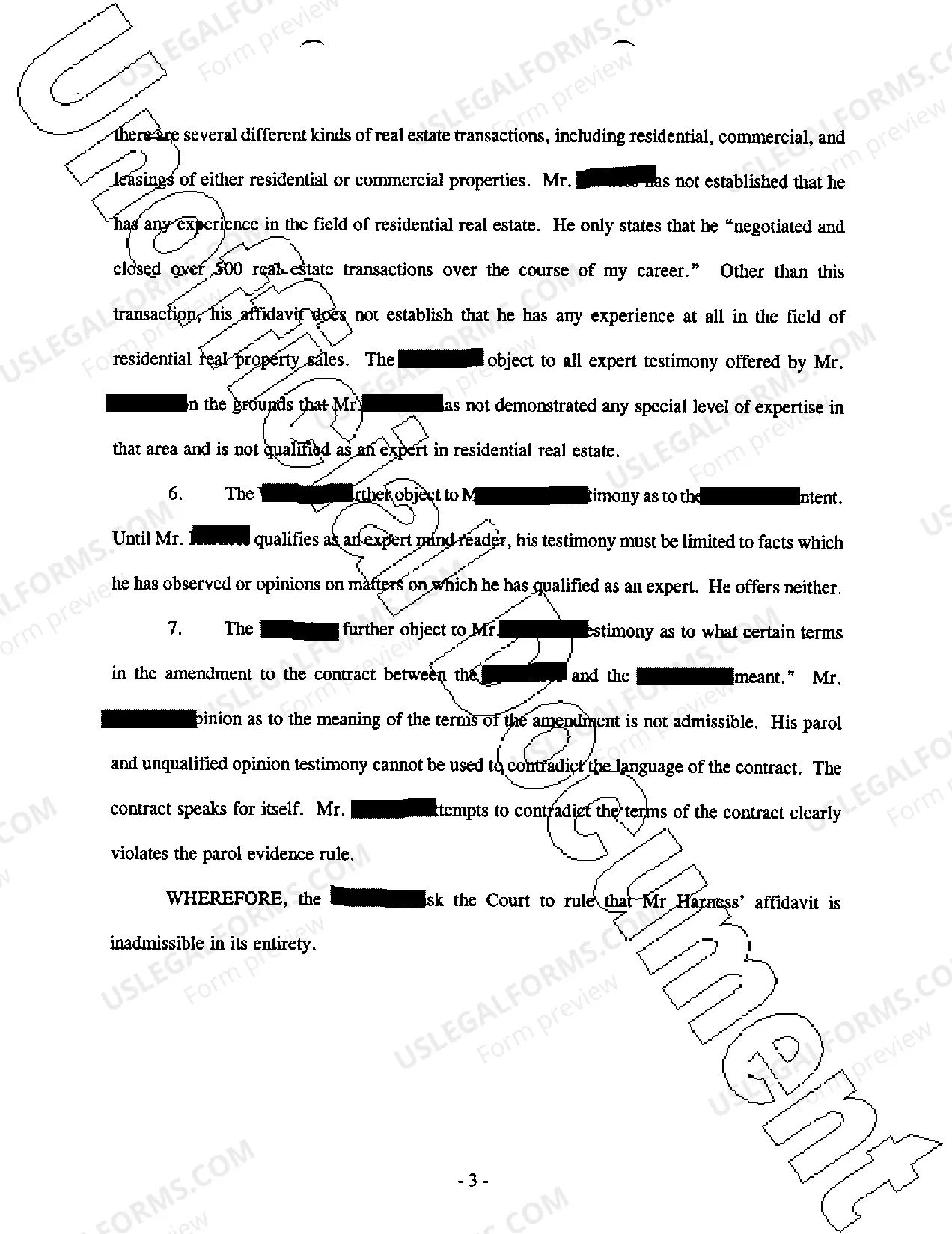
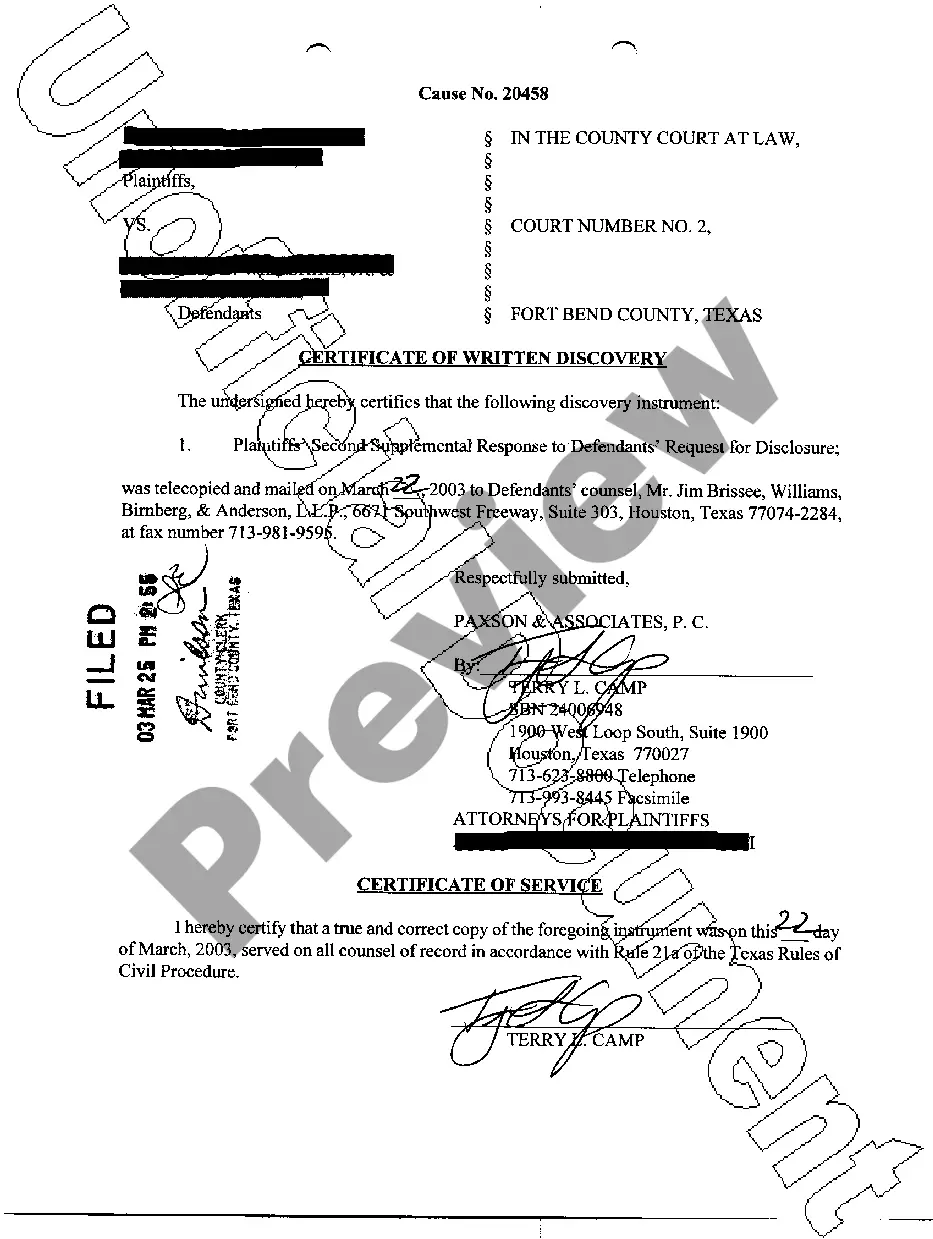
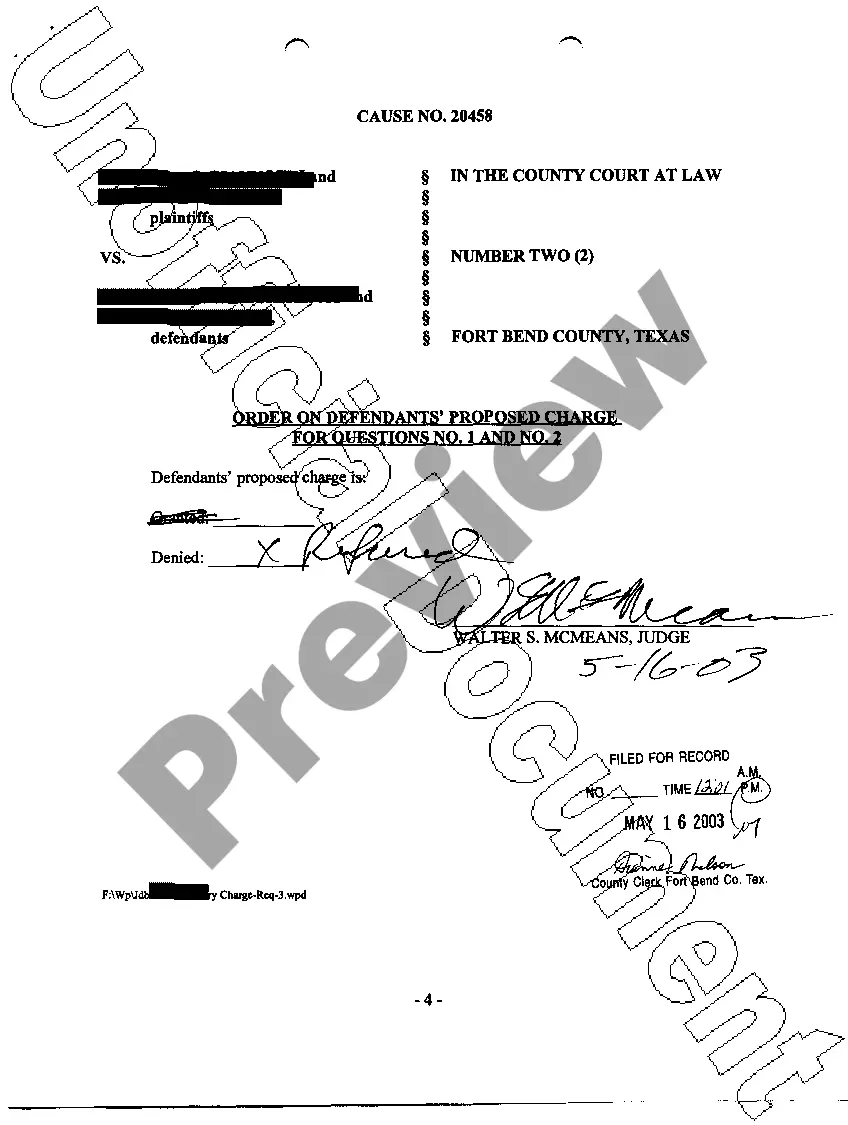
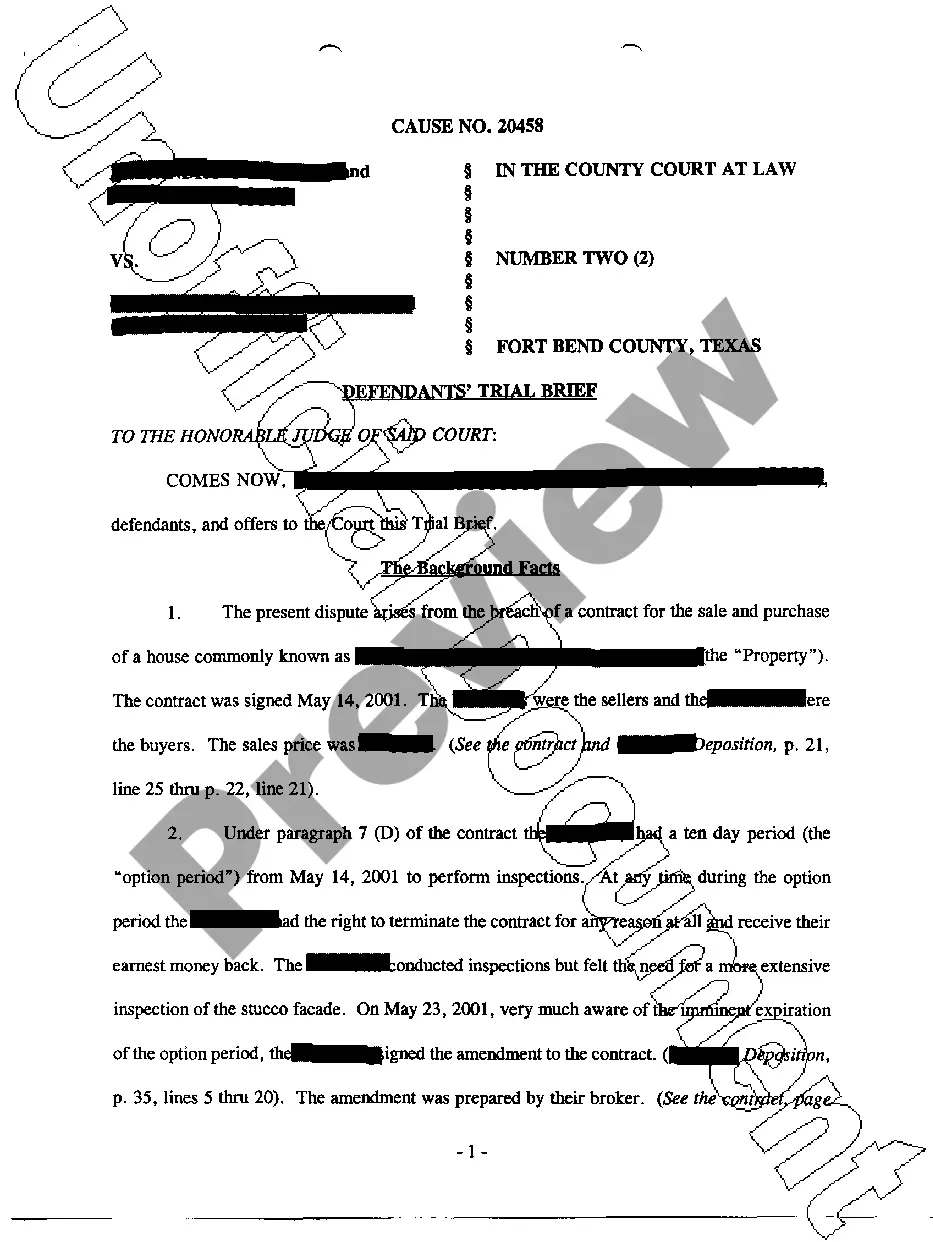
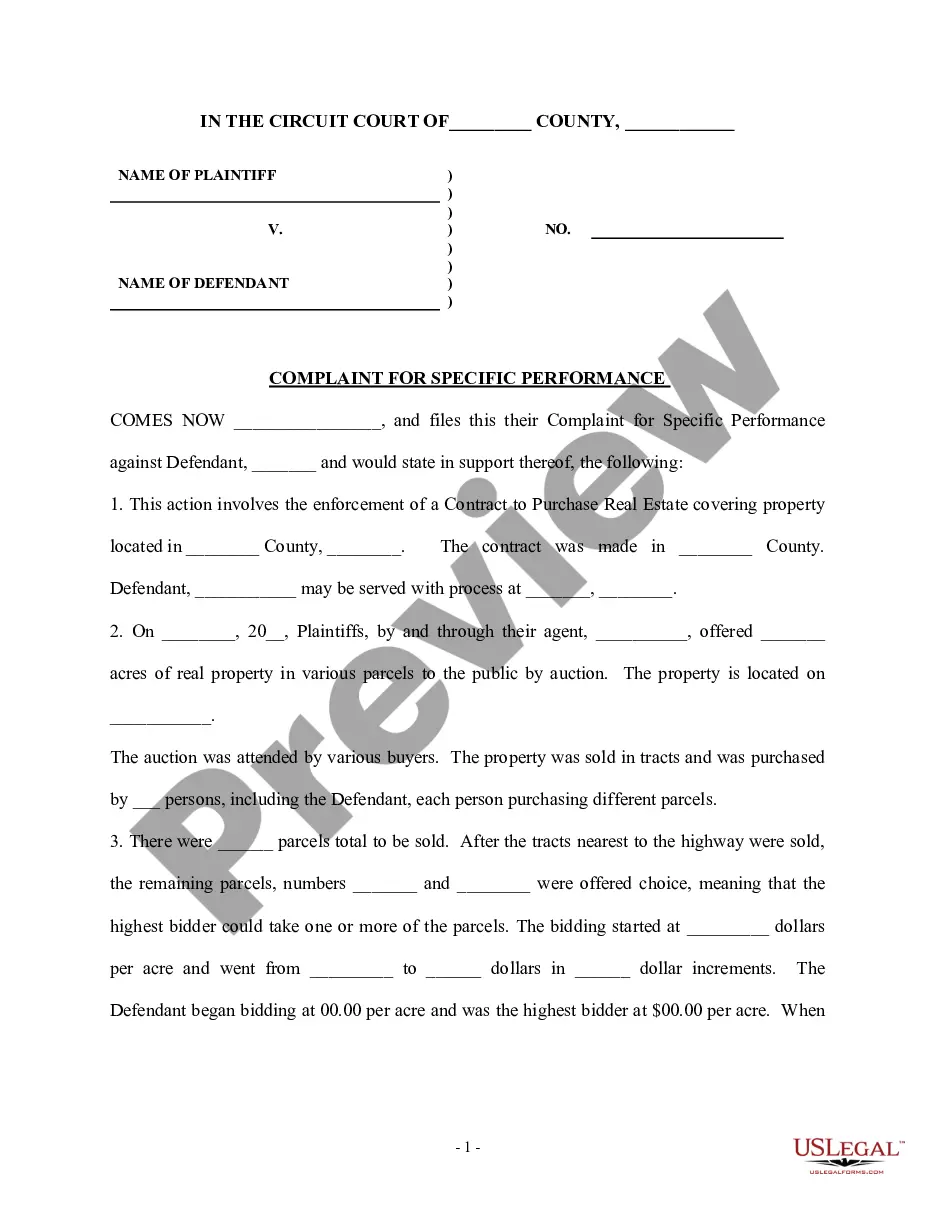

How to fill out Texas Defendant's Directions To Affidavit?
Access to top quality Texas Defendant's Directions to Affidavit samples online with US Legal Forms. Prevent hours of misused time seeking the internet and lost money on forms that aren’t updated. US Legal Forms gives you a solution to just that. Get over 85,000 state-specific authorized and tax forms that you can download and complete in clicks in the Forms library.
To receive the example, log in to your account and then click Download. The file will be stored in two places: on your device and in the My Forms folder.
For individuals who don’t have a subscription yet, look at our how-guide below to make getting started easier:
- Check if the Texas Defendant's Directions to Affidavit you’re looking at is suitable for your state.
- Look at the form using the Preview function and browse its description.
- Check out the subscription page by clicking Buy Now.
- Choose the subscription plan to keep on to sign up.
- Pay by card or PayPal to finish making an account.
- Pick a preferred file format to save the document (.pdf or .docx).
You can now open the Texas Defendant's Directions to Affidavit sample and fill it out online or print it and get it done by hand. Take into account mailing the document to your legal counsel to be certain everything is filled in appropriately. If you make a error, print and complete application once again (once you’ve made an account all documents you save is reusable). Make your US Legal Forms account now and access much more samples.
Form popularity
FAQ
Title the affidavit. First, you'll need to title your affidavit. Craft a statement of identity. Write a statement of truth. State the facts. Reiterate your statement of truth. Sign and notarize.
Full name of the deponent and their signature. Statement indicating whether the affidavit has been sworn or not. Date and place where the affidavit is being signed. Designation and full name of the Notary or Magistrate (person attesting the affidavit)
In a nutshell, an affidavit is a sworn statement that is in writing. Affidavits are usually used in a court or in negotiations. They are common in family law cases and bankruptcy cases. They are also used in civil and criminal cases, though not as often as family or bankruptcy law cases.
Provide the name of the court at the top of the Answer. You can find the information on the summons. List the name of the plaintiff on the left side. Write the case number on the right side of the Answer. Address the Judge and discuss your side of the case. Ask the judge to dismiss the case.
An affidavit is a written statement that you swear to be true in front of a notary public or other official designated by your state to administer oaths, which means to attest to the promise of truthfulness made by a signer or witness.
Read the summons and make sure you know the date you must answer by. Read the complaint carefully. Write your answer. Sign and date the answer. Make copies for the plaintiff and yourself. Mail a copy to the plaintiff. File your answer with the court by the date on the summons.
I am _____ and my name _______, appearing on the enclosed ID proof, is single name.Both names denote one and the same person. I solemnly state that the contents of this affidavit are true to the best of my knowledge and belief and that it conceals nothing and that no part of it is false.
In the sentence, the person writing the statement must state that he or she is stating that the information is accurate. (Example: I, Jane Doe, solemnly swear that the contents of this document are true and correct, and that I agree to abide by the terms in this affidavit.)