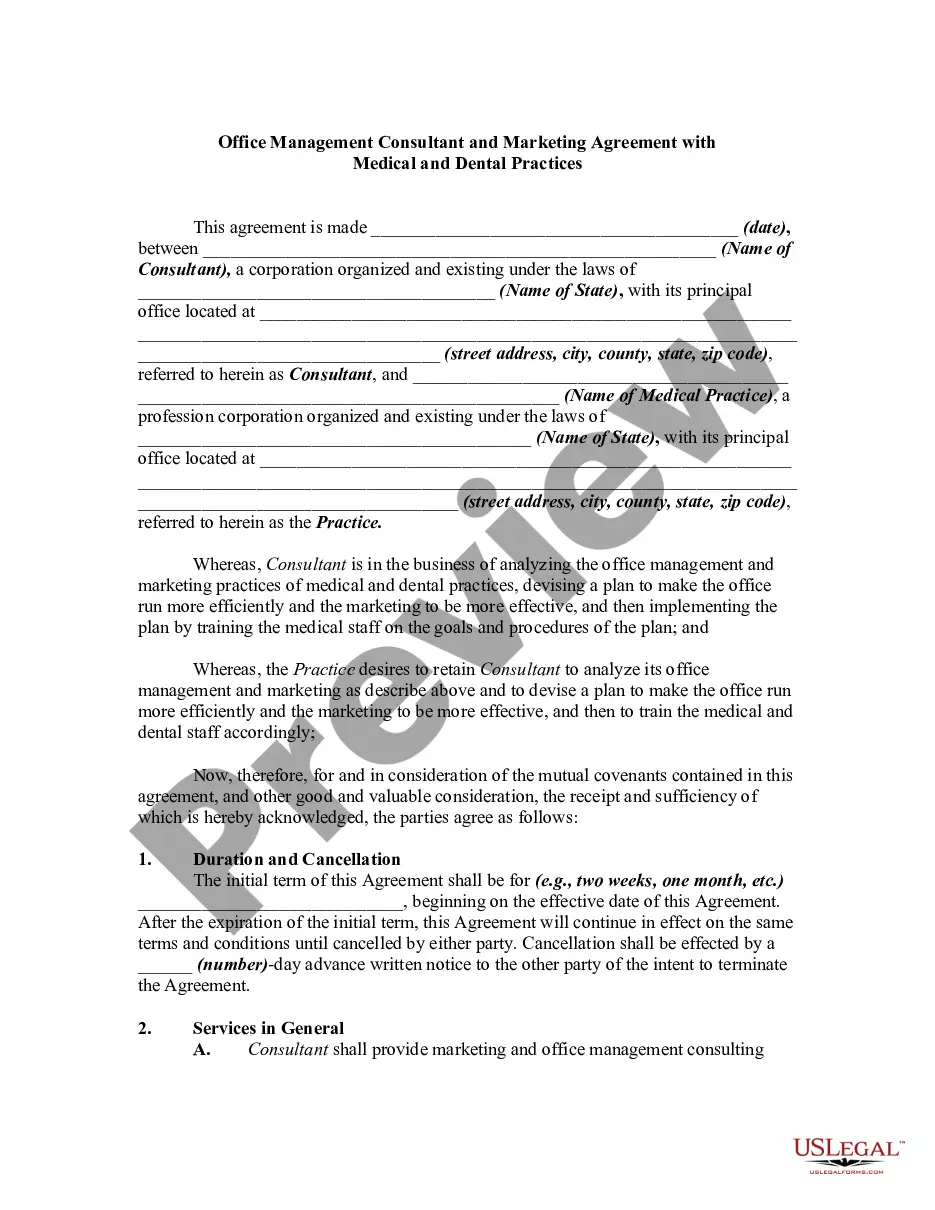
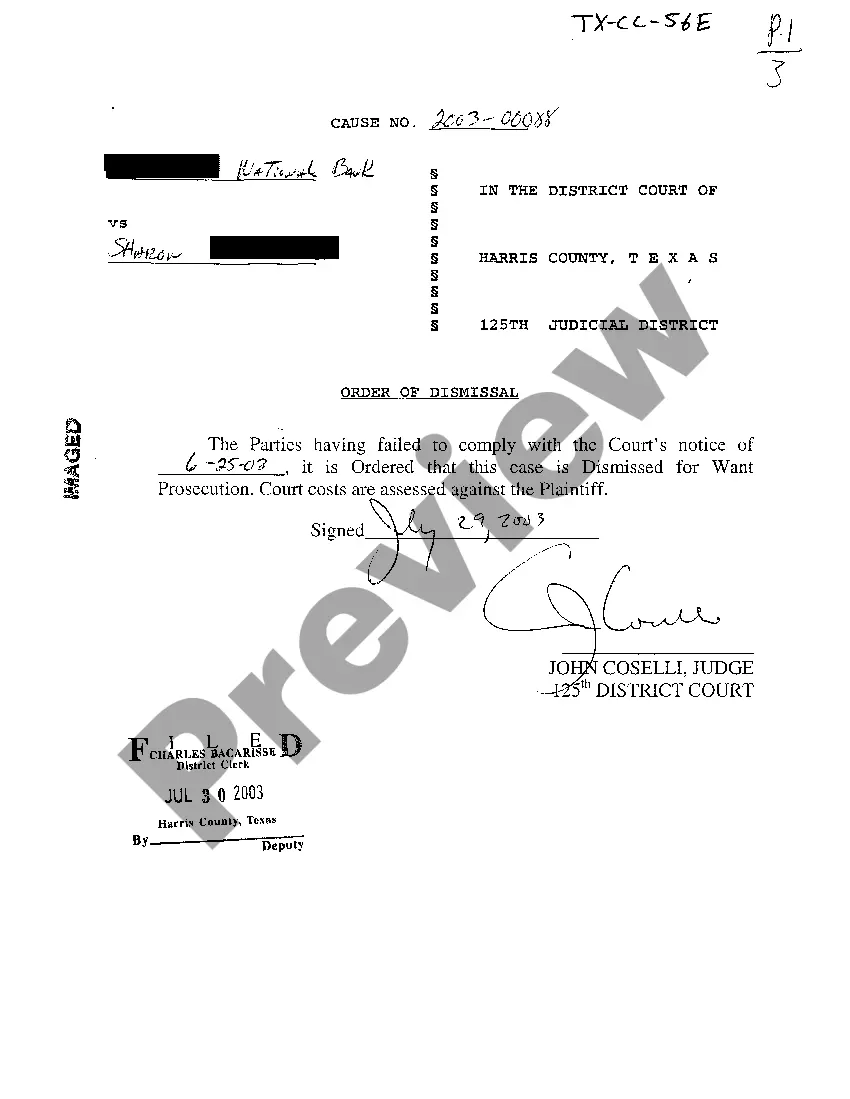
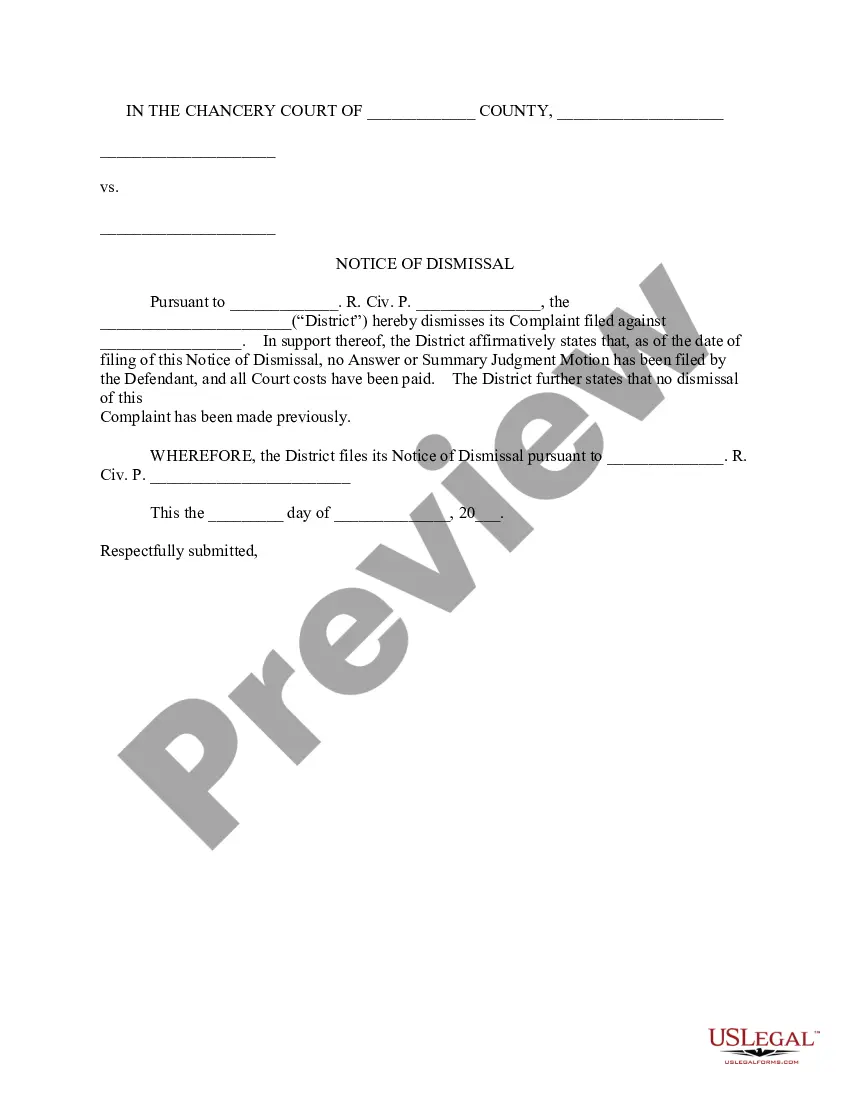
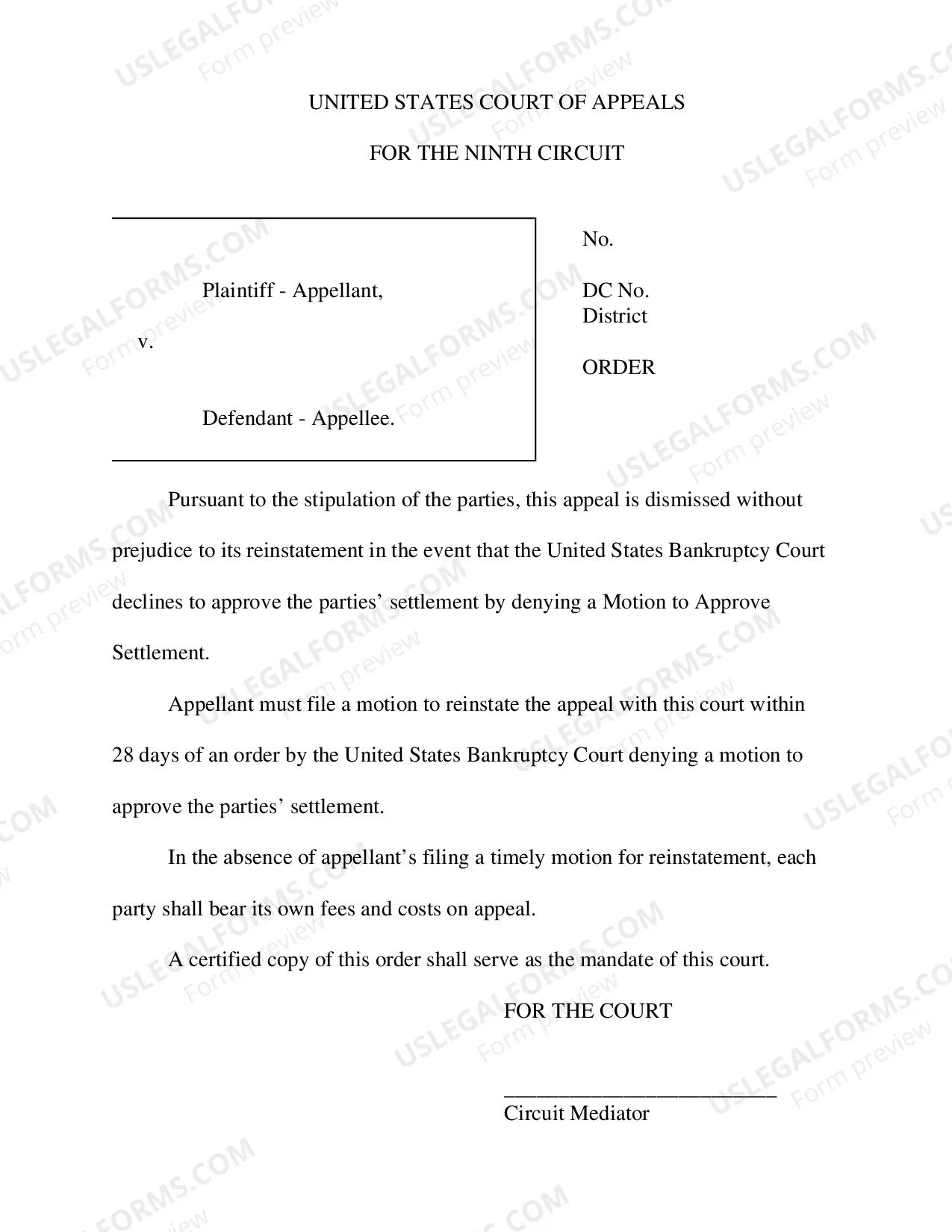
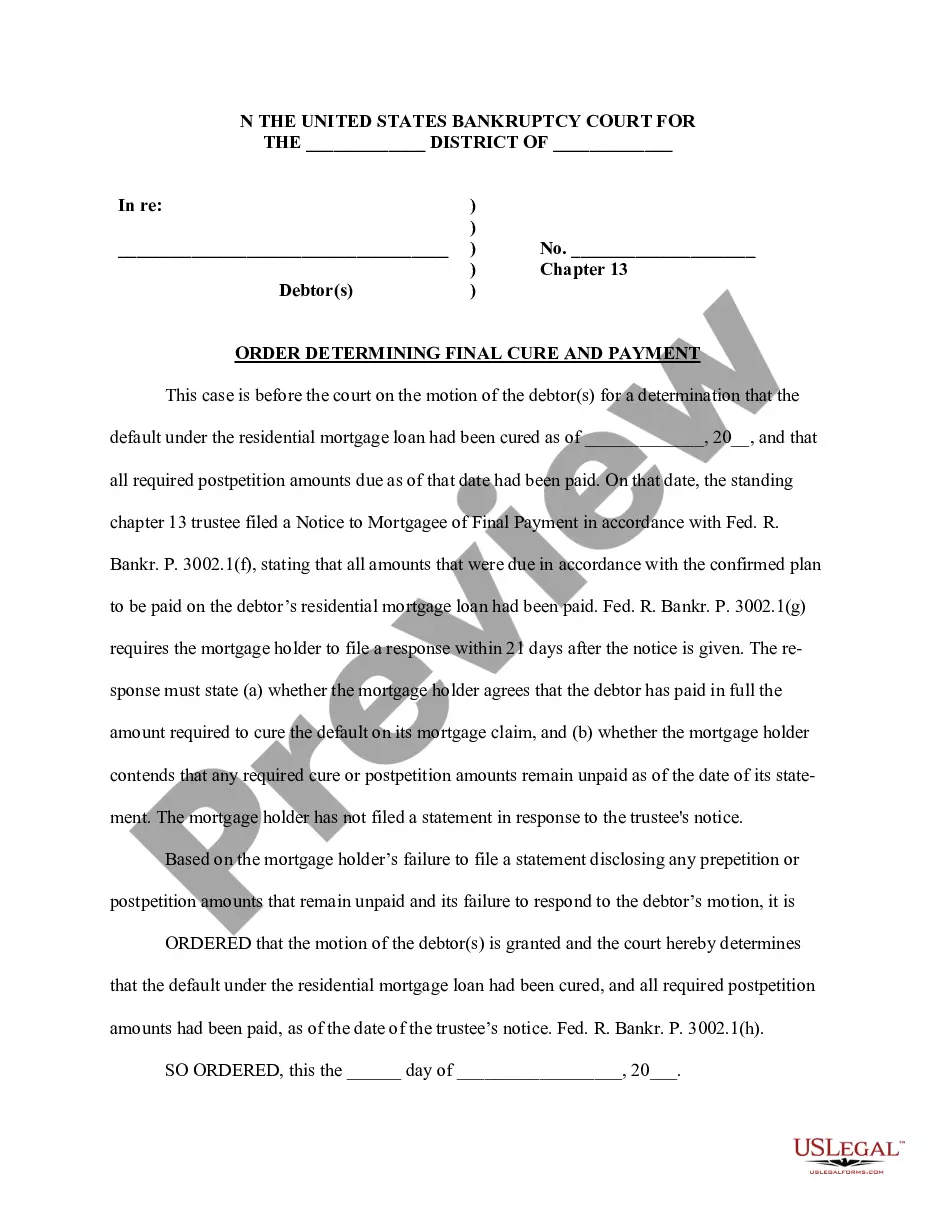
Texas Order To Dismiss
Description
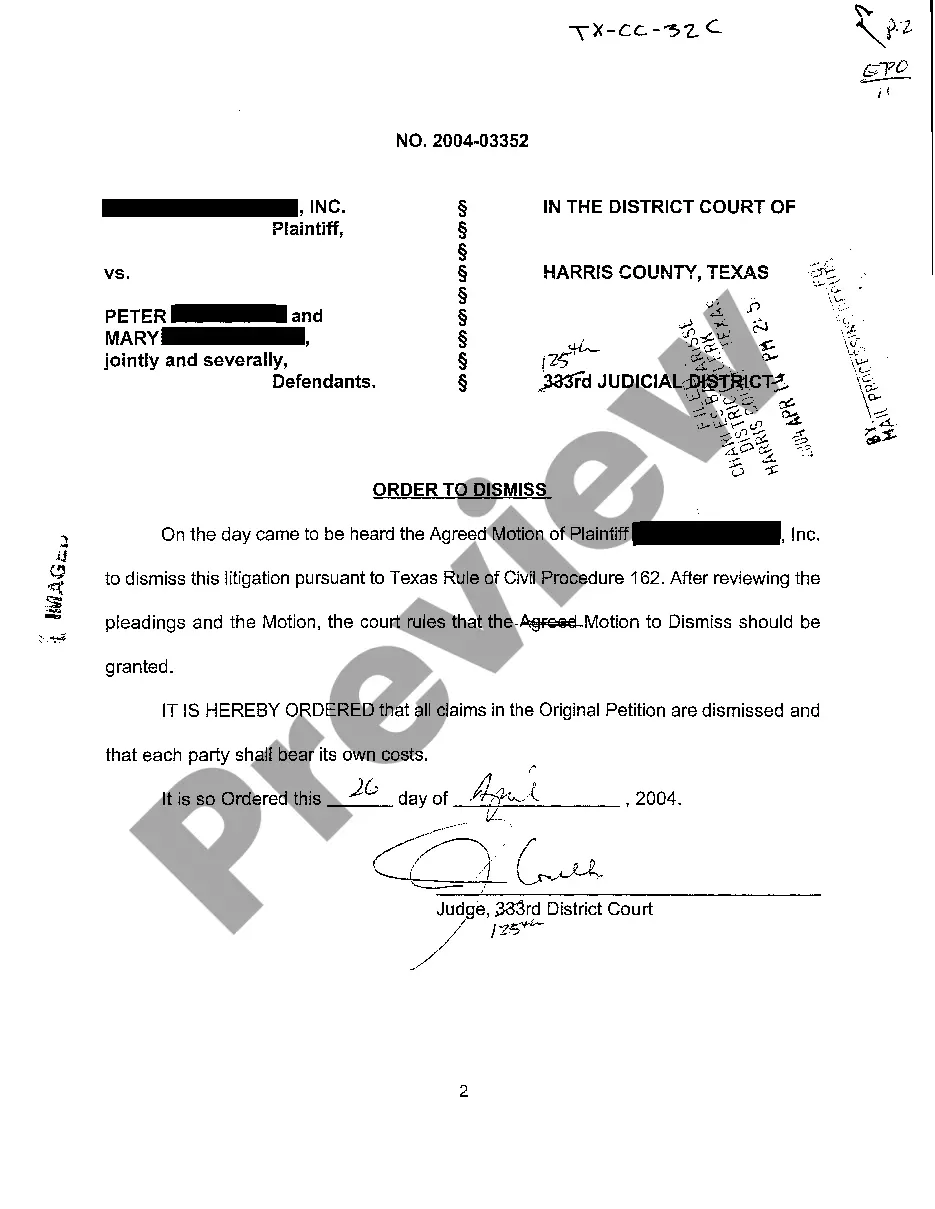
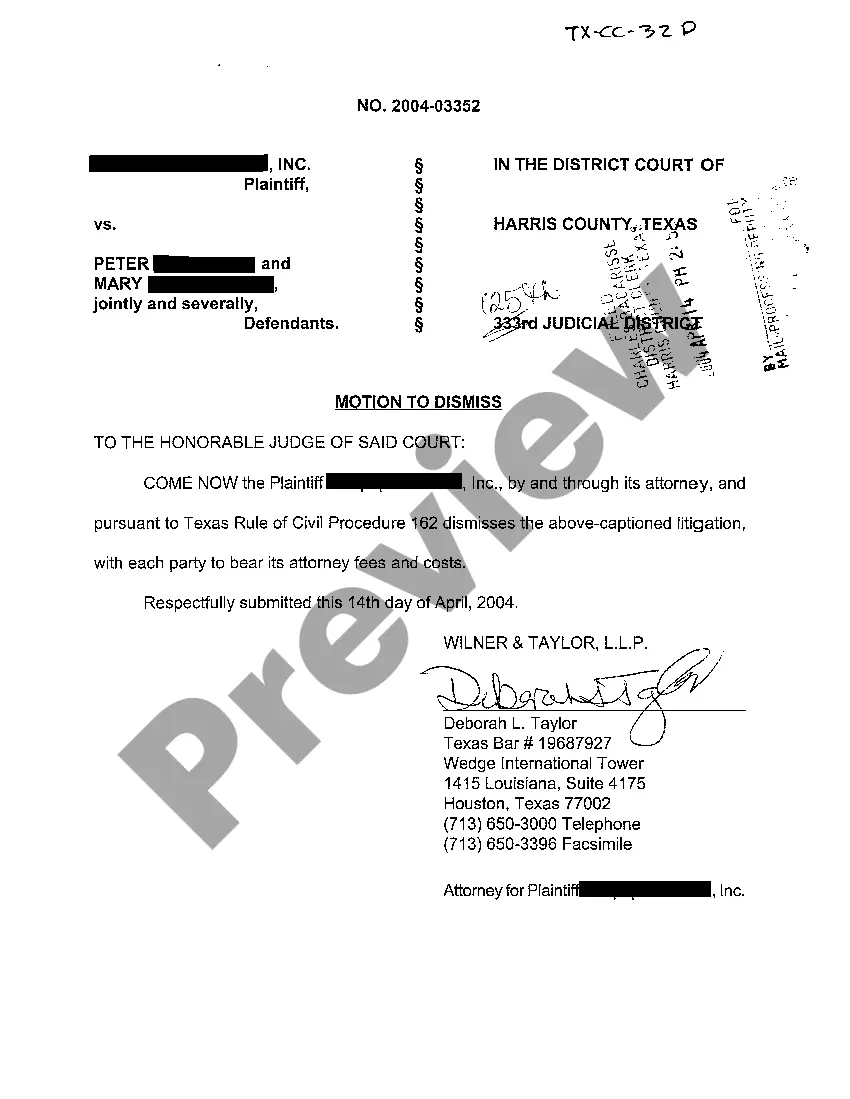
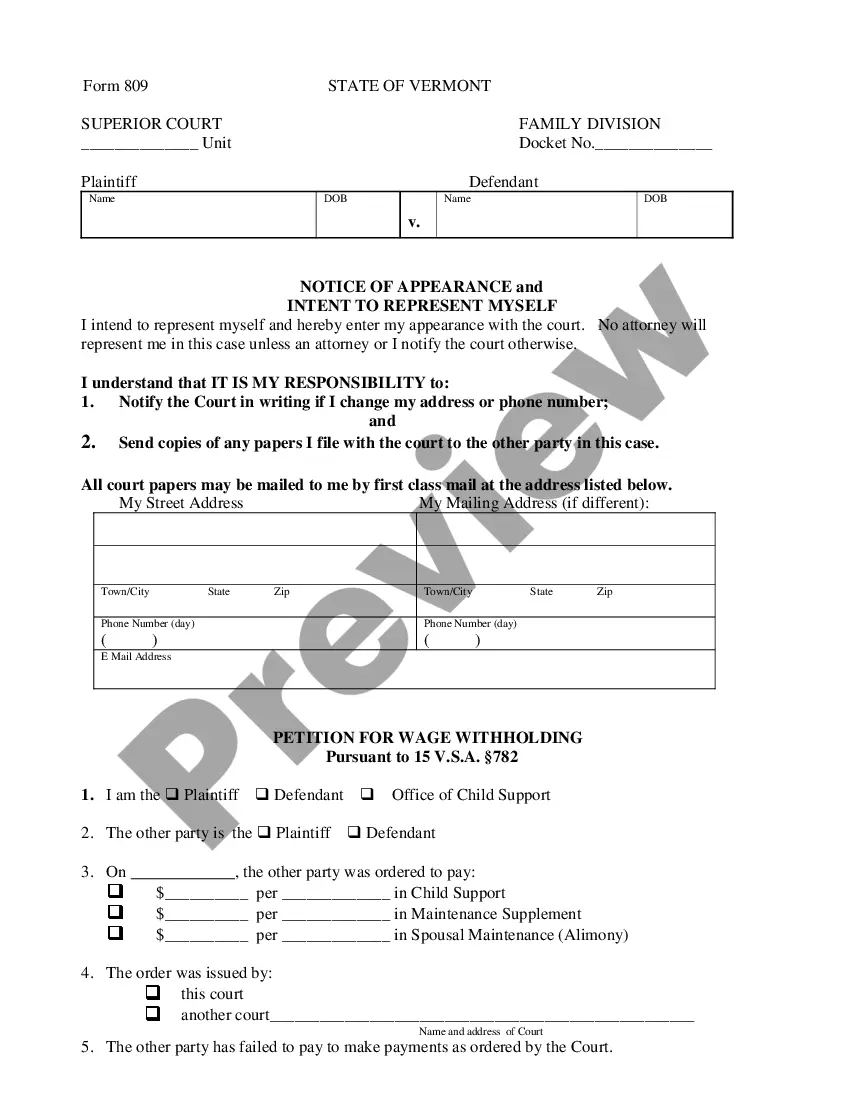
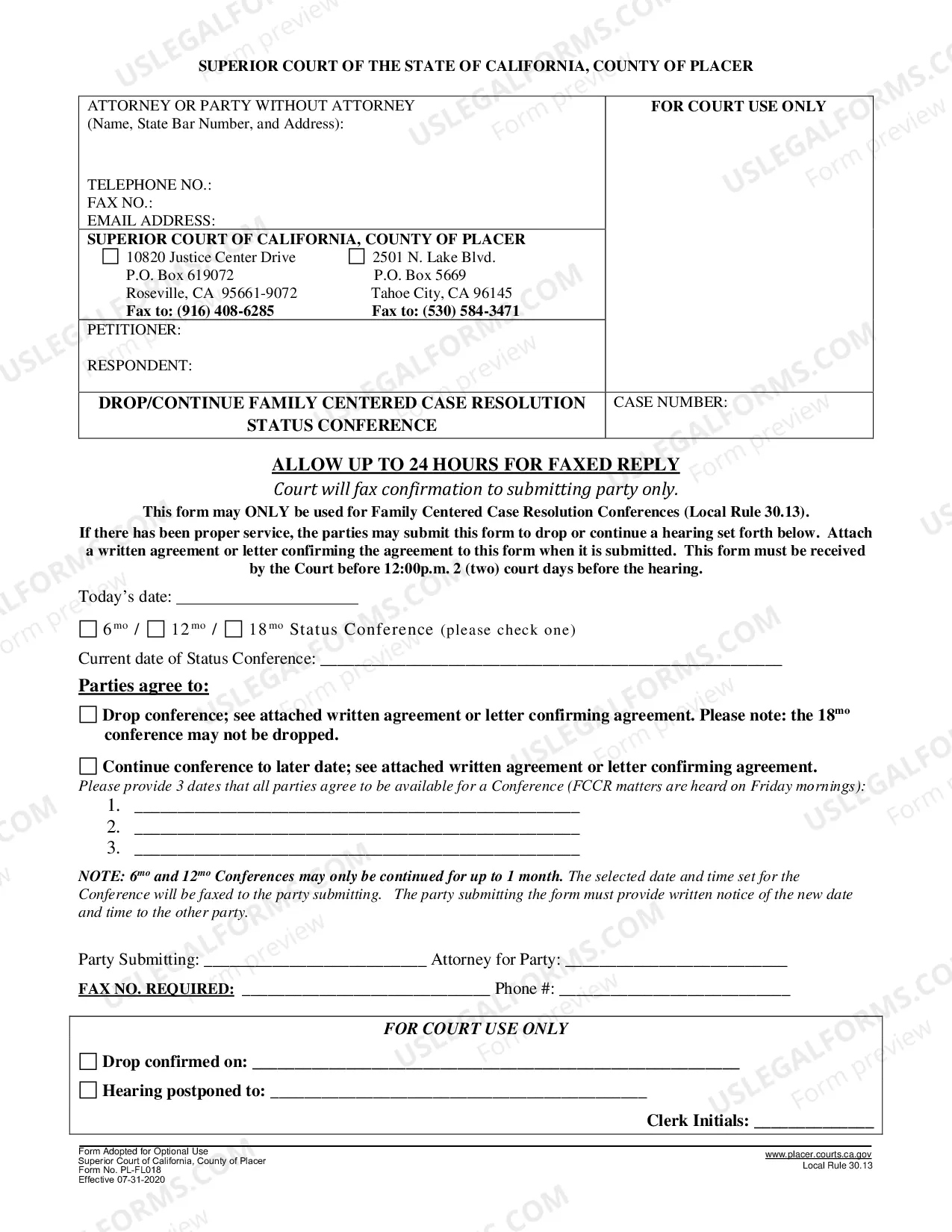

How to fill out Texas Order To Dismiss?
Access to high quality Texas Order To Dismiss samples online with US Legal Forms. Avoid days of wasted time seeking the internet and dropped money on documents that aren’t up-to-date. US Legal Forms gives you a solution to exactly that. Get more than 85,000 state-specific legal and tax samples that you can download and submit in clicks in the Forms library.
To get the sample, log in to your account and click on Download button. The document is going to be saved in two places: on your device and in the My Forms folder.
For people who don’t have a subscription yet, check out our how-guide below to make getting started simpler:
- Verify that the Texas Order To Dismiss you’re considering is suitable for your state.
- View the sample utilizing the Preview option and browse its description.
- Go to the subscription page by clicking on Buy Now button.
- Choose the subscription plan to continue on to sign up.
- Pay out by card or PayPal to complete creating an account.
- Select a preferred format to download the file (.pdf or .docx).
Now you can open up the Texas Order To Dismiss template and fill it out online or print it and do it by hand. Consider mailing the file to your legal counsel to ensure everything is filled in appropriately. If you make a error, print out and complete application again (once you’ve registered an account every document you save is reusable). Make your US Legal Forms account now and access more templates.
Form popularity
FAQ
Since the Swing Era, Federal Rule of Civil Procedure 12(b)(6) has allowed a defendant in federal court to file a motion to dismiss the plaintiff's lawsuit for failure to state a claim upon which relief can be granted. This means you can ask the judge to dismiss a lawsuitin whole or in parton the ground that the
Check that the statute of limitations hasn't expired. Find what you forgot to allege in your original complaint.
A motion to dismiss (aka demurrer in some states) is a powerful litigation tool that can stop a lawsuit cold in its tracks. When granting a motion to dismiss, the judge essentially decides the case in the defendant's favor most often denying the plaintiff the opportunity to go to trial.
The motion must include a separate "Notice of Motion" which includes a brief summary of the nature of the motion, the deadline for filing a response, and if there is a hearing, the date, time, and location of the hearing.
Some courts require pre-answer motions to dismiss to be made within 21 days of service of the complaint. Other courts require only that they be made before the deadline for filing responsive pleadings, whether that deadline is within 21 days or later.
Dismissed for want of prosecution or DWOP means your case is dismissed by the judge because nothing has happened in your case for a while or you missed a hearing or trial (of which you had notice).
Fill out your court forms. Fill out a Request for Dismissal (Form CIV-110 ). File your forms at the courthouse where you filed your case. Serve the other side with a copy of the dismissal papers. File the Notice of Entry of Dismissal and Proof of Service (Form CIV-120)
The first lines of your motion should state your name and role in the case, and what you are asking the judge to do. Traditionally, the first line begins "Comes now the defendant," followed by your name. Then you state that you're asking the court to dismiss the plaintiff's complaint.
When a judge denies a defendant's motion to dismiss, the case will continue because defendant did not convince the judge to terminate the case.When students read a U.S. court decision where a judge denies a motion to dismiss, it may appear that the judge is ruling that the plaintiff won her case.