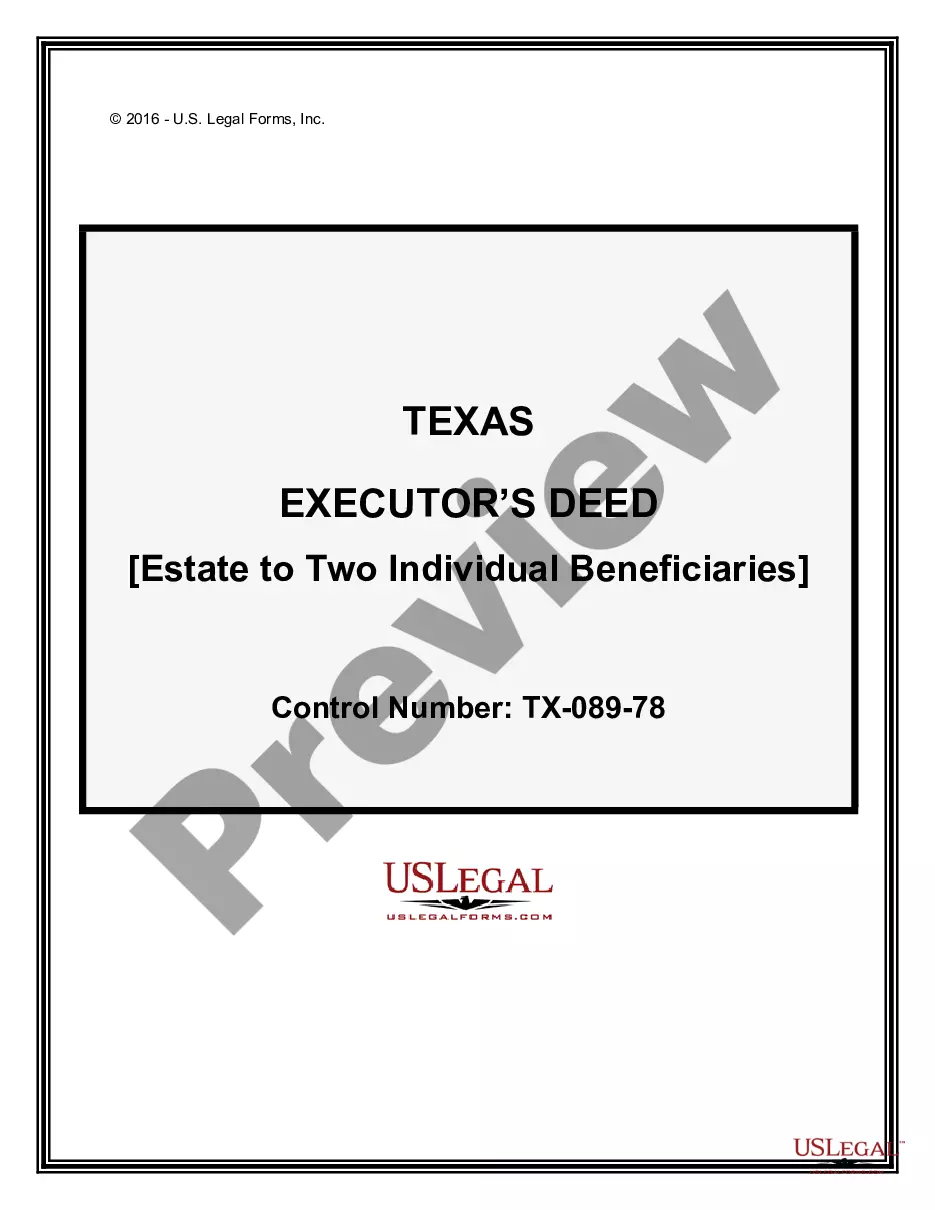
Texas Executor's Deed - Estate to Two Beneficiaries
Understanding this form
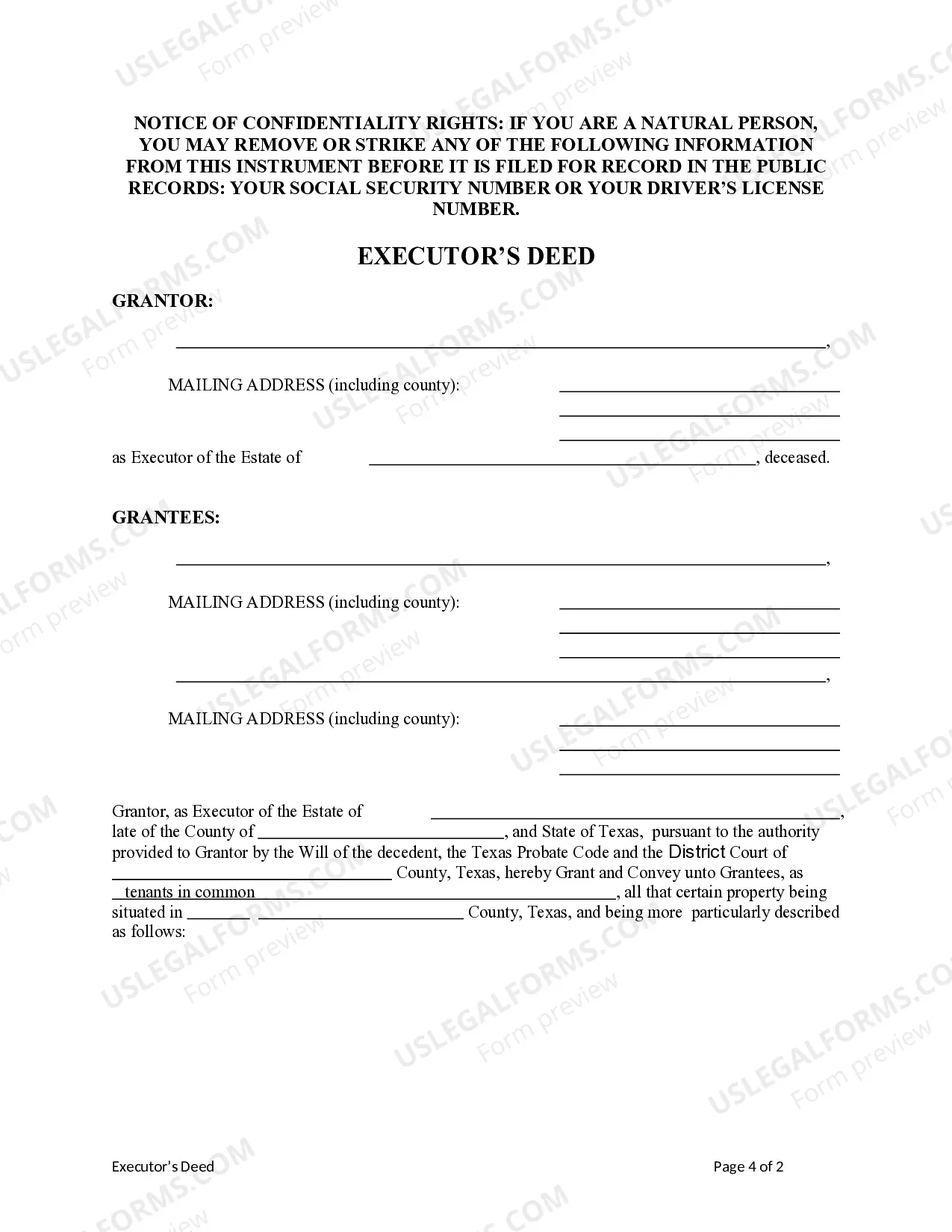
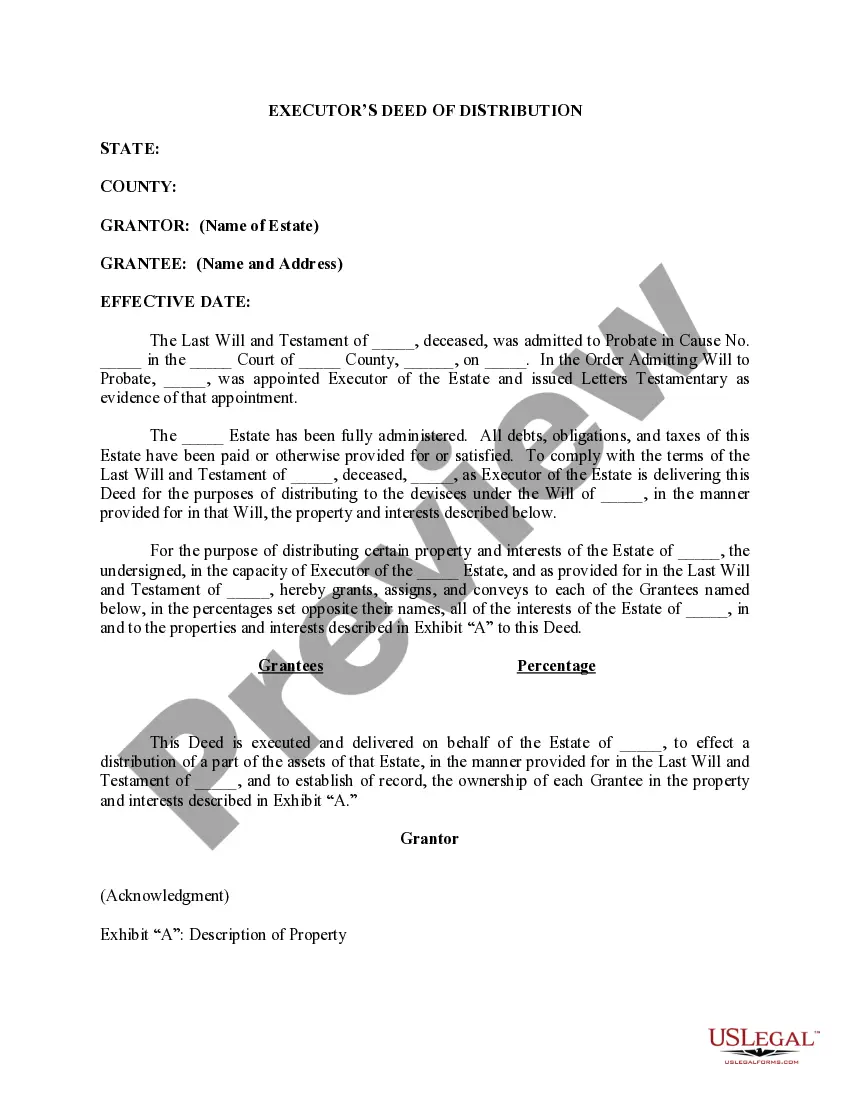
The Executor's Deed - Estate to Two Beneficiaries is a legal document that allows an executor of an estate to transfer property ownership to two beneficiaries or heirs. This form is specifically designed for situations where the executor has the authority to convey property as outlined in the deceased's will. Unlike other property transfer documents, this deed is tailored to comply with state laws governing estate transfers, ensuring a smooth transfer of assets following the decedent's wishes.
Main sections of this form
- Identification of the Grantor (executor) and Grantees (beneficiaries).
- Description of the property being conveyed.
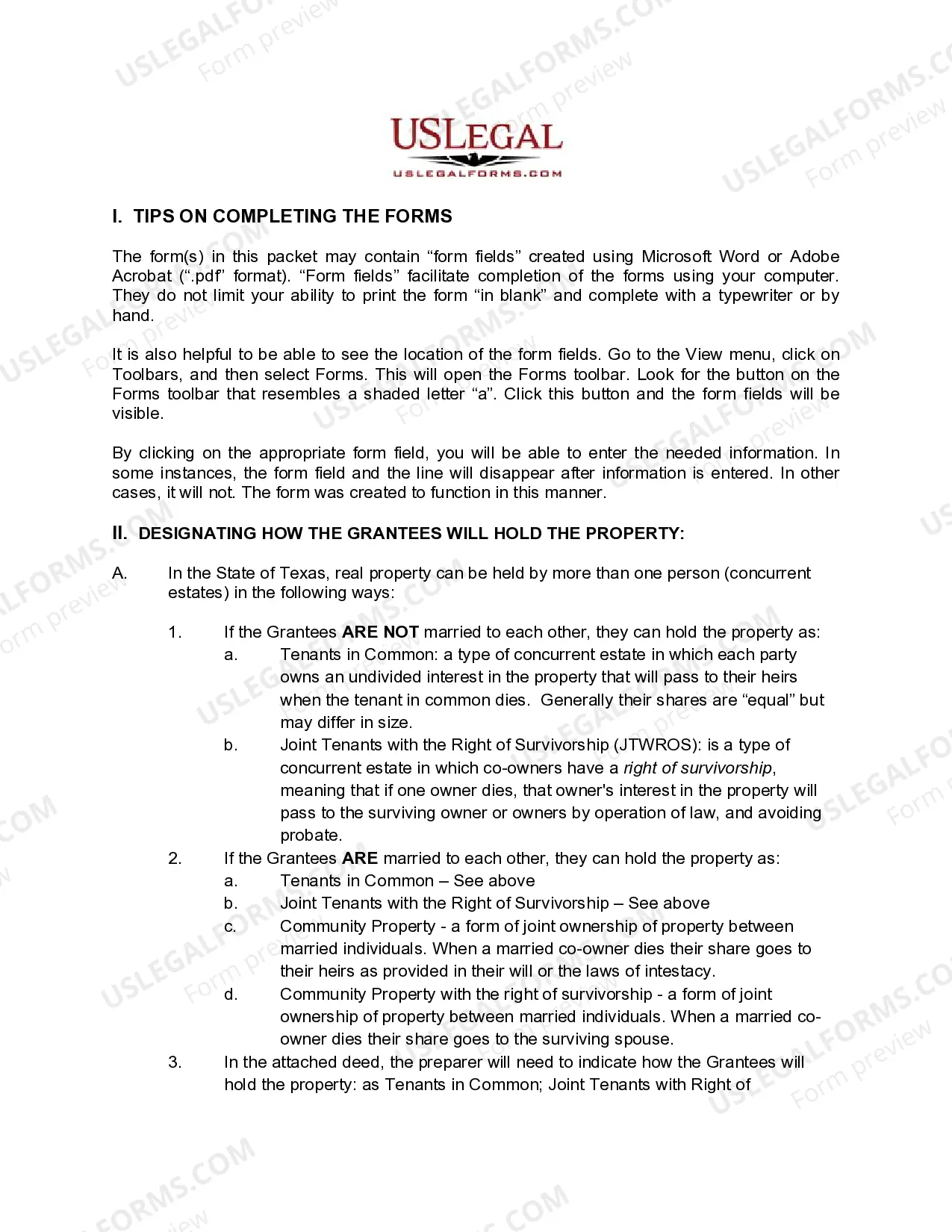
- Specification of how Grantees will hold the property (Tenants in Common, Joint Tenants with Right of Survivorship, etc.).
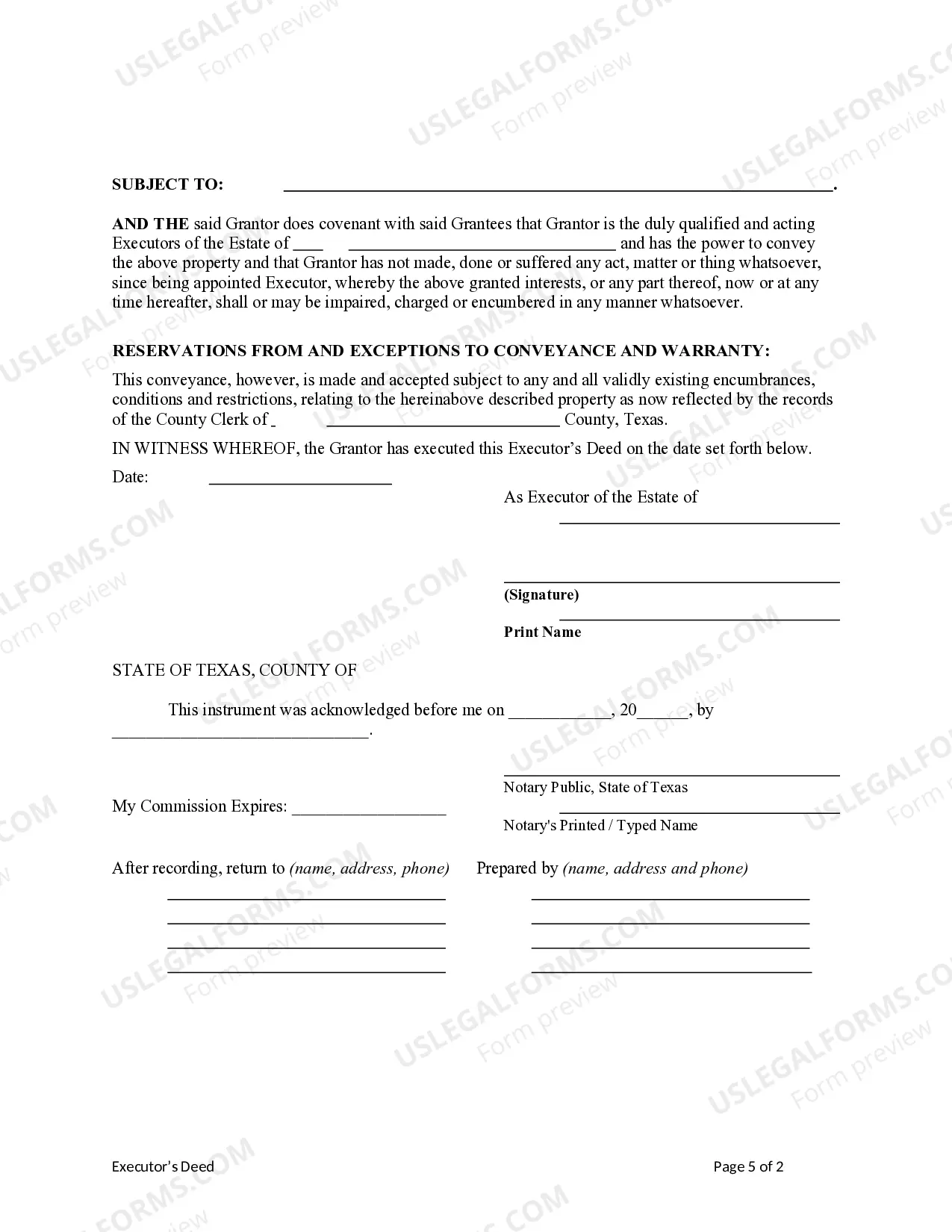
- Date of the transaction.
- Signatures of the Grantor and any witnesses required.

Situations where this form applies
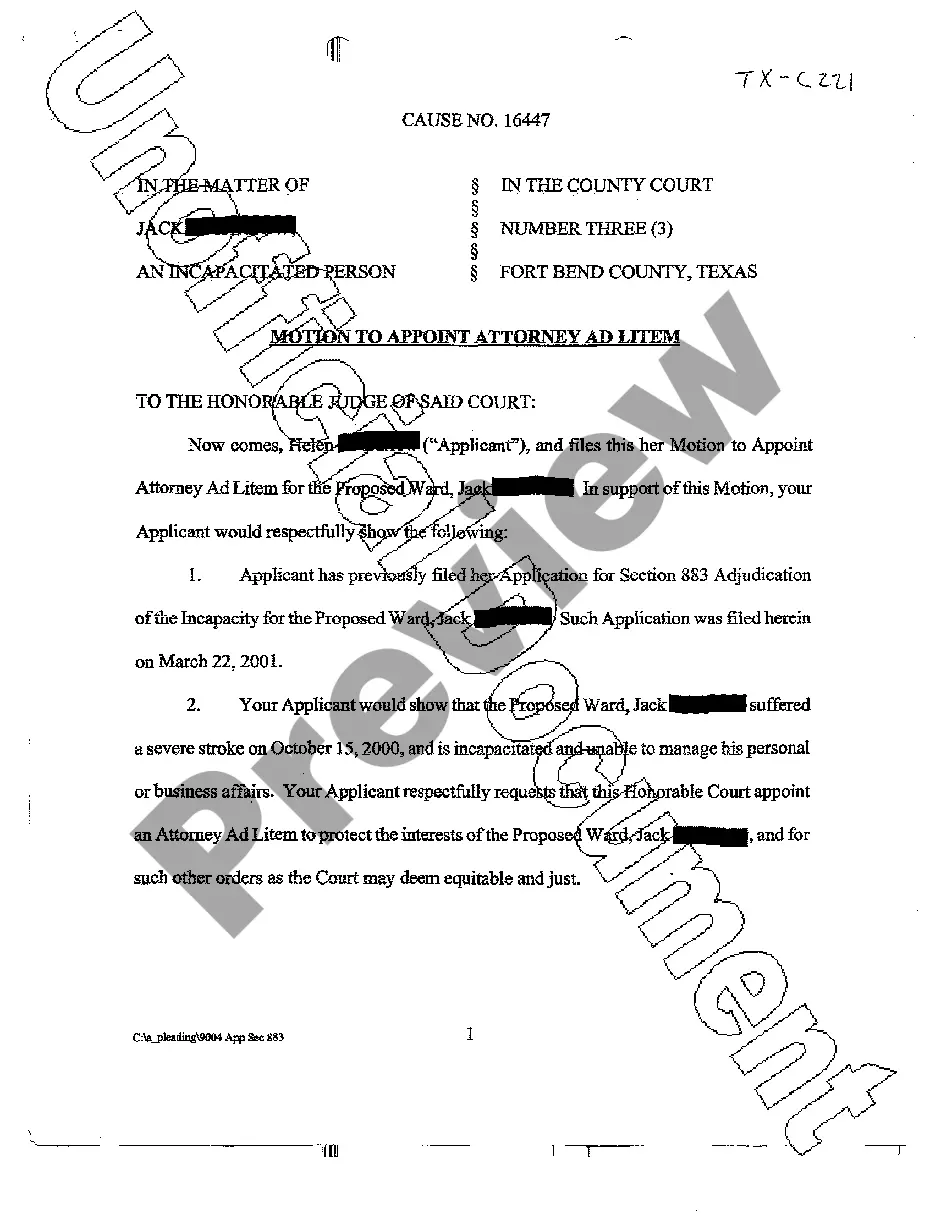
This form should be used when an executor needs to transfer real property to two beneficiaries after the passing of the property owner. It is particularly applicable in situations where the executor is following the directives of a will and seeks to ensure that the property is appropriately conveyed to those identified as heirs. You may also use this form when the property must be divided among beneficiaries in a manner that reflects their respective interests or rights of survivorship.
Who this form is for
- Executors of an estate who are authorized to transfer property.
- Beneficiaries or heirs who are set to receive property as directed in a will.
- Individuals involved in estate planning and property distribution.
Instructions for completing this form
- Identify the parties involved by providing the names and addresses of the Grantor (executor) and the Grantees (beneficiaries).
- Clearly describe the property being conveyed, including its legal description.
- Select the method by which Grantees will hold the property (e.g., Tenants in Common or Joint Tenants with Right of Survivorship).
- Enter the appropriate date for the transaction.
- Ensure the Grantor signs the deed, and include any necessary witness signatures if required.
Is notarization required?
This form must be notarized to be legally valid. US Legal Forms provides secure online notarization powered by Notarize, allowing you to complete the process through a verified video call.
Get your form ready online
Our built-in tools help you complete, sign, share, and store your documents in one place.
Make edits, fill in missing information, and update formatting in US Legal Forms—just like you would in MS Word.
Download a copy, print it, send it by email, or mail it via USPS—whatever works best for your next step.
Sign and collect signatures with our SignNow integration. Send to multiple recipients, set reminders, and more. Go Premium to unlock E-Sign.
If this form requires notarization, complete it online through a secure video call—no need to meet a notary in person or wait for an appointment.
We protect your documents and personal data by following strict security and privacy standards.

Make edits, fill in missing information, and update formatting in US Legal Forms—just like you would in MS Word.

Download a copy, print it, send it by email, or mail it via USPS—whatever works best for your next step.

Sign and collect signatures with our SignNow integration. Send to multiple recipients, set reminders, and more. Go Premium to unlock E-Sign.

If this form requires notarization, complete it online through a secure video call—no need to meet a notary in person or wait for an appointment.

We protect your documents and personal data by following strict security and privacy standards.
Mistakes to watch out for
- Failing to accurately describe the property, which can lead to disputes.
- Neglecting to specify how the Grantees will hold the property.
- Not obtaining the necessary signatures from witnesses or notary if required by state law.
Advantages of online completion
- Convenient access allows you to complete the form at your own pace.
- Edit and customize fields easily, ensuring all necessary information is included.
- Downloadable formats make it easy to print or store electronically.
Looking for another form?





Form popularity
FAQ
All taxes and liabilities paid from the estate, including medical expenses, attorney fees, burial or cremation expenses, estate sale costs, appraisal expenses, and more. The executor should keep all receipts for any services or transactions needed to liquidate the assets of the deceased.
It is possible for one person to be both sole heir and executor. This occurs when one person inherits an entire estate under a state's intestacy laws and the probate court also appoints that person to be the executor of the deceased's estate.
While an executor is obligated to notify beneficiaries and then move things along at a reasonable pace, he or she isn't required to distribute inheritances at the time of notification. In fact, beneficiaries might not receive anything until several months after they've been notified of their place in the will.
The short answer is yes. It's actually common for a will's executor to also be one of its beneficiaries.Someone close enough to the decedent to be a beneficiary would have that familiarity and more. The probate court system actually favors beneficiaries serving as executors in some cases.
The executor can sell property without getting all of the beneficiaries to approve.If the executor can sell the property for more than 90 percent of its appraised value then they do not need to get the permission of the beneficiaries or of the court.
Depending on the circumstances, the executor might transfer the title to heirs as directed in the decedent's will or sell the property outright.In any case, the executor must issue a deed for the transfer. Note that executor's deeds do NOT typically include a general warranty on the title.
There's no rule against people named in your will as beneficiaries being your executors. In fact this is very common. Many people choose their spouse or civil partner or their children to be an executor. But that doesn't mean they have to write them out of the will.
Yes, an executor can override a beneficiary's wishes as long as they are following the will or, alternative, any court orders. Executors have a fiduciary duty to the estate beneficiaries requiring them to distribute estate assets as stated in the will.
Secondly, if the executor is ALSO a beneficiary, then they are entitled to their inheritance distribution as dictated by the will, trust, or state intestacy law. Plus, they are entitled to be paid for their time and effort.