Texas Roofing Contract for Contractor
Understanding this form
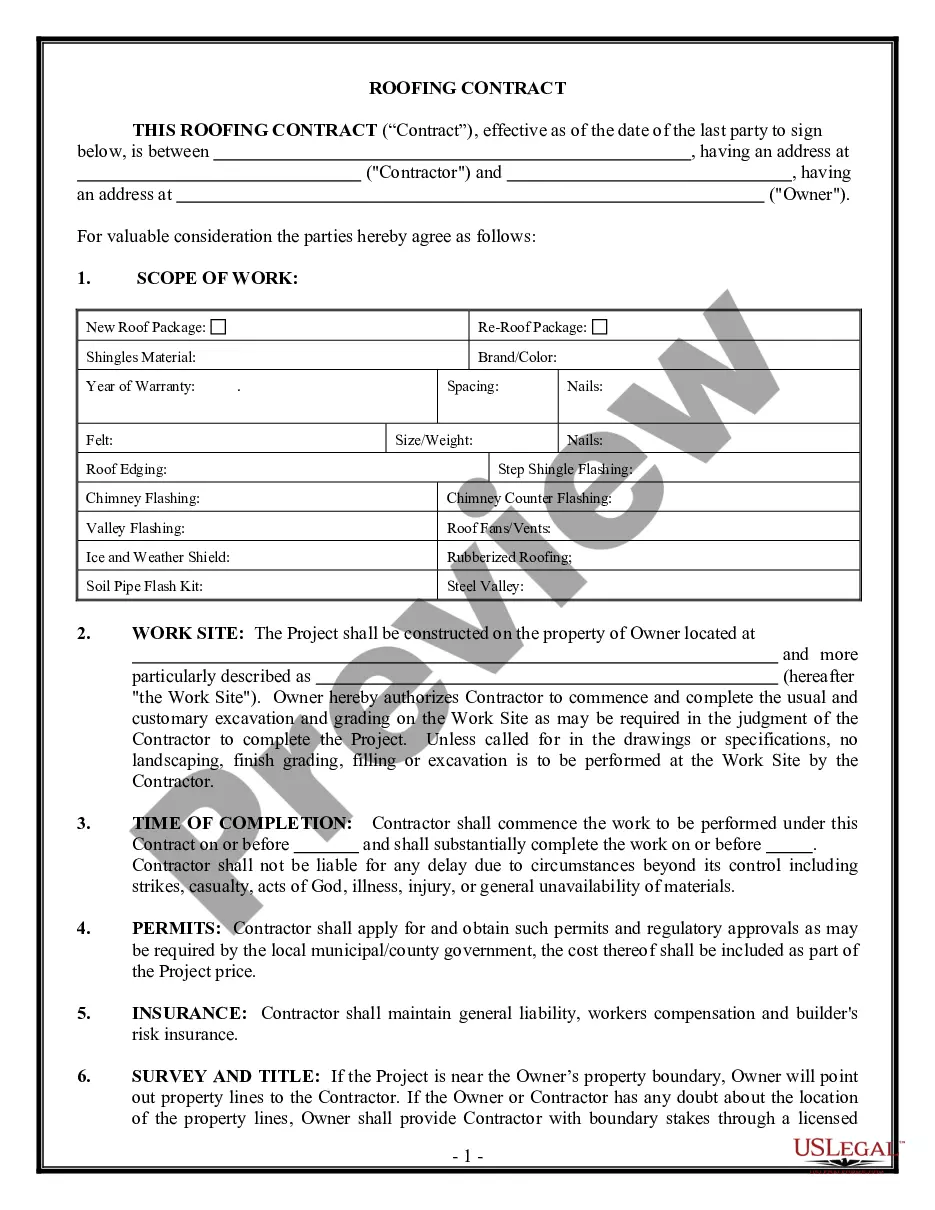
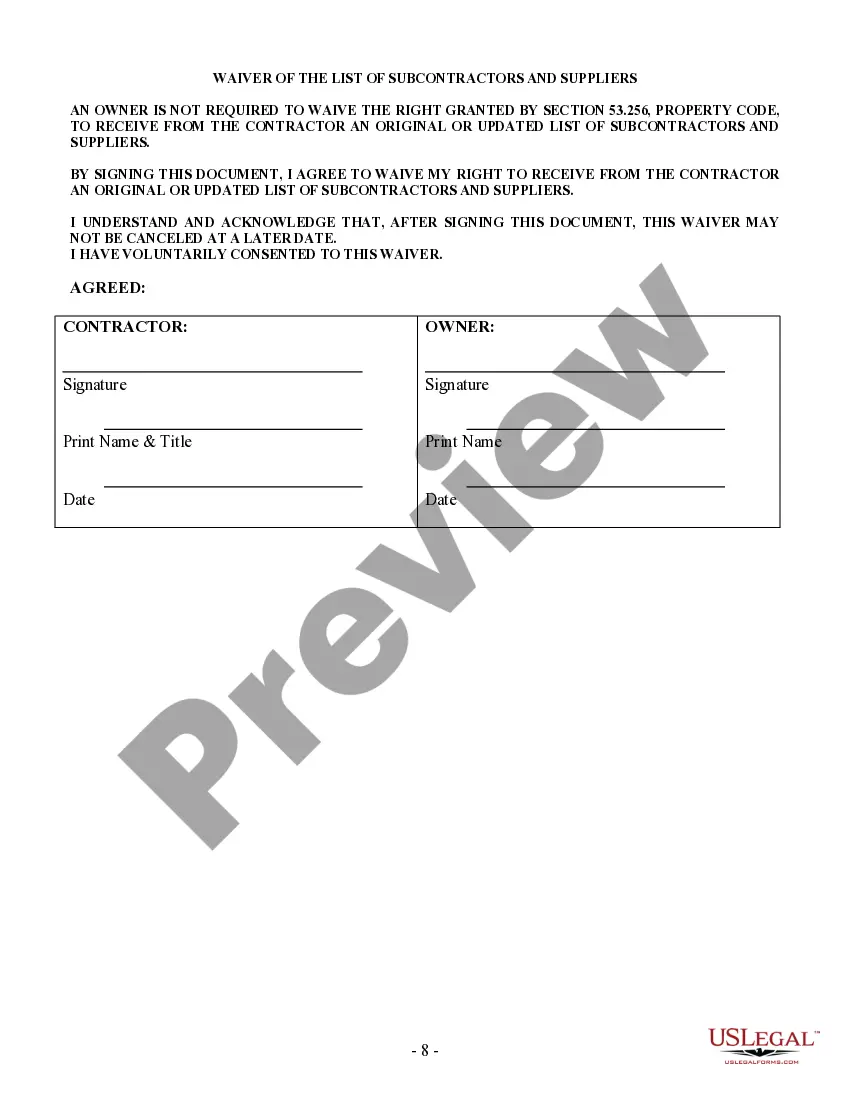
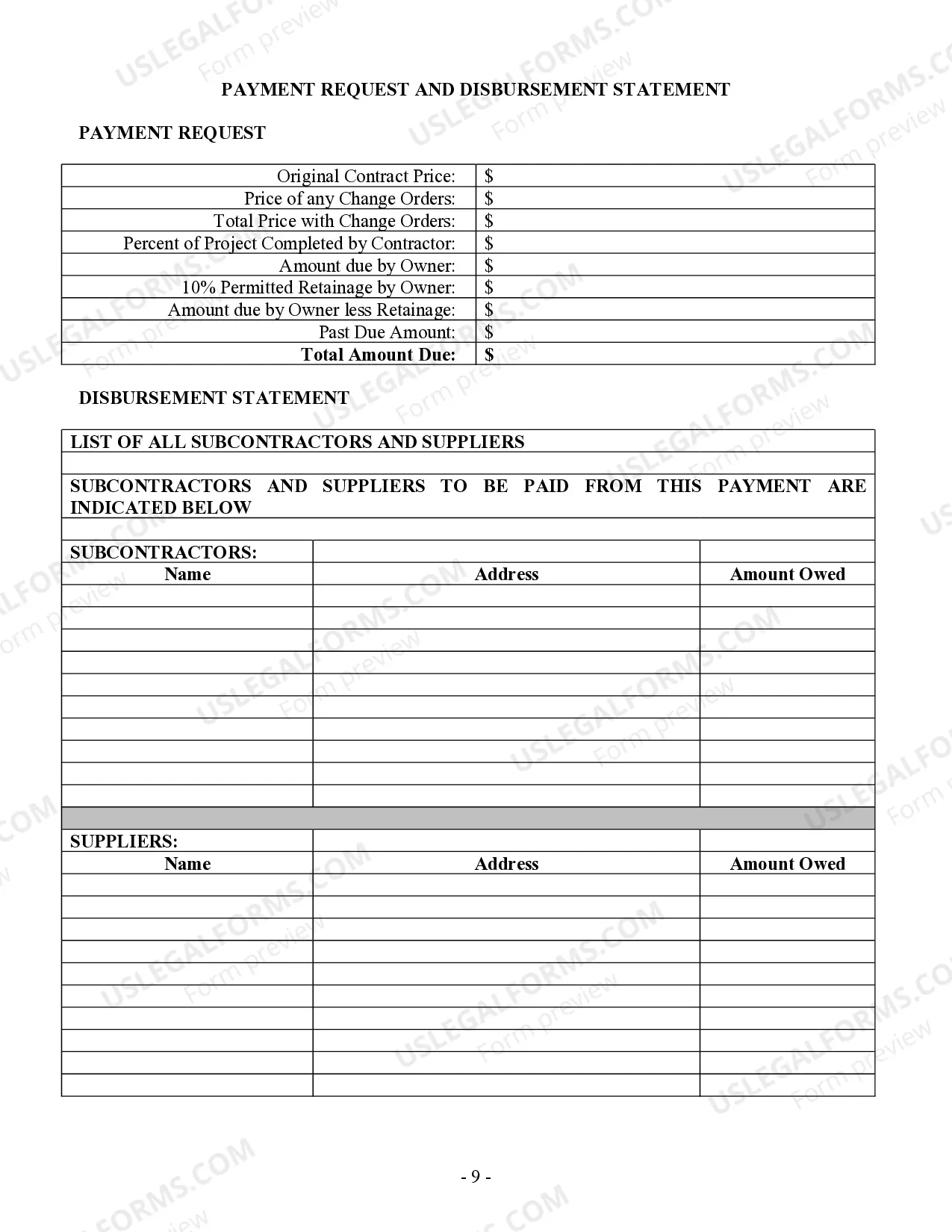
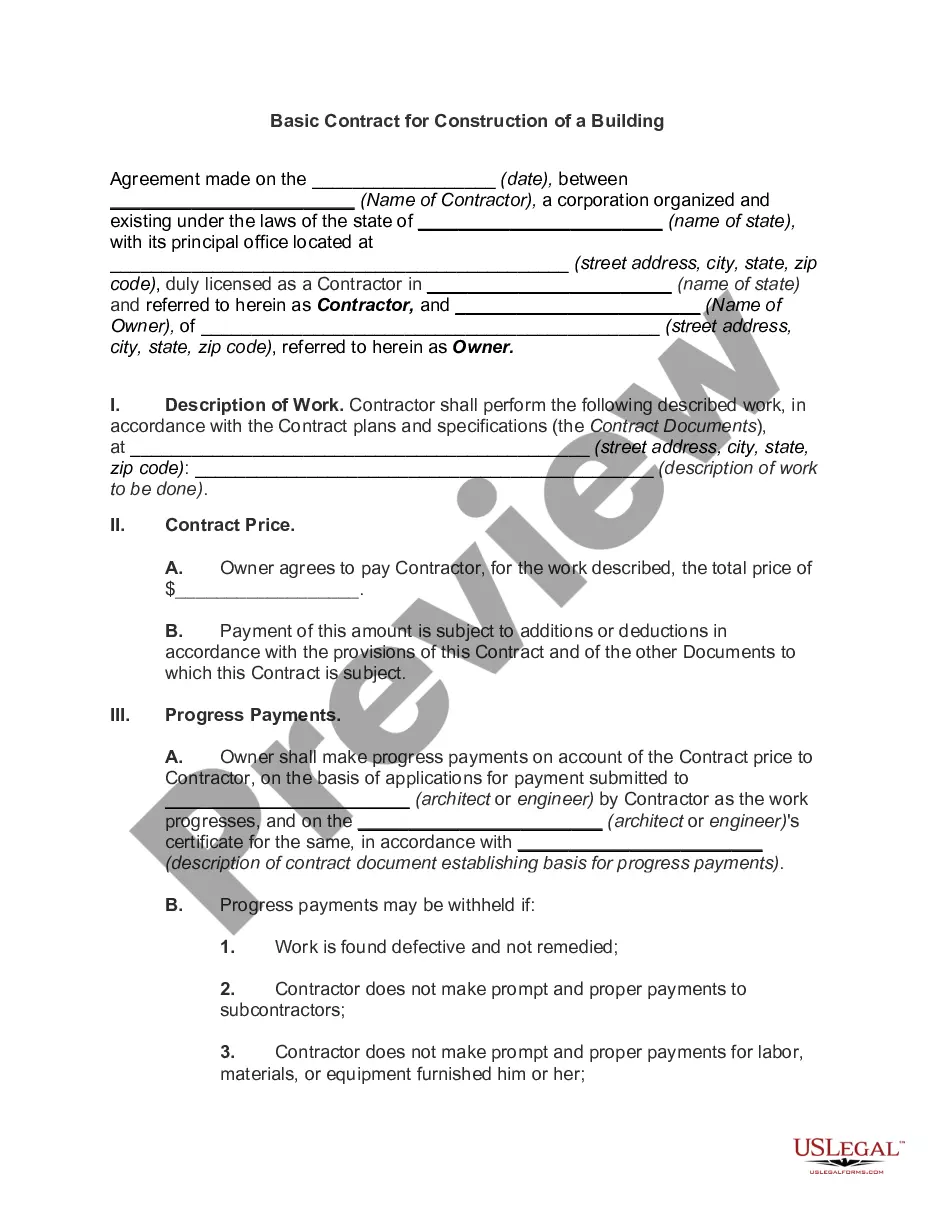
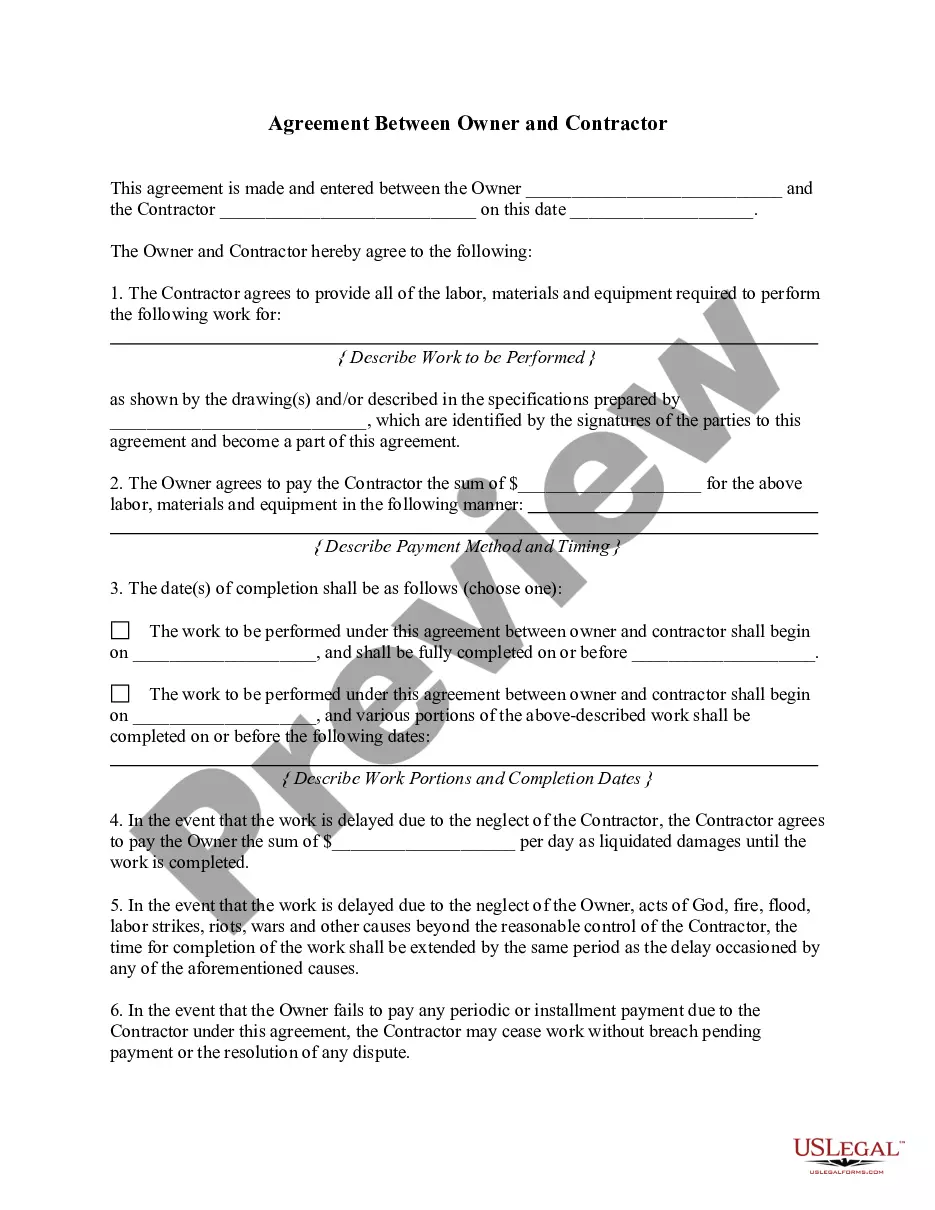
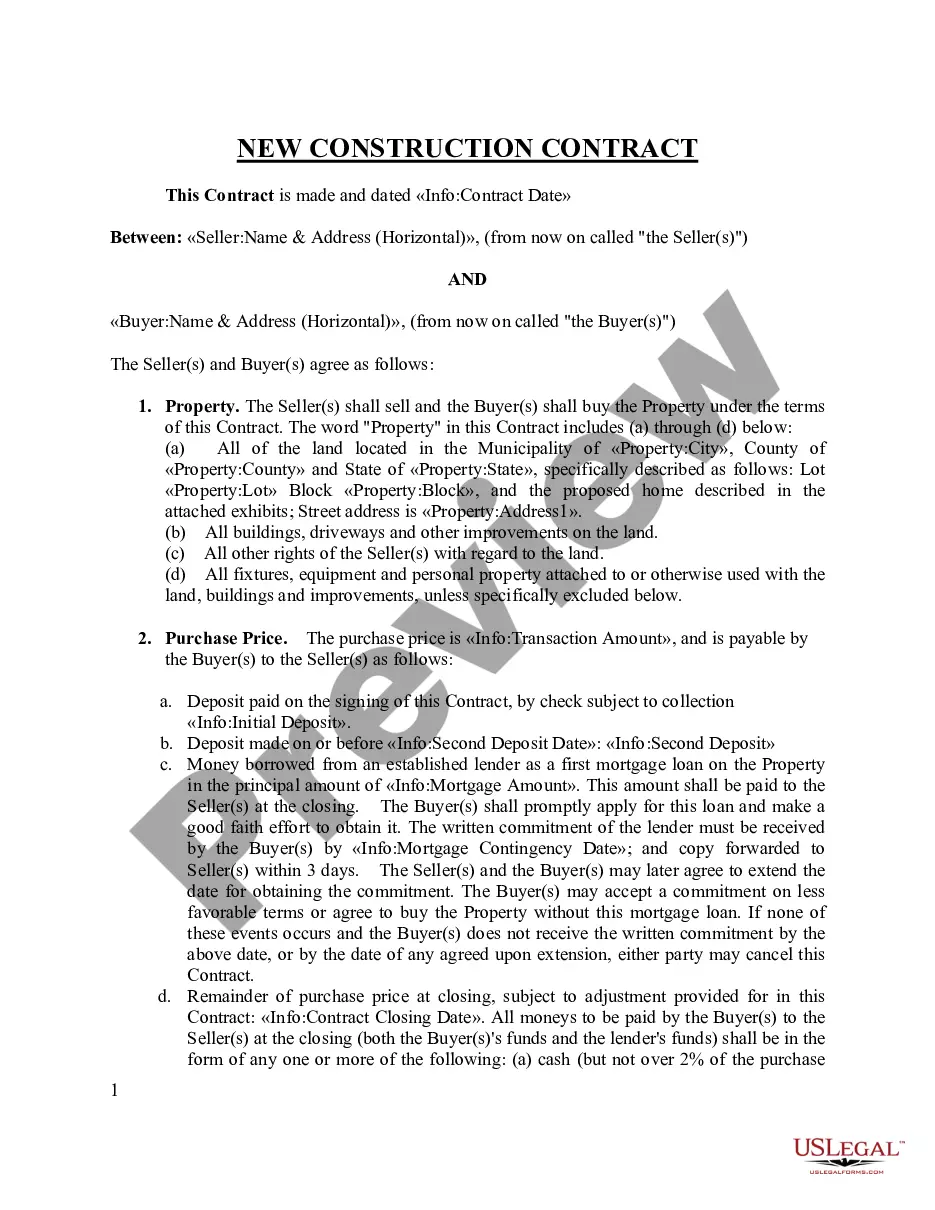
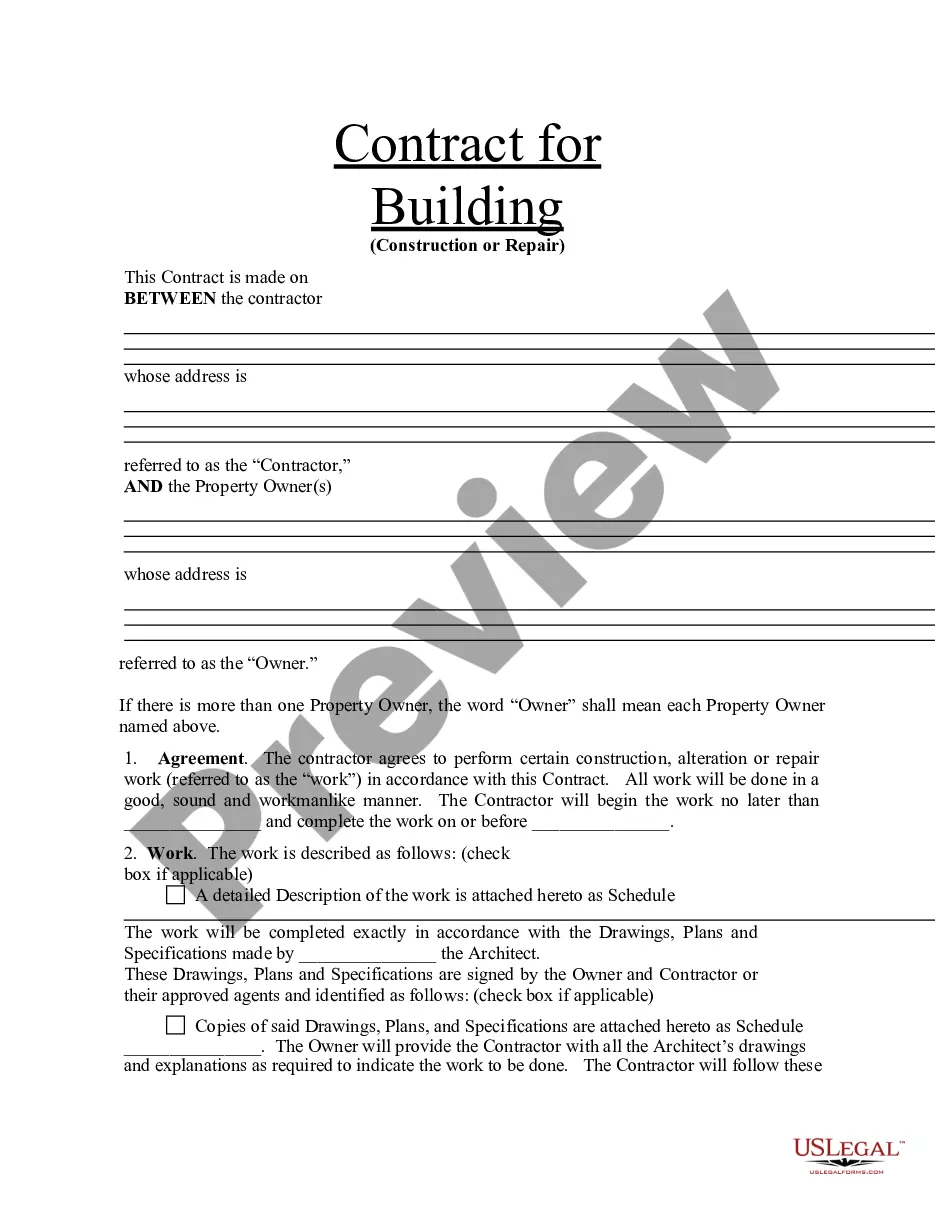
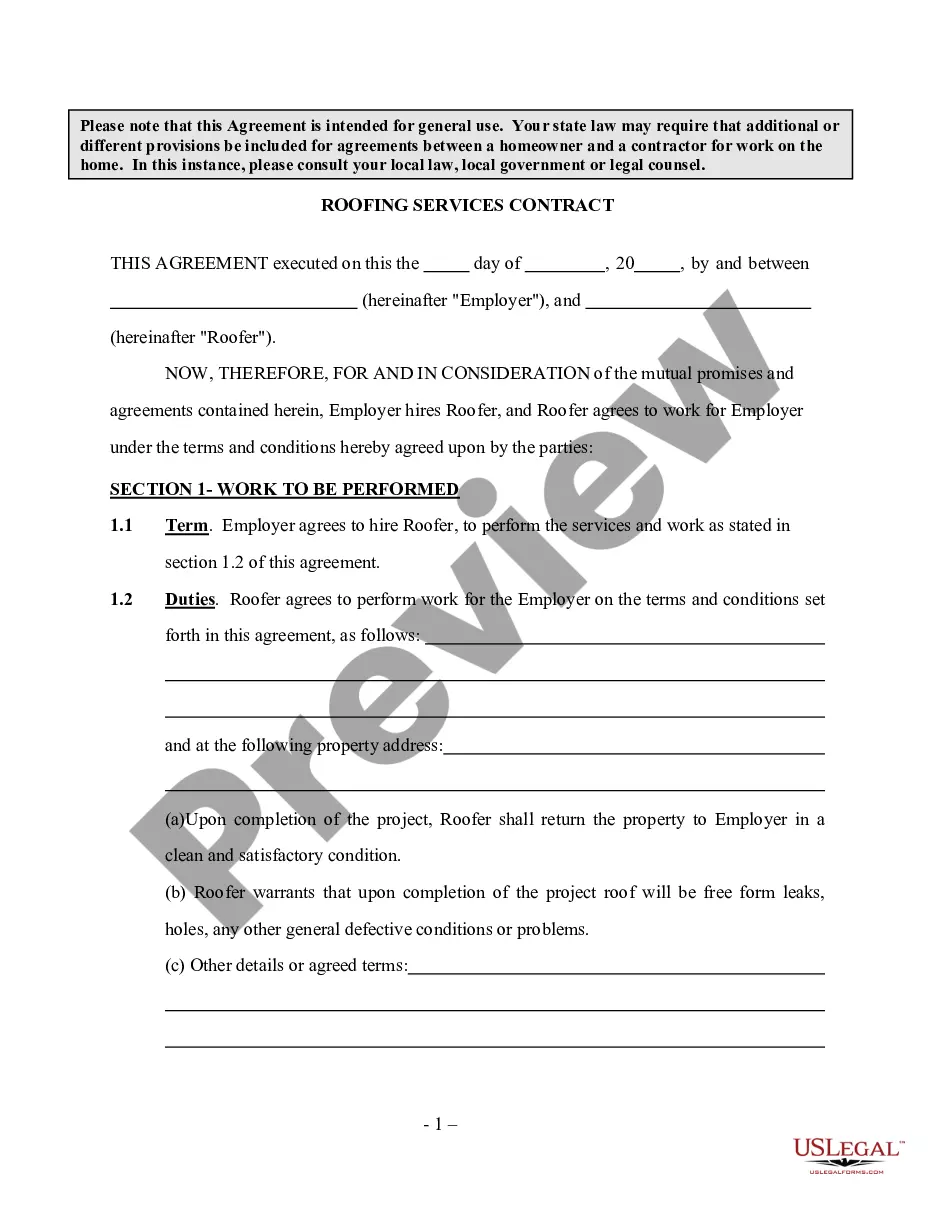
The Roofing Contract for Contractor is a legally binding document used between roofing contractors and property owners in Texas. This contract outlines the terms of the project, including payment arrangements, scope of work, and responsibilities concerning permits, insurance, and change orders. It is designed to ensure clarity and protect the rights of both parties during a roofing construction project, making it essential for preventing misunderstandings or disputes that may arise during the work.
Key parts of this document
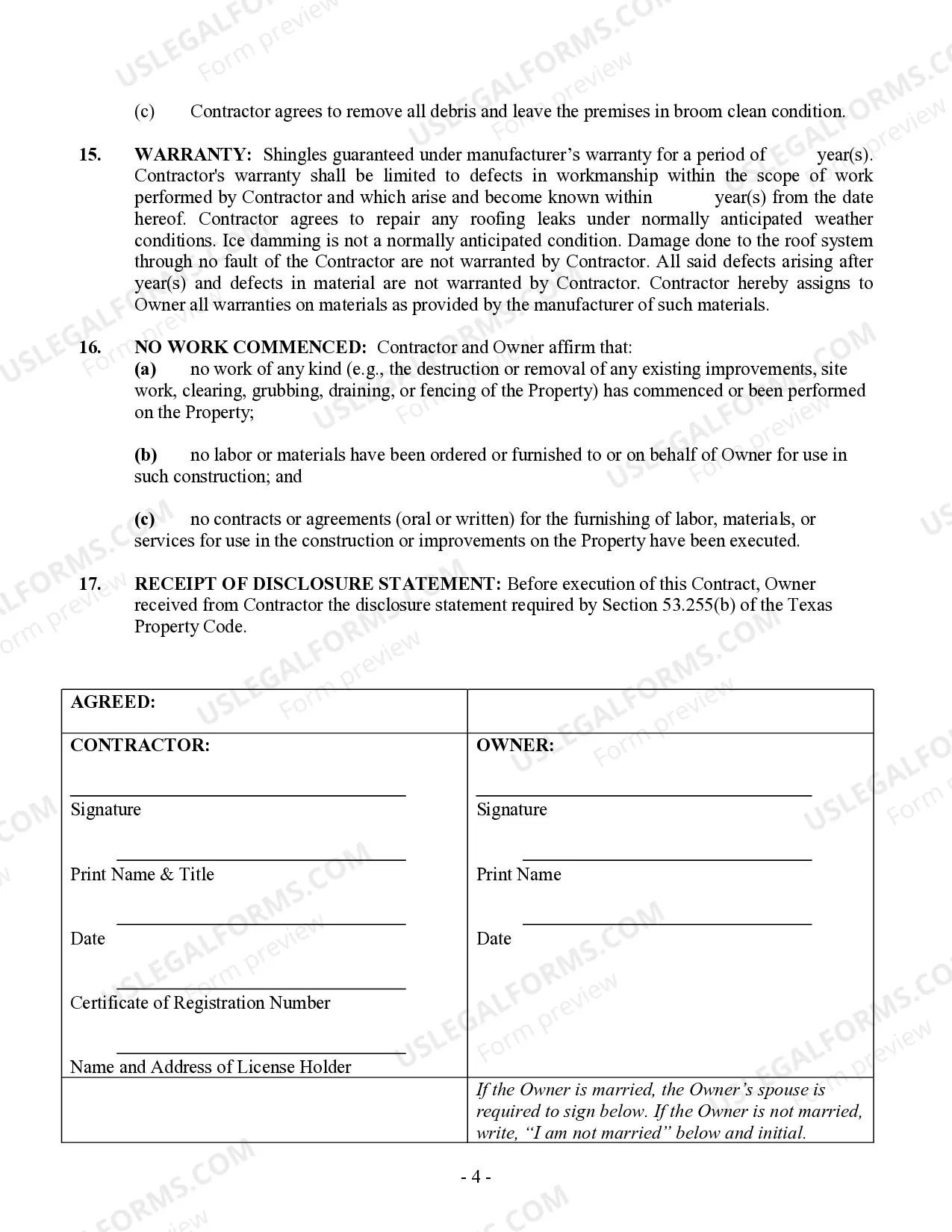
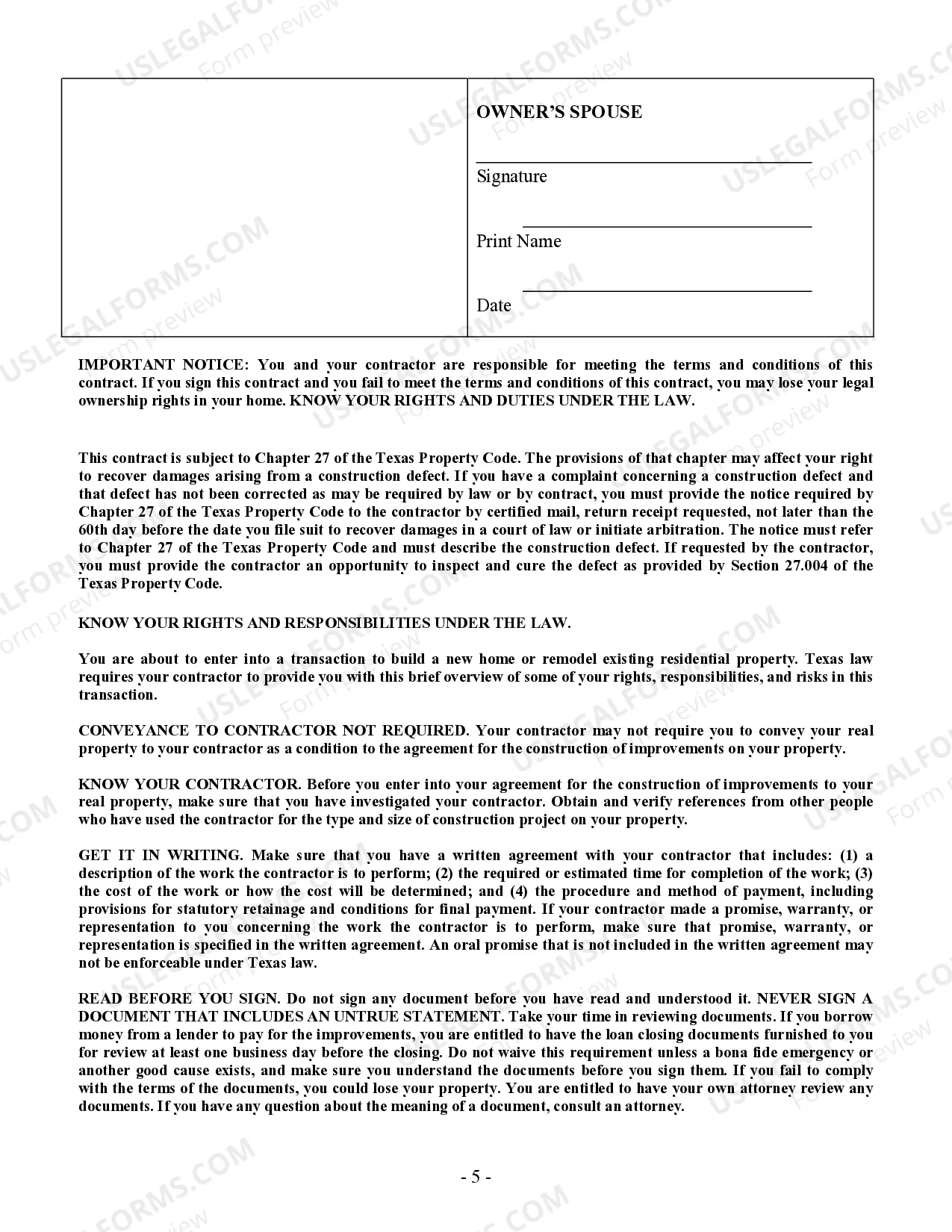
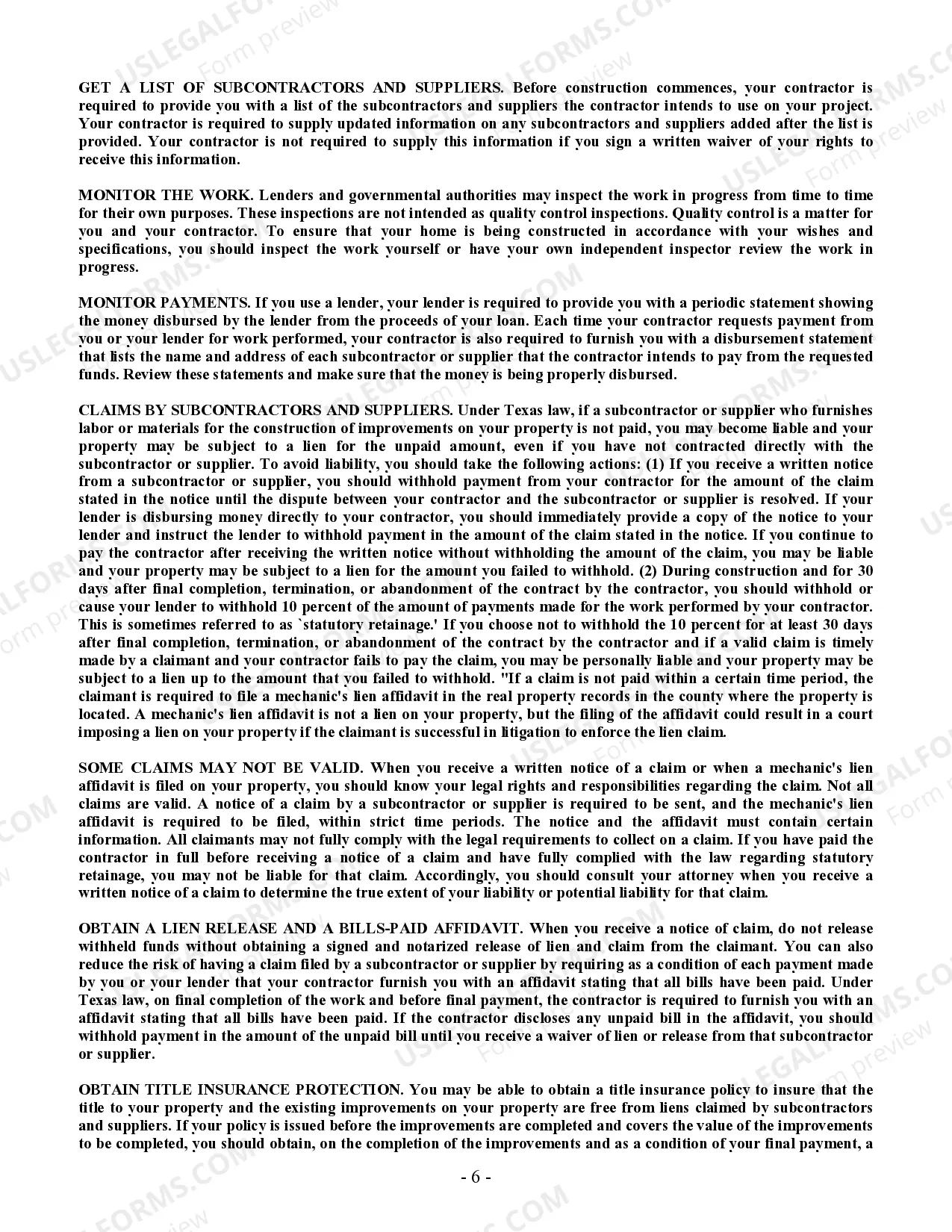
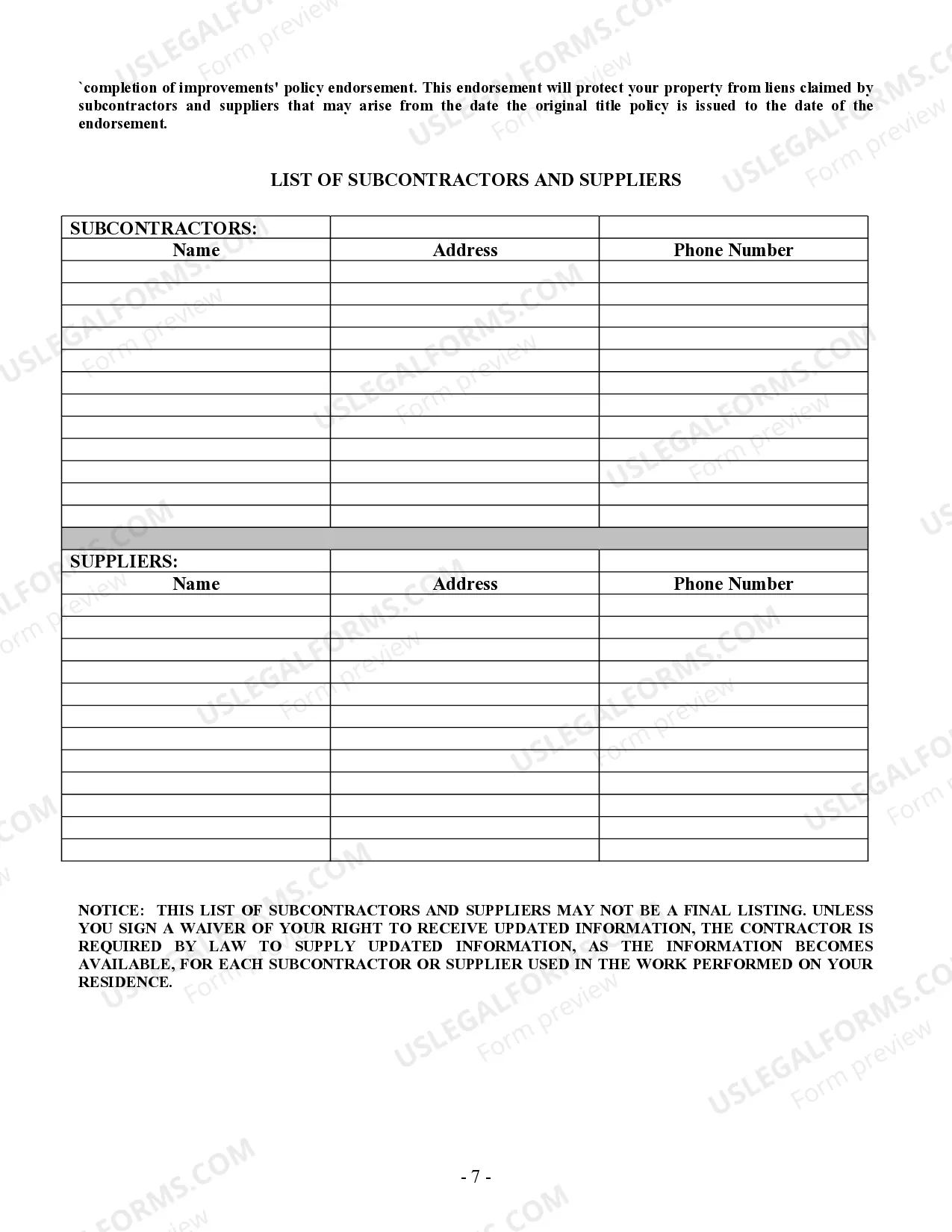
- Permits: Contractor agrees to obtain necessary permits at their expense.
- Insurance: Contractor must maintain relevant insurance policies, including general liability and workers' compensation.
- Survey and Title: Requires Owner to clarify property boundaries and provide proof of title.
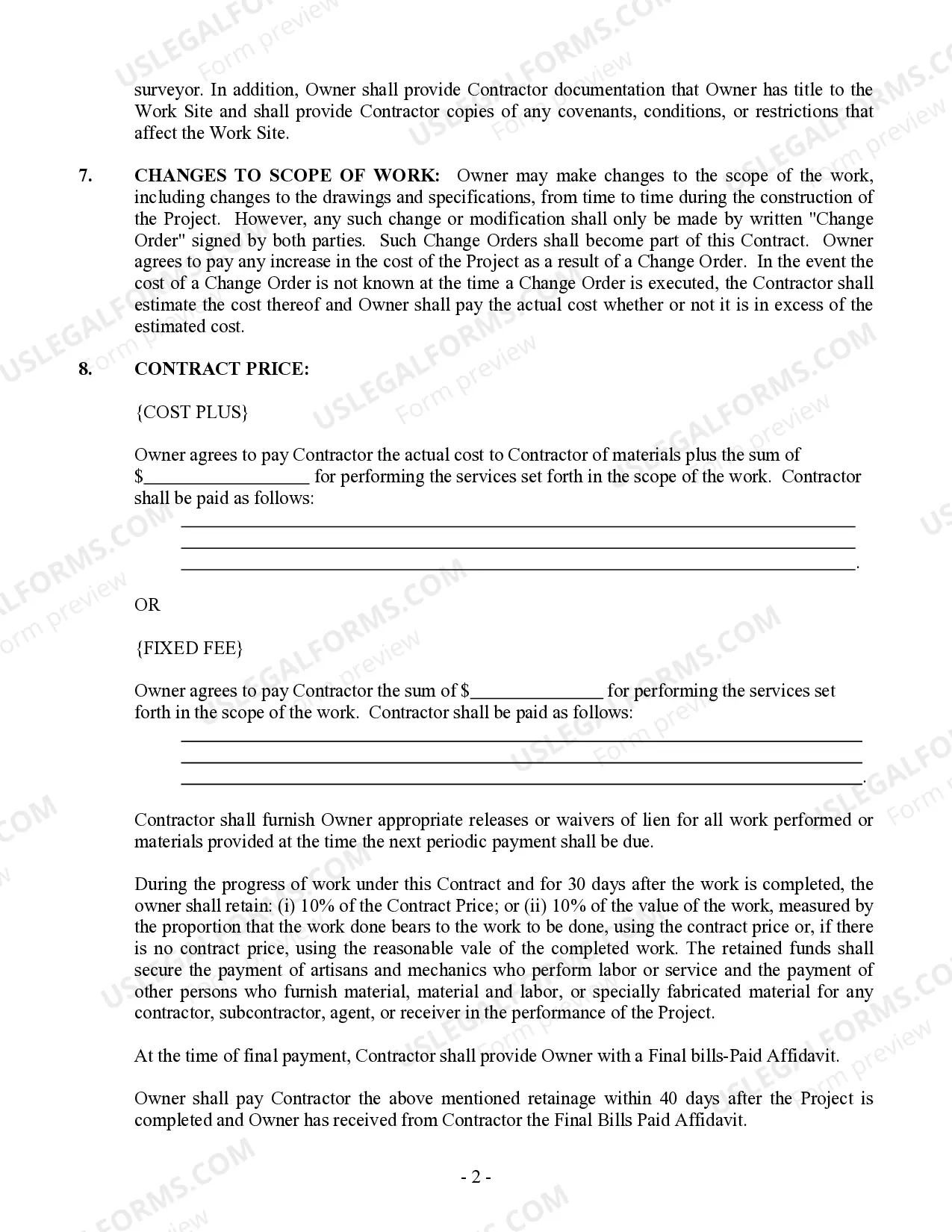
- Changes to Scope of Work: Details how modifications can be made and how costs are adjusted accordingly.
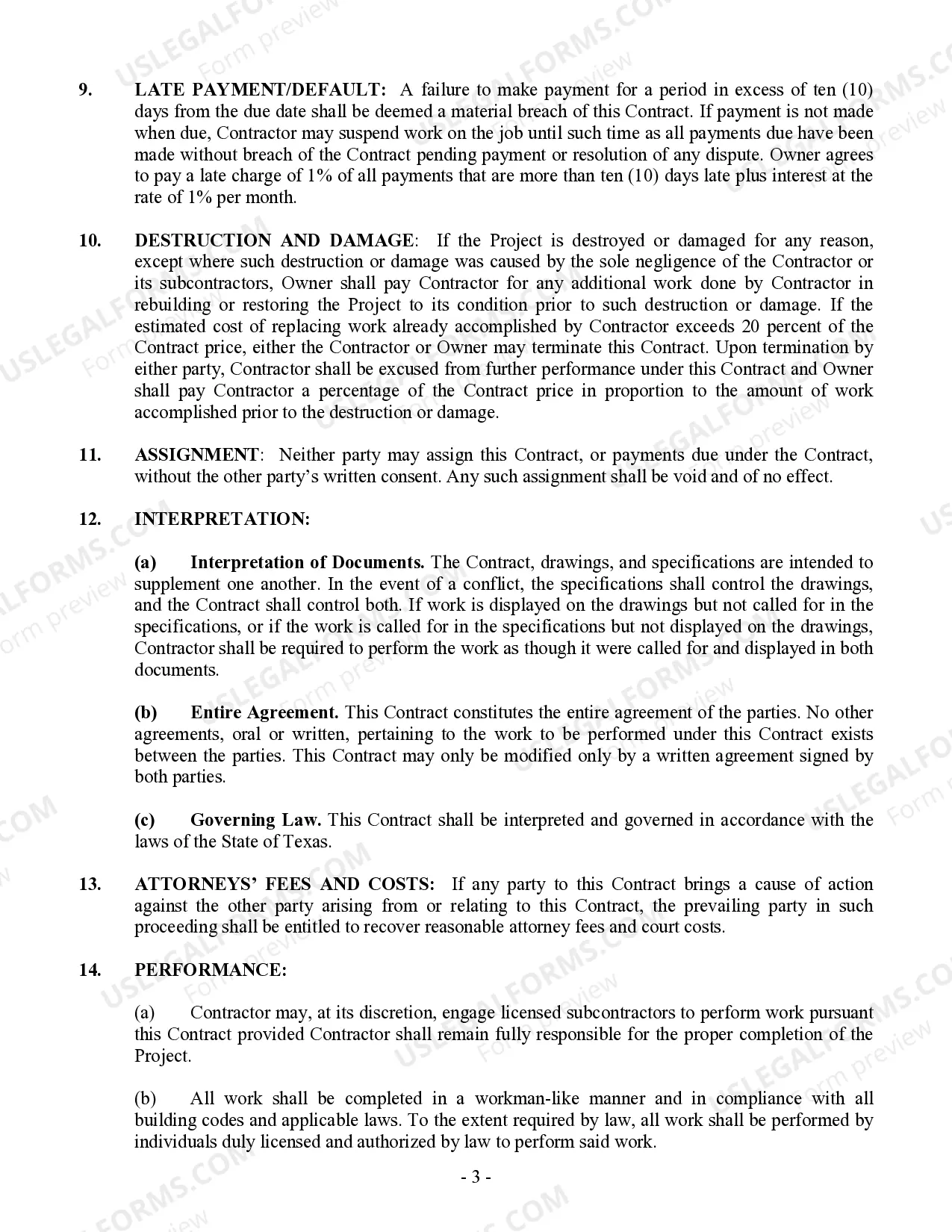
- Late Payment: Outlines consequences for delayed payments and charges for late payments.
- Destruction and Damage: Covers obligations in case of project damages not attributed to the Contractor's negligence.
When to use this document
This Roofing Contract should be utilized when a property owner plans to hire a roofing contractor for new installations, repairs, or renovations. It is essential in situations where the scope of work is defined, and there is a need for mutual agreement on payment terms and project specifications. Using this form helps formalize the project, ensuring both parties understand their obligations and protecting their interests should issues arise.
Who this form is for
- Property owners looking to hire a roofing contractor for construction or repair work.
- Roofing contractors providing services to property owners in Texas.
- Individuals/developers managing roofing projects who require a clear contractual agreement.
How to prepare this document
- Identify the parties involved: Clearly enter the names and addresses of both the property owner and the contractor.
- Specify the project details: Describe the roofing work to be performed, including any specific materials or designs.
- Enter payment terms: Define whether the arrangement is cost-plus or fixed fee and outline payment schedules.
- Address permits and insurance: Ensure the contractor commits to obtaining necessary permits and maintaining insurance coverage.
- Sign and date the contract: Both parties must sign the agreement, indicating their acceptance of all terms outlined in the contract.
Notarization guidance
In most cases, this form does not require notarization. However, some jurisdictions or signing circumstances might. US Legal Forms offers online notarization powered by Notarize, accessible 24/7 for a quick, remote process.
Get your form ready online
Our built-in tools help you complete, sign, share, and store your documents in one place.
Make edits, fill in missing information, and update formatting in US Legal Forms—just like you would in MS Word.
Download a copy, print it, send it by email, or mail it via USPS—whatever works best for your next step.
Sign and collect signatures with our SignNow integration. Send to multiple recipients, set reminders, and more. Go Premium to unlock E-Sign.
If this form requires notarization, complete it online through a secure video call—no need to meet a notary in person or wait for an appointment.
We protect your documents and personal data by following strict security and privacy standards.

Make edits, fill in missing information, and update formatting in US Legal Forms—just like you would in MS Word.

Download a copy, print it, send it by email, or mail it via USPS—whatever works best for your next step.

Sign and collect signatures with our SignNow integration. Send to multiple recipients, set reminders, and more. Go Premium to unlock E-Sign.

If this form requires notarization, complete it online through a secure video call—no need to meet a notary in person or wait for an appointment.

We protect your documents and personal data by following strict security and privacy standards.
Avoid these common issues
- Failing to define the scope of work clearly, which can lead to misunderstandings.
- Not outlining payment schedules, potentially resulting in disputes over payments.
- Neglecting to address changes to the contract, leading to unauthorized modifications.
- Overlooking insurance requirements, which can expose parties to liabilities.
Why use this form online
- Quick access: Download the form instantly to get started on your project.
- Editability: Customize the form easily to fit the specific details of your agreement.
- Legal compliance: Ensure your contract meets state regulations, minimizing legal risks.
- Convenience: Complete the process from the comfort of your home, without needing to visit a lawyer's office.
Legal use & context:
- This contract serves as a formal agreement to protect both parties' interests in roofing work.
- It establishes clear roles and responsibilities, reducing the potential for disputes.
- The contract is enforceable in a court of law, given that both parties have signed it voluntarily.
Summary of main points
- A Roofing Contract for Contractor is essential for formalizing agreements in roofing projects.
- Understanding key components helps ensure that all critical aspects are addressed before work begins.
- It is important for both parties to review and understand the entirety of the contract to safeguard their interests.
Looking for another form?
Form popularity
FAQ
Name of contractor and contact information. Name of homeowner and contact information. Describe property in legal terms. List attachments to the contract. The cost. Failure of homeowner to obtain financing. Description of the work and the completion date. Right to stop the project.
Get local referrals. Look for manufacturer designations. Research Better Business Bureau (BBB) ratings. Get an extensive warranty. Be concerned about safety. Check for proper licensing and insurance. Pay your deductible. Handle your own claim.
Your roofing contract must include the specifics of the project including details about materials to be used (their brand, type, color, and price), and start and end date of the project. The contract must also include details about the removal of the old roof and installing the replacement.
Timeframe or key milestones of the project; hours of work; deliverables of the project; and. way the business will pay the contractor for their services.
Balance: Roofers work on roofs, which might have very steep pitches. Strength: Roofers need to be able to carry heavy materials, like bundles of shingles, up ladders and onto roofs. Stamina: Roofers spend most of their day on their feet outside, sometimes during intense heat or cold.
Your general contractor should provide proof of licensing, bonding and insurance before a project starts, but it's better to have it in hand before you sign any contracts. It's important that contractors carry any licensing and/or certification required for the specific trade or skill they practice.
Step 1: Get Clear on the Scope of Work. Step 2: Measure the Roof. Step 3: Estimate Material Cost. Step 4: Estimate Labor Costs. Step 5: Calculate Your Overhead Costs. Step 6: Tally All Roofing Costs. Step 7: Add Your Markup for Desired Profits. Step 8: Bid the Roofing Job.
Insurance Coverage. Manufacturer Certifications. Licensed Roofers Know the Industry. Licensed Roofers Don't Ask for Illegal Payments. Licensed Roofers Offer an Official Contract. Licensed Roofers Carry Insurance. Licensed Roofers Offer Solid Warranties.
A roofing proposal sets the cost for a project that the contractor and building owner are bound to, like a contract. Most roofers will have set costs for materials and labor and will provide these costs in full, so you know exactly what to expect.