Texas Plumbing Contract for Contractor
What is this form?
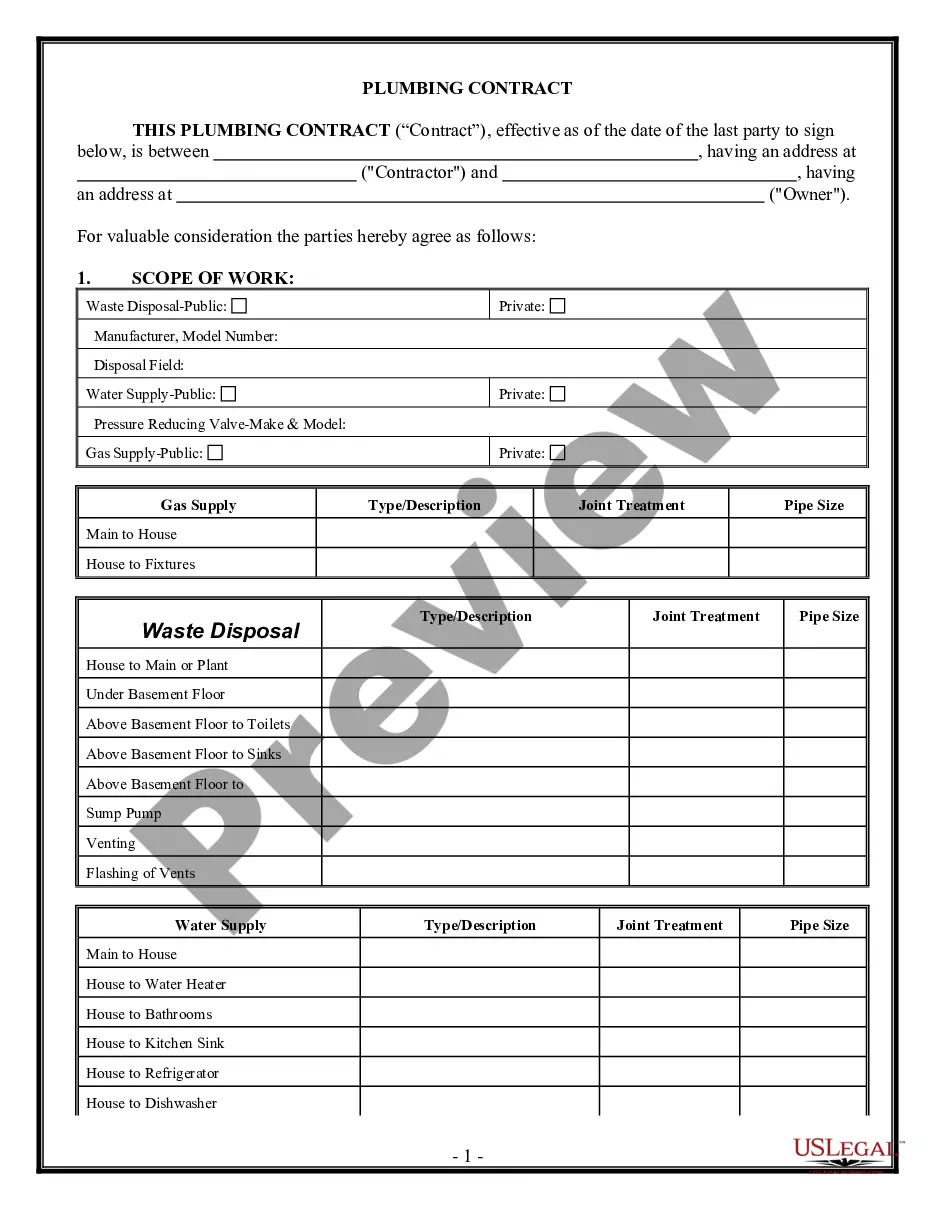
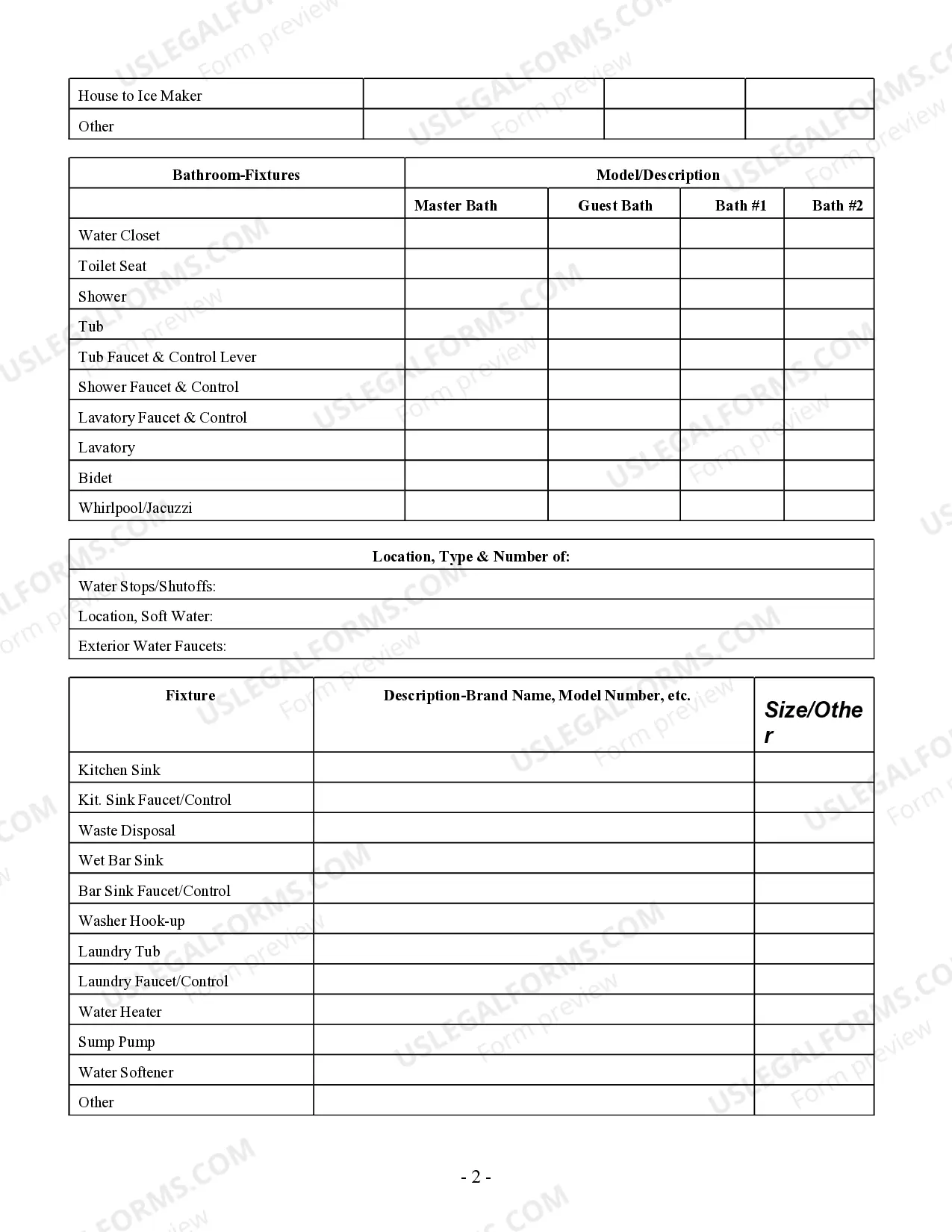
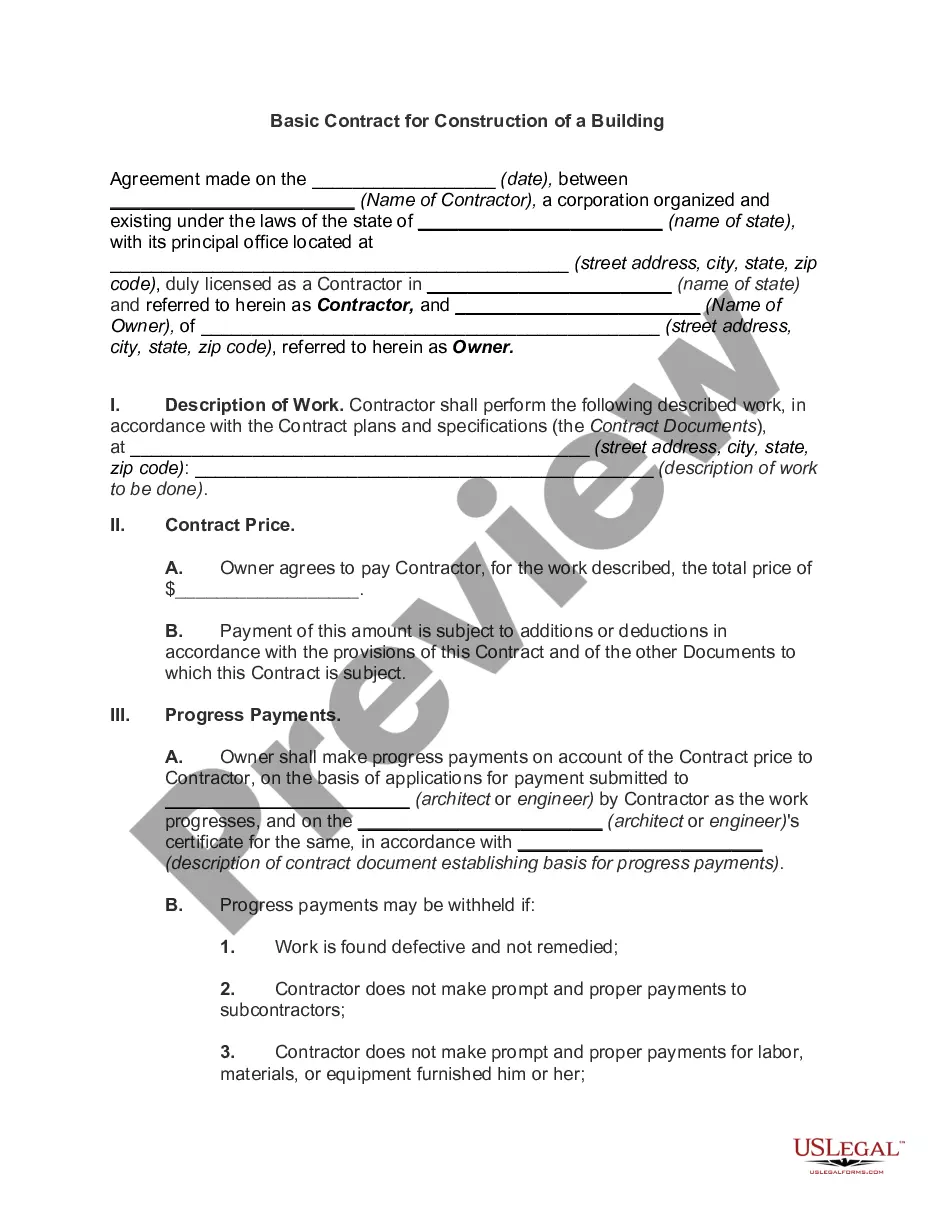
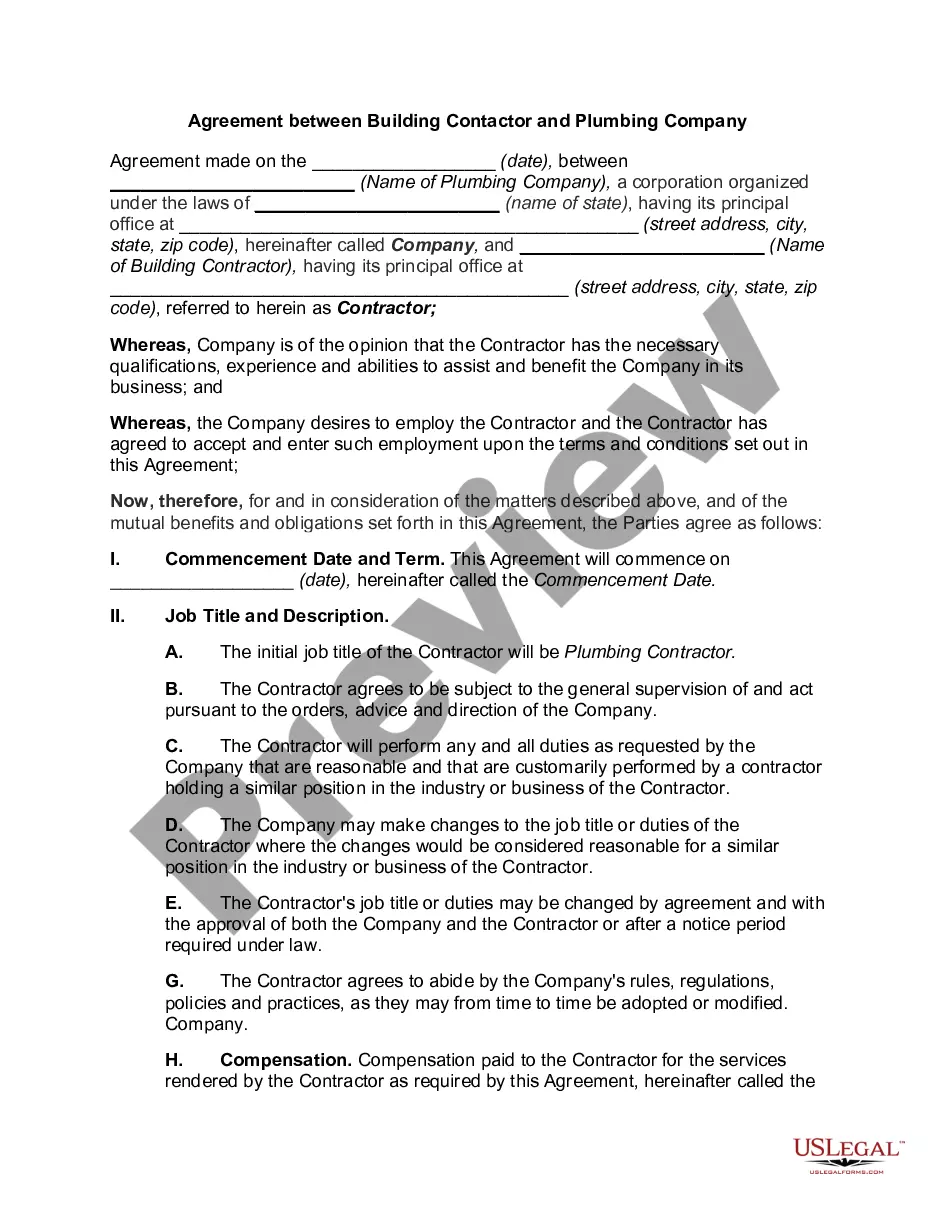
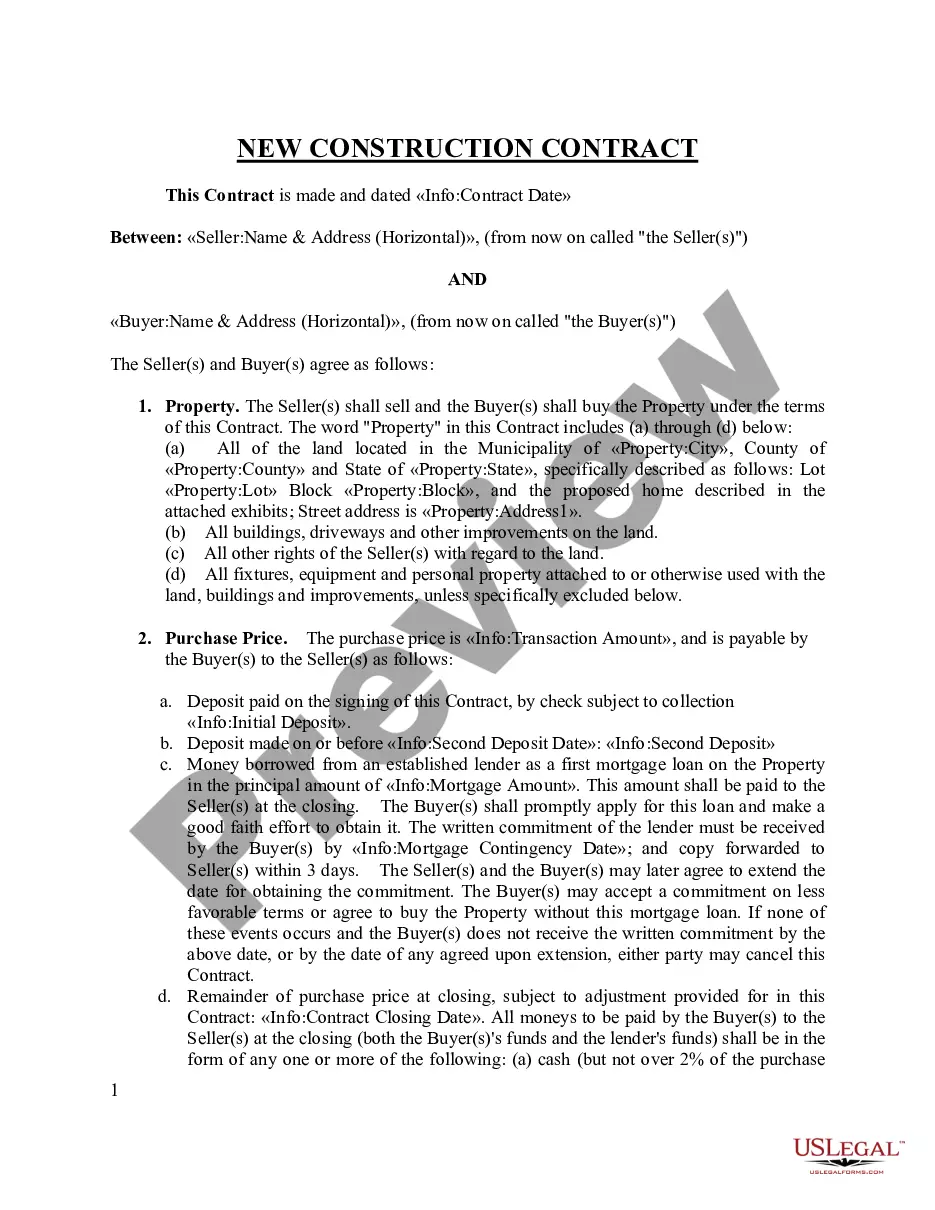
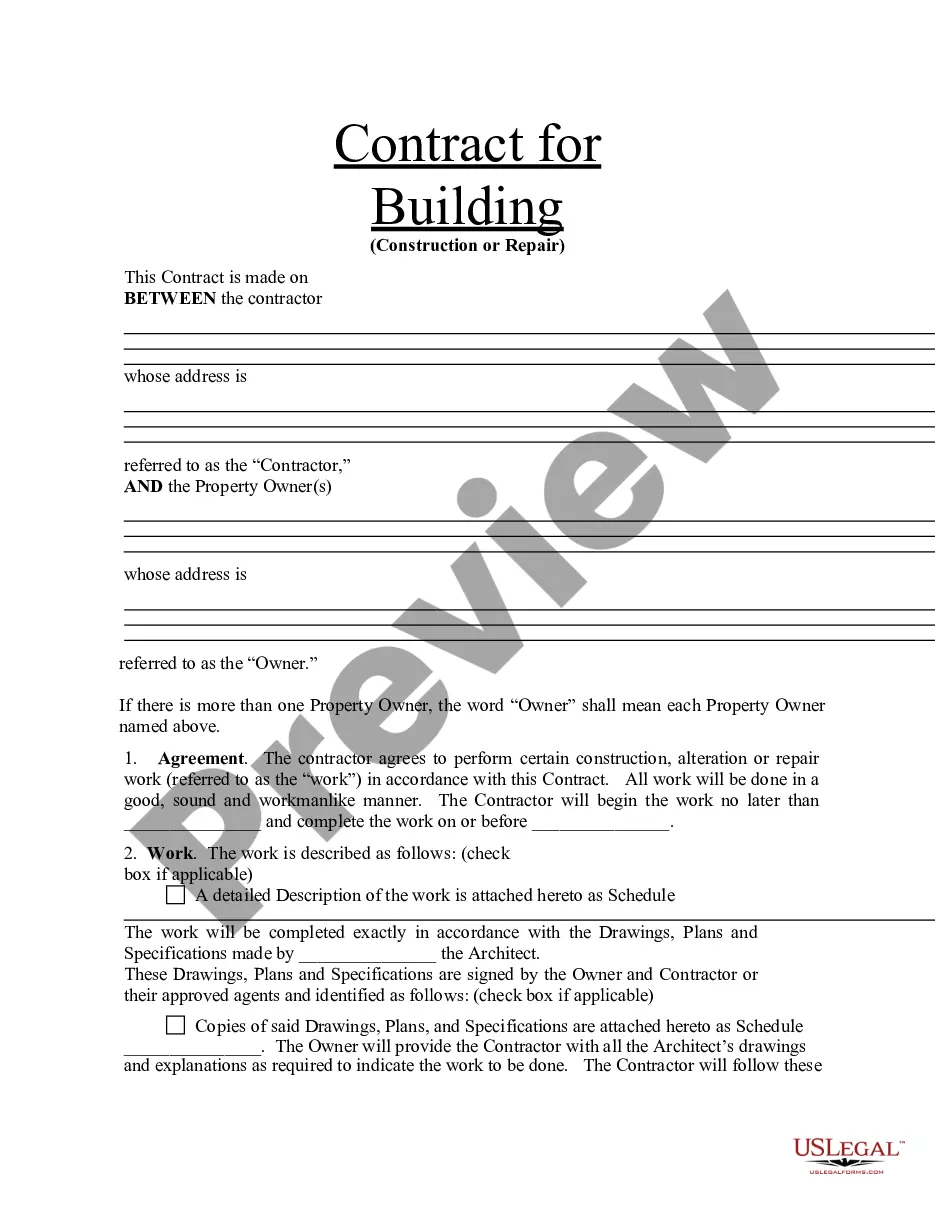
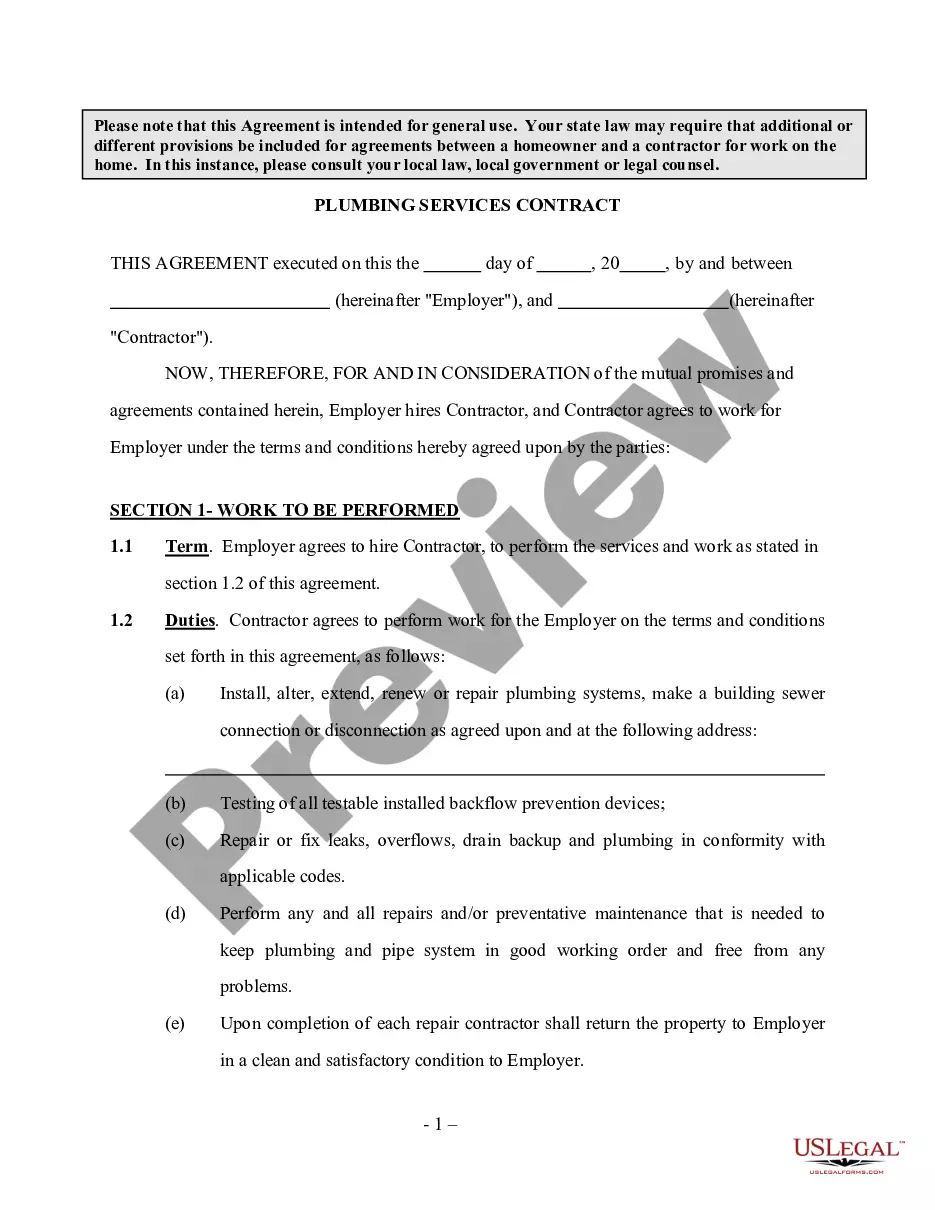
The Plumbing Contract for Contractor is a legal document designed for use between plumbing contractors and property owners. This contract outlines the terms of a plumbing project, including payment structures, work site details, insurance, and warranties. It is specifically tailored to comply with Texas state laws, providing protections for both parties involved in the agreement.
What’s included in this form
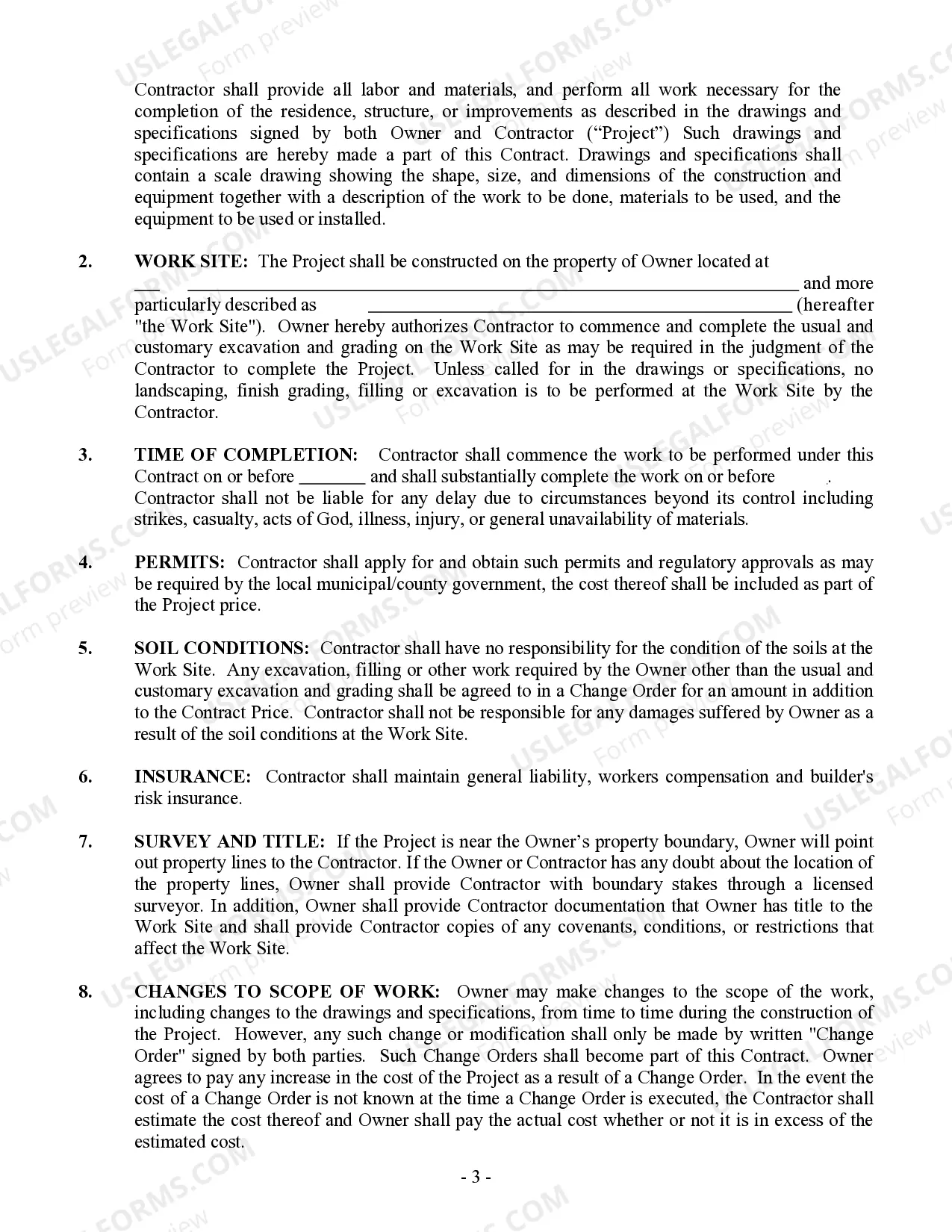
- Work site information detailing the location of the plumbing project.
- Permits, requiring the contractor to obtain necessary approvals for the project.
- Clauses addressing soil conditions and contractor responsibilities.
- Insurance requirements to protect both the contractor and owner.
- Change order procedures for any modifications to the scope of work.
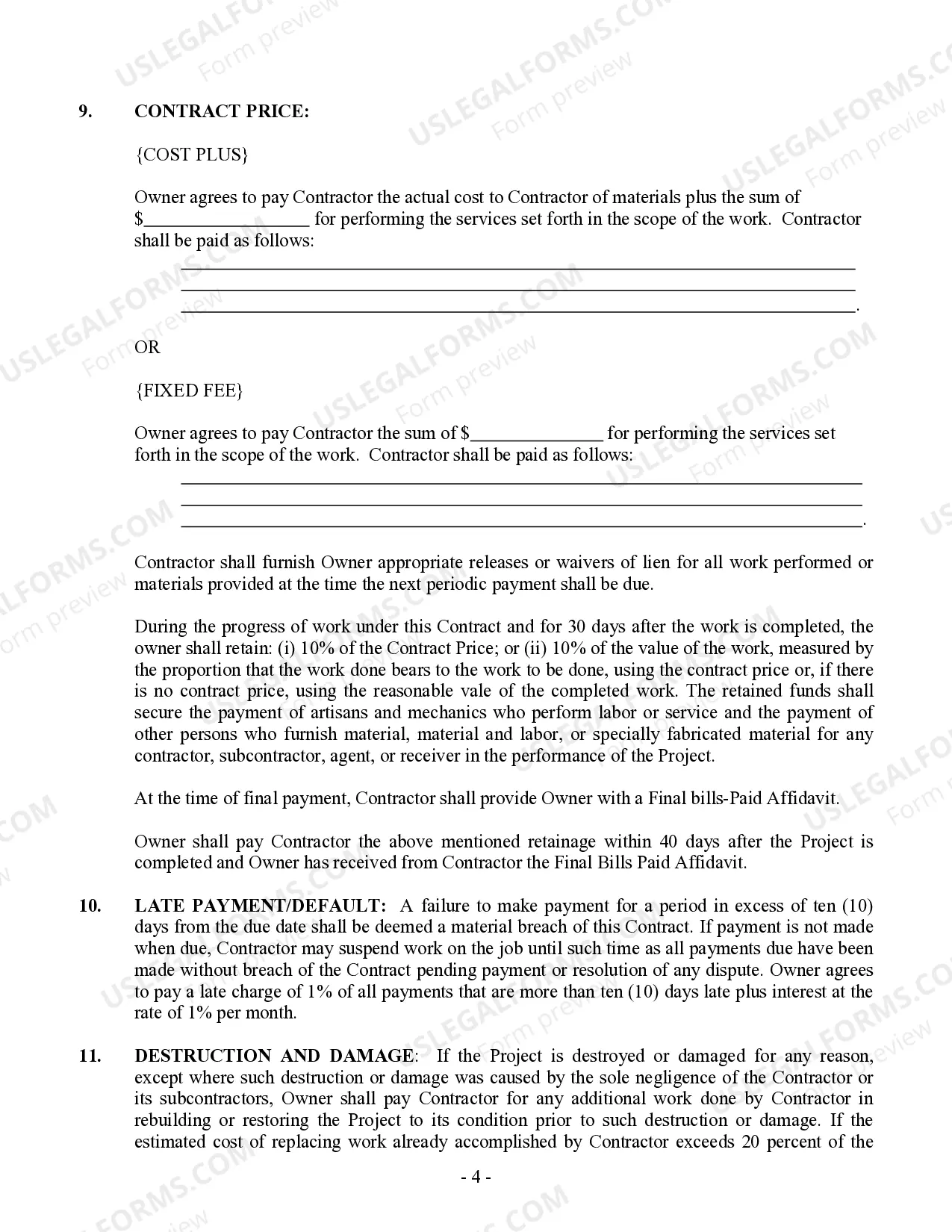
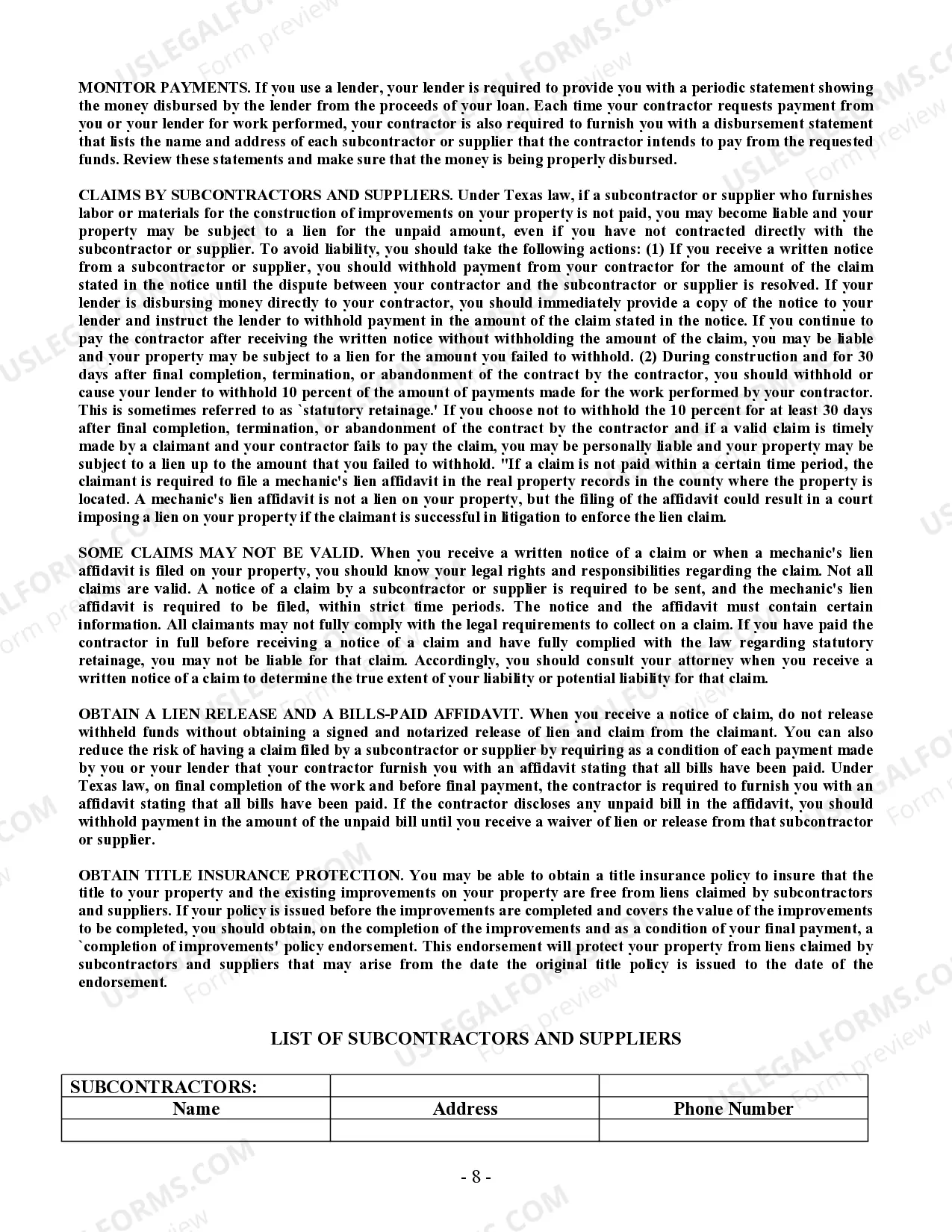
- Payment terms, including cost structures and retention policy.

Common use cases
This form is essential when a property owner hires a plumbing contractor for a project, whether it involves installing new plumbing systems, repairing existing ones, or carrying out extensive renovations. Use this contract to ensure that both parties agree on the scope of work, payment terms, and project timeline.
Who needs this form
- Property owners seeking plumbing services for residential or commercial properties.
- Plumbing contractors who want to formalize an agreement with clients.
- Individuals involved in a construction project requiring plumbing work.
Steps to complete this form
- Identify the parties involved: enter the names and contact information of both the contractor and property owner.
- Specify the property: include the exact location where the plumbing work will take place.
- Outline the scope of work: detail the plumbing tasks to be performed.
- Agree on payment terms: select either cost plus or fixed fee and outline any retainage.
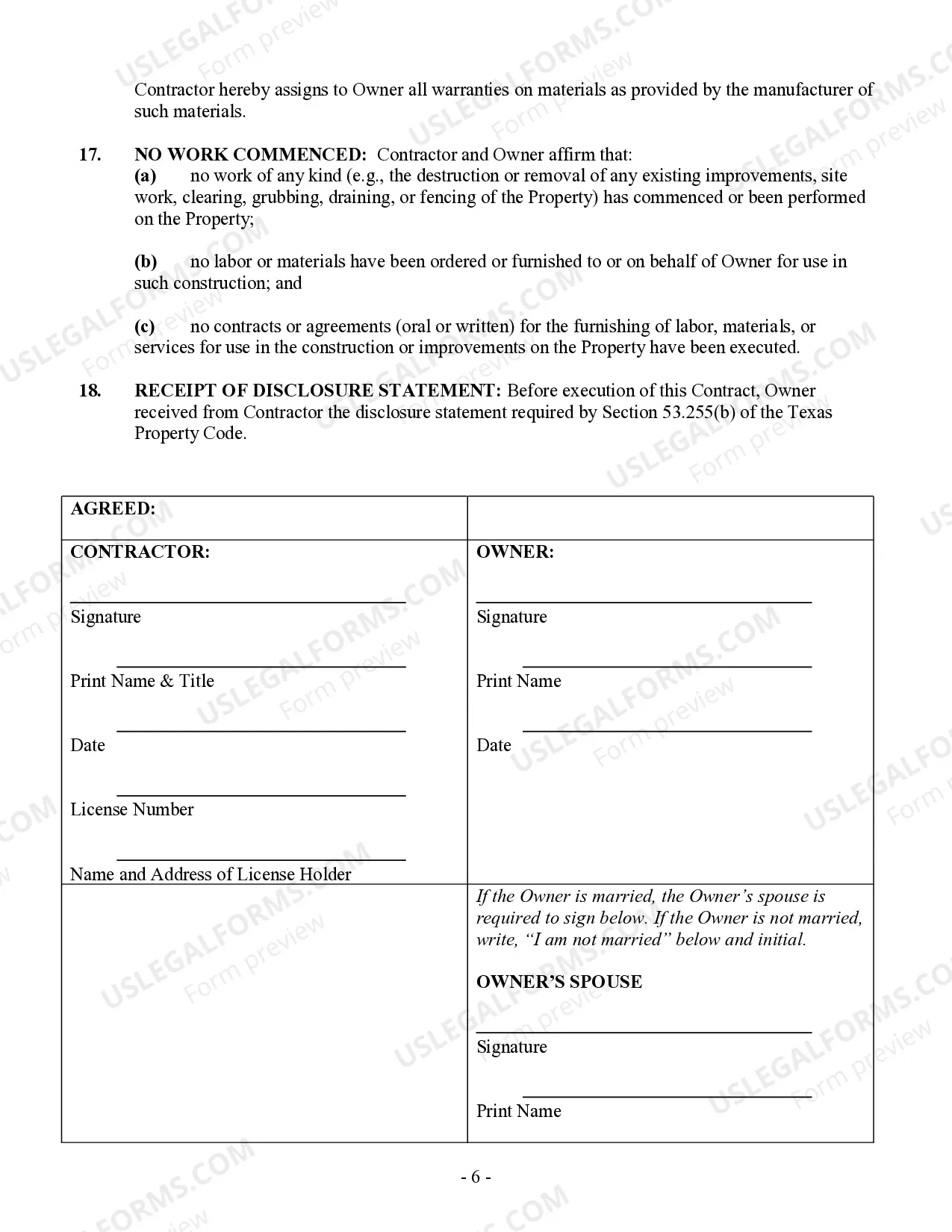
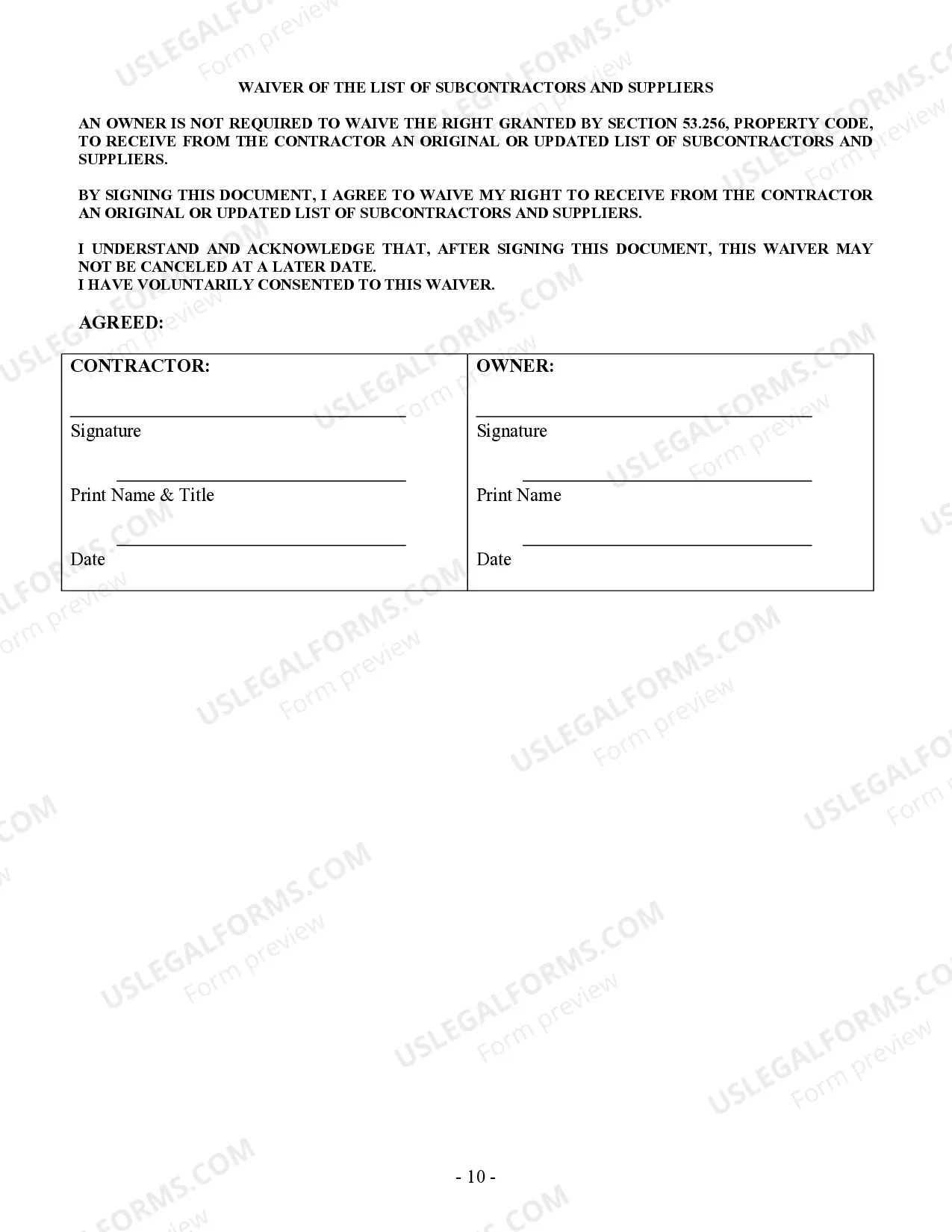
- Sign the contract: both parties should sign and date the contract to validate the agreement.
Does this document require notarization?
In most cases, this form does not require notarization. However, some jurisdictions or signing circumstances might. US Legal Forms offers online notarization powered by Notarize, accessible 24/7 for a quick, remote process.
Get your form ready online
Our built-in tools help you complete, sign, share, and store your documents in one place.
Make edits, fill in missing information, and update formatting in US Legal Forms—just like you would in MS Word.
Download a copy, print it, send it by email, or mail it via USPS—whatever works best for your next step.
Sign and collect signatures with our SignNow integration. Send to multiple recipients, set reminders, and more. Go Premium to unlock E-Sign.
If this form requires notarization, complete it online through a secure video call—no need to meet a notary in person or wait for an appointment.
We protect your documents and personal data by following strict security and privacy standards.

Make edits, fill in missing information, and update formatting in US Legal Forms—just like you would in MS Word.

Download a copy, print it, send it by email, or mail it via USPS—whatever works best for your next step.

Sign and collect signatures with our SignNow integration. Send to multiple recipients, set reminders, and more. Go Premium to unlock E-Sign.

If this form requires notarization, complete it online through a secure video call—no need to meet a notary in person or wait for an appointment.

We protect your documents and personal data by following strict security and privacy standards.
Avoid these common issues
- Failing to clearly outline the scope of work, leading to misunderstandings.
- Not specifying payment terms, which can result in disputes.
- Omitting necessary insurance requirements.
- Not including change order procedures for any adjustments needed during the project.
Why complete this form online
- Easy access and immediate download of the form from US Legal Forms.
- Customizable template to fit specific project needs.
- Reliability, as the form is drafted by licensed attorneys in compliance with Texas laws.
Legal use & context
- The contract serves as a legally binding agreement outlining rights and obligations.
- Compliance with the Texas Property Code addresses contractor responsibilities and owner protections.
- Ensures that disputes can be resolved based on documented terms agreed upon by both parties.
Quick recap
- The Plumbing Contract for Contractor is essential for formalizing agreements between property owners and plumbing contractors.
- It includes critical components like payment terms, change orders, and insurance to protect both parties.
- This contract is compliant with Texas state laws, ensuring legal enforceability.
Looking for another form?
Form popularity
FAQ
1301.051 of Texas' Occupations Code it is not illegal for a homeowner to perform plumbing on their own home without a license. There are many instances in which a homeowner can safely undertake their own repairs. This is not to say that a homeowner doing their own plumbing repairs do not need a permit.
Of Texas' Occupations Code says that unlicensed individuals can perform plumbing when: A subdivision or land tract isn't required to be platted. They are located outside of a municipality and not connected to the public water system (or connected to a public system that doesn't require plumbing licensing)
Can I perform electrical work in Texas? Yes, but you can only perform electrical work within the city where you are licensed. A municipal license is not valid statewide.
HOUSTON (FOX 26) - Starting September 1, virtually anyone could become a plumber in Texas. This comes after lawmakers got rid of a state board that issues and regulates licenses for plumbers to perform work.
Inside the state of Texas all plumbing, electrical, and HVAC work requires a Texas state license. For residential construction licensing is no longer regulated at the state level in TX. To become a licensed contractor, candidates are required to pass the texas plumber exam.
Step 1: Write Down the Names of the Client and the Professional. Step 2: Write Down the Scope of the Work. Step 3: Specify the Payment Terms and the Other Terms and Conditions. Step 4: Make Room for the Contract Acceptance.
Last session, the Texas State Board of Plumbing Examiners was scheduled to be abolished by the Texas Sunset Commission, the agency responsible for making recommendations to improve state agencies.As the agency was set to be abolished, Gov. Greg Abbott extended its life via an executive order until 2021.
Step 1: Complete your high school education. Step 2: Get a Vocational Training. Step 3: Complete an Apprenticeship Program. Step 4: Get Licensed. Step 5: Look for employment.
Most homeowners are used to doing a little DIY plumbing from time to time. A clogged drain, a leaky faucet, installing a new shower head these are fairly easy projects that can be completed in a matter of hours. But sometimes our home's plumbing requires major work that goes beyond a novice's skill level.