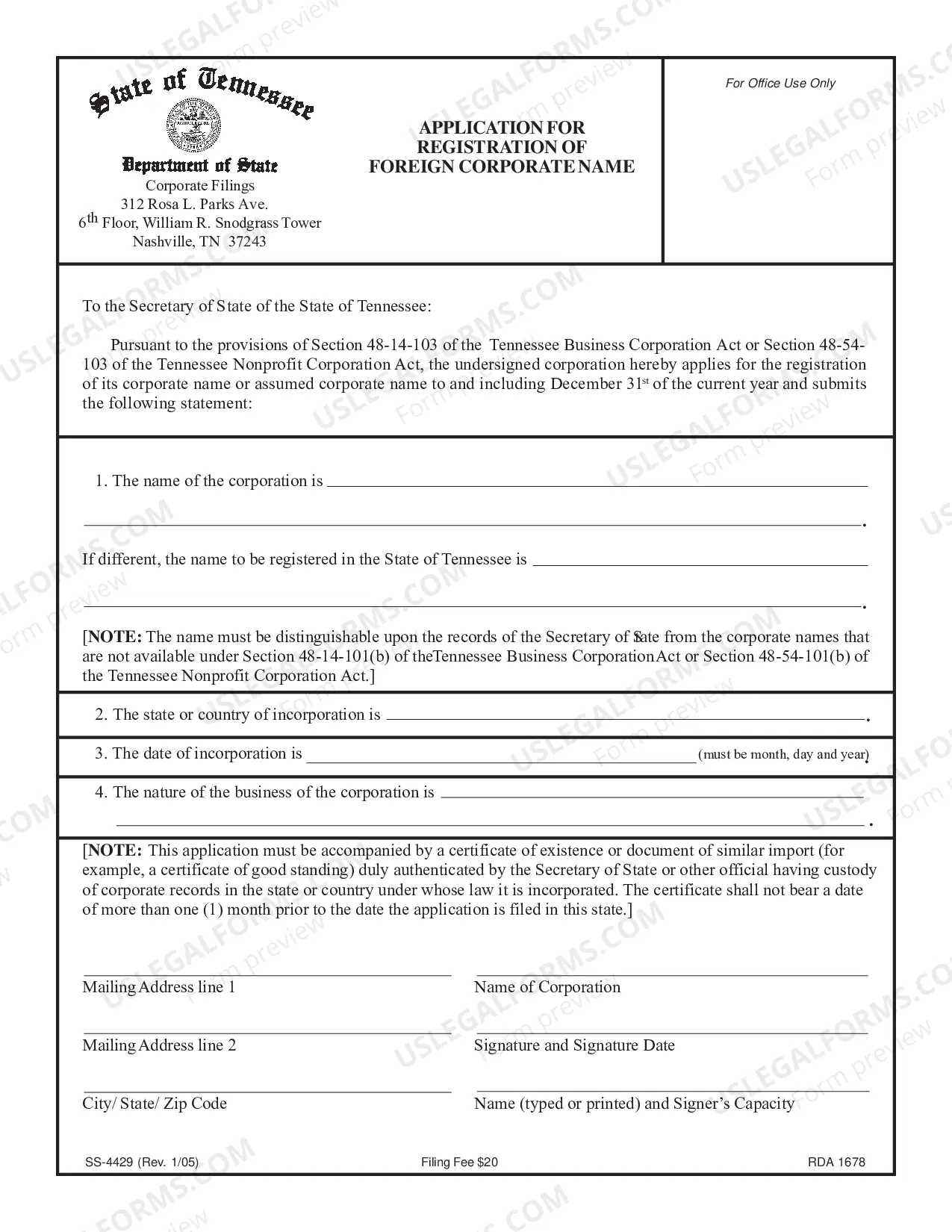
Texas HVAC Contract for Contractor
About this form
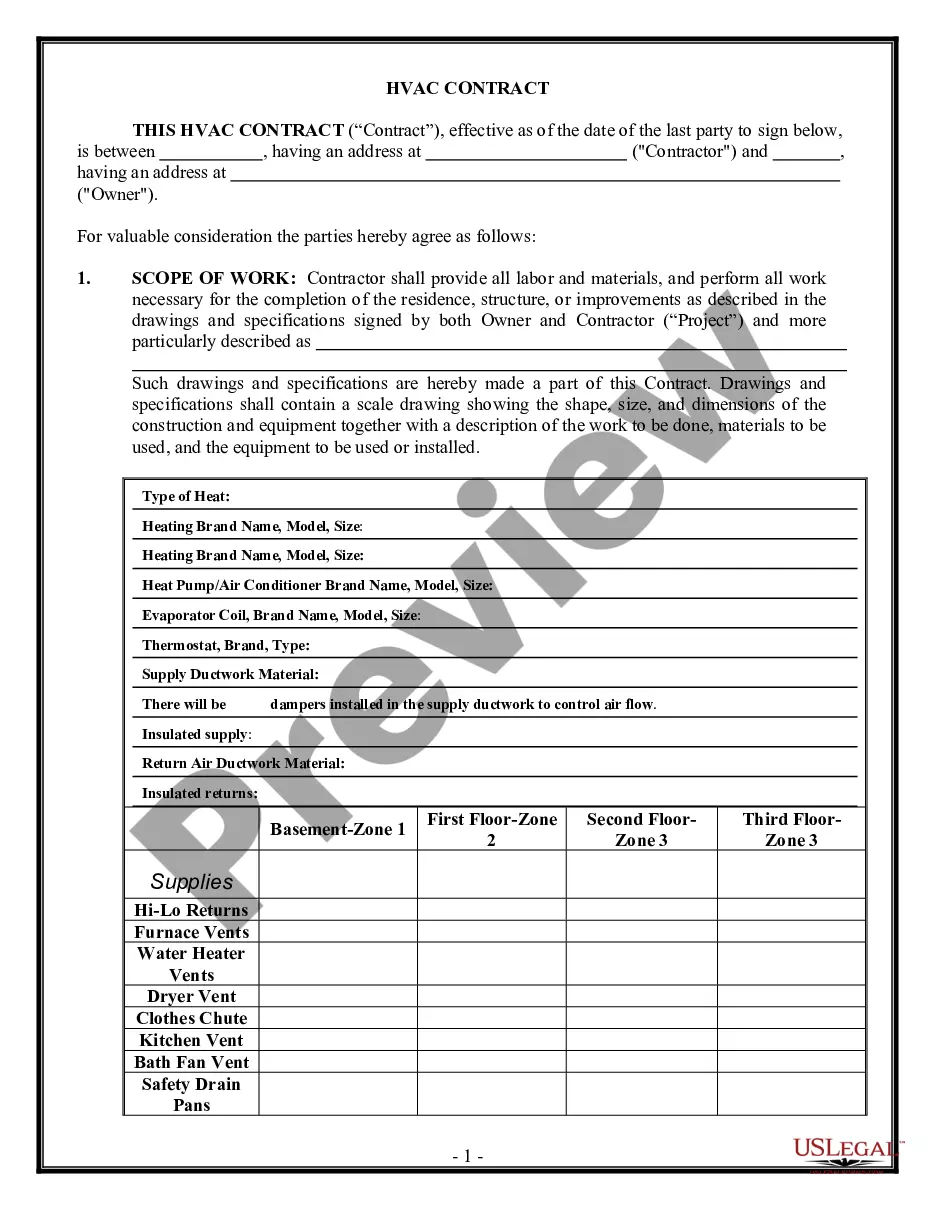
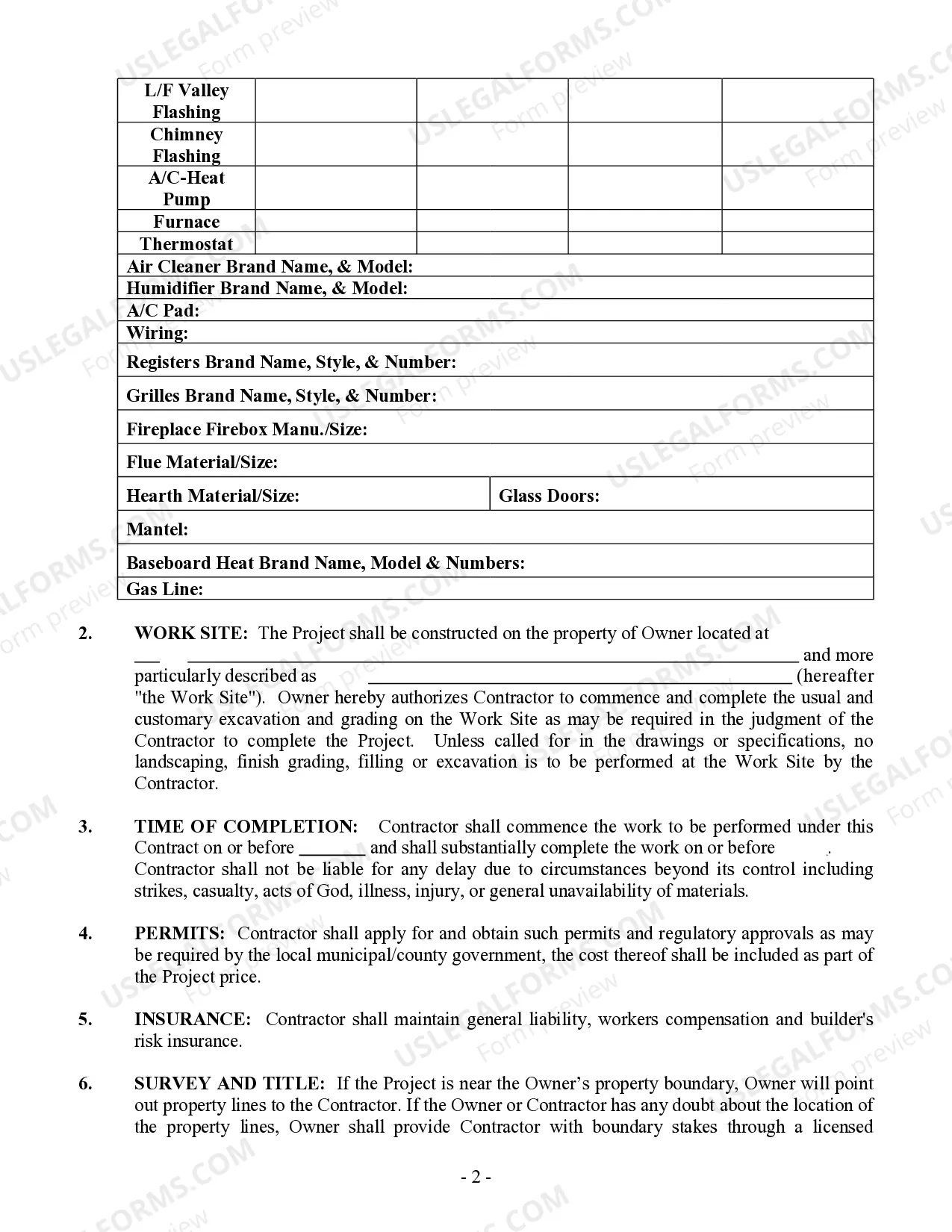
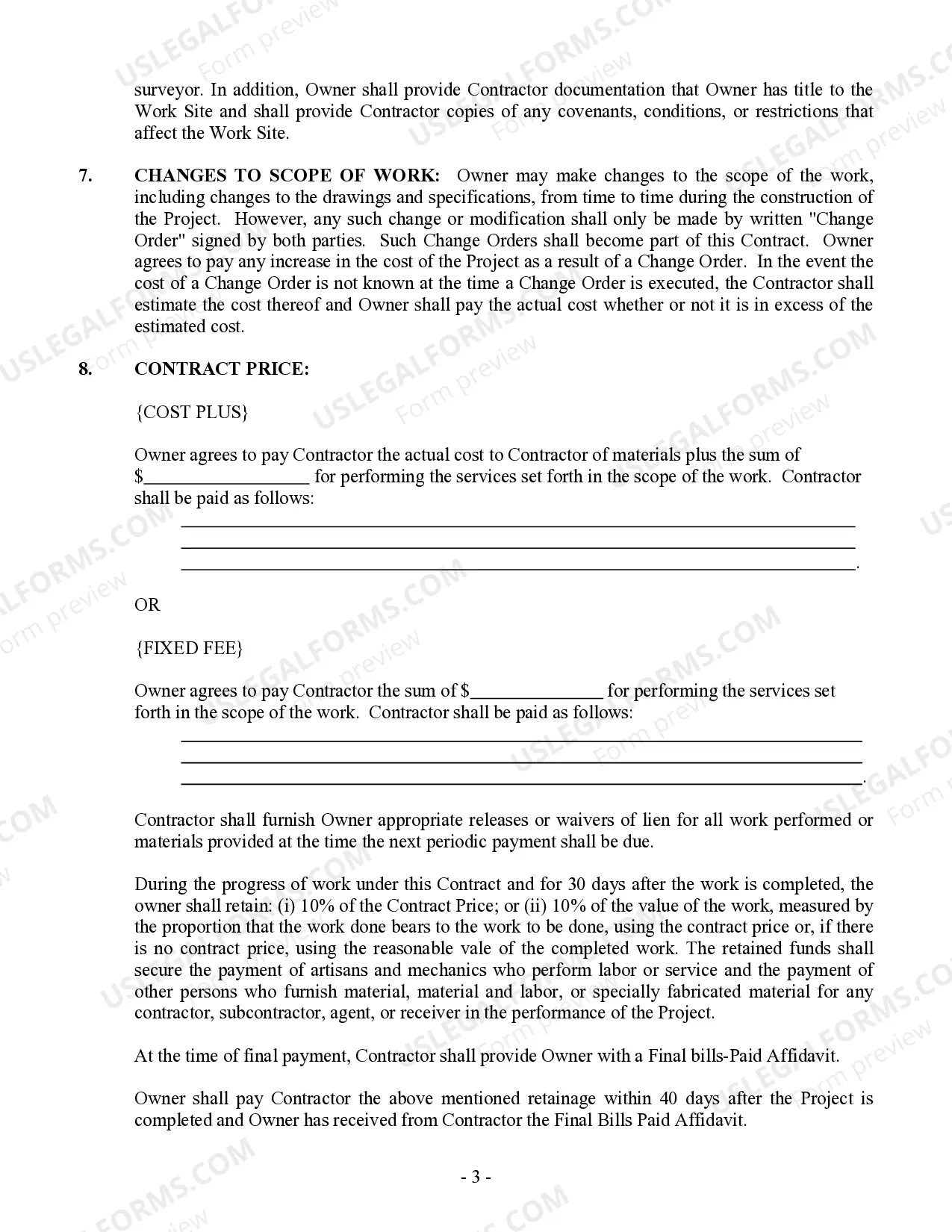
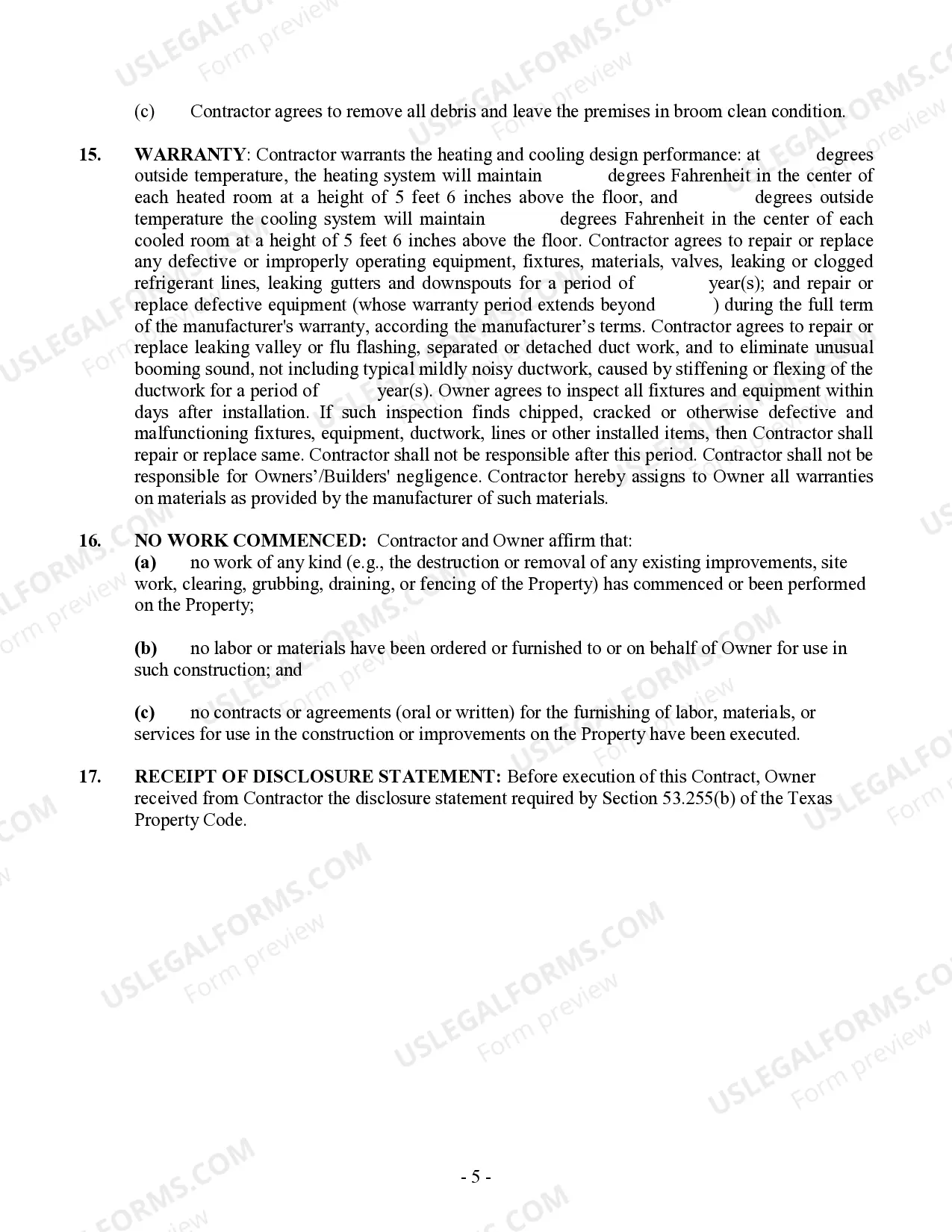
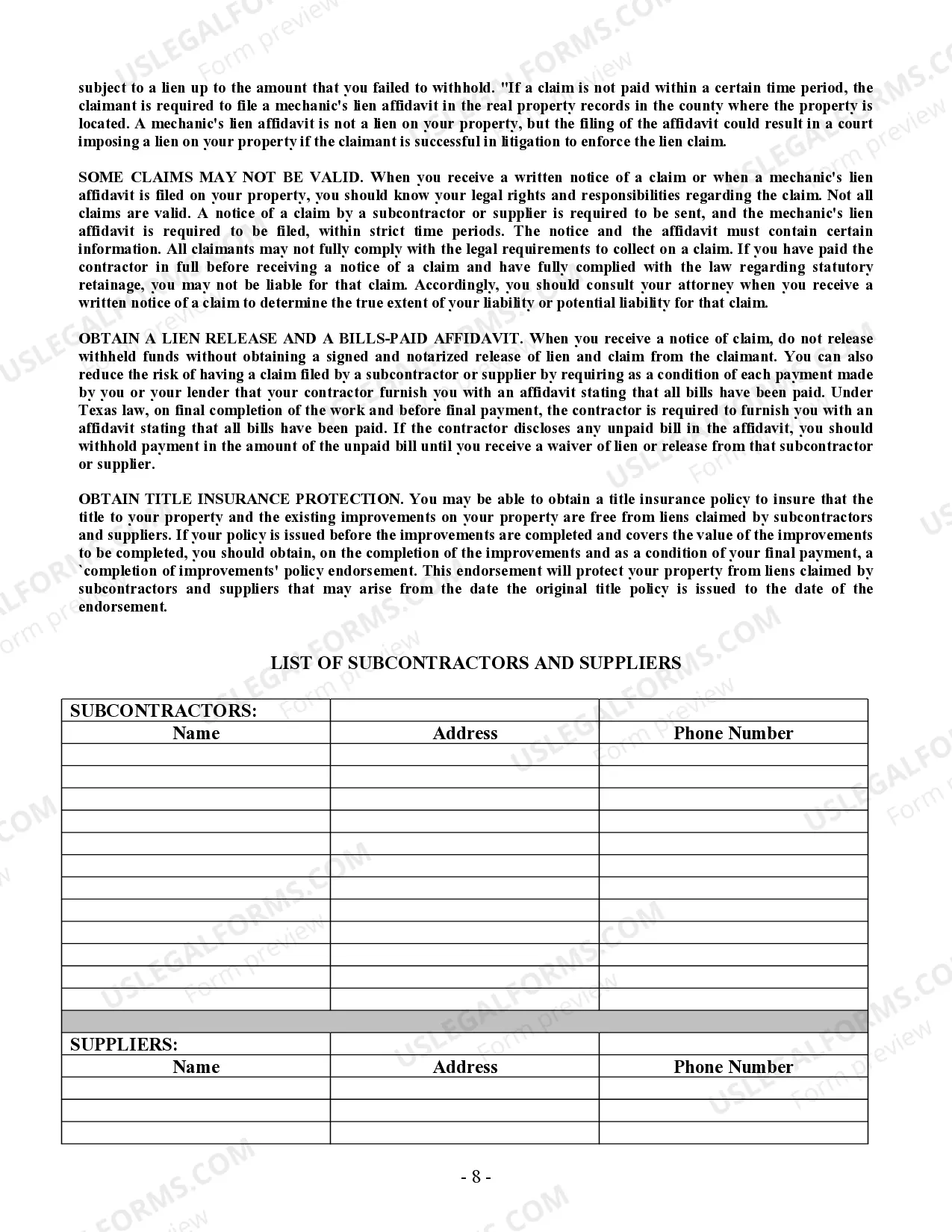
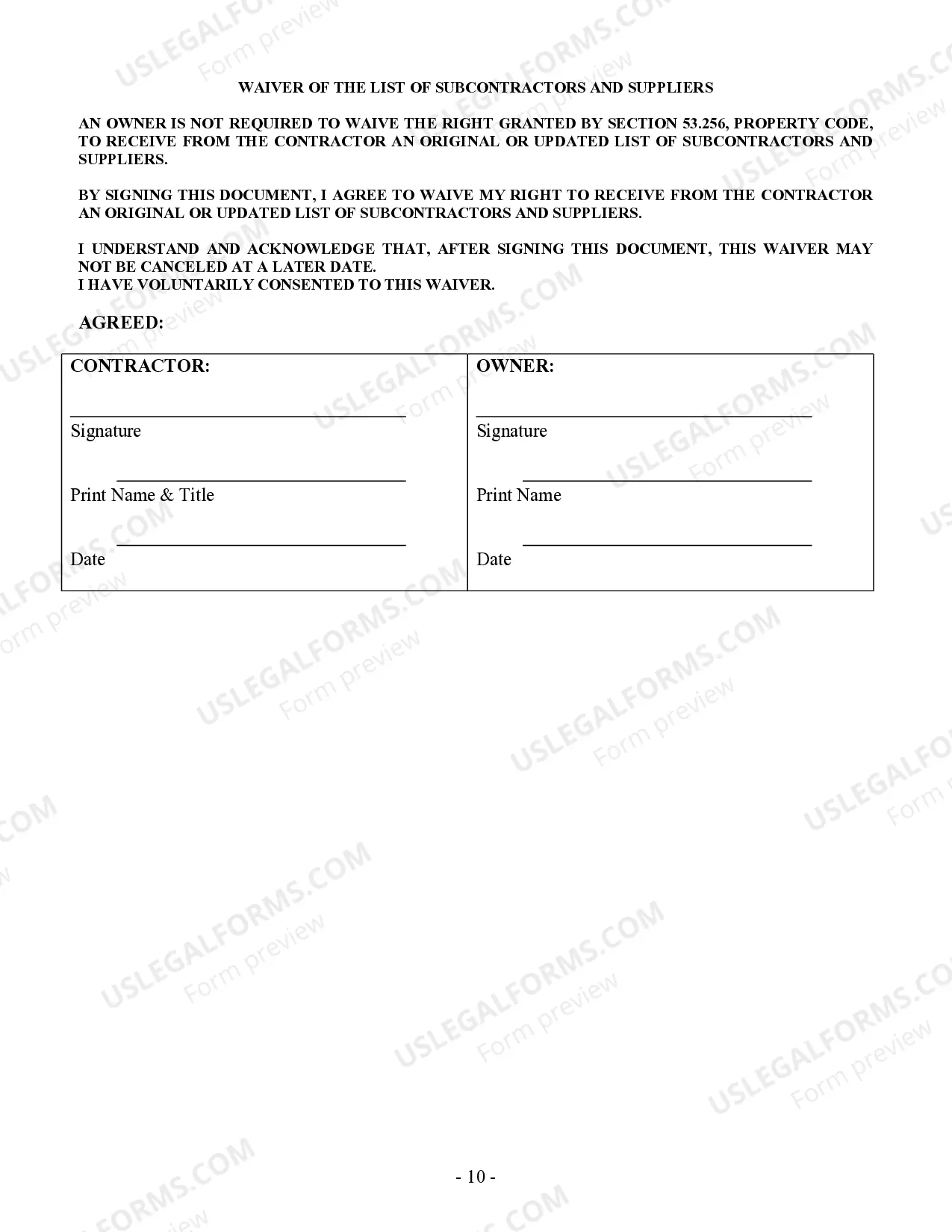
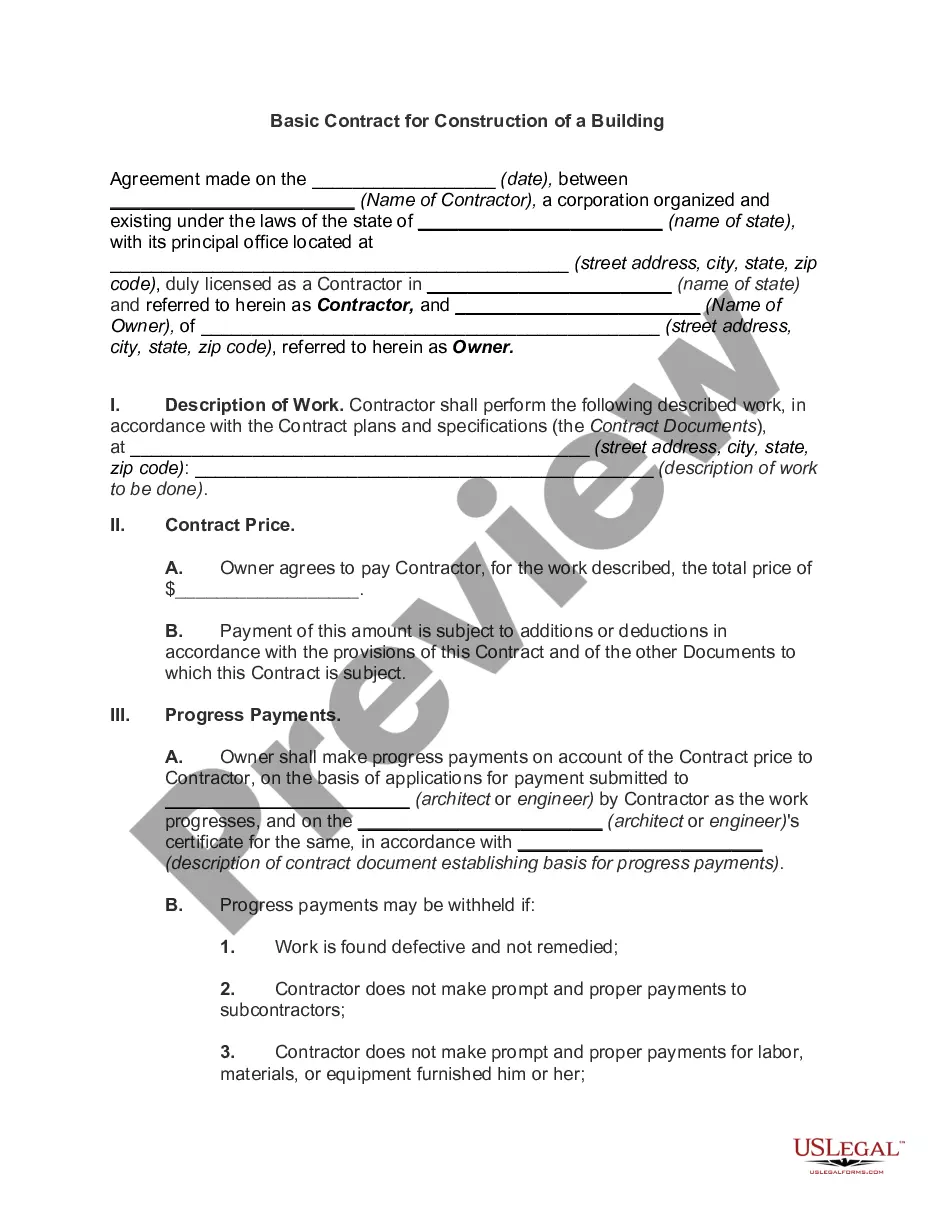
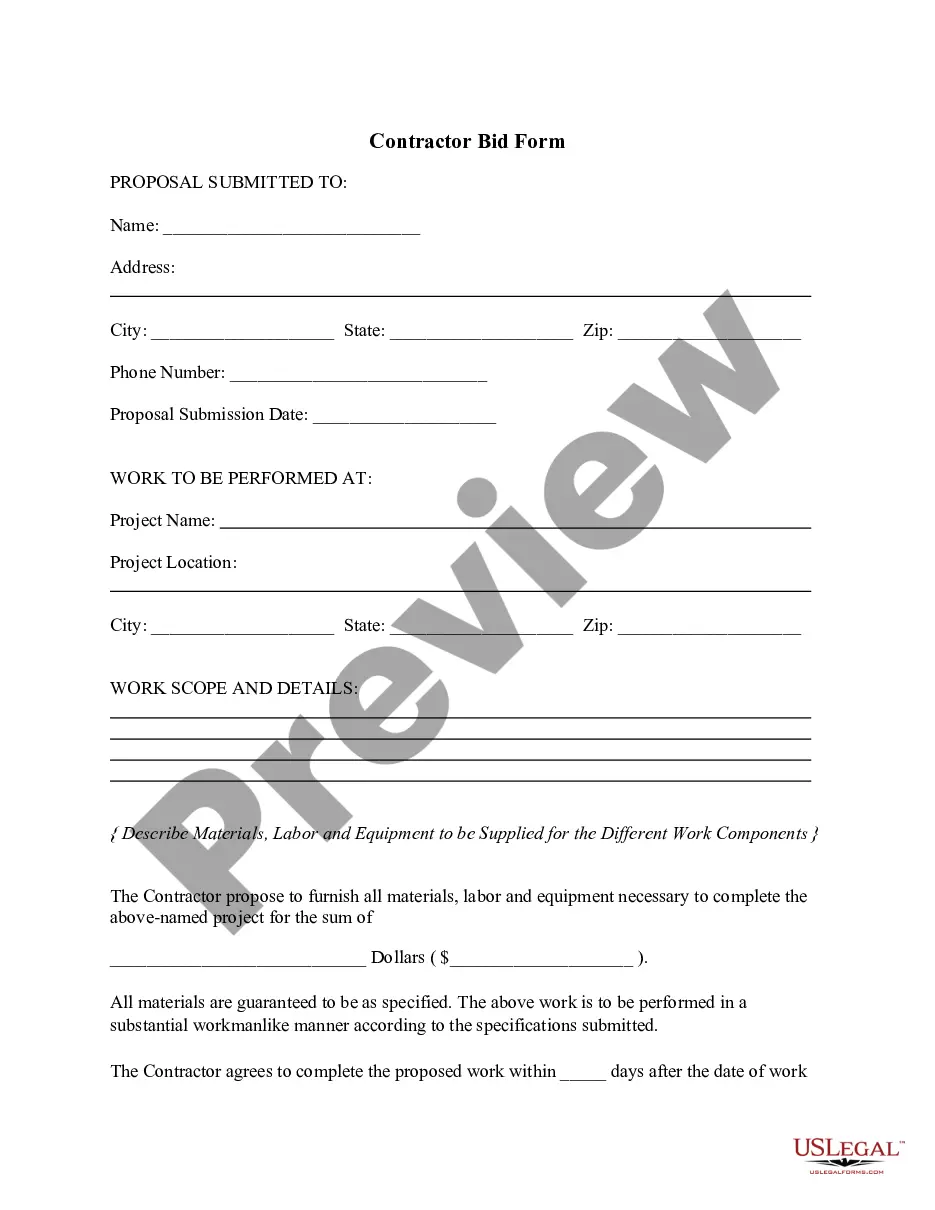
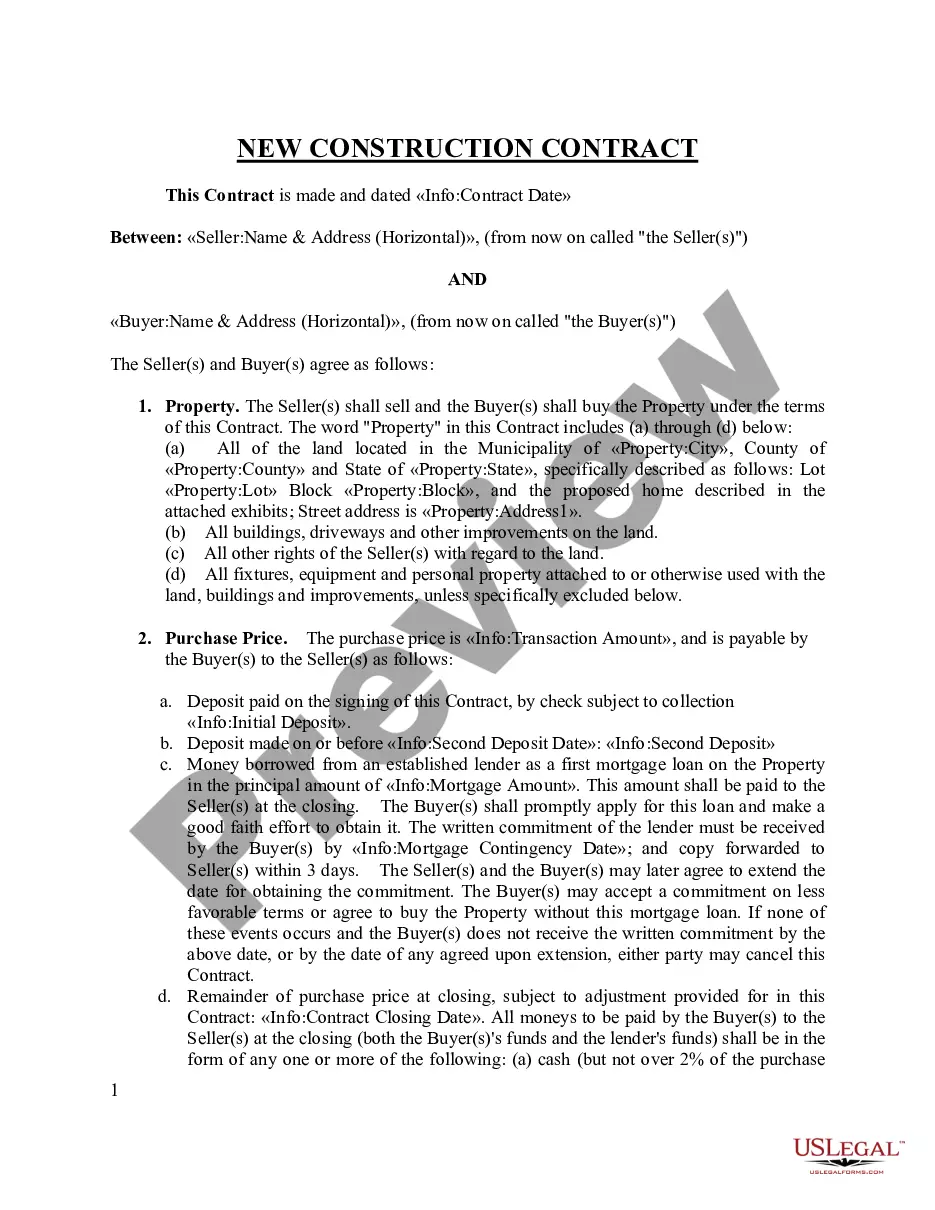
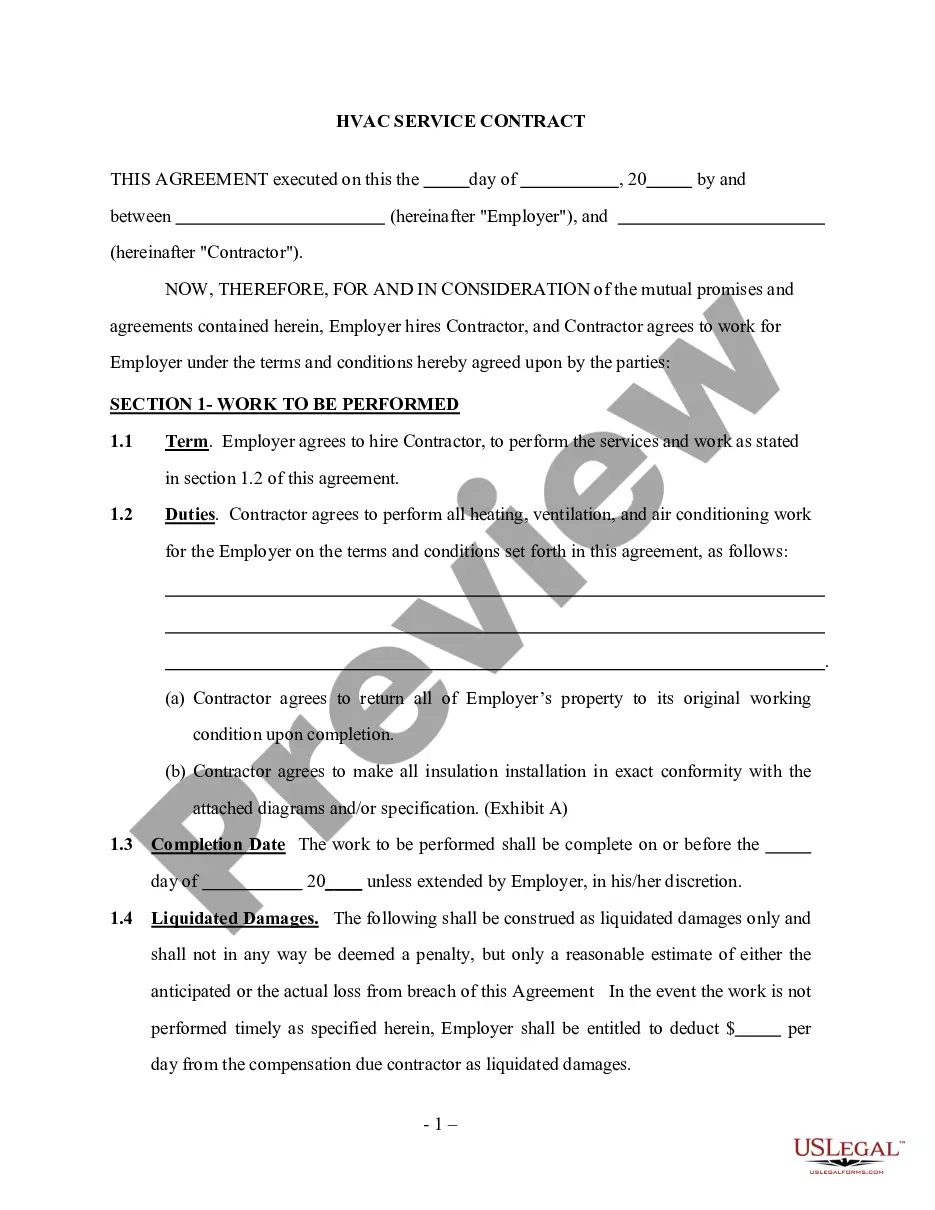
The HVAC Contract for Contractor is a legal document tailored for agreements between HVAC contractors and property owners. This contract serves to outline the specifics of the work to be performed, payment arrangements, and liability issues, ensuring both parties understand their rights and responsibilities. It differs from other contracts by explicitly addressing HVAC-related tasks and regulatory requirements, particularly in the state of Texas.
Key parts of this document
- Permits: The contractor is responsible for acquiring necessary permits for the project.
- Insurance: Specifies insurance requirements, including general liability and workers' compensation.
- Changes to Scope of Work: Details the process for any change orders made during the project.
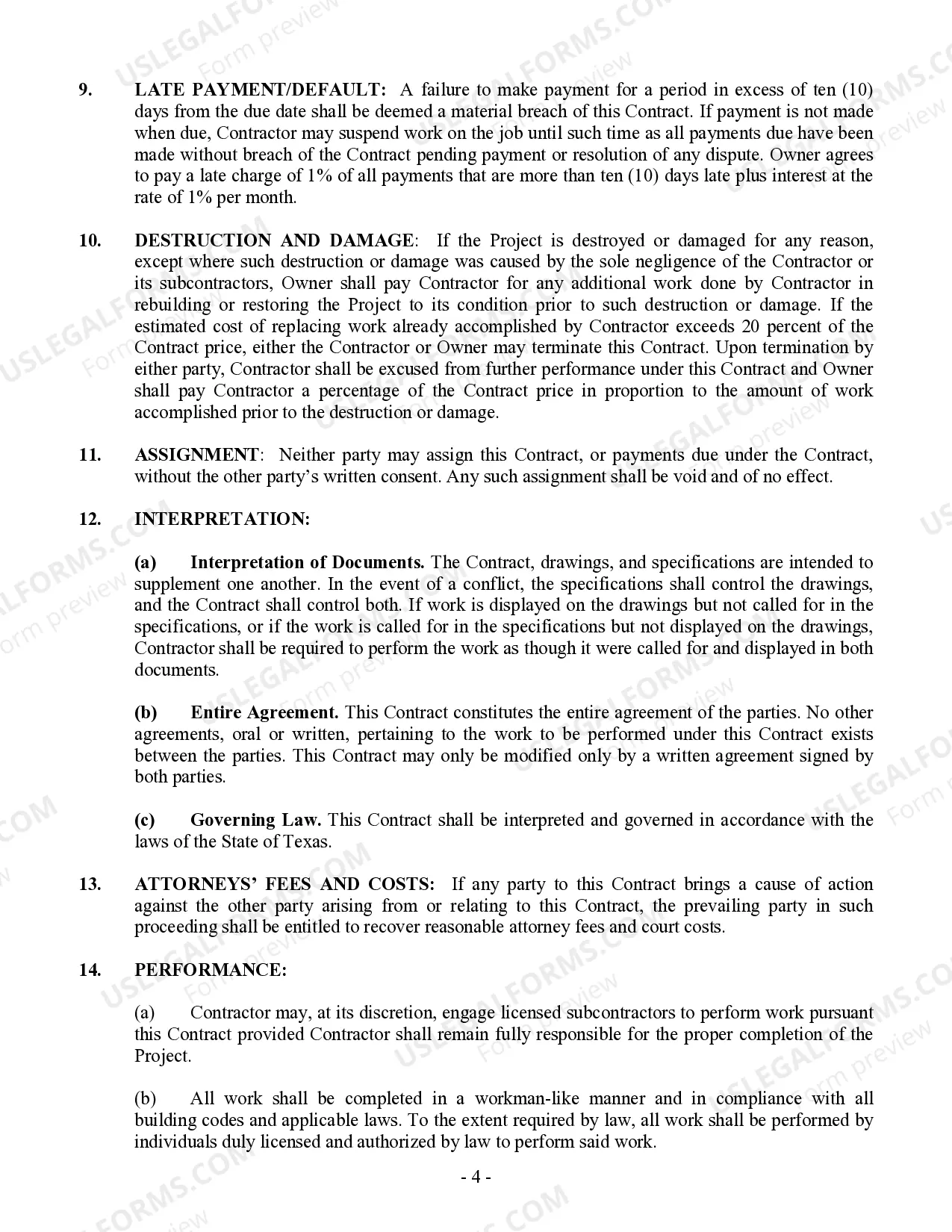
- Payment Terms: Outlines conditions for late payment and consequences of default.
- Destruction and Damage: Addresses what happens if the project is damaged or destroyed.
- Assignment: Prohibits assignment of the contract without mutual consent.


When this form is needed
This form should be used when a property owner engages an HVAC contractor to carry out heating, ventilation, or air conditioning work. It is applicable for both residential and commercial properties, whether the project involves installation, maintenance, or repair. Using this contract helps clarify expectations and protect the interests of both parties involved in the project.
Who needs this form
- HVAC Contractors: Professionals providing HVAC installation or maintenance services.
- Property Owners: Individuals or entities seeking HVAC services for their properties.
- Real Estate Developers: Those managing HVAC projects on newly constructed or renovated properties.
- Property Managers: Individuals responsible for overseeing maintenance and service contracts for properties.
How to complete this form
- Identify the parties: Clearly state the names and contact information of both the contractor and the property owner.
- Specify the work: Describe the HVAC services to be provided, including any specific equipment or materials to be used.
- Outline payment terms: Indicate the payment structure, whether it's a fixed fee or cost-plus arrangement, and state any retainage provisions.
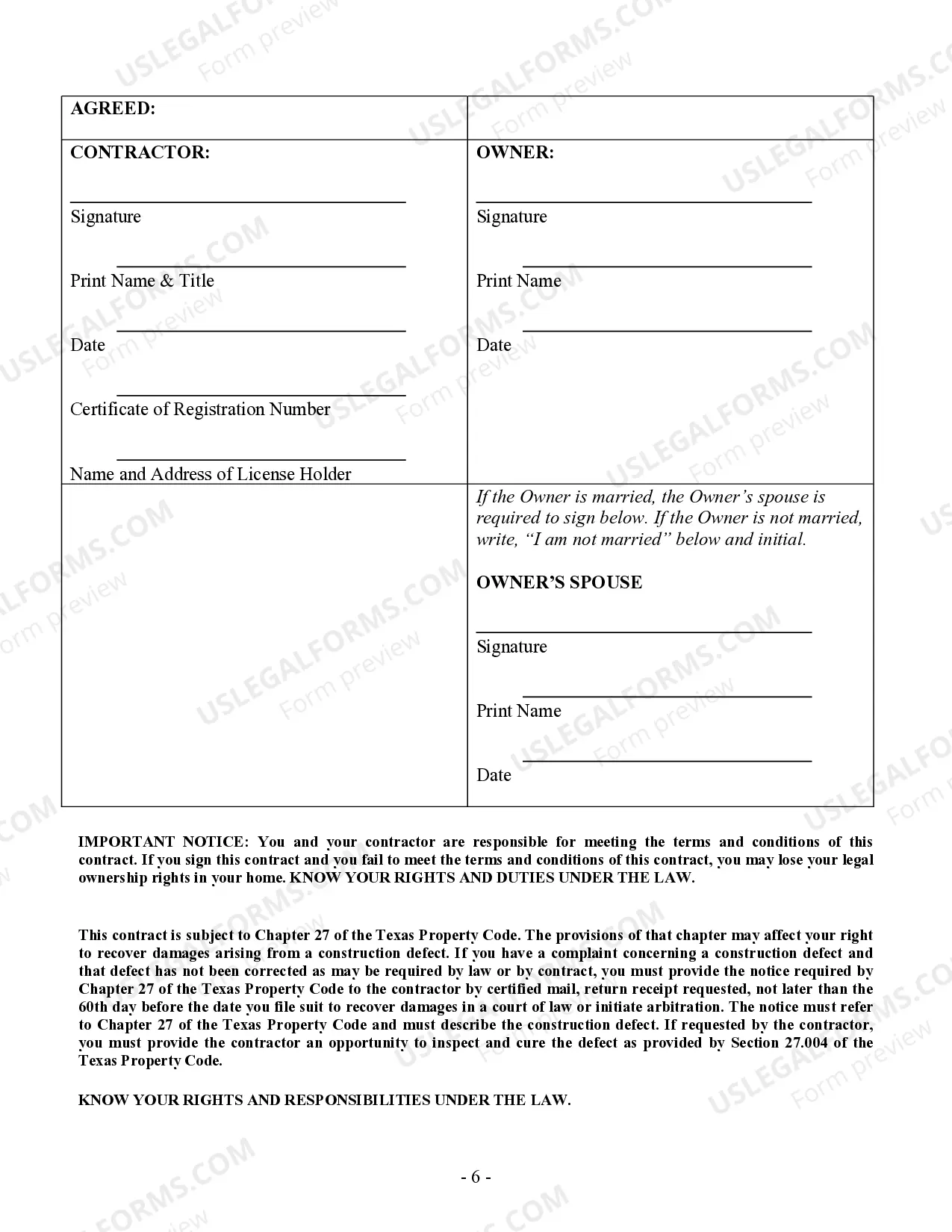
- Obtain signatures: Ensure both parties sign and date the contract, confirming their agreement to the terms outlined.
- Review insurance and permits: Attach or request documentation regarding the necessary insurance and permits required for the project.
Notarization guidance
This form does not typically require notarization unless specified by local law. However, it is advisable to have the document notarized to enhance its authenticity and legal standing in case disputes arise.
Get your form ready online
Our built-in tools help you complete, sign, share, and store your documents in one place.
Make edits, fill in missing information, and update formatting in US Legal Forms—just like you would in MS Word.
Download a copy, print it, send it by email, or mail it via USPS—whatever works best for your next step.
Sign and collect signatures with our SignNow integration. Send to multiple recipients, set reminders, and more. Go Premium to unlock E-Sign.
If this form requires notarization, complete it online through a secure video call—no need to meet a notary in person or wait for an appointment.
We protect your documents and personal data by following strict security and privacy standards.

Make edits, fill in missing information, and update formatting in US Legal Forms—just like you would in MS Word.

Download a copy, print it, send it by email, or mail it via USPS—whatever works best for your next step.

Sign and collect signatures with our SignNow integration. Send to multiple recipients, set reminders, and more. Go Premium to unlock E-Sign.

If this form requires notarization, complete it online through a secure video call—no need to meet a notary in person or wait for an appointment.

We protect your documents and personal data by following strict security and privacy standards.
Common mistakes
- Failing to specify the scope of work in detail, leading to misunderstandings.
- Not including the necessary permits or insurance requirements.
- Neglecting to document changes through signed change orders.
- Overlooking late payment terms which can lead to contractual disputes.
Why complete this form online
- Convenience: The form can be downloaded and completed at any time from the comfort of your home.
- Editability: Users can easily customize the form to meet their specific needs.
- Reliability: The form is drafted by licensed attorneys to ensure compliance with Texas law.
Legal use & context
- The contract helps clarify obligations and reduces potential legal conflicts between parties.
- Properly executed contracts serve as a legally binding agreement, enforceable in a court of law.
- All modifications should be documented through written change orders to maintain enforceability.
Key takeaways
- The HVAC Contract for Contractor is essential for defining roles in HVAC projects.
- Clearly outline the scope of work and payment terms to avoid misunderstandings.
- Ensure compliance with Texas laws and obtain legal assistance if needed.
Looking for another form?
Form popularity
FAQ
Painting the interior or exterior of a home. Repairing home siding. Cleaning/replacing/repairing windows. Repairing fences. Building and installing custom furniture. Fixing door screens and locks.
The Texas Department of Licensing and Regulation (TDLR) has the authority to regulate ACR licenses. The Air Conditioning and Refrigeration program regulates contractors who install, repair, or maintain systems related to air conditioning, refrigeration, or heating.
Do You Need a License in Texas to Become a Handyman? A license is not required to operate as a handyman in Texas, but specific jobs are an exception. Handyman contract jobs such as Plumbing and HVAC may need licensing, while others like simple repairs and aesthetic improvements may not.
Create an LLC. Get an EIN number. Setup a business checking account. Get handyman liability insurance. Download a handyman app or software to run your business. Get a contractor's license (optional depending on the type of work you want to do)
While you don't need a license to operate as a general contractor, you will need a license if you plan to undertake certain jobs. In Texas, electricians, plumbers, HVAC technicians, fire sprinkler installers, and well drilling/pump installation specialists must attain proper licenses.
Be at least 18 years old. Meet the necessary education or experience requirements. Hold the right license class and endorsements for the units you plan to service. Submit the application. Pass the exam. Pay the required fees. Submit proof of insurance.
Texas Handyman Limitations Most states put a financial limit on what you can do without a contractor's license usually limiting jobs to $500, $1,000, or even $3,000. However, in Texas, that isn't the case. There are currently no limits on job size for unlicensed contractors.
State regulators in Texas do not require you to have a general contractor license. However, you will need to check contractor license requirements in your city.
Be at least 18 years old. Meet the necessary education or experience requirements. Hold the right license class and endorsements for the units you plan to service. Submit the application. Pass the exam. Pay the required fees. Submit proof of insurance.