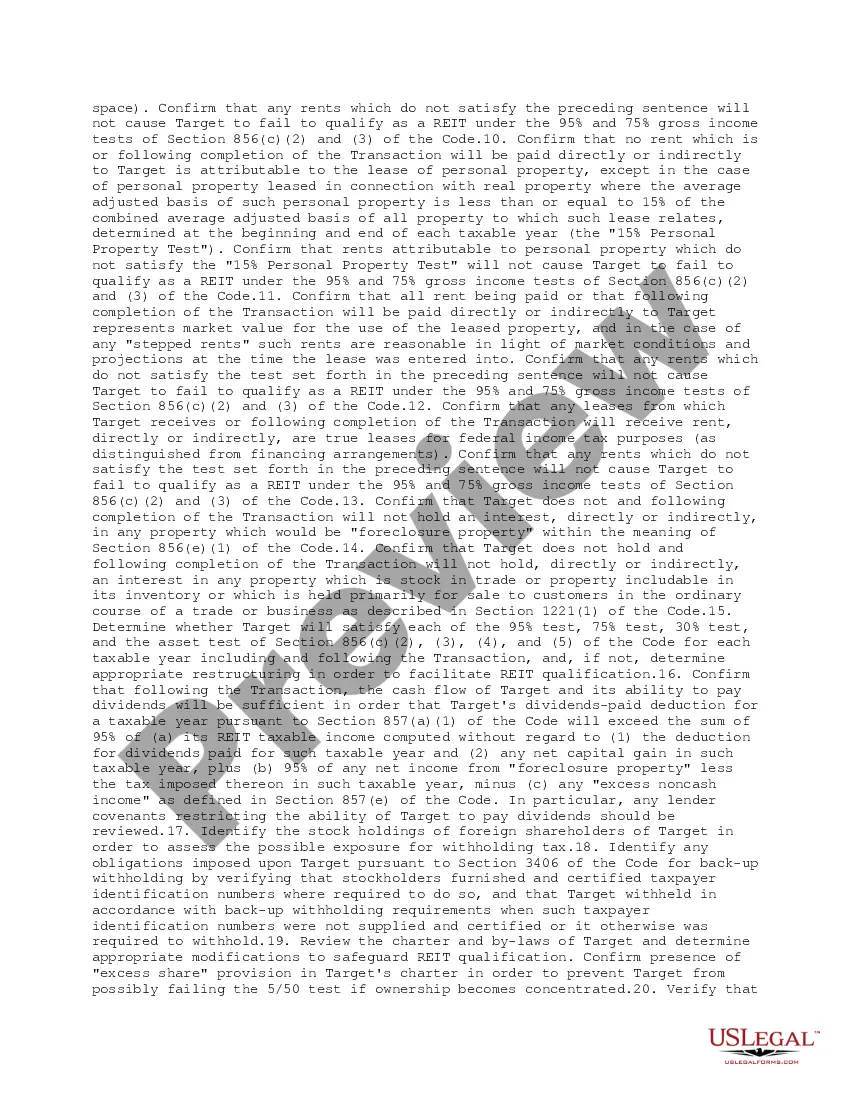
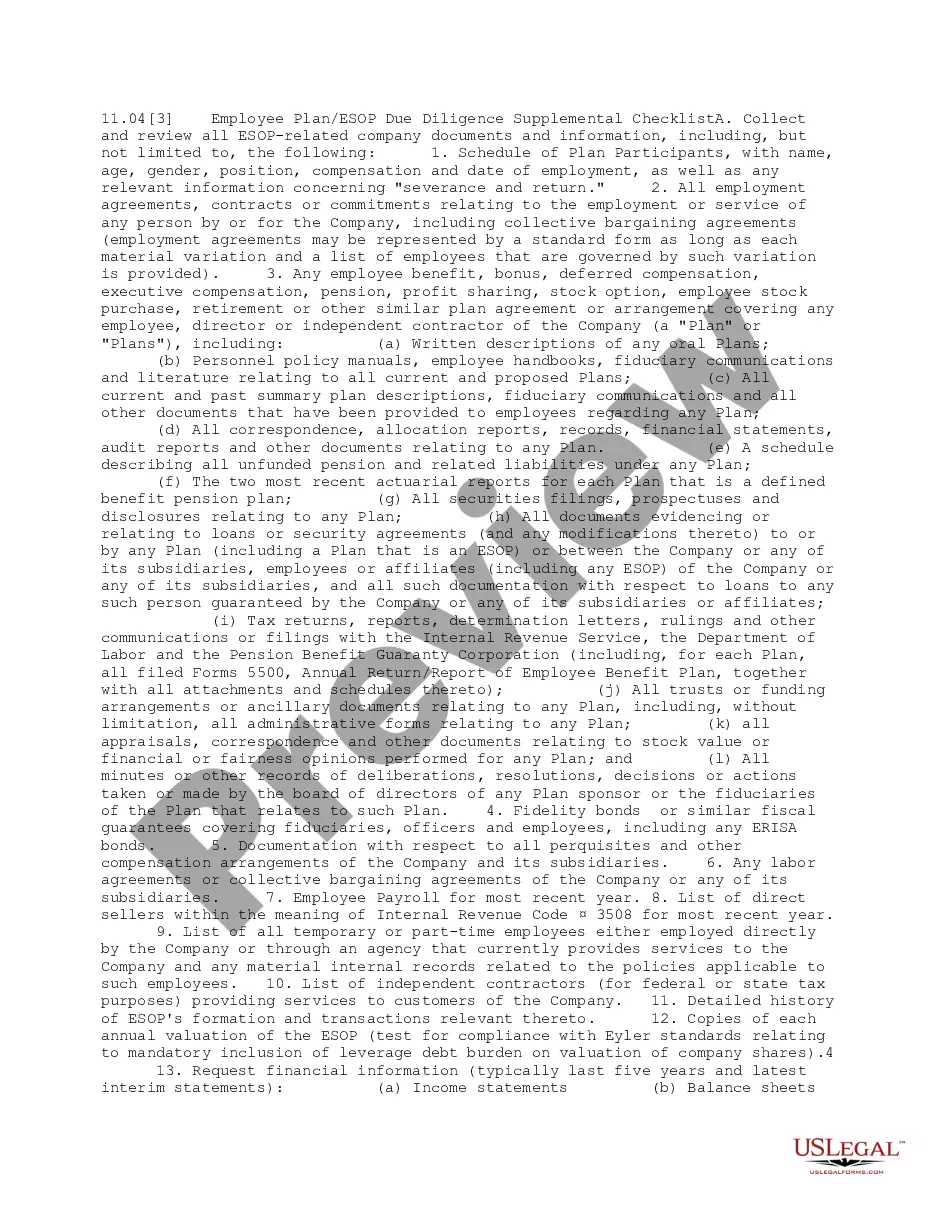
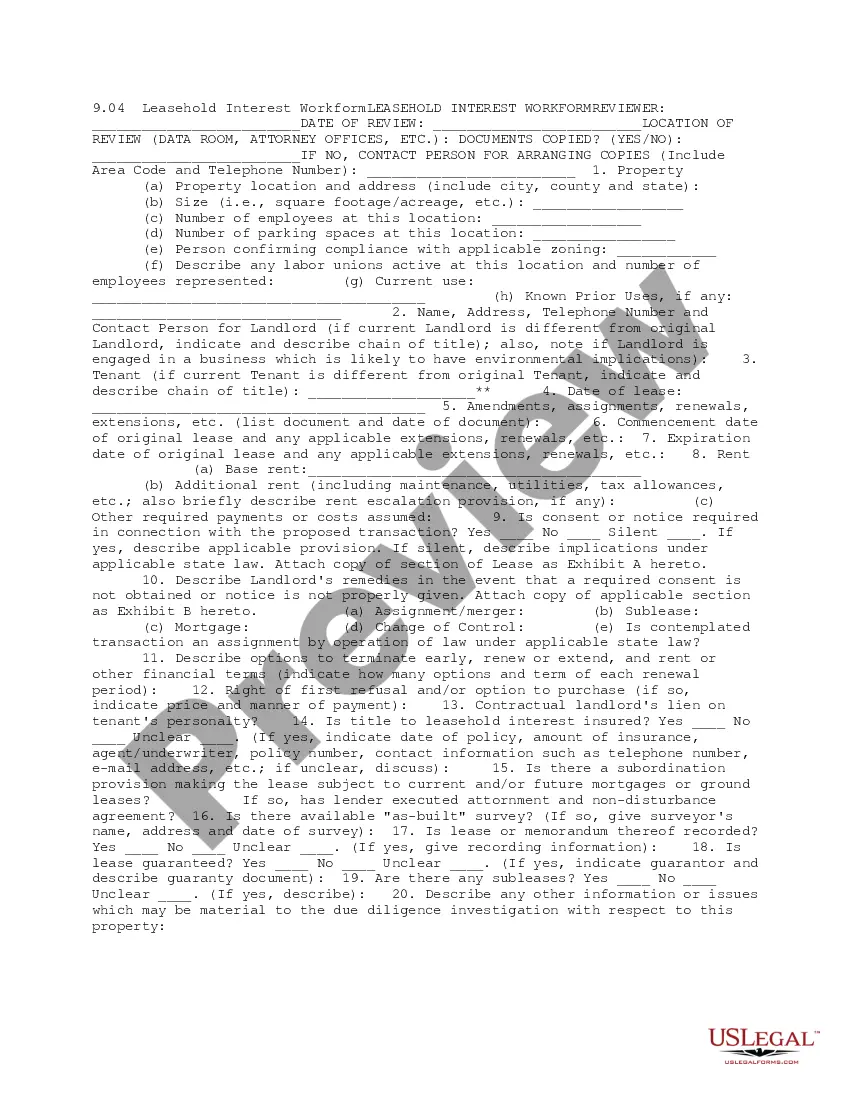
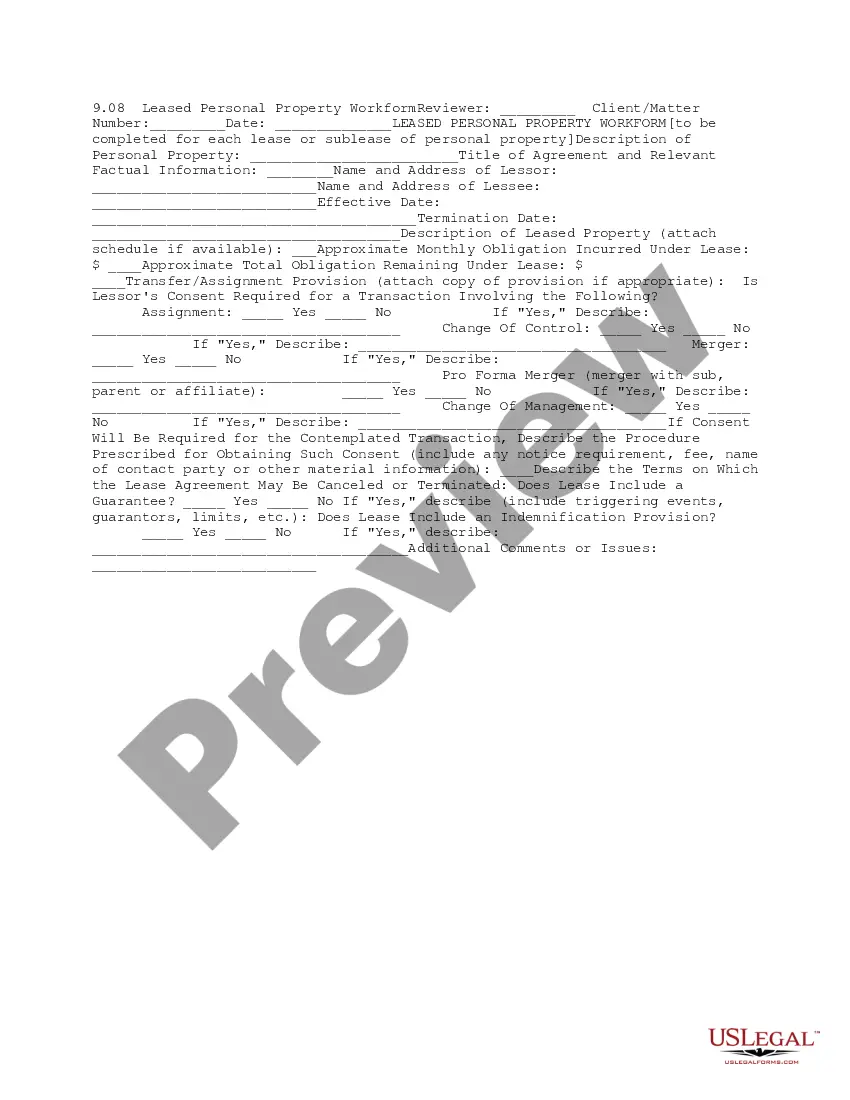
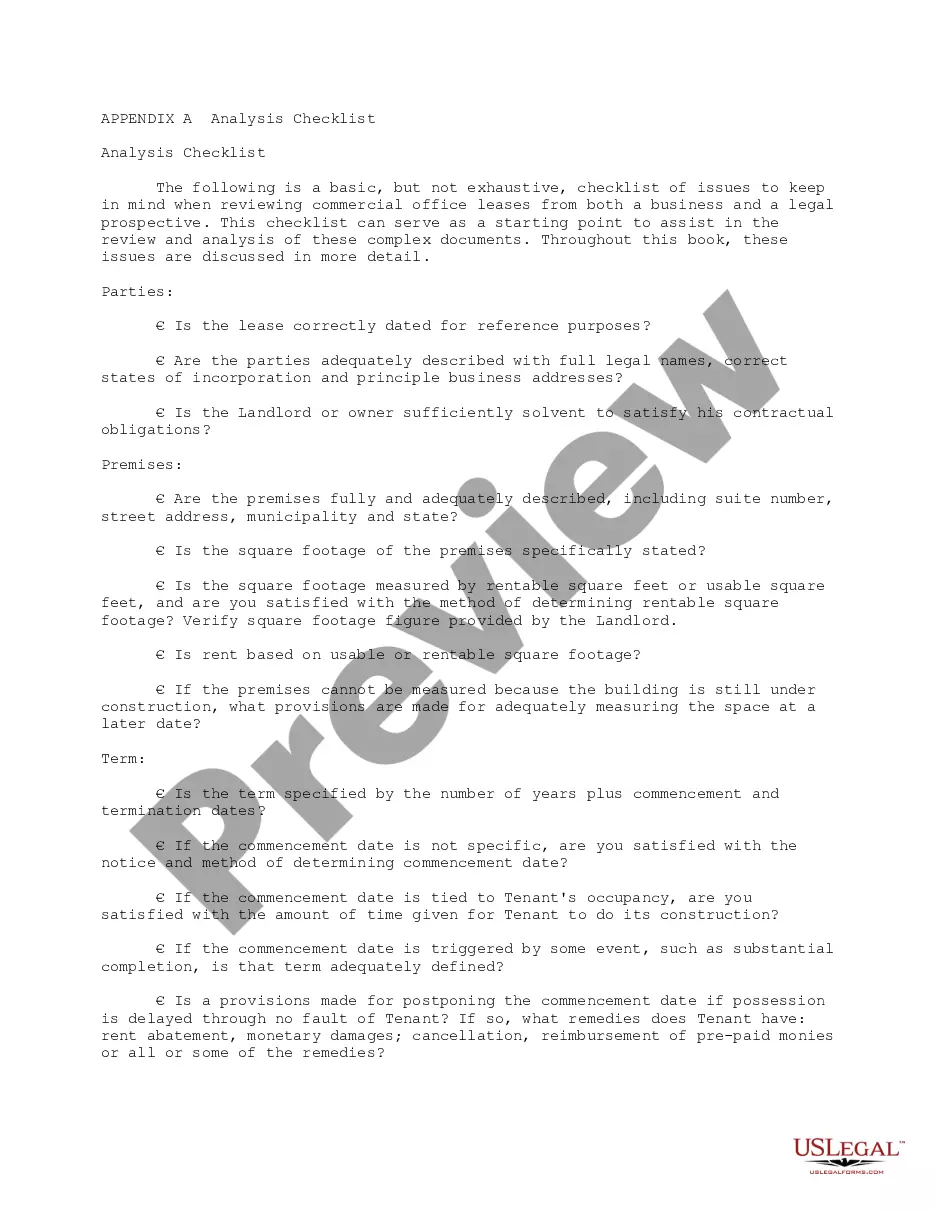
Tennessee Landlord Tenant Investment Trust REIT Due Diligence Supplemental Checklist
Description

How to fill out Landlord Tenant Investment Trust REIT Due Diligence Supplemental Checklist?
If you require to complete, acquire, or produce authentic document templates, utilize US Legal Forms, the largest collection of authentic forms, accessible online.
Make use of the site’s simple and convenient search to find the documents you need.
Numerous templates for business and personal purposes are categorized by groups and states or keywords.
Step 4. Once you have located the form you require, click on the Get now button. Choose your preferred pricing plan and enter your credentials to register for an account.
Step 5. Process the transaction. You may use your credit card or PayPal account to complete the purchase.
- Utilize US Legal Forms to find the Tennessee Landlord Tenant Investment Trust REIT Due Diligence Supplemental Checklist in just a few clicks.
- If you are an existing US Legal Forms user, Log In to your account and then click the Download button to access the Tennessee Landlord Tenant Investment Trust REIT Due Diligence Supplemental Checklist.
- You can also retrieve forms you previously saved within the My documents section of your account.
- If you are using US Legal Forms for the first time, refer to the guidelines below.
- Step 1. Ensure you have selected the form for the correct city/state.
- Step 2. Utilize the Preview option to review the form’s content. Don’t forget to check the description.
- Step 3. If you are dissatisfied with the form, use the Search field at the top of the screen to locate alternative versions of the legal form template.
Form popularity
FAQ
Investors in a Tennessee Landlord Tenant Investment Trust REIT can expect to receive a variety of important documents. Typically, these include offering memoranda, financial statements, property management agreements, and annual reports. Additionally, the Tennessee Landlord Tenant Investment Trust REIT Due Diligence Supplemental Checklist is a crucial tool that helps investors verify all necessary documents and assess the investment's viability. By utilizing this checklist, you ensure a thorough understanding of the investment landscape and make informed decisions.
Yes, Tennessee unclaimed property is legitimate and is handled by the state to safeguard the interests of its residents. The state maintains a secure process to manage and reunite owners with their lost funds. To navigate this properly, incorporating the Tennessee Landlord Tenant Investment Trust REIT Due Diligence Supplemental Checklist can aid in ensuring that you efficiently handle any unclaimed property relevant to your investment portfolio.
A due diligence letter for unclaimed property in Tennessee serves as a formal communication to inform individuals about funds that may be owed to them. This letter outlines the details of the property and provides necessary steps for retrieval. For investors, leveraging the Tennessee Landlord Tenant Investment Trust REIT Due Diligence Supplemental Checklist can enhance your awareness of unclaimed assets that may influence your financial decisions.
Yes, Tennessee does notify owners of unclaimed property. The state actively attempts to inform individuals about any unclaimed funds that belong to them. This notification process plays a crucial role in ensuring that the citizens of Tennessee can reclaim what rightfully belongs to them. To stay ahead, consider utilizing the Tennessee Landlord Tenant Investment Trust REIT Due Diligence Supplemental Checklist to assess any potential unclaimed property that may impact your investments.
Creating a due diligence checklist involves listing all necessary items for review, such as regulatory compliance, financial records, and property evaluations. Prioritize items based on relevance to your investment. The Tennessee Landlord Tenant Investment Trust REIT Due Diligence Supplemental Checklist offers a solid foundation to help you structure your own customized checklist effectively.
To perform a due diligence check, gather relevant documents, assess financial performance, and evaluate the legal framework of the investment. Conduct interviews with key stakeholders to gain insights. With the Tennessee Landlord Tenant Investment Trust REIT Due Diligence Supplemental Checklist, you can systematically address all crucial areas and avoid potential pitfalls.
To prepare a due diligence checklist, start by identifying key factors such as financials, legal documents, and property conditions. Ensure the checklist is tailored to your specific investment goals. Incorporating elements from the Tennessee Landlord Tenant Investment Trust REIT Due Diligence Supplemental Checklist can enhance your preparation and clarify important requirements.
The 3 P's of due diligence refer to People, Processes, and Product. Understanding the people involved, the processes in place, and the product being offered assists in making informed decisions. Utilizing the Tennessee Landlord Tenant Investment Trust REIT Due Diligence Supplemental Checklist can help you evaluate these aspects thoroughly.
To qualify for a Real Estate Investment Trust (REIT) status, you must meet specific criteria. First, your investment must primarily involve real estate, particularly rental properties or real estate interests. Additionally, at least 75% of your gross income should come from real estate-related sources, such as rents or mortgage interest. Lastly, using the Tennessee Landlord Tenant Investment Trust REIT Due Diligence Supplemental Checklist can guide you through compliance with these REIT requirements, ensuring you understand the nuances involved.