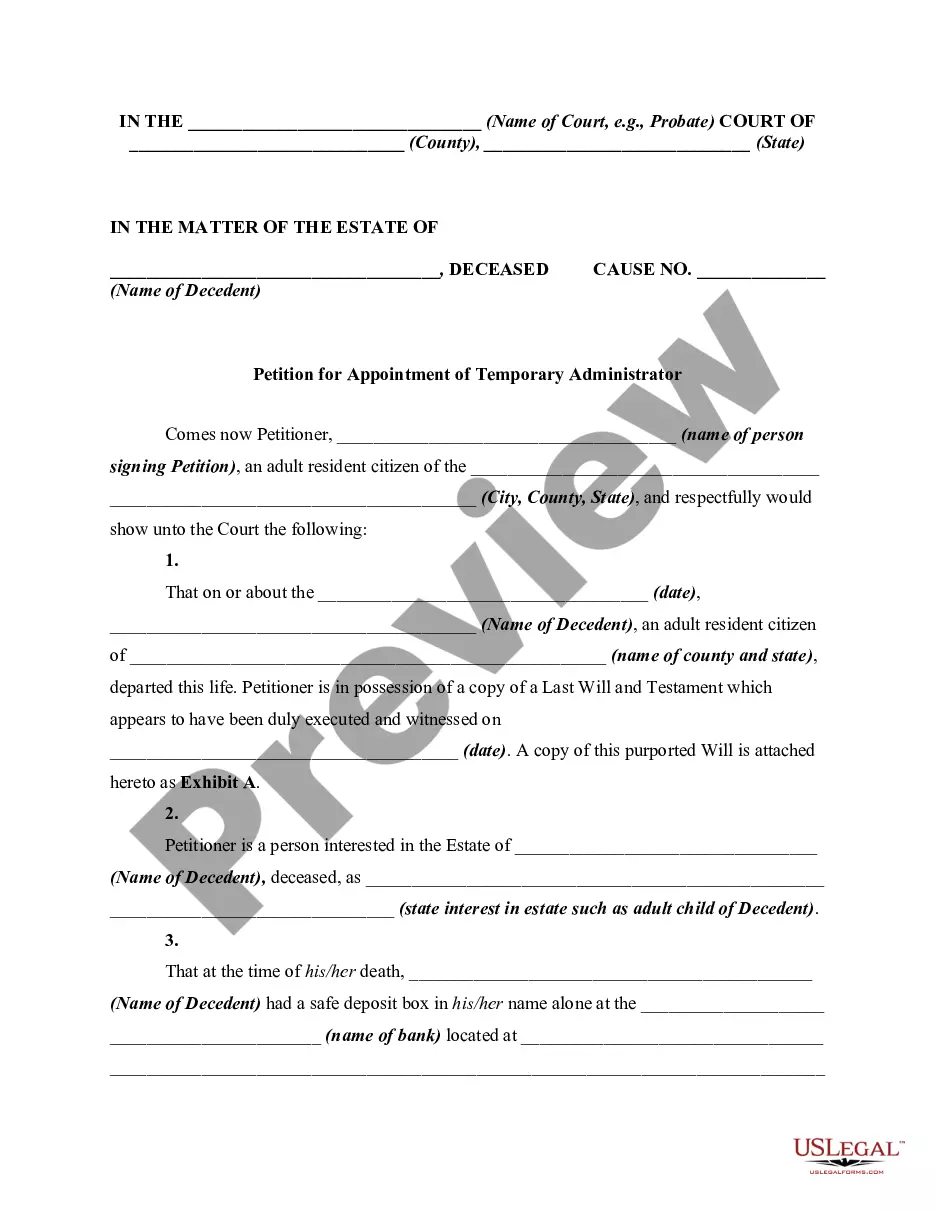
Tennessee Commercial Lease Agreement

Description
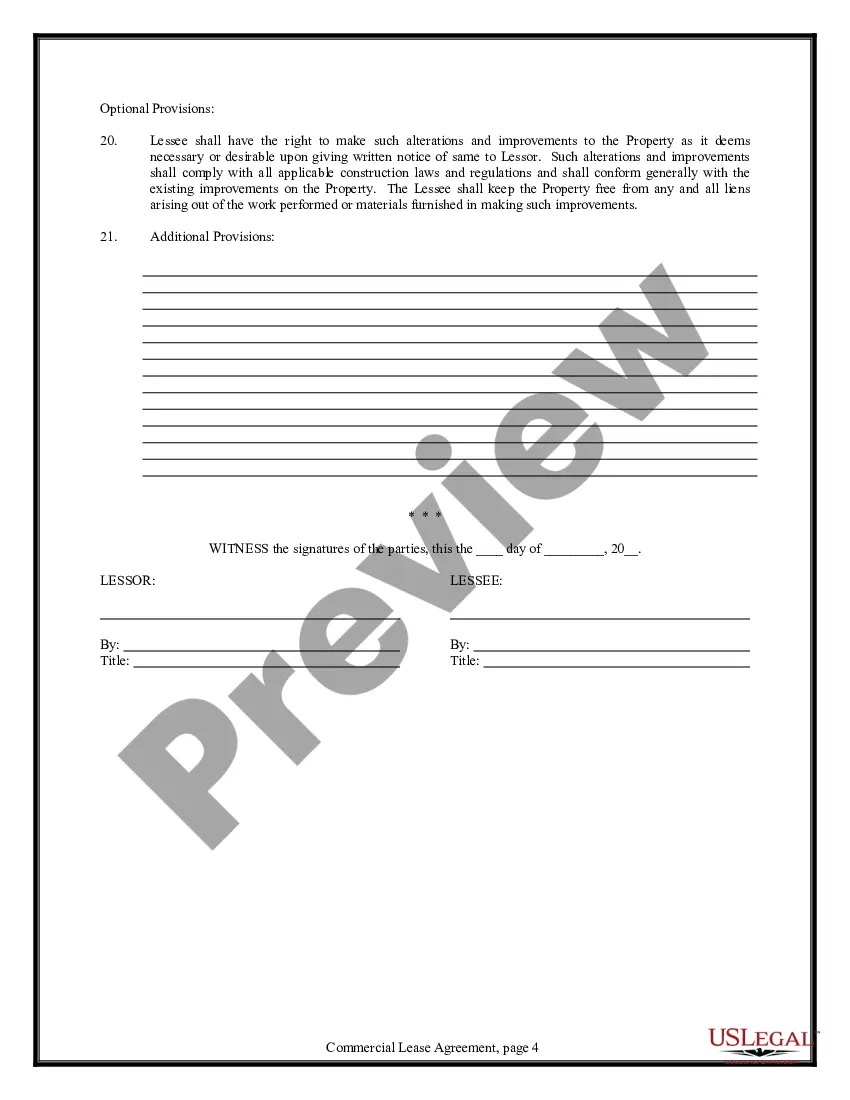
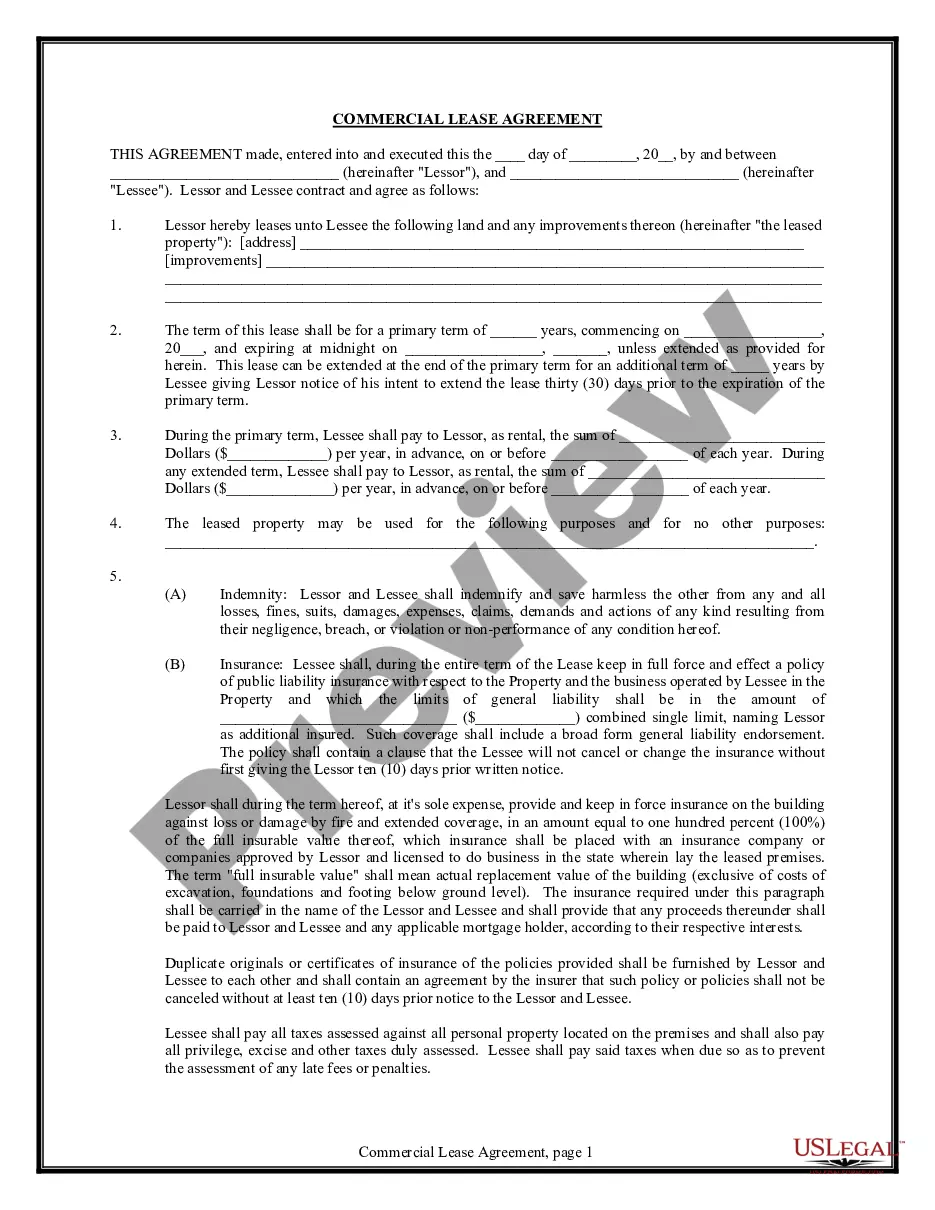
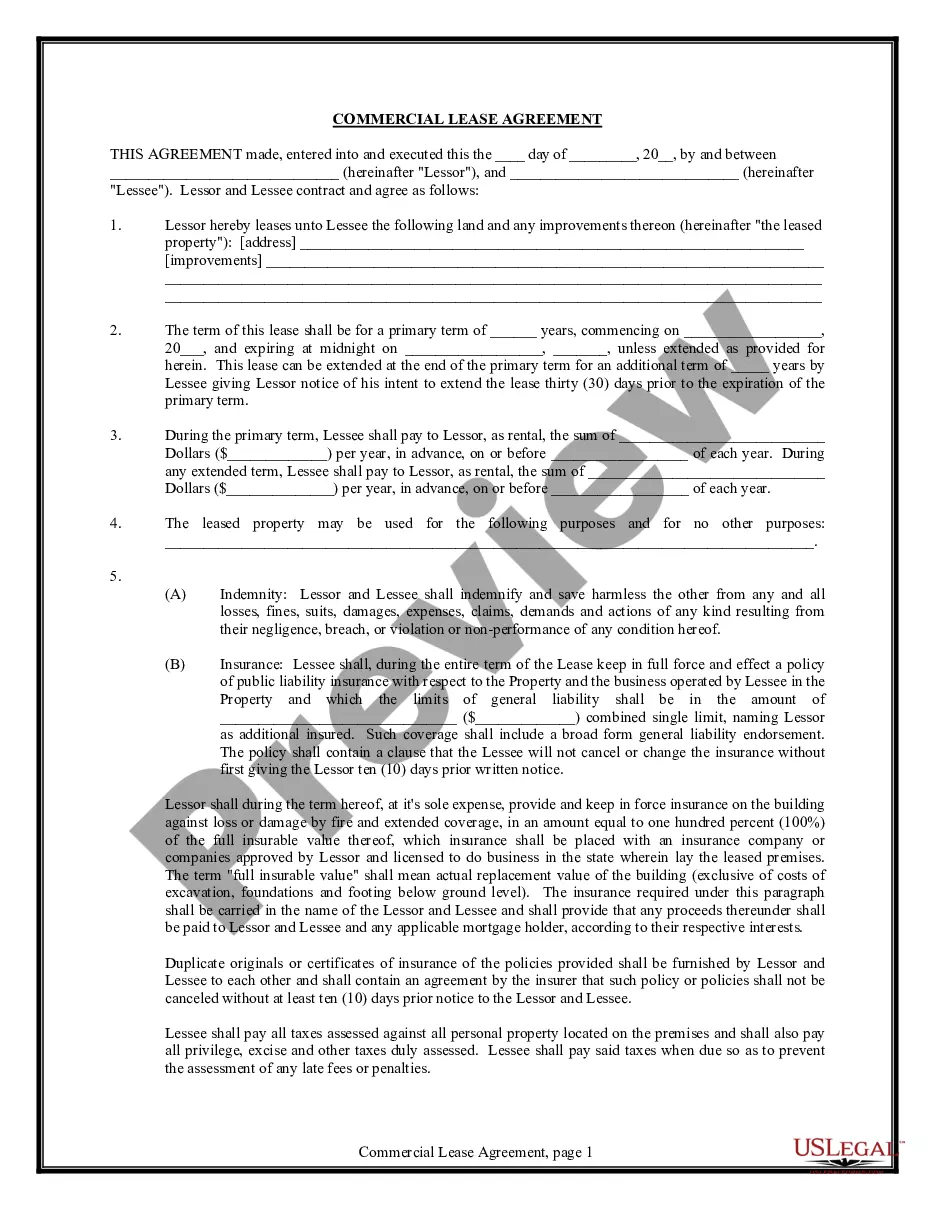
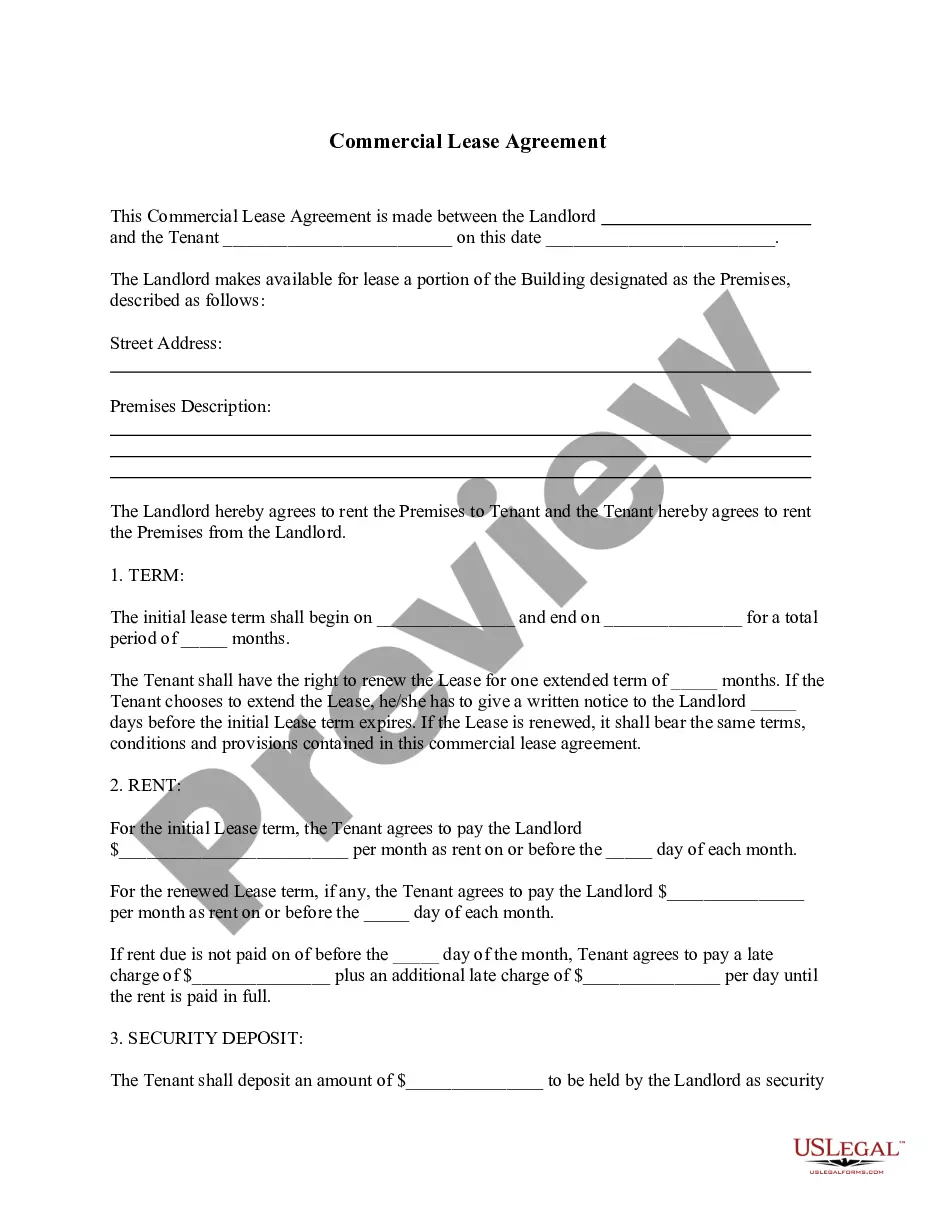
Get your form ready online
Our built-in tools help you complete, sign, share, and store your documents in one place.
Make edits, fill in missing information, and update formatting in US Legal Forms—just like you would in MS Word.
Download a copy, print it, send it by email, or mail it via USPS—whatever works best for your next step.
Sign and collect signatures with our SignNow integration. Send to multiple recipients, set reminders, and more. Go Premium to unlock E-Sign.
If this form requires notarization, complete it online through a secure video call—no need to meet a notary in person or wait for an appointment.
We protect your documents and personal data by following strict security and privacy standards.

Make edits, fill in missing information, and update formatting in US Legal Forms—just like you would in MS Word.

Download a copy, print it, send it by email, or mail it via USPS—whatever works best for your next step.

Sign and collect signatures with our SignNow integration. Send to multiple recipients, set reminders, and more. Go Premium to unlock E-Sign.

If this form requires notarization, complete it online through a secure video call—no need to meet a notary in person or wait for an appointment.

We protect your documents and personal data by following strict security and privacy standards.
Looking for another form?



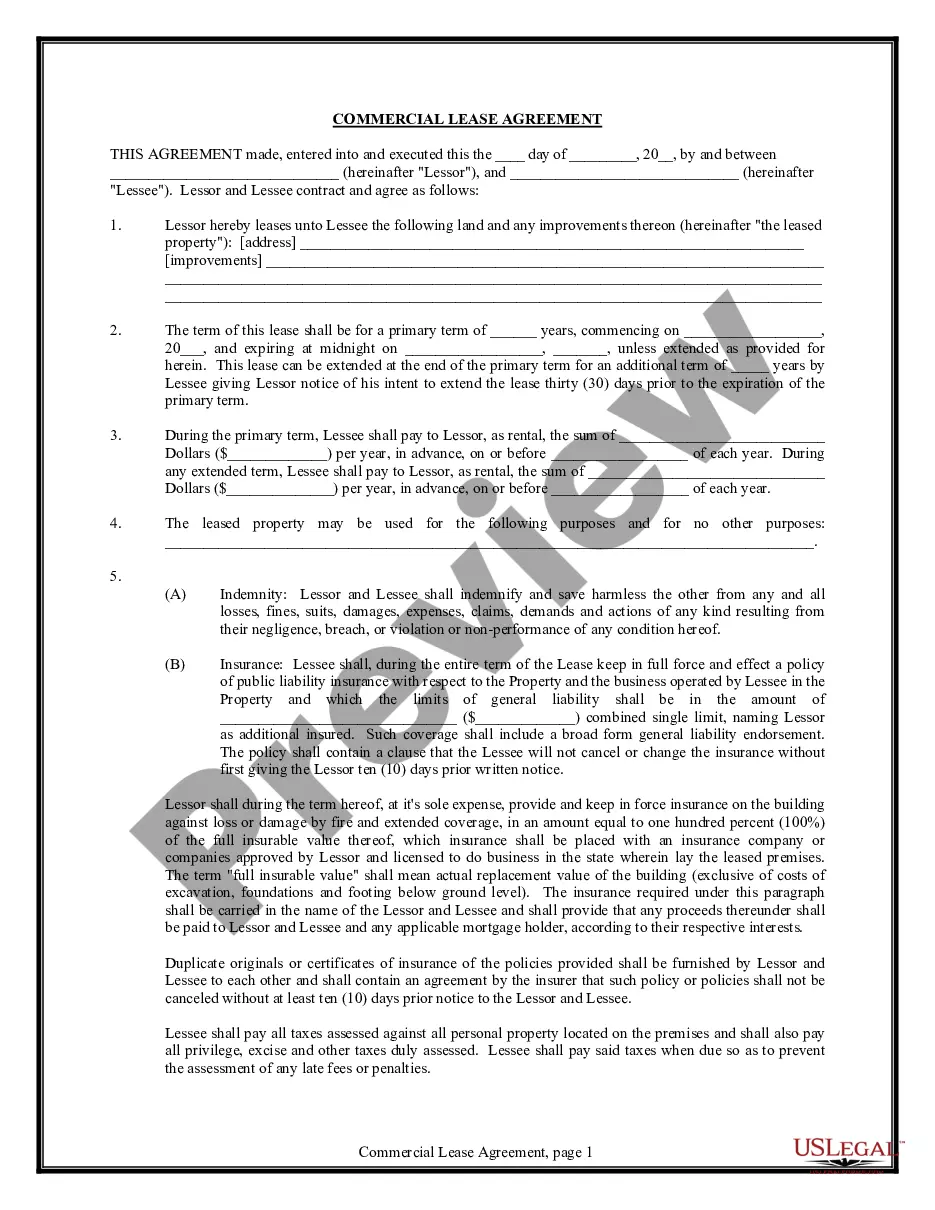
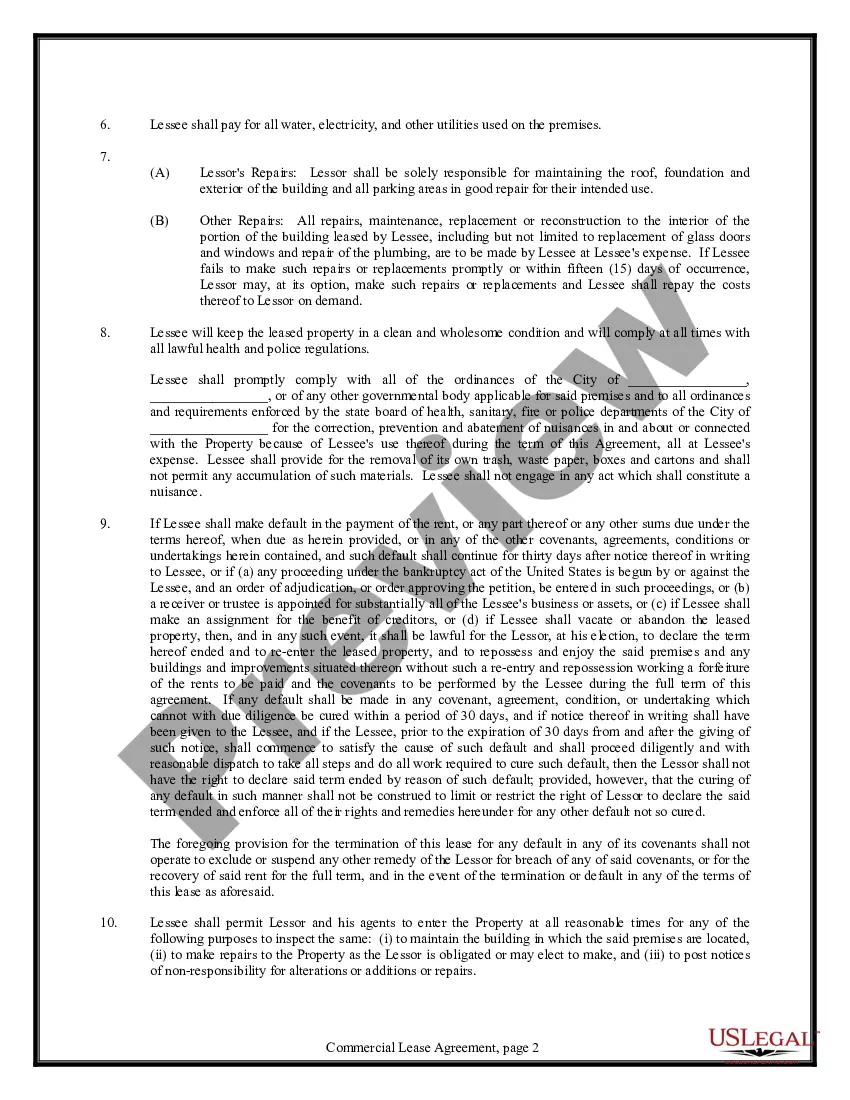
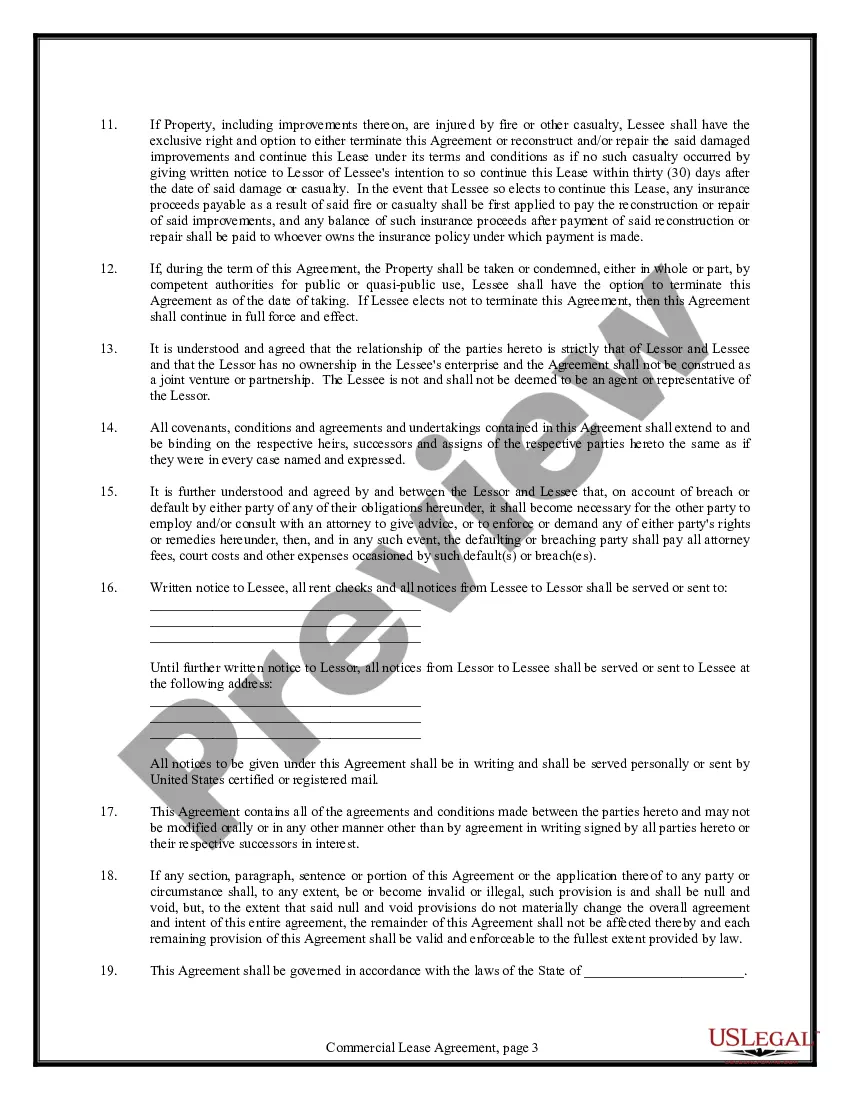
How to fill out Commercial Lease Agreement?
Locating the appropriate legitimate document template can be a challenging task. Naturally, there is a plethora of templates accessible online, but how will you obtain the authentic type you require? Utilize the US Legal Forms website. This service provides a vast array of templates, including the Tennessee Commercial Lease Agreement, that can be employed for both business and personal purposes. All documents are reviewed by specialists and comply with state and federal regulations.
If you are already registered, Log In to your account and click on the Download button to acquire the Tennessee Commercial Lease Agreement. Use your account to access the legitimate forms you have previously purchased. Navigate to the My documents section of your account to obtain another copy of the document you need.
If you are a new user of US Legal Forms, here are some straightforward instructions that you should follow.
Select the file format and download the legitimate document template to your device. Finalize, modify, print, and sign the received Tennessee Commercial Lease Agreement. US Legal Forms is the largest collection of legal templates where you can find various document formats. Utilize the service to acquire professionally crafted documents that adhere to state requirements.
- First, make sure you have selected the correct form for your location/region.
- You can browse the document using the Preview button and review the form details to ensure it is suitable for you.
- If the document does not meet your requirements, use the Search field to find the right form.
- Once you confirm that the document is appropriate, click on the Purchase now button to obtain the form.
- Choose the pricing plan you prefer and enter the required information.
- Create your account and complete the order using your PayPal account or credit card.
Form popularity
FAQ
Commercial leases are legally binding contracts between landlords and commercial tenants. They give tenants the right to use the premises in a particular way for a set period for an agreed rent. Your lease will establish your rights and responsibilities as a tenant, as well as those of your landlord.
Commercial tenants may have the protection of the Landlord and Tenant Act 1954. The Act grants Security of Tenure to tenants who occupy premises for business purposes. The tenancy will continue after the contractual termination date until it is ended in one of the ways specified by the Act.
Commercial Tenants:Tenants must pay their rent on the due date agreed on in the lease with the landlord. Tenants cannot hold back rent because a landlord has failed to fulfill their obligations as outlined in the lease. Tenants must fulfill their obligations as outlined by the lease agreement.
Landlords are prohibited from harassing or retaliating against tenants who exercise their legal rights. In Tennessee, the landlord must not terminate, refuse to renew a lease, or fine a tenant for complaining to the landlord regarding the deposit, complaining to a government agency, or exercising a legal right.
A lease is automatically void when it is against the law, such as a lease for an illegal purpose. In other circumstances, like fraud or duress, a lease can be declared void at the request of one party but not the other.
Landlords are normally responsible for any structural repairs needed to maintain commercial properties. This includes exterior walls, foundations, flooring structure and the roof.
In situations in which a tenant under a commercial lease is in default, landlords tempted to lock the tenant out or to repossess the property should proceed with due respect for a Tennessee statute that has been around since 1821. That statute is known as the forcible entry and detainer statute.
The responsibilities of landlord and tenant will be clearly set out in the lease. Normally commercial landlords are responsible for any structural repairs such as foundations, flooring, roof and exterior walls, and tenants are responsible for non-structural repairs such as air conditioning or plumbing.
Your landlord is responsible for any aspects of health and safety written in the lease (eg in communal areas). You must take reasonable steps to make sure your landlord fulfils these responsibilities. If you get into a dispute with your landlord, you need to keep paying rent - otherwise you may be evicted.
Nearly all commercial leases have a clause which will entitle the landlord to re-enter the property, re-take possession and change the locks in the case of rent arrears. It is important to note that you cannot force your way into the premises and take it over.