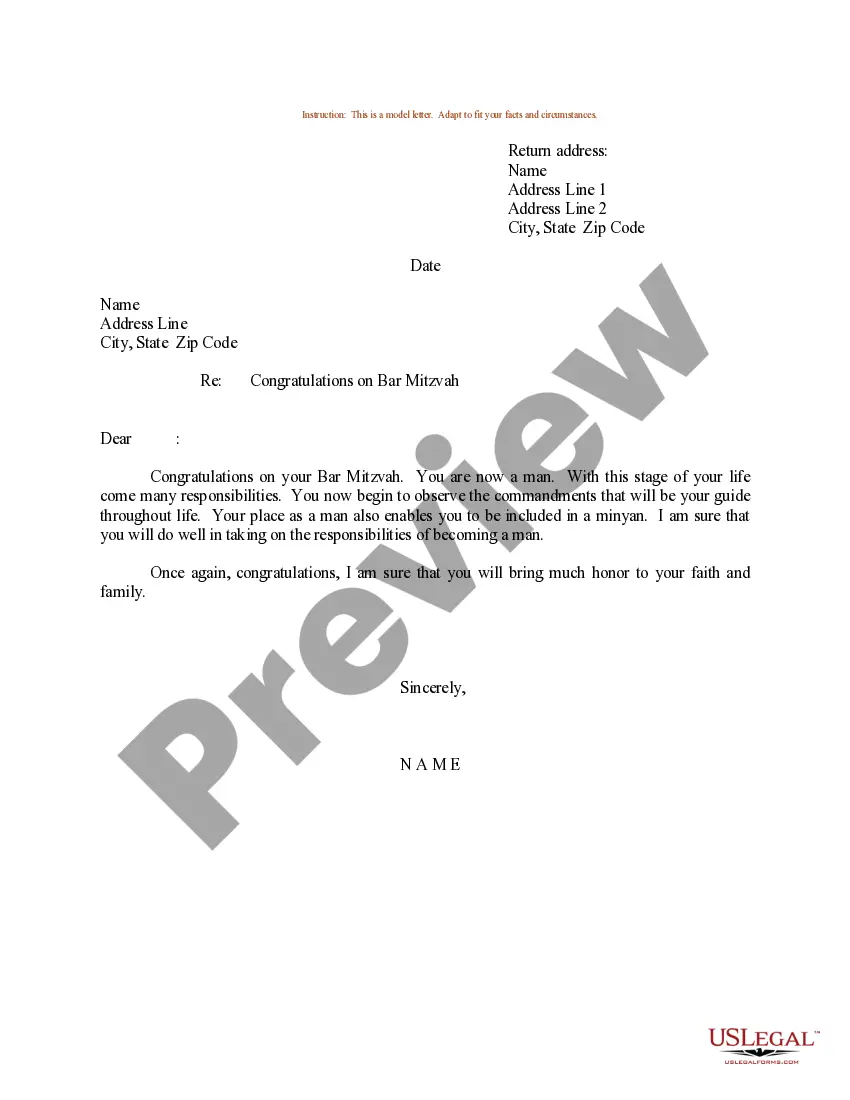
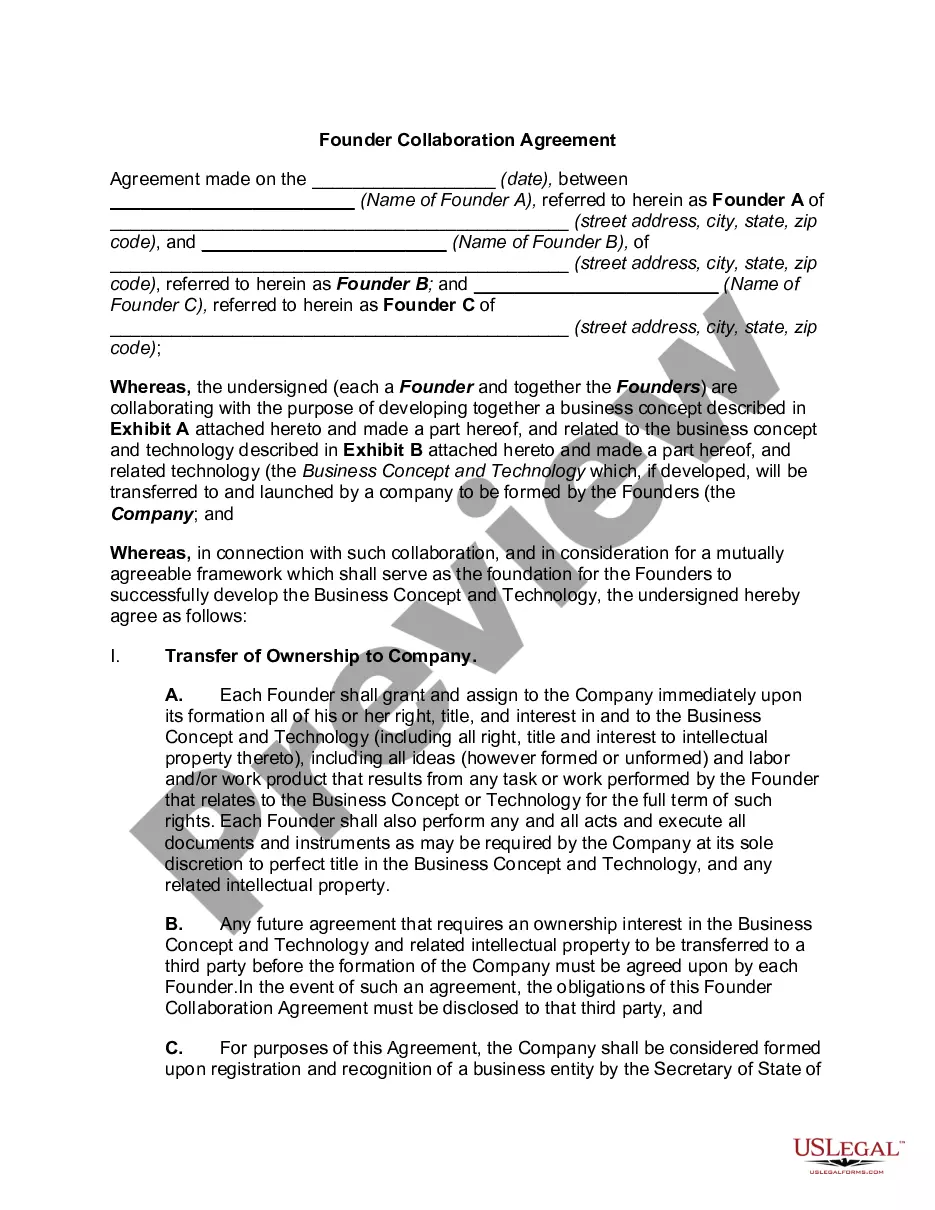
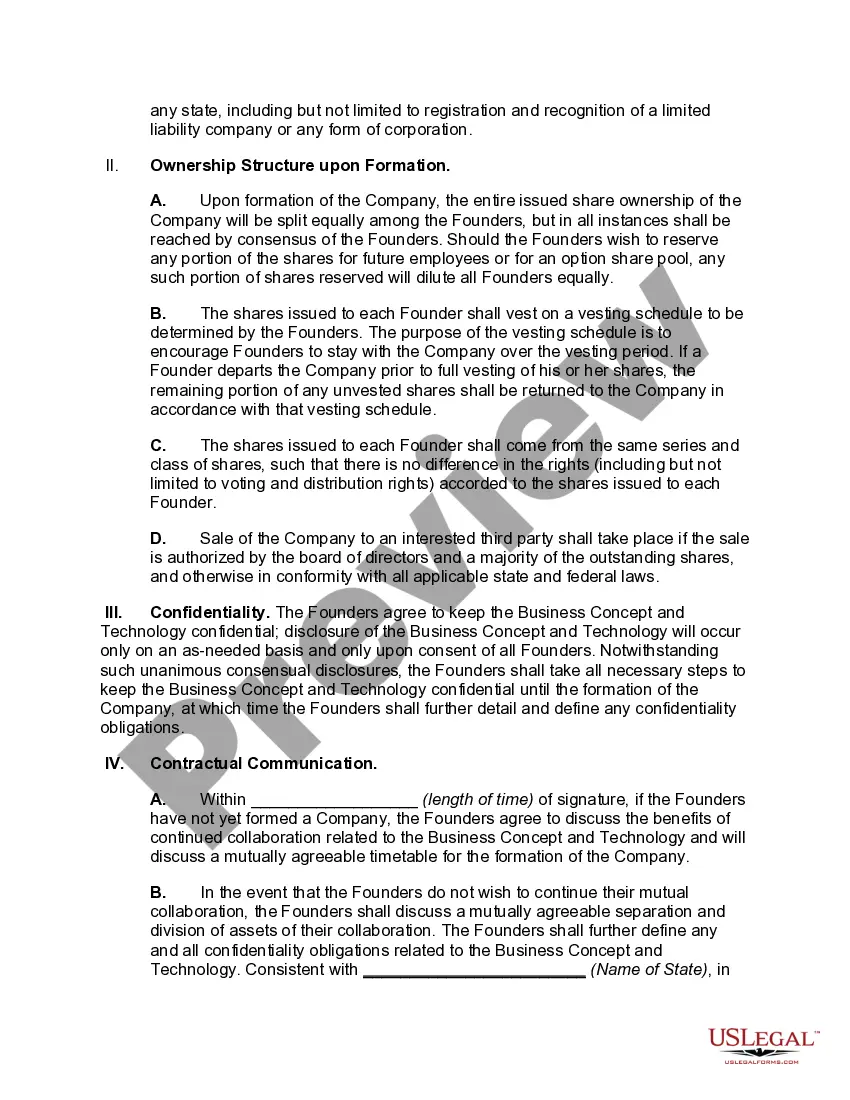
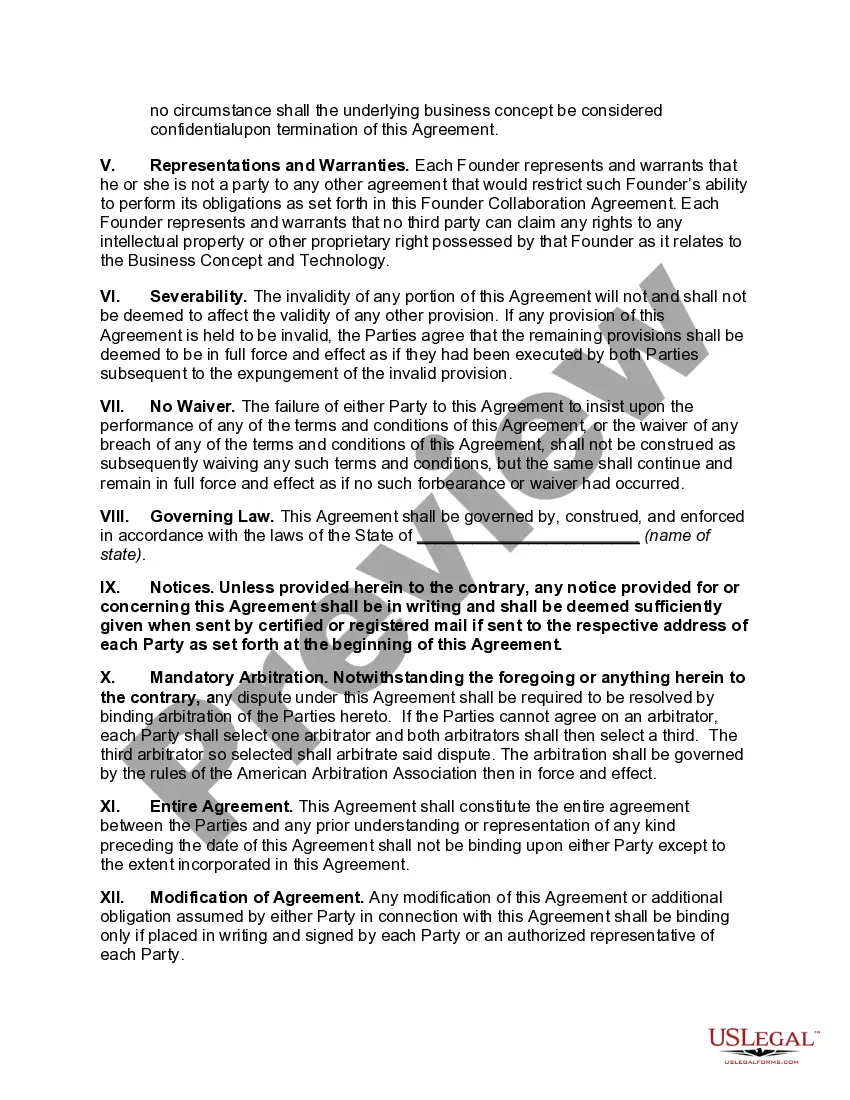
Tennessee Founder Collaboration Agreement
Description
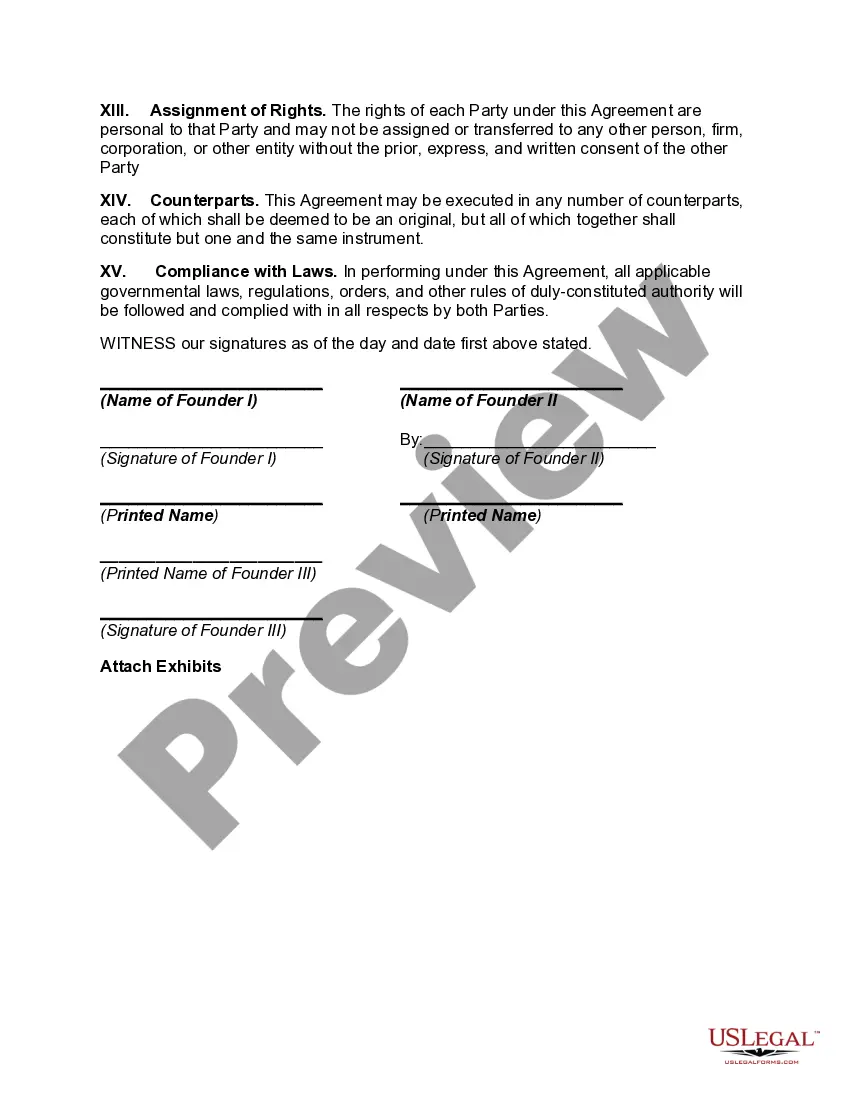
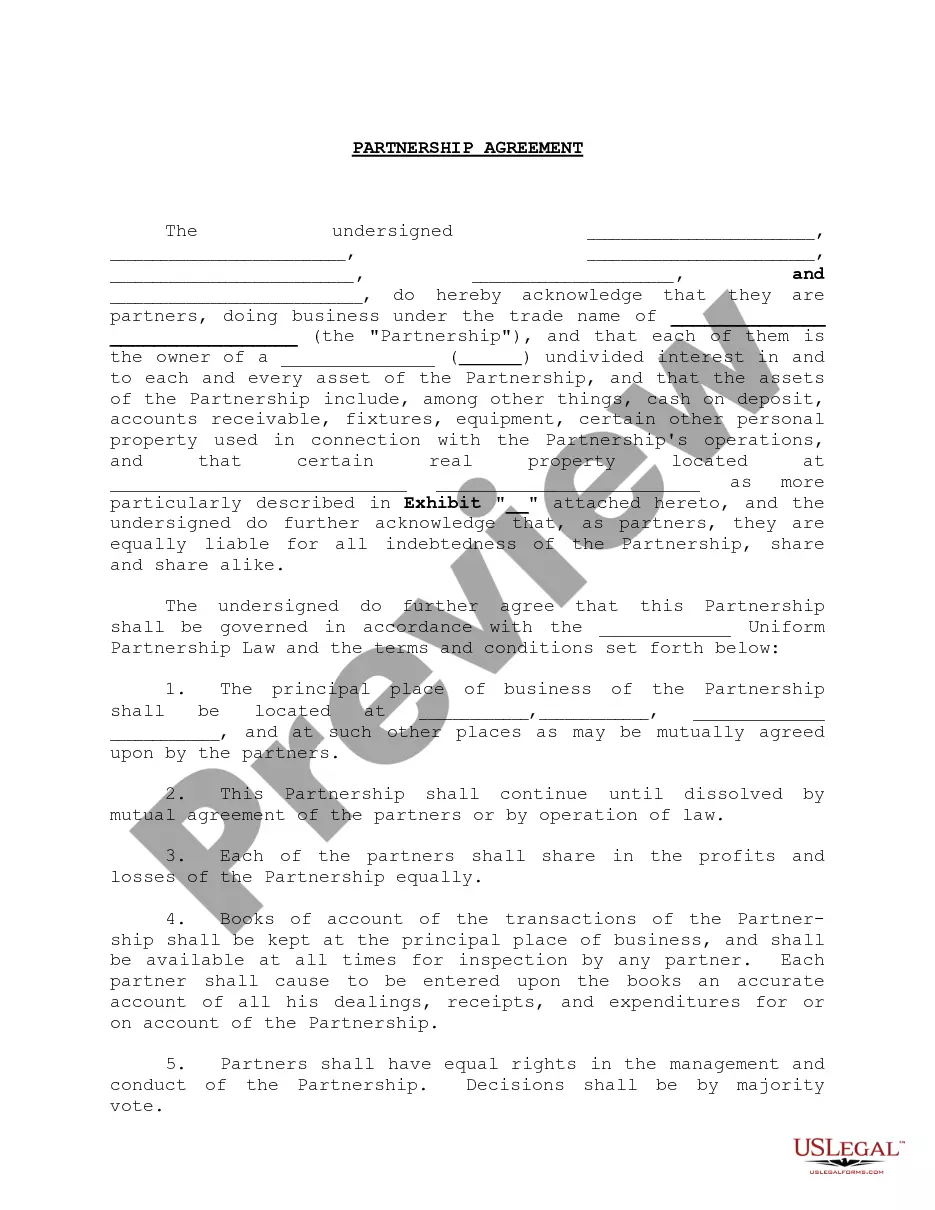
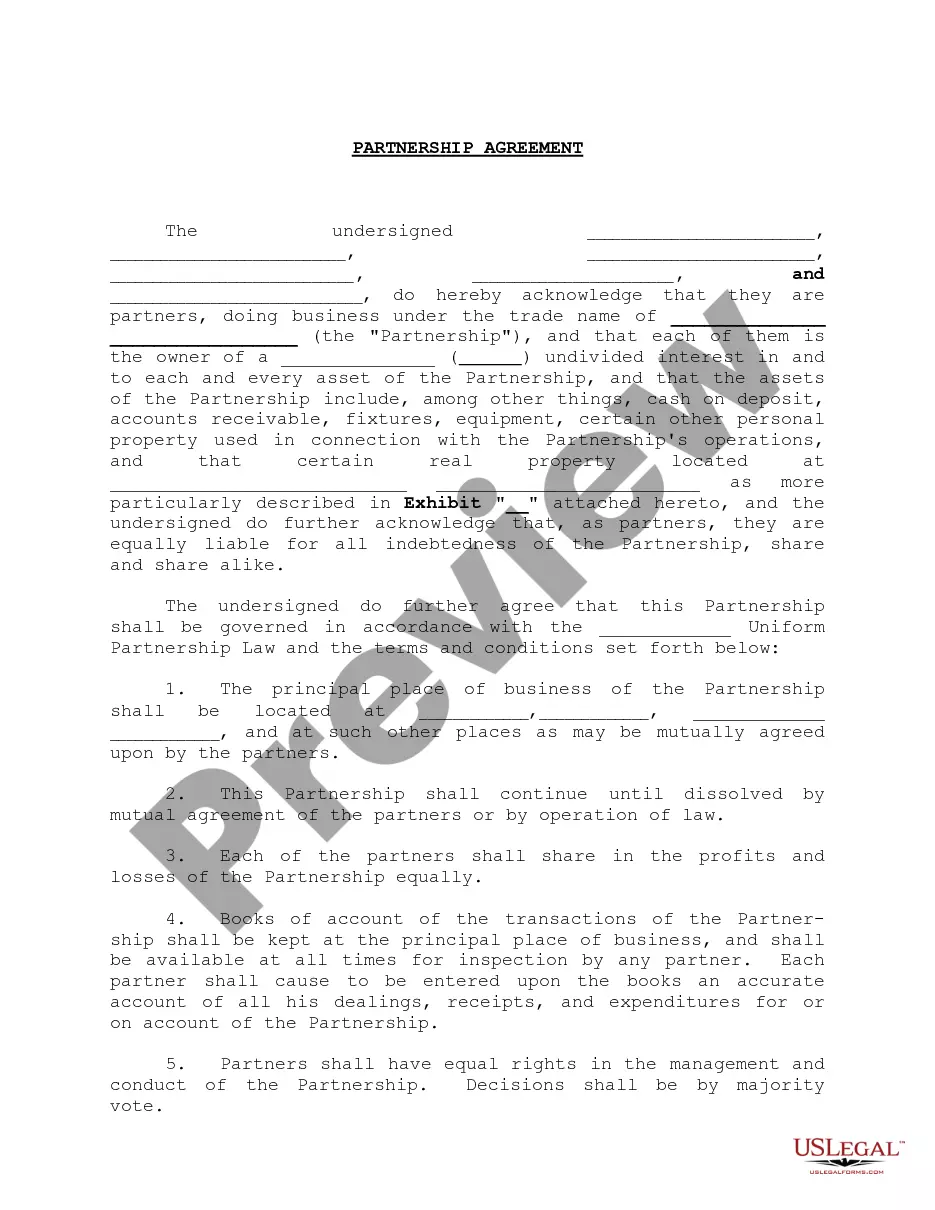
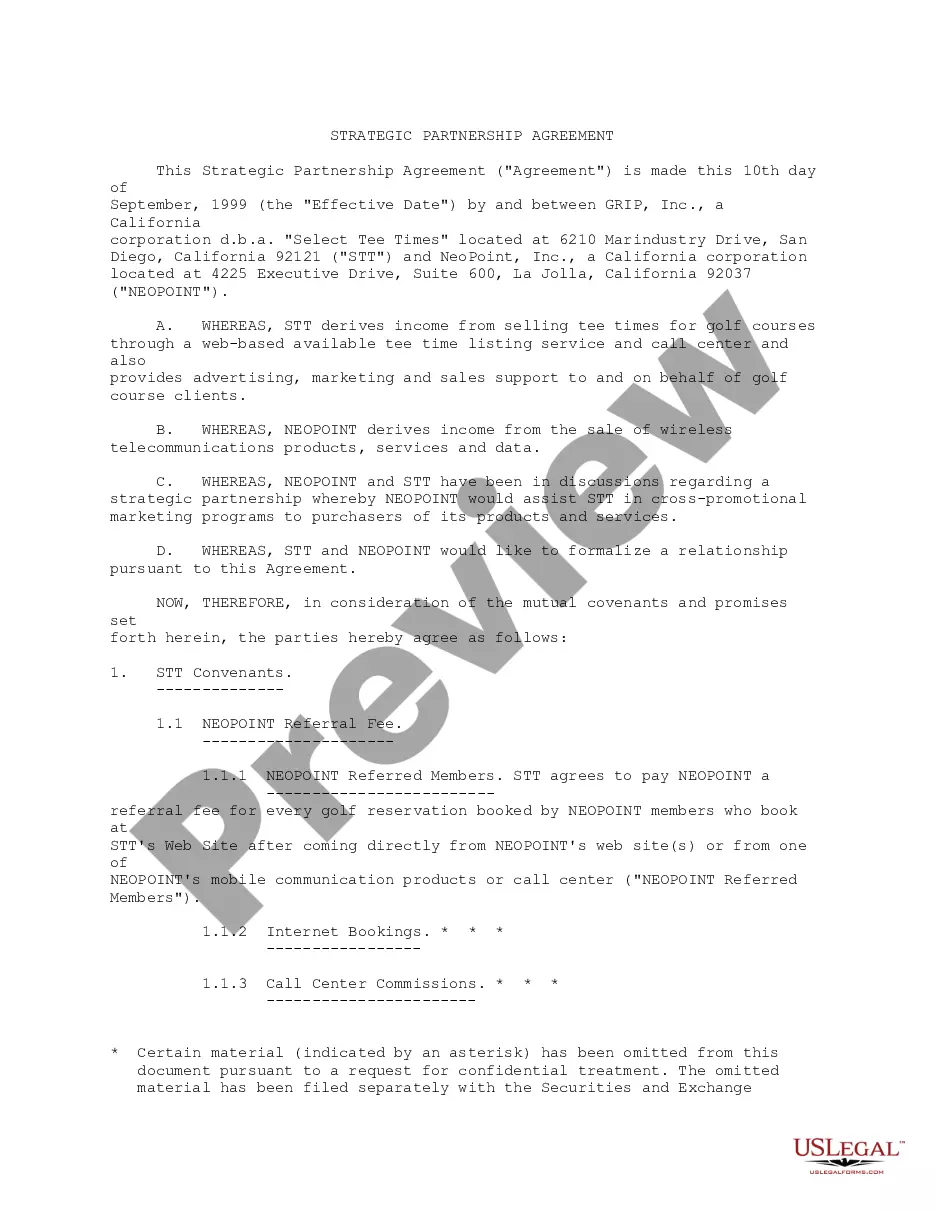
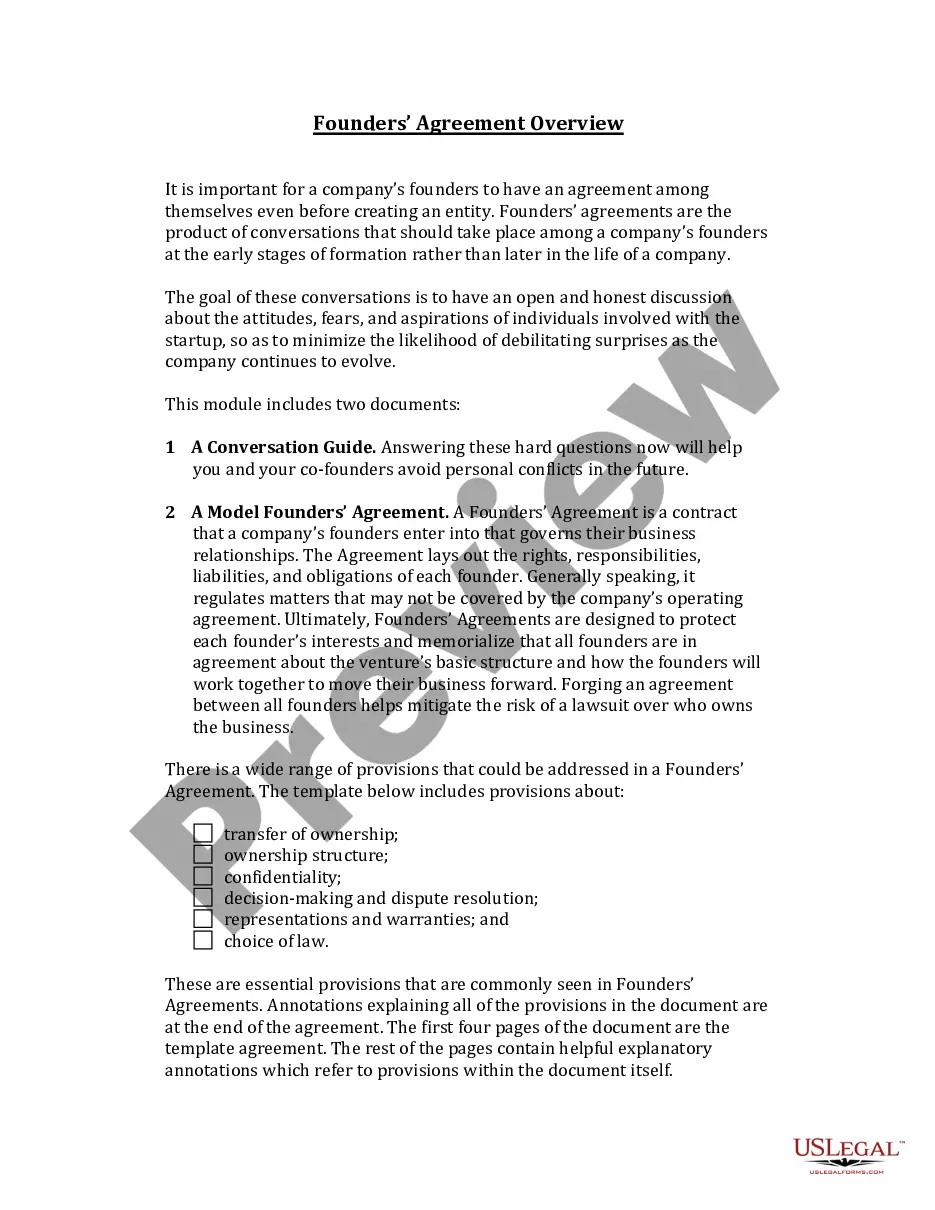
Get your form ready online
Our built-in tools help you complete, sign, share, and store your documents in one place.
Make edits, fill in missing information, and update formatting in US Legal Forms—just like you would in MS Word.
Download a copy, print it, send it by email, or mail it via USPS—whatever works best for your next step.
Sign and collect signatures with our SignNow integration. Send to multiple recipients, set reminders, and more. Go Premium to unlock E-Sign.
If this form requires notarization, complete it online through a secure video call—no need to meet a notary in person or wait for an appointment.
We protect your documents and personal data by following strict security and privacy standards.

Make edits, fill in missing information, and update formatting in US Legal Forms—just like you would in MS Word.

Download a copy, print it, send it by email, or mail it via USPS—whatever works best for your next step.

Sign and collect signatures with our SignNow integration. Send to multiple recipients, set reminders, and more. Go Premium to unlock E-Sign.

If this form requires notarization, complete it online through a secure video call—no need to meet a notary in person or wait for an appointment.

We protect your documents and personal data by following strict security and privacy standards.
Looking for another form?



How to fill out Founder Collaboration Agreement?
Locating the appropriate legal document format might be a challenge. Naturally, there are numerous templates available on the web, but how do you find the legal form you need? Make use of the US Legal Forms site. The service offers thousands of templates, including the Tennessee Founder Collaboration Agreement, which can be utilized for both business and personal purposes. All forms are vetted by professionals and meet state and federal regulations.
If you are already registered, sign in to your account and then click the Download button to acquire the Tennessee Founder Collaboration Agreement. Use your account to browse the legal forms you have downloaded previously. Navigate to the My documents tab in your account and retrieve an additional copy of the document you require.
If you are a new user of US Legal Forms, here are some simple tips you can follow: First, make sure you have chosen the correct form for your region/state. You can review the form using the Preview button and examine the form description to ensure it is suitable for you. If the form does not meet your expectations, use the Search field to find the appropriate form. Once you are certain that the form is accurate, click on the Buy now button to obtain the document. Select the pricing plan you prefer and enter the necessary information. Create your account and pay for the order using your PayPal account or credit card. Choose the file format and download the legal document format to your device. Complete, modify, and print and sign the acquired Tennessee Founder Collaboration Agreement.
- Ensure you have chosen the correct form for your region/state.
- Check the form using the Preview button.
- Examine the form description to verify it is right for you.
- Utilize the Search field if the form does not meet your needs.
- Click Buy now to acquire the document.
- Select your preferred pricing plan.
Form popularity
FAQ
A basic co-founder agreement outlines key aspects such as ownership structure, roles, and responsibilities among founders. This type of agreement helps prevent misunderstandings and ensures transparency. By utilizing a specialized Tennessee Founder Collaboration Agreement, you can ensure that all crucial elements are addressed, fostering a strong partnership right from the start.
The startup founders should sign employment agreements (typically, an offer letter coupled with a proprietary information and invention assignment agreement or PIIA) that set forth a wage that complies with federal and state wage and hour laws.
How To Write a Partnership Agreement Step by StepStep 1 : Give your partnership agreement a title.Step 2 : Outline the goals of the partnership agreement.Step 3 : Mention the duration of the partnership.Step 4 : Define the contribution amounts of each partner (cash, property, services, etc.).More items...?
What Should be Included in a Founders Agreement?Names of Founders and Company. This one is pretty non-negotiable.Ownership Structure.The Project.Initial Capital and Additional Contributions.Expenses and Budget.Taxes.Roles and Responsibilities.Management and Legal Decision-Making, Operating, and Approval Rights.More items...
These are the steps you can follow to write a partnership agreement:Step 1 : Give your partnership agreement a title.Step 2 : Outline the goals of the partnership agreement.Step 3 : Mention the duration of the partnership.Step 4 : Define the contribution amounts of each partner (cash, property, services, etc.).More items...?
Each founder should sign a subscription agreement (often alternatively called a stock purchase agreement) with the company to purchase their shares of stock. The purchase price is usually nominal; often less than a penny per share.
What to Include in Your Partnership AgreementName of the partnership. One of the first things you must do is agree on a name for your partnership.Contributions to the partnership.Allocation of profits, losses, and draws.Partners' authority.Partnership decision making.
A founders' agreement is an essential document that sets out various expectations and commitments between the founders in your startup. It deals with issues such as issuance of equity shares, vesting of those shares and what happens to those shares if a founder does not live up to expectations, leave or be terminated.
These key issues cover three really important areas: the roles and responsibilities of the founding team, equity ownership and vesting and IP ownership.
Investors claim 20-30% of startup shares, while founders should have over 60% in total. You may also leave some available pool (5%), but don't forget to allocate 10% to employees. Based on the most outstanding skills of co-founders, define your roles clearly within the company and assign job titles.