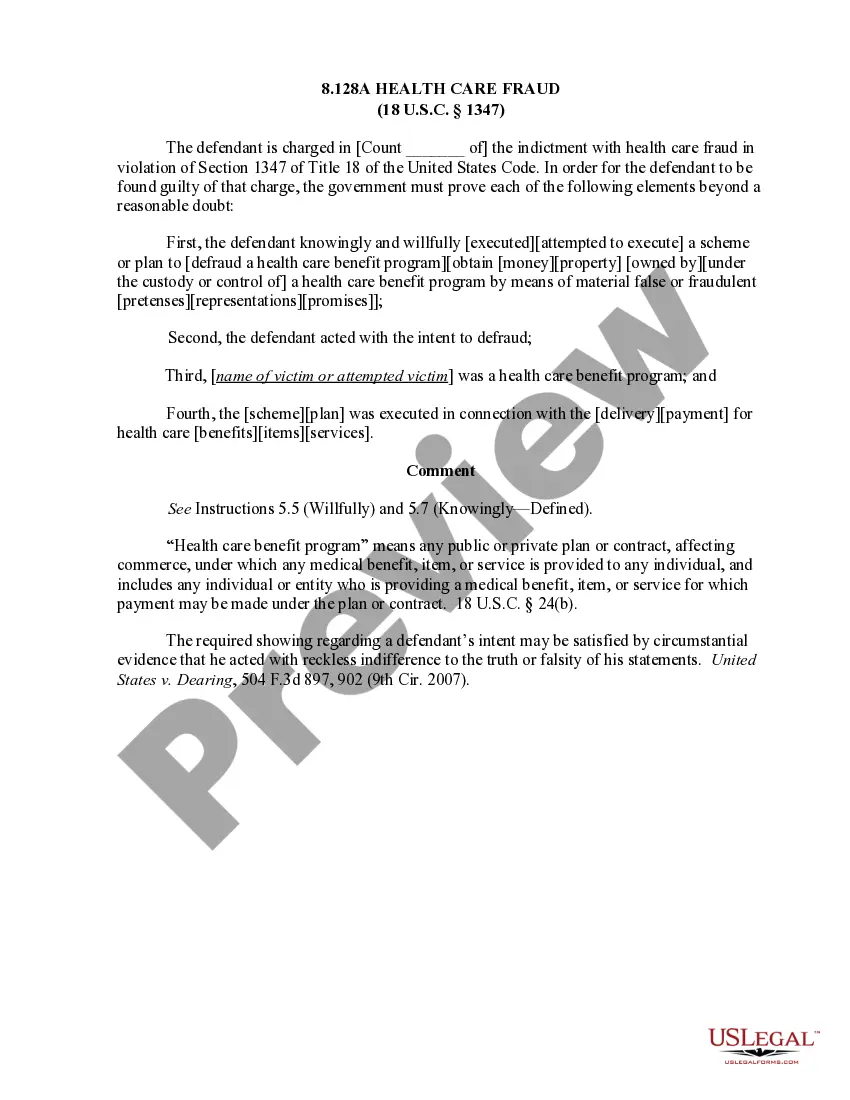
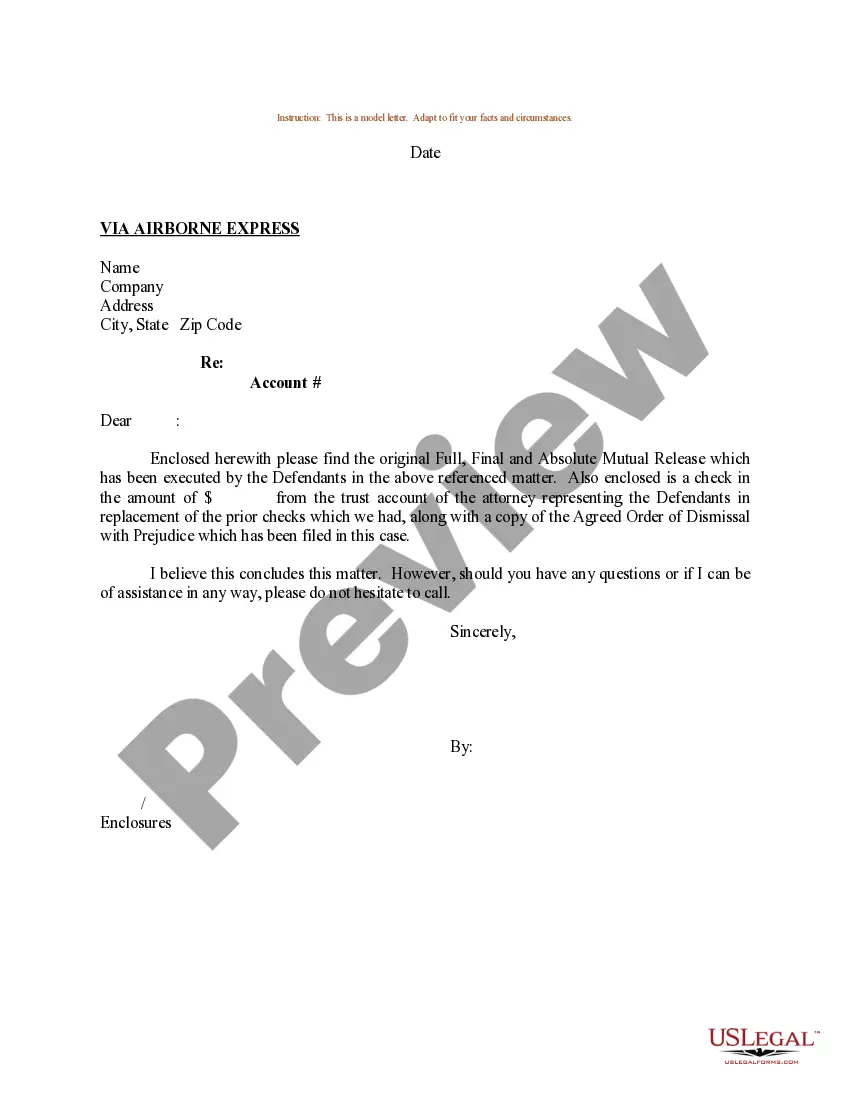
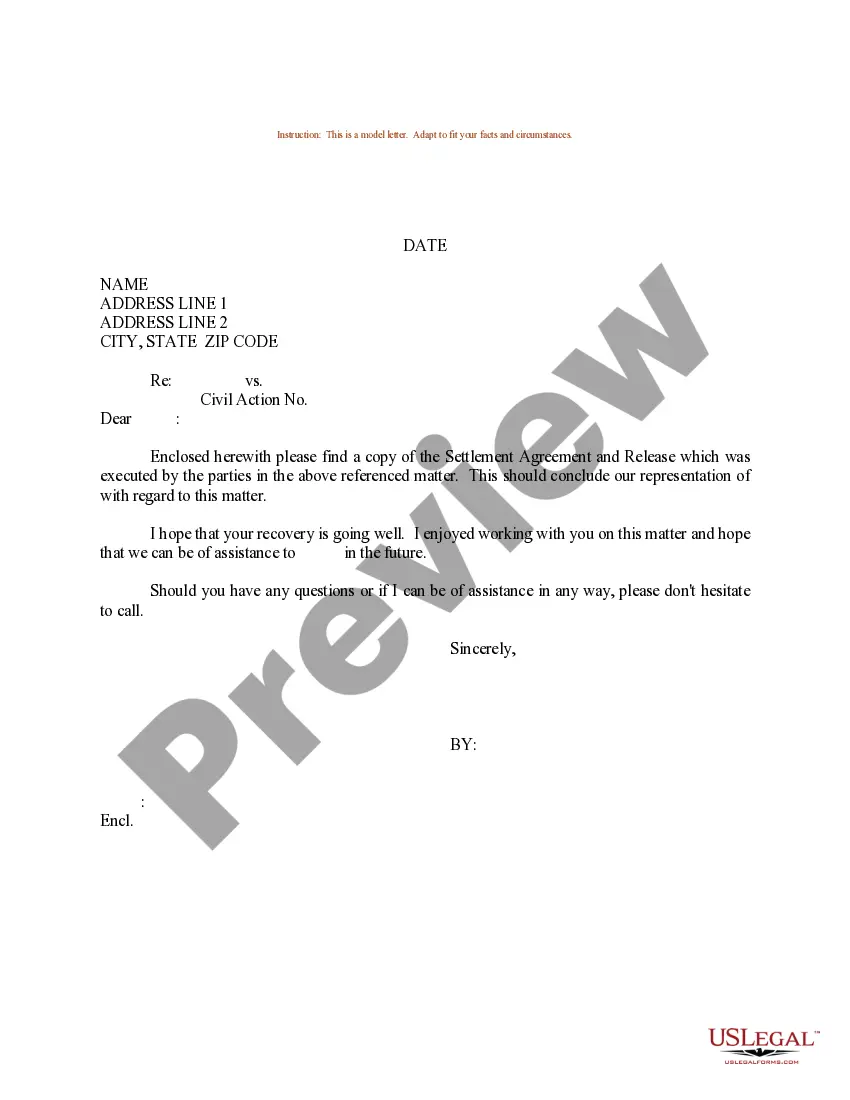
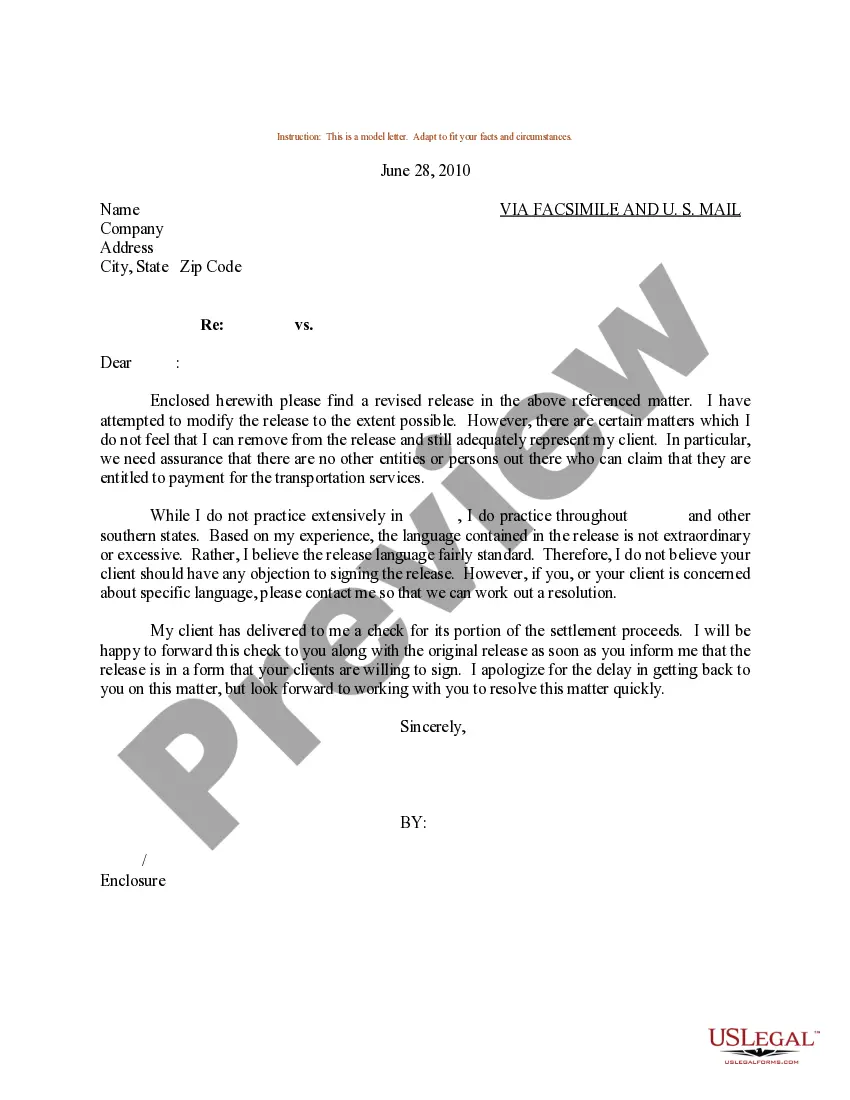
South Dakota Sample Letter for Settlement Check - Enclosure - Full, Final and Absolute Mutual Release
Description
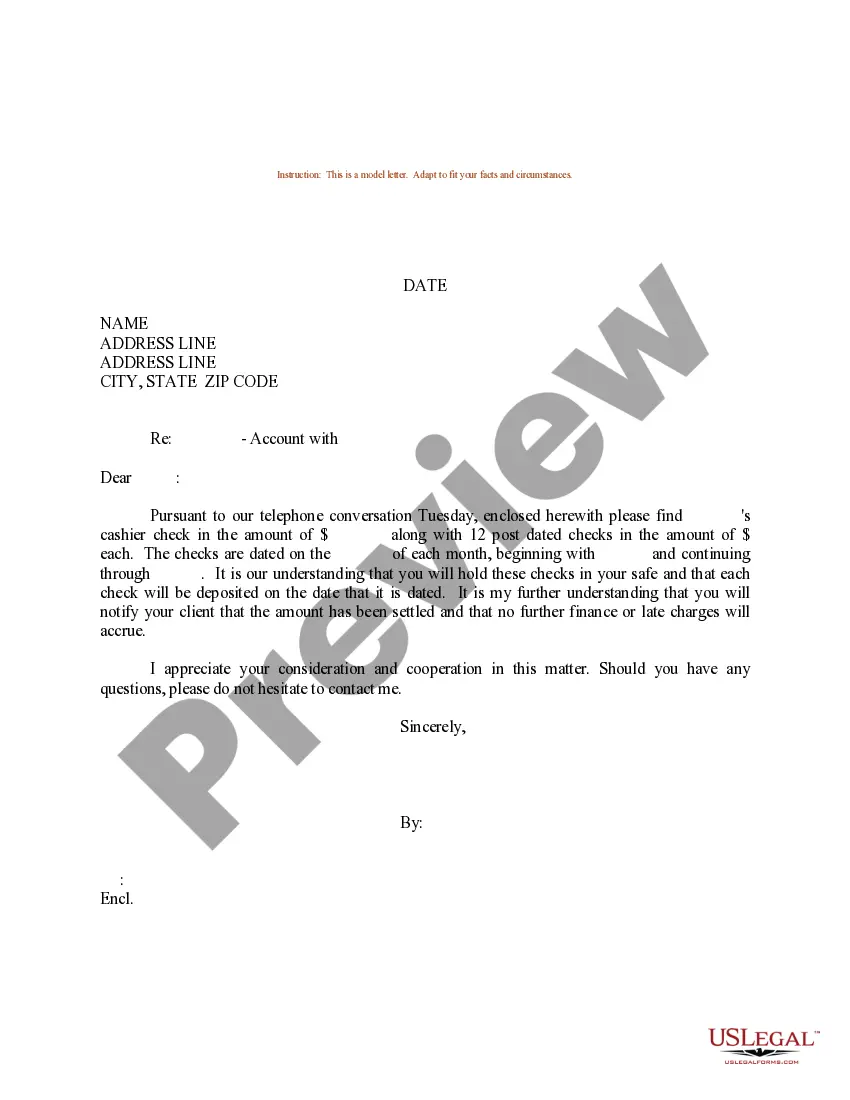
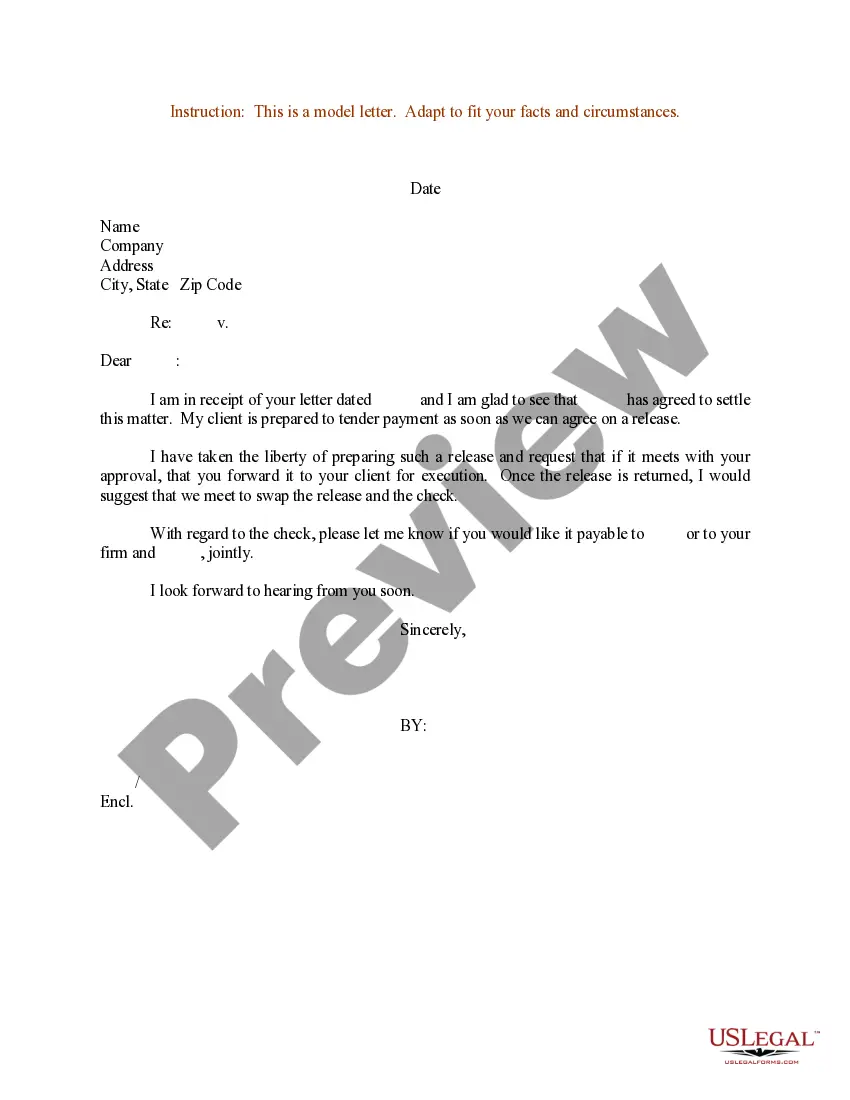
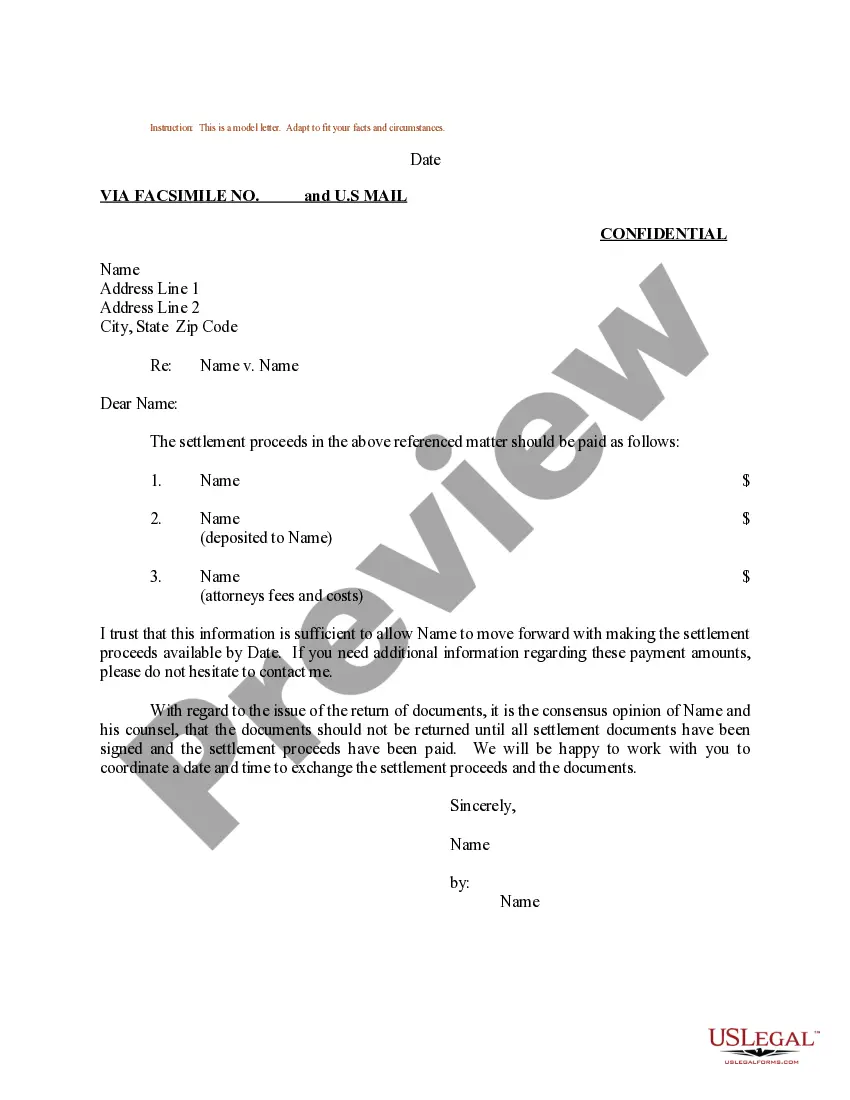
Get your form ready online
Our built-in tools help you complete, sign, share, and store your documents in one place.
Make edits, fill in missing information, and update formatting in US Legal Forms—just like you would in MS Word.
Download a copy, print it, send it by email, or mail it via USPS—whatever works best for your next step.
Sign and collect signatures with our SignNow integration. Send to multiple recipients, set reminders, and more. Go Premium to unlock E-Sign.
If this form requires notarization, complete it online through a secure video call—no need to meet a notary in person or wait for an appointment.
We protect your documents and personal data by following strict security and privacy standards.

Make edits, fill in missing information, and update formatting in US Legal Forms—just like you would in MS Word.

Download a copy, print it, send it by email, or mail it via USPS—whatever works best for your next step.

Sign and collect signatures with our SignNow integration. Send to multiple recipients, set reminders, and more. Go Premium to unlock E-Sign.

If this form requires notarization, complete it online through a secure video call—no need to meet a notary in person or wait for an appointment.

We protect your documents and personal data by following strict security and privacy standards.
Looking for another form?
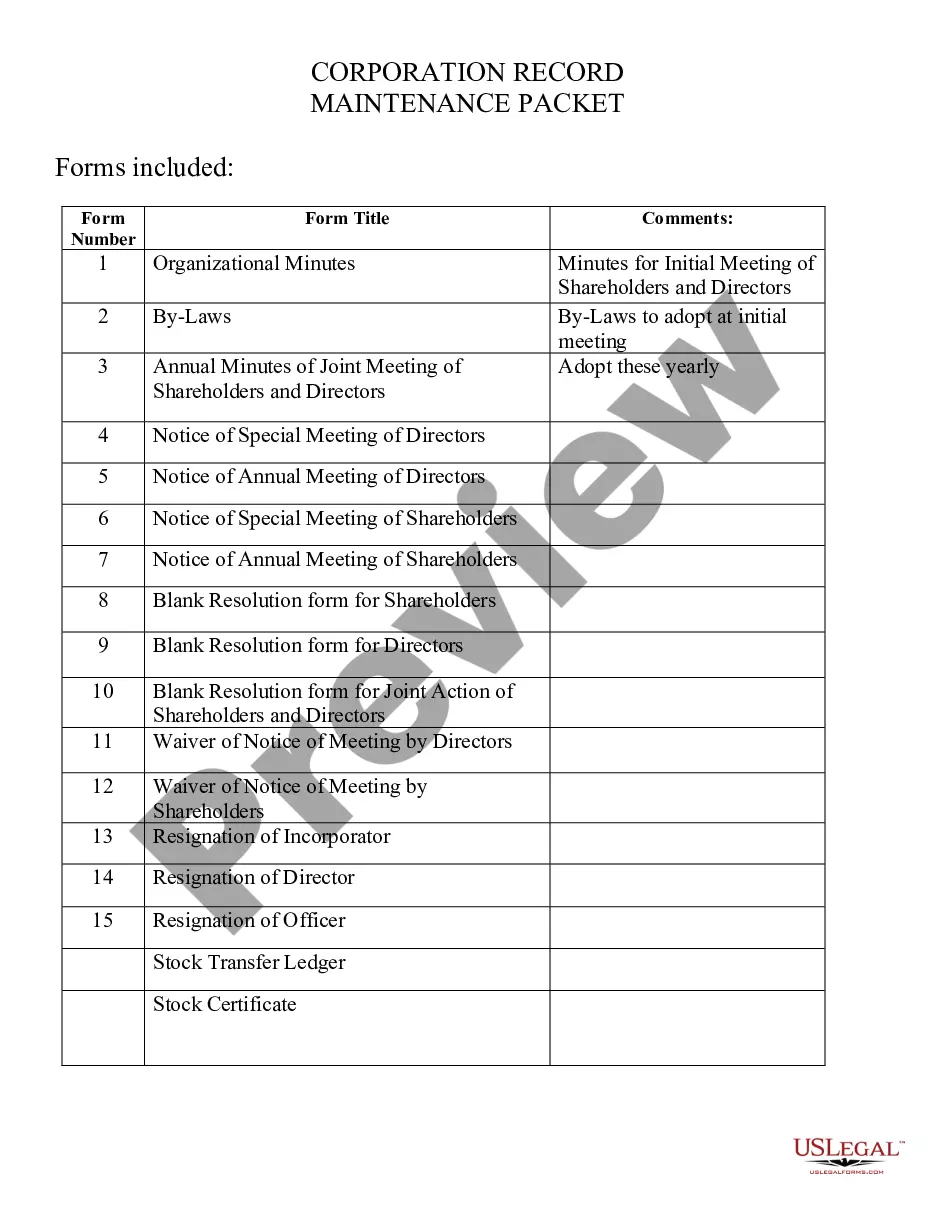


How to fill out Sample Letter For Settlement Check - Enclosure - Full, Final And Absolute Mutual Release?
Have you ever found yourself in a situation where you require documents for either business or personal purposes almost daily.
There are numerous legal document templates accessible online, but finding reliable ones can be challenging.
US Legal Forms provides a vast array of form templates, including the South Dakota Sample Letter for Settlement Check - Enclosure - Full, Final and Absolute Mutual Release, designed to comply with federal and state regulations.
Utilize US Legal Forms, the most comprehensive collection of legal forms, to save time and avoid mistakes.
The service offers professionally crafted legal document templates that can be used for various purposes. Create an account on US Legal Forms and start making your life a bit easier.
- If you are already familiar with the US Legal Forms website and possess an account, simply Log In.
- After that, you can download the South Dakota Sample Letter for Settlement Check - Enclosure - Full, Final and Absolute Mutual Release template.
- If you do not have an account and wish to start using US Legal Forms, follow these steps.
- Find the form you need and ensure it is for the correct state/region.
- Use the Preview button to review the form.
- Check the outline to confirm you have selected the right form.
- If the form isn’t what you’re looking for, use the Search field to locate the form that fits your needs and requirements.
- Once you find the appropriate form, click Get now.
- Choose the pricing plan you desire, fill out the required information to create your account, and complete the purchase using your PayPal or Visa or Mastercard.
- Select a convenient format and download your copy.
- Access all of the document templates you have purchased in the My documents section. You can obtain another copy of South Dakota Sample Letter for Settlement Check - Enclosure - Full, Final and Absolute Mutual Release at any time, if needed. Just click on the required form to download or print the document template.
Form popularity
FAQ
You can start a settlement letter with a clear opening statement that identifies the purpose of the letter. For instance, you might say, 'This letter serves as a proposal to settle the claims between us as detailed in the South Dakota Sample Letter for Settlement Check - Enclosure - Full, Final and Absolute Mutual Release.' A confident and concise introduction sets the tone for the rest of your letter and shows your willingness to resolve the matter amicably.
To send a settlement letter, first ensure that your document is complete and formatted correctly according to the South Dakota Sample Letter for Settlement Check - Enclosure - Full, Final and Absolute Mutual Release. You can deliver it via certified mail, email, or fax, depending on what is acceptable to the recipient. Always keep a copy for your records and request confirmation of receipt to ensure your letter is acknowledged.
An example of a settlement offer letter might start with a statement of intent, followed by the proposed settlement amount and any conditions for acceptance. You can reference the South Dakota Sample Letter for Settlement Check - Enclosure - Full, Final and Absolute Mutual Release to guide your format and content. Using a structured approach ensures that your offer is professional and effective, increasing the chances of a favorable response.
A good sentence for a settlement might be, 'In consideration of the payment described in the South Dakota Sample Letter for Settlement Check - Enclosure - Full, Final and Absolute Mutual Release, I agree to release all claims related to this matter.' This sentence conveys the intention to resolve disputes amicably while ensuring that all terms are clear. Clarity in your wording helps prevent misunderstandings and promotes a smoother settlement process.
Common mistakes in settlement letters include vague language and lack of specificity regarding the terms of the settlement. It's essential to clearly outline the amount being offered and any conditions tied to the release. Additionally, failing to include the South Dakota Sample Letter for Settlement Check - Enclosure - Full, Final and Absolute Mutual Release can lead to confusion. Always ensure that all parties understand their rights and obligations in the settlement.
A full and final settlement means that all claims related to a dispute have been completely resolved, and no further legal actions can be taken. This settlement signifies that both parties have agreed to the terms and conditions laid out in the settlement letter. Using a South Dakota Sample Letter for Settlement Check - Enclosure - Full, Final and Absolute Mutual Release can help clarify this agreement.
An example of release of all claims is a statement where one party agrees not to pursue any further legal action against another party concerning a specific issue. This release typically includes language that confirms all claims are settled and resolved. For a well-structured example, consider using a South Dakota Sample Letter for Settlement Check - Enclosure - Full, Final and Absolute Mutual Release.
A mutual release and settlement agreement is a contract where both parties agree to release each other from any future claims related to the matter at hand. This agreement provides peace of mind and legal protection for both sides. You can find useful templates like the South Dakota Sample Letter for Settlement Check - Enclosure - Full, Final and Absolute Mutual Release to help draft this type of agreement.
To write a strong settlement letter, be clear, concise, and specific about the terms of the agreement. Start with a summary of the dispute, followed by the settlement details, and conclude with a clear statement of mutual release. By referencing a South Dakota Sample Letter for Settlement Check - Enclosure - Full, Final and Absolute Mutual Release, you can ensure that your letter meets legal standards.
The purpose of a settlement in full letter is to document the resolution of all claims between the parties involved. This letter serves to protect both parties from future disputes regarding the same issue. A well-crafted South Dakota Sample Letter for Settlement Check - Enclosure - Full, Final and Absolute Mutual Release can effectively communicate this resolution.