Packaging Slip Invoice
Overview of this form
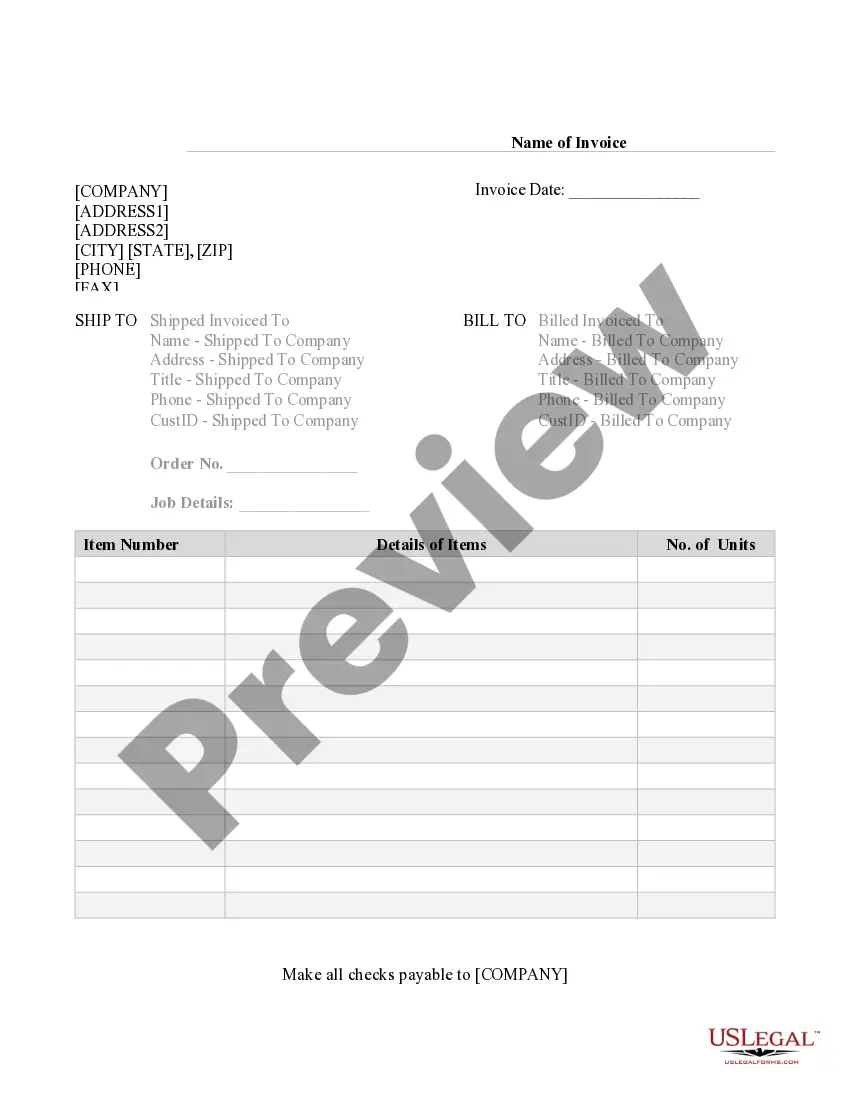
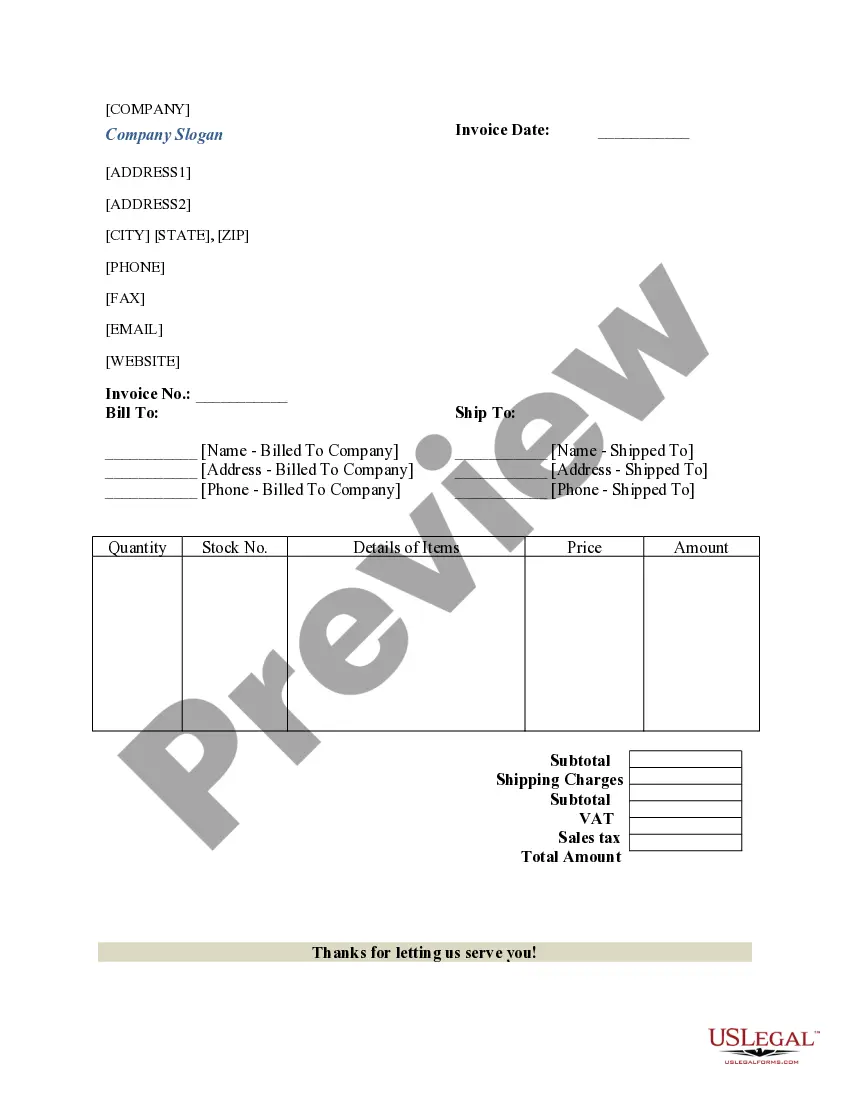
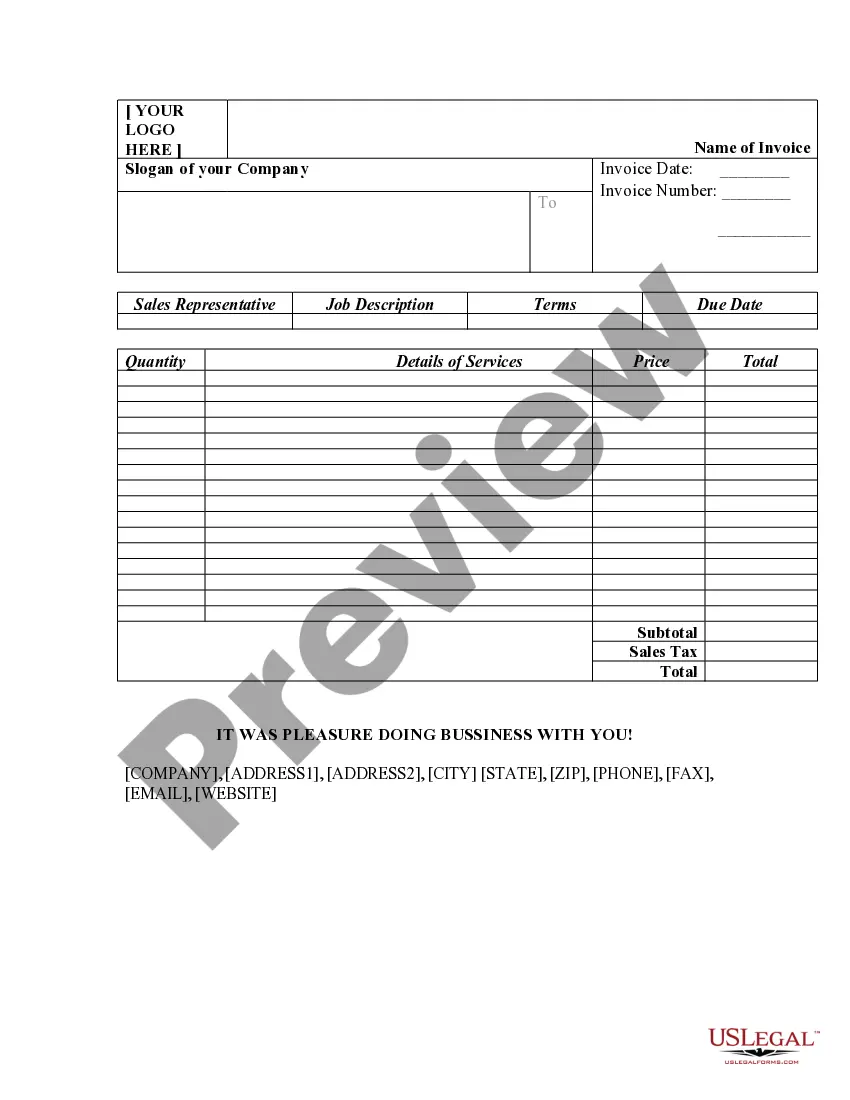
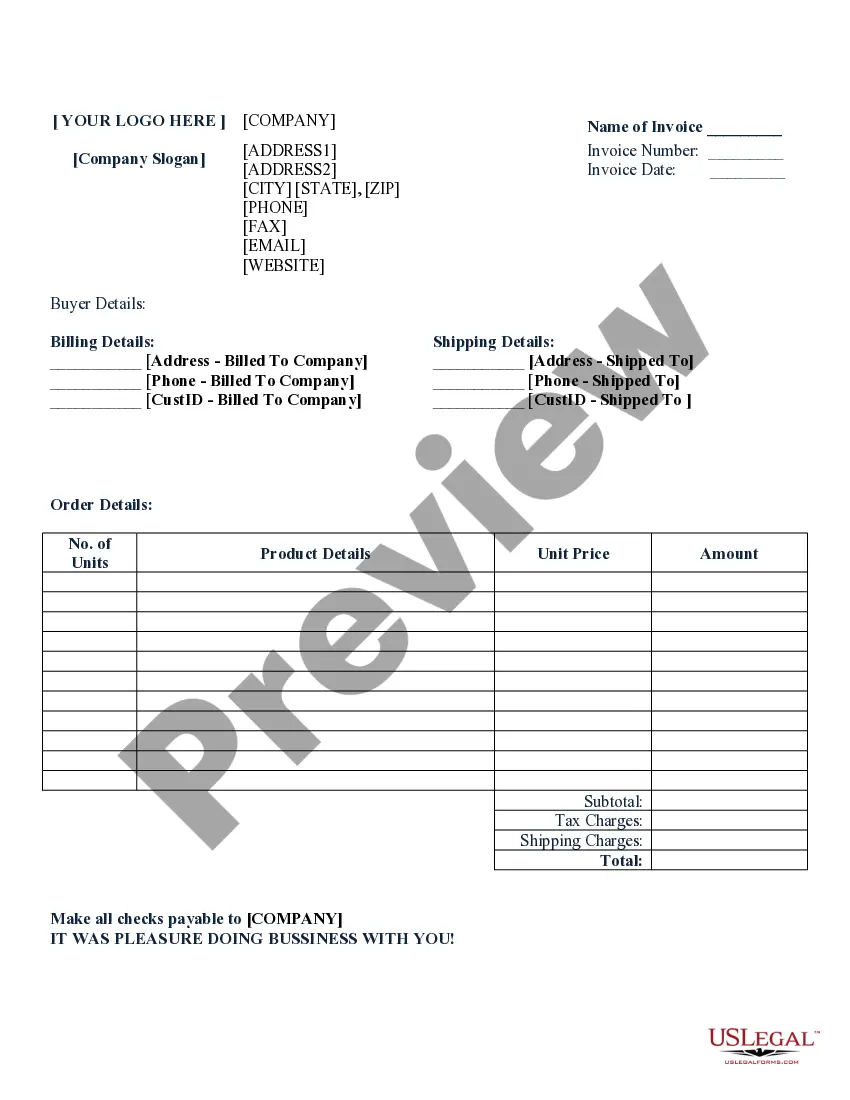
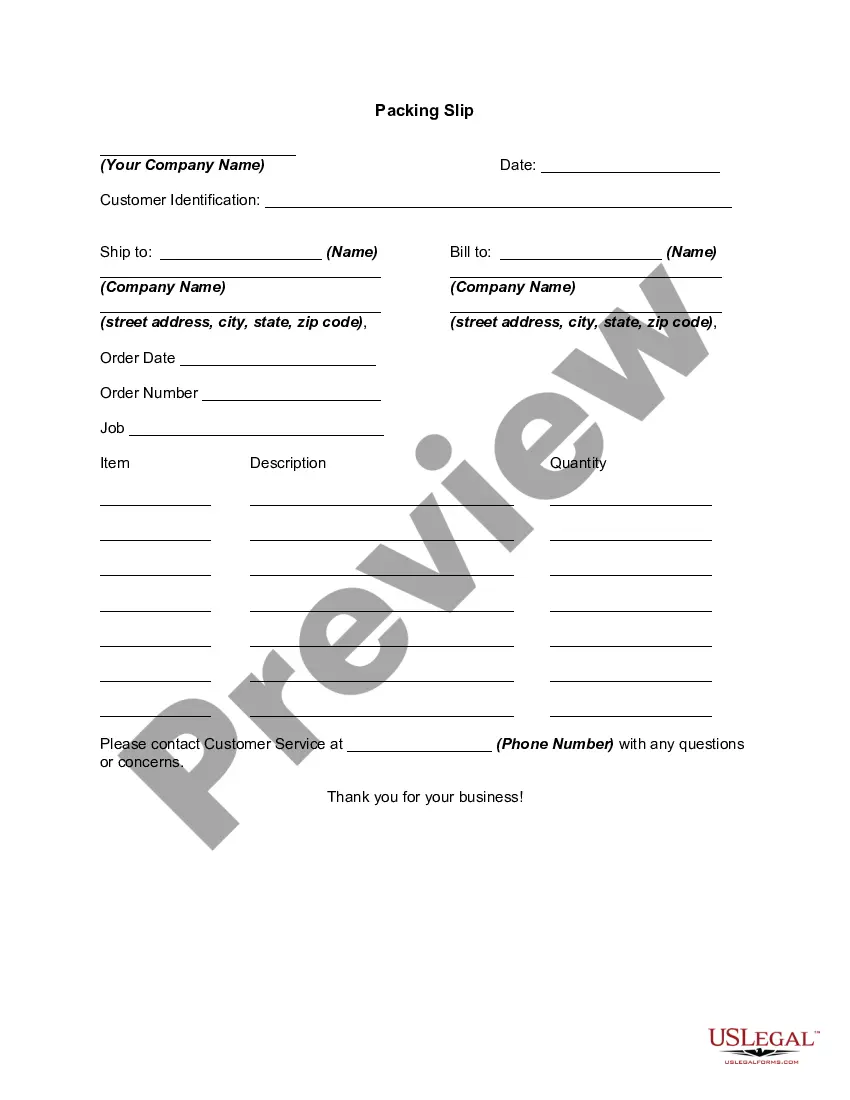
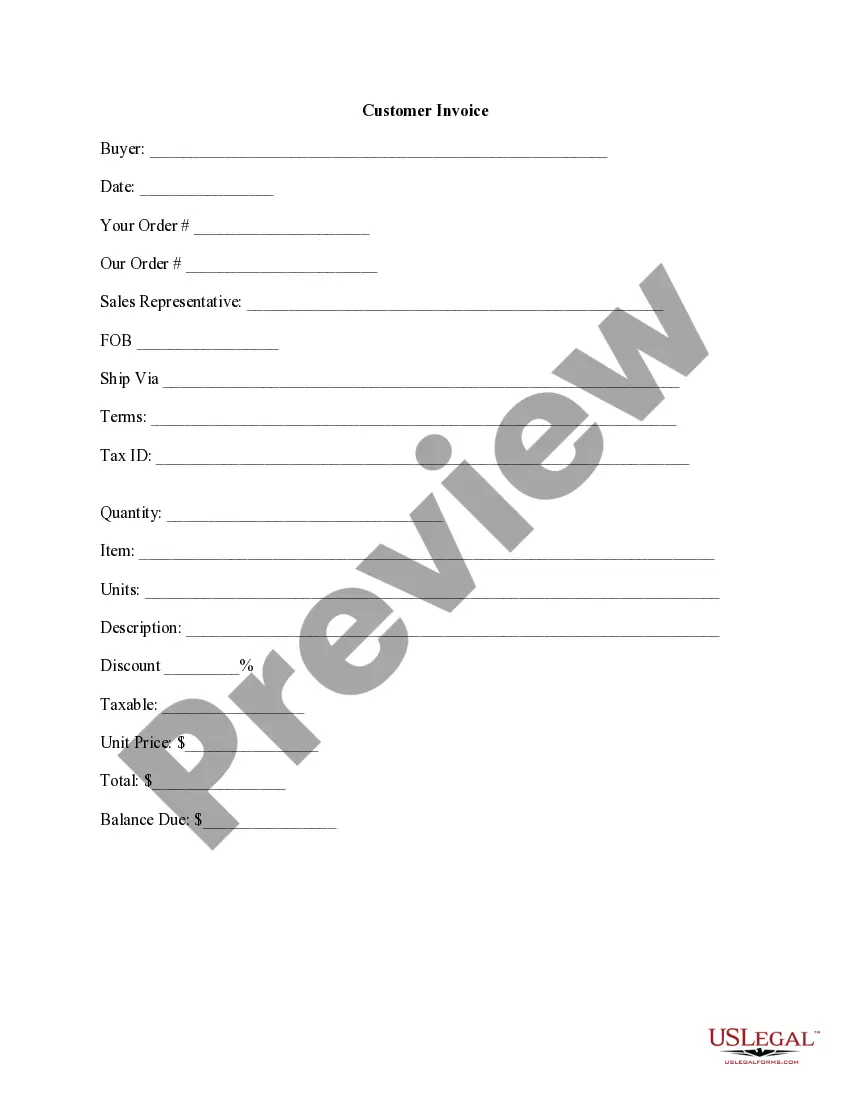
The Packaging Slip Invoice is a document that details the items sold, including any applicable shipping and handling costs. This invoice serves as a record of the transaction between a seller and a buyer, providing clear information on what was purchased and the total amount owed. Unlike simple purchase receipts, the Packaging Slip Invoice includes specific shipping information and is typically used in business transactions for tracking and accountability purposes.
What’s included in this form
- Invoice date: The date when the invoice is issued.
- Shipping and billing addresses: Separate fields for the ship-to and billed-to addresses.
- Contact information: Includes phone and email details for both the seller and buyer.
- Order number: A unique identifier for the invoice that helps in tracking orders.
- Item details: Specific information about each item sold, including item number and description.
- Payment instructions: Guidance on how to make payments, such as check payment details.
Common use cases
This form is useful in various business contexts, particularly when completing sales transactions that involve shipping goods. It is essential when an invoice is required for accounting purposes, such as businesses needing to track expenses, manage inventory, or comply with tax obligations. Additionally, it serves as proof of transaction for both the seller and the buyer, making it valuable in dispute resolution or returns.
Who needs this form
- Businesses that sell products and ship them to customers.
- Freelancers or vendors who require formal documentation for their sales.
- Any entity that needs to keep accurate financial records of shipped goods.
- Individuals purchasing items where a detailed invoice is necessary.
How to complete this form
- Enter the invoice date at the top of the invoice.
- List the shipping address and billing address clearly, including the name of the recipient.
- Provide the order number for easy transaction tracking.
- Detail each item being sold, including item numbers and descriptions.
- Specify payment instructions to ensure the buyer knows how to remit payment.
Is notarization required?
This form does not typically require notarization unless specified by local law.
Get your form ready online
Our built-in tools help you complete, sign, share, and store your documents in one place.
Make edits, fill in missing information, and update formatting in US Legal Forms—just like you would in MS Word.
Download a copy, print it, send it by email, or mail it via USPS—whatever works best for your next step.
Sign and collect signatures with our SignNow integration. Send to multiple recipients, set reminders, and more. Go Premium to unlock E-Sign.
If this form requires notarization, complete it online through a secure video call—no need to meet a notary in person or wait for an appointment.
We protect your documents and personal data by following strict security and privacy standards.

Make edits, fill in missing information, and update formatting in US Legal Forms—just like you would in MS Word.

Download a copy, print it, send it by email, or mail it via USPS—whatever works best for your next step.

Sign and collect signatures with our SignNow integration. Send to multiple recipients, set reminders, and more. Go Premium to unlock E-Sign.

If this form requires notarization, complete it online through a secure video call—no need to meet a notary in person or wait for an appointment.

We protect your documents and personal data by following strict security and privacy standards.
Typical mistakes to avoid
- Failing to include accurate shipping and billing addresses.
- Neglecting to fill in the invoice date.
- Inaccurately listing item details, which can lead to disputes.
- Omitting payment instructions that could confuse the buyer.
Why use this form online
- Convenient access to fillable templates that save time.
- Editability allows for adjustment of prices and item details before sending.
- Reliable storage of forms for future reference or audits.
- Streamlined process for managing transactions digitally.
Legal use & context
- The Packaging Slip Invoice serves as a legal document that provides evidence of a transaction.
- It helps protect both the seller and buyer by detailing the items sold and terms of payment.
- This form may be used in legal proceedings as proof of sale and delivery of goods.
Summary of main points
- The Packaging Slip Invoice details items sold along with shipping costs.
- It is essential for businesses that ship physical goods to ensure proper transaction records.
- Complete the form accurately to avoid common pitfalls that may result in confusion or disputes.
Looking for another form?
Form popularity
FAQ
Invoice slips are a simple and effective solution to securing your customer's invoice to the packaging. Invoices are essential to ensure that the correct products are selected before they are packaged and dispatched.
As already highlighted in the preceding section, a packing slip is prepared by the seller and sent to the place the products are placed in order to have an accurate count of the goods sent. After the tally and packaging have been done, the slip is sent alongside the goods.
The difference between a purchase order and an invoice is that a purchase order is issued by the buyer and is to be fulfilled by the vendor, where an invoice is issued by the vendor after fulfilling a purchase order and must be paid by the buyer. They may appear to be very similar at first; however, they are not.
A packing slip is the list of physical goods purchased and shipped, whereas an invoice is the payment order for the purchase made. Packing slips are used to cross-check the items in the package with the purchase order and keep track of the items in case they are lost or damaged.
The packing list is sent to the receiver of the goods, or consignee, while the commercial invoice is sent to the party responsible for the payment of the goods. These may be one and the same or different.
A packing slip and an invoice both document transactions in which physical goods change hands. However, the packing slip describes the physical products, whereas the invoice describes the financial transaction behind the sale of these goods.
The packing slip is not only useful for the purchaser to verify that the goods received are correct, but also for the sender to have a record of the merchandise that leaves the warehouse. The document serves as legal proof of delivery for any incident that may occur.