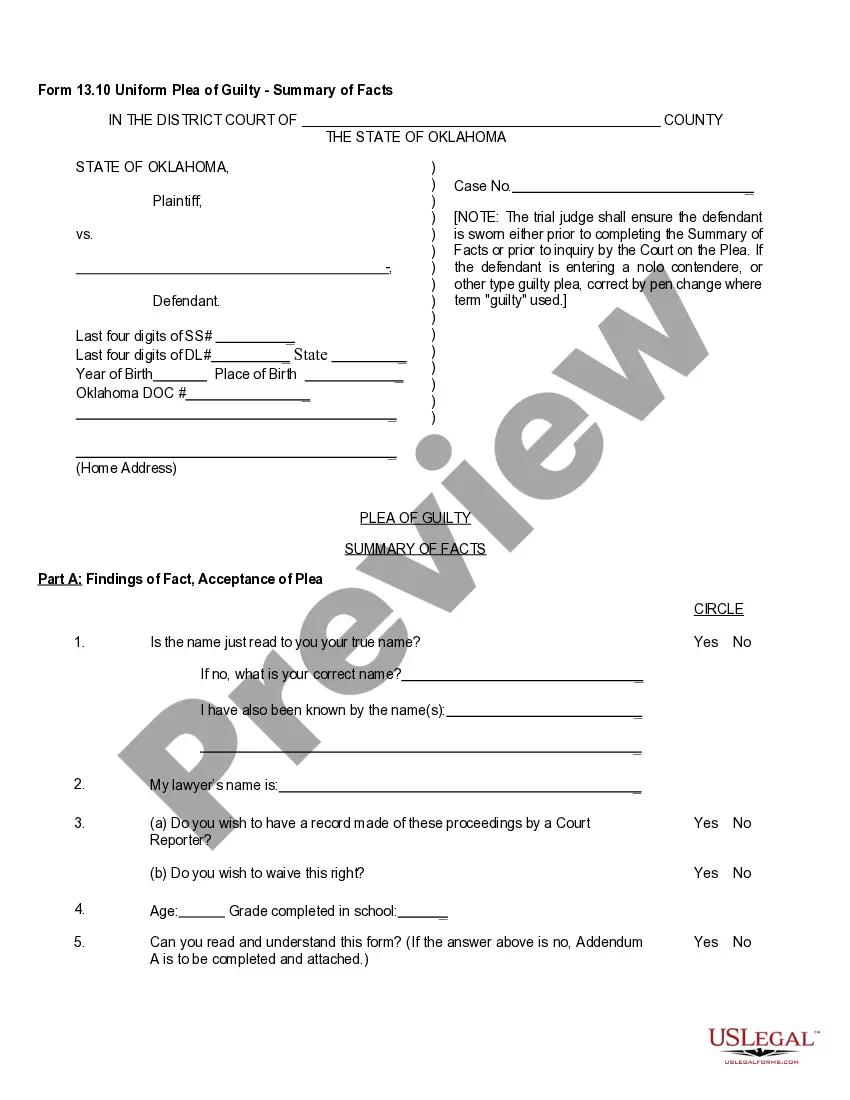
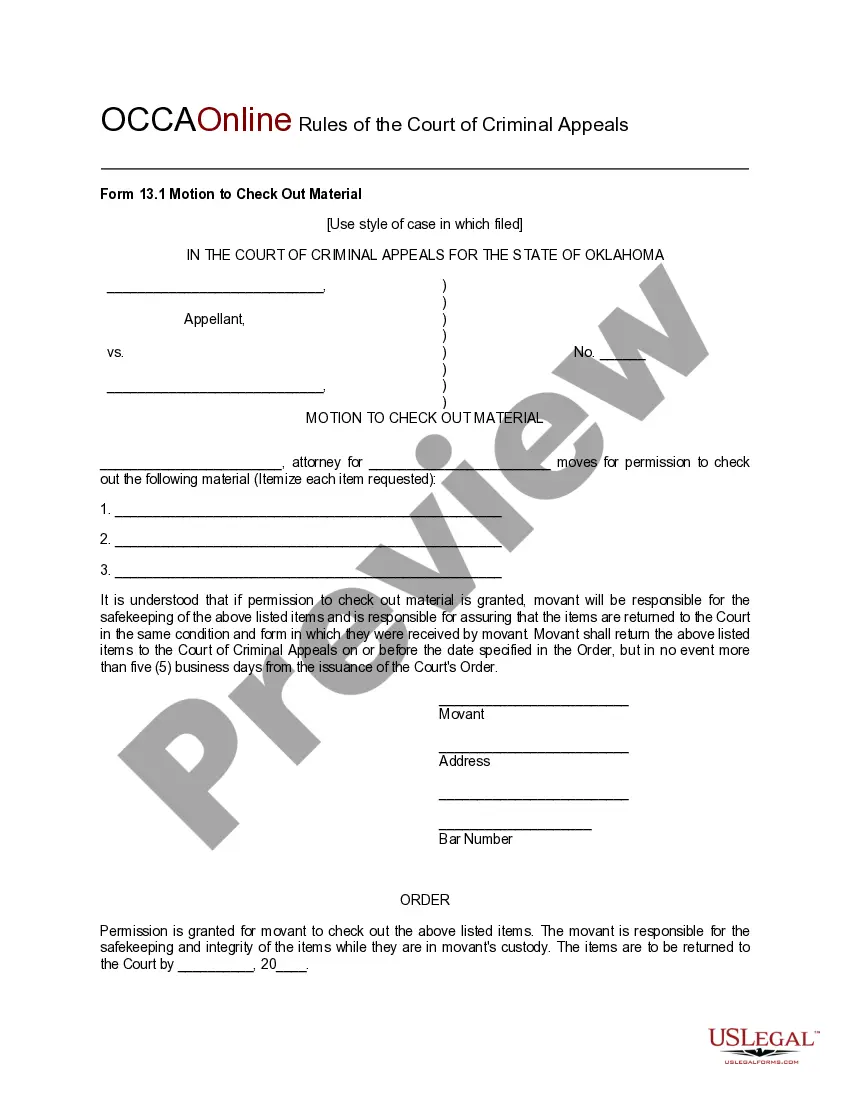
South Dakota Affidavit of Default, Application for Judgment & Decree of Divorce (Default), Notice of Hearing and Affidavit of Mailing
Description






How to fill out South Dakota Affidavit Of Default, Application For Judgment & Decree Of Divorce (Default), Notice Of Hearing And Affidavit Of Mailing?
US Legal Forms is the most simple and cost-effective way to find suitable formal templates. It’s the most extensive web-based library of business and personal legal paperwork drafted and verified by lawyers. Here, you can find printable and fillable templates that comply with federal and local regulations - just like your South Dakota Affidavit of Default, Application for Judgment & Decree of Divorce (Default), Notice of Hearing and Affidavit of Mailing.
Obtaining your template takes only a few simple steps. Users that already have an account with a valid subscription only need to log in to the web service and download the document on their device. Later, they can find it in their profile in the My Forms tab.
And here’s how you can get a properly drafted South Dakota Affidavit of Default, Application for Judgment & Decree of Divorce (Default), Notice of Hearing and Affidavit of Mailing if you are using US Legal Forms for the first time:
- Look at the form description or preview the document to guarantee you’ve found the one corresponding to your needs, or find another one utilizing the search tab above.
- Click Buy now when you’re certain about its compatibility with all the requirements, and judge the subscription plan you prefer most.
- Create an account with our service, log in, and pay for your subscription using PayPal or you credit card.
- Choose the preferred file format for your South Dakota Affidavit of Default, Application for Judgment & Decree of Divorce (Default), Notice of Hearing and Affidavit of Mailing and download it on your device with the appropriate button.
Once you save a template, you can reaccess it anytime - simply find it in your profile, re-download it for printing and manual completion or upload it to an online editor to fill it out and sign more effectively.
Benefit from US Legal Forms, your reputable assistant in obtaining the corresponding formal paperwork. Give it a try!
Form popularity
FAQ
A default judgment (also known as judgment by default) is a ruling granted by a judge or court in favor of a plaintiff in the event that the defendant in a legal case fails to respond to a court summons or does not appear in court.
The Rules define ?default? as when ?a party against whom a judgment for affirmative relief is sought has failed to plead or otherwise defend,? and define ?judgment? as ?a decree and any order from which an appeal lies.? Read together, a default judgment is simply any judgment that results from a default.
You file a motion by completing the form and filing it with the same court that signed the default entry or default judgment. There is a $20 motion fee for filing a motion to set aside default.
If you don't file a response to divorce papers, your spouse can request a default. This means asking the court to decide the case without your input. In a default divorce, the court makes the final decisions based on the information from your spouse, and what the law says, without hearing your side.
Judgement by default, also known as default judgment, is a judgment entered upon the failure of a defendant to appear before a court or answer a complaint. A default is a failure to perform a duty in legal proceedings.
A default judgment may be entered against the State of Arizona or one of its officers or agencies only if, after a hearing, the claimant establishes a claim or right to relief by evidence that satisfies the court. (e)Plaintiffs, Counterclaimants, and Cross-claimants.
A default judgment can be entered by a clerk or by a judge. In simple civil cases and where the defendant is neither a minor nor an incompetent person, the clerk, with an affidavit showing the amount due, can enter the judgment for that amount.