South Dakota Waiver of Lien - Corporation
What is this form?
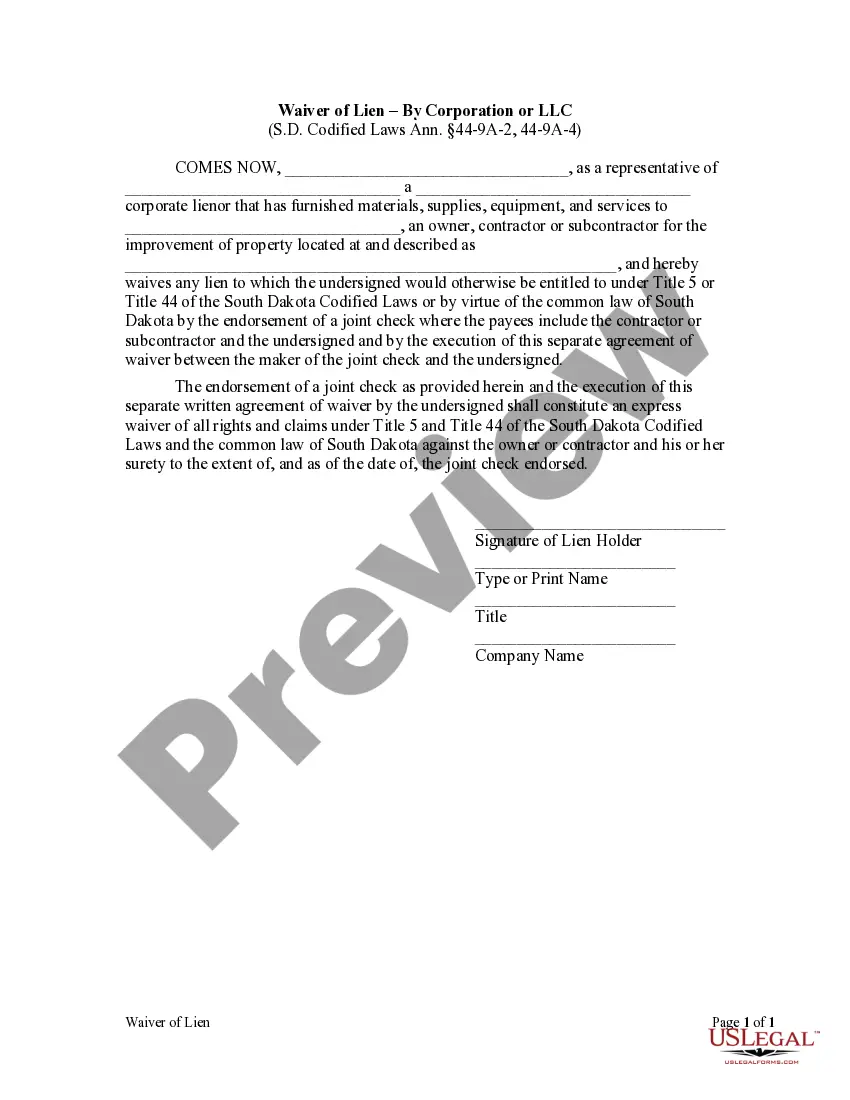
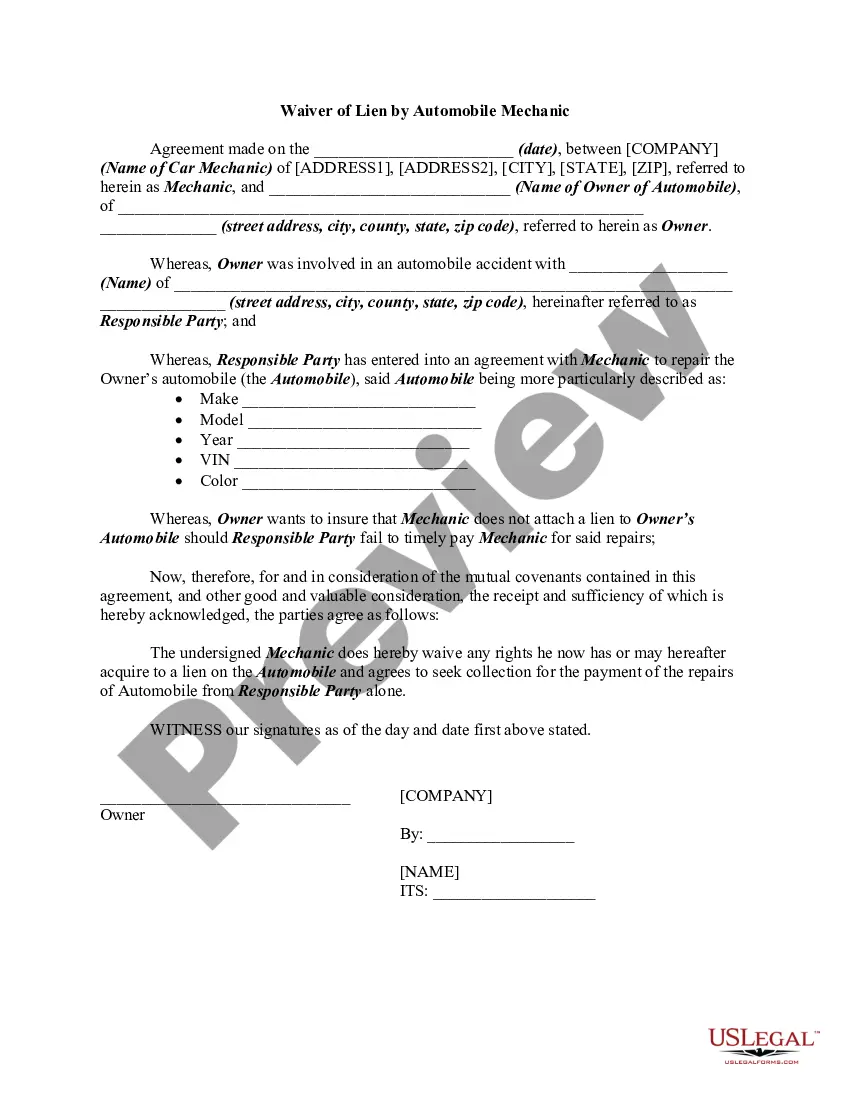
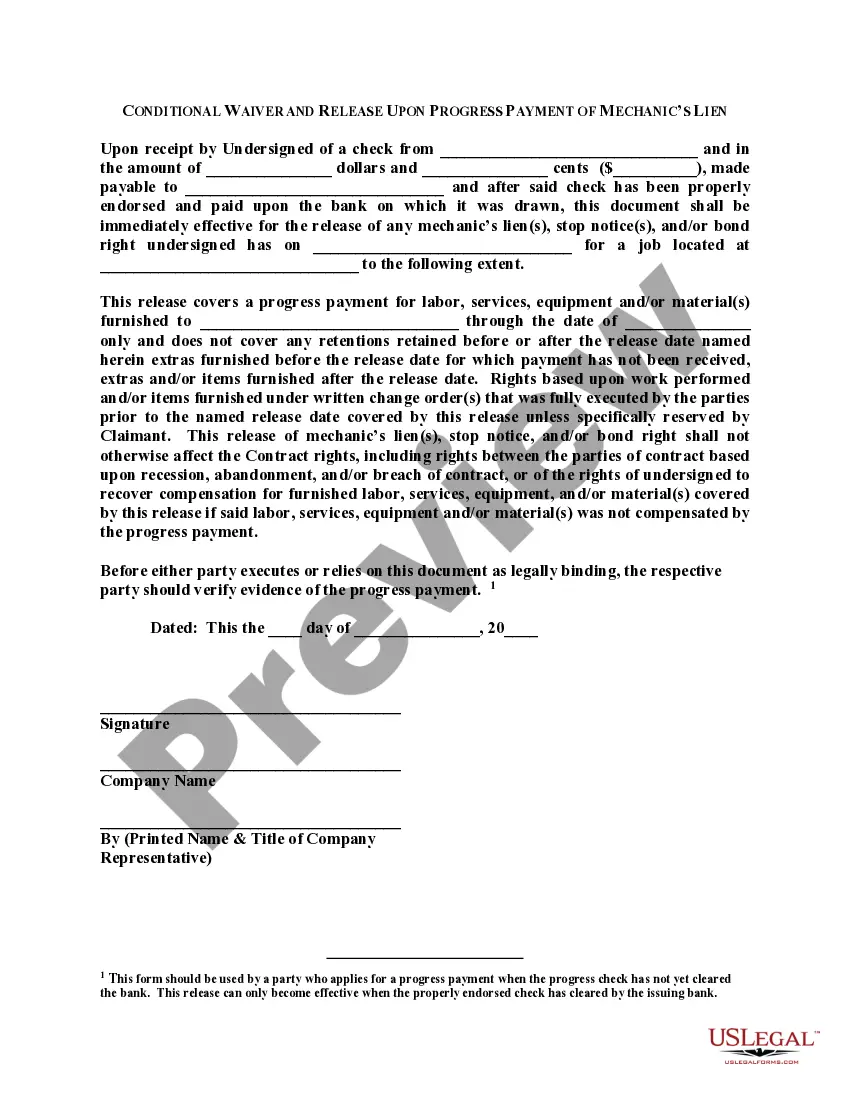
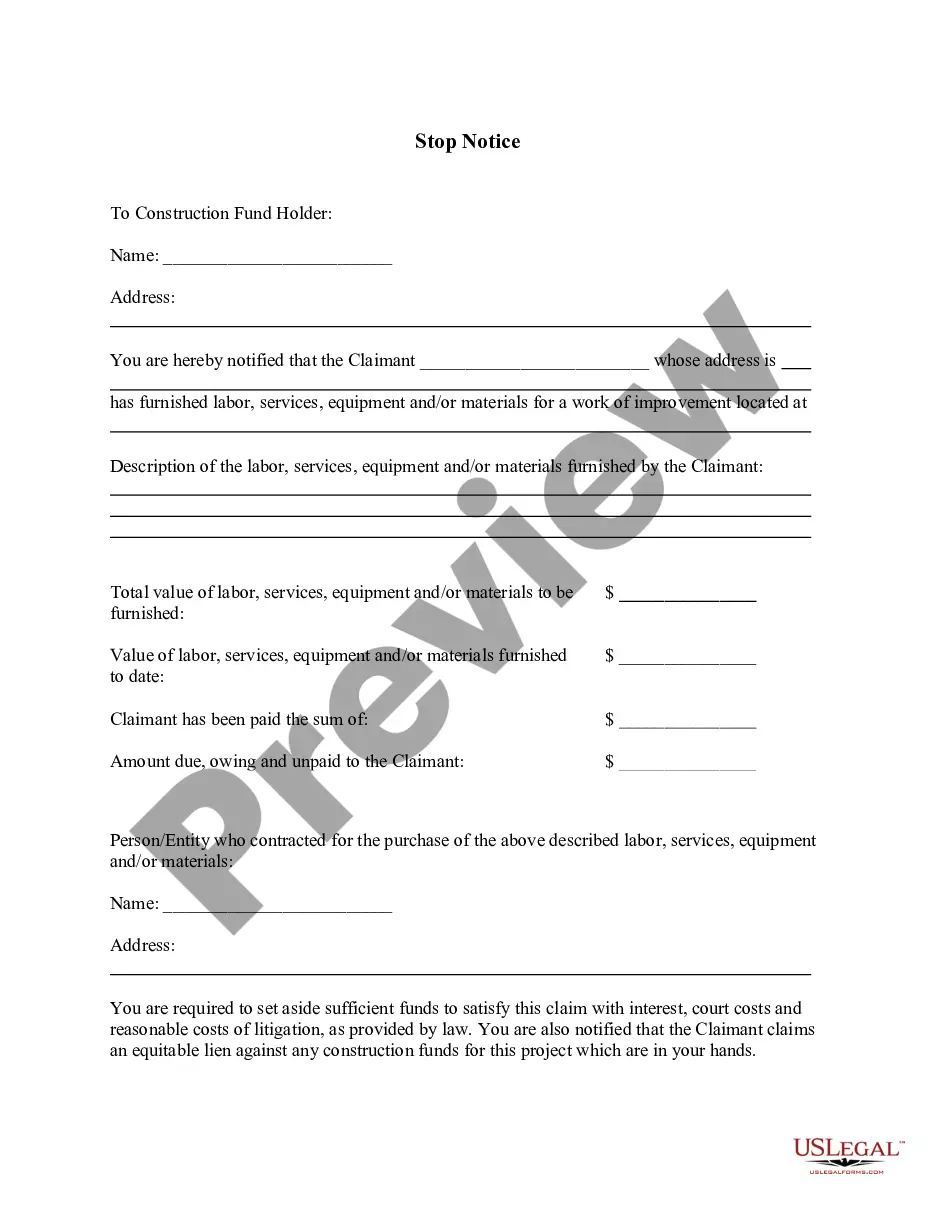
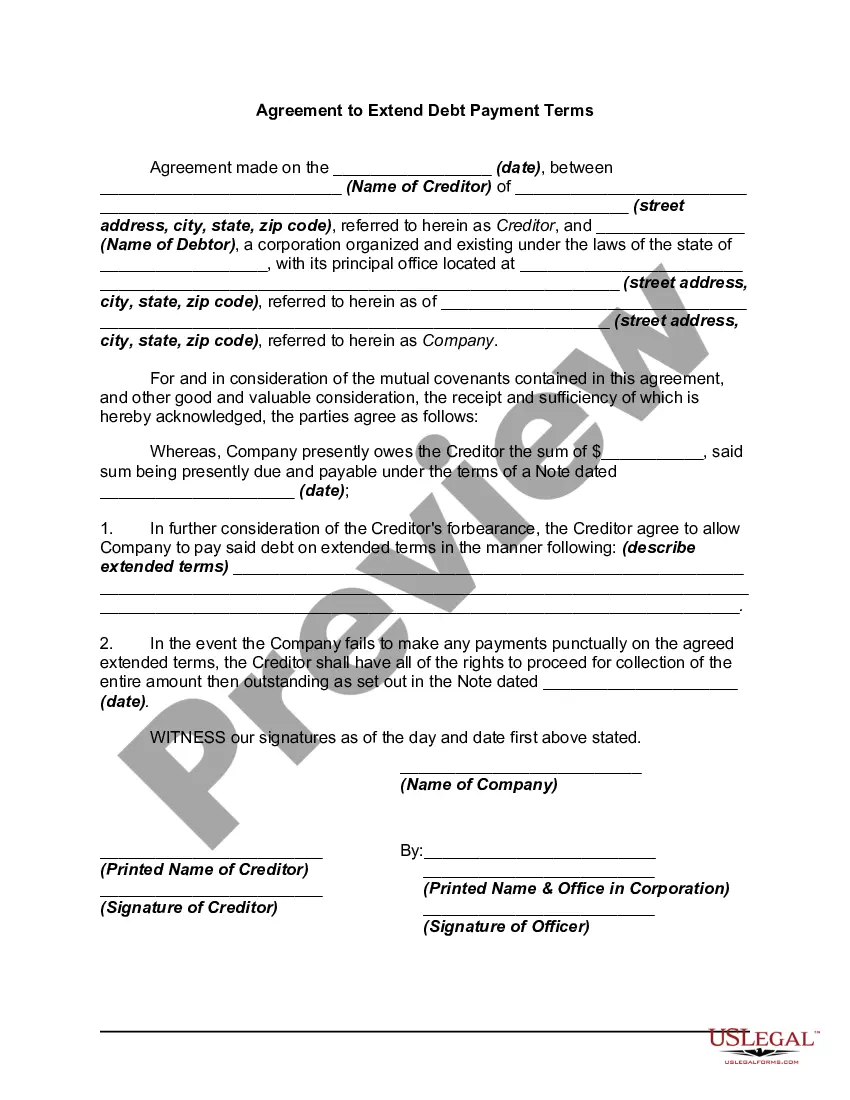
The Waiver of Lien for Corporation is a legal document used by a corporate lienor to formally waive any lien rights they may have in relation to materials, supplies, or services provided for property improvements. This form is particularly tailored for corporate entities and ensures that the lienor relinquishes their claim under South Dakota law, thus preventing future disputes over unpaid liens. It is distinct from other lien waivers as it specifically addresses situations involving joint checks endorsed by multiple payees, thereby clarifying the distribution of funds and responsibilities.
Key parts of this document
- Identification of the lienor and their corporate status.
- Description of the materials, supplies, or services provided.
- Details of the property improvement project related to the lien.
- Statement waiving lien rights under relevant South Dakota laws.
- Signature fields for the lien holder and printed name with title.
Common use cases
This form should be used when a corporate lienor has provided goods or services for a property improvement but wishes to waive their right to place a lien on the property. It is commonly used during construction projects when payments are made via joint checks that involve multiple parties. Utilizing this waiver helps in smoothing financial transactions and clarifying responsibilities for all parties involved.
Intended users of this form
- Corporate lienors who supply materials or services for property improvements.
- Contractors and subcontractors who are involved in projects requiring material supplies.
- Property owners who receive services and need to ensure clear financial agreements with contractors.
Steps to complete this form
- Identify the corporate lienor by entering their name and representative.
- Provide details of the materials, supplies, or services furnished.
- Specify the improvement project and the property's description.
- Include the names of all parties involved in the joint check.
- Sign and date the form, ensuring the printed name and title are legibly provided.
Does this form need to be notarized?
Notarization is not commonly needed for this form. However, certain documents or local rules may make it necessary. Our notarization service, powered by Notarize, allows you to finalize it securely online anytime, day or night.
Get your form ready online
Our built-in tools help you complete, sign, share, and store your documents in one place.
Make edits, fill in missing information, and update formatting in US Legal Forms—just like you would in MS Word.
Download a copy, print it, send it by email, or mail it via USPS—whatever works best for your next step.
Sign and collect signatures with our SignNow integration. Send to multiple recipients, set reminders, and more. Go Premium to unlock E-Sign.
If this form requires notarization, complete it online through a secure video call—no need to meet a notary in person or wait for an appointment.
We protect your documents and personal data by following strict security and privacy standards.

Make edits, fill in missing information, and update formatting in US Legal Forms—just like you would in MS Word.

Download a copy, print it, send it by email, or mail it via USPS—whatever works best for your next step.

Sign and collect signatures with our SignNow integration. Send to multiple recipients, set reminders, and more. Go Premium to unlock E-Sign.

If this form requires notarization, complete it online through a secure video call—no need to meet a notary in person or wait for an appointment.

We protect your documents and personal data by following strict security and privacy standards.
Common mistakes to avoid
- Failing to correctly identify all parties involved in the joint check.
- Not including a complete property description.
- Overlooking the need for signatures from authorized representatives.
Advantages of online completion
- Convenience of immediate access and download to suit your timeline.
- Editability allows for customization to fit specific project needs.
- Reliable legal templates designed by licensed attorneys.
Summary of main points
- The Waiver of Lien - Corporation is essential for corporate lienors to formally relinquish lien rights.
- Ensure accurate details are provided to avoid disputes in the future.
- Use this form when payment involves a joint check that includes the lienor.
Looking for another form?


Form popularity
FAQ
A lien waiver is quite common in the construction business. Essentially, it is a document from a contractor, subcontractor, supplier, or another party who holds a mechanic's lien that states they have been paid in full and waive future lien rights to the disputed property.
Name of Claimant. This is the name the party to be paid, and the party who will be signing the lien waiver document. Name of Customer. Job Location. Owner. Exceptions. Claimant's Signature. Claimant's Title. Date of Signature.
An unconditional partial waiver should be used when you have received a progress payment on the project. You may be expecting future payments on the project, but are looking to sign a waiver for a specific progress or partial payment that you are receiving.
LIen waivers are not required to be notarized. The primary times that a document needs to be notarized is if it is going to be filed with the county recorder or it is an affidavit. There are some other documents that often use notarization, but lien...
New York does not require lien waivers to be notarized.
As adjectives the difference between unconditional and conditional. is that unconditional is absolute; without conditions, limitations, reservations or qualifications while conditional is limited by a condition.
An "Unconditional Waiver and Release Upon Progress Payment" discharges all claimant rights through a specific date with no stipulations. A "Conditional Waiver and Release Upon Progress Payment" discharges all claimant rights through a specific date, provided the payments have actually been received and processed.
Name of Claimant. This is the name the party to be paid, and the party who will be signing the lien waiver document. Name of Customer. Job Location. Owner. Exceptions. Claimant's Signature. Claimant's Title. Date of Signature.