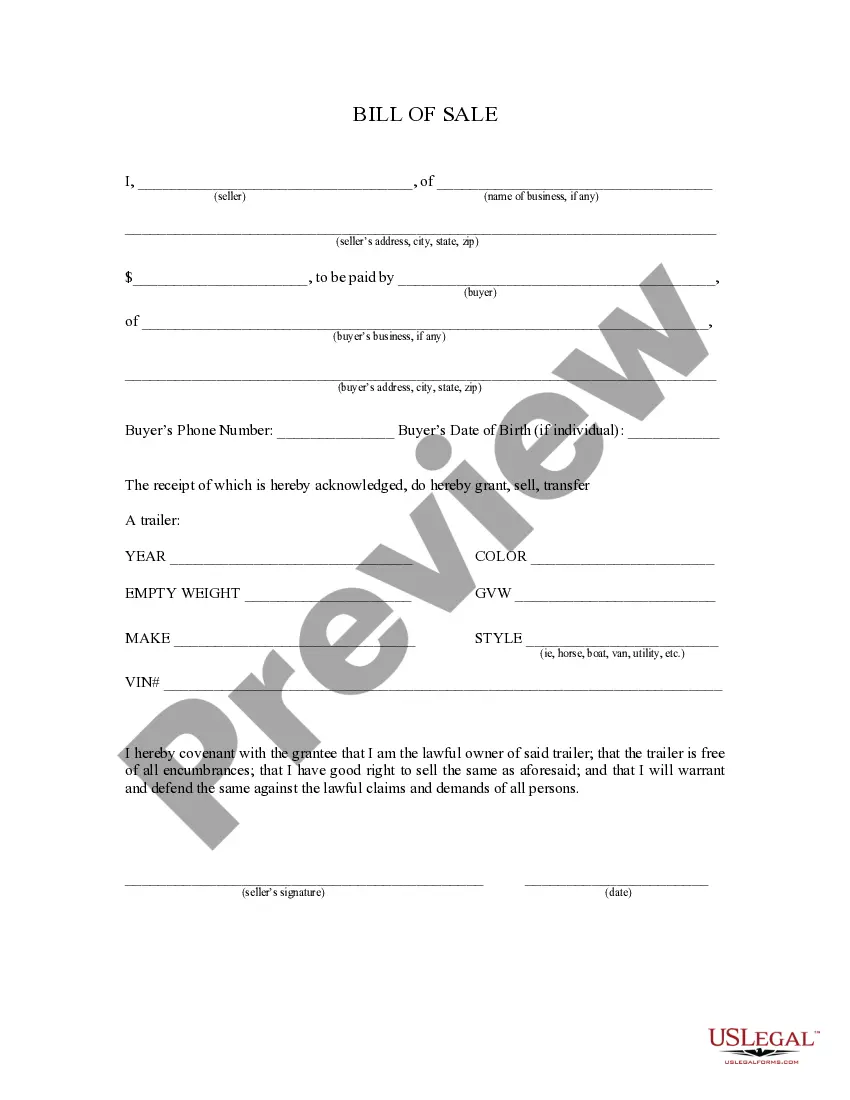
Maine Bill of Sale
What this document covers
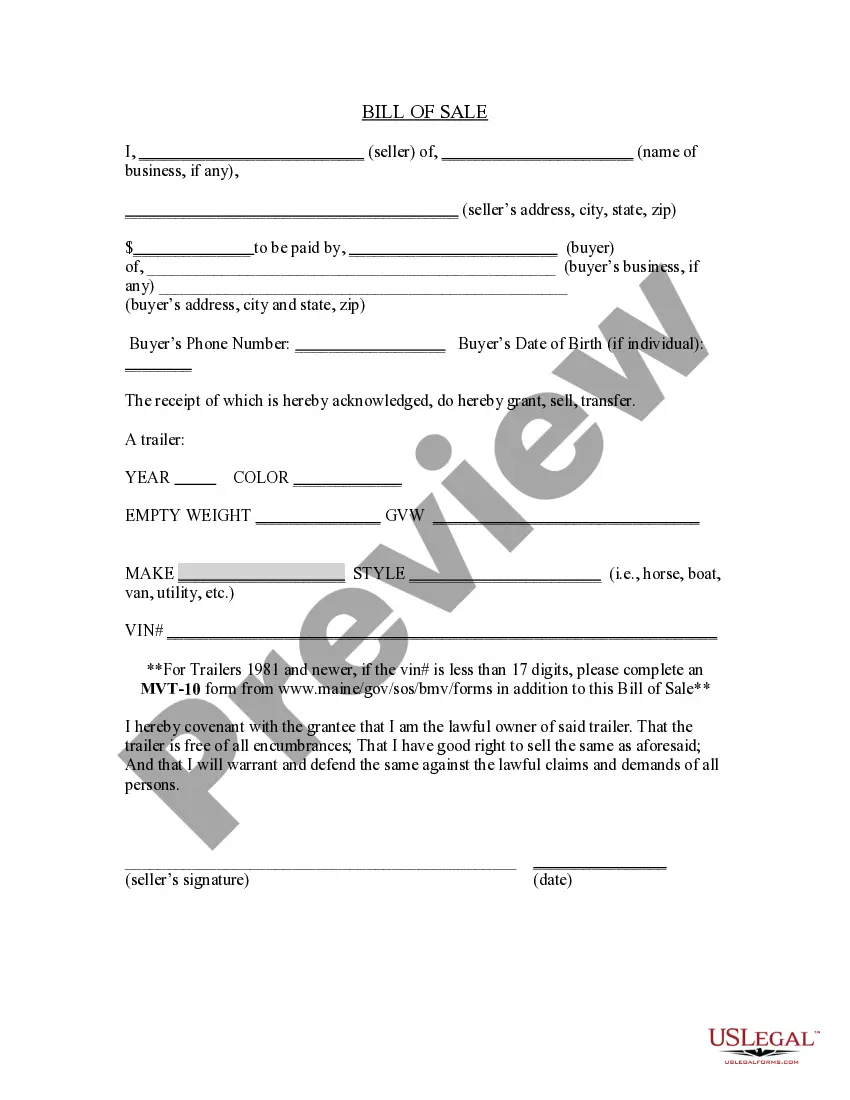
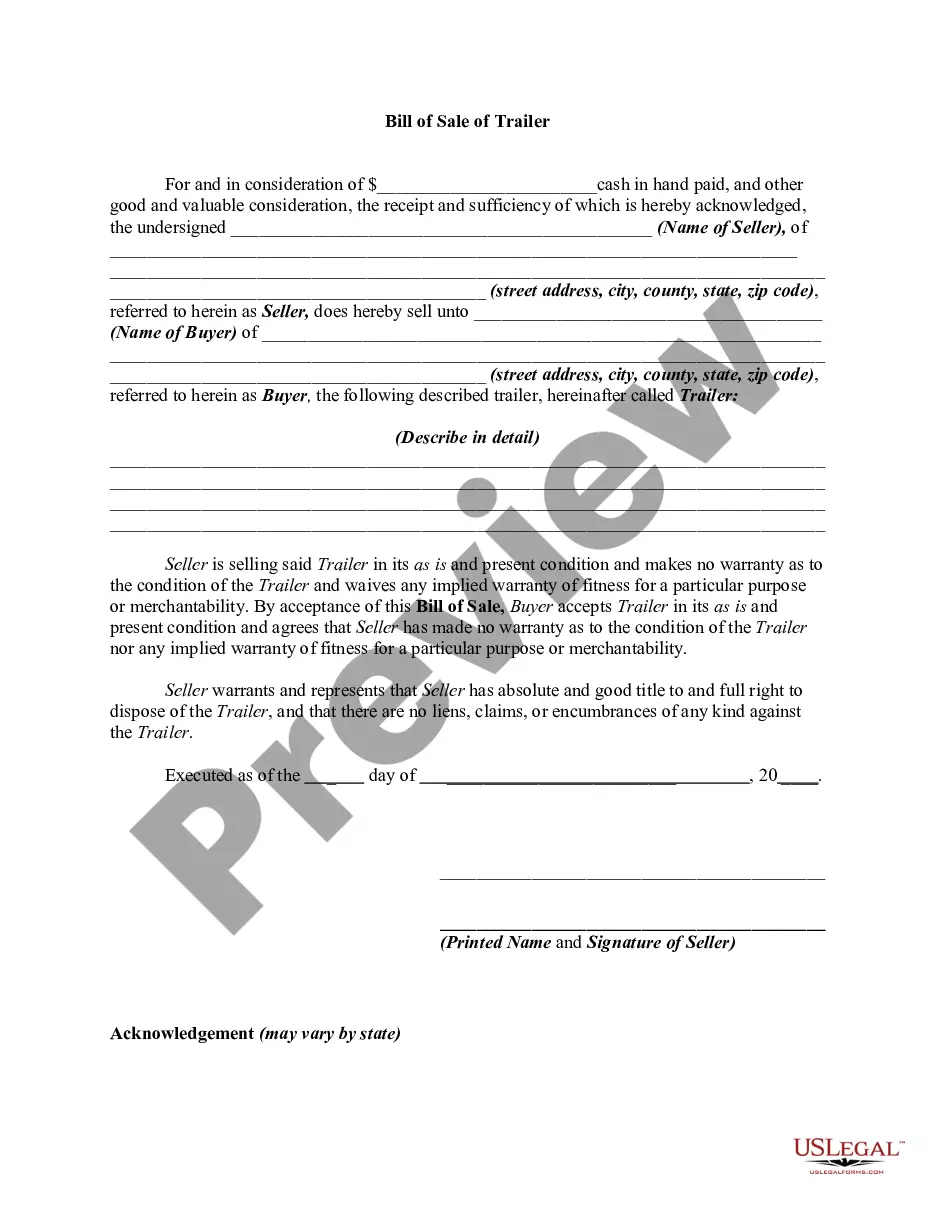
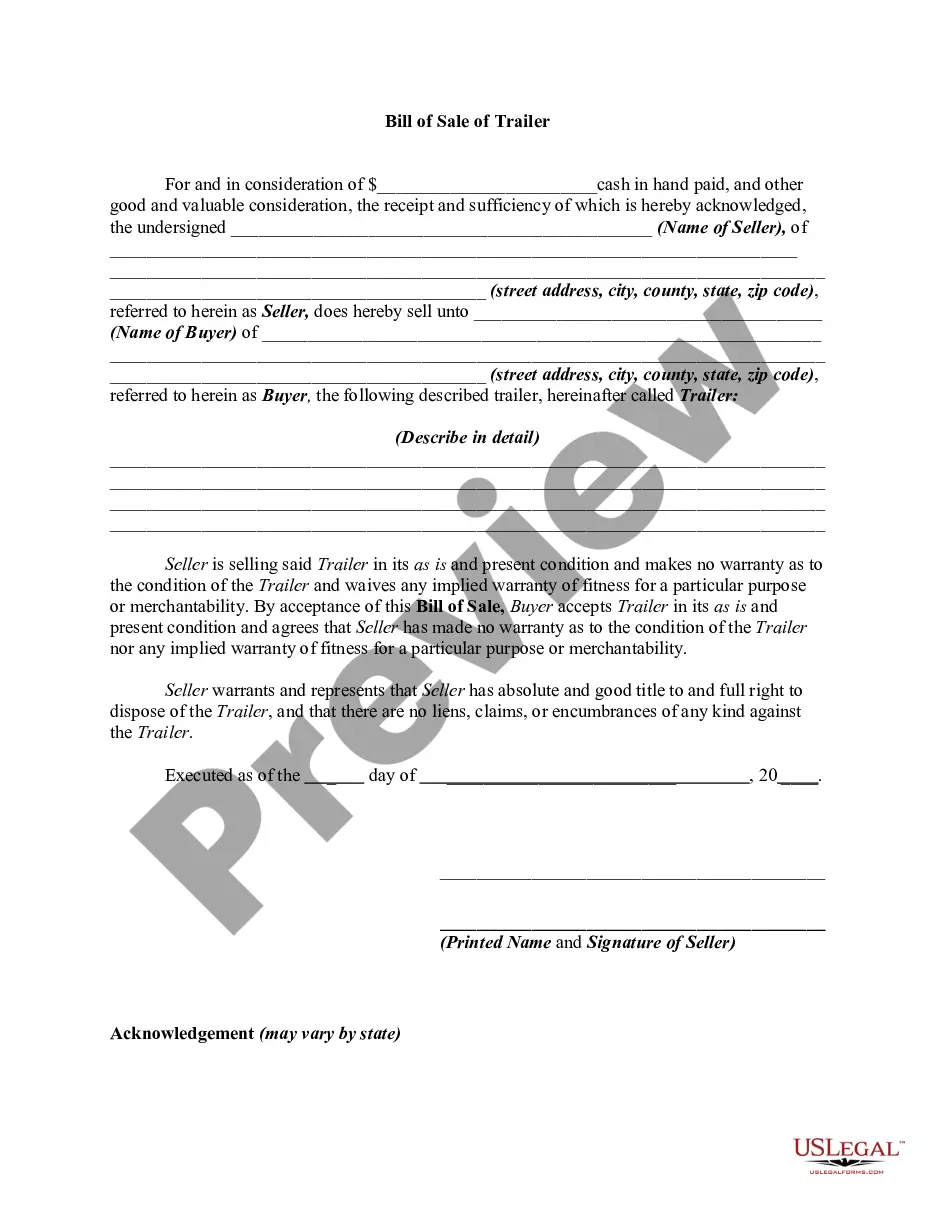
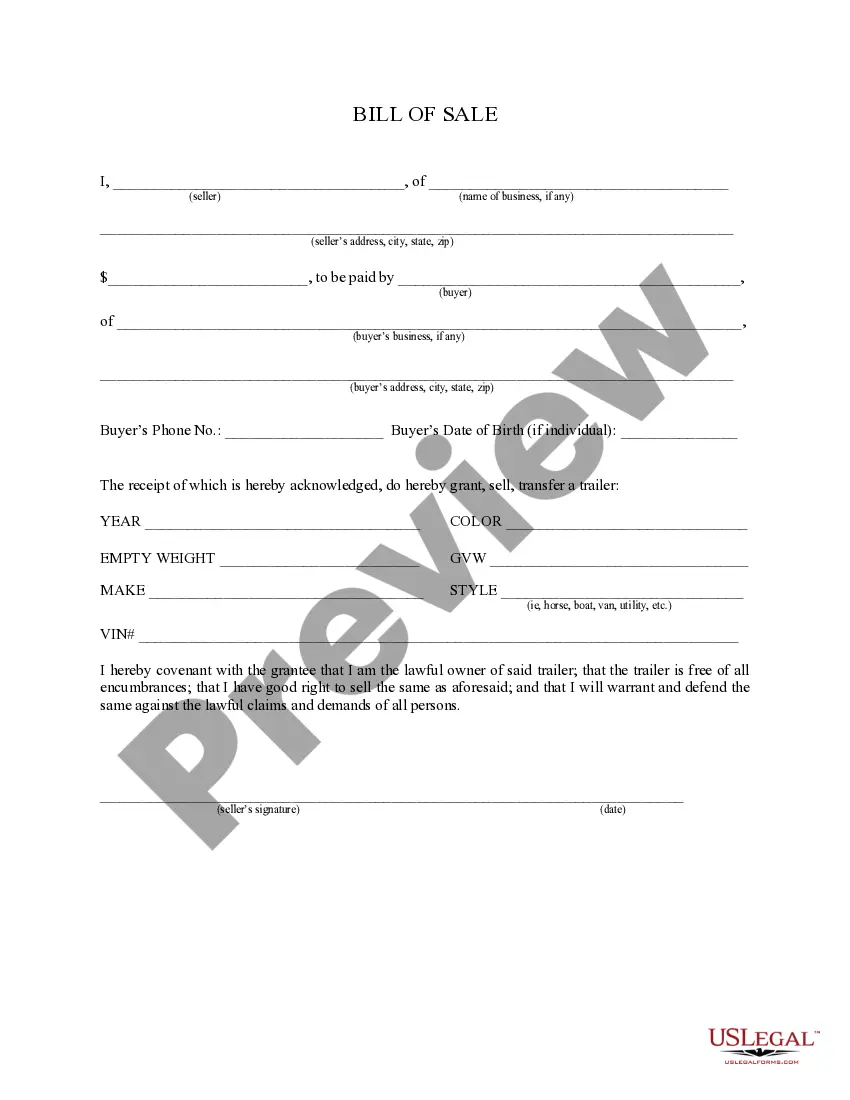
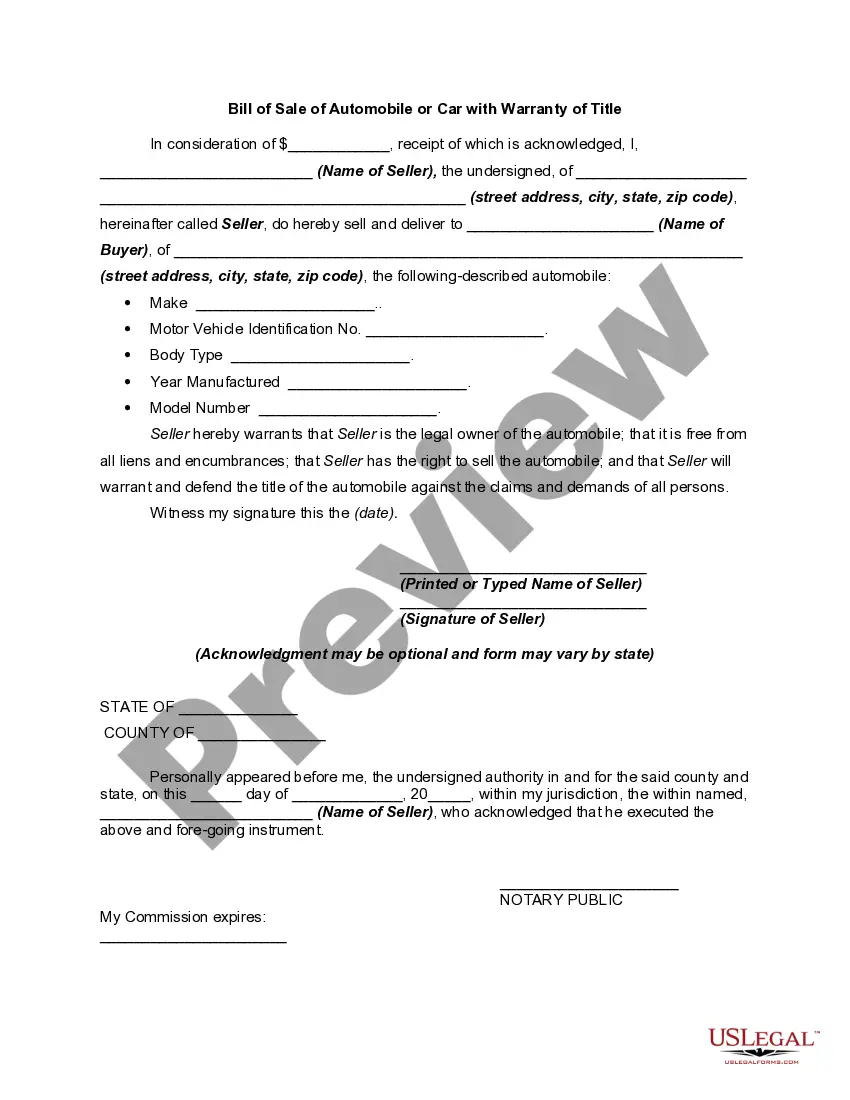
The Bill of Sale is a legal document that formally transfers ownership of an automobile from a seller to a buyer. It serves as proof of the transaction, detailing essential information such as the vehicle's make, model, and Vehicle Identification Number (VIN). Unlike other sales contracts, this Bill of Sale does not require notarization, making it a straightforward option for buyers and sellers alike.
Key components of this form
- Seller's name and address
- Buyer's name and address
- Sale price of the automobile
- Detailed description of the vehicle, including year, color, make, model, and VIN
- Seller's guarantee of ownership and lack of encumbrances
- Signatures of the seller and date of the sale
Situations where this form applies
This Bill of Sale is typically used when an individual or business sells a vehicle to another party. It is essential when the ownership of the vehicle needs to be legally transferred, whether it is a private sale or a transaction involving a licensed dealer. Additionally, this document can assist in vehicle registration, title transfer, and protection against future claims from either party.
Who should use this form
This form is suitable for:
- Private sellers transferring ownership of a personal vehicle
- Businesses selling vehicles as part of their operations
- Buyers who want documented proof of the transaction
How to complete this form
- Identify the seller and buyer by filling in their names and addresses.
- Enter the sale price clearly in the designated field.
- Provide a thorough description of the vehicle, including its make, model, year, color, and VIN.
- Ensure that the seller signs and dates the document to finalize the sale.
- Provide a copy to the buyer for their records.
Does this document require notarization?
This form does not typically require notarization unless specified by local law. Users should verify the requirements in their state to ensure compliance with any local regulations governing vehicle sales.
Get your form ready online
Our built-in tools help you complete, sign, share, and store your documents in one place.
Make edits, fill in missing information, and update formatting in US Legal Forms—just like you would in MS Word.
Download a copy, print it, send it by email, or mail it via USPS—whatever works best for your next step.
Sign and collect signatures with our SignNow integration. Send to multiple recipients, set reminders, and more. Go Premium to unlock E-Sign.
If this form requires notarization, complete it online through a secure video call—no need to meet a notary in person or wait for an appointment.
We protect your documents and personal data by following strict security and privacy standards.

Make edits, fill in missing information, and update formatting in US Legal Forms—just like you would in MS Word.

Download a copy, print it, send it by email, or mail it via USPS—whatever works best for your next step.

Sign and collect signatures with our SignNow integration. Send to multiple recipients, set reminders, and more. Go Premium to unlock E-Sign.

If this form requires notarization, complete it online through a secure video call—no need to meet a notary in person or wait for an appointment.

We protect your documents and personal data by following strict security and privacy standards.
Avoid these common issues
- Failing to complete all required fields, such as the VIN or sale price.
- Not obtaining a copy for the buyer and the seller.
- Omitting signatures or dates, which can render the document void.
Benefits of completing this form online
- Immediate access to a legally vetted template.
- Easy customization to fit specific needs.
- Elimination of mailing or travel time - download and print on demand.
Looking for another form?
Form popularity
FAQ
Documents needed: Your bill of sale/sales agreement from the dealer. Blue title application (if the vehicle is a 1995 model year or newer) Evidence of insurance (ID card, policy or binder)
How Do I Write a Maine Bill of Sale? Their printed legal names. The date of the bill of sale. Certain information about the item being sold. The amount the item was old for. In some instances, the bill of sale may also need to be notarized.
When buying or selling high-value items in Maine, you need a bill of sale. This legal document records the transfer of ownership of a car, boat, firearm, or other personal property from a seller to a buyer.
After Purchasing a Vehicle A bill of sale is not enough to complete a vehicle transfer in Maine. Several additional documents are required before the transaction is official.
It is illegal in the state of Main to sell a vehicle without a title. In this situation, the purchase of the vehicle can be declared invalid. If the seller has misplaced the vehicle title, they can visit their local Maine BMV office and apply for a duplicate vehicle title, (Form MVT-8).
Is it better to gift a car or sell it for $1 in Maine? Because gifted cars are still subject to sales tax in Maine, it only makes sense to list the $0 gift ?sale? in the transaction. The recipient will be paying the 5.5% sales tax of the market value either way?selling it for $1 will just cost them an extra buck.
A vehicle 1994 and older does not need a Maine title. To register a vehicle purchased through a private sale, the new owner must provide the following items at the time of registration: 1. A bill of sale that includes the make, serial (VIN) number, the date of the sale, and amount paid.
How Do I Write a Maine Bill of Sale? Their printed legal names. The date of the bill of sale. Certain information about the item being sold. The amount the item was old for. In some instances, the bill of sale may also need to be notarized.