South Dakota Assignment of Contract for Deed by Seller
About this form
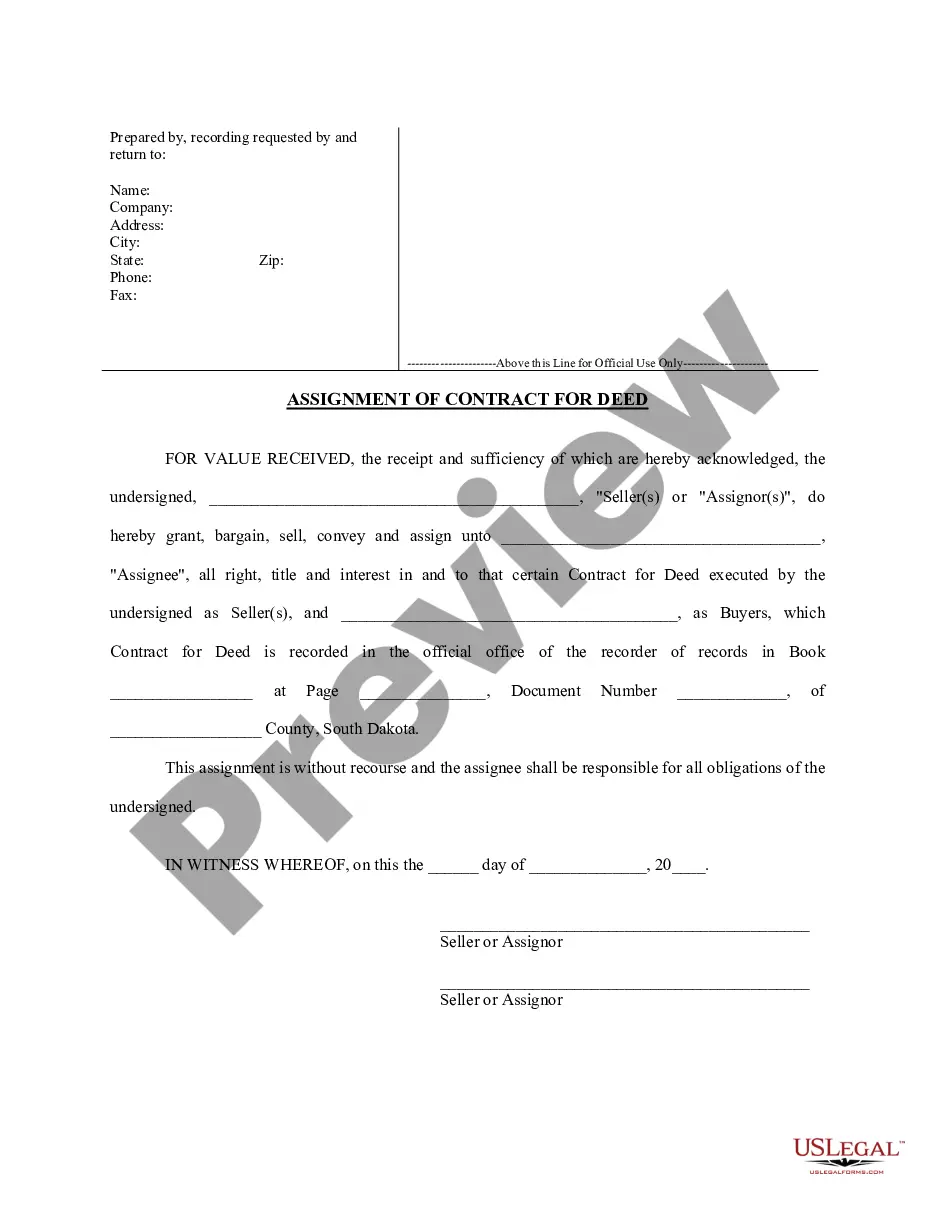
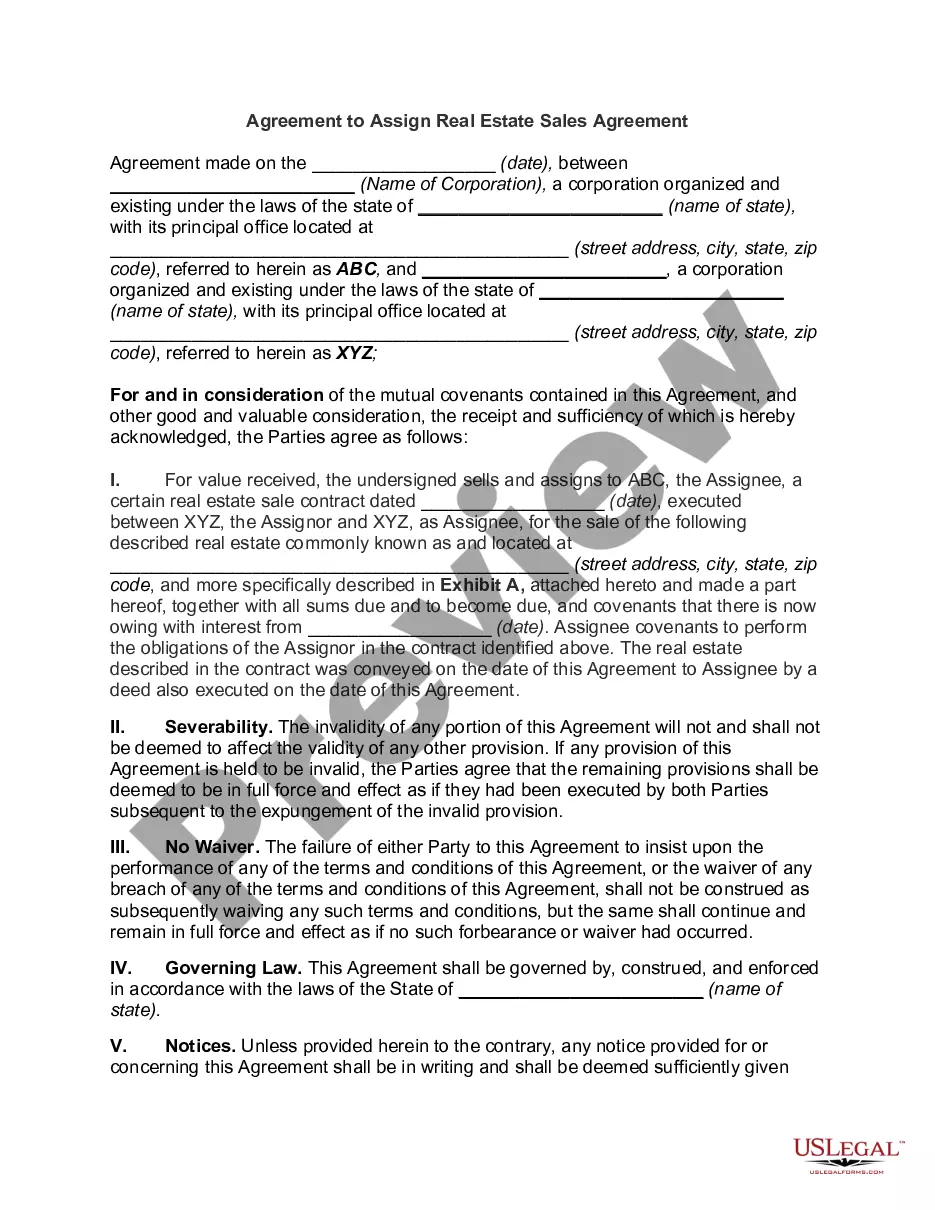
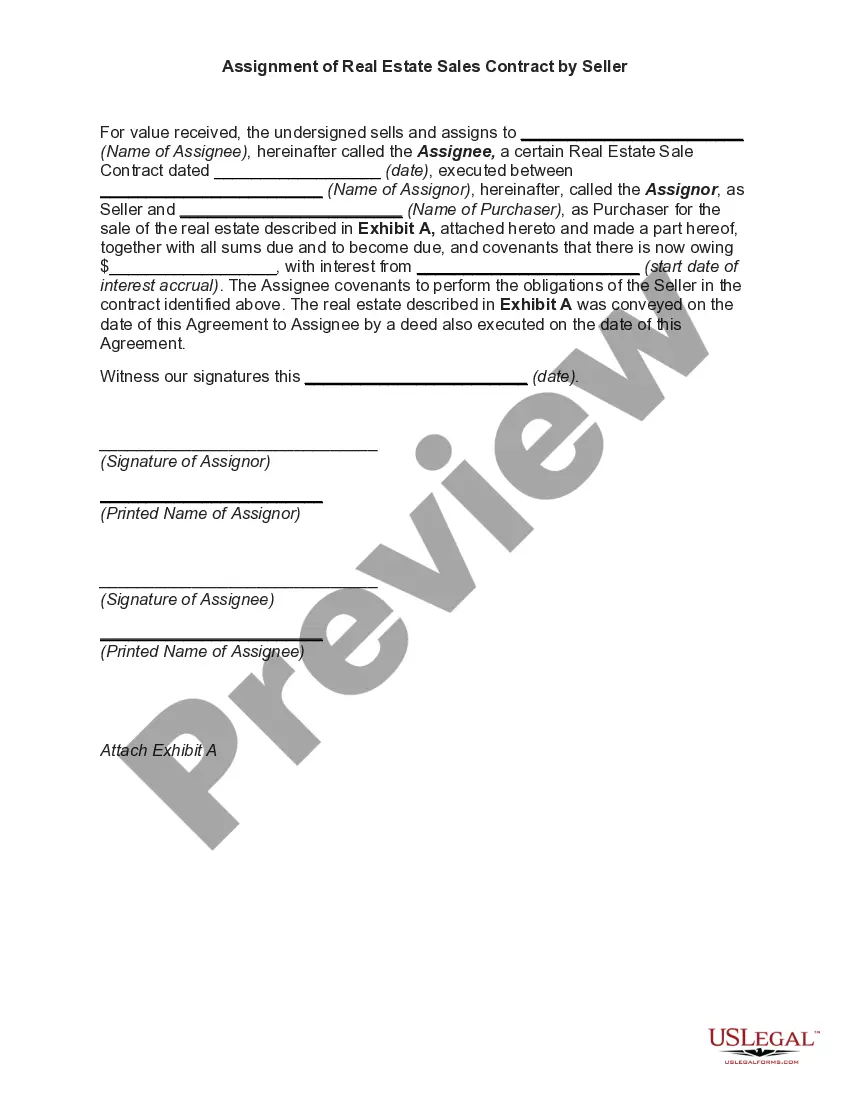
The Assignment of Contract for Deed by Seller is a legal document used by a seller to transfer their interest in a contract for a deed to a third party. This form is typically utilized when the seller wishes to receive immediate cash, often at a discounted value, while allowing the assignee to step into their position and receive future payments from the purchaser. Unlike simple sales, this form specifically addresses the assignment of rights under an existing contract rather than the outright sale of the property itself.
What’s included in this form
- Identification of the original seller and assignee.
- Details of the contract being assigned, including property information.
- Terms outlining the responsibilities and obligations of the assignee.
- Spaces for signatures of the original seller and the assignee.
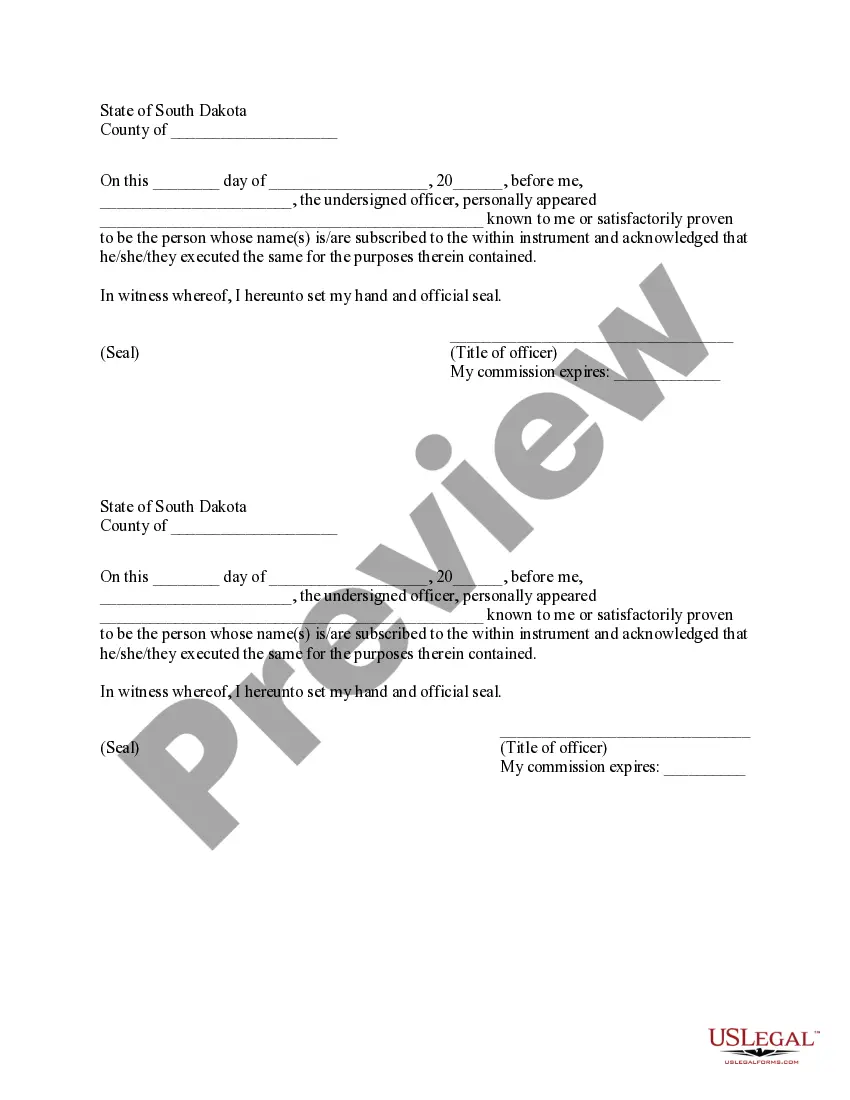
- Notary acknowledgment section to verify the identities of the parties involved.
When to use this form
This Assignment of Contract for Deed by Seller should be used in situations where the seller has entered into a contract for deed but wishes to transfer their rights and obligations to another party. This may occur if the seller needs cash quickly and prefers not to wait for the buyer's payments. Additionally, this form may be relevant if there are changes in the seller's circumstances, such as moving out of state or needing to liquidate assets.
Who should use this form
- Property sellers who have a contract for deed and want to assign their contract to another party.
- Individuals or entities looking to step into an existing contract for deed as the new holder of rights.
- Sellers who seek financial relief through a quick sale or assignment of their contract obligations.
How to prepare this document
- Identify the parties involved: the original seller and the assignee.
- Specify the details of the contract for deed being assigned, including the property description.
- Include the date of the assignment and ensure all parties sign the document.
- Complete the notary section, ensuring the notary public witnesses the signatures.
- Keep a copy of the signed document for all involved parties for their records.
Is notarization required?
Notarization is required for this form to take effect. Our online notarization service, powered by Notarize, lets you verify and sign documents remotely through an encrypted video session, available 24/7.
Get your form ready online
Our built-in tools help you complete, sign, share, and store your documents in one place.
Make edits, fill in missing information, and update formatting in US Legal Forms—just like you would in MS Word.
Download a copy, print it, send it by email, or mail it via USPS—whatever works best for your next step.
Sign and collect signatures with our SignNow integration. Send to multiple recipients, set reminders, and more. Go Premium to unlock E-Sign.
If this form requires notarization, complete it online through a secure video call—no need to meet a notary in person or wait for an appointment.
We protect your documents and personal data by following strict security and privacy standards.

Make edits, fill in missing information, and update formatting in US Legal Forms—just like you would in MS Word.

Download a copy, print it, send it by email, or mail it via USPS—whatever works best for your next step.

Sign and collect signatures with our SignNow integration. Send to multiple recipients, set reminders, and more. Go Premium to unlock E-Sign.

If this form requires notarization, complete it online through a secure video call—no need to meet a notary in person or wait for an appointment.

We protect your documents and personal data by following strict security and privacy standards.
Common mistakes to avoid
- Failing to clearly identify all parties and property in the assignment.
- Not having the document notarized when required, leading to potential enforceability issues.
- Leaving out important details of the contractual obligations of the assignee.
Why use this form online
- Convenience of downloading the form at any time without the need for an office visit.
- Editability that allows for customization based on specific needs.
- Reliability from professionally drafted forms reviewed by licensed attorneys.
Quick recap
- The Assignment of Contract for Deed by Seller enables sellers to transfer their contractual obligations.
- It is essential to complete all sections accurately to ensure the validity of the form.
- Notarization is required to authenticate the assignment and protect all parties involved.
Looking for another form?

Form popularity
FAQ
Other benefits include: no loan qualifying, low or flexible down payment, favorable interest rates and flexible terms, and a quicker settlement. The biggest risk when buying a home contract for deed is that you really don?t have a legal claim to the property until you have paid off the entire purchase price.
The Difference Between Renting to Own and a Contract for Deed. Renting to own usually means renting now, with an option to buy later. When you make this kind of deal, you are still a tenant, and the seller is still a landlord, until the final purchase. A contract for deed is very different.
Usually the contract requires the buyer to make payments over time with interest payable on the unpaid balance. Once a buyer pays all of the payments called for under the contract, the owner transfers to the buyer a deed to the property.
A disadvantage to the seller is that a contract for deed is frequently characterized by a low down payment and the purchase price is paid in installments instead of one lump sum. If a seller needs funds from the sale to buy another property, this would not be a beneficial method of selling real estate.
In the first instance, if your deed is not recorded, there is nothing in the public record to stop the seller from conveying the property to another person.The second situation could happen if your seller fails to pay his or her debts and the seller's creditors file liens or judgments against your property.
Failure to record a deed effectively makes it impossible for the public to know about the transfer of a property. That means the legal owner of the property appears to be someone other than the buyer, a situation that can generate serious ramifications.
The buyer receives the deed from the seller and becomes the legal owner.A contract for deed is a contract where the seller remains the legal owner of the property and the buyer makes monthly payments to the seller to buy the house. The seller remains the legal owner of the property until the contract is paid.
Contract for Deed Seller Financing. A contract for deed is used by some sellers who finance the sale of their homes. Seller's Ownership Liability. Buyer Default Risk. Seller Performance. Property Liens Could Hinder Purchase.
A contract for deed is a legal agreement for the sale of property in which a buyer takes possession and makes payments directly to the seller, but the seller holds the title until the full payment is made.